

P0300 on 2004-2009 Toyota Prius: Random Misfire Causes and Fixes
On a 2004-2009 (Gen 2) Prius, P0300 is most commonly caused by worn spark plugs, failing ignition coils, or dirty fuel injectors, especially on higher mileage examples. These are relatively simple and affordable DIY fixes, often resolving the issue for under $200.
- P0300 means multiple cylinders are misfiring, and on a 2004-2009 Prius, this usually points to a simple ignition system problem.
- Start your diagnosis with the cheapest and easiest parts: inspect and likely replace the spark plugs first.
- If plugs don't fix it, failing ignition coils are the next most probable cause.
- Unlike newer Prius models, a P0300 on a Gen 2 is less likely to be caused by complex EGR or head gasket issues, especially on lower-mileage examples.
- Do not ignore a flashing Check Engine Light, as this indicates a severe misfire that can quickly destroy your catalytic converter.
What's Unique About the 2004-2009 Toyota Prius
The 2004-2009 Prius (Gen 2) is generally reliable, and a P0300 code often points to basic maintenance items like spark plugs and coils. Unlike the later Gen 3 Prius, which is known for EGR and head gasket issues causing misfires, the Gen 2 model's misfires are more typically linked to the ignition system or fuel delivery. However, high oil consumption can be an issue on higher mileage 1NZ-FXE engines, which can foul spark plugs and lead to misfires. Some owners on PriusChat report that dirty fuel injectors become a more common cause at higher mileages (150k+).
Symptoms You May Notice
- Rough or shaky engine idle, sometimes described as violent shaking on startup
- Hesitation or stumbling during acceleration
- Noticeable vibrations felt through the car
- Flashing or solid Check Engine Light
- Reduced fuel economy
- Engine may struggle to start or have a rough cold start
- Rattling or knocking sound from the engine during the misfire event
- Replacing only one spark plug or coil when others are near the end of their service life.
- Replacing the catalytic converter for a P0420 code when the root cause is an unresolved P0300 misfire.
- Assuming the cause is EGR-related, which is the primary culprit for P0300 on the Gen 3 Prius, but not the Gen 2.
Most Likely Causes
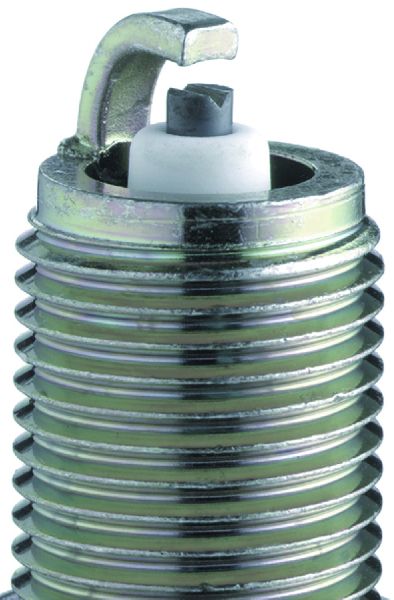
- Worn or Fouled Spark Plugs 🔴 High Probability → Shop Spark Plug Spark plugs are a regular maintenance item. High oil consumption on some higher-mileage engines can foul the plugs with oil or carbon, causing them to misfire before their expected 120,000-mile service life is over.
How to confirm: Remove and inspect all four spark plugs. Look for wear on the electrode, heavy carbon buildup, or oil fouling. In one owner's experience, plugs were significantly degraded with an increased gap after only 30,000 miles. A smell of gasoline on specific plugs can also indicate a misfire in that cylinder.
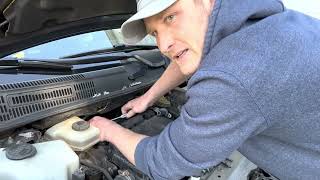
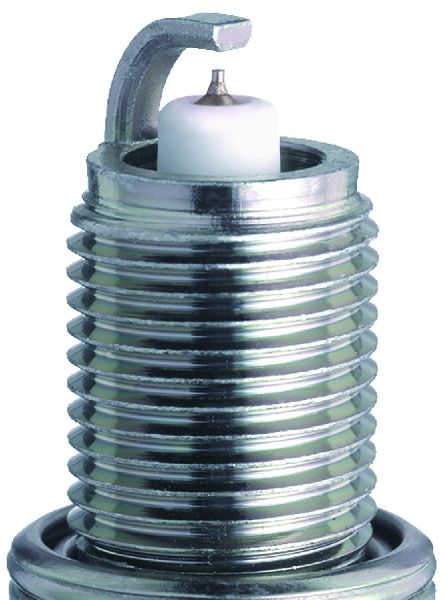
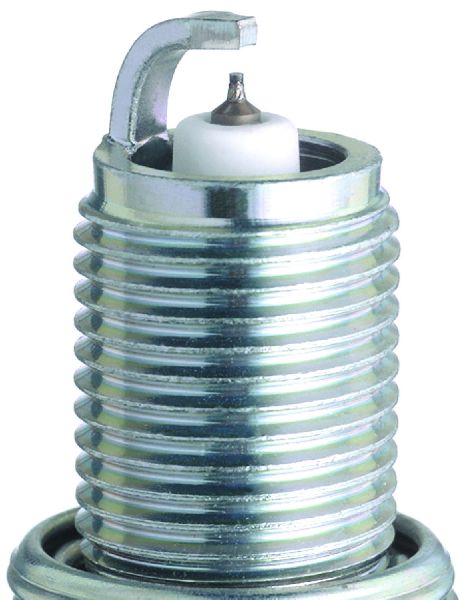
Typical fix: Replace all four spark plugs. 🎬 Watch this step-by-step tutorial on replacing your Gen 2 spark plugs. It is critical to use OEM-spec Iridium plugs, such as Denso (SK16R11) or NGK (IFR5T11), as the Prius ignition system is sensitive.
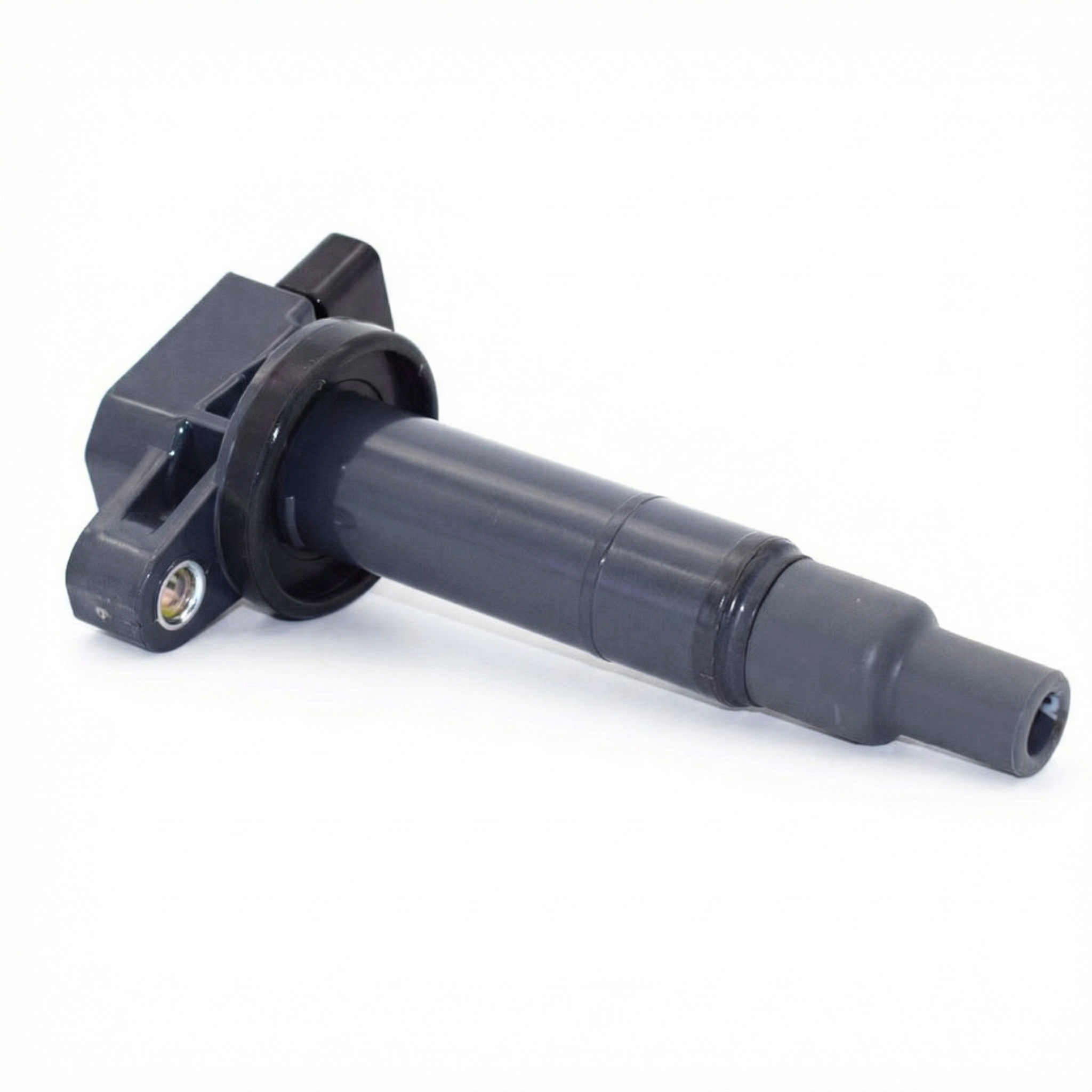
Est. part cost: $25-$50 - Failing Ignition Coil(s) 🔴 High Probability → Shop Ignition Coil
How to confirm: If a specific cylinder code (e.g., P0302) is present, swap the ignition coil from that cylinder with one from a known good cylinder. Clear the codes and drive. If the misfire code moves to the new cylinder (e.g., P0304), the coil is bad. With a P0300, this is harder, but you can test by lifting the coils one by one while the engine is running; a healthy coil will produce an audible crackle or ping. Visually inspect coils for cracks or burn marks.
Typical fix: Replace the faulty ignition coil. It is common practice to replace all four if they are original and have high mileage, as they tend to fail around the same time.
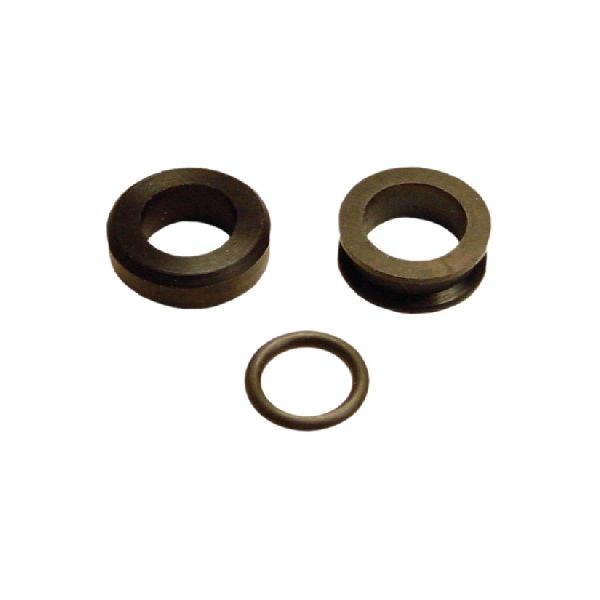
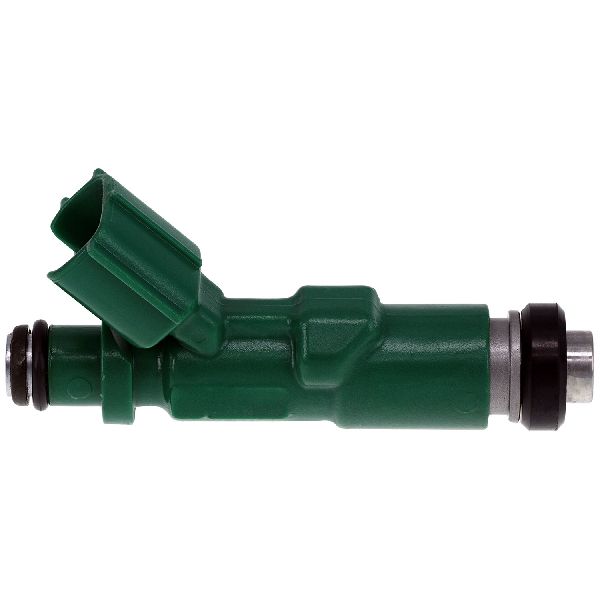
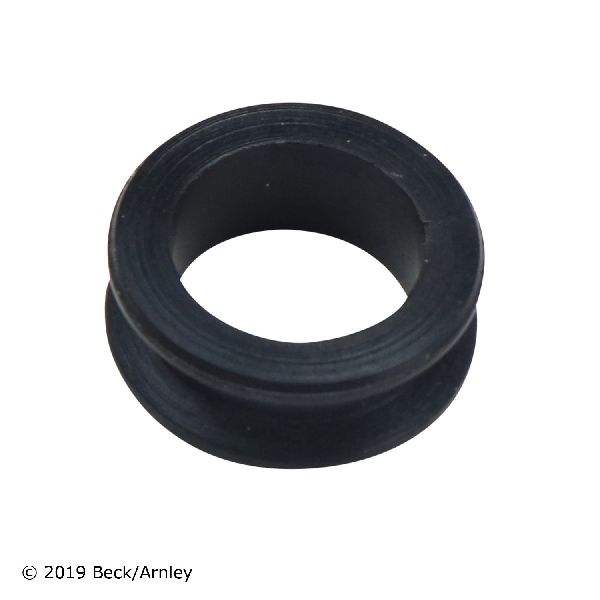
Est. part cost: $30-$70 per coil - Dirty or Clogged Fuel Injectors 🟡 Medium Probability → Shop Fuel Injector This becomes a more frequent cause on high-mileage (150k+) Priuses. Carbon buildup can disrupt the spray pattern and cause a lean misfire.
How to confirm: This is difficult to confirm without professional tools. A strong indicator is when replacing spark plugs and coils does not solve the P0300 code. Some owners have had success by adding a fuel system cleaner like HEET to the gas tank as a first step.
Typical fix: In a documented case on PriusChat, a 2008 Prius with 160k miles had its P0300 codes resolved only after replacing all four fuel injectors, following unsuccessful replacement of plugs, coils, and MAF cleaning. Owners can buy cleaned and refurbished injectors online to make the DIY repair faster. 🎬 See how to replace fuel injectors to fix high-mileage misfires.
Est. part cost: $50-$150 per injector (remanufactured) - Dirty Mass Air Flow (MAF) Sensor ⚪ Low Probability → Shop Fuel Injection Air Flow Meter The MAF sensor can become contaminated with oil and dirt over time, especially if an aftermarket oiled air filter is used or the engine air filter is neglected. This causes incorrect air-fuel ratio calculations.
How to confirm: Inspect the sensor's delicate wires for contamination. A diagnostic scanner can show abnormal MAF readings. Cleaning is a simple, low-cost diagnostic step.
Typical fix: Carefully clean the MAF sensor with a dedicated MAF sensor cleaner spray. Do NOT use brake or carb cleaner, and do not touch the sensor wires. The process involves removing two screws and carefully spraying the sensor elements.
Est. part cost: $10-$15 for cleaner - Vacuum Leak ⚪ Low Probability
How to confirm: Listen for hissing sounds around the engine bay. A common, though sometimes accidental, cause is a dirty throttle body plate that doesn't seal correctly, allowing unmetered air to leak past. A professional smoke test is the definitive way to find leaks from cracked hoses or bad gaskets.
Typical fix: Replace the leaking hose or gasket. In one forum instance, a user resolved their misfire by cleaning carbon buildup around the throttle body plate, which they believed was causing a small leak. 🎬 Watch this guide on how to properly clean the throttle body.
Est. part cost: $10-$100
Rare But Worth Checking
- Low Fuel Pressure: A failing fuel pump or clogged fuel filter can cause a lean condition and random misfires. This is less common but possible. A fuel pressure test is needed to confirm.
- Low Engine Compression: Internal engine problems like a failing head gasket, worn piston rings, or bad valves can cause a loss of compression, leading to misfires. This is less common on Gen 2 models compared to Gen 3 but becomes a possibility at very high mileage (200k+). A compression test is required for diagnosis.
- Broken Manifold Absolute Pressure (MAP) Sensor: → Shop Manifold Absolute Pressure Sensor In one detailed PriusChat thread, an owner with 252k miles solved a persistent P0300/P0301/P0302 code by replacing the MAP sensor after plugs, coils, injectors, and MAF cleaning failed to fix the issue. The sensor was physically damaged.
Diagnosis Steps
- Read all fault codes with an OBD-II scanner. Note any other codes present alongside P0300, especially specific cylinder misfire codes (P0301-P0304).
- Inspect the spark plugs. Check for wear, damage, oil fouling, or incorrect gap. Replace if they are due or in poor condition. This is the most common and cost-effective first step.
- Inspect the ignition coils for any visible damage or cracks. If specific cylinder misfires are also logged (e.g., P0302), swap that coil with another cylinder's coil to see if the misfire follows.
- Clean the Mass Air Flow (MAF) sensor using a dedicated cleaner. This is a low-cost, high-reward step that can be done in minutes.
- Check for vacuum leaks. Listen for hissing noises. Inspect the intake hose for cracks. Consider cleaning the throttle body plate, as buildup can cause an air leak.
- If misfires persist, especially on a high-mileage vehicle, consider fuel injectors as the next likely cause. Use a quality fuel injector cleaner as a first attempt before considering replacement.
- If the above steps don't resolve the issue, further diagnostics for fuel pressure, fuel injectors, and engine compression may be needed.
Parts You'll Likely Need
- Spark Plugs
(OEM #90919-01210)— These are a primary cause of misfires and a standard maintenance item. Using the correct OEM-spec plug is critical for the Prius ignition system.
Trusted brands: Denso (SK16R11), NGK (IFR5T11)
OEM price range: $40-$60 (set of 4)
Aftermarket price range: $25-$50 (set of 4) - Ignition Coil
(OEM #90919-02240)— Ignition coils provide the high voltage needed to create a spark. They are a common failure point that directly causes misfires.
Trusted brands: Denso, NGK, Delphi
OEM price range: $80-$100 per coil
Aftermarket price range: $30-$70 per coil - Fuel Injector
(OEM #23209-21020)— Becomes a likely culprit on high-mileage vehicles after ignition components have been ruled out. Often sold as cleaned/refurbished sets.
Trusted brands: OEM (Denso)
OEM price range: $150-$250 per injector
Aftermarket price range: $50-$100 per remanufactured injector
Related Codes That Often Appear With This One
- P0301, P0302, P0303, P0304 — These codes indicate a misfire on a specific cylinder. A P0300 may appear with them if the misfire is happening on more than one cylinder or is moving between cylinders.
- P0171 — System Too Lean. This can be caused by a vacuum leak, a dirty MAF sensor, or low fuel pressure, all of which can also cause a P0300.
Technical Service Bulletins (TSBs) & Recalls
- TSB EG045-07: While not directly for the Prius, this TSB addresses oil consumption on related engines by noting an improvement in piston design, which is relevant to the oil-fouling issue that can cause P0300 on the 1NZ-FXE.
Platform-Specific Known Issues
- Some high-mileage 1NZ-FXE engines can consume oil, which leads to fouled spark plugs and can trigger a P0300 code. Monitoring oil levels is important. Toyota issued TSB EG045-07 for other models with NZ-family engines regarding oil consumption, noting improved piston designs were implemented.
Mechanic-Grade Diagnostic Values
- Fuel Pressure — expected: 304 to 343 kPa (44 to 50 psi) with the fuel pump activated via a scan tool or with the engine running.. Failure: Pressure below this range indicates a weak fuel pump or clogged filter. Pressure that drops quickly after the pump is turned off can indicate a leaking injector or faulty check valve.
- Fuel Injector Resistance — expected: Approximately 13.4 to 14.2 Ω at 68°F (20°C).. Failure: A reading significantly outside this range, or an open circuit (OL), indicates a failed injector coil.
- Ignition Coil Resistance — expected: No official specification provided by Toyota for testing resistance on these coil-on-plug units.. Failure: Diagnosis is performed by swapping a suspected bad coil with a known good one and seeing if the misfire code follows the coil.
- Mass Air Flow (MAF) Sensor Reading (Engine OFF) — expected: Approximately 0.28 g/sec with ignition ON, engine OFF, on a level surface.. Failure: A reading that is significantly different, or does not change appropriately with airflow when the engine is running, points to a faulty sensor.
- Mass Air Flow (MAF) Sensor Reading (Engine at Idle) — expected: Typically 2 to 7 g/s, depending on exact idle speed and conditions. For the 1.5L Prius engine, this will be on the lower end of the range.. Failure: Readings that are abnormally low can indicate a vacuum leak downstream of the sensor. Readings should increase smoothly with RPM.
Hidden / Shadow Codes Worth Checking
- Mode $06 Misfire Data (e.g., TID $0C): Mode $06 provides raw data from the ECM's self-tests before a fault is bad enough to trigger a Check Engine Light. It can show misfire counts for each individual cylinder, allowing you to identify a cylinder that is starting to fail even if you only have a general P0300 code. (see via Use a scan tool that supports Mode $06 data (like Torque Pro, or professional scanners). Look for Test IDs (TID) and Component IDs (CID) related to misfire counts. For example, on many vehicles, TID $0C shows misfire counts for the current drive cycle.)
Scan Tool Commands That Help
- Toyota Techstream: Active Test -> Control the Fuel Pump / Speed — This command allows you to manually turn on the fuel pump without the engine running. It is essential for safely and accurately testing fuel pressure.
- Toyota Techstream: Utility -> Misfire Monitor — The standard 'Data List' for misfires may not update accurately under load. The Monitor screen provides a more reliable snapshot and history of misfire counts per cylinder, making it superior for diagnosing intermittent issues.
- Toyota Techstream: Active Test -> Check the Cylinder Compression — This function cranks the engine while disabling fuel and spark, then records the cranking speed variation for each cylinder to provide a relative compression reading. It's a quick way to check for major mechanical engine problems without a mechanical gauge.
Wiring & Ground Locations
- EA, EB — On the engine block itself, near the left side of the engine compartment.. These are primary engine ground points. A loose or corroded connection here can cause unstable voltage for critical components like the ignition coils, fuel injectors, and the ECM, leading to random misfires.
- EC — On the left front fender apron, in the engine compartment.. This ground point serves various components in the engine bay. Poor grounding here can introduce electrical noise and intermittent faults that are difficult to trace and may manifest as a P0300.
- Ignition Coil Connector — 4-pin connector on top of each ignition coil.. Technicians need to test for 12V power, ground, and the trigger signal from the ECM at this connector to determine if a no-spark condition is due to the coil itself or a wiring/ECM issue.
Real Owner Repair Stories
- YouTube user 'Fix it Angel' (2004-2009 Toyota Prius (Gen 2)) — Rough running, Check Engine Light with codes P0300, P0302, P0303, P0304.
❌ Tried (didn't work) The owner had previously replaced fuel injectors., The owner had also previously replaced spark plugs and ignition coils with cheap parts purchased from eBay.
✅ What actually fixed it The problem was resolved by replacing all four spark plugs and all four ignition coils with genuine Denso parts purchased from a reputable auto parts store. The owner suspected the eBay parts were counterfeit and of poor quality. The car ran smoothly with no codes for over 1,000 miles after the repair. - PriusChat user 'Sanlot' (2007 Toyota Prius with ~40k miles) — Shaking more than usual on startup, CEL with P0300, P0302, P0303, P0304.
❌ Tried (didn't work) Cleaning the MAF sensor (incorrectly, with carb cleaner)., Lifting ignition coils one by one to check for spark (all seemed to be working).
✅ What actually fixed it The owner cleaned the throttle body. They found a small amount of carbon buildup around the rim of the throttle body plate, which they believed was causing a small, unmetered air leak. After cleaning this buildup, the car worked fine.
"I Checked Everything" — The Actual Cause
- A P0300 caused by a small air leak at the throttle body plate may not be found with a smoke test. If the throttle plate doesn't seal perfectly against the throttle body bore due to carbon buildup, it can allow unmetered air to enter, leaning out the mixture and causing random misfires, especially at idle. A smoke test pressurizes the intake and may force the plate shut, masking the leak. The fix is to physically clean the throttle body bore and plate edge.
When the Usual Fixes Don't Work
- While replacing spark plugs and ignition coils is the most common fix, it's not always successful. In one documented case, an owner replaced these parts with cheap versions purchased on eBay, but the P0300 code returned. The ultimate fix was to replace the same parts again, but this time using genuine Denso components from a trusted retailer. This highlights that part quality, not just the part type, is critical. Counterfeit parts are a known issue and can lead to a misdiagnosis where the technician assumes the cause must be something else because the 'new' parts didn't work.
OEM Part Supersession History
90080-19021→90919-02240— Standard part revision and consolidation by Toyota.
Heads up: The new part number (90919-02240) is the correct direct replacement for the original. No incompatibility issues are known.
Model Year Variations Within This Range
- 2006-2009: A mid-cycle refresh for the 2006 model year introduced minor cosmetic changes (revised headlights/taillights) and interior updates. Some features like side-curtain airbags became standard. There were no significant changes to the 1NZ-FXE powertrain or systems related to a P0300 code during the 2004-2009 production run.
Diagnostic Flowchart
Other Known Issues on This Vehicle
Issues unrelated to this code that are worth knowing about as an owner of this generation:
- Combination Meter (Speedometer) Failure 🟠 Medium — Very common, especially in colder climates. Often starts intermittently and worsens. Caused by a failing capacitor on the circuit board. (Ref: T-SB-0172-09 Rev2 addresses the issue and Toyota offered a warranty enhancement program (ZLA) for this repair.)
- Brake Actuator Assembly Failure 🔴 High — A significant and expensive failure. Symptoms include a loud, frequently running pump under the hood and multiple brake-related warning lights. Failure results in loss of braking assist. (Ref: While recalls existed for later generations, this is a known weak point on Gen 2. A warranty enhancement program (ZE1) was issued for some models.)
- Inverter Coolant Pump Failure 🔴 High — Common failure that will trigger a master warning light and P0A93 code. If not addressed, can lead to inverter overheating and damage. (Ref: Subject of Toyota recall 12V536000.)
- HID Headlight Ballast Failure 🟡 Low — On models equipped with HID headlights, the ballast (light control ECU) is a common failure point, causing headlights to flicker or go out intermittently or permanently. (Ref: A class-action lawsuit was filed regarding this issue.)
- Excessive Oil Consumption 🟠 Medium — Becomes more prevalent on engines over 100,000 miles. Can lead to fouled spark plugs (causing P0300) and, in severe cases, engine damage if the oil level is not monitored. (Ref: TSB EG045-07 was issued for related engines concerning this issue.)
- Multi-Function Display (MFD) Failure 🟡 Low — The central touchscreen can become unresponsive or fail entirely. More common on 2004-2005 models.
Used vs. New Parts: Buying Guide for This Vehicle
When a used part is the smart pick: For this repair, used parts are generally not recommended for the primary electrical culprits. However, if a related mechanical part like the intake manifold or throttle body is diagnosed as faulty (e.g., cracked), a used component from a reputable auto recycler is a cost-effective option.
Donor-vehicle mileage cap: roughly under 100000 miles for the part to have meaningful remaining life.
What to inspect on the donor part:
- For mechanical parts like an intake manifold, check for cracks, warping, or heavy scoring on gasket surfaces.
- Verify the donor vehicle's mileage if possible.
- Avoid parts from vehicles that show signs of a severe collision or fire.
OEM-only on this vehicle (don't cheap out):
- Spark Plugs: The Prius ignition system is sensitive; always use OEM-spec Iridium plugs from Denso or NGK.
- Ignition Coils: Due to the high risk of poor-quality or counterfeit aftermarket parts, it is strongly recommended to use OEM (Denso) or a top-tier OEM supplier like NGK.
Aftermarket brands forum-validated for this vehicle:
- Denso (OEM supplier)
- NGK
Brands owners have reported issues with on this vehicle:
- Unbranded, low-cost ignition coils and spark plugs from online marketplaces like eBay or Amazon, as they have a high likelihood of being counterfeit or failing prematurely.
Real Owner Stories
Aggregated from forums and TSBs cited above. Mileages and costs reflect what owners reported in those sources.
2008 Toyota Prius 1.5L — 160000 miles
Symptoms: Multiple cylinder misfires that persisted after replacing spark plugs, ignition coils, and cleaning the MAF sensor.
What fixed it: Replacing all four fuel injectors.
Source hint: PriusChat - '2008 Prius Multiple Cylinder Misfires - Solved'
2007 Toyota Prius 1.5L — 183000 miles
Symptoms: Rough cold starts, oil burning, and multiple misfire codes including P0300, P0301, and P0302.
What fixed it: Clogged fuel injectors were identified as the common cause for these symptoms at this mileage.
Source hint: Reddit (r/prius) - '2007 Prius throwing P0300, P0301, P0302 (Cylinder Misfire)'
2010 Toyota Prius (1NZ-family related) — 252000 miles
Symptoms: A 3-month battle with P0300, P0301, and P0302 codes.
What fixed it: Replacing a physically broken MAP sensor.
Source hint: PriusChat - 'Fixing P0300, P0301, P0302 with MAP Swapout'
Related OBD-II Codes
Frequently Asked Questions
Which spark plugs should I use for my 2004-2009 Prius to fix a P0300 code?
Does Toyota have a TSB regarding the oil consumption that might be fouling my plugs?
Can a dirty throttle body cause a P0300 misfire on this 1.5L engine?
I've replaced my plugs and coils but still have a P0300; what is the next likely cause for a high-mileage Prius?
How can I tell if a specific ignition coil is failing if I only have a random P0300 code?
Is there a simple cleaning step I can try before replacing expensive parts?
Helpful Videos


![DIY Prius Spark Plug Replacement Tutorial [Gen 2: 2004, 2005, 2006, 2007, 2008, 2009]](https://img.youtube.com/vi/6YLh52ZfUTs/mqdefault.jpg)
Used OEM Parts in Stock
New Aftermarket Parts Available

The information in this article is provided for general reference and educational purposes only. Vehicle specifications, procedures, and part compatibility can vary by production date, trim level, and region. Always consult your vehicle's factory service manual and verify part numbers before purchasing or performing repairs. Safety-critical components such as airbags, seat belts, and braking systems should be installed by a qualified professional.
- Toyota Prius:
- 🧭 Diagnostic Flowchart
- 🎬 Helpful Videos
- 🛍️ Shop This Part
- What's Unique About the 2004-2009 Toyota Prius
- Symptoms You May Notice
- Most Likely Causes
- Rare But Worth Checking
- Diagnosis Steps
- Parts You'll Likely Need
- Related Codes That Often Appear With This One
- Technical Service Bulletins (TSBs) & Recalls
- Platform-Specific Known Issues
- Mechanic-Grade Diagnostic Values
- Hidden / Shadow Codes Worth Checking
- Scan Tool Commands That Help
- Wiring & Ground Locations
- Real Owner Repair Stories
- "I Checked Everything" — The Actual Cause
- When the Usual Fixes Don't Work
- OEM Part Supersession History
- Model Year Variations Within This Range
- Other Known Issues on This Vehicle
- Used vs. New Parts: Buying Guide for This Vehicle
- Real Owner Stories
- 2008 Toyota Prius 1.5L — 160000 miles
- 2007 Toyota Prius 1.5L — 183000 miles
- 2010 Toyota Prius (1NZ-family related) — 252000 miles
- Related OBD-II Codes
- Frequently Asked Questions
- 🎟️ Get 5% Off