

P0300 on 2012-2015 Toyota Prius Plug-in: Random Misfire Causes & Fixes
On a 2012-2015 Prius Plug-in, code P0300 is most often caused by a clogged Exhaust Gas Recirculation (EGR) system, including the EGR valve, cooler, and intake manifold passages. The most common fix is a thorough cleaning of this entire circuit, which is an involved but common DIY job for this car. Ignoring this symptom can lead to a much more expensive head gasket failure.
- P0300 on a 2012-2015 Prius Plug-in is almost always caused by a clogged EGR system, not just bad spark plugs or coils.
- A thorough cleaning of the intake manifold passages, EGR cooler, and EGR valve is the most common and effective fix.
- This is an involved DIY job (4/5 difficulty) that requires removing the intake manifold.
- Ignoring this code and its underlying cause can lead to a much more expensive head gasket failure.
- If you also have code P0401, it's nearly certain the EGR system is the culprit.
What's Unique About the 2012-2015 Toyota PRIUS PLUG-IN HYBRID
The 2012-2015 Prius Plug-in, which uses the 1.8L 2ZR-FXE engine, has a well-documented design characteristic that leads to significant carbon buildup in the Exhaust Gas Recirculation (EGR) system. The intake manifold has small, individual EGR ports for each cylinder that are prone to clogging. This blockage disrupts the air-fuel mixture, causing misfires, especially during light acceleration when the EGR system is active. This issue is so common that it is the number one cause of P0300 on this platform and is considered a direct precursor to potential head gasket failure if left unaddressed.
Diagnostic Flowchart
Tap your situation to follow the diagnostic path that matches what you're seeing on this vehicle.
Symptoms You May Notice
- Engine shaking or vibrating, especially a rough or violent shake ('death rattle') for a few seconds on a cold start.
- Hesitation or stumbling during light acceleration.
- Rough or unstable idle.
- Solid or flashing Check Engine Light.
- Noticeable loss of power.
- Reduced fuel economy.
- Unexplained loss of engine coolant (if the issue has progressed to a head gasket leak).
- Replacing only spark plugs and ignition coils without inspecting the EGR system. The code often returns because the root cause is carbon buildup creating an air/fuel imbalance.
- Replacing the EGR valve but not cleaning the EGR cooler, EGR pipe, and intake manifold passages. The entire circuit must be clear for a lasting repair, as the cooler and manifold are often the most restricted points.
Most Likely Causes
- Clogged EGR System (Intake Manifold, Cooler, Valve, and Pipe) 🔴 High Probability The 2ZR-FXE engine's EGR circuit design is highly susceptible to carbon and oil sludge buildup, which blocks passages in the intake manifold and the EGR cooler, leading to uneven air/fuel distribution and misfires. This is a widely documented issue in owner forums.
How to confirm: Remove the intake manifold and visually inspect the small EGR ports for carbon blockage. A related code, P0401 (EGR Flow Insufficient), is also a strong indicator. The misfire often occurs under light load when the EGR system is commanded to open. A definitive test using Toyota's Techstream software is to perform the 'Control the EGR Step Position' active test; if idle does not become rough or stall when the valve is commanded open, the passages are clogged.
Typical fix: A thorough cleaning of the entire EGR circuit: EGR valve, EGR cooler, EGR pipe, and all passages within the intake manifold. Owners report success soaking components in degreaser solutions and using pressure washers or wire brushes. 🎬 See the best methods for cleaning a clogged EGR system. Toyota's official fix per TSB T-SB-0116-15 REV is to replace the intake manifold assembly with an updated part (e.g., 17120-37054). 🎬 Watch: Step-by-step guide to cleaning your Prius intake manifold.
Est. part cost: $50-$100 for gaskets and cleaning supplies; $250-$400 for a new OEM intake manifold. - Failing Head Gasket 🟡 Medium Probability This is a well-known progression from a chronically clogged EGR system. The blocked EGR passages create cylinder hotspots, which eventually causes the head gasket to fail between the cylinder and a coolant passage.
How to confirm: The primary symptom is the 'cold start rattle' accompanied by unexplained coolant loss and the smell of combustion in the coolant reservoir. A definitive diagnosis requires a cylinder leak-down test, a chemical block test on the coolant, or using a borescope to check for 'steam-cleaned' pistons or coolant inside the cylinders. 🎬 Watch: How to check for head gasket leaks without special tools. Toyota's Techstream software can also perform a 'Check the Cylinder Compression' active test to find a suspect cylinder.
Typical fix: Replace the cylinder head gasket. This is a major repair. The repair involves resurfacing the head and using new gaskets and head bolts.
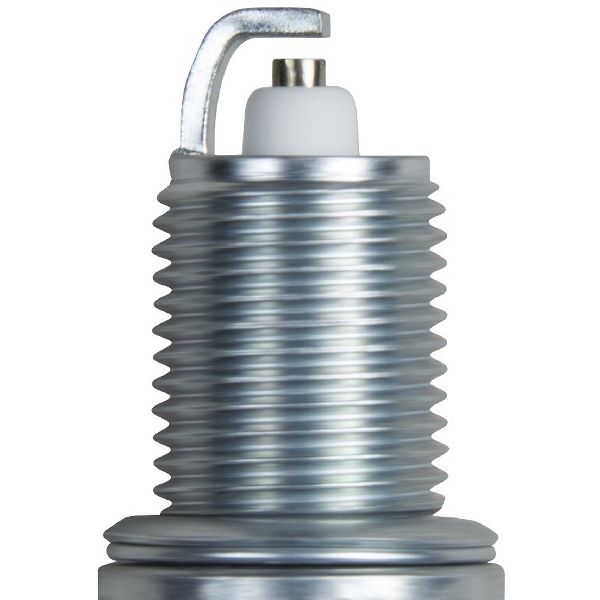
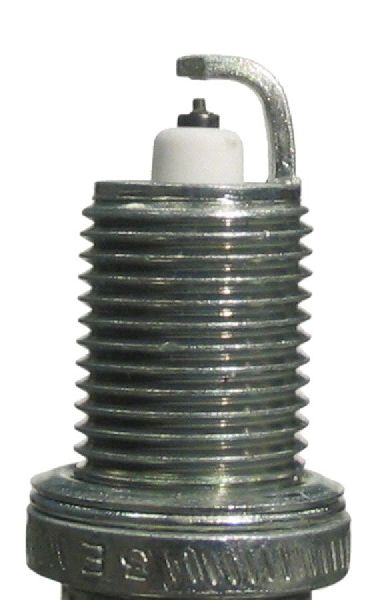
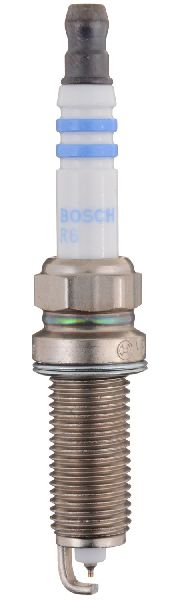
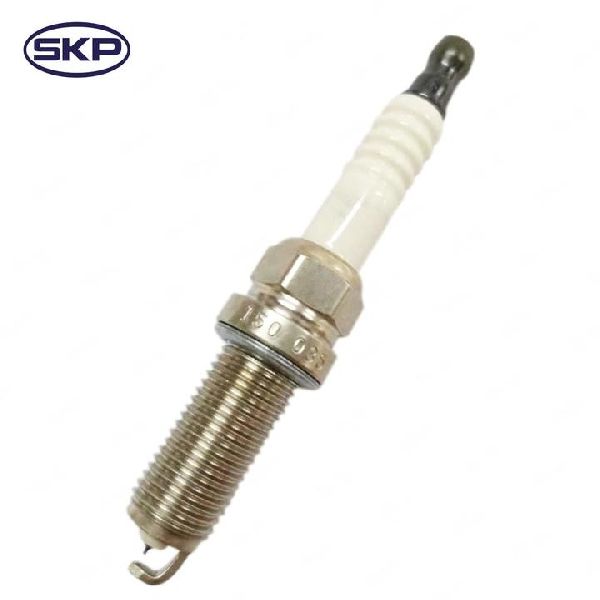
Est. part cost: $400-$600 for a full gasket set and new head bolts. A professional repair can cost $2000-$4000. - Worn Iridium Spark Plugs 🟡 Medium Probability → Shop Spark Plug
How to confirm: Remove the spark plugs and inspect for wear (worn electrode), carbon fouling, or oil/coolant contamination. The recommended service interval is 120,000 miles, but they can be fouled earlier by the underlying EGR issue.
Typical fix: Replace all four spark plugs. Use the correct OEM Denso Iridium plugs (Part No. SC16HR11 / 90919-01275) to avoid issues. Counterfeit plugs are common online, so purchase from a reputable source.
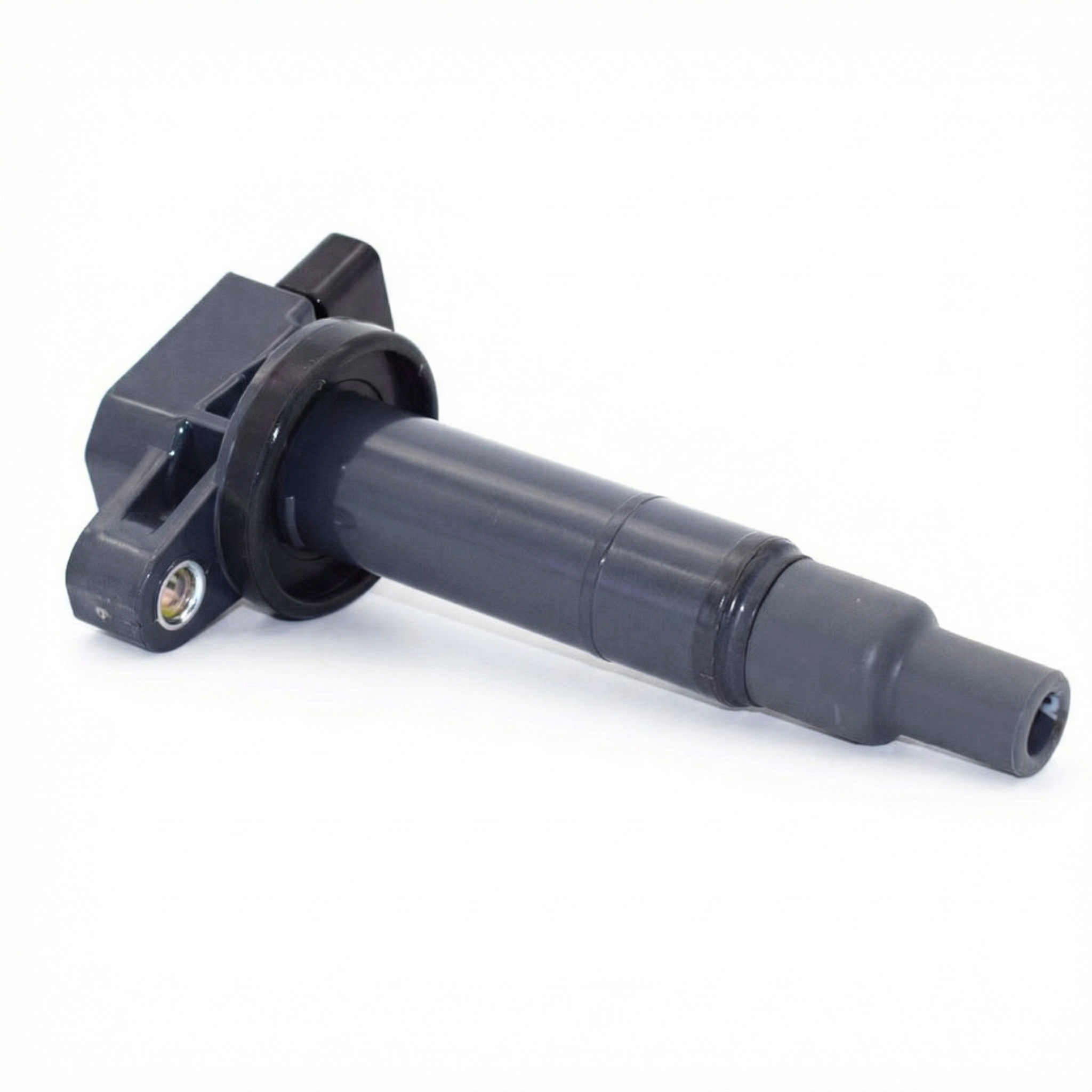
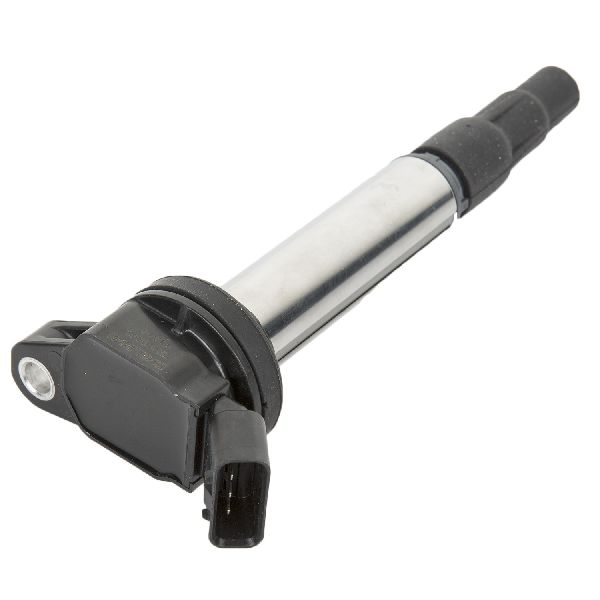
Est. part cost: $40-$80 - Failed Ignition Coil(s) ⚪ Low Probability → Shop Ignition Coil
How to confirm: Swap the ignition coil from a misfiring cylinder (if a specific cylinder code like P0301 is also present) with a coil from a non-misfiring cylinder. Clear the codes and see if the misfire code follows the coil.
Typical fix: Replace the faulty ignition coil. The OEM part is made by Denso (Part No. 90919-02258 or compatible 673-1310). It is often recommended to replace them as a set if they are original and high-mileage.
Est. part cost: $80-$120 per OEM coil
Rare But Worth Checking
- Dirty or Clogged Fuel Injectors: → Shop Fuel Injector Can cause a lean condition and misfires, but less common than EGR or ignition issues. Sometimes addressed with a PEA-based fuel system cleaner, though severe clogs require professional cleaning.
- Faulty Mass Airflow (MAF) Sensor: → Shop Fuel Injection Air Flow Meter A dirty MAF sensor can provide incorrect data to the ECM, affecting the air/fuel mixture and causing misfires. Cleaning the sensor with a dedicated MAF cleaner is a simple diagnostic step.
- Clogged PCV Valve: → Shop PCV Valve A stuck-open PCV valve allows excessive oil vapor into the intake manifold, which contributes significantly to the carbon buildup that clogs the EGR passages. It is highly recommended to replace the PCV valve during an EGR cleaning service.
- Vacuum Leak: A leak in a vacuum hose or intake gasket can introduce unmetered air and lead to random misfires.
Diagnosis Steps
- Read all stored fault codes with an OBD-II scanner. Note any cylinder-specific (P0301-P0304), EGR-related (P0401), or air-fuel imbalance (P219A) codes.
- Check freeze frame data to see the engine conditions (load, RPM) when the misfire occurred. Misfires under light acceleration strongly suggest an EGR issue.
- Perform a basic ignition system check. Remove and inspect spark plugs for wear or fouling (coolant fouling points toward a head gasket). If a specific cylinder is misfiring, swap its ignition coil with a known good one and see if the code follows the coil.
- If ignition components are good, the next step is a full EGR system inspection. This is an involved job requiring removal of the wiper cowl, airbox, and intake manifold.
- Visually inspect the EGR passages in the intake manifold for heavy carbon buildup. If clogged, the entire circuit (manifold, EGR cooler, EGR pipe, and EGR valve) must be thoroughly cleaned.
- While the intake is off, replace the PCV valve as a preventative measure, as it's a contributor to the carbon problem.
- If the EGR system is clean but symptoms persist, especially a cold start rattle and coolant loss, a head gasket failure is highly likely. Perform a cylinder leak-down test or use a borescope to inspect cylinders for coolant for a definitive diagnosis.
Parts You'll Likely Need
- Intake Manifold Gasket
(OEM #17177-37050)— This gasket must be replaced anytime the intake manifold is removed for cleaning, which is the most common procedure for fixing P0300 on this car.
Trusted brands: Toyota OE, Fel-Pro
OEM price range: $15-$25
Aftermarket price range: $5-$15 - Spark Plugs (Set of 4)
(OEM #90919-01275 (Denso SC16HR11))— Worn or fouled spark plugs are a common cause of any misfire. They are often replaced as part of a comprehensive repair. It is critical to use the specified OEM Iridium plugs.
Trusted brands: Denso (OEM), NGK
OEM price range: $40-$60 (set of 4)
Aftermarket price range: $30-$50 (set of 4) - Ignition Coil
(OEM #90919-02258 (Denso 673-1310))— An ignition coil provides the high voltage to fire the spark plug. While less common than the EGR issue, a failing coil is a primary cause of misfires.
Trusted brands: Denso (OEM), NGK, Delphi
OEM price range: $80-$120
Aftermarket price range: $40-$70
Related Codes That Often Appear With This One
- P0301, P0302, P0303, P0304 — These codes indicate a misfire on a specific cylinder. They often appear with P0300 when the random misfire starts to become more consistent in the cylinders most affected by EGR blockage, typically cylinder 1.
- P0401 — This code means "EGR Flow Insufficient Detected." It directly points to a clogged EGR system and is a very strong indicator that the EGR circuit is the cause of the P0300 misfire.
- P219A — Bank 1 Air-Fuel Ratio Imbalance. This code often appears with the P030x codes and directly reflects the problem: the clogged EGR ports are preventing cylinders from receiving the same air/fuel mixture.
Technical Service Bulletins (TSBs) & Recalls
- T-SB-0116-15 REV: Addresses a "runs rough" condition with misfire codes (P0300-P0304) during light acceleration when the EGR system is active, recommending intake manifold replacement.
- L-SB-0019-16: A Lexus TSB for the CT200h (same engine) that describes the identical P0300-P0304 misfire issue during light acceleration due to clogged EGR ports, also recommending intake manifold replacement. This corroborates the issue as being inherent to the 2ZR-FXE engine design.
Platform-Specific Known Issues
- Toyota issued Technical Service Bulletin T-SB-0116-15 REV for 2012-2015 Prius PHV models that exhibit a rough run condition with DTCs P0300-P0304 during light acceleration. The bulletin confirms the cause is related to the EGR system and recommends replacing the intake manifold assembly to fix it.
- The 'cold start rattle' is an infamous symptom for this engine. It can be caused by the initial misfires from a clogged EGR system, but it is also a classic sign of a leaking head gasket allowing coolant to foul a spark plug overnight. Differentiating the cause is a key diagnostic challenge for owners.
- Due to the high prevalence of this issue, many owners on forums like PriusChat recommend proactively cleaning the entire EGR circuit (valve, cooler, pipe, intake manifold) and replacing the PCV valve every 75,000-100,000 miles to prevent the P0300 code and subsequent head gasket failure.
Mechanic-Grade Diagnostic Values
- Fuel Pressure at Idle — expected: 304 to 343 kPa (44 to 50 psi). Failure: Pressure below this range may indicate a weak fuel pump; pressure above may indicate a faulty regulator.
- Fuel Pressure 5 Minutes After Engine Stop — expected: 147 kPa (21 psi) or more. Failure: Pressure dropping below this value indicates a leak in the system, possibly from a leaking fuel injector.
- Fuel Injector Resistance — expected: 11.6 to 12.4 Ω at 20°C (68°F). Failure: A reading outside this range indicates a faulty injector coil.
Hidden / Shadow Codes Worth Checking
- Misfire Monitor Data (EWMA/Rate): The 'Monitor' screen shows historical misfires over the last ~10 drive cycles (EWMA) and the current misfire count (Rate). This can identify a problem cylinder even if it's not currently setting a hard code. (see via Toyota Techstream software, under the 'Monitor' section for the Engine ECU.)
- P0300xx (Extended DTCs): The system may store detailed sub-codes like P030027 (Signal Rate of Change Above Threshold) or P030085 (Over Temperature) that provide more context on the misfire's nature. (see via Advanced scan tools like Toyota Techstream.)
Scan Tool Commands That Help
- Toyota Techstream: Active Test: Control the EGR Step Position — To confirm clogged EGR passages without disassembly. At idle, command the EGR valve to open. If the idle does not become rough or stall, it proves the passages are blocked and exhaust gas is not reaching the cylinders.
- Toyota Techstream: Active Test: Check the Cylinder Compression — To quickly screen for a potential head gasket failure. The tool measures relative cranking speed for each cylinder; a cylinder with a significantly lower RPM reading suggests low compression.
- Toyota Techstream: Active Test: Cylinder Fuel Cut — To isolate a misfiring cylinder. By cutting fuel to one cylinder at a time, you can observe the change in engine RPM. If cutting fuel to a cylinder causes no change, that cylinder was not contributing (misfiring).
- Toyota Techstream: Utility: Learning Value Reset — After replacing components like fuel injectors or the MAF sensor, or after cleaning the intake system, this function should be used to clear the old fuel trim adaptations and force the ECM to relearn.
Wiring & Ground Locations
- Engine Harness Ground Cluster — On the driver's side of the engine compartment, bolted to the chassis frame rail near the hybrid inverter and coolant reservoir.. This is a primary ground point for the engine control harness. A loose or corroded connection here can cause erratic sensor readings or weak spark, leading to difficult-to-diagnose random misfires.
Real Owner Repair Stories
- PriusChat user 'robomoto' (2010 Toyota Prius, 280,000 km) — Engine shaking hard at low acceleration, clunking noises. Codes P0300, P0301, P0303 appeared, sometimes for other cylinders after clearing.
❌ Tried (didn't work) Pouring two bottles of PEA-based fuel system cleaner into the gas tank.
✅ What actually fixed it A complete and thorough cleaning of the EGR cooler, EGR valve, EGR pipe, and all EGR passages within the intake manifold. This resolved all misfire codes and improved fuel economy from 5.2L/100km to 4.6L/100km. - PriusChat user 'HaYon' (2013 Toyota Prius, ~180,000 miles) — Rough starts, then Check Engine Light with P0301, later P0300.
❌ Tried (didn't work) Replacing one ignition coil and all spark plugs., Cleaning the EGR valve, EGR cooler, and intake manifold, and replacing the PCV valve.
✅ What actually fixed it The problem returned after the EGR cleaning. A borescope inspection then revealed coolant droplets inside cylinder #2, confirming a head gasket failure was the true root cause. The engine was torn down for a head gasket replacement.
"I Checked Everything" — The Actual Cause
- While a smoke test is standard for finding vacuum leaks that cause misfires on other cars, it is often misleading on this platform. The P0300 is typically caused by an *internal* blockage of the EGR passages in the intake manifold, not an *external* vacuum leak. This blockage creates an imbalance in the air/exhaust mixture between cylinders, which a smoke test cannot detect. Technicians may perform a smoke test, find no leaks, and incorrectly rule out an air/fuel mixture problem, when the root cause is the clogged EGR circuit.
OEM Part Supersession History
17120-37050, 17120-37051, 17120-37052, 17120-37053→17120-37054— This is the intake manifold assembly. The multiple revisions suggest Toyota made design changes to mitigate the carbon buildup issue in the EGR passages that causes P0300.
Model Year Variations Within This Range
- 2012-2015: The core 1.8L 2ZR-FXE engine and its problematic EGR system design are consistent across the 2012-2015 model years for the Prius Plug-in. The TSB T-SB-0116-15 REV covers all of these years. Minor differences are primarily in trim and standard features (e.g., backup camera became standard in later years) and do not affect the diagnosis or repair of a P0300 code.
Helpful Videos
Used OEM Parts in Stock
New Aftermarket Parts Available

The information in this article is provided for general reference and educational purposes only. Vehicle specifications, procedures, and part compatibility can vary by production date, trim level, and region. Always consult your vehicle's factory service manual and verify part numbers before purchasing or performing repairs. Safety-critical components such as airbags, seat belts, and braking systems should be installed by a qualified professional.
- Toyota PRIUS PLUG-IN HYBRID:
- 🧭 Diagnostic Flowchart
- 🎬 Helpful Videos
- 🛍️ Shop This Part
- What's Unique About the 2012-2015 Toyota PRIUS PLUG-IN HYBRID
- Symptoms You May Notice
- Most Likely Causes
- Rare But Worth Checking
- Diagnosis Steps
- Parts You'll Likely Need
- Related Codes That Often Appear With This One
- Technical Service Bulletins (TSBs) & Recalls
- Platform-Specific Known Issues
- Mechanic-Grade Diagnostic Values
- Hidden / Shadow Codes Worth Checking
- Scan Tool Commands That Help
- Wiring & Ground Locations
- Real Owner Repair Stories
- "I Checked Everything" — The Actual Cause
- OEM Part Supersession History
- Model Year Variations Within This Range
- 🎟️ Get 5% Off