

P0300 on 2016-2024 Volvo XC90: Random Misfire Causes, from Spark Plugs to Piston Rings
On the Volvo XC90 with the 2.0L Drive-E engine, code P0300 is most often caused by worn spark plugs or faulty ignition coils. However, it can be a critical warning sign of failing piston rings leading to excessive oil consumption, a known and serious issue, particularly on 2016-2017 models. Any P0300 diagnosis must begin with checking for oil loss.
- P0300 on a Volvo XC90 indicates a random misfire, most commonly caused by worn spark plugs or ignition coils.
- Before buying parts, check for high oil consumption. On 2016-2017 models, this is a major red flag for a known piston ring defect.
- If spark plugs are black and oily, a simple tune-up will not be a permanent fix. The engine needs a professional diagnosis with a compression test.
- A flashing check engine light signals a severe misfire that can quickly destroy the catalytic converter. Do not drive the vehicle if the light is flashing.
- Always start with the simplest and cheapest fixes: check service records and replace spark plugs if they are due.
What's Unique About the 2016-2024 Volvo XC90
While P0300 is a generic code, on the 2016-2024 XC90's Drive-E engine, it requires careful diagnosis. Early production versions of this engine, particularly in the 2016-2017 model years, are known to have issues with piston rings that fail to seal properly, leading to high oil consumption. This oil burning quickly fouls spark plugs, causing misfires that can start in one cylinder (e.g., P0301, P0302) and eventually become a random P0300 code as the problem worsens. Therefore, a P0300 must be investigated beyond just a simple tune-up, as it could indicate a need for major internal engine repair, which some owners have faced.
Symptoms You May Notice
- Check Engine Light is on (may be solid or flashing)
- Rough or shaking idle
- Engine hesitation or stumbling during acceleration
- Reduced engine power and poor fuel economy
- A noticeable 'turtle' light or message indicating reduced performance
- In some cases, excessive white or blue smoke from the exhaust, indicating oil consumption
- Difficulty starting the engine
- Replacing only one spark plug or coil when a full set is needed.
- Replacing oxygen sensors, as they may report unusual readings due to the misfire, but are not the root cause.
- Replacing the catalytic converter when it has been damaged by the misfire, but not fixing the root cause of the misfire itself.
- Ignoring oil consumption and only performing a tune-up, which will only temporarily fix the misfire until the new plugs are fouled.
Most Likely Causes
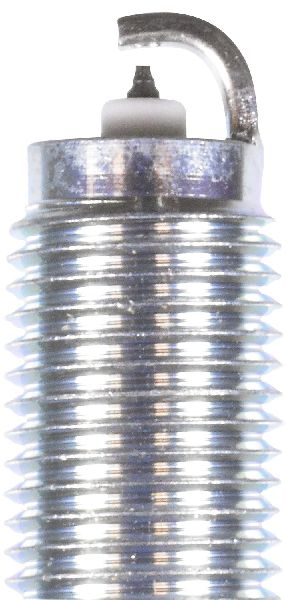
- Worn or Incorrect Spark Plugs 🔴 High Probability → Shop Spark Plug The Drive-E is a modern, high-compression, direct-injection engine that is sensitive to spark plug condition. The recommended service interval is every 60,000 miles, but can be needed sooner depending on conditions.
How to confirm: Remove the spark plugs and inspect them for wear, carbon tracking, or oil fouling. Check the service records; if they are near or over 60,000 miles, they are due for replacement. Oil-fouled plugs are a key indicator of the more serious piston ring problem.
Typical fix: Replace all four spark plugs with the correct OEM-spec plugs 🎬 Watch: How to replace spark plugs on the Drive-E engine. (e.g., Genuine Volvo, Bosch, or NGK). Ensure they are gapped correctly if not pre-gapped.
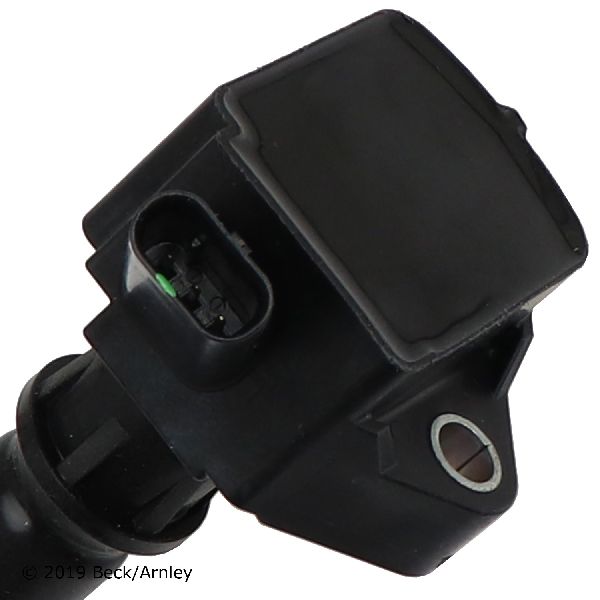
Est. part cost: $60-$120 - Failing Ignition Coils 🔴 High Probability → Shop Ignition Coil Coil-on-plug systems are common failure points across all modern vehicles. Heat and vibration cause the internal windings to fail over time, leading to a weak or non-existent spark.
How to confirm: If a specific cylinder misfire code (P0301-P0304) is also present, swap the ignition coil from the misfiring cylinder to a known good cylinder. Clear the codes and drive the vehicle. If the code follows the coil (e.g., P0302 becomes P0301 after swapping coils from cylinder 2 to 1), the coil is bad. For a P0300, visual inspection for cracks or damage is a start, but testing or systematic replacement may be the only confirmation.
Typical fix: Replace the faulty ignition coil(s). Many mechanics recommend replacing all coils at the same time as the spark plugs to prevent future issues.
Est. part cost: $50-$90 per coil - Failing Piston Rings / High Oil Consumption 🟡 Medium Probability Early production 2.0L Drive-E engines (especially those manufactured before mid-January 2016) have a known design flaw with the piston rings, leading to excessive oil consumption. This is a widely discussed issue in owner forums. Volvo has issued multiple Technical Journals (TJs) on the matter (e.g., TJ 31216, TJ 34588), which guide technicians on diagnosing and repairing the issue, often involving an oil consumption test first.
How to confirm: Monitor for excessive oil consumption (e.g., needing to add more than 1 quart of oil between changes). Inspect the spark plugs for heavy, wet oil fouling. A definitive diagnosis requires a cylinder compression test and a leak-down test to confirm poor sealing of the piston rings. A Reddit user reported their dealer confirmed no pressure in cylinder 3, leading to an engine replacement recommendation.
Typical fix: This is a major engine repair that involves replacing the pistons and piston rings with an updated design. In severe cases where the cylinder walls are scored, a complete engine replacement may be necessary.
Est. part cost: $500-$1500 for parts (piston/ring set), but labor is extremely high, often exceeding $5,000. 🎬 See a detailed breakdown of the Drive-E piston ring issue.
- Vacuum Leak ⚪ Low Probability Modern engines have complex PCV (Positive Crankcase Ventilation) systems and many plastic components in the intake tract that can crack with age and heat cycles, introducing unmetered air. The PCV oil trap diaphragm is a known failure point. 🎬 Watch: DIY walkthrough for replacing the PCV oil trap.
How to confirm: Perform a smoke test. This involves feeding low-pressure, visible smoke into the intake system with the engine off and looking for where it escapes. Common leak points include the intake manifold gaskets, PCV diaphragm/hoses, and intercooler plumbing.
Typical fix: Replace the cracked hose, failed gasket, or faulty PCV component.
Est. part cost: $20-$300 depending on the part
Rare But Worth Checking
- Clogged or Failing Fuel Injectors: → Shop Fuel Injector Direct injection systems operate under very high pressure and can be sensitive to fuel quality. While not as common as ignition issues, a set of poorly performing injectors can cause an imbalanced air-fuel ratio and lead to random misfires.
- Low Fuel Pressure: A failing low-pressure fuel pump (in the tank) or high-pressure fuel pump (engine-driven) can starve the engine of fuel, leading to lean conditions and misfires across all cylinders, especially under load. The low-pressure fuel sensor is a known failure item, which can cause related codes like P018C00.
- Carbon Buildup on Intake Valves: As a direct-injection engine, fuel is sprayed directly into the cylinder, not over the intake valves. Over time, oil vapor from the PCV system can bake onto the back of the hot intake valves, restricting airflow and causing misfires. This typically occurs at higher mileage (50k+ miles) and can be cleaned via walnut blasting.
Diagnosis Steps
- Read all stored fault codes with an OBD-II scanner. Note any codes in addition to P0300, especially single-cylinder misfire codes (P0301-P0304).
- Check the freeze frame data to see the engine conditions (speed, load, temperature) when the code was set.
- Check engine oil level. If it is low, this is a critical clue pointing towards the piston ring issue.
- Visually inspect the engine bay for obvious issues like disconnected hoses, damaged wiring, or oil leaks.
- Determine the age of the spark plugs. Per Volvo's maintenance schedule, they should be replaced every 60,000 miles. If their age is unknown or they are due, replace them.
- While replacing the plugs, inspect them carefully. Sooty black plugs indicate a rich condition. White, ashy plugs indicate a lean condition. Wet, oily plugs are a strong indicator of the piston ring issue.
- Inspect the ignition coils for cracks or signs of arcing. If a single-cylinder misfire code is also present, swap the coil to another cylinder to see if the fault follows.
- If plugs and coils are good, perform a smoke test to check for vacuum leaks in the intake manifold, PCV system, and related hoses.
- If oil consumption is high or plugs were oil-fouled, a cylinder compression test and a leak-down test are necessary to assess engine mechanical health. This is the definitive step for diagnosing the piston ring failure.
- If all ignition and mechanical checks pass, the issue may be related to the fuel system. Test fuel pressure and consider having the fuel injectors professionally tested or cleaned.
Parts You'll Likely Need
- Spark Plugs (Set of 4)
(OEM #32290011)— This is the most common maintenance item and the most frequent cause of misfires. They are a relatively cheap and easy first step in diagnosis.
Trusted brands: Genuine Volvo, Bosch (9695), NGK (95660)
OEM price range: $80-$120
Aftermarket price range: $50-$80 - Ignition Coil
(OEM #31312514)— The second most common cause of misfires. They provide the high voltage needed to create a spark.
Trusted brands: Genuine Volvo, Bosch, NGK, Delphi
OEM price range: $70-$100
Aftermarket price range: $40-$70
Related Codes That Often Appear With This One
- P0301, P0302, P0303, P0304 — These codes indicate a misfire on a specific cylinder (1, 2, 3, or 4). A P0300 may appear alongside them if the misfire is happening on more than one cylinder. Often, a problem will start as a single-cylinder misfire before becoming random. A user on Reddit reported P0300 and P0303 together, which was diagnosed as a failed engine.
- P0420 — Catalyst System Efficiency Below Threshold. This code can be triggered if a long-term misfire has allowed unburned fuel to enter and damage the catalytic converter.
- P018C00 — Fuel Pressure Sensor 'B' Circuit Range/Performance. The low-pressure fuel sensor is a known failure point on these vehicles and can cause drivability issues that may contribute to or be confused with misfires. Volvo issued a warranty extension for this part on some 2016 models.
Technical Service Bulletins (TSBs) & Recalls
- Volvo has issued several Technical Journals (TJs) related to the oil consumption issue, though specific numbers are not always public. These TJs guide technicians through a standardized oil consumption test and subsequent repair involving new pistons and rings if the test fails. Mentioning these TJs to a dealer service advisor can be helpful.
Platform-Specific Known Issues
- Owner Experience with Piston Ring Failure: Multiple owners of 2016 XC90s on Cars.com and Reddit report excessive oil consumption leading to misfires. One owner stated their car was burning 2L of oil every 1000km, which was attributed to a known fault with pistons. Another had their dealer diagnose a P0300/P0303 code as a total loss of compression in one cylinder, requiring a full engine replacement.
- Forum Discussion on Oil Consumption: A thread on Reddit titled 'Common XC90 Problems' has a top comment warning a prospective buyer about 'high oil consumption due to design flaw in the piston rings' on 2016-2018 models, advising them to check for white smoke or soot in the tailpipe.
Mechanic-Grade Diagnostic Values
- Engine Compression (Cold) — expected: ~140 PSI, with minimal variation between cylinders.. Failure: A cylinder that is significantly lower than others, or one that shows a slight but consistent drop (e.g., 3-5 PSI lower) may indicate a sealing issue, such as from carbon buildup or a leaking valve.
- Low-Side Fuel Pressure — expected: Approximately 55-60 PSI.. Failure: Pressure that is significantly lower or erratic can indicate a failing in-tank fuel pump or a faulty low-pressure fuel sensor.
- Ignition Coil Primary Winding Resistance — expected: Typically between 0.4 and 2.0 ohms.. Failure: A reading outside of this range (or an open loop 'OL' reading) indicates a faulty coil. This test is generic and should be paired with swapping coils to confirm.
Scan Tool Commands That Help
- Volvo VIDA (Vehicle Information & Diagnostics for Aftersales): Live Data Misfire Counters (ECM-Misfire counter 1-5) — This is essential for diagnosing intermittent or random misfires that don't immediately set a specific cylinder code (P0301-P0304). The counters will increment on the specific cylinder(s) that are misfiring, even if it's not enough to trigger a dedicated code, helping to pinpoint the source of a P0300.
- Volvo VIDA (Vehicle Information & Diagnostics for Aftersales): Fuel Injector Test — After ruling out ignition and compression issues, this function can be used to activate a specific fuel injector while monitoring fuel pressure. A drop in pressure confirms the injector is firing. This helps isolate a clogged or electrically failed injector.
Wiring & Ground Locations
- Ignition Coil Ground Straps — On the Drive-E engine, there are small ground straps that connect to the valve cover near the ignition coils. There is one strap for each coil.. These straps provide the ground path for the ignition coils. A loose, corroded, or broken strap can cause a weak or intermittent spark, leading to misfires. They should be inspected for integrity during any ignition-related diagnosis.
- Main Engine Ground Strap — A primary ground wire connects from the top of the engine (near the timing belt cover on some models) to the chassis on the passenger side strut tower.. A compromised main engine ground can cause a host of electrical issues, including weak spark across all cylinders, which can manifest as a random misfire code (P0300). Inspecting for corrosion or looseness is a critical basic check.
Real Owner Repair Stories
- YouTube channel 'Fintech Repair Shop' (2016 Volvo XC90, engine replaced at 89,000 miles under warranty for the oil consumption issue.) — Persistent P0301 (Cylinder 1 Misfire) only when the engine is cold. The car runs perfectly smooth after the first couple of minutes. The issue returned after a walnut blasting of the intake valves had previously fixed it for a few months.
❌ Tried (didn't work) Swapping ignition coil from cylinder 1 to another cylinder (misfire stayed on cylinder 1)., Inspecting spark plugs (all looked identical, no signs of oil burning)., Walnut blasting the intake valves (only a temporary fix).
✅ What actually fixed it The diagnosis was ongoing, but the key findings pointed away from common failures. A cold compression test showed Cylinder 1 was consistently 3-4 PSI lower than the others (~135-136 PSI vs ~139-140 PSI). The owner suspected a small piece of carbon was intermittently getting stuck on an intake valve seat, causing a slight leak only when cold. The next diagnostic steps were a leak-down test and swapping the spark plug to see if the slight compression difference followed the plug. The story highlights how even after the major piston ring fix, carbon buildup remains a significant cause of misfires. - Reddit user in r/MechanicAdvice (2020 Volvo XC90 T5 with 57,000 miles) — P0300, car enters limp mode and is undrivable.
❌ Tried (didn't work) Replaced spark plugs, Replaced fuel injectors, Replaced two ignition coils
✅ What actually fixed it The user's story ended without a confirmed fix, highlighting the diagnostic difficulty. The community advice pointed towards checking for vacuum leaks (PCV system), performing a compression test, and checking fuel pressure as the next logical steps after the common parts had already been replaced without success. - NHTSA ODI #11042866 — An owner of a related Volvo model reported receiving codes P0171 and P0300. Despite following online advice to change spark plugs, ignition coils, and the oxygen sensor, the misfire issue persisted.
OEM Part Supersession History
31358940→31312514— Standard part update/revision by the manufacturer.
Model Year Variations Within This Range
- 2016 (pre-mid-January production): These early production Drive-E engines were fitted with piston rings prone to clogging, leading to high oil consumption and oil-fouled spark plugs, a primary cause for P0300 on these specific vehicles. Volvo updated the piston and ring design in production from the second week of January 2016.
- 2020+: For the 2020 model year facelift, the T6 engine remained, but for MY2023, the engines were updated to mild-hybrid 'B5' and 'B6' designations, which replaced the T5 and T6. The T8 plug-in hybrid also received battery and power upgrades over the years. While the core 2.0L block is similar, these changes in powertrain management and hybrid integration could introduce different diagnostic pathways.
Diagnostic Flowchart
Other Known Issues on This Vehicle
Issues unrelated to this code that are worth knowing about as an owner of this generation:
- Premature Brake Wear and Squeal 🟠 Medium — Common on early models (2016-2018), particularly the rear brakes. Owners report needing pads and rotors replaced far earlier than expected. (Ref: Volvo has issued multiple TJs, including TJ 33876.2.0, which addresses rear brake squeal by replacing calipers and pads.)
- Air Suspension Failures 🔴 High — Compressor failure, leaking air springs, and faulty height sensors are reported. Leaks can be caused by dust covers slipping off due to plastic zip ties used on early models. (Ref: TJ30517 addresses the dust cover issue. Repair can be expensive, often over $1300 per corner.)
- Infotainment System Glitches (Sensus) 🟠 Medium — Very common across the model range. Issues include the screen freezing, going black, random reboots, and loss of Bluetooth or Apple CarPlay connectivity. (Ref: No specific recall, but dealers frequently perform software updates to resolve bugs. A soft reset (holding the home button) often provides a temporary fix.)
- Parasitic Battery Drain 🟠 Medium — Some owners report the battery dying after the vehicle is parked for a period. This is caused by a module not shutting down correctly.
- Sunroof Leaks and Malfunctions 🟡 Low — Clogged sunroof drains can cause water to leak into the cabin. Some owners also report mechanical failure of the sunroof mechanism.
Used vs. New Parts: Buying Guide for This Vehicle
When a used part is the smart pick: For this repair, used parts are generally not recommended for the primary failure components. Ignition coils and spark plugs are wear items and should always be purchased new. Given the known issues with early engines, a used engine assembly is extremely risky unless its full history, including whether the piston ring update was performed, is known.
Donor-vehicle mileage cap: roughly under 80000 miles for the part to have meaningful remaining life.
What to inspect on the donor part:
- For any used engine component, demand proof of mileage from the donor vehicle.
- If considering a used engine, a VIN from the donor vehicle is mandatory to check against Volvo's Technical Journals for the piston ring issue.
- Visually inspect any electronic components for corrosion, cracked connectors, or brittle wiring.
OEM-only on this vehicle (don't cheap out):
- Piston Ring Set: If undertaking the major engine repair, only the updated Genuine Volvo parts should be used to permanently fix the oil consumption issue.
- PCV Oil Trap/Diaphragm: Aftermarket PCV components for European cars are notoriously unreliable and can fail quickly, leading to the same vacuum leaks you were trying to fix. Stick with OEM.
Aftermarket brands forum-validated for this vehicle:
- Bosch: Bosch is the original equipment (OE) manufacturer for many Volvo electronics, including ignition coils and some sensors. Choosing the Bosch-branded aftermarket part often provides the same quality as Genuine Volvo at a lower cost.
- NGK: A highly reputable brand for spark plugs, often an OEM supplier.
Brands owners have reported issues with on this vehicle:
- Unbranded 'Cheapo' Ignition Coils: While tempting for diagnosis, cheap, no-name ignition coils from online marketplaces are known for high failure rates and may not last, causing you to repeat the repair.
Real Owner Stories
Aggregated from forums and TSBs cited above. Mileages and costs reflect what owners reported in those sources.
2016 Volvo XC90 2.0L
Symptoms: The car was burning 2L of oil every 1000km, which led to engine misfires.
What fixed it: The engine required a repair involving the pistons and rings being re-bored due to a known design fault.
Source hint: Cars.com: 2016 Volvo XC90 Consumer Reviews
2016 Volvo XC90 2.0L
Symptoms: P0300 and P0303 codes were present; a diagnostic check confirmed zero compression in cylinder 3.
What fixed it: A full engine replacement was recommended by the dealer.
Source hint: Reddit: P0300/P0303 on 2016 XC90
2016-2018 Volvo XC90 2.0L
Symptoms: High oil consumption and visible white smoke or soot in the tailpipe.
What fixed it: Replacement of pistons and piston rings with an updated design to address the design flaw.
Source hint: Reddit: Common XC90 Problems
Related OBD-II Codes
Frequently Asked Questions
My 2016 XC90 is throwing a P0300 and the 'turtle' light is on. What does that mean?
Are there specific Technical Journals for the oil consumption issues causing misfires on the Drive-E engine?
How often should I replace spark plugs on my XC90 to avoid P0300 codes?
Can a faulty PCV system cause a P0300 on the 2.0L Drive-E?
I have a P0300 and my spark plugs are covered in wet oil. Is this just a bad plug?
Helpful Videos

We Have This Part in Stock

The information in this article is provided for general reference and educational purposes only. Vehicle specifications, procedures, and part compatibility can vary by production date, trim level, and region. Always consult your vehicle's factory service manual and verify part numbers before purchasing or performing repairs. Safety-critical components such as airbags, seat belts, and braking systems should be installed by a qualified professional.
- Volvo XC90:
- 🧭 Diagnostic Flowchart
- 🎬 Helpful Videos
- 🛍️ Shop This Part
- What's Unique About the 2016-2024 Volvo XC90
- Symptoms You May Notice
- Most Likely Causes
- Rare But Worth Checking
- Diagnosis Steps
- Parts You'll Likely Need
- Related Codes That Often Appear With This One
- Technical Service Bulletins (TSBs) & Recalls
- Platform-Specific Known Issues
- Mechanic-Grade Diagnostic Values
- Scan Tool Commands That Help
- Wiring & Ground Locations
- Real Owner Repair Stories
- OEM Part Supersession History
- Model Year Variations Within This Range
- Other Known Issues on This Vehicle
- Used vs. New Parts: Buying Guide for This Vehicle
- Real Owner Stories
- 2016 Volvo XC90 2.0L
- 2016 Volvo XC90 2.0L
- 2016-2018 Volvo XC90 2.0L
- Related OBD-II Codes
- Frequently Asked Questions
- 🎟️ Get 5% Off