

P0301 on 2012-2018 Audi A6: Cylinder 1 Misfire Causes and Fixes
P0301 on a 2012-2018 Audi A6 indicates a misfire in cylinder 1, most often caused by a failed ignition coil or a worn spark plug. For the V6, cylinder 1 is at the front on the passenger side; for the I4, it's the front-most cylinder. A new OEM-quality coil costs about $40-$90, and a spark plug is $15-$30. If basic ignition parts don't solve it, carbon buildup on intake valves is the next most likely culprit on these direct-injection engines.
- P0301 means cylinder 1 is misfiring.
- The most likely cause is a bad ignition coil, followed by a worn spark plug.
- Always diagnose by swapping the cylinder 1 coil with another cylinder's coil to see if the misfire code follows it.
- If the check engine light is flashing, stop driving immediately to prevent catalytic converter damage.
- If new coils and plugs don't fix the issue, suspect carbon buildup on the intake valves, a common issue on these direct-injection engines.
What's Unique About the 2012-2018 Audi A6
The direct-injection engines in the C7 Audi A6 (both the 2.0T and 3.0T) are known for two primary issues leading to misfires: ignition coils have a high failure rate, and carbon buildup on the intake valves is a common problem at higher mileage. While ignition components are the first place to look, persistent, hard-to-diagnose misfires on this platform are often traced back to carbon cleaning needs, a maintenance item not required on older port-injected engines. For the 3.0T specifically, a leaking supercharger intercooler can also introduce coolant into the intake, causing misfires.
Symptoms You May Notice
- Flashing or solid Check Engine Light
- Rough or shaking idle
- Engine hesitation or stumbling during acceleration
- Noticeable loss of power
- Reduced fuel economy
- A smell of gasoline from the exhaust
- Mild shaking or vibration that lasts for a few seconds, especially under load.
- Replacing the O2 sensor. An O2 sensor will not cause a single-cylinder misfire; it would typically set a fuel trim code (like P0171/P0174) or a sensor-specific code.
- Replacing the mass airflow (MAF) sensor. A faulty MAF sensor would affect all cylinders and is unlikely to cause a P0301 code by itself.
- Using fuel injector cleaner for carbon buildup. On a direct-injection engine, fuel additives never touch the intake valves and will not clean carbon deposits causing the misfire.
Most Likely Causes
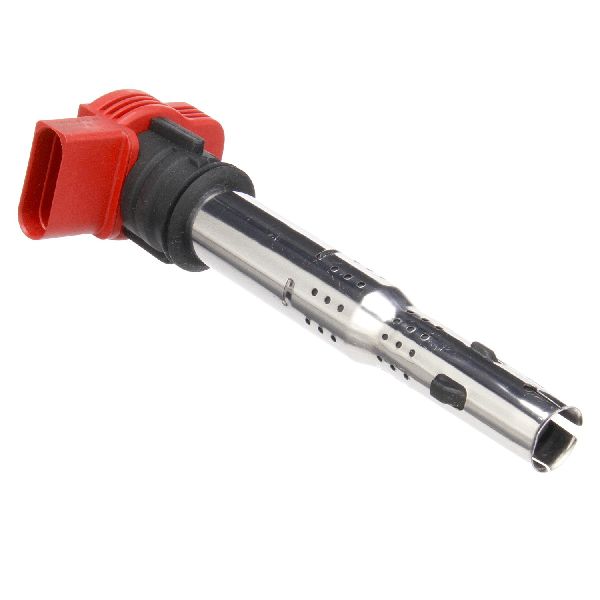
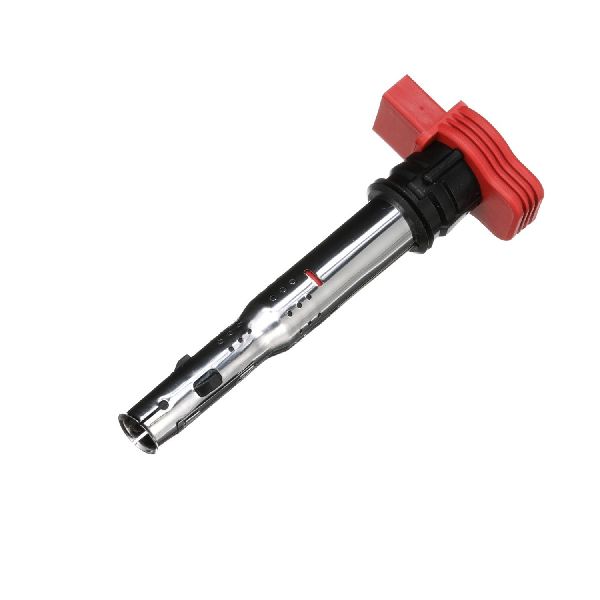
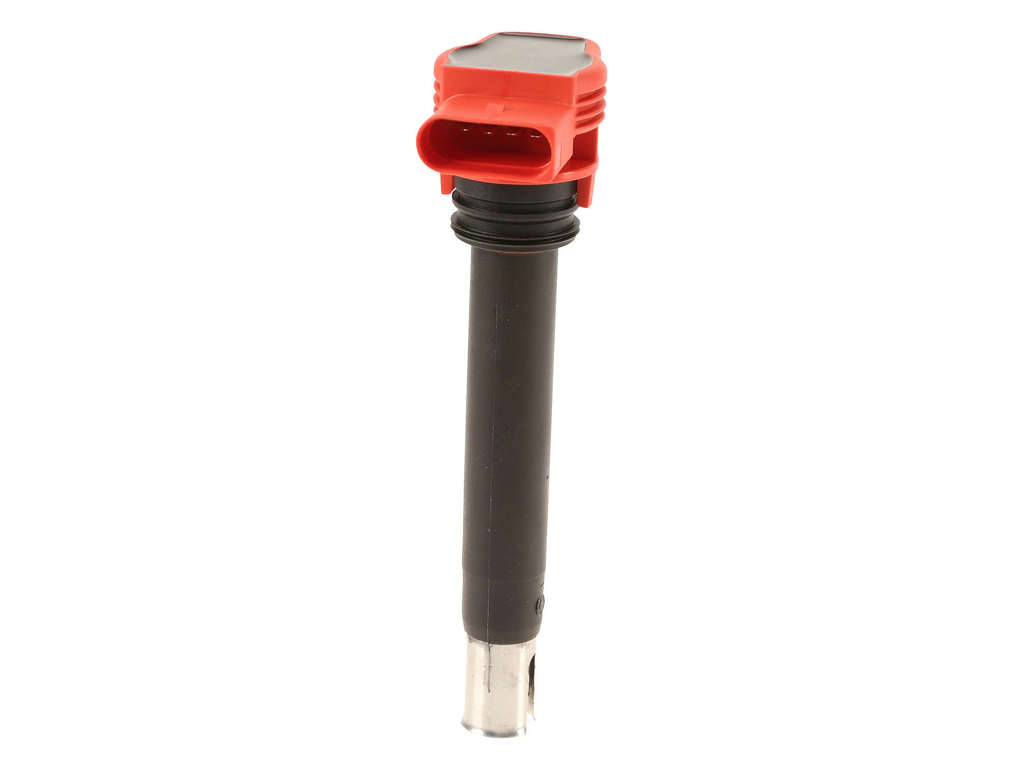
- Faulty Ignition Coil 🔴 High Probability → Shop Ignition Coil Ignition coils on this generation of Audi engines are a very common failure item. Constant exposure to high heat cycles causes the internal electronics to fail over time. Several part revisions exist, with owners often upgrading to newer versions for better reliability.
How to confirm: Swap the ignition coil from cylinder 1 with another cylinder (e.g., cylinder 2). Clear the codes and drive. If the fault code changes to P0302, the coil is bad. This is the definitive DIY diagnostic step.
Typical fix: Replace the faulty ignition coil. It is often recommended to replace all coils at the same time if they are original, as the others may fail soon. Many owners choose to upgrade to the latest revision OEM part or a quality equivalent from Bosch, NGK, or Eldor.
Est. part cost: $40 - $90 per coil - Worn or Fouled Spark Plug 🔴 High Probability → Shop Spark Plug Spark plugs are a regular maintenance item. The service interval is typically 35k-55k miles, but on these turbocharged/supercharged engines, they can wear faster. A worn electrode or fouling from oil or carbon can lead to a weak spark and misfires.
How to confirm: After confirming the coil is good, remove the spark plug from cylinder 1. Inspect it for a worn electrode, carbon fouling, oil, or coolant contamination. Compare it to a new plug. A plug fouled with oil is a common finding.
Typical fix: Replace the spark plug. It is mandatory to replace all spark plugs as a set to ensure even performance. Ensure they are gapped correctly, though OEM plugs usually come pre-gapped.
Est. part cost: $15 - $30 per plug - Carbon Buildup on Intake Valves 🟡 Medium Probability As direct-injection (TFSI) engines, fuel is sprayed directly into the cylinder, not over the intake valves. This means there is no fuel to wash away carbon deposits from the PCV system, leading to buildup that restricts airflow and causes misfires, especially on cold starts. This is a well-documented issue that typically becomes a problem after 60,000-80,000 miles.
How to confirm: This requires a visual inspection using a borescope inserted into the intake port with the intake manifold removed. Significant black carbon deposits on the valve stems and ports confirm the issue. A misfire that only occurs on cold starts is a strong indicator of this problem.
Typical fix: The intake valves must be manually cleaned, typically through walnut shell blasting. This is a labor-intensive job often costing $600-$1200 at a specialist shop.
Est. part cost: $0 (for cleaning materials) - $50 (for DIY kits) - Failed Fuel Injector ⚪ Low Probability → Shop Fuel Injector Direct injectors operate under very high pressure and can become clogged or fail electronically over time. A Reddit user with a 2.0T TFSI engine reported a persistent P0304 misfire that was ultimately solved by replacing a dead fuel injector after plugs and coils didn't fix it.
How to confirm: This is more complex. It involves checking injector deviation values with an advanced scan tool (like VCDS or OBDeleven) or swapping the injector with another cylinder, which is a significant job requiring fuel rail removal. Listening to the injector with a mechanic's stethoscope for a consistent clicking sound can be a preliminary check.
Typical fix: Replace the faulty fuel injector. It's also recommended to replace its Teflon seal at the same time.
Est. part cost: $100 - $250 per injector
Rare But Worth Checking
- PCV Valve Failure: → Shop PCV Valve The PCV (Positive Crankcase Ventilation) valve, also called an oil separator, can fail and create a significant vacuum leak, leading to lean conditions and misfires. On the 3.0T, it's located under the supercharger and is a known weak point. A high-pitched whistle at idle or excessive vacuum at the oil cap are common symptoms.
- Low Engine Compression: A mechanical issue like a worn piston ring, a burnt valve, or a timing chain issue can cause a loss of compression in the cylinder, resulting in a persistent misfire. A compression test is needed to diagnose this. On the 2.0T engine specifically, a failing timing chain tensioner can cause the chain to jump a tooth, leading to misfires and potentially catastrophic engine damage.
- Leaking Supercharger Intercoolers (3.0T): → Shop Turbocharger On the 3.0T engine, the intercoolers (air-to-water heat exchangers) located under the supercharger can leak coolant internally into the intake ports, fouling the spark plug and causing misfires. This is often accompanied by slow, mysterious coolant loss with no visible external leaks. Inspection may reveal a white or pink crusty residue on the spark plug or in the intake ports.
- Camshaft Position Sensor Failure: → Shop Engine Camshaft Position Sensor A faulty camshaft position sensor can send incorrect data to the ECM, leading to timing issues and misfires on a specific bank. One owner reported fixing a P0301 code on a C7 A6 by replacing the camshaft position sensor after plugs and coils had no effect.
Diagnosis Steps
- Read the fault codes with an OBD-II scanner to confirm P0301 and note any other codes present. Advanced tools like VCDS can read misfire counters in real-time from measuring blocks 015 and 016.
- Identify cylinder 1. For the 3.0L V6, it is the front-most cylinder on the passenger side (Bank 1). For the 2.0L I4, it is the cylinder closest to the front of the car (belt side).
- Swap the ignition coil from cylinder 1 with the coil from cylinder 2.
- Clear the codes, start the engine, and let it run or drive it briefly.
- Re-scan for codes. If the code is now P0302, the ignition coil is the faulty part and must be replaced.
- If the code remains P0301, the coil is likely good. Proceed to inspect the spark plug.
- Remove the spark plug from cylinder 1. Check for signs of wear, damage, or fouling (black soot, wet oil, or white/pink deposits indicating a coolant leak on the 3.0T).
- If the spark plug is old or fouled, replace all plugs as a set. Ensure they are correctly gapped.
- If the coil and plug are good, the next steps involve more in-depth diagnosis: inspecting for carbon buildup with a borescope, testing the fuel injector, and performing a compression test to check engine health.
- For the 3.0T, if you have unexplained coolant loss along with the misfire, suspect the supercharger intercoolers are leaking. This is a major repair requiring removal of the supercharger.
Parts You'll Likely Need
- Ignition Coil
(OEM #06E905115G (or F/E). Latest revision is often preferred.)— This is the most common failure part for a P0301 misfire on this vehicle.
Related Codes That Often Appear With This One
- P0300 — If the misfire is intermittent or affecting multiple cylinders, a P0300 (Random/Multiple Cylinder Misfire) may be stored alongside P0301.
- P0302, P0303, etc. — If other cylinders are also misfiring due to a common cause like carbon buildup or a bad batch of fuel, their respective codes will also appear.
- P130A (Audi-specific) — This code indicates the ECU has intentionally disabled the cylinder to prevent damage from excessive misfires. It's a protective measure triggered by the condition causing P0301. This is often seen when carbon buildup becomes severe.
Technical Service Bulletins (TSBs) & Recalls
- NHTSA TSB #01138920337681: Notes that P0301 can appear with P130A, where the ECU disables the cylinder to prevent damage.
Platform-Specific Known Issues
- The 2.0T and 3.0T engines from this era are well-known for ignition coil failures. Several revisions of the part have been released over the years. Many owners upgrade to the 'red top' coils (often from the R8) for perceived durability, such as part number 06E905115G.
- Carbon buildup on intake valves is not a matter of 'if' but 'when' for these direct-injection engines, often requiring cleaning between 60k-100k miles to resolve misfires.
- On the 3.0T, the PCV valve and supercharger intercoolers are both located under the supercharger. It is highly recommended to replace both at the same time if the supercharger is removed for any reason to save on future labor costs.
Mechanic-Grade Diagnostic Values
- High Pressure Fuel Rail (2.0T Engine) — expected: 25.0 to 110.0 bar (approx. 360 to 1600 PSI), rising with engine speed.. Failure: Pressure fails to rise with RPM or drops significantly under load.
- High Pressure Fuel Rail (3.0T Engine) — expected: Up to 110 bar (approx. 1600 PSI) at wide open throttle.. Failure: Inability to sustain specified pressure under high torque conditions.
- Misfire Count (VCDS/OBDeleven) — expected: 0 counts at idle on a healthy engine.. Failure: Incrementing numbers in Measuring Blocks 015 (misfire sum) and 016 (misfire counter for cylinder 1) while the engine is running.
- Timing Chain Tensioner Extension (2.0T Engine) — expected: Fewer than 7 teeth exposed on the tensioner piston.. Failure: More than 7 teeth are visible on the tensioner piston through the inspection port, indicating significant chain stretch.
Scan Tool Commands That Help
- VCDS (VAG-COM): Engine -> Meas. Blocks -> Groups 015 & 016 — To watch for live misfire counts on all cylinders. Group 015 shows the total misfire sum, and Group 016 shows the counter for individual cylinders. This helps confirm if the misfire is actively occurring and isolated to cylinder 1.
- VCDS (VAG-COM): Engine -> Meas. Blocks -> Group 140 — To check fuel rail pressure (actual vs. specified). This is useful for diagnosing if a fuel delivery issue is causing the misfire, which would likely affect multiple cylinders but can sometimes begin with one.
Wiring & Ground Locations
- Engine Ground Strap — Main earth strap connects the engine block to the chassis frame rail, typically on the left (driver's) side in the engine compartment.. A corroded or loose main engine ground can cause erratic electrical behavior, including weak spark and intermittent misfires that are difficult to diagnose.
- Ignition Coil Connector (T4af) — This is the 4-pin electrical connector that plugs directly into the ignition coil for cylinder 1.. The terminals can become corroded or the wiring can become brittle from heat, leading to a poor connection. Testing for 12V power, ground, and the ECU signal should be done at this connector's pins.
- Earth Point 12 & 13 — Primary earth points located in the engine compartment on the left and right side chassis rails, respectively.. The ignition coil circuits rely on a clean ground path. Corrosion at these main grounding points can introduce resistance and weaken spark intensity across one or all cylinders.
Real Owner Repair Stories
- AudiWorld Forums user (2012 Audi S4 3.0 TFSI (similar engine)) — EPC light on, rough running, poor acceleration, P030500 (Cylinder 5 Misfire).
❌ Tried (didn't work) Replacing spark plugs, Replacing ignition coils
✅ What actually fixed it The supercharger was removed, and a leaking intercooler was discovered to be dripping coolant into the cylinder. The final fix was to replace the two intercooler units located under the supercharger. - Meister Werks Auto Repair (2013 Audi S4 3.0T) — Mysterious coolant loss with no visible leaks on the ground, some coolant vapor from exhaust.
❌ Tried (didn't work) External cooling system pressure test (showed no leaks), Pressure testing the supercharger intercoolers (they held pressure)
✅ What actually fixed it Upon removing the supercharger, coolant poured out from the PCV (oil separator) valve. The internal seals of the PCV had failed, causing coolant to leak internally. The PCV valve was replaced.
"I Checked Everything" — The Actual Cause
- In one documented case on a 3.0T, a cooling system pressure test showed no leaks, and a smoke test would have been clean. The root cause was an internal failure of the PCV valve's coolant passages, causing a coolant leak directly into the crankcase system, which can lead to misfires under certain conditions. The issue was only found after removing the supercharger.
When the Usual Fixes Don't Work
- While the vast majority of P0301 codes on this platform are solved by replacing ignition coils and/or spark plugs, there are numerous forum reports where these fixes did not resolve the issue. In a significant number of these cases, especially on the 3.0T engine, the true cause was a coolant leak from either the supercharger intercoolers or the PCV valve, which fouls the spark plug in cylinder 1. For the 2.0T engine, persistent misfires after ignition service are frequently traced to either severe carbon buildup or a failing timing chain tensioner that has allowed camshaft timing to drift.
OEM Part Supersession History
06E905115A, B, C, D, E, F→06E905115G— Progressive updates by the manufacturer to improve reliability and heat resistance.
Heads up: All listed revisions are physically interchangeable. It is highly recommended to use the latest available revision (G or newer) for best performance and longevity. Using older revisions is not advised.
Model Year Variations Within This Range
- 2016-2017 (late C7/C7.5): Some late-model 3.0T engines are the 'CREC' version, which features both direct injection (DI) and multi-port injection (MPI). These engines are less susceptible to severe carbon buildup on intake valves because the port injectors provide a cleaning effect. They are also not compatible with certain aftermarket high-pressure fuel pump upgrades designed for earlier DI-only engines.
Diagnostic Flowchart
Other Known Issues on This Vehicle
Issues unrelated to this code that are worth knowing about as an owner of this generation:
- Water Pump & Thermostat Failure (3.0T & 2.0T) 🔴 High — Common failure item, often between 60,000-100,000 miles. Early 3.0T models (2010-2012) had more frequent water pump issues. The later EA839 engine (2019+) has a known TSB for water pump leaks. (Ref: Multiple TSBs exist, e.g., TSB 19-23-46 for EA839 engine coolant loss.)
- Timing Chain Tensioner Failure (2.0T EA888 Gen2) 🔴 High — A significant issue on 2.0T engines from roughly 2008-2013. A failed tensioner can lead to the chain jumping time, causing catastrophic engine damage. A rattling noise on cold start is the primary warning sign. (Ref: A class-action lawsuit was filed for this issue, and updated tensioner parts are available.)
- PCV Valve / Oil Separator Failure (3.0T & 2.0T) 🟠 Medium → Shop PCV Valve — Common failure leading to high oil consumption, rough idle, and vacuum leaks. On the 3.0T, it is located under the supercharger, making replacement labor-intensive.
- DSG Mechatronic Unit Failure (S-Tronic) 🔴 High — More common on earlier models (pre-2013). The mechatronic unit which controls the dual-clutch transmission can fail, leading to expensive repairs. Symptoms include jerky shifting and transmission warnings.
- Secondary Air Injection Port Clogging (3.0T) 🟡 Low — Carbon can clog the secondary air injection ports in the cylinder heads, triggering a check engine light for 'Insufficient Flow'. This is an emissions-related issue that doesn't typically affect drivability but can be expensive to clean. (Ref: A warranty extension may cover cleaning for some models up to 10 years/110,000 miles.)
Used vs. New Parts: Buying Guide for This Vehicle
When a used part is the smart pick: Used parts are generally not recommended for fixing a P0301 code on this vehicle due to the high failure rate of the primary components. A used ignition coil or fuel injector carries a high risk of having a short remaining lifespan. The only exception might be a major mechanical component like a complete supercharger assembly if the donor vehicle has very low mileage and a verifiable history.
Donor-vehicle mileage cap: roughly under 30000 miles for the part to have meaningful remaining life.
What to inspect on the donor part:
- For a supercharger, check for any play in the pulley snout.
- Inspect for any signs of coolant residue (pink crust) around the intercooler ports.
- Verify the vehicle history to ensure it wasn't from a front-end collision.
OEM-only on this vehicle (don't cheap out):
- PCV Valve / Oil Separator
- Fuel Injectors (due to precise calibration and seal integrity)
- Supercharger Intercoolers
- Timing Chain Components
Aftermarket brands forum-validated for this vehicle:
- Ignition Coils: Bosch, NGK, Eldor (often the OEM supplier), APR (for performance).
- Spark Plugs: NGK, Bosch.
- High-Performance Fuel Pumps: Integrated Engineering (IE), 034Motorsport.
Brands owners have reported issues with on this vehicle:
- Unnamed, no-brand ignition coils and injectors from online marketplaces are frequently reported to fail prematurely.
Real Owner Stories
Aggregated from forums and TSBs cited above. Mileages and costs reflect what owners reported in those sources.
2012-2018 Audi A6 (C8 Platform)
Symptoms: Mild shaking while driving uphill, which is a classic scenario for a weak ignition component failing under load.
What fixed it: The owner identified it as a Cylinder 1 misfire (P0301).
Source hint: AudiWorld Forums: Drive System Malfunction - P0301 Cylinder misfire
2012-2018 Audi A6 2.0T TFSI
Symptoms: Persistent P0304 misfire (related to P0301) that was not resolved by replacing spark plugs or ignition coils.
What fixed it: Replacing a dead fuel injector.
Source hint: Reddit r/Audi: P0301 code
2012-2018 Audi A6 3.0T — ~70000 miles
Symptoms: Misfires and cylinder deactivation codes.
What fixed it: Manual cleaning of intake valves via walnut shell blasting to remove severe carbon buildup.
Source hint: Ross-Tech Forums: Misfires on 3.0t S4, A6, Q5 - P130A Cylinder Disabling
Related OBD-II Codes
Frequently Asked Questions
What does TSB #01138920337681 say about my Audi A6 misfire?
Which ignition coils should I use for my 3.0T or 2.0T engine upgrade?
How can I tell if my P0301 is caused by carbon buildup without taking the engine apart?
Where is Cylinder 1 located on the Audi A6 3.0L V6 versus the 2.0L I4?
Is it true that I should replace the PCV valve while fixing a misfire on the 3.0T?
What is the recommended spark plug service interval for the 2012-2018 Audi A6?
Helpful Videos
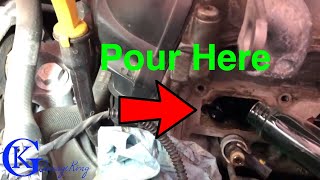
We Have This Part in Stock


The information in this article is provided for general reference and educational purposes only. Vehicle specifications, procedures, and part compatibility can vary by production date, trim level, and region. Always consult your vehicle's factory service manual and verify part numbers before purchasing or performing repairs. Safety-critical components such as airbags, seat belts, and braking systems should be installed by a qualified professional.
- Audi A6:
- 🧭 Diagnostic Flowchart
- 🎬 Helpful Videos
- 🛍️ Shop This Part
- What's Unique About the 2012-2018 Audi A6
- Symptoms You May Notice
- Most Likely Causes
- Rare But Worth Checking
- Diagnosis Steps
- Parts You'll Likely Need
- Related Codes That Often Appear With This One
- Technical Service Bulletins (TSBs) & Recalls
- Platform-Specific Known Issues
- Mechanic-Grade Diagnostic Values
- Scan Tool Commands That Help
- Wiring & Ground Locations
- Real Owner Repair Stories
- "I Checked Everything" — The Actual Cause
- When the Usual Fixes Don't Work
- OEM Part Supersession History
- Model Year Variations Within This Range
- Other Known Issues on This Vehicle
- Used vs. New Parts: Buying Guide for This Vehicle
- Real Owner Stories
- 2012-2018 Audi A6 (C8 Platform)
- 2012-2018 Audi A6 2.0T TFSI
- 2012-2018 Audi A6 3.0T — ~70000 miles
- Related OBD-II Codes
- Frequently Asked Questions
- 🎟️ Get 5% Off