

P0301 on 2019-2021 Audi Q8: Cylinder 1 Misfire Causes and Fixes
P0301 on a 2019-2021 Audi Q8 indicates a misfire in cylinder 1. The most common causes are a faulty ignition coil or a worn spark plug. A DIY fix is possible, with a single coil costing around $80-$105 and a set of spark plugs being similarly priced. In some cases, a simple ECM software update at the dealer may be the required fix, especially during winter months.
- P0301 is a misfire on cylinder 1, the front-most cylinder on the passenger side.
- The most likely cause is a bad ignition coil or spark plug.
- A simple DIY diagnostic is to swap the cylinder 1 ignition coil with another cylinder's coil to see if the code follows.
- Do not ignore a flashing check engine light, as it can lead to costly catalytic converter damage.
- Before paying for expensive repairs, check with an Audi dealer to see if your vehicle needs a software update as described in TSB 2069038/3.
What's Unique About the 2019-2021 Audi Q8
The 2019-2021 Audi Q8 is powered by a sophisticated 3.0L turbocharged V6 engine (engine code: DLZA) with direct injection and a mild-hybrid system. This engine features a 'hot-V' design, where the single turbocharger is nestled between the cylinder banks. This engine's complexity makes it sensitive to the health of its ignition and fuel system components. Misfires are a known issue, as evidenced by multiple Technical Service Bulletins (TSBs) issued by Audi. TSB A0124212069038_5 specifically notes that software calibration issues can cause misfires, requiring an ECM update to resolve.
Diagnostic Flowchart
Tap your situation to follow the diagnostic path that matches what you're seeing on this vehicle.
Symptoms You May Notice
- Rough or shaky idle
- Hesitation or stumbling during acceleration
- Noticeable loss of engine power
- Flashing or steady Check Engine Light
- Reduced fuel economy
- Smell of unburned fuel from the exhaust
- Knocking or tapping noises from the engine.
- Replacing oxygen (O2) sensors. O2 sensors report the results of combustion; they do not cause a single-cylinder misfire. A bad O2 sensor would typically trigger other specific codes.
Most Likely Causes
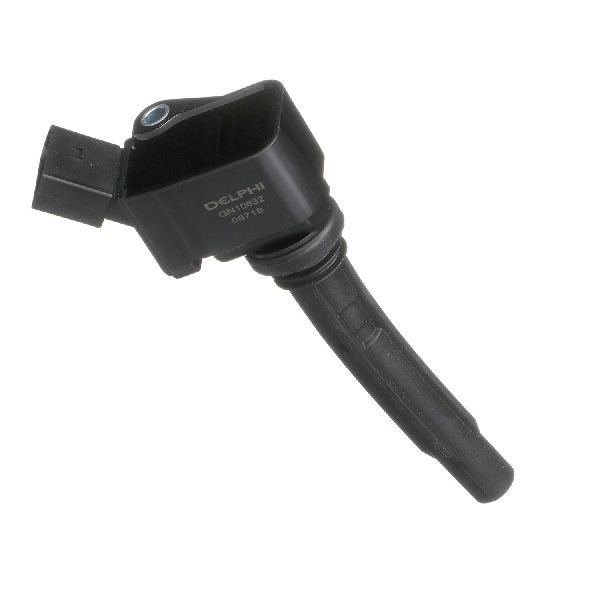
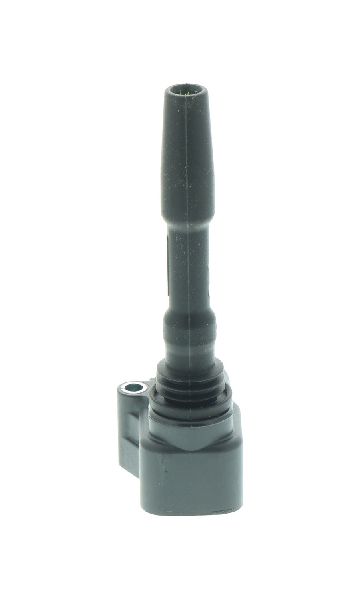
- Faulty Ignition Coil 🔴 High Probability → Shop Ignition Coil Coil-on-plug ignition coils are a common failure point on many modern direct-injection engines, including Audi's V6, due to high heat exposure. A single coil failure will trigger a misfire in its corresponding cylinder.
How to confirm: Swap the ignition coil from cylinder 1 with another cylinder (e.g., cylinder 2). Clear the codes and drive the vehicle. If the trouble code changes to P0302, the ignition coil is confirmed to be faulty.
Typical fix: Replace the faulty ignition coil. It is often recommended to replace all six coils at the same time for preventative maintenance, especially if they are original and the vehicle has high mileage.
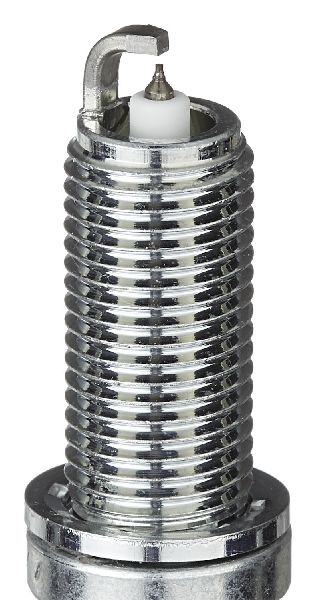
Est. part cost: $80-$105 for one OEM coil. - Worn or Fouled Spark Plug 🔴 High Probability → Shop Spark Plug
How to confirm: Remove and inspect the spark plug from cylinder 1. Look for signs of wear on the electrode, carbon fouling, oil contamination, or physical damage. Compare it to a new plug. Audis are known to be sensitive to the correct type and brand of spark plug.
Typical fix: Replace the spark plug. It is best practice to replace all six spark plugs as a set to ensure consistent performance and avoid future misfires. The recommended service interval for spark plugs on the 3.0T engine is typically around 55,000 miles.
Est. part cost: $15-$25 per plug for OEM-quality brands. - Software Update Needed 🟡 Medium Probability Audi has released TSBs (including A0124212069038_5) indicating that the original ECM software calibration can cause misfires, particularly with certain fuel blends.
How to confirm: A dealership or qualified shop with access to Audi's ODIS diagnostic system can check the current software version against the latest available version mentioned in the TSBs. The issue is more likely to occur during winter months.
Typical fix: Update the ECM software using the specific SVM code listed in the TSB. This must be done by a dealership or a specialist shop.
Est. part cost: $0-$200, depending on dealer labor rates and if the vehicle is under warranty. - Faulty Fuel Injector 🟡 Medium Probability → Shop Fuel Injector Direct injection systems operate under high pressure and can be susceptible to clogging or electronic failure over time. Carbon buildup on the injector tip can also disrupt the spray pattern and cause a lean misfire.
How to confirm: This requires more advanced diagnostics. A professional can perform a fuel injector balance test or check live data on fuel trims. Swapping injectors between cylinders is possible but is a labor-intensive job that requires removing the fuel rail and intake components.
Typical fix: Replace the faulty fuel injector. This is an involved job that may require removing the intake manifold and requires special tools for removing and seating the new injector seals.
Est. part cost: $150-$250 for one injector, with labor costs being significant.
Rare But Worth Checking
- Low Engine Compression: A mechanical issue like a worn piston ring, a problem with a valve, or a failing head gasket can cause a persistent misfire that doesn't resolve with ignition or fuel part swaps. A compression test is needed to diagnose this.
- Rocker Arm Failure: → Shop Engine Rocker Arm The EA839 engine family has had documented cases of rocker arm failure. The bearing needles can fall out, leading to improper valve actuation, loss of compression, and a persistent misfire in the affected cylinder. This can sometimes be preceded by a distinct ticking or clanking sound.
- Carbon Buildup on Intake Valves: Because this is a direct-injection engine, fuel is not sprayed over the intake valves to clean them. Over time, oil vapor from the PCV system can bake onto the valves, restricting airflow and causing misfires. This usually triggers multiple or random misfires (P0300) but can start with a single cylinder. The fix is a manual cleaning, often via walnut shell blasting.
- Vacuum Leak: A leak in a vacuum hose or a faulty PCV valve can introduce unmetered air into the engine, leaning out the mixture and causing misfires. While this often triggers multiple codes, a localized leak near cylinder 1's intake runner could theoretically cause a P0301.
- Engine Control Module (ECM) Fault: In very rare cases, the driver circuit within the ECM that controls the ignition coil for cylinder 1 can fail, causing a P0301 code. This is usually the last thing to consider after all other possibilities have been exhausted.
Diagnosis Steps
- Use an OBD-II scanner to confirm the P0301 code and check for any other stored codes.
- Note if the Check Engine Light is steady or flashing. A flashing light indicates a severe, catalyst-damaging misfire.
- Locate cylinder 1 on the engine. On the Audi 3.0L V6 (DLZA), Bank 1 is the passenger side (US models), and cylinders are numbered 1, 2, 3 from front (radiator) to back (firewall). Cylinder 1 is the front-most cylinder on the passenger side.
- Swap the ignition coil from cylinder 1 with the coil from cylinder 2. Clear the codes, start the engine, and see if the misfire code returns as P0302. If it does, the ignition coil is bad.
- If the code remains P0301, inspect the spark plug for cylinder 1. Look for wear, damage, or fouling. Replace if necessary. It's best to replace all six at once.
- If the coil and plug are good, check with an Audi dealer for any open recalls or applicable TSBs, specifically TSB A0124212069038_5 regarding an ECM software update for misfires.
- If the problem persists, more advanced diagnostics are needed. The next logical step is to suspect a faulty fuel injector, which may require professional testing.
- If an injector swap or replacement doesn't solve the issue, a mechanical problem is possible. Perform an engine compression test and a cylinder leak-down test to check for issues like bad valves, piston rings, or a failed rocker arm.
Parts You'll Likely Need
- Ignition Coil
(OEM #06L905110K)— This is the most frequent cause of a single-cylinder misfire and is easy to diagnose and replace. This part number supersedes previous versions including 06L905110C, 06L905110D, 06L905110E, 06L905110F, and 06L905110H.
Trusted brands: Bosch, NGK, Eldor, Beru
OEM price range: $80-$105
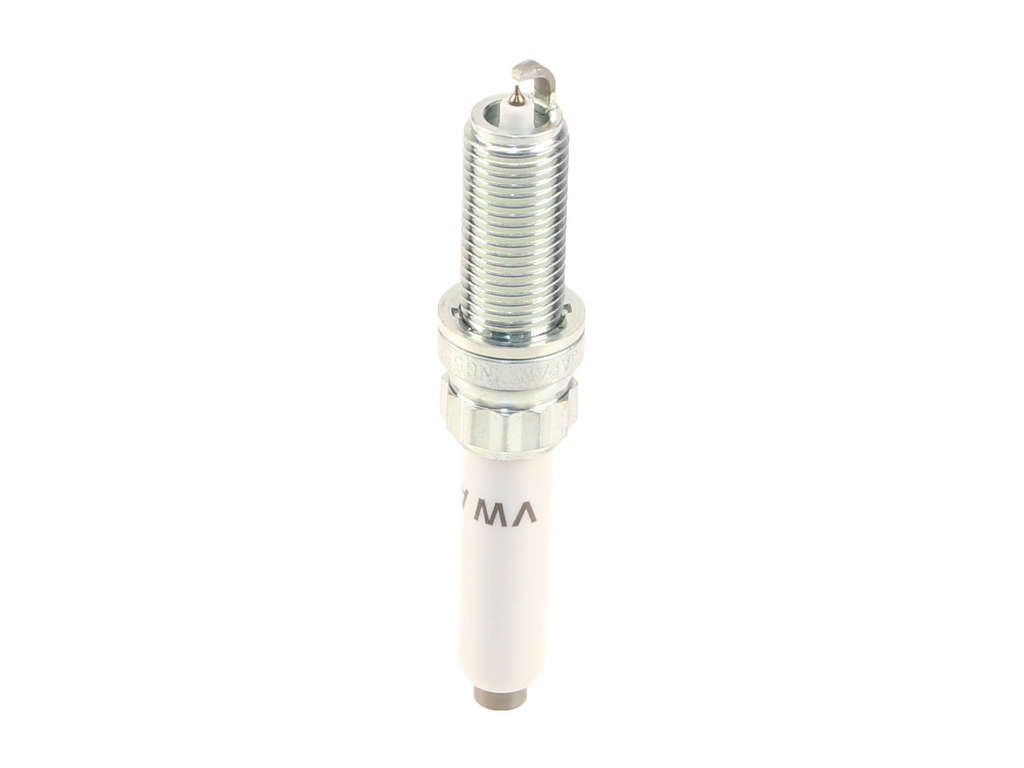
Aftermarket price range: $45-$75 - Spark Plug
(OEM #06M905606F)— As a routine maintenance item, spark plugs wear out over time and can cause misfires. They are relatively inexpensive to replace.
Trusted brands: NGK, Bosch
OEM price range: $18-$25
Aftermarket price range: $12-$18
Related Codes That Often Appear With This One
- P0300 — If the misfire is intermittent or affects multiple cylinders randomly, a P0300 (Random/Multiple Cylinder Misfire) code may be stored alongside P0301. This often points to a systemic issue like a vacuum leak, bad fuel, or carbon buildup.
- P0302, P0303, P0304, P0305, P0306 — If there is a systemic issue like bad fuel, a software calibration problem, or a failing fuel pump, you may see misfire codes for other cylinders as well.
Technical Service Bulletins (TSBs) & Recalls
- A0124212069038_5: Provides information when the MIL is illuminated for cylinder misfires.
- A0123912069038_5: Provides information for when the MIL is illuminated due to DTCs P0300-P0306.
- A0123802069038_4: Provides information for when the MIL is on due to cylinder misfires.
- A0123612069038_3 (and later versions like 2069038/2): Details the need for an ECM software update to correct misfire detection, especially related to fuel blends.
- 2058038/5: An informational bulletin explaining that misfires on 2021 models can be caused by software calibration with winter blend fuels and that improved software is the solution.
Platform-Specific Known Issues
- Audi has issued multiple Technical Service Bulletins (TSBs) that mention P0301 and other misfire codes for this platform, indicating it is a known area of concern for the manufacturer.
- TSB A0124212069038_5 specifically states that an ECM software update can correct misfire conditions, noting 'The optimized software will correct the misfire and prevent the MIL from illuminating.'
- TSB 2058038/5 further clarifies the software issue, stating 'Software calibration causes a misfire under certain running conditions using winter blend fuel (higher vapor pressure).'
Scan Tool Commands That Help
- VCDS (VAG-COM): Measuring Value Blocks (MVB) for Misfire Counters — To see a live count of misfire events per cylinder, which is useful for confirming an active misfire and verifying a fix. For non-UDS controllers, check groups 014, 015, and 016 to see counters for each cylinder. For UDS controllers, you can search for 'misfire' in the advanced measuring values to find the relevant counters.
- ODIS (Official Dealer Software): Guided Fault Finding (GFF) — When a P0301 code is stored, ODIS can initiate a 'Guided Fault Finding' test plan. This process walks the technician through a logical diagnostic sequence, prompting for specific checks and measurements to systematically isolate the root cause based on factory procedures.
- ODIS (Official Dealer Software): SVM (Software Version Management) Update — This function is required to perform the software update specified in TSBs like A0124212069038_5. It connects to Audi's servers to validate and install the correct software patch for the ECM.
Wiring & Ground Locations
- Engine Ground Straps — Typically located between the engine block and the chassis frame rail on either side of the engine bay.. A corroded or loose engine ground can cause erratic electrical behavior, including weak spark from the ignition coils, which can lead to misfires. While not specific to cylinder 1, it's a foundational check for any electrical or misfire-related issue.
- Ignition Coil Connector (Cylinder 1) — Plugged directly into the top of the ignition coil for cylinder 1 (front-most cylinder on the passenger side).. The wiring and connector pins at the coil can become damaged from heat and vibration, leading to a poor connection and insufficient power for the coil to fire the spark plug correctly. A visual inspection for corrosion, backed-up pins, or frayed wires is necessary.
Real Owner Repair Stories
- AudiWorld Forums User (Audi Q7 (platform-mate with similar engine)) — Engine warning light came on.
❌ Tried (didn't work) Initial diagnosis was required.
✅ What actually fixed it The Audi dealership determined that the fuel injector for cylinder 3 was faulty and replaced it, which resolved the issue. - Online Automotive Forum User (2021 Audi Q8 with 39,220 km) — Rough running for the first few minutes after a cold start, with increasingly frequent hard starting.
❌ Tried (didn't work) The owner was considering other potential causes before committing to a costly repair.
✅ What actually fixed it A full fuel injector replacement for the faulty cylinder was the final solution. The mechanic noted the old injector was heavily 'gunked up', affecting its spray pattern. After replacement, the cold start and rough idle issues were completely resolved. - AudiWorld Forums User (2018 Audi SQ5 (EA839 engine)) — A ticking/tapping noise that was confirmed with a mechanic's stethoscope against the valve cover.
❌ Tried (didn't work) The user did not report trying other fixes first; they went straight to mechanical inspection based on the noise.
✅ What actually fixed it The user identified a failed rocker arm on cylinder 5 (exhaust side). They caught it early and replaced the rocker arms and the scuffed camshaft as a preventative measure to avoid a more catastrophic failure.
OEM Part Supersession History
06L905110C, D, E, F, H→06L905110K— Progressive updates by the manufacturer to improve reliability and performance of the ignition coil.
Heads up: The latest revision, 'K', is generally backward-compatible with earlier versions and is the recommended replacement part.Early EA839 Rocker Arms (pre-2019 models)→Revised Rocker Arms (e.g., B9.5 generation)— The revised parts feature larger needle bearings to improve lubrication and reduce the likelihood of failure.
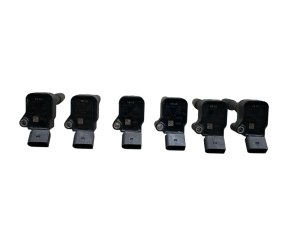
Used OEM Parts in Stock
New Aftermarket Parts Available


The information in this article is provided for general reference and educational purposes only. Vehicle specifications, procedures, and part compatibility can vary by production date, trim level, and region. Always consult your vehicle's factory service manual and verify part numbers before purchasing or performing repairs. Safety-critical components such as airbags, seat belts, and braking systems should be installed by a qualified professional.
- Audi Q8:
- 🧭 Diagnostic Flowchart
- 🛍️ Shop This Part
- What's Unique About the 2019-2021 Audi Q8
- Symptoms You May Notice
- Most Likely Causes
- Rare But Worth Checking
- Diagnosis Steps
- Parts You'll Likely Need
- Related Codes That Often Appear With This One
- Technical Service Bulletins (TSBs) & Recalls
- Platform-Specific Known Issues
- Scan Tool Commands That Help
- Wiring & Ground Locations
- Real Owner Repair Stories
- OEM Part Supersession History
- 🎟️ Get 5% Off