

P0301 on 2007-2014 Cadillac Escalade: Cylinder 1 Misfire Causes and Fixes
P0301 indicates a misfire on cylinder 1. On the 6.2L V8 Escalade, this is most often a bad spark plug, ignition coil, or plug wire. However, it can also be the first sign of a more serious, and common, Active Fuel Management (AFM) lifter failure, a known issue for this engine family. A ticking noise from the engine is a major red flag for lifter failure.
- P0301 is a misfire on cylinder 1, which is the front-most cylinder on the driver's side.
- Always listen for a ticking noise. If you hear one, the cause is very likely a failed AFM valve lifter, a serious and known issue on this engine that requires professional repair.
- If there is no ticking noise, the most likely causes are a simple bad spark plug, ignition coil, or spark plug wire.
- A flashing check engine light means you should stop driving immediately to prevent expensive damage to the catalytic converter.
What's Unique About the 2007-2014 Cadillac Escalade
While P0301 is a generic misfire code, on the 2007-2014 Escalade's 6.2L V8 (L92, L9H, L94 engines) it requires special attention. These engines are equipped with Active Fuel Management (AFM), which deactivates cylinders 1, 4, 6, and 7 to save fuel under light load. The specialized hydraulic lifters used for this system are a notorious weak point and are prone to failure. A collapsed or stuck AFM lifter on cylinder 1 is a very common cause for a persistent P0301 that can be mistaken for a simple ignition problem, often leading to significant mechanical repairs. This issue is so prevalent that numerous forum discussions and even class-action lawsuits have been filed against GM regarding this widespread problem.
Symptoms You May Notice
- Rough or shaky idle
- Hesitation or stumbling during acceleration
- Noticeable loss of engine power
- Flashing or solid Check Engine Light
- A distinct ticking or tapping noise from the engine, indicating possible lifter failure
- "Service Stabilitrak" and "Traction Control Off" messages on the Driver Information Center (DIC) often accompany the misfire.
- Replacing only the spark plug and ignition coil when the root cause is a failed AFM lifter. If the misfire returns quickly and is accompanied by a ticking noise, the problem is likely mechanical.
- Assuming a ticking noise is just a 'noisy lifter' without addressing the P0301 code. The combination of these two symptoms strongly points to a collapsed AFM lifter requiring immediate attention.
Most Likely Causes
- Worn or Fouled Spark Plug 🔴 High Probability → Shop Spark Plug TSB #PIP4525D specifically mentions inspecting spark plugs for oil fouling. Oil consumption, sometimes related to AFM system operation or worn piston rings, can foul the #1 spark plug prematurely, causing a persistent misfire.
How to confirm: Remove the spark plug from cylinder 1 and inspect it for wear, carbon buildup, or oil fouling. A plug that is wet with oil is a key indicator. You can also swap the spark plug with another cylinder (e.g., cylinder 3) and see if the misfire code changes to P0303.
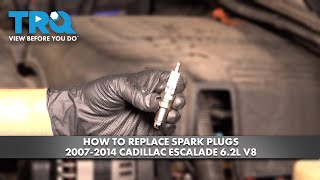
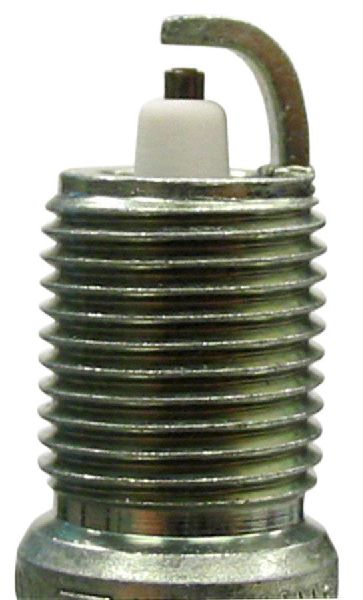
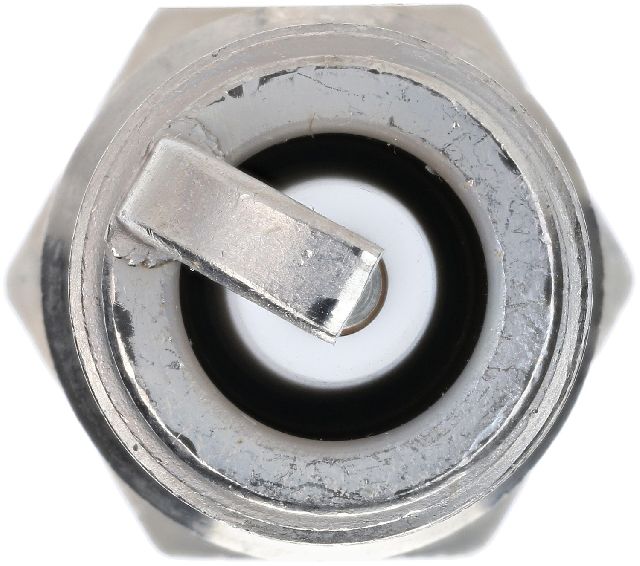
Typical fix: Replace the spark plug. It is recommended to replace all eight spark plugs at the same time for even performance. 🎬 See how to properly access and replace all eight spark plugs. The OEM recommended part is an ACDelco Iridium plug, originally 41-110, which was later superseded by 41-162. Some owners report better performance by finding and using the original 41-110 plugs.
Est. part cost: $15-$30 for a single plug, $100-$200 for a set of eight. - Faulty Ignition Coil 🔴 High Probability → Shop Ignition Coil Ignition coils are a common failure item due to constant exposure to high heat and vibration in the engine bay. It's one of the most common causes for a single-cylinder misfire.
How to confirm: Swap the ignition coil from cylinder 1 with another cylinder on the same bank (e.g., cylinder 3). Clear the codes, run the engine, and see if the misfire code moves to P0303. If it does, the coil is bad.
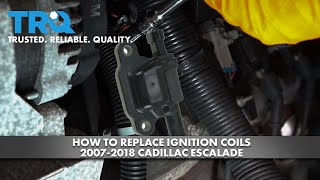
Typical fix: Replace the faulty ignition coil. This is a simple plug-and-play part held on by a single bolt. 🎬 Watch: Step-by-step guide to replacing your ignition coils. Apply silicone dielectric compound to the inside of the new coil's boot before installation.
Est. part cost: $50-$100 for one ACDelco or equivalent coil. - Bad Spark Plug Wire 🟡 Medium Probability → Shop Spark Plug TSB #PIP4819A notes that loose or poorly connected spark plug wires can cause misfires on these vehicles. Wires can also degrade over time from heat, or be damaged during other repairs like a header installation.
How to confirm: Visually inspect the wire for cracks, burns, or corrosion. Ensure it is securely 'clicked' onto both the coil and the spark plug. You can test for spark using an inline tester.
Typical fix: Replace the faulty spark plug wire. It is often recommended to replace them as a set, especially on a high-mileage vehicle.
Est. part cost: $50-$100 for a full set of wires. - Failed Active Fuel Management (AFM) Lifter 🟡 Medium Probability → Shop Engine Valve Lifter This is a well-documented, serious mechanical issue on 5.3L and 6.2L GM engines with AFM (2010-2014 models). A collapsed or stuck AFM lifter on cylinder 1 (an AFM cylinder) will cause a P0301 code, often accompanied by a distinct engine ticking noise. The failure can be caused by a lack of oil pressure to the lifter or internal mechanical failure of the lifter itself.
How to confirm: Listen for a persistent ticking/tapping sound from the top of the engine that increases with RPM. A definitive diagnosis involves removing the driver's side valve cover to observe the rocker arm movement for cylinder 1. A collapsed lifter will result in little to no movement, leaving a visible gap between the rocker and the valve stem.
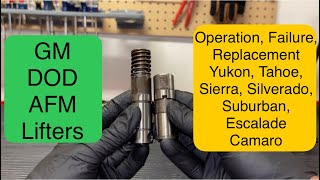
Typical fix: This is a complex and expensive repair. It requires replacing all AFM lifters on that bank of the engine (or all 16 lifters), the lifter guides, and often the camshaft if it has been damaged by the failed lifter. Many owners and shops opt to perform an 'AFM delete' at this time, which involves replacing the AFM lifters with standard lifters, a non-AFM camshaft, and disabling the AFM system in the ECM. 🎬 Watch this to understand why AFM lifters fail and how to delete them.
Est. part cost: $400-$800 for lifters, guides, gaskets, and a new camshaft. An AFM delete kit can range from $300-$600.
Rare But Worth Checking
- Clogged or Faulty Fuel Injector: → Shop Fuel Injector While less common than ignition issues, a fuel injector can become clogged or fail electronically, preventing the correct amount of fuel from reaching cylinder 1. Swapping the injector with another cylinder is a way to confirm, but is more labor-intensive.
- Low Engine Compression: Indicates a more serious internal engine problem, such as a worn piston ring, a leaking valve, or a head gasket issue. A compression test is required to diagnose this. A failed AFM lifter will also result in a low compression reading.
- Worn #1 Cam Bearing: TSB #PIP4525D notes that a worn #1 cam bearing can cause excess oil splash, leading to a fouled spark plug specifically in cylinder 1.
Diagnosis Steps
- Read the code with an OBD-II scanner and confirm P0301 is present. Note any other codes, such as P0300 or P3400, and check freeze frame data.
- Listen for a ticking or tapping noise from the engine. A distinct tick is a strong indicator of a failed AFM lifter and warrants a mechanical inspection.
- If no noise is present, start with the ignition system. Swap the ignition coil from cylinder 1 (front, driver's side) with cylinder 3 (second from front, driver's side).
- Clear the codes and drive the vehicle. If the code changes to P0303, the ignition coil is faulty and needs replacement.
- If the code remains P0301, inspect the spark plug wire for damage and security. Then, swap the spark plug from cylinder 1 to cylinder 3. If the code moves to P0303, the spark plug is bad.
- If ignition components are good, inspect the cylinder 1 fuel injector wiring. You can listen to the injector with a mechanic's stethoscope to hear if it's clicking.
- If ignition and fuel delivery seem okay, perform an engine compression test on cylinder 1. A reading of zero or very low compression strongly suggests a collapsed lifter or other internal mechanical issue.
- If compression is low or a ticking noise is present, remove the driver's side valve cover to inspect the valvetrain. Look for a rocker arm on cylinder 1 that is loose or has excessive play, which confirms a collapsed AFM lifter.
Parts You'll Likely Need
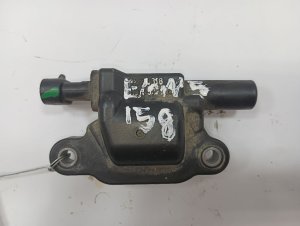
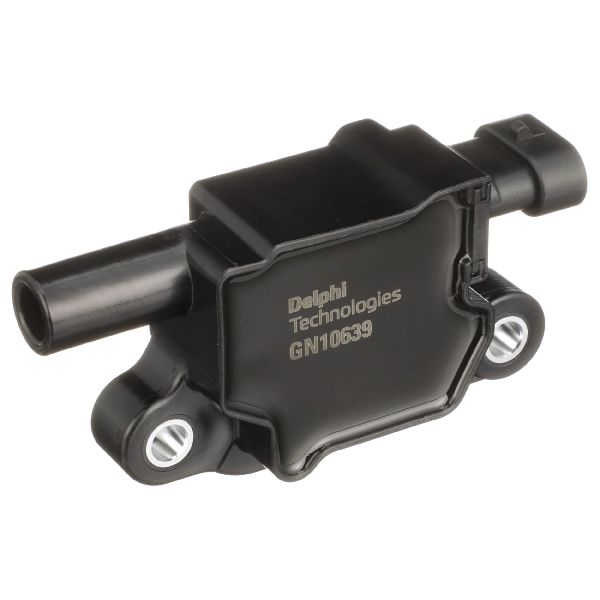
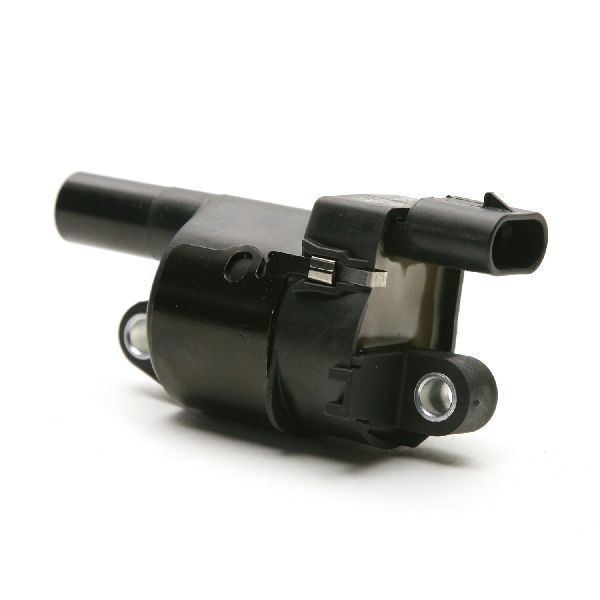
- Ignition Coil
(OEM #12611424)— A common failure item that directly causes a misfire in a single cylinder. Easy to diagnose by swapping with another cylinder.
Trusted brands: ACDelco, Delphi
OEM price range: $60-$90
Aftermarket price range: $30-$60 - Spark Plug
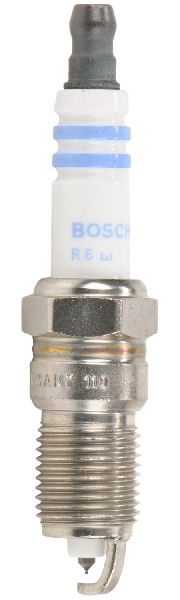
(OEM #41-110)— A standard maintenance item that wears out over time. Can also be fouled by oil due to other engine issues like AFM problems. The original 41-110 is often preferred by enthusiasts over the replacement 41-162.
Trusted brands: ACDelco, NGK
OEM price range: $15-$25
Aftermarket price range: $8-$15 - AFM Valve Lifter Kit — Required for the common AFM lifter failure. Kits usually include lifters and guides. It's critical to replace these if a collapsed lifter is diagnosed.
Trusted brands: ACDelco, Sealed Power, Melling
OEM price range: $200-$400
Aftermarket price range: $150-$300 - Valve Lifter Oil Manifold (VLOM)
(OEM #12571609)— This manifold controls oil flow to the AFM lifters. It contains solenoids that can fail, leading to lifter collapse. It is often replaced preventatively during an AFM lifter job. The original part 12571609 is superseded by 12698755.
Trusted brands: ACDelco (GM Genuine)
OEM price range: $250-$400
Aftermarket price range: $150-$250
Related Codes That Often Appear With This One
- P0300 — If the misfire is severe or intermittent, or if other cylinders are beginning to misfire due to a systemic issue like a failing AFM system, a P0300 (Random/Multiple Cylinder Misfire) may be stored alongside P0301.
- P3400 — This code stands for 'Cylinder Deactivation System Bank 1'. Its presence along with a P0301 strongly points towards a failure in the AFM system, such as a collapsed lifter on cylinder 1 or an issue with the Valve Lifter Oil Manifold (VLOM).
Technical Service Bulletins (TSBs) & Recalls
- TSB #PIP4525D: Addresses misfires (P0301), oil consumption, and fouled spark plugs. It instructs technicians to inspect all spark plugs for oil fouling and cracks around the electrode porcelain. Notes that a worn #1 cam bearing can also be a cause.
- TSB #PIP4819A: Advises technicians to check for loose or poorly seated spark plug wires at both the coil and the plug as a potential cause for misfires. It notes that technicians should inspect and replace any loose wires found.
Platform-Specific Known Issues
- Active Fuel Management (AFM) Lifter Failure: → Shop Engine Valve Lifter This is the most significant and notorious issue for the 2010-2014 6.2L V8. The lifters for cylinders 1, 4, 6, and 7 are designed to collapse to deactivate the cylinder. They are known to fail by getting stuck in the collapsed position, leading to a dead misfire. This is often preceded by increased oil consumption and can damage the camshaft, requiring a major, multi-thousand dollar repair.
- Oil Consumption and Fouled Plugs: Related to the AFM system, these engines can consume excessive oil. The oil can be forced past the piston rings, especially on AFM cylinders, leading to oil-fouled spark plugs. A P0301 with an oil-soaked spark plug is a classic symptom. Manufacturer bulletin #PIP4525D specifically links engine misfire and oil consumption to this fouling.
Mechanic-Grade Diagnostic Values
- Fuel Injector Resistance (L94 Port Injection) — expected: 11 - 14 Ohms. Failure: A reading significantly outside this range, or an open/shorted circuit, indicates a failed injector coil.
- Ignition Coil Secondary Resistance (Square Style Coil) — expected: ~5.3k Ohms. Failure: A reading significantly different from this value suggests a faulty secondary winding.
- Ignition Coil Primary Resistance (Square Style Coil) — expected: 0.3 - 1.0 Ohms. Failure: A reading outside this range suggests a faulty primary winding in the coil.
- Fuel Pressure (Key On, Engine Off) - Non-Flex Fuel — expected: 55-62 PSI. Failure: Pressure below 55 PSI can indicate a weak fuel pump, clogged filter, or faulty regulator.
- Fuel Pressure (Key On, Engine Off) - Flex Fuel (L9H/L94) — expected: 48-54 PSI. Failure: Pressure outside this range points to a fuel pump or regulator issue specific to the Flex Fuel system.
- Short-Term Fuel Trim (STFT) at Idle — expected: Fluctuating between -10% and +10%. Failure: Sustained readings above +10% indicate a lean condition (vacuum leak, weak fuel delivery); readings below -10% indicate a rich condition (leaking injector).
Hidden / Shadow Codes Worth Checking
- Misfire History Counters: This is not a formal DTC, but a live data parameter in the ECM that logs the raw number of misfire events for each cylinder. It is extremely useful for confirming an intermittent misfire on a specific cylinder even if the check engine light is not currently on. (see via Requires a professional-grade scan tool with access to GM-specific live data, such as a GM Tech2 or GDS2.)
Scan Tool Commands That Help
- GDS2 / Tech2: Cylinder Power Balance Test — This is a primary diagnostic step to confirm a non-contributing cylinder. The tool electronically cuts fuel to each cylinder one by one. If disabling cylinder 1 causes little or no drop in engine RPM compared to other cylinders, it definitively confirms cylinder 1 is the source of the misfire.
- GDS2 / Tech2: Injector Balance Test — Use this after ruling out spark issues. It helps diagnose a potentially clogged or faulty fuel injector by measuring the fuel pressure drop as each injector is commanded to fire. A GM-specific test requires the pressure drop for each injector to be within 2 psi (15 kPa) of each other.
- GDS2 / Tech2: Cylinder Deactivation System Test — This command allows a technician to manually activate and deactivate the AFM solenoids in the VLOM to test their functionality. This is useful when a P3400 code is present or an AFM-related failure is suspected.
Wiring & Ground Locations
- G103 — Located on the right rear of the engine block/cylinder head area.. This is a primary engine ground. A loose or corroded G103 can cause erratic behavior in multiple engine sensors, including the crankshaft position sensor, which is critical for misfire detection. While it would likely cause multiple codes, it can sometimes manifest as a single misfire initially.
- Cylinder 1 Injector Connector — The front-most electrical connector on the driver's side fuel rail.. A loose pin, corrosion, or break in the wiring at this specific connector will cause a P0301 (misfire) and likely a P0201 (injector circuit fault). A 'wiggle test' of this connector while the engine is idling can help identify an intermittent connection.
- Cylinder 1 Ignition Coil Connector — The electrical connector on the front-most ignition coil on the driver's side valve cover.. Damage or corrosion at this connector can prevent the coil from receiving the command to fire from the ECM, directly causing a P0301. The plastic locking tab can become brittle and break, leading to a poor connection.
Real Owner Repair Stories
- ScannerDanner Forum User (2012 Cadillac Escalade 6.2L) — Misfire on cylinder 3 (P0303, but same diagnostic principle)
❌ Tried (didn't work) Swapped spark plug, Swapped ignition coil, Swapped spark plug wire, Checked for valve train movement (rockers were moving okay), Verified injector pulse with a noid light
✅ What actually fixed it An injector balance test performed with a scan tool revealed the problem. While other cylinders showed a pressure drop from 70 PSI to 29 PSI during the test, the faulty cylinder's injector only caused a drop to 49 PSI, indicating it was not flowing enough fuel. Replacing the fuel injector resolved the misfire.
OEM Part Supersession History
41-110→41-162— Design change by the manufacturer (ACDelco). The 41-162 has a slightly different length, reportedly to position the electrode more centrally in the combustion chamber.
Heads up: While 41-162 is the official replacement, some owners and mechanics report that the original 41-110 plugs, which were often made in the USA by NGK, provide a smoother idle and resolve misfires more effectively than the newer design. There are many reports of the 41-162 having cosmetic quality control issues, though they are functionally correct.12571609→12698755— Updated part design for the Valve Lifter Oil Manifold (VLOM). GM regularly updates parts to integrate new materials or technologies.
Heads up: The new part number (12698755) is a direct replacement for the old one (12571609) and should be used for all repairs to ensure the latest design is installed.41-985→41-110— Earlier part number for the Iridium spark plugs used in this engine family.
Model Year Variations Within This Range
- 2007-2008: These models used the 6.2L L92 V8 engine, which does NOT have Active Fuel Management (AFM). Therefore, a P0301 on these years is not caused by an AFM lifter failure. Diagnosis should focus strictly on ignition, fuel, and base engine mechanical issues.
- 2009: This model year used the 6.2L L9H V8, which added Flex Fuel capability but still did NOT have Active Fuel Management (AFM). Fuel system diagnostics must account for Flex Fuel components and pressure specifications, but AFM lifter failure is not a cause for P0301.
- 2010-2014: These models used the 6.2L L94 V8, which has both Flex Fuel and Active Fuel Management (AFM). These are the specific years where a failed AFM lifter is a primary suspect for a persistent P0301 code, especially when accompanied by a ticking noise.
Diagnostic Flowchart
Real Owner Stories
Aggregated from forums and TSBs cited above. Mileages and costs reflect what owners reported in those sources.
2015 GMC Yukon Denali (Similar Platform) — 78000 miles
Symptoms: AFM lifter failure.
What fixed it: Owner planned to perform a full AFM delete after waiting for the warranty to expire.
Source hint: Tahoe Yukon Forum - Lifter failure
2009 GMC Sierra Denali 6.2L
Symptoms: P0301 Cylinder 1 Misfire and rough idle.
What fixed it: Systematically troubleshot by swapping coils and plugs, ultimately suspecting an injector or internal engine issue.
Source hint: PerformanceTrucks.net - P0301 Cylinder 1 Misfire and rough idle
Tahoe/Yukon Platform Mate — ~205000 miles
Symptoms: Recurring P0301 misfire without the classic ticking sound, leading to suspicions of an intermittent lifter issue.
What fixed it: Replacing the spark plug fixed the issue temporarily, but the misfire eventually returned.
Source hint: Tahoe Yukon Forum - P0301 and 0300 Codes
Related OBD-II Codes
Frequently Asked Questions
Is the ticking noise with P0301 on my 2010-2014 Escalade a serious issue?
Why does my cylinder 1 spark plug keep getting covered in oil?
Why are the 'Service Stabilitrak' and 'Traction Control Off' messages showing up with my check engine light?
Could a loose wire cause the P0301 code on my 6.2L V8?
What OEM spark plugs should I use when replacing them on my Escalade?
Does TSB #PIP4525D mention any internal engine damage besides lifters?
Helpful Videos
Used OEM Parts in Stock
New Aftermarket Parts Available

The information in this article is provided for general reference and educational purposes only. Vehicle specifications, procedures, and part compatibility can vary by production date, trim level, and region. Always consult your vehicle's factory service manual and verify part numbers before purchasing or performing repairs. Safety-critical components such as airbags, seat belts, and braking systems should be installed by a qualified professional.
- Cadillac Escalade:
- 🧭 Diagnostic Flowchart
- 🎬 Helpful Videos
- 🛍️ Shop This Part
- What's Unique About the 2007-2014 Cadillac Escalade
- Symptoms You May Notice
- Most Likely Causes
- Rare But Worth Checking
- Diagnosis Steps
- Parts You'll Likely Need
- Related Codes That Often Appear With This One
- Technical Service Bulletins (TSBs) & Recalls
- Platform-Specific Known Issues
- Mechanic-Grade Diagnostic Values
- Hidden / Shadow Codes Worth Checking
- Scan Tool Commands That Help
- Wiring & Ground Locations
- Real Owner Repair Stories
- OEM Part Supersession History
- Model Year Variations Within This Range
- Real Owner Stories
- 2015 GMC Yukon Denali (Similar Platform) — 78000 miles
- 2009 GMC Sierra Denali 6.2L
- Tahoe/Yukon Platform Mate — ~205000 miles
- Related OBD-II Codes
- Frequently Asked Questions
- 🎟️ Get 5% Off