

P0301 on 2009-2013 Cadillac Escalade EXT: Cylinder 1 Misfire Causes and Fixes
P0301 on a 2009-2013 Escalade EXT most often means a bad spark plug, ignition coil, or spark plug wire for cylinder 1. Start by swapping the coil and plug from cylinder 1 to another cylinder to see if the misfire follows. This is a low-cost diagnosis before checking for more serious issues like a failed AFM lifter, which is a known problem on this engine.
- P0301 specifically points to a misfire in cylinder 1, the front cylinder on the driver's side.
- The most likely causes are simple and relatively inexpensive ignition components: a spark plug, ignition coil, or spark plug wire.
- Always perform the 'coil swap' test first; it's a free and effective way to diagnose a bad ignition coil.
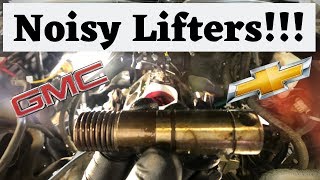
- Be aware of the possibility of a failed AFM lifter, a known issue on this engine. A persistent misfire accompanied by a ticking sound warrants a professional diagnosis.
- Do not drive if the Check Engine Light is flashing, as this can cause rapid and expensive damage to the catalytic converters.
What's Unique About the 2009-2013 Cadillac ESCALADE EXT
The 2009-2013 Escalade EXT uses a 6.2L V8 engine (L94 starting in 2010) equipped with Active Fuel Management (AFM), which deactivates cylinders to improve fuel economy. While P0301 is often a simple ignition issue, these engines are known for AFM lifter failures that can cause persistent misfires. A ticking noise from the engine alongside a misfire code should be taken seriously, as it can point to a collapsed or stuck lifter, a more significant mechanical problem. TSB #PIP4525D also notes that on some models, a worn #1 cam bearing can cause excess oil to splash and foul the #1 spark plug, leading specifically to a P0301 code.
Diagnostic Flowchart
Tap your situation to follow the diagnostic path that matches what you're seeing on this vehicle.
Symptoms You May Notice
- Rough idle or shaking
- Hesitation or stumbling during acceleration
- Loss of engine power
- Flashing or solid Check Engine Light
- Engine running rough
- Smell of unburnt fuel from the exhaust
- "Service Stabilitrak" or "Traction Control Off" messages on the DIC
- Replacing oxygen (O2) sensors without proper diagnosis. While a bad O2 sensor can cause fuel trim issues, it will typically set its own codes and affect multiple cylinders rather than just one.
Most Likely Causes
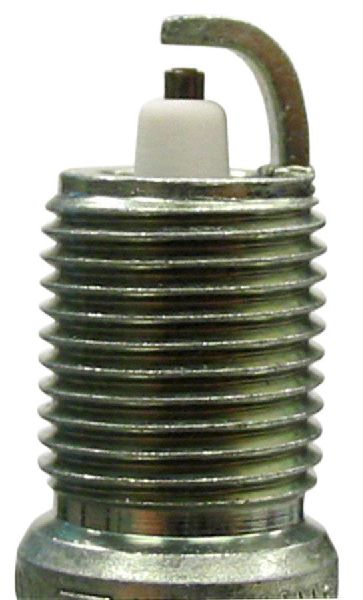
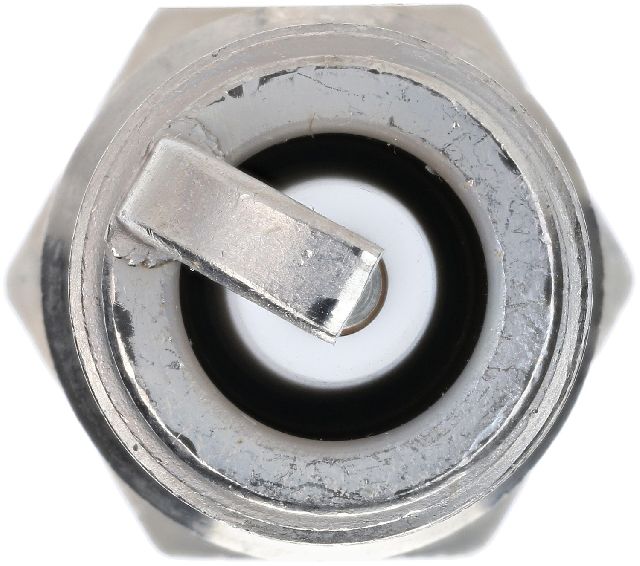
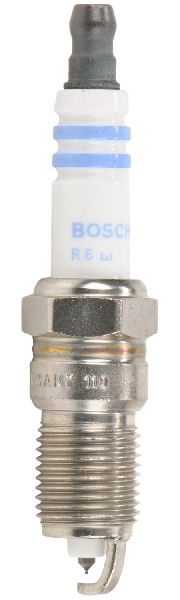
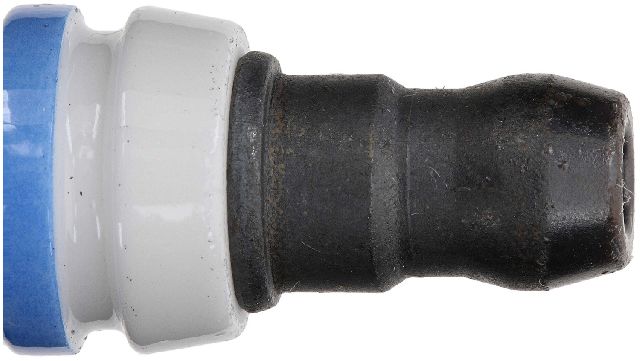
- Worn or Fouled Spark Plug 🔴 High Probability → Shop Spark Plug As cited in TSB #PIP4525D, spark plugs can become fouled with oil or the porcelain can crack, leading to misfires. A cracked porcelain insulator is a common failure point found during diagnosis.
How to confirm: Remove the spark plug from cylinder 1 and inspect it for wear, oil fouling, or cracks in the white porcelain insulator. Compare it to a new plug.
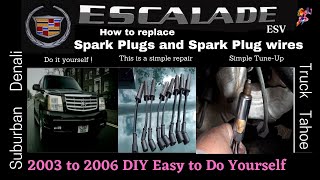
Typical fix: Replace the spark plug. It is recommended to replace all 8 spark plugs at the same time for even performance. The OEM recommended part is an ACDelco Iridium plug. 🎬 Watch: Easy DIY spark plug and wire replacement walkthrough.
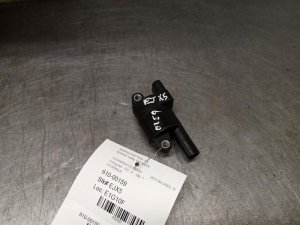
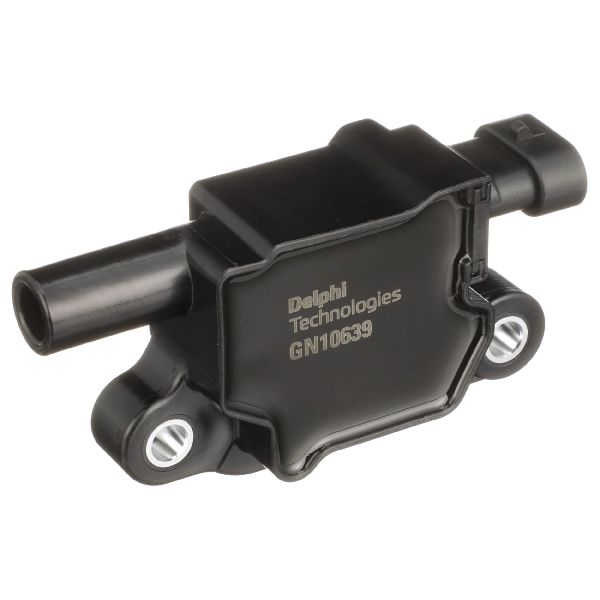
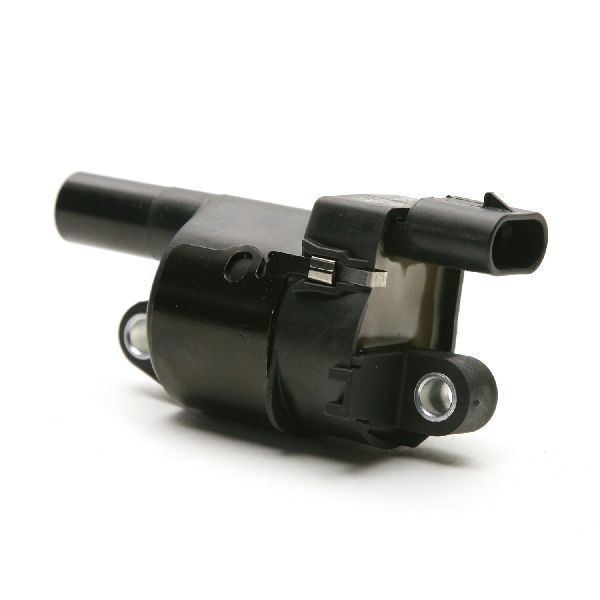
Est. part cost: $10-$25 per plug - Faulty Ignition Coil 🔴 High Probability → Shop Ignition Coil Coil-on-plug systems are common points of failure over time due to constant heat cycles and vibration. The square-style coil is a frequent culprit.
How to confirm: Swap the ignition coil from cylinder 1 with the coil from another cylinder (e.g., cylinder 3). Clear the codes and drive the vehicle. If the code changes to P0303, the coil is faulty. This is a definitive and cost-free diagnostic step.
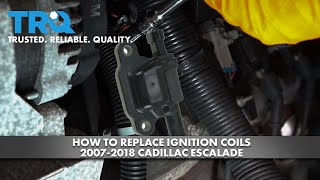
Typical fix: Replace the faulty ignition coil. The common OEM part is ACDelco D510C. 🎬 See how to replace the ignition coils on your Escalade.
Est. part cost: $50-$90 - Bad Spark Plug Wire 🟡 Medium Probability → Shop Spark Plug TSB #PIP4819A specifically calls out inspecting spark plug wires for being loose at the coil or plug, which can cause an intermittent connection and misfires.
How to confirm: Visually inspect the wire for damage, cracks, or burns. Ensure it is securely clicked onto both the ignition coil and the spark plug. You can also swap the wire with another cylinder to see if the misfire follows.
Typical fix: Replace the spark plug wire. It's often best to replace the full set with a quality brand like ACDelco.
Est. part cost: $50-$100 for a set - Clogged or Faulty Fuel Injector 🟡 Medium Probability → Shop Fuel Injector
How to confirm: Listen for a clicking sound from the injector with a mechanic's stethoscope to confirm it's activating. A more definitive test involves swapping the injector with another cylinder, which is more labor-intensive but follows the same logic as swapping a coil.
Typical fix: Clean or replace the faulty fuel injector. If one has failed, others may be close to failing, so replacing them as a set can be preventative maintenance.
Est. part cost: $50-$120
Rare But Worth Checking
- Failed AFM Lifter: → Shop Engine Valve Lifter This is a known, significant issue with the 6.2L V8 engine. A collapsed or stuck Active Fuel Management (AFM) lifter on an AFM cylinder (1, 4, 6, or 7) will cause a persistent misfire. This is often accompanied by a distinct ticking or tapping noise from the engine. A user on the Tahoe/Yukon forum experienced a P0301 that persisted after replacing plugs and injectors, and the ultimate cause was a collapsed intake lifter on cylinder 1. This requires removing the cylinder head for repair. 🎬 Watch this video to see a full AFM lifter replacement.
- Intake Manifold Gasket Leak: → Shop Engine Intake Manifold A vacuum leak from a failed intake manifold gasket can lean out the air/fuel mixture in a specific cylinder, causing a misfire. This is a common issue on GM V8s of this era.
- Low Engine Compression: Internal engine damage, such as to a piston ring, valve, or a worn camshaft lobe, can cause a loss of compression and a misfire. This is a serious mechanical issue that requires a compression test to diagnose.
Diagnosis Steps
- Read the trouble codes with an OBD-II scanner. Note any other codes present, such as P0300.
- Visually inspect the spark plug wire for cylinder 1 for any signs of damage or a loose connection, as noted in TSB #PIP4819A. Ensure it's fully seated.
- Swap the ignition coil from cylinder 1 with another cylinder (e.g., cylinder 3). Clear the codes, run the engine, and see if the misfire code moves to the new cylinder (P0303). If it does, the ignition coil is bad.
- If the misfire remains on cylinder 1, swap the spark plug from cylinder 1 with the one from the cylinder you just moved the coil to. If the P0301 returns, the plug is not the issue. If the misfire moves, the plug is bad.
- Inspect the original spark plug from cylinder 1. Look for a cracked porcelain insulator, heavy carbon buildup, or oil fouling as described in TSB #PIP4525D.
- If ignition components are good, listen to the fuel injector on cylinder 1 with a mechanic's stethoscope. It should have a regular, audible clicking sound. Compare its sound to an adjacent injector.
- If you hear a persistent ticking noise from the valve cover area, especially on the driver's side, suspect a failed AFM lifter. This is a common failure point. A next step would be to remove the valve cover to check for rocker arm movement.
- If other steps fail, perform a compression test on cylinder 1 to check for mechanical engine problems like a bad valve, piston ring, or head gasket failure.
Parts You'll Likely Need
- Spark Plug
(OEM #41-162)— Spark plugs are a primary wear item and are cited in TSB #PIP4525D as a direct cause of misfires due to oil fouling or cracking.
Trusted brands: ACDelco, NGK
OEM price range: $15-$25
Aftermarket price range: $10-$20 - Ignition Coil
(OEM #D510C)— Ignition coils are a primary cause of single-cylinder misfires. Swapping them is the easiest way to diagnose a failure. The ACDelco D510C is the specified OE part.
Trusted brands: ACDelco, Delphi, DENSO
OEM price range: $60-$90
Aftermarket price range: $40-$70 - Spark Plug Wire Set
(OEM #9748UU)— TSB #PIP4819A points to loose or faulty spark plug wires as a cause for misfires. Wires can degrade over time, causing weak spark.
Trusted brands: ACDelco
OEM price range: $70-$120
Aftermarket price range: $50-$100
Related Codes That Often Appear With This One
- P0300 — If the misfire is intermittent or begins to affect other cylinders, a P0300 (Random/Multiple Cylinder Misfire) code may appear alongside P0301.
Technical Service Bulletins (TSBs) & Recalls
- PIP4819A: Service Engine Soon Malfunction Indicator Lamp and the engine misfires.
- PIP4525D: Engine misfire, oil consumption, and/or a Service Engine Soon Malfunction Indicator Lamp on.
Platform-Specific Known Issues
- TSB #PIP4819A: Addresses engine misfires (including P0301) caused by loose spark plug wires. The fix is to inspect and ensure wires are fully seated on the coil and plug, replacing any that have a poor connection.
- TSB #PIP4525D: Discusses engine misfire and oil consumption where P0301 may be present. The bulletin advises inspecting the #1 spark plug for oil fouling. It suggests this could be caused by a worn #1 cam bearing allowing excess oil splash.
- Active Fuel Management (AFM) Lifter Failure: The 6.2L V8 is known for issues with AFM lifters, which can collapse or get stuck, leading to a misfire that feels identical to an ignition problem. This is a more severe mechanical issue often preceded by a ticking noise from the engine. Cylinders 1, 4, 6, and 7 are the AFM cylinders.
Mechanic-Grade Diagnostic Values
- Fuel Pressure (Key On, Engine Off) — expected: 58-62 PSI. Failure: Pressure below 58 PSI can indicate a weak fuel pump, causing a lean condition and misfires.
- Fuel Injector Resistance — expected: 11-18 ohms. Failure: A reading outside of this range suggests a faulty injector coil (either open or shorted).
- Ignition Coil Primary Resistance — expected: 0.4 - 2.0 ohms. Failure: A reading outside this range indicates a failure in the coil's primary winding.
- Ignition Coil Secondary Resistance — expected: 6,000 - 10,000 ohms. Failure: A reading significantly outside this range points to a problem with the secondary winding.
Hidden / Shadow Codes Worth Checking
- Misfire Counters (per cylinder): Professional scan tools like the GM Tech2 or GDS2 can display a live count of misfire events for each specific cylinder. This is more detailed than a simple P0301 code and can help diagnose intermittent issues or confirm the fault is isolated to cylinder 1. (see via Requires a professional-grade scan tool with access to GM-specific live data parameters. A GM service bulletin regarding AFM lifters references using this data to identify misfiring cylinders.)
Scan Tool Commands That Help
- GDS2/Tech2: Power Balance Test — This function allows a technician to disable one cylinder at a time and observe the drop in engine RPM. If disabling cylinder 1 causes little or no change in RPM compared to other cylinders, it confirms cylinder 1 is not contributing power, pinpointing the location of the misfire.
- GDS2/Tech2: Fuel Injector Balance Test — This test fires each injector for a specific duration and measures the corresponding drop in fuel pressure. A smaller pressure drop for cylinder 1 would indicate a clogged or faulty injector.
Wiring & Ground Locations
- G102 — Located at the left rear of the engine.. This ground is specifically for all 8 ignition coils. A poor connection here can cause weak or intermittent spark on multiple cylinders, including cylinder 1.
- G104 — Located on the rear of the left (driver's side) cylinder head.. This is a primary engine ground strap connection. Corrosion or a loose connection can cause a variety of engine control issues, including erratic sensor readings and misfires.
- G103 — Located on the cowl in the left rear of the engine compartment, above the brake booster.. This is a critical ground point for the Engine Control Module (ECM) and Body Control Module (BCM). A fault here can lead to numerous unpredictable electrical problems, including a P0301.
- G107 — Located on the left-hand rear of the engine, on the bell housing.. This is a main engine block to chassis ground. A poor connection here can affect the entire engine electrical system.
Real Owner Repair Stories
- PerformanceTrucks.net Forums (2009 GMC Sierra Denali with 6.2L V8) — Check Engine Light with code P0301, Service Stabilitrak message.
❌ Tried (didn't work) Swapped ignition coil from cylinder 1 to 3, Swapped spark plug wire from cylinder 1 to 3
✅ What actually fixed it The final repair was the replacement of a single failed AFM lifter on cylinder 1, at a cost of $773. - Reddit user in r/gmc (2018 GMC with 6.2L V8 at 115k miles) — P0301 code.
❌ Tried (didn't work) Initial thought was to replace plugs and coils.
✅ What actually fixed it Vehicle was towed to a dealer who diagnosed failed lifters on multiple cylinders. The repair estimate was $5,500 if only lifters were needed, and $9,500 if the camshaft was also damaged. This highlights P0301 as a potential symptom of catastrophic lifter failure.
When the Usual Fixes Don't Work
- While P0301 is commonly a simple ignition or fuel injector problem, on the 2010-2013 Escalade EXT with the L94 engine, it should not be dismissed as such without further investigation. Multiple owner accounts confirm that after performing standard diagnostic steps like swapping coils and plugs with no success, the root cause was identified as a failed Active Fuel Management (AFM) lifter on cylinder 1. In these documented cases, what began as a simple misfire code resulted in a significant mechanical repair, sometimes costing thousands of dollars. This pattern indicates that for this specific platform, a P0301 code warrants a higher level of suspicion for mechanical valvetrain failure.
OEM Part Supersession History
ACDelco 41-110 (Spark Plug)→ACDelco 41-162— Change in manufacturer and a slight change in physical length to alter electrode position in the combustion chamber.
Heads up: While both plugs are specified to work, some owners report rough idle issues with the newer 41-162 plug and have resolved them by finding and installing the older 41-110 part.Multiple (e.g., 12571595, 12619820)→Multiple, up to 12698946— GM has released numerous revisions of the Active Fuel Management (AFM) lifters to improve reliability and address the high rate of failure (collapse/sticking).
Heads up: It is critical to replace lifters as a set and often recommended to also replace the lifter guide trays and the Valve Lifter Oil Manifold (VLOM) to prevent repeat failures.
Model Year Variations Within This Range
- 2009: The 2009 model year used the 6.2L L9H V8 engine, which has Flex Fuel capability but does NOT have Active Fuel Management (AFM).
- 2010-2013: These model years used the 6.2L L94 V8 engine, which added Active Fuel Management (AFM) to the L9H design. This makes these specific years susceptible to the common AFM lifter failure, which is a primary cause for P0301 after basic ignition/fuel causes are ruled out.
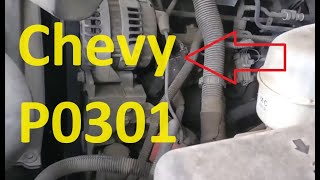
Helpful Videos

Used OEM Parts in Stock
New Aftermarket Parts Available

The information in this article is provided for general reference and educational purposes only. Vehicle specifications, procedures, and part compatibility can vary by production date, trim level, and region. Always consult your vehicle's factory service manual and verify part numbers before purchasing or performing repairs. Safety-critical components such as airbags, seat belts, and braking systems should be installed by a qualified professional.
- Cadillac ESCALADE EXT:
- 🧭 Diagnostic Flowchart
- 🎬 Helpful Videos
- 🛍️ Shop This Part
- What's Unique About the 2009-2013 Cadillac ESCALADE EXT
- Symptoms You May Notice
- Most Likely Causes
- Rare But Worth Checking
- Diagnosis Steps
- Parts You'll Likely Need
- Related Codes That Often Appear With This One
- Technical Service Bulletins (TSBs) & Recalls
- Platform-Specific Known Issues
- Mechanic-Grade Diagnostic Values
- Hidden / Shadow Codes Worth Checking
- Scan Tool Commands That Help
- Wiring & Ground Locations
- Real Owner Repair Stories
- When the Usual Fixes Don't Work
- OEM Part Supersession History
- Model Year Variations Within This Range
- 🎟️ Get 5% Off