

P0301 on 2009-2017 Chevrolet Traverse: Cylinder 1 Misfire Causes and Fixes
P0301 on a Traverse 3.6L V6 indicates a misfire in cylinder #1. The most common cause is a failed ignition coil or a worn spark plug. Because cylinder #1 is on the rear bank against the firewall, accessing it requires removing the intake manifold, making the repair significantly more labor-intensive. A typical shop repair can cost between $400 and $700.
- P0301 on a Traverse is a misfire on the rear, passenger-side cylinder.
- The cause is almost always a bad ignition coil or spark plug.
- Repair is difficult and expensive for a DIYer or shop because the intake manifold must be removed for access.
- If you are paying for the labor to remove the intake, it is highly cost-effective to replace all three rear coils, all six spark plugs, and the intake gaskets at the same time.
- If the check engine light is flashing, stop driving immediately to prevent catastrophic damage to the catalytic converter.
What's Unique About the 2009-2017 Chevrolet Traverse
The key challenge with a P0301 on the Traverse is the location of cylinder #1. Accessing the rear bank of cylinders requires the complete removal of the upper intake manifold 🎬 Watch: Complete walkthrough of intake manifold removal and plug replacement, a labor-intensive job that turns a simple part swap into a multi-hour repair. These Direct Injection (DI) engines (LLT and LFX) are also known for carbon buildup on intake valves, which can disrupt airflow and cause misfires. Furthermore, earlier LLT models (2009-2012) were particularly susceptible to stretched timing chains, which can also be an underlying cause of misfire codes.
Generation note: While the 2009-2017 Traverse is a single vehicle generation, it uses two engine versions. The 2009-2012 models have the 3.6L LLT V6, while 2013-2017 models have the updated 3.6L LFX V6. The LLT engines are more prone to timing chain issues. The fuel injectors for LLT and LFX engines have different electrical resistance specifications and are not interchangeable. The LFX timing chain design was improved in 2013, making models from that year onward more reliable in that specific area.
Symptoms You May Notice
- Check Engine Light is on or flashing
- Rough or shaking idle
- Noticeable loss of power and poor acceleration
- Engine hesitation or stumbling
- Reduced fuel economy
- Smell of raw fuel from the exhaust
- Replacing only the spark plug without testing the ignition coil, which is a more common failure point.
- Assuming a fuel pump is bad for a single-cylinder misfire. A fuel pump issue would typically affect all cylinders and cause a P0300 or lean codes.
Most Likely Causes
- Failed Ignition Coil 🔴 High Probability → Shop Ignition Coil The rear bank of coils is located under the intake manifold, trapping heat and leading to a higher failure rate. Constant heat cycles and vibration cause the internal windings to fail over time.
How to confirm: Swap the ignition coil from cylinder #1 with another cylinder on the same bank (e.g., cylinder #3). Clear the codes and drive. If the code changes to P0303, the ignition coil is faulty. This must be done after removing the intake manifold.
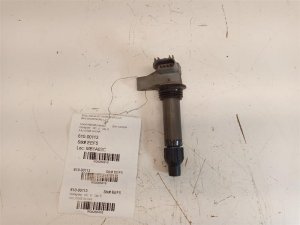
Typical fix: Replace the failed ignition coil. It is highly recommended to replace all three coils on the rear bank at the same time due to the labor involved in accessing them. The OEM part is ACDelco D515C.
Est. part cost: $40-$80 per coil (ACDelco D515C) - Worn or Fouled Spark Plug 🔴 High Probability → Shop Spark Plug Spark plugs are a standard maintenance item with a service life of around 100,000 miles. Oil or coolant leaks into the spark plug tube, a known issue on these engines, can also foul the plug, causing a misfire.
How to confirm: After removing the intake manifold and ignition coil, remove the spark plug from cylinder #1. Inspect it for wear on the electrode, carbon tracking, oil fouling, or coolant contamination.
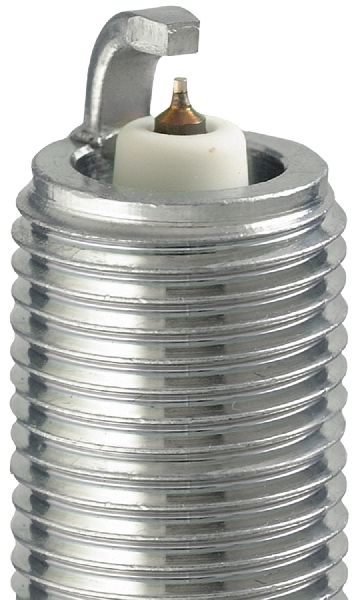
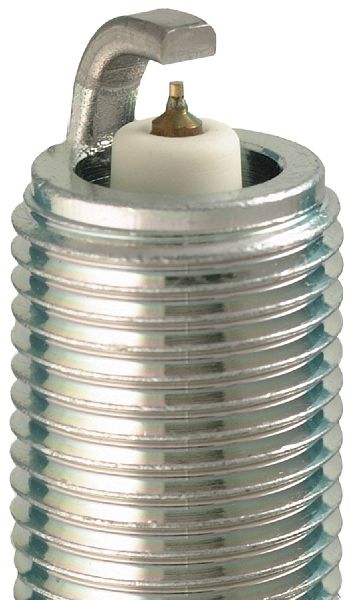
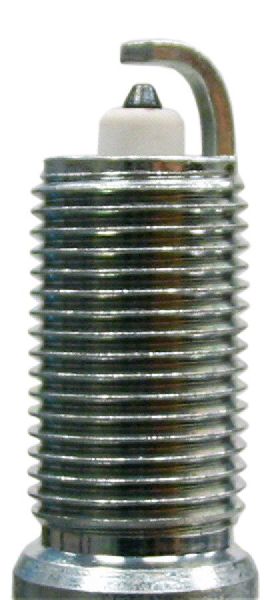
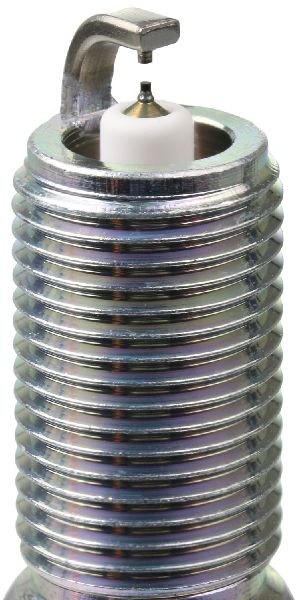
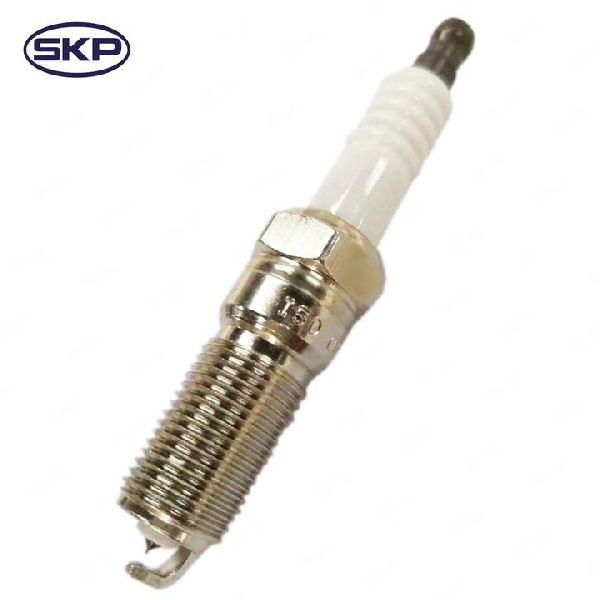
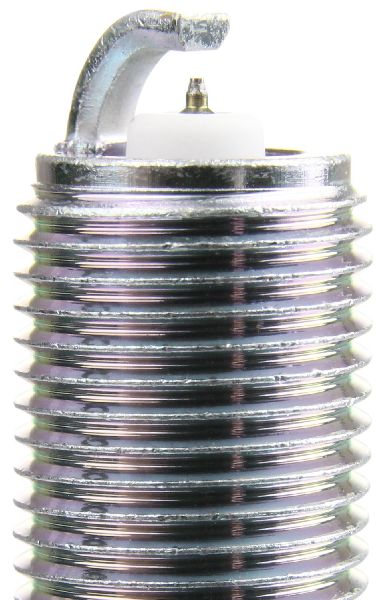
Typical fix: Replace the spark plug. It is best practice to replace all six spark plugs at once, especially since the rear three are so difficult to access. The OEM part is the ACDelco 41-107 Iridium plug.
Est. part cost: $10-$25 per plug (ACDelco 41-107) - Faulty Fuel Injector 🟡 Medium Probability → Shop Fuel Injector Injectors can become clogged with deposits over time or fail electrically. This is a common issue after ruling out spark plugs and coils.
How to confirm: After confirming the spark plug and coil are good, the fuel injector is the next suspect. It can be tested for resistance or swapped with another cylinder's injector (requires fuel system depressurization and new seals).
Typical fix: Replace the faulty fuel injector. Consider replacing all three rear injectors while the intake manifold is off. The OEM part for the LLT engine is GM Part #12638530 (which supersedes to #12669384).
Est. part cost: $80-$160 per injector (GM #12638530 for LLT) - Carbon Buildup on Intake Valves 🟡 Medium Probability As direct injection engines, the LLT and LFX do not have fuel washing over the intake valves. This allows oil vapor from the PCV system to bake onto the valves, restricting airflow and causing misfires, particularly when cold.
How to confirm: Inspect the intake valves using a borescope after removing the intake manifold. Significant black carbon deposits are a clear indicator.
Typical fix: The intake valves need to be manually or media-blasted (walnut blasting) to remove the carbon deposits. This is a specialized cleaning service. 🎬 Watch: How to clean intake valves on a 3.6L engine
Est. part cost: $0 (if doing other work) to $500+ for a professional cleaning service - Leaking Intake Manifold Gaskets 🟡 Medium Probability → Shop Engine Intake Manifold The gaskets must be replaced every time the intake manifold is removed. Re-using old gaskets or improper installation can cause a vacuum leak, leading to a lean misfire on one or more cylinders.
How to confirm: With the engine running, spray brake cleaner or a propane torch (unlit) around the intake manifold sealing surfaces. A change in engine RPM indicates a leak.
Typical fix: Replace the upper and lower intake manifold gaskets.
Est. part cost: $30-$60 for a gasket set
Rare But Worth Checking
- Stretched Timing Chain: More common on 2009-2012 LLT engines. This usually triggers multiple codes (P0300, P0008, P0017), but can sometimes start as a single cylinder misfire. Diagnosis involves checking camshaft deviation angles with an advanced scan tool. GM issued Special Coverage Adjustment 11340C for this issue on some 2009 models.
- Cylinder Head Porosity (Leaking Spark Plug Tube): → Shop Engine Cylinder Head A known manufacturing defect covered by GM TSB PIP5095A. Porosity in the cylinder head casting allows oil or coolant to seep into the spark plug tube, fouling the plug and coil. The fix is an expensive cylinder head replacement.
- Chafed Fuel Injector Wiring Harness: → Shop Fuel Injector GM TSB PIP4924D notes that the injector harness for the rear bank can rub against the engine, causing an electrical short or open that leads to misfires. This should be inspected carefully when the intake manifold is off.
Diagnosis Steps
- Confirm the P0301 code using an OBD-II scanner. 🎬 See this guide on diagnosing and fixing P0301 misfire codes Note if the Check Engine Light is flashing, which indicates a severe misfire.
- Because cylinder #1 is on the rear bank, diagnosis requires removing the upper intake manifold. This is a significant job.
- Once the manifold is removed, swap the ignition coil from cylinder #1 with the coil from cylinder #3.
- Reinstall the intake manifold with NEW gaskets. Clear the codes and start the engine. If the code changes to P0303, the ignition coil is the confirmed problem.
- If the code remains P0301, the coil is not the issue. Remove the intake manifold again.
- Inspect the spark plug from cylinder #1 for wear, damage, or fouling. If it appears faulty, replace it. It is best to replace all three rear plugs at this time.
- If the plug and coil are good, inspect the wiring to the fuel injector for any signs of chafing or damage, as noted in TSB PIP4924D.
- If wiring is intact, the fuel injector is the next likely cause. It can be tested for resistance or replaced.
- While the manifold is off, use a borescope to inspect the intake valves for heavy carbon buildup.
- If no cause is found, more complex issues like low compression or a timing chain problem should be investigated by a professional.
Parts You'll Likely Need
- Ignition Coil
(OEM #12632479)— This is the most common failure part for a P0301 code. Heat and vibration cause them to fail.
Trusted brands: ACDelco, Delphi, NGK
OEM price range: $60-$90
Aftermarket price range: $40-$70 - Iridium Spark Plug
(OEM #12681660)— Spark plugs are a routine wear item and the second most likely cause of a misfire.
Trusted brands: ACDelco, NGK, Bosch
OEM price range: $15-$25
Aftermarket price range: $10-$20 - Intake Manifold Gasket Set
(OEM #12626353)
Related Codes That Often Appear With This One
- P0300 — If the underlying cause (e.g., vacuum leak, timing chain) begins to affect other cylinders, a random misfire code P0300 may appear.
- P0303, P0305 — These codes indicate misfires on other cylinders on the same bank (Bank 1). Their presence suggests a common problem like a leaking intake gasket or a failing injector harness for that bank.
- P0016, P0017 — These codes indicate a crankshaft/camshaft correlation issue. On the 3.6L V6, their presence alongside a misfire code is a strong indicator of a stretched timing chain.
- P2146 — This code indicates a fault in the Fuel Injector Group 'A' (Bank 1) control circuit. It often points to the chafed wiring harness issue described in TSB PIP4924D.
Technical Service Bulletins (TSBs) & Recalls
- PIP5095A / 18-NA-115: Addresses misfires caused by oil or coolant leaking into spark plug tubes from porous cylinder heads.
- PIP4924D: Describes fuel injector harness chafing on the rear bank (Bank 1), causing electrical issues and misfires.
- Bulletin #PIP5038B: Notifies technicians of vehicles displaying a Service Engine Soon lamp with codes ranging from P0300 to P0306 and P0351 to P0356, requiring specific Service Information diagnostic procedures.
Platform-Specific Known Issues
- Owner Experience: The Coil Swap Confirms It: A common story on forums involves an owner paying for the labor to remove the intake manifold, swapping the cylinder #1 ignition coil with the one from cylinder #3, reassembling everything, and finding the code has moved to P0303. This confirms a bad coil and is the standard, albeit laborious, diagnostic procedure. Many owners express frustration at having to do the job twice if they only replace the plug first.
- Repair Story: It Wasn't the Coil, It Was the Injector: In a thread on Reddit, a GMC Acadia owner with 175k miles had a persistent P0301 after replacing all spark plugs and ignition coils. The community consensus pointed toward either a clogged fuel injector or significant carbon buildup on the intake valves, highlighting the next steps when the common ignition-related fixes don't solve the problem.
Wiring & Ground Locations
- G110 — Right rear of the engine, mounted to the back of the cylinder head, on a bracket directly above the power steering pump pressure hose.. A poor ground at this location can cause electrical issues for various engine components controlled by the ECM, potentially leading to erratic sensor readings or weak ignition spark that could contribute to a misfire.
- ECM Connector X1 / X2 — The Engine Control Module (ECM) is located in the engine bay. Pinout diagrams are required for specific wire testing.. To diagnose a persistent P0301 after parts swaps, a technician must test the continuity and voltage of the specific wires running from the ECM to the cylinder 1 ignition coil and fuel injector. Access to pinout diagrams is essential for this.
Real Owner Repair Stories
- Reddit user on r/MechanicAdvice (2009 GMC Acadia AWD (sister vehicle) with ~175k miles) — Persistent P0301 code, shuddering when going uphill, but no unusual noises at startup or idle.
❌ Tried (didn't work) Replaced all spark plugs., Replaced all ignition coils (one at a time).
✅ What actually fixed it The final fix was not posted by the original author. However, community suggestions pointed strongly towards a clogged/failed fuel injector or significant carbon buildup on the intake valves as the next logical steps after coils and plugs were eliminated.
OEM Part Supersession History
12611545, 12632255→12638530 (ACDelco 217-3445)— Standard part revision and consolidation by GM.
Heads up: This part trail applies to the LLT engine (2009-2011). Part number 12638530 was later superseded by 12669384. These injectors are not compatible with the LFX engine.
Model Year Variations Within This Range
- 2009-2012 (LLT Engine): Uses an aluminum intake manifold, separate (non-integrated) exhaust manifolds, and a Bosch ECM. More prone to timing chain stretch.
- 2013-2017 (LFX Engine): Features a composite (plastic) intake manifold, cylinder heads with integrated exhaust manifolds, and a Delphi ECM. Also uses a different high-pressure fuel pump and has larger intake valves. The timing chain design was improved over the LLT.
Diagnostic Flowchart
Other Known Issues on This Vehicle
Issues unrelated to this code that are worth knowing about as an owner of this generation:
- Premature Timing Chain Stretch 🔴 High — Very common, especially on 2009-2012 LLT engines, often appearing between 70,000-120,000 miles. Linked to long oil change intervals and PCV issues. (Ref: GM Special Coverage Adjustment 11340C / 14582 extended warranty to 10 years/120,000 miles for some 2009 models.)
- Power Steering Pump/Gear Failure 🔴 High — Common failure leading to loss of power assist at low speeds, often between 50,000-100,000 miles. (Ref: GM Special Coverage 14329 covered pump replacement and system flush for 2009-2011 models up to 10 years/150,000 miles.)
- Water Pump Failure 🟠 Medium — Frequent leak point, often from the weep hole, typically occurring after 80,000 miles. Can lead to overheating if ignored.
- Transmission 3-5-R Wave Plate Failure 🔴 High — A known issue in the 6T75 transmission, particularly in 2009-2012 models, causing harsh shifting or loss of reverse gear.
- Excessive Oil Consumption 🟠 Medium — Many owners report consuming 1 quart of oil every 2,000-3,000 miles, often linked to a clogged PCV orifice in the valve cover which is not separately serviceable. (Ref: Internal GM documents suggest fixes for PCV systems, but no widespread public TSB for consumption alone.)
- Failing Master Window Switch 🟡 Low — Extremely common for the driver's side master window switch to fail, preventing one or more windows from being operated.
Used vs. New Parts: Buying Guide for This Vehicle
When a used part is the smart pick: For major, high-cost components like a complete cylinder head assembly or a full engine for a swap. Given the high labor cost, using a tested, low-mileage used engine can be more economical than rebuilding a severely damaged one.
Donor-vehicle mileage cap: roughly under 80000 miles for the part to have meaningful remaining life.
What to inspect on the donor part:
- Check for evidence of regular oil changes (no sludge under oil cap).
- If possible, get video of the donor engine running to listen for timing chain rattle or knocking.
- Inspect the flexplate for cracks around the bolt holes before installation.
- Ensure all sensors and connectors are intact and not brittle.
OEM-only on this vehicle (don't cheap out):
- Timing Chain Kit: Aftermarket kits are notoriously unreliable for this engine; use only genuine GM or ACDelco parts.
- High-Pressure Fuel Pump: This is a critical component for the direct injection system; OEM (Bosch) is strongly recommended to ensure correct pressure and longevity.
- Fuel Injectors: While Bosch is the OEM supplier, avoid cheap, unbranded online injectors. Use OEM or reputable remanufactured units from a trusted source.
Aftermarket brands forum-validated for this vehicle:
- Ignition Coils: Delphi, NGK, Denso
- Spark Plugs: ACDelco (OEM), NGK
- Gaskets: Fel-Pro
Brands owners have reported issues with on this vehicle:
- Unbranded 'no-name' ignition coils and fuel injectors from online marketplaces.
- Off-brand timing chain kits.
Real Owner Stories
Aggregated from forums and TSBs cited above. Mileages and costs reflect what owners reported in those sources.
2009 GMC Acadia 3.6L V6 — 175000 miles
Symptoms: Persistent P0301 code after replacing all spark plugs and ignition coils.
What fixed it: The community consensus for this specific high-mileage case pointed to either a clogged fuel injector or significant carbon buildup on the intake valves requiring specialized cleaning.
Source hint: Reddit r/MechanicAdvice - P0301 on 2009 GMC Acadia
Chevrolet Traverse 3.6L V6
Symptoms: P0301 code indicating a misfire on cylinder 1.
What fixed it: Swapping the ignition coil from cylinder #1 to cylinder #3 to confirm the failure moved to P0303, then replacing the faulty coil.
Source hint: TraverseForum.com - P0301 Misfire Cylinder 1
Related OBD-II Codes
Frequently Asked Questions
Where is cylinder #1 located on my 3.6L V6 Traverse?
Is there a TSB for misfires caused by oil or coolant in the spark plug tubes?
Should I replace all the coils when fixing a P0301?
Could a wiring issue be causing my P0301 code?
Why does my Traverse misfire more when the engine is cold?
What spark plugs should I use for the 3.6L V6 engine?
What does TSB PIP5038B say about misfire codes?
Helpful Videos
Used OEM Parts in Stock
New Aftermarket Parts Available

The information in this article is provided for general reference and educational purposes only. Vehicle specifications, procedures, and part compatibility can vary by production date, trim level, and region. Always consult your vehicle's factory service manual and verify part numbers before purchasing or performing repairs. Safety-critical components such as airbags, seat belts, and braking systems should be installed by a qualified professional.
- Chevrolet Traverse:
- 🧭 Diagnostic Flowchart
- 🎬 Helpful Videos
- 🛍️ Shop This Part
- What's Unique About the 2009-2017 Chevrolet Traverse
- Symptoms You May Notice
- Most Likely Causes
- Rare But Worth Checking
- Diagnosis Steps
- Parts You'll Likely Need
- Related Codes That Often Appear With This One
- Technical Service Bulletins (TSBs) & Recalls
- Platform-Specific Known Issues
- Wiring & Ground Locations
- Real Owner Repair Stories
- OEM Part Supersession History
- Model Year Variations Within This Range
- Other Known Issues on This Vehicle
- Used vs. New Parts: Buying Guide for This Vehicle
- Real Owner Stories
- 2009 GMC Acadia 3.6L V6 — 175000 miles
- Chevrolet Traverse 3.6L V6
- Related OBD-II Codes
- Frequently Asked Questions
- 🎟️ Get 5% Off