

P0301 on 2014 Chrysler 300: Cylinder 1 Misfire Causes and Fixes
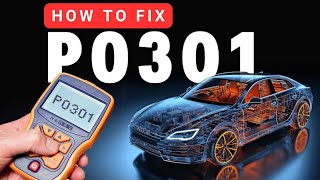
P0301 on a 2014 Chrysler 300 most often indicates a failed ignition coil or a worn spark plug on cylinder 1. Swapping the coil with an adjacent cylinder is a quick, no-cost diagnostic step. A replacement coil or plug is typically under $75. However, on both the 3.6L V6 and 5.7L V8, a persistent misfire accompanied by a ticking noise can signal a more severe internal engine problem like a failed rocker arm (V6) or camshaft/lifter (V8).
- P0301 specifically points to a misfire in cylinder 1.
- The most likely culprits are a bad ignition coil or a worn spark plug, which are affordable and relatively easy to replace for a DIYer.
- Always identify your engine (3.6L V6 or 5.7L V8) to correctly locate cylinder 1 before starting work.
- Do not ignore a flashing check engine light, as continued driving can cause expensive damage to the catalytic converter.
- Be aware of Chrysler TSB #18-094-16, which suggests a PCM software update could be the fix, especially if other codes are present.
What's Unique About the 2014-2014 Chrysler 300
For the 2014 Chrysler 300, diagnosing P0301 requires first identifying your engine. On the 3.6L V6, cylinder 1 is on the passenger's side, closest to the front. On the 5.7L Hemi V8, cylinder 1 is on the driver's side, closest to the front. Both engines have well-documented, engine-specific failures that can cause this code. The 3.6L Pentastar V6 is known for rocker arm bearing failures, leading to a 'Pentastar tick' and a misfire. The 5.7L Hemi V8 is susceptible to the 'Hemi tick,' caused by a failed MDS lifter that damages the camshaft. Additionally, Chrysler has issued Technical Service Bulletins (TSBs) like #18-094-16, which indicate that in some cases, a simple PCM software update can resolve misfire codes that are set too sensitively, especially if they appear with other seemingly unrelated codes.
Diagnostic Flowchart
Tap your situation to follow the diagnostic path that matches what you're seeing on this vehicle.
Symptoms You May Notice
- Rough or shaking idle, sometimes only felt when stopped in gear.
- Hesitation or stumbling during acceleration.
- Noticeable loss of engine power.
- Flashing Check Engine Light (indicates a severe misfire).
- Solid Check Engine Light
- Smell of unburnt gasoline from the exhaust
- Audible ticking noise from the engine, which can point to valvetrain issues.
- Replacing oxygen sensors. While O2 sensors can cause fuel trim issues, they typically affect an entire bank of cylinders (e.g., P0171/P0174) rather than a single-cylinder misfire like P0301.
- Replacing the catalytic converter. A misfire can destroy a catalytic converter, but the converter itself is not the cause of the misfire code.
Most Likely Causes
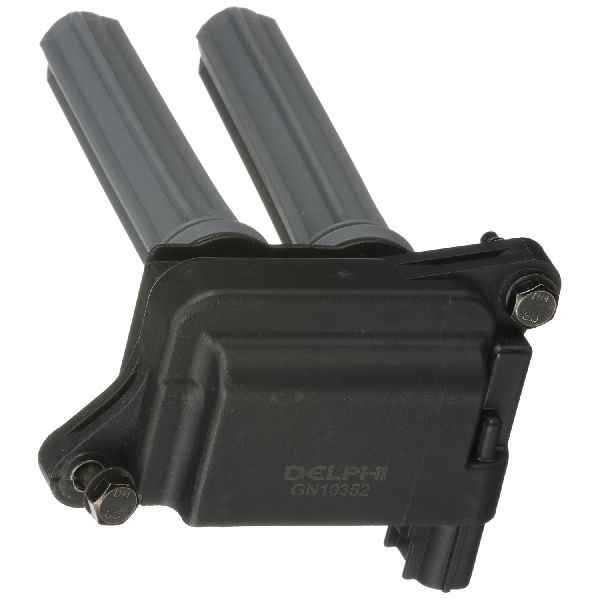
- Faulty Ignition Coil 🔴 High Probability → Shop Ignition Coil Coil-on-plug systems are common failure points due to constant exposure to high heat and vibration, which degrades the internal windings and epoxy housing. Age and mileage are the primary factors, and it's a frequent issue on these Chrysler platforms.
How to confirm: Swap the ignition coil from cylinder 1 with another cylinder (e.g., cylinder 3). Clear the codes and drive the vehicle. If the code changes to P0303, the ignition coil is confirmed to be faulty. This is a standard and effective diagnostic step.
Typical fix: Replace the failed ignition coil. It is often recommended to replace the corresponding spark plug at the same time.
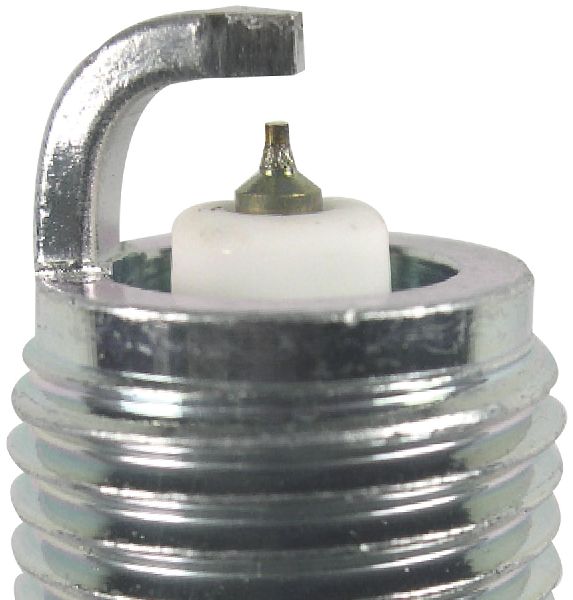
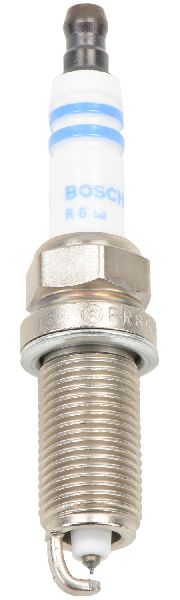
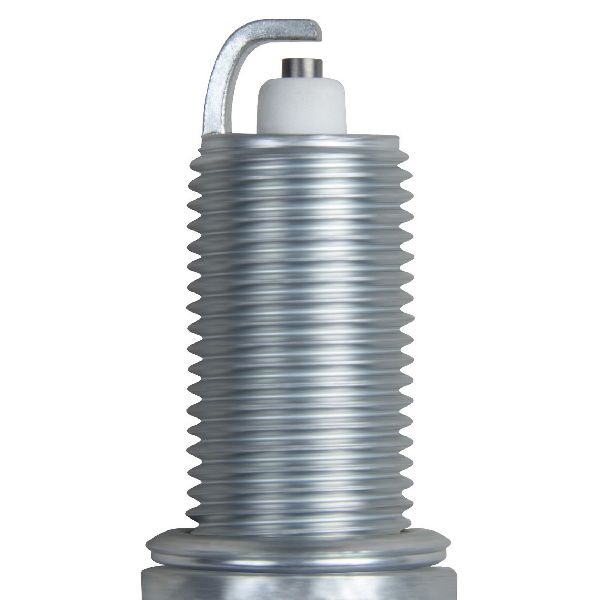
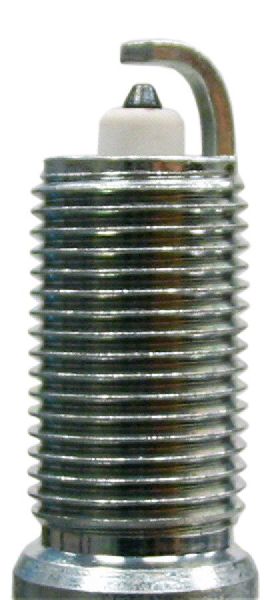
Est. part cost: $30-$75 - Worn or Fouled Spark Plug 🔴 High Probability → Shop Spark Plug Spark plugs are a regular maintenance item. The 3.6L and 5.7L engines specify long-life iridium plugs with a 100,000-mile service interval, but they can still fail prematurely or become fouled by oil or carbon deposits.
How to confirm: After confirming the coil is good, remove the spark plug from cylinder 1. Inspect it for wear (rounded electrode), carbon fouling, oil, or cracks in the porcelain. An oil-soaked plug points to a leaking valve cover gasket or tube seal.
Typical fix: Replace the spark plug in cylinder 1. It is best practice to replace all spark plugs as a set if they are near the end of their service life.
Est. part cost: $10-$25 per plug - Clogged or Faulty Fuel Injector 🟡 Medium Probability → Shop Fuel Injector
How to confirm: Listen to the injector with a mechanic's stethoscope; it should have a consistent, audible clicking sound. Compare it to an adjacent injector. A more definitive, but labor-intensive, test is to swap the fuel injector from cylinder 1 with another cylinder and see if the misfire code follows.
Typical fix: Replace the faulty fuel injector. Sometimes, a professional fuel system cleaning can resolve a minor clog.
Est. part cost: $50-$150
Rare But Worth Checking
- Failed Rocker Arm / Lifter (3.6L Pentastar): → Shop Engine Rocker Arm A very common issue on the 3.6L V6 is the failure of a rocker arm bearing, which prevents the valve from opening correctly. This is often preceded by a distinct ticking sound from the top of the engine. If ignored, it can damage the camshaft, requiring a much more expensive repair. The updated Mopar rocker arm part is 5184296AH. 🎬 Watch: How to replace 3.6L Pentastar rockers and lifters While a warranty extension (X56) was issued for this problem on 2011-2013 models, the 2014 model year may not be covered, requiring owner-funded repair.
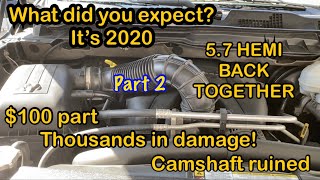
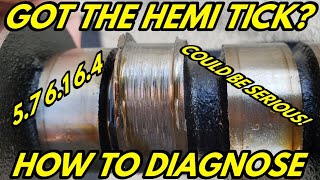
- Failed Camshaft / Lifter (5.7L Hemi): → Shop Engine Camshaft On 5.7L Hemi engines, a failed lifter for the Multi-Displacement System (MDS) can get stuck and wipe out a camshaft lobe, causing a persistent misfire and a loud 'Hemi tick'. This is a major mechanical failure confirmed by many owners in forums. A compression test and eventually visual inspection are needed to confirm.
- PCM Software Update Needed: Per TSB #18-094-16, a PCM reflash can resolve P0301, especially if it appears with other codes like P0441 or P2610. The update adjusts the sensitivity of the misfire monitor. This should be considered after ruling out basic ignition or fuel issues.
- Leaking Valve Cover Gasket / Spark Plug Tube Seal: → Shop Engine Valve Cover A failed valve cover gasket or spark plug tube seal can allow engine oil to fill the spark plug well. This can short out the ignition coil and foul the spark plug, causing a misfire. If you find oil when removing the ignition coil, this is the likely cause.
- Vacuum Leak: A leak in the intake manifold gasket near the cylinder 1 runner can lean out the air/fuel mixture for that cylinder only, causing a misfire. This can be tested by spraying brake cleaner near the gasket with the engine running and listening for a change in idle speed.
Diagnosis Steps
- Read the code with an OBD-II scanner and note any other codes present.
- Identify your engine (3.6L V6 or 5.7L V8) and locate cylinder 1. For the 3.6L V6, it's the front-most cylinder on the passenger side. For the 5.7L V8, it's the front-most cylinder on the driver's side.
- Listen for an engine tick. A rhythmic ticking noise can be an early indicator of a rocker arm (3.6L) or lifter/cam (5.7L) issue, which are common and serious problems.
- Swap the ignition coil from cylinder 1 with another cylinder (e.g., cylinder 3). Clear the codes, run the engine, and see if the misfire code moves to the new cylinder (e.g., P0303). If it does, the coil is bad.
- If the misfire remains on cylinder 1, remove the ignition coil and inspect the spark plug well for oil. Oil in the well indicates a leaking valve cover or tube seal.
- If the well is dry, remove and inspect the spark plug from cylinder 1 for excessive wear, fouling, or damage. If in doubt, swap it with another cylinder's plug to see if the misfire follows.
- If the misfire still stays on cylinder 1, inspect the ignition coil's electrical connector and wiring for damage or corrosion.
- Listen to the fuel injector on cylinder 1 with a stethoscope. Compare its clicking sound to a neighboring injector. A silent or dull-sounding injector may be faulty.
- Perform a compression test on cylinder 1 to check for mechanical engine problems. Compare the reading to another cylinder; they should be within 15% of each other. A low reading points to internal issues like a bad valve or the known cam/rocker arm failures.
- Check for vacuum leaks around the intake manifold gasket for cylinder 1 by spraying carb cleaner and listening for an idle change.
- If multiple codes are present, especially those listed in TSB #18-094-16, consult a dealer or qualified shop about performing a PCM software update.
Parts You'll Likely Need
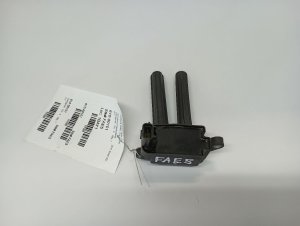
- Ignition Coil
(OEM #5149168AJ (3.6L V6), 68238603AA (5.7L V8))— This is one of the most common failure items causing a single-cylinder misfire due to heat and vibration.
Trusted brands: Mopar, NGK, Denso, Delphi
OEM price range: $50-$90
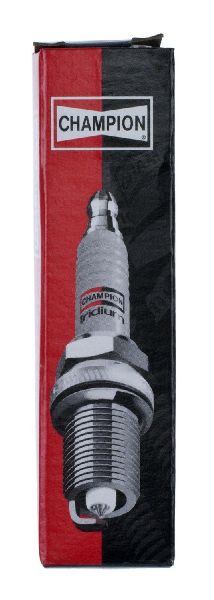
Aftermarket price range: $30-$75 - Spark Plug
(OEM #SP149125AF (3.6L V6, Iridium), SP143877AB (5.7L V8, Copper - requires 16 total))— As a standard wear item, a worn or fouled spark plug is a primary cause of incomplete combustion and misfires.
Trusted brands: NGK, Champion
OEM price range: $15-$25
Aftermarket price range: $10-$20
Related Codes That Often Appear With This One
- P0300 — If the misfire is intermittent or begins to affect other cylinders, a P0300 (Random/Multiple Cylinder Misfire) may be stored alongside P0301.
- P0302, P0303, P0304, etc. — If you swap a bad coil from cylinder 1 to cylinder 3, you will see the code change from P0301 to P0303, confirming the coil is the problem.
- P0441, P2610 — TSB #18-094-16 specifically lists these codes appearing with P0301 as an indicator that a PCM software update may be the required fix.
Technical Service Bulletins (TSBs) & Recalls
- Bulletin #18-094-16: Addresses a group of DTCs, including P0301 through P0306, that may be resolved with a PCM software update for certain conditions.
Platform-Specific Known Issues
- 3.6L Pentastar Rocker Arm Failure: → Shop Engine Rocker Arm A widely documented issue on the 3.6L V6 is the failure of rocker arm bearings, often due to oil starvation in the upper valvetrain. This causes a distinct 'ticking' sound that eventually leads to a misfire code like P0301. The repair involves replacing the rocker arms and lifters on the affected cylinder bank, and often the camshaft if it has been damaged by the failed rocker.
- 5.7L Hemi Cam/Lifter Failure: On 5.7L Hemi engines with the Multi-Displacement System (MDS), a common major failure is a collapsed MDS lifter. The roller on the lifter stops spinning, grinds against the camshaft lobe, and destroys both components. This results in a persistent misfire, a loud ticking or knocking sound from the engine, and requires replacement of the camshaft, all lifters (MDS and standard), and often other related valvetrain components.
Mechanic-Grade Diagnostic Values
- 5.7L HEMI Ignition Coil Primary Resistance — expected: Approx. 0.4 - 0.6 Ohms. Failure: A reading of infinity (open circuit) or significantly outside the expected range.
- 5.7L HEMI Ignition Coil Secondary Resistance — expected: Approx. 14.5K Ohms. Failure: A reading of infinity (open circuit) or a value significantly different from other coils on the engine.
- 5.7L HEMI Fuel Injector Resistance — expected: Approx. 12 Ohms (High Impedance). Failure: A reading significantly higher or lower than spec, or an open/shorted circuit. All injectors should measure within 0.5 Ohms of each other.
- 3.6L Pentastar Fuel System Pressure — expected: Rated at 58 psi (400 kPa). Failure: Significantly low fuel pressure can cause a lean misfire, especially under load.
- Live Misfire Counts (Mode $06 Data) — expected: Near zero on a healthy, running engine.. Failure: Using a scan tool like wiTECH, navigating to the OBD II monitors for 'Which cylinder is misfiring' will show a counter for each cylinder. A rapidly increasing count on cylinder 1 confirms the misfire location in real-time, even before the count is high enough to set a CEL.
Hidden / Shadow Codes Worth Checking
- Misfire Counter Data (via Mode $06): This is not a formal trouble code but rather the raw data the PCM uses to trigger P0301. Professional scan tools like the dealer's wiTECH can access this data to see the exact number of misfire events per cylinder. This allows a technician to confirm a misfire is occurring on cylinder 1 even if it's not frequent enough to keep the Check Engine Light on. (see via Use a professional scan tool with Mode $06 capabilities or the Chrysler-specific wiTECH tool and navigate to the OBD II monitors to view misfire counts per cylinder.)
Scan Tool Commands That Help
- wiTECH: View 'Which cylinder is misfiring' Monitor — This is a primary diagnostic step to get a live count of misfire events on each cylinder, confirming that the fault is isolated to cylinder 1.
- wiTECH: Clear Mis-fire TLC (Throttle Learned Compensation) — This function is used after a PCM reprogram or significant engine repair. It clears the learned values related to misfire detection, allowing the system to relearn.
- wiTECH: Misfire Monitor Drive Cycle Procedure — After clearing codes or making a repair, a technician may need to force the misfire monitor to run to verify the fix. This involves warming the engine to at least 140°F (60°C) and then performing a brief, wide-open throttle stab to 6000 RPM to initiate the monitor test.
Wiring & Ground Locations
- Engine Harness Chafe Points — General areas to inspect include where the harness routes near the ECM/TCM mounting brackets, the upper control arms, shock towers, and the corners of the cylinder heads.. Vibration and engine movement can cause the wiring harness to rub against sharp metal edges. If the wire for the cylinder 1 ignition coil or fuel injector is compromised, it can short to ground or other wires, causing an intermittent or constant misfire. This type of damage can mimic a failed component.
Real Owner Repair Stories
- YouTube channel 'Online Mechanic Tips' (Dodge Durango with 3.6L Pentastar (engine is shared with Chrysler 300)) — Constant ticking noise and a persistent misfire code (P0302 in the video, but the fault is identical for P0301).
❌ Tried (didn't work) The video implies basic diagnostics were performed and the issue was identified as internal.
✅ What actually fixed it The ultimate fix was a major mechanical repair: replacing the entire left cylinder head due to the common Pentastar valvetrain failure. The vehicle in the video was not eligible for the X56 warranty extension, so it was a customer-pay repair.
OEM Part Supersession History
5149168AH, 5149168AI→5149168AJ— Standard part revision and improvement by the manufacturer for the 3.6L V6 ignition coil.56029129aa, 56029129ab, 56029129af, 68060346aa→68238603AA— Standard part revision and improvement by the manufacturer for the 5.7L V8 HEMI ignition coil.
Helpful Videos

Used OEM Parts in Stock
New Aftermarket Parts Available

The information in this article is provided for general reference and educational purposes only. Vehicle specifications, procedures, and part compatibility can vary by production date, trim level, and region. Always consult your vehicle's factory service manual and verify part numbers before purchasing or performing repairs. Safety-critical components such as airbags, seat belts, and braking systems should be installed by a qualified professional.
- Chrysler 300:
- 🧭 Diagnostic Flowchart
- 🎬 Helpful Videos
- 🛍️ Shop This Part
- What's Unique About the 2014-2014 Chrysler 300
- Symptoms You May Notice
- Most Likely Causes
- Rare But Worth Checking
- Diagnosis Steps
- Parts You'll Likely Need
- Related Codes That Often Appear With This One
- Technical Service Bulletins (TSBs) & Recalls
- Platform-Specific Known Issues
- Mechanic-Grade Diagnostic Values
- Hidden / Shadow Codes Worth Checking
- Scan Tool Commands That Help
- Wiring & Ground Locations
- Real Owner Repair Stories
- OEM Part Supersession History
- 🎟️ Get 5% Off