

P0301 on 2014-2021 Dodge Charger: Cylinder 1 Misfire Causes and Fixes
P0301 on a Dodge Charger indicates a misfire in cylinder 1. The most common fix is replacing the spark plug and/or ignition coil for that cylinder. This is a relatively inexpensive DIY repair, costing between $20 and $100 for parts. However, on HEMI V8 models, it can be a sign of more serious lifter/camshaft failure.
- P0301 specifically identifies a misfire in cylinder 1.
- The most likely causes are a bad spark plug or ignition coil, which are simple DIY fixes.
- A simple 'swap test' (moving the coil from cylinder 1 to another cylinder) is the fastest way to diagnose a faulty ignition coil.
- On HEMI V8 models, be aware that a persistent P0301 code, especially with an engine tick, can be a symptom of a more serious camshaft/lifter failure.
- Do not ignore a flashing check engine light, as it signals a severe misfire that can quickly damage your catalytic converter.
What's Unique About the 2014-2021 Dodge CHARGER
For the 2014-2021 Dodge Charger, a P0301 code is typically a straightforward ignition issue. However, on models equipped with the 5.7L, 6.4L, or 6.2L HEMI V8 engines, this code can sometimes be an early warning sign of a more serious internal engine problem related to the camshaft and lifters. This issue, often called the 'Hemi tick,' is a known concern where a failed lifter (often due to a stuck roller) can damage the camshaft lobe, leading to a persistent misfire that isn't resolved by ignition or fuel system repairs.
Diagnostic Flowchart
Tap your situation to follow the diagnostic path that matches what you're seeing on this vehicle.
Symptoms You May Notice
- Rough or shaky idle
- Hesitation or stumbling during acceleration
- Noticeable loss of engine power
- Flashing or solid Check Engine Light
- Smell of unburned fuel from the exhaust
- Reduced fuel economy
- Engine may bog down or almost stall when coming to a stop
- Replacing the catalytic converter when it has been damaged by a misfire, without first fixing the root cause of the misfire.
- Replacing oxygen sensors when their readings are merely reflecting the misfire condition.
- Assuming a ticking noise is just 'normal' for a HEMI engine without investigating it as a potential lifter failure symptom.
Most Likely Causes
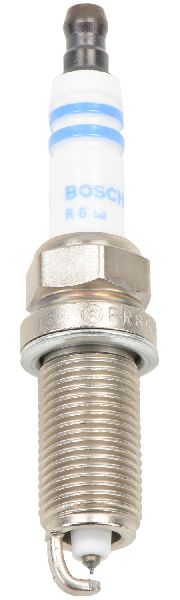
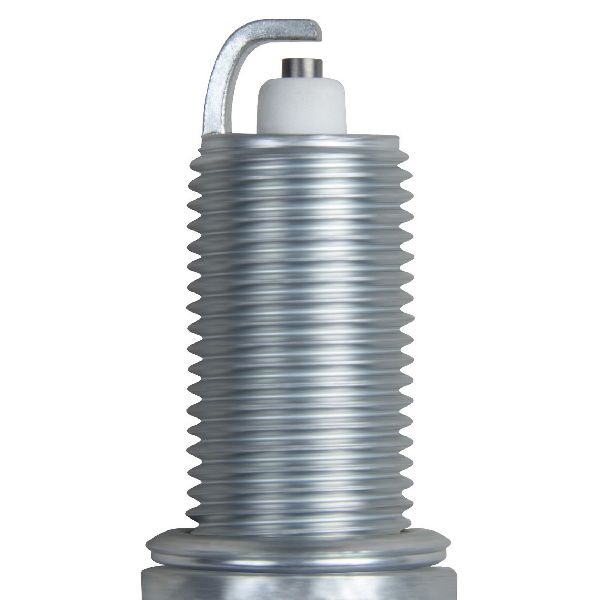
- Worn or Faulty Spark Plug 🔴 High Probability → Shop Spark Plug Spark plugs are regular maintenance items that wear out over time. The V8 HEMI engines use two spark plugs per cylinder (16 total), increasing the number of potential failure points. Incorrect spark plug gap is also a common issue.
How to confirm: Remove the spark plug from cylinder 1 and inspect it for wear, fouling, damage, or an incorrect gap. A heavily worn electrode or cracked porcelain insulator are clear signs of failure. Oil or fuel fouling on the plug can indicate other engine issues.
Typical fix: Replace the spark plug(s) for cylinder 1. It is often recommended to replace all spark plugs at the same time for even performance, especially if they are near the end of their service life.
Est. part cost: $5-$25 per plug - Failed Ignition Coil 🔴 High Probability → Shop Ignition Coil
How to confirm: The easiest way to confirm a bad coil is to swap the ignition coil from cylinder 1 with another cylinder (e.g., cylinder 3). Clear the codes and drive the vehicle. If the code changes to P0303 (Cylinder 3 Misfire), the coil is faulty. Also inspect the coil boot for cracks or signs of moisture, which can cause the spark to arc to the head instead of the plug.
Typical fix: Replace the faulty ignition coil. This is a simple unbolt-and-unplug replacement.
Est. part cost: $30-$90 - Clogged or Faulty Fuel Injector 🟡 Medium Probability → Shop Fuel Injector
How to confirm: Listen for a clicking sound from the injector with a mechanic's stethoscope; a silent injector is likely failed electrically. You can also test the injector's resistance with a multimeter or perform a swap test similar to the ignition coil, though this is more labor-intensive as it may require removing the fuel rail.
Typical fix: Clean or replace the fuel injector for cylinder 1. If replacing, it's wise to replace the O-rings as well.
Est. part cost: $50-$150 - Vacuum Leak ⚪ Low Probability On the 3.6L Pentastar V6, cracks in the plastic upper intake manifold or failed intake gaskets can cause vacuum leaks that may lead to a misfire on a specific cylinder. A leak specific to the cylinder 1 runner in the intake manifold gasket is a possible cause.
How to confirm: Visually inspect the intake manifold and all vacuum hoses for cracks or damage. A smoke test is the most effective method to pinpoint the exact location of a leak. Sometimes a leak can be heard as a hissing sound.
Typical fix: Replace the cracked intake manifold or the leaking gasket.
Est. part cost: $20-$200
Rare But Worth Checking
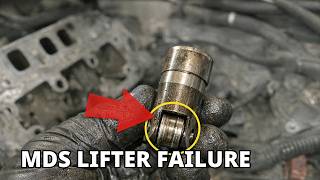
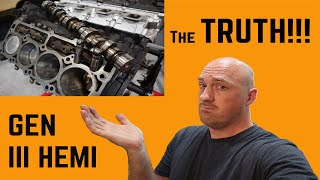
- Camshaft/Lifter Failure (HEMI V8 Engines): → Shop Engine Camshaft On 5.7L, 6.2L, and 6.4L HEMI engines, a persistent P0301 (or any single-cylinder misfire) accompanied by a ticking noise is a strong indicator of a failed lifter roller, which in turn grinds down and damages the camshaft lobe. This is a significant and expensive repair that should be investigated if basic ignition and fuel system checks do not resolve the misfire. The failure is often related to the Multi-Displacement System (MDS). 🎬 See how a failed MDS lifter causes the HEMI tick.
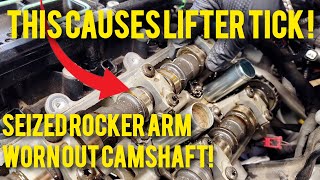
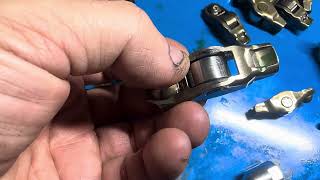
- Rocker Arm/Lifter Failure (3.6L Pentastar V6): → Shop Engine Rocker Arm The 3.6L V6 is also known for valvetrain issues, specifically failed rocker arms with bad bearings that can cause a ticking noise and lead to a misfire. If left unaddressed, this can also cause damage to the camshaft. 🎬 Watch: Diagnosing a 3.6 Pentastar misfire from a failed rocker.
- Low Engine Compression: Internal engine damage such as a worn piston ring, a leaking valve, or a blown head gasket can cause a loss of compression in cylinder 1, leading to a misfire. A compression test is needed to diagnose this.
Diagnosis Steps
- Retrieve the stored trouble codes with an OBD-II scanner to confirm P0301 and check for any other codes.
- Identify Cylinder 1. On the 3.6L V6, it's the front-most cylinder on the passenger side (right bank). On HEMI V8s, it's the front-most cylinder on the driver's side (left bank).
- Swap the ignition coil from cylinder 1 with another cylinder (e.g., cylinder 3 on the V6, or cylinder 3 on the V8). Clear the codes and run the engine. If the code changes to P0303, the ignition coil is bad.
- If the code remains P0301, swap the spark plug from cylinder 1 with the one from the cylinder you just used. If the code moves, the spark plug is bad. Inspect the old plug for damage, fouling, or incorrect gap.
- If the misfire still stays on cylinder 1, inspect the fuel injector and its wiring. Listen for a steady clicking sound. Consider swapping the injector with another cylinder if accessible.
- Inspect for vacuum leaks, especially around the intake manifold gasket for cylinder 1. A smoke test is the most reliable method.
- If a ticking noise is present, investigate the valvetrain. For HEMI V8s, this points to potential lifter/camshaft failure. For the 3.6L V6, suspect a failed rocker arm.
- If all else fails, perform a compression test and a cylinder leak-down test on cylinder 1 to check for mechanical engine problems like bad rings, valves, or head gasket.
Parts You'll Likely Need
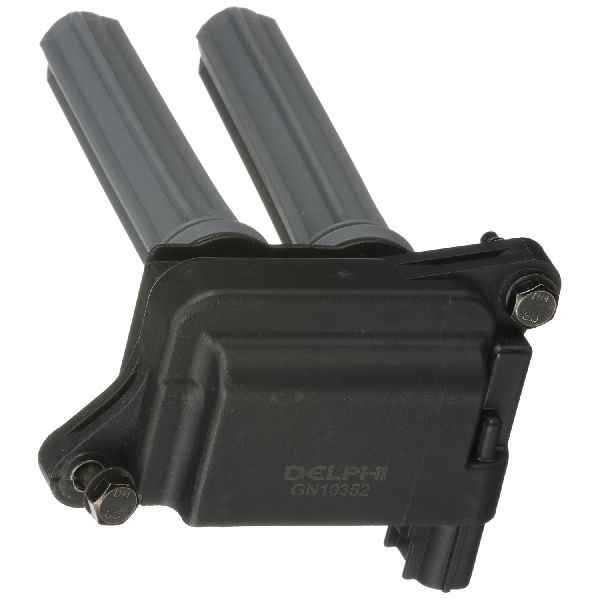
- Ignition Coil
(OEM #Mopar 68238603AA (for 5.7L/6.4L/6.2L HEMI), Mopar 5149168AI (for 3.6L V6))— Ignition coils are a very common failure point causing a single-cylinder misfire.
Trusted brands: Mopar, NGK, Denso
OEM price range: $50-$90
Aftermarket price range: $30-$70 - Spark Plug
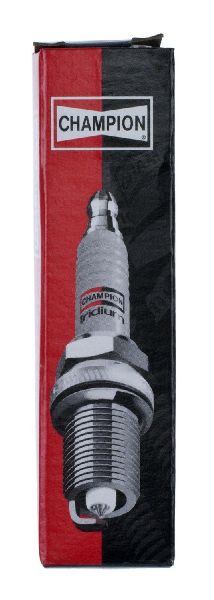
(OEM #Mopar SP149125AE (or NGK 93175 for 3.6L V6), Mopar SPLZFR5C11 (or NGK 92145/LZFR5CI-11 for 5.7L HEMI))— As a standard wear item, a fouled or worn spark plug is a primary cause of misfires.
Trusted brands: NGK, Champion, Mopar
OEM price range: $15-$25
Aftermarket price range: $5-$15 - Fuel Injector — A clogged or electrically failed injector will prevent fuel from entering the cylinder, causing a misfire.
Trusted brands: Mopar, Bosch, Standard Motor Products
OEM price range: $100-$180
Aftermarket price range: $50-$120
Related Codes That Often Appear With This One
- P0300 — If the misfire is intermittent or affects multiple cylinders, a P0300 (Random/Multiple Cylinder Misfire) may be stored alongside P0301.
- P030x — Codes like P0302, P0303, etc., indicate misfires in other cylinders. Seeing them with P0301 points to a problem affecting the whole engine, like low fuel pressure or a large vacuum leak.
- P0201 — This code indicates a malfunction in the cylinder 1 injector circuit. If you see P0201 with P0301, the problem is almost certainly the fuel injector or its wiring.
Technical Service Bulletins (TSBs) & Recalls
- 1400322REVA
- 18-094-16
- 1809416
Platform-Specific Known Issues
- HEMI Cam/Lifter Failure: HEMI V8 engines (5.7L, 6.2L, 6.4L) are known for potential camshaft and lifter failure, which presents as a ticking noise and can cause a single-cylinder misfire code like P0301. This is a much more severe issue than a simple ignition problem and often requires extensive engine repair.
- Pentastar Rocker Arm Failure: → Shop Engine Rocker Arm The 3.6L Pentastar V6 can develop a misfire due to failed rocker arms, often accompanied by a ticking sound from the top of the engine. This is a known issue for this engine family across multiple vehicle platforms.
Mechanic-Grade Diagnostic Values
- Fuel Pressure (Key On, Engine Off) — expected: approx. 50 PSI. Failure: Significantly lower pressure (e.g., 25 PSI) indicates a weak fuel pump or a leak.
- Fuel Pressure (Engine Idling) — expected: 30-40 PSI. Failure: Pressure should be stable. Fluctuations or low pressure can indicate a failing pump or regulator.
- Fuel Injector Resistance — expected: 11-14 Ohms (for high-impedance injectors typical in these models). Failure: A reading of 0 Ohms indicates a short, while an infinite reading (OL) indicates an open circuit. A reading far outside the expected range suggests a faulty injector.
- PCM Voltage at Power Pins (Engine Cranking/Idling) — expected: 13.5 V to 14.5 V. Failure: Significant voltage drops can indicate a charging system problem that could affect PCM operation and cause various faults.
Hidden / Shadow Codes Worth Checking
- Mode $06, Test ID $53 (example): Mode $06 data can reveal misfire counts for each cylinder even if the misfire rate is not high enough to trigger a P030x code. This is useful for identifying intermittent or low-level misfires. A scan tool that can interpret Mode $06 data is required. The specific Test ID (TID) and Component ID (CID) for misfire data can vary by model year and ECU software, but many modern scan tools translate this hexadecimal data automatically. (see via A professional-grade scan tool or an advanced OBD-II app with Mode $06 capabilities.)
Scan Tool Commands That Help
- wiTECH or other professional scanner: Power Balance Graph — To visually identify which cylinder is contributing less power. This is similar to a cylinder contribution test and can help confirm a misfire on cylinder 1 in real-time, especially if the misfire is intermittent.
- wiTECH or other professional scanner: Injector Kill Test — This function allows the technician to disable one injector at a time. When the injector for a good cylinder is disabled, the engine RPM will drop. If the injector for cylinder 1 is disabled and there is no change in how the engine runs, it confirms that cylinder 1 was not contributing in the first place.
Wiring & Ground Locations
- G102 — Located at the left rear of the engine.. This is a primary ground point for the ignition coils on some models. A loose or corroded G102 can cause weak spark or intermittent misfires across multiple cylinders, but could also manifest as a single cylinder misfire initially.
- G103 — Located on the cowl in the left rear of the engine compartment, above the brake booster.. This ground serves several critical modules, including the PCM and the Data Link Connector (DLC). A poor connection here can cause a wide range of bizarre electrical issues, including false sensor readings or improper PCM operation that could lead to misfire codes.
- Cylinder 1 Ignition Coil Control Wire — Runs from a specific pin on the Powertrain Control Module (PCM) connector to the connector on the ignition coil for cylinder 1.. A damaged, shorted, or open wire between the PCM and the coil will prevent the coil from firing correctly, causing a P0301. A wiring diagram is essential to trace the correct wire (color and pin number) to test for continuity and shorts.
- Cylinder 1 Fuel Injector Control Wire — Runs from a specific pin on the PCM connector to the connector on the fuel injector for cylinder 1.. Similar to the coil wire, a fault in the injector control wire will prevent the injector from delivering fuel. This can be diagnosed by checking for a pulse signal at the injector connector with a noid light or oscilloscope. If P0201 is also present, this wire is a primary suspect.
Real Owner Repair Stories
- Reddit user in r/MechanicAdvice (2014 Dodge Charger SXT 3.6L V6) — P0301 code, intermittent stutter at idle.
❌ Tried (didn't work) Replaced all spark plugs and ignition coils., Replaced upper intake manifold seals., Swapped coil and plug from cylinder 1 to cylinder 2 (code remained P0301).
✅ What actually fixed it The user did not post a final fix, but other mechanics in the thread strongly suggested the next steps were to investigate a valvetrain issue (lifter, rocker arm) or a faulty fuel injector, as the common ignition and vacuum leak causes had been eliminated.
OEM Part Supersession History
56029129AA, 56029129AB, 56029129AF, 68060346AA→68238603AA— Part has been updated by the manufacturer over time for improved reliability or manufacturing changes.
Heads up: The newest part number (68238603AA) is the correct service replacement for the listed older numbers on HEMI V8 engines.5149168AH→5149168AI, 5149168AJ— Part has been updated by the manufacturer.
Heads up: For the 3.6L V6, 5149168AI and 5149168AJ are common service replacements for the original part number.
Helpful Videos

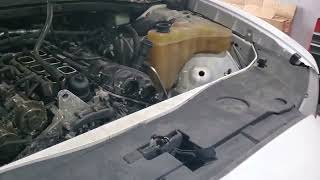
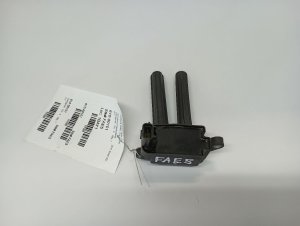
Used OEM Parts in Stock
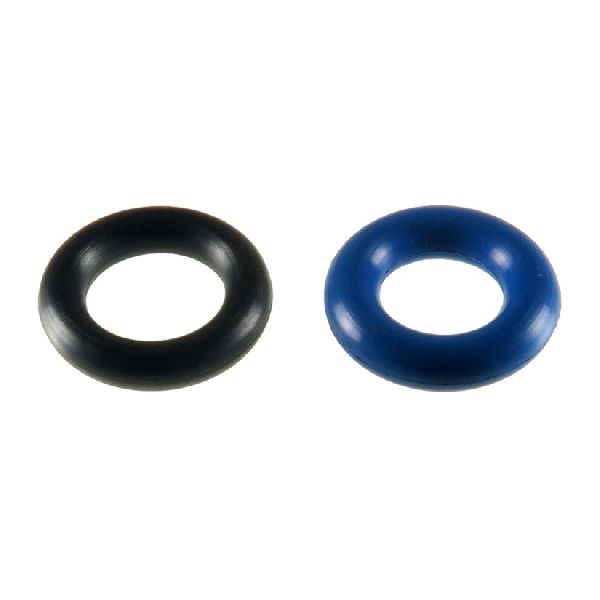
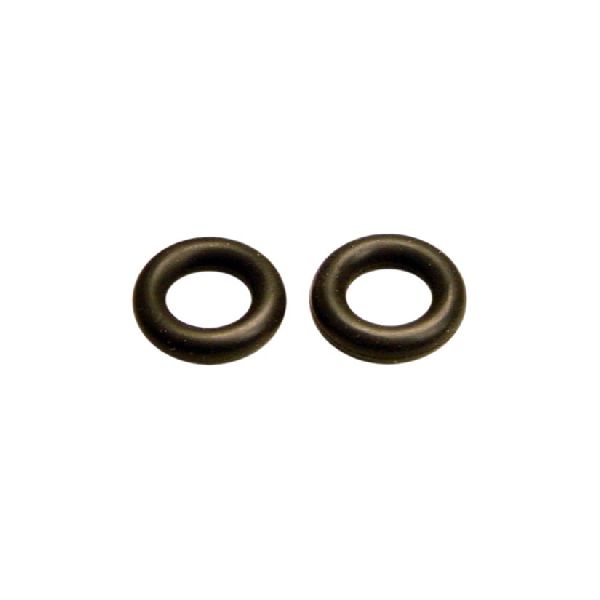
New Aftermarket Parts Available

The information in this article is provided for general reference and educational purposes only. Vehicle specifications, procedures, and part compatibility can vary by production date, trim level, and region. Always consult your vehicle's factory service manual and verify part numbers before purchasing or performing repairs. Safety-critical components such as airbags, seat belts, and braking systems should be installed by a qualified professional.
- Dodge CHARGER:
- 🧭 Diagnostic Flowchart
- 🎬 Helpful Videos
- 🛍️ Shop This Part
- What's Unique About the 2014-2021 Dodge CHARGER
- Symptoms You May Notice
- Most Likely Causes
- Rare But Worth Checking
- Diagnosis Steps
- Parts You'll Likely Need
- Related Codes That Often Appear With This One
- Technical Service Bulletins (TSBs) & Recalls
- Platform-Specific Known Issues
- Mechanic-Grade Diagnostic Values
- Hidden / Shadow Codes Worth Checking
- Scan Tool Commands That Help
- Wiring & Ground Locations
- Real Owner Repair Stories
- OEM Part Supersession History
- 🎟️ Get 5% Off