

P0301 on 2015-2019 Ford Edge: Cylinder 1 Misfire Causes and Fixes
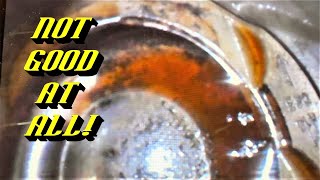
P0301 on a 2015-2018 Ford Edge with the 2.0L EcoBoost engine is very often a sign of coolant leaking into the cylinder due to a known engine block design flaw. While it could be a simple spark plug or ignition coil, suspect coolant intrusion if you also have unexplained coolant loss. The official Ford fix, outlined in TSB 22-2229, is a complete long block engine replacement with a redesigned part.
- P0301 on a 2015-2018 Ford Edge 2.0L EcoBoost is not a typical misfire code; it is a strong indicator of a serious engine defect.
- Always check your coolant level first. If it's low and you can't find an external leak, suspect coolant intrusion into the cylinder.
- While you can perform basic diagnostics like swapping spark plugs and ignition coils, do not be surprised if this does not fix the problem.
- The official and most reliable repair for the coolant intrusion issue is a complete long block engine replacement, as detailed in Ford TSB 22-2229.
- Ignoring this issue can lead to catastrophic engine failure and damage to the catalytic converter.
What's Unique About the 2015-2019 Ford EDGE

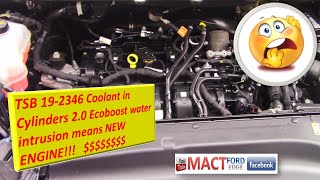
For the 2015-2018 Ford Edge equipped with the 2.0L EcoBoost engine, the P0301 code is frequently linked to a serious, well-documented engine design flaw. The engine block has an open-deck design with a narrow slit for coolant to pass between the cylinders. This design can allow coolant to seep past the head gasket and into the combustion chamber, causing a misfire. This issue is so prevalent that Ford has issued multiple Technical Service Bulletins (TSBs), starting with earlier versions like 19-2208 and 19-2346, which were ultimately superseded by TSB 22-2229 🎬 See this video breakdown of the EcoBoost coolant intrusion TSB., advising that the only permanent fix is to replace the entire long block engine assembly with a redesigned version.
Diagnostic Flowchart

Tap your situation to follow the diagnostic path that matches what you're seeing on this vehicle.
Symptoms You May Notice

- Check Engine Light is on or flashing
- Rough or shaky idle, especially on cold start.
- Loss of power and poor acceleration.
- Hesitation or stumbling during acceleration.
- Unexplained loss of engine coolant from the reservoir with no visible external leaks.
- White, sweet-smelling smoke from the exhaust, especially on startup.
- Engine running rough.
- Engine overheating or temperature gauge running high.
- Milky or frothy appearance on the oil filler cap.
- Replacing only the spark plugs and ignition coils. Many owners, and even dealers, replace these parts first, only to find the misfire returns because the root cause is coolant intrusion. [ODI #11639084] This wastes time and money, as documented in numerous forum threads.
- Replacing the head gasket only. Some attempt to replace just the head gasket, but this fails to fix the problem because the flaw is in the engine block itself. The issue will return.
Most Likely Causes

- Coolant Intrusion into Cylinder 🔴 High Probability A design flaw in the 2.0L EcoBoost engine block used in 2015-2018 models allows coolant to leak into the cylinders. This is a widely documented issue covered by multiple Ford TSBs, culminating in TSB 22-2229. NHTSA complaints confirm owners experience this, with one noting a "washed" piston top in cylinder 1. [ODI #11422475]
How to confirm: Perform a cooling system pressure test; a loss of pressure indicates a leak. Use a chemical block tester to check for combustion gases in the coolant reservoir. Use a borescope to visually inspect inside cylinder 1 for coolant or a 'steam-cleaned' appearance on the piston.
Typical fix: Replace the long block engine assembly with the updated part (Part # J2GZ6006E or superseding number), as recommended by Ford TSB 22-2229.
Est. part cost: $4000-$6000+ - Worn or Fouled Spark Plug 🟡 Medium Probability → Shop Spark Plug
How to confirm: Remove the spark plug from cylinder 1 and inspect it. Look for wear, carbon buildup, or contamination (especially a white, ashy deposit indicating coolant). Swap the cylinder 1 spark plug with another cylinder's plug (e.g., cylinder 2). If the code changes to P0302, the spark plug is the culprit.
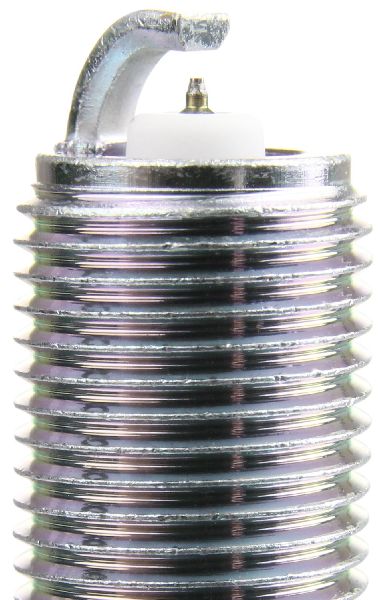
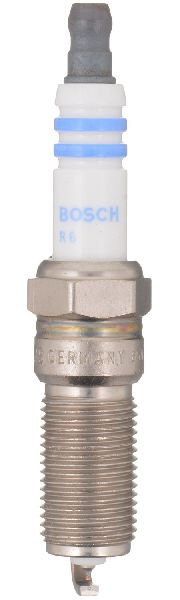
Typical fix: Replace the spark plugs. It is recommended to replace all four at the same time. Use of OEM-spec plugs is critical.
Est. part cost: $20-$80 - Failed Ignition Coil 🟡 Medium Probability → Shop Ignition Coil
How to confirm: Swap the ignition coil from cylinder 1 with another cylinder's coil (e.g., cylinder 2). If the misfire code moves to P0302, the ignition coil is faulty. One owner replaced coils with no effect, indicating a deeper issue. [ODI #11639084]
Typical fix: Replace the failed ignition coil.
Est. part cost: $40-$100 - Faulty Fuel Injector ⚪ Low Probability → Shop Fuel Injector
How to confirm: Listen for a consistent clicking sound from the injector. You can also swap the injector with another cylinder, but this is more labor-intensive. A professional can perform a fuel injector balance test or a resistance test with a multimeter.
Typical fix: Replace the faulty fuel injector and its seals.
Est. part cost: $50-$150
Rare But Worth Checking
- Faulty Oxygen Sensor: One owner reported that a dealership replaced an O2 sensor to resolve a P0301 code. [ODI #11473292] While not a direct cause of a single-cylinder misfire, a faulty upstream O2 sensor could potentially contribute to incorrect fuel trims that might lead to a misfire.
Diagnosis Steps
- Scan the PCM for any other stored trouble codes. Note if P0316 or other misfire codes are present.
- Check the engine coolant level in the reservoir. A low level with no visible external leaks is a major red flag for this engine.
- If coolant is low, use a chemical block tester (combustion leak tester) on the coolant reservoir. A color change indicates combustion gases are in the cooling system, confirming an internal leak.
- Swap the ignition coil from cylinder 1 to cylinder 2.
- Swap the spark plug from cylinder 1 to cylinder 3.
- Clear the codes and drive the vehicle to see if the misfire code returns and if it has moved to cylinder 2 or 3. If it moved, replace the corresponding part (coil or plug).
- If the misfire remains on cylinder 1, remove the spark plug and inspect it for signs of coolant (a white, ashy deposit or an unusually clean, 'steam-cleaned' look).
- If coolant is suspected, perform a cooling system pressure test. A significant pressure drop confirms a leak.
- Use a borescope to look inside cylinder 1 for any signs of liquid coolant, a washed piston top, or excessive carbon buildup on other pistons.
- If coolant intrusion is confirmed, the only permanent repair is to replace the long block engine assembly per Ford TSB 22-2229.
Parts You'll Likely Need
- Long Block Engine Assembly
(OEM #J2GZ-6006-E)— This is the official Ford-recommended fix for the common coolant intrusion issue on 2015-2018 2.0L EcoBoost engines. This part number represents the redesigned engine that resolves the block flaw.
Trusted brands: Motorcraft
OEM price range: $4500-$6500
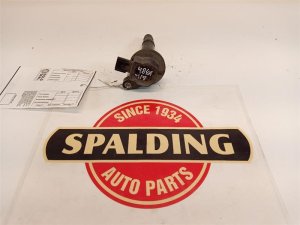
Aftermarket price range: $3500-$5500 - Ignition Coil
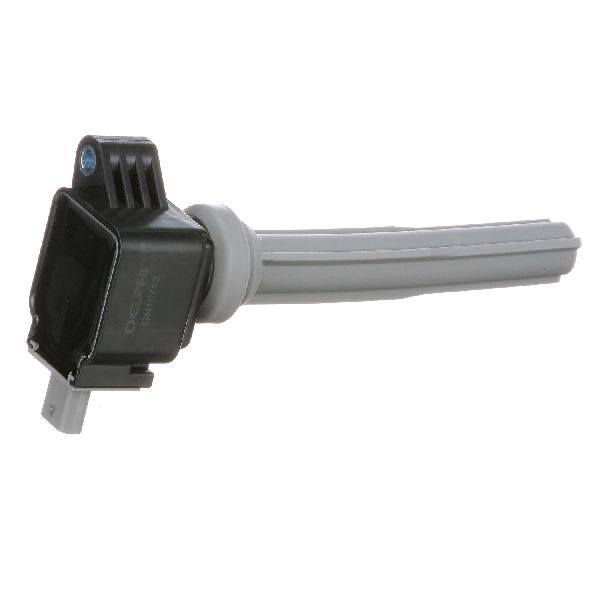
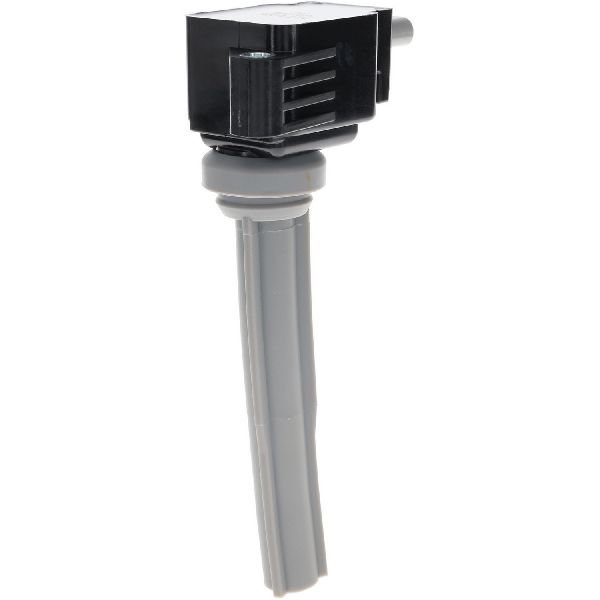
(OEM #DG-562)— An ignition coil is a common failure point for any misfire code and is a relatively simple part to replace during diagnosis.
Trusted brands: Motorcraft, NGK, Denso, Standard Motor Products
OEM price range: $60-$90
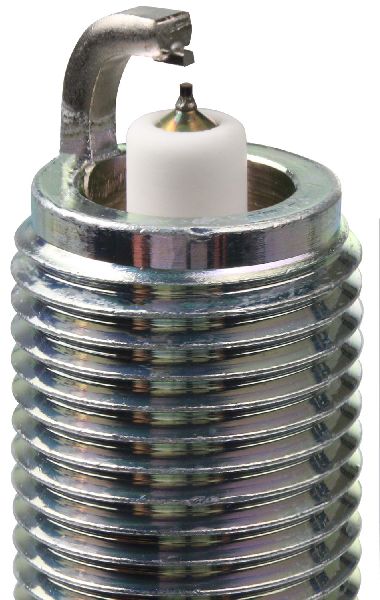
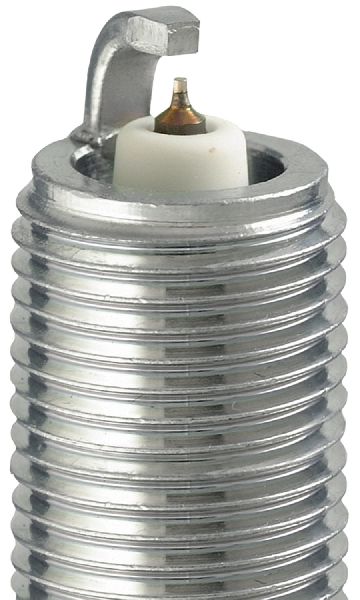
Aftermarket price range: $35-$70 - Spark Plug
(OEM #SP-594)— A worn or fouled spark plug is a primary cause of misfires and should be inspected or replaced as part of routine maintenance and diagnosis.
Trusted brands: Motorcraft, NGK (often the OEM manufacturer), Bosch
OEM price range: $10-$20
Aftermarket price range: $8-$15
Related Codes That Often Appear With This One
- P0316 — Misfire Detected on Startup (First 1000 Revolutions). This code is frequently seen with P0301 on this vehicle, as confirmed by multiple NHTSA complaints and TSBs. [ODI #11422475, ODI #11613268, 1, 3] It indicates the misfire is present immediately when the engine starts, which is common when coolant has pooled in the cylinder overnight.
- P0300 — Random/Multiple Cylinder Misfire Detected. If the coolant intrusion issue worsens or affects other cylinders, a P0300 code may appear alongside the specific cylinder code.
- P0302, P0303, P0304 — Misfire codes for other cylinders. As the engine block issue can affect multiple cylinders, it's common to see misfire codes for cylinders 2, 3, or 4 as well, particularly P0302 and P0303.
Technical Service Bulletins (TSBs) & Recalls
- TSB 22-2229: The most current TSB, superseding previous versions. It outlines the full diagnostic procedure and confirms that a long block engine replacement is the required fix for coolant intrusion on affected 2.0L EcoBoost engines.
Platform-Specific Known Issues
- Coolant Intrusion: On 2015-2018 Ford Edge models with the 2.0L EcoBoost, there is a known defect where the open-deck engine block design is prone to failure between cylinders, allowing coolant to leak directly into the combustion chamber. This is not a simple head gasket failure but a flaw in the block itself. The primary symptom is often a P0301 or other cylinder-specific misfire code accompanied by unexplained coolant loss. Ford's official and only permanent solution is a complete long block engine replacement with a redesigned part, as detailed in TSB 22-2229.
Mechanic-Grade Diagnostic Values
- Ignition Coil Primary Resistance — expected: 0.49 ohms - 0.58 ohms. Failure: A reading significantly outside this range indicates a faulty coil.
- Ignition Coil Secondary Resistance — expected: 7.3k ohms (6.6k - 7.9k ohms). Failure: A reading outside this range suggests the secondary windings are compromised.
- Fuel Injector Resistance (GDI) — expected: 1.0 - 2.0 ohms for GDI injectors. Another source specifies 12.5-13.5 ohms for a similar EcoBoost application, highlighting the need for model-specific data.. Failure: A reading of OL (open loop) or a value significantly different from the other injectors points to a failed injector coil.
- High-Pressure Fuel System Pressure — expected: 65 to 2,150 psi, depending on engine load and demand.. Failure: Pressure that is drastically below specification can cause misfires. For example, P0087 (Fuel Rail/System Pressure - Too Low) may accompany the misfire code.
- Cooling System Pressure Test — expected: Hold 20 psi for at least 5 hours with no pressure loss.. Failure: A drop in pressure (e.g., losing 10 psi overnight) indicates a leak. If no external leaks are found, an internal leak into a cylinder is likely.
Hidden / Shadow Codes Worth Checking
- Mode $06, TID $A2-$A7: Misfire counts for each cylinder. While P0301 indicates a misfire has exceeded the threshold on cylinder 1, Mode $06 can show the raw misfire counts for all cylinders, even those not setting a code. This can help identify if other cylinders are beginning to misfire. (see via A professional scan tool or an advanced OBD-II scanner app with Mode $06 capabilities.)
Scan Tool Commands That Help
- Ford IDS (Integrated Diagnostic System) or equivalent professional scanner: Power Balance Test — This test graphically displays the contribution of each cylinder to the engine's speed. It can visually confirm that cylinder 1 is underperforming compared to the others, helping to isolate the misfire in real-time without swapping parts.
Wiring & Ground Locations
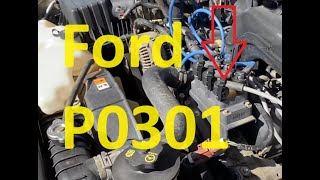
- Cylinder 1 Ignition Coil Connector — On top of the valve cover, the first coil from the front of the engine (passenger side on a V-engine, but first in line on an I4).. This connector and its wiring are critical for the ignition coil to receive the signal to fire. A damaged connector, corrosion, or broken wire will cause a P0301.
- Cylinder 1 Fuel Injector Connector — On the fuel rail, typically under the intake manifold for direct injection engines. Access is more involved than the ignition coil.. Provides the electrical pulse to the fuel injector. Wiring issues here will stop fuel from being delivered to cylinder 1, causing a misfire. Ford warns not to backprobe this connector while running as it can damage the PCM.
- Engine Block Grounds — There are multiple ground points. Two easily accessible grounds are located behind the front bumper cover, connecting the main harness to the chassis. Other critical grounds connect the engine block to the chassis.. A poor engine ground can cause a weak spark or erratic sensor readings, leading to misfires. While less likely to affect only one cylinder, it's a foundational check for any electrical issue.
Real Owner Repair Stories
- Ford Edge Forum user (2015 Edge SE 2.0L EcoBoost with 150k miles) — Misfire on cylinder 1, white smoke on startup, and the sweet smell of coolant.
❌ Tried (didn't work) Initial diagnosis
✅ What actually fixed it A local dealer pressure tested the cooling system and found it was leaking into the #1 combustion chamber. The quoted fix was to replace the long block for $6,100. - Reddit user IowaHawkBiker (2017 Ford Edge 2.0L (company car) at 70k miles) — Started with a check engine light for a cylinder misfire, then drivability problems and coolant level disappearing from the reservoir in one day.
❌ Tried (didn't work) The problem was diagnosed as coolant ingestion.
✅ What actually fixed it The engine needed to be replaced. The cost was quoted at $7,000-$8,000, installed. - Reddit user InTheStixFL (2018 Ford Edge with 80k miles) — P0301 misfire, leading to a diagnosis of coolant intrusion.
❌ Tried (didn't work) An extended warranty company was refusing to cover the repair.
✅ What actually fixed it The required repair was a new engine at a cost of $8,000.
OEM Part Supersession History
N/A (various original engine builds)→J2GZ-6006-E (and subsequent revisions)— The original 2.0L EcoBoost engine block design for 2015-2018 models was flawed, allowing coolant intrusion. The superseding long block assembly features a revised engine block design that corrects this flaw.
Heads up: An engine from a 2012-2014 Edge 2.0L is a completely different Mazda L-based engine and is not compatible with the 2015-2018 models.
Model Year Variations Within This Range
- 2015-2018: These model years use the 2nd generation 2.0L EcoBoost with the twin-scroll turbo and the engine block design prone to coolant intrusion. The standard transmission was a 6-speed automatic.
- 2019: The 2019 model year received a mid-cycle refresh. The 2.0L EcoBoost engine was updated with the corrected block design, resolving the coolant intrusion issue. It also received a new 8-speed automatic transmission and a slight horsepower increase to 250 hp.
Helpful Videos
Used OEM Parts in Stock
New Aftermarket Parts Available

The information in this article is provided for general reference and educational purposes only. Vehicle specifications, procedures, and part compatibility can vary by production date, trim level, and region. Always consult your vehicle's factory service manual and verify part numbers before purchasing or performing repairs. Safety-critical components such as airbags, seat belts, and braking systems should be installed by a qualified professional.
- Ford EDGE:
- 🧭 Diagnostic Flowchart
- 🎬 Helpful Videos
- 🛍️ Shop This Part
- What's Unique About the 2015-2019 Ford EDGE
- Symptoms You May Notice
- Most Likely Causes
- Rare But Worth Checking
- Diagnosis Steps
- Parts You'll Likely Need
- Related Codes That Often Appear With This One
- Technical Service Bulletins (TSBs) & Recalls
- Platform-Specific Known Issues
- Mechanic-Grade Diagnostic Values
- Hidden / Shadow Codes Worth Checking
- Scan Tool Commands That Help
- Wiring & Ground Locations
- Real Owner Repair Stories
- OEM Part Supersession History
- Model Year Variations Within This Range
- 🎟️ Get 5% Off