

P0301 on 2010-2012 GMC Canyon: Cylinder 1 Misfire Causes and Fixes
On a 2010-2012 GMC Canyon, code P0301 is most often caused by a failed ignition coil or a worn-out spark plug for cylinder #1. This is a straightforward DIY repair, with parts costing between $25 and $75. Swapping the coil from cylinder #1 to another cylinder is the definitive way to diagnose a bad coil.
- P0301 means cylinder #1 is misfiring.
- The most likely cause on your Canyon is a bad ignition coil, followed by a worn spark plug.
- A simple and effective diagnostic is to swap the cylinder #1 coil with another cylinder's coil to see if the trouble code follows it.
- Driving with a flashing check engine light can cause expensive damage to your catalytic converter; address the issue promptly.
- Check for loose ignition coil connections, as this is a known issue noted in a GM service bulletin for this truck.
What's Unique About the 2010-2012 Gmc CANYON
The 2010-2012 GMC Canyon was available with 2.9L I4, 3.7L I5, and 5.3L V8 engines, all of which use a coil-on-plug ignition system. A GM Technical Service Bulletin (TSB #PIP4819A) was issued 🎬 Watch: Diagnosing P0301 misfire codes on GMC trucks for these vehicles specifically mentioning misfire codes (including P0301) and advising technicians to inspect for loose spark plug wires, indicating a known potential issue with the ignition connections from the factory. Ignition coil failure is also noted as being extremely common on the I4 and I5 Atlas engines used in these trucks. While earlier (2004-2006) Atlas engines were notorious for premature valve seat wear causing misfires, the 2007 and later engines in this vehicle range received an updated cylinder head design that largely corrected this flaw, making it a much rarer cause.
Diagnostic Flowchart
Tap your situation to follow the diagnostic path that matches what you're seeing on this vehicle.
Symptoms You May Notice
- Flashing or solid Check Engine Light
- Rough or shaking idle
- Engine hesitation or stumbling during acceleration
- Noticeable loss of engine power
- Difficulty starting the engine
- Strong smell of unburnt fuel from the exhaust
- Decreased fuel economy
- Replacing oxygen (O2) sensors without diagnosing the root cause of the misfire.
- Replacing the catalytic converter when it was damaged as a result of the misfire, not the cause of it.
- Assuming a cylinder head failure on a 2007+ model without performing a compression test first, as this issue was much more prevalent on 2004-2006 trucks.
Most Likely Causes
- Failed Ignition Coil 🔴 High Probability → Shop Ignition Coil Ignition coil failure is a very common issue on the GM Atlas engine family (2.9L I4 and 3.7L I5) used in the Canyon, leading directly to misfire codes. Heat and vibration contribute to their eventual failure.
How to confirm: Swap the ignition coil from cylinder #1 with another cylinder (e.g., cylinder #2). Clear the codes and drive the vehicle. If the code changes to P0302, the ignition coil is faulty. This is the most effective and common diagnostic step.
Typical fix: Replace the faulty ignition coil. It is held in place by a single 10mm bolt and is easily accessible after removing the engine cover.
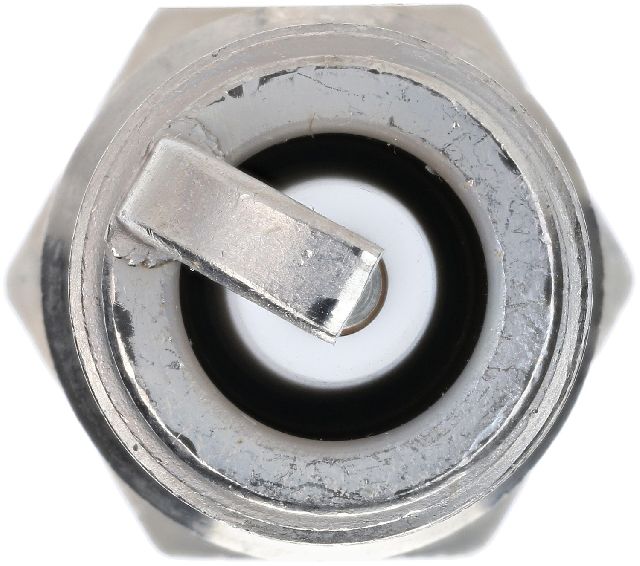
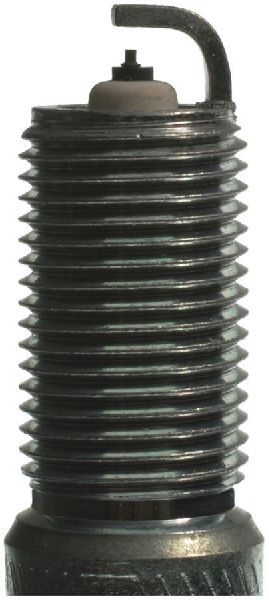
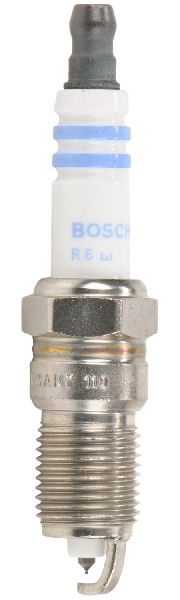
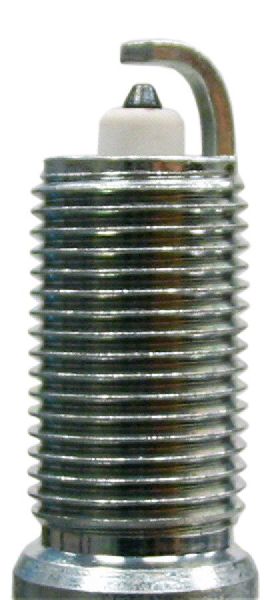
Est. part cost: $30-$70 - Worn or Fouled Spark Plug 🔴 High Probability → Shop Spark Plug Spark plugs are a standard maintenance item. The original ACDelco Iridium plugs have a 100,000-mile service interval, which these vehicles have likely exceeded. Using non-OEM plugs or counterfeit parts is also a known cause of issues.
How to confirm: Remove the spark plug from cylinder #1 and inspect it. Look for a worn electrode, heavy carbon buildup, oil fouling, or a cracked porcelain insulator. The correct gap for the OEM plug is 0.043 inches, though iridium plugs should not be re-gapped.
Typical fix: Replace the spark plug. It is highly recommended to replace all spark plugs at the same time 🎬 See this step-by-step spark plug replacement walkthrough with high-quality Iridium plugs (e.g., ACDelco 41-103) to ensure even performance.
Est. part cost: $10-$20 per plug - Loose Spark Plug Wire/Connection 🟡 Medium Probability → Shop Spark Plug A manufacturer TSB (#PIP4819A) specifically calls out inspecting and replacing loose spark plug wires as a fix for misfires on this vehicle. The connection at the coil or the boot to the spark plug can become loose or corroded.
How to confirm: Visually and physically inspect the electrical connector and the boot for the cylinder #1 ignition coil. Ensure the connector is fully seated and the locking tab is engaged. Check that the coil boot is securely fitted over the spark plug.
Typical fix: Reseat the electrical connector or replace the ignition coil boot if it is damaged or loose. Applying a small amount of dielectric grease to the inside of the boot is good practice.
Est. part cost: $5-$15 for a boot - Clogged or Faulty Fuel Injector ⚪ Low Probability → Shop Fuel Injector
How to confirm: After ruling out ignition issues, you can swap the fuel injector from cylinder #1 with another cylinder. If the misfire code follows the injector, the injector is the cause. This is more labor-intensive than swapping a coil, as it requires removing the fuel rail. 🎬 Watch: How to replace a faulty fuel injector
Typical fix: Replace the faulty fuel injector. It's often recommended to replace the full set if they are high mileage.
Est. part cost: $50-$100
Rare But Worth Checking
- Low Cylinder Compression: If ignition and fuel system checks do not resolve the issue, a mechanical problem could be the cause. On Atlas engines, this can sometimes be due to a worn valve or valve seat, though it was a more common issue on pre-2007 models. A compression test or cylinder leak-down test is needed to confirm this.
- Intake Manifold Gasket Leak: → Shop Engine Intake Manifold A vacuum leak near the intake runner for cylinder #1 can lean out the air-fuel mixture and cause a misfire. This can be diagnosed with a smoke machine or by carefully spraying carb cleaner around the gasket with the engine running and listening for a change in idle speed.
- Faulty VVT Solenoid (Camshaft Position Actuator): A failing Variable Valve Timing (VVT) solenoid can become clogged or fail electronically, causing incorrect camshaft timing that can lead to misfires. While often accompanied by other codes like P0014 or P0017, it has been reported to cause single cylinder misfires as well.
Diagnosis Steps
- Read the trouble codes with an OBD-II scanner to confirm P0301 and check for any other codes.
- Locate cylinder #1. On the I4 and I5 engines, it is the cylinder closest to the front of the truck (near the radiator).
- Inspect the ignition coil's electrical connector for a secure fit, per TSB PIP4819A.
- Swap the ignition coil from cylinder #1 with the coil from cylinder #2.
- Clear the codes, start the engine, and drive until the check engine light returns.
- Re-read the codes. If the code is now P0302, the ignition coil is bad and needs to be replaced.
- If the code remains P0301, remove and inspect the spark plug from cylinder #1. Look for wear, fouling, or damage. Even if it looks okay, consider swapping it with the plug from cylinder #2 and repeating the test process.
- If the code is still P0301 after swapping ignition and spark plug components, the issue may be with the fuel injector or a mechanical engine problem.
- Listen to the fuel injector with an engine stethoscope; it should make a consistent clicking sound.
- If a mechanical issue is suspected, perform a cylinder compression test and a cylinder leak-down test to check for issues like a bad valve, worn piston rings, or a head gasket leak.
Parts You'll Likely Need
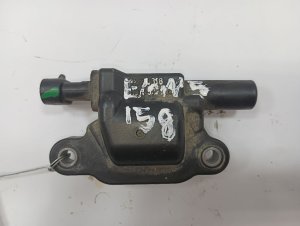
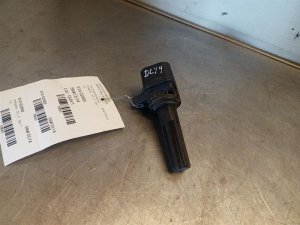
- Ignition Coil
(OEM #19421261 (ACDelco D515C))— This is the most frequent failure point for a single-cylinder misfire on this platform.
Trusted brands: ACDelco (OEM), Delphi (GN10309), NGK
OEM price range: $40-$60
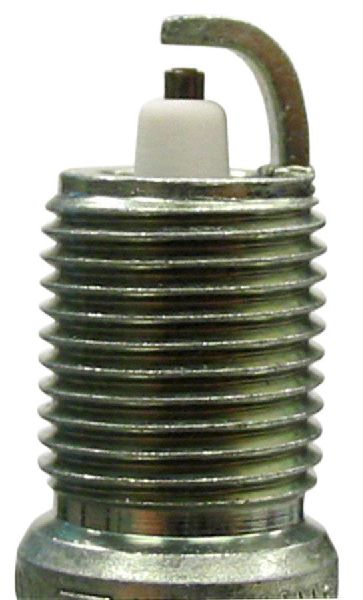
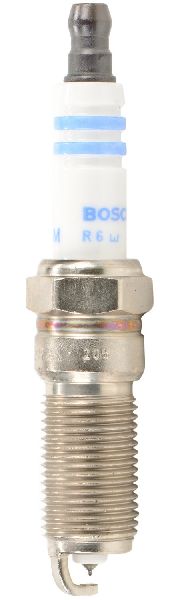
Aftermarket price range: $25-$45 - Iridium Spark Plug
(OEM #41-103 (ACDelco))— Spark plugs are a routine maintenance item and are the second most likely cause of a misfire. Worn plugs can't create a strong enough spark. OEM plugs are pre-gapped to 0.043" and should not be adjusted.
Trusted brands: ACDelco (OEM), NGK, Bosch
OEM price range: $12-$18
Aftermarket price range: $8-$15
Related Codes That Often Appear With This One
- P0300 — If multiple cylinders are misfiring randomly, P0300 will be stored alongside specific cylinder codes like P0301. This often points to a more widespread issue like low fuel pressure, a large vacuum leak, or a faulty VVT solenoid.
- P0302, P0303, etc. — If other specific cylinder misfire codes are present, it indicates multiple cylinders are having issues, which could be due to worn spark plugs across the engine or a systemic problem.
- P0014 / P0017 — These codes relate to camshaft position timing. Their presence with a P0301 could point to a failing VVT solenoid or a timing chain issue as the root cause of the misfire.
Technical Service Bulletins (TSBs) & Recalls
- PIP4819A: Addresses engine misfires (P0300-P0308) and points to inspection of spark plug wires.
Platform-Specific Known Issues
- TSB #PIP4819A: A technical service bulletin was issued by GM for engine misfires on these trucks, specifically advising technicians to inspect for and replace any loose spark plug wires.
- Atlas Engine Valve Seats: While the 2010-2012 models have an improved cylinder head design, the broader Atlas engine family (I4/I5) has a known history of premature valve seat wear, which can cause low compression and lead to misfire codes. This should be considered a rare but possible cause if ignition and fuel system checks don't resolve the P0301 code.
Mechanic-Grade Diagnostic Values
- Fuel Pressure (Key On, Engine Off and at Idle) — expected: 50-62 PSI. Failure: Pressure significantly below this range suggests a weak fuel pump or clogged filter.
- Ignition Coil Primary Resistance — expected: 0.4 - 2.0 ohms. Failure: A reading outside this range or an open circuit (infinite resistance) indicates a faulty coil.
- Ignition Coil Secondary Resistance — expected: 6,000 - 11,000 ohms (6k-11k Ω). Failure: A reading outside this range points to a failure in the secondary windings.
- Fuel Injector Resistance — expected: ~12.7 ohms. Failure: A significantly different reading or an open circuit suggests a failed injector coil.
- Long-Term Fuel Trim (LTFT) at Idle — expected: -10% to +10%. Failure: Values consistently exceeding +10% can indicate a vacuum leak, while values consistently below -10% can indicate a leaking injector.
Scan Tool Commands That Help
- GM Tech 2 / GDS2 (or equivalent professional scanner): Cylinder Power Balance Test — This active test is used to isolate a weak cylinder when the cause of a misfire isn't obvious. The tool deactivates one fuel injector at a time and measures the corresponding drop in engine RPM. A cylinder that causes little or no RPM drop when disabled is not contributing its share of power, confirming it's the source of the misfire.
- GM Tech 2 / GDS2 (or equivalent professional scanner): Fuel Injector Balance Test — This is a key-on, engine-off test to check for a clogged or restricted injector. The scan tool primes the fuel system to a specific pressure, then pulses a single injector for a precise duration. By comparing the pressure drop across all cylinders, a technician can identify an injector that is flowing less fuel than the others. A pressure drop that is significantly less than the others indicates a clogged injector.
Wiring & Ground Locations
- SP105 — Driver's side of the engine bay, typically near the battery tray and ABS module.. This is a factory ground splice pack where multiple ground wires are joined. It is not weather-sealed and is a known common point of corrosion, which can cause intermittent electrical problems for numerous components, including the fuel pump, ECM, and ignition system.
- SP106 — Passenger side of the engine bay, typically behind the engine airbox.. Similar to SP105, this ground splice pack serves the other side of the engine bay. Corrosion here can affect the HVAC module, data link connector, and other sensors, potentially causing erratic behavior that could be misdiagnosed.
- G103 / G105 — Lower left (driver's) side of the engine compartment.. These are primary engine and component ground points. A loose or corroded connection at these locations can cause a host of issues, including a weak spark or improper sensor readings that may lead to a misfire code.
"I Checked Everything" — The Actual Cause
- A P0301 code that appears immediately after an intake manifold gasket replacement can be caused by a pinched wire to the fuel injector or ignition coil for cylinder #1, or an improperly seated injector. These issues would not be found with a smoke test but are directly related to the recent repair.
OEM Part Supersession History
N/A→ACDelco D1935E— This is the correct OEM part number for the ignition coil on 2007-2012 Canyons with the 2.9L and 3.7L engines.
Heads up: Part number D515C is often confused but fits different GM engines (e.g., 3.0L/3.6L V6) and is incorrect for this application. Using the wrong coil can lead to poor fitment and premature failure.ACDelco 217-3157→N/A— This is the OEM part number for the fuel injector fitting the 2.9L and 3.7L engines for the 2009-2012 model years.
Helpful Videos

Used OEM Parts in Stock
New Aftermarket Parts Available

The information in this article is provided for general reference and educational purposes only. Vehicle specifications, procedures, and part compatibility can vary by production date, trim level, and region. Always consult your vehicle's factory service manual and verify part numbers before purchasing or performing repairs. Safety-critical components such as airbags, seat belts, and braking systems should be installed by a qualified professional.
- Gmc CANYON:
- 🧭 Diagnostic Flowchart
- 🎬 Helpful Videos
- 🛍️ Shop This Part
- What's Unique About the 2010-2012 Gmc CANYON
- Symptoms You May Notice
- Most Likely Causes
- Rare But Worth Checking
- Diagnosis Steps
- Parts You'll Likely Need
- Related Codes That Often Appear With This One
- Technical Service Bulletins (TSBs) & Recalls
- Platform-Specific Known Issues
- Mechanic-Grade Diagnostic Values
- Scan Tool Commands That Help
- Wiring & Ground Locations
- "I Checked Everything" — The Actual Cause
- OEM Part Supersession History
- 🎟️ Get 5% Off