

P0301 on 2010-2013 GMC Savana: Cylinder 1 Misfire Causes and Fixes
On a 2010-2013 GMC Savana, code P0301 is most often caused by a failed spark plug, ignition coil, or a bad spark plug wire on cylinder 1. On 5.3L and 6.0L V8s, it can also be a symptom of a more serious collapsed AFM lifter. A DIY fix for ignition issues is often possible for under $100.
- P0301 on a GMC Savana means cylinder 1 is misfiring.
- The most likely causes are simple ignition system parts: the spark plug wire, spark plug, or ignition coil.
- A GM Technical Service Bulletin (PIP4819A) highlights loose spark plug wires as a known issue for this code on these vans.
- On 5.3L and 6.0L V8s, a P0301 accompanied by a ticking noise can be a sign of a serious internal engine problem with the AFM valve lifters.
- Diagnosing by swapping components like ignition coils between cylinders is a cost-effective strategy.
- Do not ignore a flashing check engine light, as it signals a severe misfire that can quickly damage the catalytic converter.
What's Unique About the 2010-2013 Gmc SAVANA
The V8 engines in this generation of GMC Savana are part of the robust GM LS family. While generally reliable, a known weak point, as documented by GM itself, is the connection between the spark plug wires and the ignition coils. This can become loose over time, leading to misfires. For V8 models, cylinder 1 is the front-most cylinder on the driver's side of the engine. Furthermore, the 5.3L and 6.0L V8s feature Active Fuel Management (AFM), and the specialized lifters for this system are a known failure point that can cause a single-cylinder misfire like P0301.
Diagnostic Flowchart
Tap your situation to follow the diagnostic path that matches what you're seeing on this vehicle.
Symptoms You May Notice
- Rough or shaking idle
- Hesitation or stumbling during acceleration
- Reduced engine power
- Flashing Check Engine Light (indicates a severe misfire)
- Decreased fuel economy
- Smell of gasoline from the exhaust
- "Service Stabilitrak" or "Traction Control Off" messages on the driver information center (DIC).
- Engine ticking or tapping noise, especially if the cause is mechanical (lifter issue).
- Replacing the catalytic converter when it has been damaged by a persistent misfire, without fixing the root cause of the misfire first.
- Replacing oxygen sensors when a lean code (P0171/P0174) is present, when the root cause is actually an intake manifold gasket leak causing both the lean condition and the misfire.
Most Likely Causes
- Loose or Faulty Spark Plug Wire 🔴 High Probability → Shop Spark Plug A General Motors Technical Service Bulletin (PIP4819A) specifically calls out loose spark plug wires at the ignition coil as a cause for misfires on these V8 engines.
How to confirm: Visually and physically inspect the spark plug wire for cylinder 1. Ensure it is securely clicked onto both the spark plug and the ignition coil. Look for any signs of damage, arcing (black marks), or corrosion. A secure connection should produce an audible 'click'.
Typical fix: Replace the spark plug wire. It is often recommended to replace the full set for even performance.
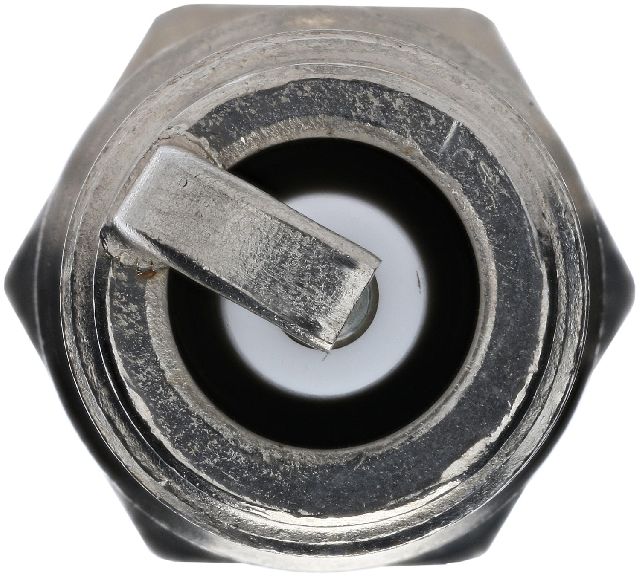
Est. part cost: $40-$100 - Worn or Fouled Spark Plug 🔴 High Probability → Shop Spark Plug
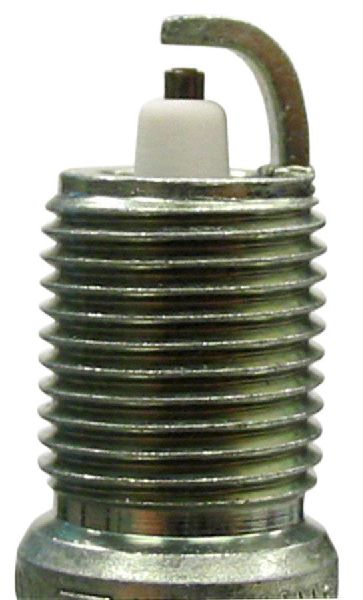
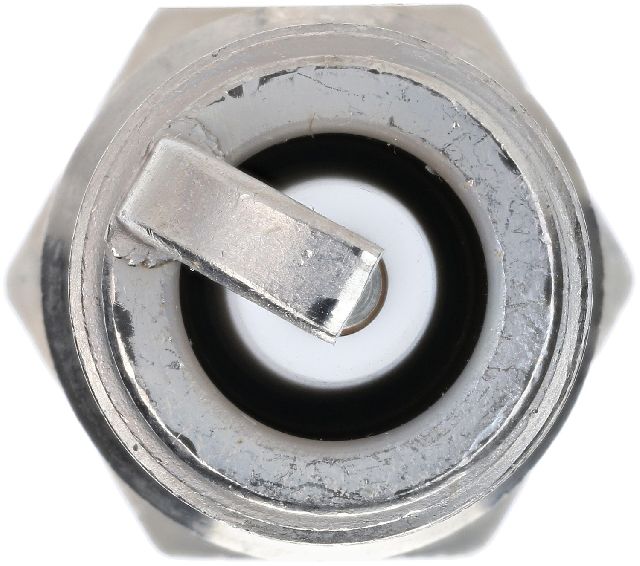
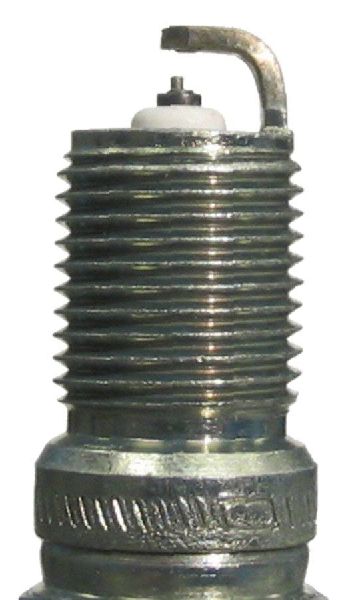
How to confirm: Remove the spark plug from cylinder 1 and inspect it. Look for a worn electrode, heavy carbon buildup, oil fouling, or a cracked porcelain insulator. The recommended gap for the OEM ACDelco Iridium plug is 0.040 inches, but they come pre-gapped and should not be adjusted.
Typical fix: Replace the spark plug. It is best practice to replace all spark plugs at the same time using high-quality Iridium plugs.
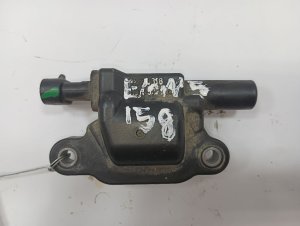
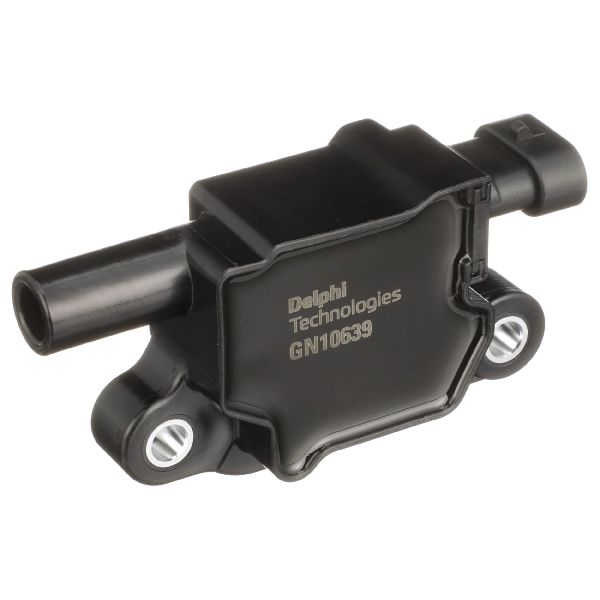
Est. part cost: $8-$25 - Bad Ignition Coil 🟡 Medium Probability → Shop Ignition Coil
How to confirm: Swap the ignition coil from cylinder 1 with another cylinder (e.g., cylinder 3). Clear the codes and drive the vehicle. If the misfire code changes to P0303, the ignition coil is faulty.
Typical fix: Replace the faulty ignition coil.
Est. part cost: $30-$80 - Clogged or Faulty Fuel Injector ⚪ Low Probability → Shop Fuel Injector
How to confirm: Listen for a clicking sound from the injector with a mechanic's stethoscope to confirm it's activating. You can also test its resistance with a multimeter or swap it with another cylinder's injector to see if the misfire follows. This is more involved as it may require removing the fuel rail.
Typical fix: Replace the faulty fuel injector.
Est. part cost: $50-$150
Rare But Worth Checking
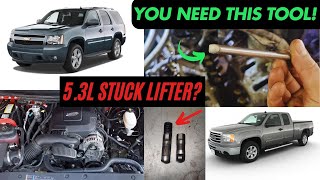
- Collapsed/Stuck Active Fuel Management (AFM) Lifter: → Shop Engine Valve Lifter On 5.3L and 6.0L V8s, the AFM system deactivates cylinders to save fuel. The special lifters for this system are a notorious failure point. They can collapse or become stuck, preventing the valve from opening and causing a persistent misfire on an AFM cylinder (Cylinder 1 is an AFM cylinder). This is a serious mechanical issue often accompanied by a ticking noise and can lead to camshaft damage if ignored. TSBs 19-NA-219 and 15-06-01-002C address this issue.
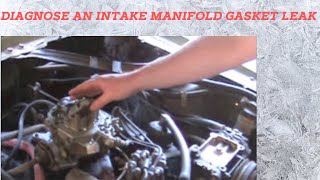
- Intake Manifold Gasket Leak: → Shop Engine Intake Manifold A vacuum leak near the cylinder 1 intake runner can lean out the air/fuel mixture and cause a misfire. This is a common issue on GM V8s of this era and may also trigger lean codes like P0171 or P0174. A hissing sound may be audible near the intake manifold at idle.
- Low Engine Compression: This indicates a more serious mechanical engine problem, such as a worn piston ring, a bad valve, a broken valve spring, or a damaged head gasket. A compression test and cylinder leak-down test are needed to diagnose this. A worn camshaft lobe, sometimes resulting from a failed lifter, can also cause low compression.
Diagnosis Steps
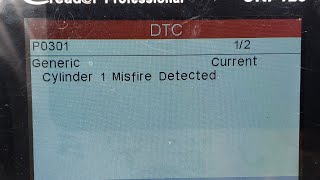
- Confirm the code P0301 is present using an OBD-II scanner. Note any other codes, like P0300 or P0171.
- Locate cylinder 1. On V8 models, it is the front-most cylinder on the driver's side.
- Inspect the spark plug wire for cylinder 1. Ensure it is fully seated on the ignition coil and the spark plug. Check for any visible damage or signs of arcing.
- If the wire looks good, swap the ignition coil from cylinder 1 with the coil from cylinder 3 (an adjacent, easy-to-access cylinder on the same bank). Clear the codes and see if the misfire moves to cylinder 3 (P0303). If it does, the coil is bad.
- If the misfire remains on cylinder 1, remove and inspect the spark plug. Replace it if it is worn, fouled, or damaged. Even if it looks okay, it's a cheap and common failure item worth replacing.
- If ignition parts are good, listen for a ticking noise from the engine. A distinct, rhythmic tick that increases with RPM could indicate a collapsed AFM lifter, a serious issue on 5.3L/6.0L V8s.
- Check the fuel injector. Listen for a steady clicking with a stethoscope. To be certain, you can swap the cylinder 1 injector with another cylinder's injector to see if the problem follows, though this is more labor-intensive.
- If a vacuum leak is suspected (especially with a P0171 code), spray short bursts of brake cleaner or starting fluid around the intake manifold gasket near cylinder 1 with the engine idling. If the engine RPM changes, you've found a leak.
- If all else fails, perform an engine compression test on cylinder 1 to rule out mechanical issues like bad valves, piston rings, or a failed lifter/camshaft lobe.
Parts You'll Likely Need
- Spark Plug
(OEM #ACDelco 41-162 (supersedes 41-110))— As a standard maintenance item, spark plugs wear out over time and are a primary cause of misfires. Oil consumption on some V8s can foul them prematurely.
Trusted brands: ACDelco, NGK
OEM price range: $8-$20
Aftermarket price range: $5-$15 - Ignition Coil
(OEM #ACDelco D521C (GM P/N: 25198623))— Ignition coils are a common failure item that will cause a misfire on a single cylinder. Heat and age cause them to fail.
Trusted brands: ACDelco, Delphi, Bosch
OEM price range: $50-$90
Aftermarket price range: $30-$70 - Spark Plug Wire Set
(OEM #ACDelco 9748HH (V8))— This is a known failure point according to a GM TSB, where the wire can become loose at the coil, causing a misfire. Insulation also breaks down over time.
Trusted brands: ACDelco, NGK, Denso
OEM price range: $50-$100 (Set)
Aftermarket price range: $40-$80 (Set)
Related Codes That Often Appear With This One
- P0300 — If the condition causing the misfire on cylinder 1 begins to affect other cylinders or is intermittent across the engine, a P0300 (Random/Multiple Cylinder Misfire) code may also appear.
- P0171 — If the misfire is caused by a vacuum leak (like an intake manifold gasket) or a faulty fuel injector that is not delivering enough fuel, the engine may run lean, triggering a 'System Too Lean (Bank 1)' code.
- P0201 — This code indicates a fault in the fuel injector circuit for cylinder 1. If seen with P0301, it strongly points to an electrical issue with the injector or its wiring, rather than a spark or mechanical problem.
Technical Service Bulletins (TSBs) & Recalls
- PIP4819A: Addresses engine misfires (DTCs P0300-P0308) and points to inspection and replacement of loose spark plug wires at the ignition coil.
- 19-NA-219: Supersedes previous bulletins on engine misfires and ticking noises. Lists potential causes as worn cam/lifters, sticking valves, broken valve springs, or a collapsed AFM lifter, all of which can cause a P0301.
- 15-06-01-002C: An earlier TSB addressing engine misfire/tick noise (P0300) caused by a mechanically collapsed or stuck AFM lifter.
Platform-Specific Known Issues
- GM Technical Service Bulletin #PIP4819A specifically addresses engine misfires (including P0301) on 2010-2013 V8 models. It states that the cause may be a loose spark plug wire at the ignition coil and instructs technicians to inspect the connection and replace the wire if it is loose.
- Active Fuel Management (AFM) Lifter Failure on 5.3L/6.0L V8s is a well-documented, serious issue that can cause a P0301 code. TSB 19-NA-219 and its predecessors (like 15-06-01-002C) detail the diagnosis of misfires caused by collapsed or stuck AFM lifters. This is a much more involved and expensive repair than a standard ignition component replacement.
Helpful Videos


Used OEM Parts in Stock
New Aftermarket Parts Available

The information in this article is provided for general reference and educational purposes only. Vehicle specifications, procedures, and part compatibility can vary by production date, trim level, and region. Always consult your vehicle's factory service manual and verify part numbers before purchasing or performing repairs. Safety-critical components such as airbags, seat belts, and braking systems should be installed by a qualified professional.
- Gmc SAVANA:
- 🧭 Diagnostic Flowchart
- 🎬 Helpful Videos
- 🛍️ Shop This Part
- What's Unique About the 2010-2013 Gmc SAVANA
- Symptoms You May Notice
- Most Likely Causes
- Rare But Worth Checking
- Diagnosis Steps
- Parts You'll Likely Need
- Related Codes That Often Appear With This One
- Technical Service Bulletins (TSBs) & Recalls
- Platform-Specific Known Issues
- 🎟️ Get 5% Off