

P0301 on 2010-2017 GMC Terrain 2.4L: Cylinder 1 Misfire Causes and Fixes
On a 2010-2017 GMC Terrain with the 2.4L engine, P0301 is most often caused by a spark plug fouled by oil or a bad ignition coil. The oil fouling is a direct symptom of a well-known engine defect causing excessive oil consumption, especially in 2010-2013 models. A simple ignition coil swap can help diagnose the issue, with a new coil costing between $25 and $75.
- P0301 on a 2.4L Terrain is very often a symptom of excessive oil consumption fouling the cylinder 1 spark plug.
- Always check the engine oil level first. If it's low, the misfire will likely return until the underlying oil consumption issue is addressed.
- The easiest and most effective first diagnostic step is to swap the ignition coil from cylinder 1 to another cylinder to see if the misfire code follows.
- Do not drive if the Check Engine Light is flashing, as this indicates a severe misfire that can quickly cause expensive damage to the catalytic converter.
What's Unique About the 2010-2017 GMC Terrain
For the 2010-2017 GMC Terrain with the 2.4L Ecotec engine, a P0301 code is frequently not just a simple ignition problem but a symptom of a larger, well-documented issue: excessive oil consumption. This problem, particularly severe in 2010-2013 models, is often caused by premature wear of low-tension piston rings, which allows oil to foul the spark plugs and directly cause misfires. This defect was the subject of multiple class-action lawsuits. Another related issue is a clogged PCV orifice in the intake manifold, which increases crankcase pressure and worsens oil consumption.
Symptoms You May Notice
- Check Engine Light is on or flashing
- Rough idle or shaking while stopped
- Lack of power and poor acceleration
- Engine hesitation or stumbling
- Reduced fuel economy
- Smell of unburned fuel from the exhaust
- Replacing only the spark plug without addressing the underlying oil consumption issue. The new plug will likely foul again quickly.
- Replacing fuel injectors or other components before performing the simple ignition coil swap test.
- Mistaking a timing chain rattle for normal engine noise, thereby missing a critical symptom of a more serious issue.
Most Likely Causes
- Excessive Oil Consumption / Worn Piston Rings 🔴 High Probability Models from 2010-2013 are particularly affected by low-tension piston rings that allow oil to bypass into the combustion chamber, fouling the spark plug. GM issued multiple Special Coverage Adjustments (e.g., 14159 for 2010, 15285 for 2011) and TSBs (e.g., 13-06-01-003H) for this issue, extending the warranty to cover piston and ring replacement, though these have now expired.
How to confirm: Check the engine oil level. If you are adding more than a quart every 2,000 miles, this is the likely root cause. Inspect the spark plug from cylinder 1 for a wet, black, oily coating. Blue smoke from the exhaust is another key indicator.
Typical fix: The official fix is to replace the pistons and piston rings, which is a significant engine repair. Some owners report temporary success with piston soaks or GDI induction cleaning services to free up stuck rings, but the problem often returns.
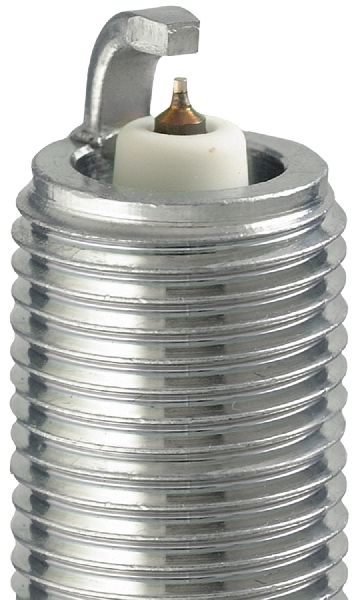
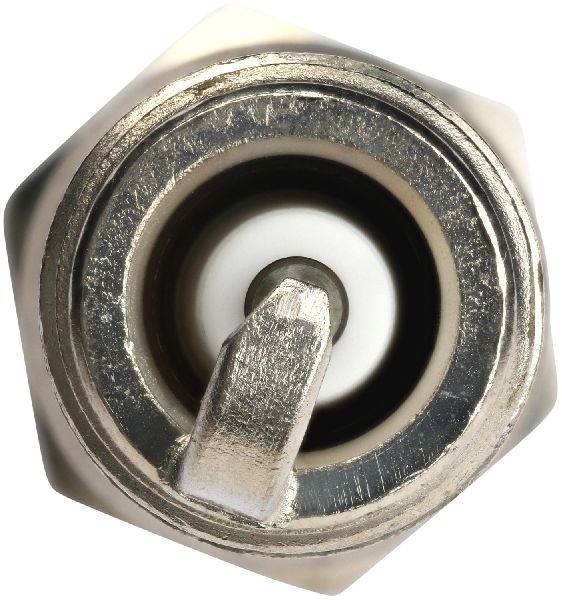
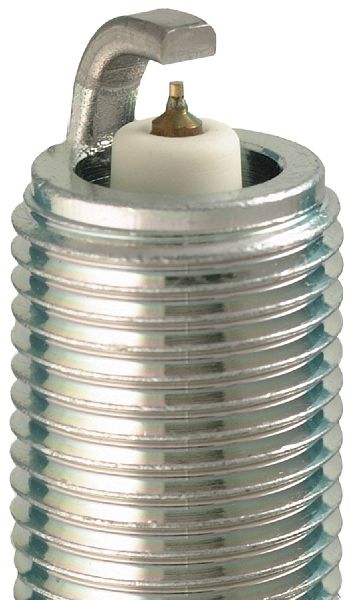
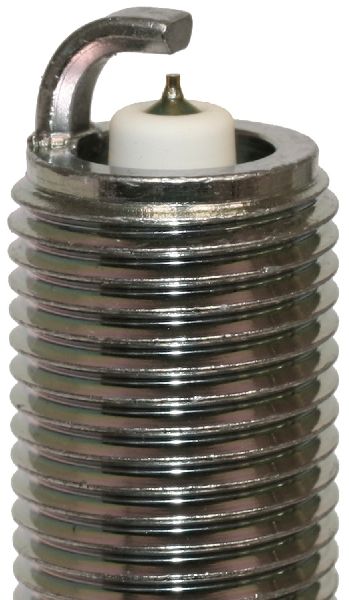
Est. part cost: $400-$800 for piston and ring set - Worn or Fouled Spark Plug 🔴 High Probability → Shop Spark Plug As a direct result of the oil consumption issue, spark plugs on the 2.4L Ecotec can become fouled with oil and carbon deposits very quickly, preventing a proper spark. This is often the first and most direct cause of the P0301 code being triggered.
How to confirm: Remove the spark plug from cylinder 1 and inspect its electrode. Look for a wet, black, oily residue or heavy carbon buildup. Compare it to a plug from another cylinder to see if the fouling is isolated.
Typical fix: Replace the spark plug. It is recommended to replace all four spark plugs at the same time. 🎬 Watch: How to change spark plugs and coils on this engine. Use high-quality Iridium plugs like the OEM ACDelco parts. This is often a temporary fix if the underlying oil consumption is not addressed.
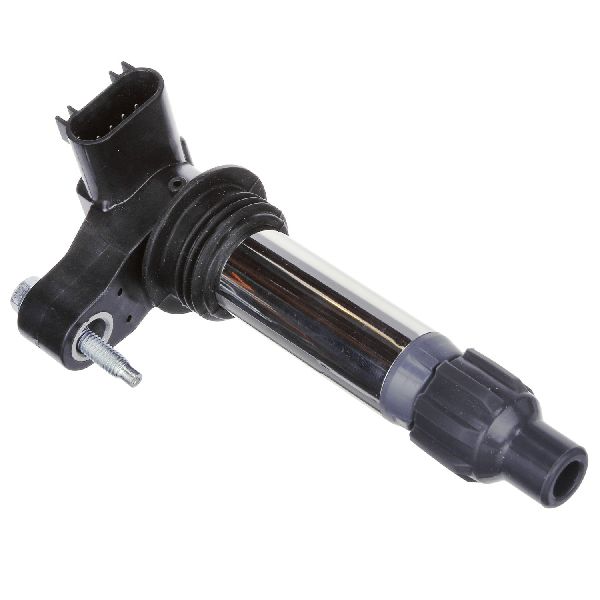
Est. part cost: $10-$25 per spark plug - Failing Ignition Coil 🔴 High Probability → Shop Ignition Coil Ignition coils are a common wear item that can fail with age and heat cycles on any modern engine.
How to confirm: Swap the ignition coil from cylinder 1 with another cylinder (e.g., cylinder 2). Clear the codes and run the engine. If the code changes to P0302, the coil is faulty. This is the easiest and most definitive diagnostic step for a bad coil.
Typical fix: Replace the faulty ignition coil. It is often recommended to replace the spark plug at the same time.
Est. part cost: $25-$75 - Clogged or Faulty Fuel Injector 🟡 Medium Probability → Shop Fuel Injector
How to confirm: Listen to the injector with a mechanic's stethoscope to ensure it's clicking. You can also test its resistance with a multimeter (expect 1.1-2.0 Ohms). An injector balance test with an advanced scan tool like GDS2 is the most definitive professional test.
Typical fix: Clean or replace the fuel injector for cylinder 1. It's often wise to replace all four injectors if they are high-mileage.
Est. part cost: $50-$150 per injector - Stretched Timing Chain ⚪ Low Probability The timing chains on the 2.4L Ecotec are a known weak point and can stretch over time, especially if the engine has been run with low oil levels due to the consumption issue or fuel dilution from a failing HPFP. Failure typically occurs between 80,000 and 100,000 miles.
How to confirm: Listen for a rattling noise from the side of the engine on cold startups. A scan tool may also show related timing correlation codes like P0016 or P0017.
Typical fix: Replace the timing chain, tensioners, and guides. This is a labor-intensive job that can cost $2,000-$3,000.
Est. part cost: $200-$400 for a timing chain kit
Rare But Worth Checking
- Failing High-Pressure Fuel Pump (HPFP): On 2010-2011 models, the HPFP shaft seal can fail, causing gasoline to leak into the engine crankcase. This dilutes the oil, leading to poor lubrication, timing chain wear, and misfires. Check for a strong smell of gas in the engine oil. GM issued recall 43180 for this issue, which involved replacing the pump (part number 12641847).
- Cracked Exhaust Manifold: The cast iron exhaust manifold is prone to cracking. This can draw in outside air, confusing the oxygen sensor and potentially leading to misfire codes, often accompanied by an audible exhaust leak noise and sometimes a P0171 lean code.
- Low Engine Compression: A mechanical issue like a burnt valve, worn piston rings, or a failed head gasket can cause a loss of compression and a persistent P0301. This is less common than ignition or oil-related issues but should be checked with a compression test if other diagnostics fail.
- Clogged PCV Orifice: → Shop PCV Valve The intake manifold has a fixed PCV orifice that can clog with sludge, especially in cold weather. This increases crankcase pressure, which can force oil past seals (like the rear main seal) and worsen oil consumption, indirectly causing misfires. GM issued TSB #14882 and a special coverage extension for this issue. The TSB recommends cleaning the orifice with a 1/16 inch drill bit.
Diagnosis Steps
- Check the engine oil level immediately. If it is low, top it off and note the consumption rate. This is a critical first step for this specific vehicle.
- Read all stored fault codes with an OBD-II scanner to check for other related codes, such as P0300 or timing codes like P0016/P0017.
- Swap the ignition coil from cylinder 1 to another cylinder (e.g., cylinder 2).
- Clear the codes, start the engine, and let it run to see if the Check Engine Light returns.
- If the code changes to P0302, the ignition coil is the confirmed problem and should be replaced.
- If the code remains P0301, remove the spark plug from cylinder 1.
- Inspect the spark plug for heavy carbon buildup, wear, or a wet, oily residue. If it's fouled, replace it (and preferably all four).
- While the spark plug is out, perform an engine compression test on cylinder 1 to rule out mechanical problems like worn rings or valve issues.
- If ignition and compression are good, investigate the fuel injector for cylinder 1. Listen for a consistent clicking sound and check the wiring.
- Check for an exhaust leak sound near the exhaust manifold, which could indicate a crack.
- If oil consumption is high, investigate the PCV orifice in the intake manifold for blockages per TSB 14882.
Parts You'll Likely Need
- Ignition Coil
(OEM #12632479)— A common failure item due to heat and age, and one of the most probable causes of a single-cylinder misfire after spark plugs.
Trusted brands: ACDelco, Delphi, NGK
OEM price range: $50-$80
Aftermarket price range: $25-$60 - Spark Plug
(OEM #41-109)— Frequently becomes fouled with oil due to the engine's oil consumption issue, preventing a proper spark.
Trusted brands: ACDelco, NGK
OEM price range: $15-$25
Aftermarket price range: $8-$15 - Piston and Ring Set — The ultimate fix for the root cause of oil consumption-related misfires on 2010-2013 models.
Trusted brands: Mahle, Sealed Power
OEM price range: $500-$800
Aftermarket price range: $300-$500
Related Codes That Often Appear With This One
- P0300 — If the underlying cause, like oil consumption or a stretched timing chain, begins to affect other cylinders, a random misfire code may appear alongside the specific cylinder code.
- P0172 — A 'System Too Rich' code often accompanies a failing high-pressure fuel pump that is leaking fuel into the crankcase.
- P0016 / P0017 — These codes indicate a camshaft/crankshaft correlation error, which strongly points to a stretched timing chain as the cause of the misfire.
- P0010 / P0011 / P0013 / P0014 — These codes relate to the camshaft position actuator solenoids. A failing solenoid can cause poor engine performance and misfires. This is another very common failure on the 2.4L Ecotec.
Technical Service Bulletins (TSBs) & Recalls
- 15285 / 15285C: Special Coverage for excessive oil consumption on 2011 models.
- 16118: Special Coverage for excessive oil consumption on 2012 models.
- N192291100: Special Coverage for excessive oil consumption on 2013 models.
- 14882: TSB related to cleaning the clogged PCV orifice in the intake manifold.
- 43180 (Emission Recall): Recall to replace the high-pressure fuel pump on 2010-2011 models.
Platform-Specific Known Issues
- Excessive Oil Consumption: Particularly prevalent in 2010-2013 models due to defective piston rings. This was addressed by GM under Special Coverage Adjustments 15285, 16118, and N192291100, which extended the warranty for piston/ring replacement, but these programs have expired.
- Clogged PCV Orifice: The PCV orifice in the intake manifold can become clogged with sludge, increasing crankcase pressure and worsening oil consumption. TSB 14882 was issued to address the cleaning procedure.
- High-Pressure Fuel Pump Failure: A recall (43180) was issued for 2010-2011 models because a seal in the HPFP could fail, leaking fuel into the oil.
Mechanic-Grade Diagnostic Values
- Fuel Injector Internal Resistance — expected: 1.1 - 2.0 Ohms. Failure: A reading of OL (Open Loop/infinity) or near zero ohms indicates a failed injector coil.
- Camshaft Position Actuator Solenoid Resistance — expected: 8 - 13 Ohms. Failure: A reading outside this range, or an inconsistent/fluctuating reading when wiggling the connector, indicates a faulty solenoid.
- High Pressure Fuel Rail Pressure (Scan Tool, at Idle) — expected: 1.9-5.0 MPa (276-725 PSI). Failure: Pressure that is significantly lower or higher than this range can indicate a failing high-pressure fuel pump (HPFP) or a faulty rail pressure sensor.
Scan Tool Commands That Help
- GDS2 (GM Dealer Software): Cylinder Power Balance Test — This test electronically disables one cylinder at a time and measures the RPM drop. If disabling cylinder 1 causes little or no change in RPM compared to other cylinders, it confirms cylinder 1 is not contributing power, verifying the misfire in real-time before swapping parts.
- GDS2 (GM Dealer Software): Fuel Injector Balance Test — This command individually fires each injector for a set time and measures the corresponding drop in fuel rail pressure. If the pressure drop for cylinder 1 is significantly different from the others, it points to a clogged or faulty injector.
- GDS2 / Advanced Scan Tool: Crankshaft Position Variation Learn (CASE Relearn) — This recalibration procedure is required after major engine work, such as replacing a timing chain, crankshaft position sensor, or ECM, to ensure accurate misfire detection.
Wiring & Ground Locations
- G105 — On the lower left front of the engine block, sometimes near the cooling fan or on the transmission case.. This is a primary engine block ground. A loose or corroded connection here can cause erratic behavior from the ECM and its sensors, leading to phantom misfires or incorrect sensor readings.
- G107 — An engine ground strap, typically located on the driver's side of the engine block or on the transmission bellhousing.. A poor main engine ground can cause a variety of electrical faults, including weak spark from the ignition coils or noisy signals from the crank/cam sensors, which are critical for misfire detection.
Real Owner Repair Stories
- BobIsTheOilGuy forum user (2010 Chevrolet Equinox 2.4L) — Rough running at idle, Check Engine Light with P0171 (System Too Lean), high fuel trims.
❌ Tried (didn't work) Initial diagnosis pointed towards a MAF sensor or vacuum leak.
✅ What actually fixed it A visual inspection revealed a large crack in the cast iron exhaust manifold. Even without an audible leak, spraying a hydrocarbon near the crack caused fuel trims to change, confirming it was the source of the unmetered air causing the lean condition and rough idle. - BobIsTheOilGuy forum user (2012 GMC Terrain 2.4L with 47,000 miles) — Consuming one quart of oil every 1,500-1,800 miles.
❌ Tried (didn't work) Adding Marvel Mystery Oil hoping to free stuck piston rings.
✅ What actually fixed it The user was directed to GM Technical Service Bulletin #13-06-01-003H, which details the official oil consumption test procedure. The confirmed fix for consumption greater than 1 quart per 2,000 miles is the replacement of the pistons and piston rings under GM's special coverage program (which has since expired).
"I Checked Everything" — The Actual Cause
- In many cases on the 2.4L Ecotec, a standard intake smoke test will show no leaks, yet the engine will have symptoms of unmetered air or oil consumption. The actual cause is often the fixed PCV orifice inside the intake manifold becoming clogged with carbon and sludge. This does not create a vacuum leak a smoke test would find, but it increases internal crankcase pressure, which forces oil past the piston rings, fouling the spark plugs and causing misfires.
OEM Part Supersession History
12590990, 12610626, 12618542→12632479— Internal design and material improvements for durability and resistance to heat-related failure.12622561→41-109 (ACDelco part number)— Standard part number update and branding alignment.
Model Year Variations Within This Range
- 2010-2011: These models used the LAF engine, which was not E85/FlexFuel capable. They are considered the most problematic for oil consumption and high-pressure fuel pump (HPFP) failures.
- 2012-2017: These models used the LEA engine, which is E85/FlexFuel capable and had some internal updates to address the issues of the earlier LAF engine. While still prone to oil consumption, especially through 2013, later models received improved piston ring designs. When swapping a newer LEA engine into an older LAF vehicle, the intake camshaft and actuator from the original LAF engine must be transferred for ECU compatibility.
Diagnostic Flowchart
Other Known Issues on This Vehicle
Issues unrelated to this code that are worth knowing about as an owner of this generation:
- Excessive Oil Consumption 🔴 High — Very common, especially on 2010-2013 models. Can start as early as 50,000-60,000 miles. Consumption can be as high as one quart per 1,000 miles. (Ref: Special Coverage Adjustments 14159, 15285, 16118, N192291100)
- Timing Chain Stretch and Failure 🔴 High — Common failure point, often occurring between 80,000 and 100,000 miles, exacerbated by low oil levels or fuel dilution.
- Camshaft Position Actuator Solenoid Failure 🟠 Medium → Shop Engine Camshaft — Extremely common failure around 100,000 miles, leading to rough running, hesitation, and codes like P0010, P0011, P0013, P0014. (Ref: TSB 17-NA-098)
- Clogged PCV Orifice in Intake Manifold 🟠 Medium → Shop Engine Intake Manifold — Common issue, especially in cold climates, leading to increased crankcase pressure and blown seals (especially rear main seal). (Ref: TSB 14882 (Special Coverage))
- Cracked Exhaust Manifold 🟠 Medium — The cast iron manifold is known to crack, causing an exhaust leak noise and potentially affecting sensor readings.
- High-Pressure Fuel Pump (HPFP) Failure 🔴 High — Common on 2010-2011 models, where the pump seal fails and leaks gasoline into the engine oil, causing severe lubrication issues. (Ref: Recall 43180)
Used vs. New Parts: Buying Guide for This Vehicle
When a used part is the smart pick: Used parts are a reasonable choice for simple, external, bolt-on components like ignition coils and fuel injectors, provided they come from a reputable seller with a short-term warranty. A complete used intake manifold can also be a cost-effective fix for a clogged PCV orifice if cleaning is not desired.
Donor-vehicle mileage cap: roughly under 80000 miles for the part to have meaningful remaining life.
What to inspect on the donor part:
- For ignition coils, check for cracks in the plastic housing or corrosion on the electrical pins.
- For fuel injectors, ensure the electrical connector isn't damaged and the tip is free of heavy carbon buildup.
- For an intake manifold, inspect the PCV orifice to ensure it's not completely blocked with sludge.
- Check the donor vehicle's history if possible to avoid parts from engines that suffered catastrophic failure.
OEM-only on this vehicle (don't cheap out):
- Piston and Ring Sets: Due to the specific design flaw, using updated OEM or high-quality aftermarket pistons/rings (e.g., Mahle) is critical for a lasting repair.
- Timing Chain Kits: This is a labor-intensive job where part failure is catastrophic. Using a complete, high-quality OEM or OEM-supplier kit is strongly recommended over a used or budget aftermarket kit.
Aftermarket brands forum-validated for this vehicle:
- Ignition Coils: Delphi, NGK, Standard Motor Products (SMP)
- Spark Plugs: NGK, Bosch
- Camshaft Actuator Solenoids: Delphi, Dorman
Brands owners have reported issues with on this vehicle:
- Unbranded, 'white-box' ignition coils and sensors from online marketplaces often have high premature failure rates.
Real Owner Stories
Aggregated from forums and TSBs cited above. Mileages and costs reflect what owners reported in those sources.
2013 Chevrolet Equinox 2.4L — 73000 miles
Symptoms: Random misfires and the engine was 2.5 quarts low on oil. Inspection showed oil-fouled spark plugs and leaking ignition coil boots.
What fixed it: The video documentation shows the direct cause was oil-fouled plugs and leaking boots resulting from the engine running low on oil.
Source hint: youtube.com video '2013 CHEV EQUINOX 2.4L, P0300 RANDOM MISFIRES & OIL CONSUMPTION PROBLEM'
2010-2017 GMC Terrain 2.4L
Symptoms: The owner experienced a P0301 code and replaced the spark plug and coil. The code disappeared initially but returned a few thousand miles later.
What fixed it: The code returned because the new plug became fouled with oil again due to the underlying oil consumption problem.
Source hint: equinoxforum.net
2010-2017 GMC Terrain 2.4L
Symptoms: Repeated cycle of replacing spark plugs for P0301 only to have the code return.
What fixed it: Owners discuss the eventual need for piston ring replacement following GM's oil consumption test.
Source hint: terrainforum.net
Related OBD-II Codes
Frequently Asked Questions
Is the excessive oil consumption on my 2011 GMC Terrain covered by a special warranty?
My 2013 Terrain has a P0301 code; which Special Coverage Adjustment applies to me?
Can a clogged PCV system cause a misfire on the 2.4L Ecotec?
I have a 2010 Terrain with a P0301; is there a recall for the fuel system?
Why does my P0301 code keep returning after I replace the spark plug?
What specific spark plugs should I use for my GMC Terrain 2.4L?
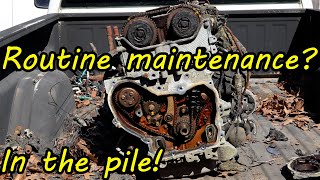
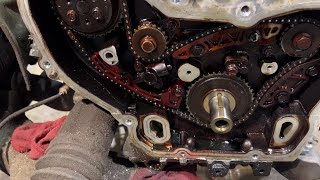
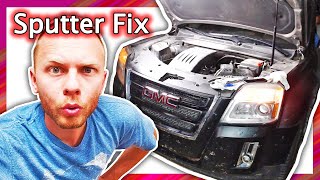
Helpful Videos
Used OEM Parts in Stock
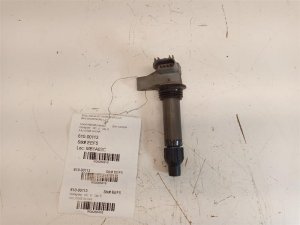
New Aftermarket Parts Available


The information in this article is provided for general reference and educational purposes only. Vehicle specifications, procedures, and part compatibility can vary by production date, trim level, and region. Always consult your vehicle's factory service manual and verify part numbers before purchasing or performing repairs. Safety-critical components such as airbags, seat belts, and braking systems should be installed by a qualified professional.
- GMC Terrain:
- 🧭 Diagnostic Flowchart
- 🎬 Helpful Videos
- 🛍️ Shop This Part
- What's Unique About the 2010-2017 GMC Terrain
- Symptoms You May Notice
- Most Likely Causes
- Rare But Worth Checking
- Diagnosis Steps
- Parts You'll Likely Need
- Related Codes That Often Appear With This One
- Technical Service Bulletins (TSBs) & Recalls
- Platform-Specific Known Issues
- Mechanic-Grade Diagnostic Values
- Scan Tool Commands That Help
- Wiring & Ground Locations
- Real Owner Repair Stories
- "I Checked Everything" — The Actual Cause
- OEM Part Supersession History
- Model Year Variations Within This Range
- Other Known Issues on This Vehicle
- Used vs. New Parts: Buying Guide for This Vehicle
- Real Owner Stories
- 2013 Chevrolet Equinox 2.4L — 73000 miles
- 2010-2017 GMC Terrain 2.4L
- 2010-2017 GMC Terrain 2.4L
- Related OBD-II Codes
- Frequently Asked Questions
- 🎟️ Get 5% Off