

P0301 on 2008-2015 GMC Yukon: Cylinder 1 Misfire Causes and Fixes
P0301 on a GMC Yukon most often points to a bad spark plug, ignition coil, or spark plug wire on cylinder 1. However, a failed Active Fuel Management (AFM) lifter is a very common, and much more expensive, underlying cause for this specific engine family, often requiring major engine work.
- P0301 on a 2008-2015 GMC Yukon means cylinder 1 is misfiring.
- Always start diagnosis with the simple and cheap fixes: inspect the spark plug, spark plug wire, and swap the ignition coil for cylinder 1.
- Be aware that a failed Active Fuel Management (AFM) lifter is a very common, and much more serious, cause of this code on these V8 engines.
- A ticking noise from the engine and low compression on cylinder 1 are strong indicators of a mechanical lifter failure.
- Driving with a flashing Check Engine Light can cause expensive damage to your catalytic converter.
What's Unique About the 2008-2015 Gmc YUKON
While ignition issues are common on any vehicle, the V8 engines in this generation of GMC Yukon are particularly known for failures related to the Active Fuel Management (AFM) or Displacement on Demand (DOD) system. The specialized, complex hydraulic lifters used for this cylinder-deactivation technology are a frequent failure point. They can collapse or get stuck due to internal pin failure or oiling issues, preventing the valve from opening and causing a persistent single-cylinder misfire like P0301. This transforms a simple misfire diagnosis into a potential internal engine repair that may also involve replacing the camshaft.
Diagnostic Flowchart
Tap your situation to follow the diagnostic path that matches what you're seeing on this vehicle.
Generation note: This range covers the 3rd generation (2007-2014) GMC Yukon and the first year of the 4th generation (2015). While styling and features differ, the underlying V8 engine architecture (4.8L, 5.3L, 6.0L, 6.2L) and the common causes for a P0301 misfire, including the problematic AFM lifters, are largely shared between them.
Symptoms You May Notice
- Rough or shaking idle
- Hesitation or stumbling during acceleration
- Noticeable loss of engine power
- Flashing or solid Check Engine Light
- Engine ticking noise, especially when cold or at certain RPMs
- Smell of unburned fuel from the exhaust
- Decreased fuel economy
- Replacing only the spark plug without checking the coil or wire, leading to a recurring misfire.
- Assuming a simple ignition problem when the root cause is a more serious AFM lifter failure, leading to wasted time and money on tune-up parts.
- Replacing AFM lifters without inspecting the camshaft for damage, which can lead to a repeat failure shortly after the repair.
Most Likely Causes
- Failed Active Fuel Management (AFM/DOD) Lifter 🔴 High Probability → Shop Engine Valve Lifter The AFM system deactivates cylinders to save fuel, but the complex lifters used are a known, widespread failure point on these GM V8 engines. They can become stuck or collapse, preventing the valve from opening and causing a misfire. This is often linked to oil aeration or debris. Cylinders 1, 4, 6, and 7 are the AFM cylinders.
How to confirm: After ruling out ignition and fuel issues, a distinct ticking or chirping noise from the top of the engine is a strong indicator. Confirmation requires removing the valve cover to inspect for a bent pushrod or a rocker arm that isn't moving correctly. A compression test will show low or zero compression on cylinder 1. During the repair, the camshaft must be inspected for lobe damage, as a failed lifter can quickly destroy it.
Typical fix: This is a major repair. It involves replacing the failed lifter, the lifter guide, and often the camshaft if it was damaged. Many owners and shops recommend a full AFM/DOD delete kit, which replaces the AFM components (lifters, valley cover, camshaft) with standard parts and requires an ECU tune to disable the system permanently.
Est. part cost: $500-$1500 for AFM delete kits or replacement components. - Worn or Fouled Spark Plug 🔴 High Probability → Shop Spark Plug As a standard maintenance item, spark plugs wear out. TSB #PIP4525D specifically notes that oil fouling and cracked porcelain are issues on these trucks, leading to misfires. Oil fouling can also be a symptom of other issues like AFM-related oil consumption.
How to confirm: Remove the spark plug from cylinder 1. Inspect for a worn electrode, heavy carbon buildup, oil contamination, or cracks in the porcelain insulator.
Typical fix: Replace the spark plug. It is best practice to replace all 8 spark plugs at the same time. The recommended ACDelco Iridium plugs are pre-gapped and should not be adjusted. 🎬 Watch: Step-by-step guide to replacing spark plugs on this V8.
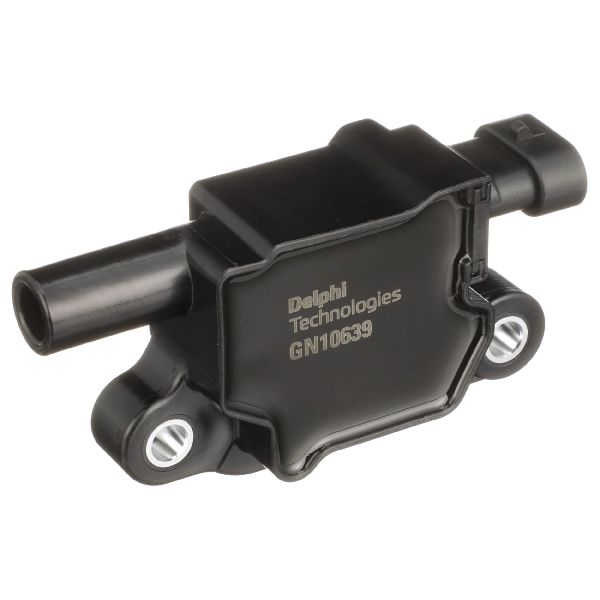
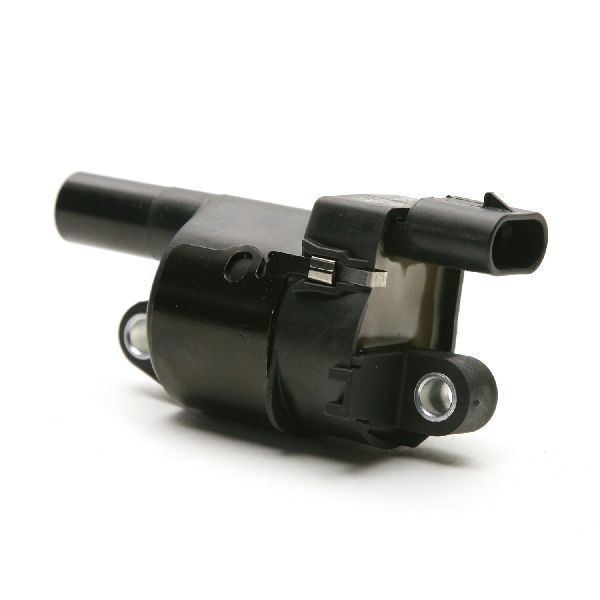
Est. part cost: $5-$15 per plug - Failed Ignition Coil 🟡 Medium Probability → Shop Ignition Coil
How to confirm: The easiest way is to swap the cylinder 1 ignition coil with another cylinder (e.g., cylinder 3). Clear the codes and drive the vehicle. If the code changes to P0303, the coil is faulty.
Typical fix: Replace the failed ignition coil. It is a simple, single-bolt component located on the valve cover.
Est. part cost: $40-$90 - Bad Spark Plug Wire 🟡 Medium Probability → Shop Spark Plug TSB #PIP4819A directly calls out inspecting spark plug wires for looseness as a cause for misfires on these vehicles. Heat and age can also cause the wire's internal resistance to increase.
How to confirm: Visually inspect the wire for damage, cracks, or burns. Ensure it is securely connected at both the ignition coil and the spark plug. You can also test its resistance with a multimeter; a high or infinite reading indicates a bad wire.
Typical fix: Replace the spark plug wire. It is often recommended to replace the full set.
Est. part cost: $50-$100 for a set - Clogged or Failed Fuel Injector ⚪ Low Probability → Shop Fuel Injector
How to confirm: After ruling out ignition problems, you can swap the cylinder 1 fuel injector with another cylinder. If the misfire code follows the injector, it is the cause. This is more labor-intensive than an ignition coil swap.
Typical fix: Replace the faulty fuel injector.
Est. part cost: $50-$120
Rare But Worth Checking
- Intake Manifold Gasket Leak: → Shop Engine Intake Manifold A vacuum leak near the intake runner for cylinder 1 can lean out the air/fuel mixture and cause a misfire. This would likely be accompanied by lean codes like P0171 or P0174.
- Broken Valve Spring: A broken valve spring can prevent the valve from closing properly, causing a loss of compression and a misfire. This can sometimes occur as a consequence of AFM lifter issues or on its own.
- Low Engine Compression: Beyond a failed lifter or broken spring, low compression can be caused by more severe issues like a bent valve, worn piston rings, or a damaged cylinder head. A compression test is needed to diagnose this.
Diagnosis Steps
- Read the code with an OBD-II scanner to confirm P0301 and check for any other codes.
- Check if the Check Engine Light is steady or flashing. A flashing light indicates a severe misfire requiring immediate attention to prevent catalytic converter damage.
- Locate cylinder 1. On GM V8 engines, it is the front-most cylinder on the driver's side.
- Swap the ignition coil from cylinder 1 with the coil from cylinder 3. Clear the codes and run the engine. If the code returns as P0303, the ignition coil is bad.
- If the code remains P0301, swap the spark plug from cylinder 1 to cylinder 3. If the code moves to P0303, the spark plug is the issue. Inspect the old plug for signs of wear, oil fouling, or damage.
- Inspect the spark plug wire for a secure fit and any signs of damage, as noted in TSB #PIP4819A. Test its resistance with a multimeter if possible.
- If ignition components are good, listen for a distinct ticking or chirping sound from the driver's side valve cover area, a strong sign of a lifter issue.
- Perform a compression test on cylinder 1. A significantly lower reading compared to other cylinders points to a mechanical problem.
- If compression is low, remove the driver's side valve cover. Inspect the valve springs for breakage and check for a bent pushrod. Have a helper crank the engine to see if the rocker arms for cylinder 1 are moving with the same range of motion as others. Lack of movement indicates a collapsed lifter. 🎬 Watch: How to diagnose and replace a collapsed AFM lifter.
Parts You'll Likely Need
- Spark Plug
(OEM #41-162)— Spark plugs are a common wear item and are frequently the cause of a single-cylinder misfire. The OEM ACDelco plug is Iridium and should not be gapped upon installation.
Trusted brands: ACDelco
OEM price range: $10-$15
Aftermarket price range: $5-$12 - Ignition Coil
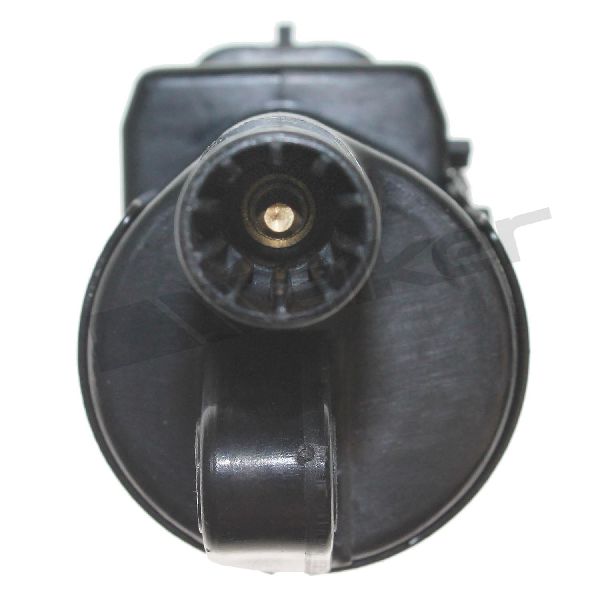
(OEM #12619161)— Ignition coils provide the spark and can fail over time, leading to a misfire. They are a common failure point for this code and easy to diagnose by swapping.
Trusted brands: ACDelco, Delphi
OEM price range: $70-$100
Aftermarket price range: $40-$70 - AFM/DOD Lifter Replacement Kit — A collapsed or stuck AFM lifter is a very common and well-documented cause of P0301 on these specific GM V8 engines. A full kit is often needed for repair or for a complete AFM delete.
Trusted brands: ACDelco, Texas Speed & Performance, Brian Tooley Racing (BTR), Melling
OEM price range: $400-$800
Aftermarket price range: $300-$600 - Spark Plug Wire Set
(OEM #9748RR (ACDelco))— A loose or damaged spark plug wire can cause a weak or no-spark condition, as mentioned in TSB #PIP4819A.
Trusted brands: ACDelco, NGK
OEM price range: $60-$90
Aftermarket price range: $40-$70
Related Codes That Often Appear With This One
- P0300 — If the condition causing the P0301 is intermittent or begins to affect other cylinders (common with AFM lifter issues), a P0300 (Random/Multiple Cylinder Misfire) code may also be stored.
- P0171 / P0174 — If the misfire is caused by a vacuum leak (like an intake gasket), the engine may run lean, triggering these codes for 'System Too Lean'.
Technical Service Bulletins (TSBs) & Recalls
- PIP4819A: Notes that loose spark plug wires can cause misfire codes P0300-P0308.
- PIP4525D: Points to oil-fouled or cracked spark plugs as a cause for misfires, specifically mentioning P0301.
- 15-06-01-002F: Describes engine misfire/tick noise (P0300) resulting from a mechanically collapsed or stuck AFM lifter, advising camshaft inspection during repair.
Platform-Specific Known Issues
- Active Fuel Management (AFM) Lifter Failure: This is the most significant vehicle-specific issue. The system is designed to improve fuel economy by shutting down four of the eight cylinders under light load. However, the specialized lifters are prone to failure, often getting stuck in a collapsed state. This results in the valve for that cylinder not opening, causing a dead misfire and codes like P0301. This issue is so common that many owners opt for an 'AFM delete' during the repair.
- Oil Consumption and Fouled Plugs: TSB #PIP4525D links engine misfires (P0301) with oil consumption and oil-fouled spark plugs. This suggests that piston rings or other issues may allow oil into the combustion chamber, which then ruins the spark plug and causes the misfire.
Mechanic-Grade Diagnostic Values
- Ignition Coil Primary Winding Resistance — expected: 0.4 - 2.0 Ohms. Failure: A reading outside this range, especially an open (infinite) or shorted (zero) circuit, indicates a faulty coil.
- Ignition Coil Secondary Winding Resistance — expected: 6,000 - 10,500 Ohms. Failure: A reading significantly outside this range points to a failure in the secondary windings of the coil.
- Short Term Fuel Trim (STFT) at Idle — expected: -10% to +10%. Failure: Sustained values outside this range indicate the PCM is trying to correct a rich (negative) or lean (positive) condition.
- Long Term Fuel Trim (LTFT) Behavior — expected: Should be close to 0% and stable across RPM ranges.. Failure: A high positive LTFT at idle that returns to normal at 1,500-2,500 RPM is a classic sign of a vacuum leak.
- Engine Compression (Static) — expected: Typically 150 PSI or higher, with less than 15% variation between cylinders.. Failure: A reading of 90 PSI, as seen in one owner's diagnostic process, is a clear indicator of a mechanical engine problem on that cylinder.
Hidden / Shadow Codes Worth Checking
- Misfire Counter: GM's diagnostic software (Tech2/GDS2) provides a live data parameter showing the number of misfire events per cylinder. A P0301 is set only after this counter exceeds a pre-determined threshold. It is not a separate code but a critical data point for diagnosis. (see via A professional scan tool with GM-specific software, such as a Tech2 (pre-2014) or GDS2 (2014+).)
Scan Tool Commands That Help
- GDS2 / Tech2: Injector Balance Test — After ruling out ignition issues, this test individually fires each fuel injector while monitoring fuel pressure drop. A cylinder with a smaller pressure drop indicates a clogged or failing injector. This is a definitive way to test an injector without swapping it.
- GDS2 / Tech2: AFM Solenoid Control — Allows a technician to manually command the Active Fuel Management solenoids on and off to verify the electrical side of the system is functioning, helping to isolate a mechanical lifter problem from an electrical control problem.
Wiring & Ground Locations
- G104 — On the front of the left (driver's side) cylinder head on 2008-2014 models.. This is a primary engine ground. A poor connection here can cause erratic behavior in sensors and ignition components, potentially leading to misfires.
- G103 — On the front of the right (passenger's side) cylinder head on 2008-2014 models.. Another crucial engine ground. Both G103 and G104 should be checked for corrosion and tightness when diagnosing any electrical or misfire issue.
- G102 — Located at the left rear of the engine, responsible for grounding all 8 ignition coils.. Since this single point grounds all coils, a loose or corroded connection here can cause weak spark and random misfires, including a P0301.
- Frame Grounds (2015+) — Located on the frame right behind both front wheels.. This location is highly susceptible to water and road salt, leading to corrosion that can cause a host of electrical issues, including misfires. They require specific inspection on 2015 models.
Real Owner Repair Stories
- Chevrolet Forum user (2008 Tahoe 5.3L, ~297,000km) — P0301 code, rough running engine.
❌ Tried (didn't work) Replacing ignition coil and spark plug on cylinder 1.
✅ What actually fixed it The initial diagnosis was a collapsed AFM lifter on cylinder 1. The driver's side bank of lifters was replaced. However, the P0301 code returned less than 1,000km later, indicating a repeat failure or a misdiagnosis of the root cause. - Tahoe Yukon Forum user (2013 Tahoe 5.3L) — Started as P0300 (random misfire), then settled on P0302 (cylinder 2 misfire).
❌ Tried (didn't work) Replacing all spark plugs and wires., Replacing all ignition coils.
✅ What actually fixed it The user performed a compression test after all ignition parts failed to solve the issue. The misfiring cylinder showed only 90 PSI, confirming a mechanical engine problem (likely valve train or piston rings), not an ignition or fuel issue.
OEM Part Supersession History
12619161→12723610— Standard part evolution and replacement by manufacturer.
Heads up: The new part number, 12723610, is the correct direct replacement for 12619161.AFM Lifter (Gen IV)→DFM Lifter (Gen V)— The newer lifter designed for Dynamic Fuel Management (DFM) in Gen V engines is backward-compatible with older Gen IV AFM systems.
Heads up: While the new DFM lifter (e.g., Elgin HL-7025) can be used in older AFM engines, the original AFM lifter (e.g., Elgin HL-7011) CANNOT be used in the newer DFM engines.
Model Year Variations Within This Range
- 2008-2014: These models use the Gen IV V8 engine family (e.g., LY5, LC9, LMG). They feature the original Active Fuel Management (AFM) system which deactivates 4 cylinders (1, 4, 6, 7).
- 2015: The 2015 model year introduced the new K2XX platform with the Gen V EcoTec3 engine family (e.g., L83, L86). While they still use AFM and the same lifters as late Gen IV, the engine architecture, oiling system, and intake design are different. Some reports suggest a higher lifter failure rate in early Gen V engines compared to their predecessors.
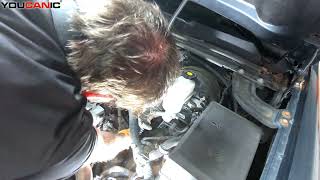
Helpful Videos
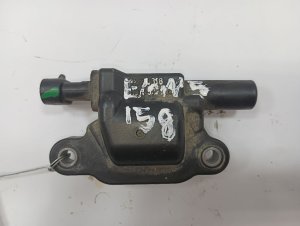
Used OEM Parts in Stock
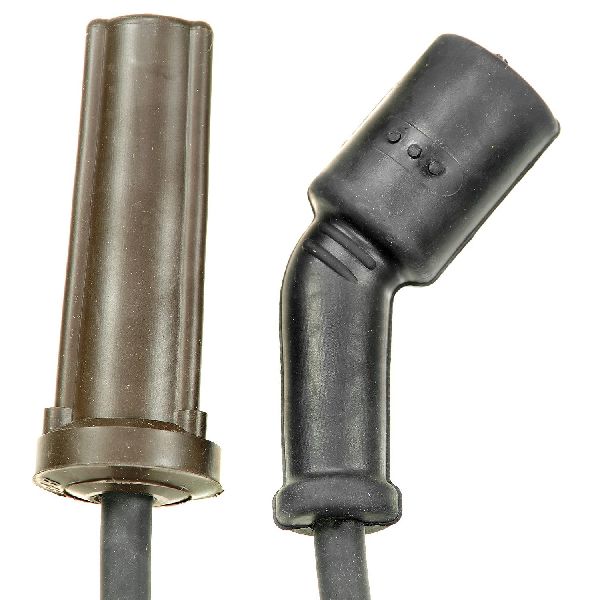
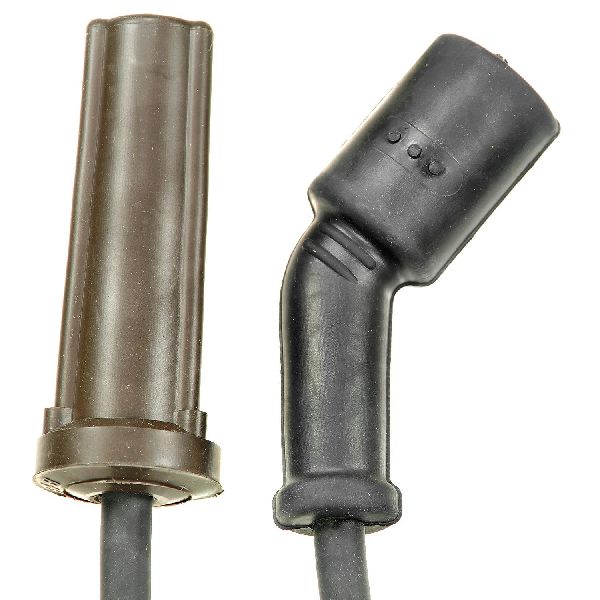
New Aftermarket Parts Available


The information in this article is provided for general reference and educational purposes only. Vehicle specifications, procedures, and part compatibility can vary by production date, trim level, and region. Always consult your vehicle's factory service manual and verify part numbers before purchasing or performing repairs. Safety-critical components such as airbags, seat belts, and braking systems should be installed by a qualified professional.
- Gmc YUKON:
- 🧭 Diagnostic Flowchart
- 🎬 Helpful Videos
- 🛍️ Shop This Part
- What's Unique About the 2008-2015 Gmc YUKON
- Symptoms You May Notice
- Most Likely Causes
- Rare But Worth Checking
- Diagnosis Steps
- Parts You'll Likely Need
- Related Codes That Often Appear With This One
- Technical Service Bulletins (TSBs) & Recalls
- Platform-Specific Known Issues
- Mechanic-Grade Diagnostic Values
- Hidden / Shadow Codes Worth Checking
- Scan Tool Commands That Help
- Wiring & Ground Locations
- Real Owner Repair Stories
- OEM Part Supersession History
- Model Year Variations Within This Range
- 🎟️ Get 5% Off