

P0301 on 2017-2019 Honda Pilot: Cylinder 1 Misfire Causes and Fixes
On a 2017-2019 Honda Pilot, a P0301 code is most often caused by a faulty fuel injector in cylinder 1. Honda has acknowledged this issue with Technical Service Bulletins (A18-025, 21-010) and a warranty extension. Other common causes include a worn spark plug or a bad ignition coil, but the injector issue is specific and well-documented for this direct-injection engine.
- P0301 on a 2017-2019 Pilot is very likely a bad fuel injector in cylinder 1.
- Before paying for repairs, check with a Honda dealer if your VIN is covered by the 10-year/150,000-mile warranty extension for fuel injectors.
- Do not drive if the check engine light is flashing, as this can cause expensive damage to your catalytic converter.
- Simple diagnostic steps, like swapping the ignition coil and spark plug to other cylinders, can help you confirm if the injector is the problem before starting a more complex repair.
What's Unique About the 2017-2019 Honda PILOT
The 2017-2019 Honda Pilot, equipped with the 3.5L J35Y6 direct-injection V6 engine, is known for a specific fuel injector problem. Honda issued Technical Service Bulletin A18-025, later superseded by TSB 21-010, because debris from the high-pressure fuel pump or the injector manufacturing process could clog or damage the fuel injectors, leading to misfires. As a result, a P0301 code on this vehicle has a higher-than-usual probability of being caused by the fuel injector itself, rather than more common ignition system components.
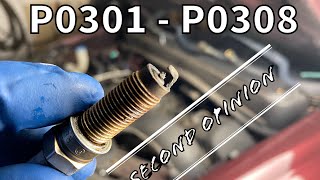
🎬 Watch: A real-world diagnosis of a P0301 misfire on this engine.Diagnostic Flowchart
Tap your situation to follow the diagnostic path that matches what you're seeing on this vehicle.
Symptoms You May Notice
- Flashing or steady Check Engine Light
- Rough or vibrating idle
- Engine hesitation or stumbling during acceleration
- Noticeable loss of power
- Reduced fuel economy, with some owners reporting a drop of nearly 10% even after the injector replacement fix.
- Engine knocking sound, as reported by an owner of a 2019 Pilot.
- Shaking or shuddering, especially when the VCM (Variable Cylinder Management) system engages.
- Replacing only the spark plug or ignition coil without considering the known fuel injector issue. An owner might replace these parts, only for the P0301 code to return because the underlying injector problem was not addressed. This is a common experience shared in owner forums.
Most Likely Causes
- Faulty Fuel Injector 🔴 High Probability → Shop Fuel Injector Honda TSB A18-025 and TSB 21-010 directly address this issue, stating that debris from the high-pressure fuel pump or injector machining can cause clogging or internal wear. This is a widely recognized problem for this engine platform, affecting not just the Pilot but also the Odyssey and Ridgeline.
How to confirm: After ruling out spark and ignition, a technician can perform a fuel injector balance test or a cylinder AF test as described in the TSB. A DIY method involves swapping the injector with another cylinder's to see if the misfire code follows (e.g., P0301 becomes P0302), though this is labor-intensive and requires relieving fuel pressure and replacing seals. Before attempting a repair, check VIN eligibility for the warranty extension.
Typical fix: Replace the faulty fuel injector. Due to the nature of the problem, Honda's TSB recommends replacing all six fuel injectors with the updated part kit (Part No. 06160-RLV-305). Honda extended the warranty for this issue on many vehicles to 10 years or 150,000 miles.
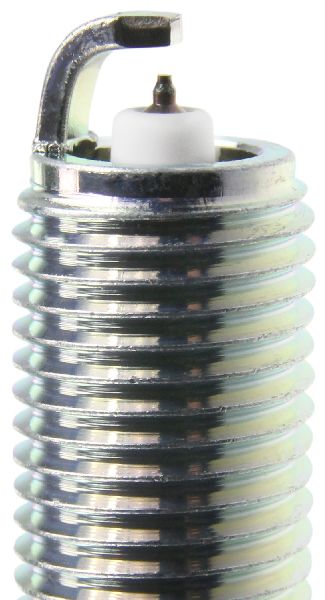
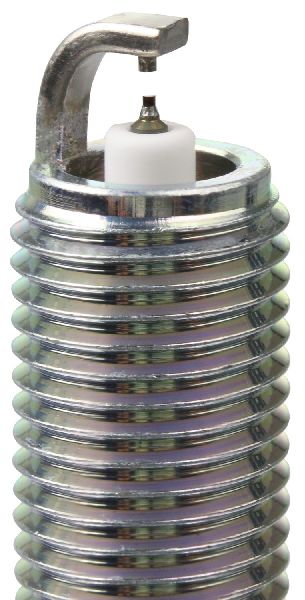
Est. part cost: $50-$150 per injector - Worn or Fouled Spark Plug 🟡 Medium Probability → Shop Spark Plug Spark plugs are a routine maintenance item. While the direct-injection J35Y6 is less prone to the VCM-related oil fouling seen in older J35Z engines, plugs can still foul from oil consumption or carbon buildup. A fouled plug is a very common cause for a single-cylinder misfire.
How to confirm: Remove the spark plug from cylinder 1 and inspect it. Look for heavy carbon deposits, oil fouling, or a worn/damaged electrode. A simple test is to swap the cylinder 1 spark plug with another cylinder's plug (e.g., cylinder 4) and see if the misfire code moves to P0304.
Typical fix: Replace the spark plug. It is best practice to replace all six spark plugs at the same time using the correct OEM-spec plugs.
Est. part cost: $20-$35 per plug for OEM brands like NGK or Denso. - Faulty Ignition Coil ⚪ Low Probability → Shop Ignition Coil
How to confirm: Swap the ignition coil from cylinder 1 with a coil from another cylinder (e.g., cylinder 2). Clear the codes and drive the vehicle. If the code changes to P0302, the ignition coil is faulty.
Typical fix: Replace the bad ignition coil. It is recommended to use an OEM or high-quality aftermarket brand like Hitachi, Denso, or NGK.
Est. part cost: $40-$100
Rare But Worth Checking
- Carbon Buildup on Intake Valves: The J35Y6 engine uses direct injection, which can lead to carbon deposits on the intake valves over time because fuel is no longer sprayed over them, which would normally keep them clean. This can restrict airflow and cause misfires, especially at higher mileage. A walnut blasting service may be required to clean the valves.
- Low Engine Compression: While not common, internal engine issues like worn piston rings or a problem with the cylinder head gasket could cause a loss of compression in cylinder 1, leading to a persistent misfire. This is a more serious issue that requires a mechanical compression test to diagnose.
- VCM (Variable Cylinder Management) Issues: Though the most severe VCM-related oil consumption issues plagued earlier generations, the system is still active on the J35Y6. Constant cycling can contribute to wear on piston rings over time, potentially leading to oil fouling on spark plugs in the affected cylinders (1-4). Some owners install a 'VCM Muzzler' to prevent the system from activating.
Diagnosis Steps
- Read the code with an OBD-II scanner to confirm P0301 and check for any other codes, especially P030x, P219A/B, or P0420/P0430.
- Note if the Check Engine Light is flashing, which indicates a severe, catalyst-damaging misfire. Avoid driving if possible.
- Before any repairs, contact a Honda dealer with your Vehicle Identification Number (VIN) to check for eligibility under the fuel injector warranty extension (TSB 21-010), which covers the issue for 10 years or 150,000 miles. Even if the VIN is not listed, some owners have had success with 'goodwill' claims.
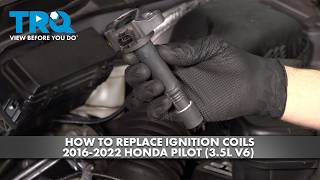
- If not covered by warranty, proceed with diagnosis. To rule out the ignition system, swap the ignition coil from cylinder 1 (rear bank, passenger side) with cylinder 2 (rear bank, middle). Clear the codes and test drive. If the code changes to P0302, the coil is bad. 🎬 See this walkthrough on how to replace an ignition coil.
- If the misfire remains on cylinder 1, swap the spark plug from cylinder 1 with cylinder 4 (front bank, passenger side). Clear codes and test drive. If the code changes to P0304, the spark plug is bad.
- If the misfire still remains on cylinder 1 after swapping the coil and plug, the fuel injector is the most likely cause, given the known issues with this engine.
- If the injector is the cause, replacement of all six injectors with the updated kit is the recommended procedure. If the issue persists, further diagnosis for vacuum leaks or mechanical engine problems (like a compression test) is needed.
Parts You'll Likely Need
- Fuel Injector Kit
(OEM #06160-RLV-305)— This is the most probable cause of P0301 on this vehicle, as documented by Honda's TSBs. The kit includes all six updated injectors and required seals.
Trusted brands: Honda (OEM)
OEM price range: $400-$600 (for a set of 6)
Aftermarket price range: $250-$450 (for a set of 6) - Spark Plug
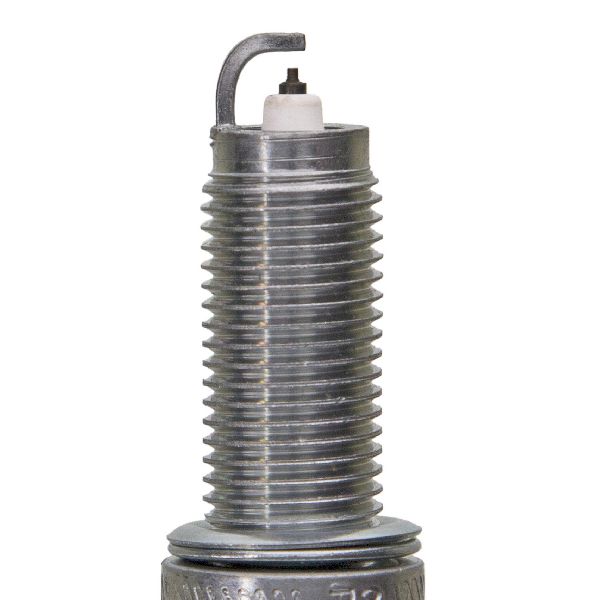
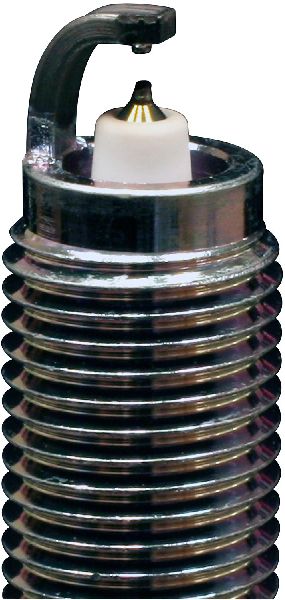
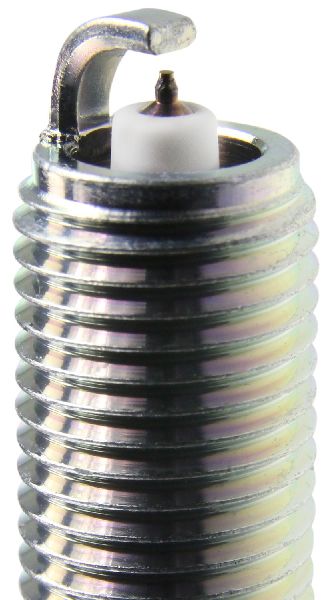
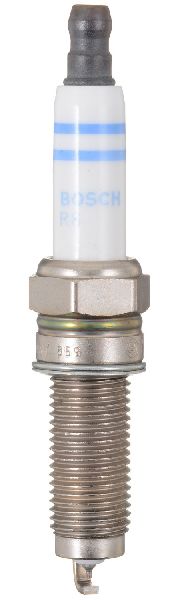
(OEM #12290-R70-A01 (NGK ILZKR7B11) or 12290-R9P-A01 (NGK DILZKR7A11G))— A worn or fouled spark plug is a common cause for a single-cylinder misfire and is a standard maintenance item. It's critical to use the correct OEM spec plug.
Trusted brands: NGK, Denso
OEM price range: $20-$35
Aftermarket price range: $15-$25 - Ignition Coil
(OEM #30520-5G0-A01)— An ignition coil provides the spark. While less common to fail than injectors on this platform, it's a primary cause of misfires in general.
Trusted brands: Honda (OEM), Hitachi, Denso, NGK
OEM price range: $60-$90
Aftermarket price range: $40-$80
Related Codes That Often Appear With This One
- P0300 — This is a 'Random Misfire' code. It may appear alongside P0301 if the misfire is intermittent or if other cylinders are also beginning to misfire due to the systemic fuel injector issue.
- P0302, P0303, P0304, P0305, P0306 — These codes indicate misfires in other cylinders. Seeing multiple cylinder misfire codes strongly points towards a systemic issue like the fuel injector problem described in TSB A18-025 and 21-010.
- P219A / P219B — These codes indicate an air-fuel ratio imbalance between cylinders. They are specifically mentioned in TSB A18-025 and 21-010 as being directly related to the faulty fuel injector issue.
- P0420 / P0430 — Catalyst System Efficiency Below Threshold. TSB 21-010 notes that the PCM software may misinterpret the effects of a faulty injector as a bad catalytic converter, or a severe misfire could actually damage the converter. The warranty extension covers this scenario as well.
Technical Service Bulletins (TSBs) & Recalls
- A18-025: 'MIL Comes On with DTC P0300-P0306 or P219A/B'. This TSB identifies that debris from the high-pressure fuel pump or injector machining can cause fuel injectors to fail, leading to misfires, and recommends replacing all injectors. This TSB was later superseded.
- 21-010: 'Warranty Extension: MIL Comes On with DTC P0420/P0430, P030x, and/or P219A/B (Without Software Update)'. This bulletin supersedes A18-025 and expands the scope, extending the warranty for the fuel injector issue to 10 years or 150,000 miles and acknowledging related DTCs.
Platform-Specific Known Issues
- A widespread fuel injector issue affects 2017-2019 Pilots, caused by manufacturing debris leading to clogging or failure. This prompted Honda to issue TSB A18-025 and a subsequent warranty extension (TSB 21-010) covering the repair for 10 years or 150,000 miles for eligible vehicles. The repair involves replacing all six injectors with an updated kit.
Mechanic-Grade Diagnostic Values
- Ignition Coil Primary Resistance — expected: 0.4 to 2.0 ohms. Failure: A reading outside this range suggests a faulty coil.
- Ignition Coil Secondary Resistance — expected: 6,000 to 10,000 ohms. Failure: A reading outside this range, or an open circuit (infinite resistance), indicates a faulty coil.
- Short-Term Fuel Trim (STFT) at steady RPM — expected: -10% to +10%. Failure: Sustained values significantly outside this range can indicate a vacuum leak (high positive), or a rich condition that the PCM is trying to correct.
- Long-Term Fuel Trim (LTFT) at steady RPM — expected: Close to 0%. Failure: High positive or negative values indicate a chronic fuel mixture problem that the PCM has learned and is compensating for.
- Ignition Coil Bolt Torque — expected: 12 Nm (9 ft-lbs). Failure: N/A - This is an installation specification.
Hidden / Shadow Codes Worth Checking
- Mode 6 Misfire Counts: This is not a specific code but a function within advanced scan tools. It allows viewing of raw misfire counts per cylinder, even if they haven't reached the threshold to set a P030x code. This is invaluable for detecting intermittent or developing misfires. (see via An advanced OBD-II scanner or dealer-level tool like the Honda HDS with Mode 6 data capability.)
Scan Tool Commands That Help
- Honda HDS (Honda Diagnostic System): DTC & Freeze Data — Use to read the specific DTC (P0301) and the associated freeze frame data, which shows the engine conditions (RPM, load, temp, etc.) at the moment the fault was first detected.
- Honda HDS (Honda Diagnostic System): CKP Pattern Clear — This function erases the learned crankshaft position sensor pattern. It should be used after repairs for a misfire are completed to allow the PCM to relearn the pattern with the new components.
- Honda HDS (Honda Diagnostic System): All DTC Check / Clear — The i-HDS software can perform a rapid check of all vehicle systems for DTCs in about 20 seconds. This is useful for getting a complete vehicle health overview before focusing on the engine misfire.
Wiring & Ground Locations
- G1 / Battery Ground Cable — Main ground connection from the battery negative terminal to the chassis.. A poor main ground can cause a host of electrical issues, including weak spark and erratic sensor readings, which could contribute to a misfire.
- G2 / Engine Ground Cable — A ground strap connecting the engine block directly to the chassis.. This is a critical ground for the ignition system. The ignition coils are grounded through the cylinder head to the engine block. A corroded or loose engine ground can cause a weak or inconsistent spark, leading to misfires.
- G3 / Transmission Ground Cable — A ground strap connecting the transmission case to the chassis.. While less direct, this ground is part of the overall powertrain grounding scheme. A fault here could potentially create electrical noise or voltage drop issues affecting the PCM and its sensors.
- Fender Ground Bolt Location — Some owners have identified a threaded hole on the fender near the battery area, which can be used to establish a more accessible and reliable ground point for jump-starting or diagnostics.. During diagnostics, having a clean, solid ground point is crucial for accurate voltage and resistance measurements of ignition and fuel system components.
Real Owner Repair Stories
- YouTube user Robinson's Automotive (2011 Honda Pilot (Note: Gen 2, but diagnostic process is identical)) — P0301 cylinder 1 misfire code stored. Another shop diagnosed as needing piston rings for $3,960.
❌ Tried (didn't work) The initial diagnosis from another shop pointed to a major internal engine issue (worn piston rings).
✅ What actually fixed it The technician swapped the spark plug from cylinder 1 with the spark plug from cylinder 4. The misfire code then changed to P0304, proving the spark plug was the sole cause of the misfire. The oil-fouled appearance was from the misfire itself, not necessarily catastrophic engine failure. - Reddit user on r/hondapilot (2012 Honda Pilot (Gen 2)) — Persistent P0301 code, terrible gas mileage (7-12 MPG).
❌ Tried (didn't work) Replaced spark plug in cylinder 1., Replaced ignition coil in cylinder 1., Moved the new coil from cylinder 1 to cylinder 2, but the P0301 code remained (did not move to P0302).
✅ What actually fixed it The user's issue was not resolved in the thread, but other users strongly suggested the next step was to investigate the fuel injector for cylinder 1, or a VCM (Variable Cylinder Management) related issue causing oil fouling, which is a known problem on that generation. This highlights the common misdiagnosis pattern where spark and coil are replaced, but the injector or a VCM issue is the true root cause.
OEM Part Supersession History
A18-025 (TSB Number)→21-010 (TSB Number)— The 21-010 bulletin expanded the warranty extension and superseded the previous TSB, incorporating more DTCs (like P0420/P0430) that were found to be related to the primary fuel injector fault.Not specified, multiple revisions likely exist.→06160-RLV-305 (Fuel Injector Kit)— This is the updated part kit specified by Honda in TSB 21-010 to resolve the injector clogging/failure issue. It includes all 6 injectors and necessary seals for the replacement job.
Heads up: Using older stock or individual non-updated injectors may lead to a repeat failure. The TSB recommends replacing all six injectors as a set with this kit.
Helpful Videos
We Have This Part in Stock

The information in this article is provided for general reference and educational purposes only. Vehicle specifications, procedures, and part compatibility can vary by production date, trim level, and region. Always consult your vehicle's factory service manual and verify part numbers before purchasing or performing repairs. Safety-critical components such as airbags, seat belts, and braking systems should be installed by a qualified professional.
- Honda PILOT:
- 🧭 Diagnostic Flowchart
- 🎬 Helpful Videos
- 🛍️ Shop This Part
- What's Unique About the 2017-2019 Honda PILOT
- Symptoms You May Notice
- Most Likely Causes
- Rare But Worth Checking
- Diagnosis Steps
- Parts You'll Likely Need
- Related Codes That Often Appear With This One
- Technical Service Bulletins (TSBs) & Recalls
- Platform-Specific Known Issues
- Mechanic-Grade Diagnostic Values
- Hidden / Shadow Codes Worth Checking
- Scan Tool Commands That Help
- Wiring & Ground Locations
- Real Owner Repair Stories
- OEM Part Supersession History
- 🎟️ Get 5% Off