

P0301 on 2006-2010 Hummer H3: Cylinder 1 Misfire Causes and Fixes
P0301 on a Hummer H3 is a misfire on cylinder 1. While it can be a simple fix like a spark plug or ignition coil, these engines are known for a serious valve seat issue in the cylinder head. A compression test is essential before replacing parts to avoid misdiagnosis. Water leaking from the hood grille clips onto the #1 coil is also a very common and specific cause for this code on the H3.
- P0301 on an H3 is a misfire on the front-most cylinder.
- Always check for simple fixes first: a rusted spark plug from a water leak or a bad ignition coil.
- Before spending significant money on parts, a cylinder compression test is MANDATORY for this engine.
- A low compression reading on cylinder 1 strongly suggests the well-known valve seat/cylinder head failure, especially on 2006-2007 models.
- Do not ignore a flashing check engine light, as it can lead to expensive catalytic converter damage.
What's Unique About the 2006-2010 Hummer H3
The Hummer H3's inline-five engines (3.5L L52 and 3.7L LLR), shared with the Chevy Colorado and GMC Canyon, have a well-documented and notorious history of premature valve seat wear. This defect, most common on 2006-2007 models, causes a loss of compression that results in a persistent misfire that standard tune-up parts like spark plugs and coils cannot fix. While GM issued technical service bulletins (like PIP4013D) and a special warranty for some early models, any H3 owner with a persistent P0301 code must consider this serious mechanical flaw as a high-probability cause after ruling out basic ignition and fuel issues. Additionally, the design of the hood air grille makes the #1 cylinder uniquely susceptible to water intrusion, which corrodes the coil and spark plug.
Generation note: The 2006-2010 H3 is a single vehicle generation, but the engine changed. The 2006 model used the 3.5L L52 I5, which is the most susceptible to the cylinder head valve seat failure. From 2007-2010, the H3 used the 3.7L LLR I5. While early 2007 models (built before March 2007) can still have the issue, the problem was largely corrected for the 2008 model year with a revised cylinder head design.
Symptoms You May Notice
- Rough or shaking idle, which can feel like a significant vibration when stopped at a light
- Flashing or solid Check Engine Light
- Noticeable loss of power and poor acceleration
- Stuttering or hesitation from the engine during acceleration
- Reduced fuel economy
- Engine stalling when coming to a stop
- Replacing only ignition coils and spark plugs repeatedly without performing a compression test, especially on 2006-2007 models. Many owners waste money on tune-up parts when the root cause is the cylinder head.
- Immediately assuming a cylinder head failure on a 2008+ model without first thoroughly checking for the common water leak onto cylinder 1 or swapping the coil and plug.
Most Likely Causes
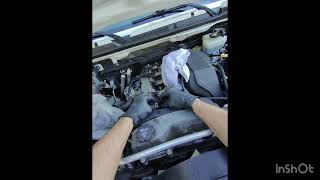
- Worn or Faulty Spark Plug 🔴 High Probability → Shop Spark Plug Water from a leaking hood panel clip can drip directly onto the #1 ignition coil, causing the spark plug and coil boot to rust and fail. This is a widely reported issue in owner forums. 🎬 Watch: How water leaks from the hood cause cylinder misfires
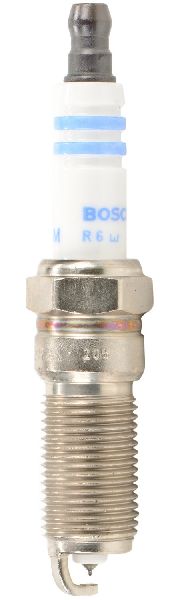
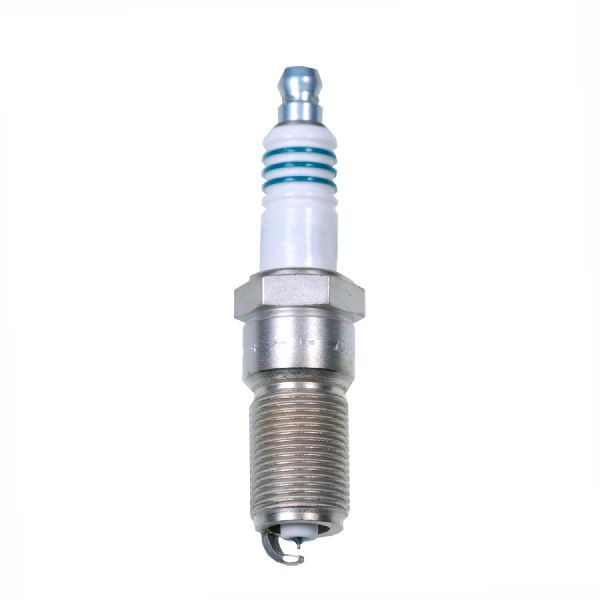
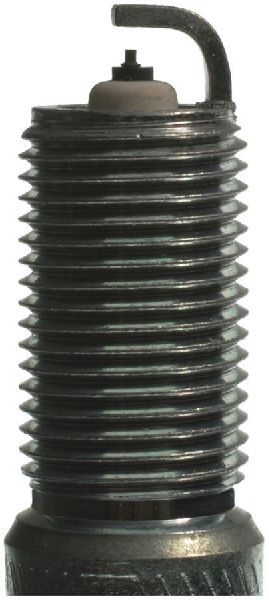
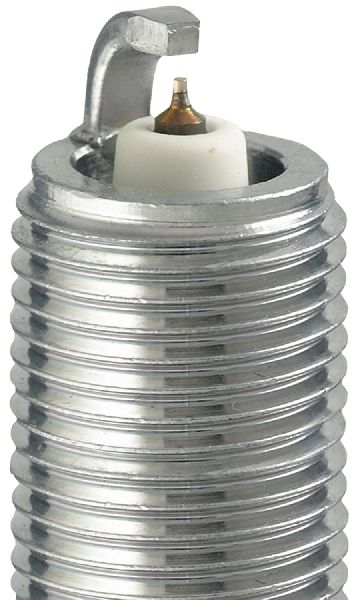
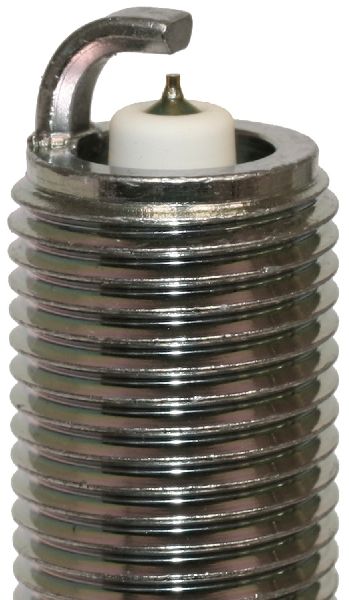
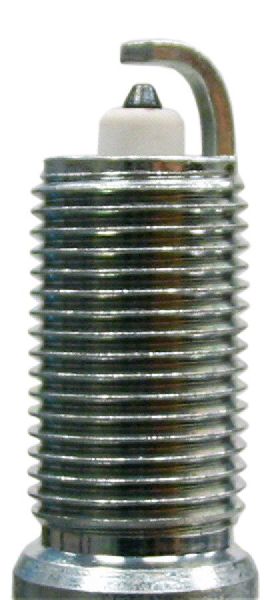
How to confirm: Remove the ignition coil and spark plug from cylinder 1. Inspect for heavy wear, fouling, corrosion, or an incorrect gap. The OEM ACDelco Iridium plugs (41-103) are pre-gapped to 0.043 inches and should not be adjusted.
Typical fix: Replace the spark plug. It is recommended to replace all five at the same time with OEM-spec Iridium plugs (ACDelco 41-103 or equivalent). Apply dielectric grease to the inside of the coil boot, but not on the electrical contacts.
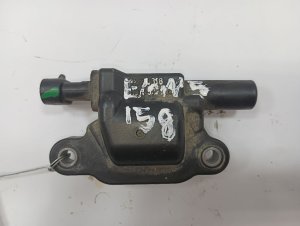
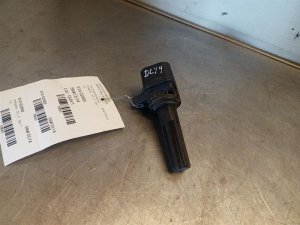
Est. part cost: $10-$20 per plug - Failed Ignition Coil 🔴 High Probability → Shop Ignition Coil
How to confirm: Swap the ignition coil from cylinder 1 with another cylinder (e.g., cylinder 2). This requires a 10mm socket. Clear the codes and drive the vehicle. If the code changes to P0302, the ignition coil is faulty.
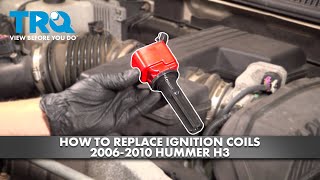
Typical fix: Replace the faulty ignition coil. They are sold individually. The job is DIY-friendly and takes less than 30 minutes. 🎬 See this walkthrough for replacing your ignition coils
Est. part cost: $30-$75 - Premature Valve Seat Wear (Cylinder Head Failure) 🟡 Medium Probability A known manufacturing defect in early L52 and LLR engines used valve seats that were not properly hardened, causing them to wear and fail, leading to a loss of compression. This was most common in 2006-2007 models, particularly those with a VIN ending in a number lower than 287591.
How to confirm: Perform a cylinder compression test after ruling out ignition/fuel parts. A healthy I5 engine should have compression above 150 PSI, ideally closer to 210 PSI. A significantly lower reading in cylinder 1, followed by a failed cylinder leak-down test showing air escaping from the exhaust, confirms a mechanical sealing issue.
Typical fix: This is a major repair requiring the replacement of the entire cylinder head with an updated/remanufactured unit that has hardened valve seats. Some owners have received 'goodwill' assistance from GM even out of warranty.
Est. part cost: $600-$1200 for a remanufactured head, with total shop repair costs ranging from $2600 to over $4500. - Clogged or Faulty Fuel Injector ⚪ Low Probability → Shop Fuel Injector
How to confirm: After confirming spark, you can swap the fuel injector from cylinder 1 with another cylinder. If the misfire code moves to the new cylinder, the injector is the cause. You can also listen to the injector with a mechanic's stethoscope to ensure it is clicking.
Typical fix: Replace the faulty fuel injector. Running a quality fuel system cleaner like Techron is a good first step before mechanical replacement.
Est. part cost: $40-$90
Rare But Worth Checking
- Faulty Camshaft Position Actuator Solenoid: → Shop Engine Camshaft This can cause timing issues that may lead to misfires, often accompanied by codes like P0014 or P0017. The solenoid screens can get clogged with debris. It is a common failure item and relatively easy to replace.
- Intake Manifold or Gasket Leak: → Shop Engine Intake Manifold A vacuum leak near the cylinder 1 intake runner can lean out the air/fuel mixture enough to cause a misfire. This would typically be accompanied by a hissing sound and possibly a lean code (P0171).
Diagnosis Steps
- Retrieve the freeze frame data with an OBD-II scanner to see the engine conditions when the misfire occurred.
- Inspect the ignition coil and spark plug for cylinder 1 (front-most cylinder). Look for signs of moisture, rust, or damage, which strongly indicates a leaking hood clip. A forum user noted their #1 plug well was full of water and rust.
- If the spark plug is worn or fouled, replace all five plugs with high-quality Iridium plugs (e.g., ACDelco 41-103). These are pre-gapped and should not be adjusted.
- Swap the ignition coil from cylinder 1 to cylinder 2 using a 10mm socket. Clear the codes. If the code returns as P0302, the coil is bad and needs replacement.
- If the code remains P0301, the issue is not the coil. The next step is a compression test.
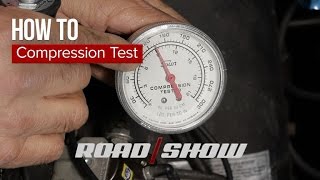
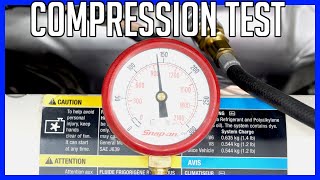
- Perform a dry compression test on all cylinders. 🎬 Watch: How to perform a compression test on your engine A significant drop in pressure on cylinder 1 (below 150 PSI) points to a mechanical problem.
- If compression is low, perform a cylinder leak-down test to pinpoint the source of the leak (intake valve, exhaust valve, or piston rings). On this engine, it is very likely to be a leaking exhaust valve due to the known head defect.
- If compression and spark are good, consider a faulty fuel injector. You can test this by swapping the injector from cylinder 1 to another cylinder and seeing if the misfire follows.
- Inspect the Camshaft Position Actuator Solenoid. Check for damaged screens or debris. This is a known failure point that can cause misfires.
Parts You'll Likely Need
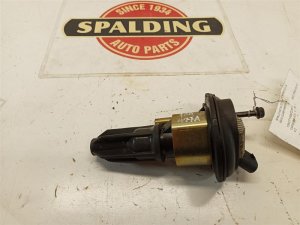
- Ignition Coil
(OEM #12568062 (ACDelco D593A))— A common failure point for misfires and easy to diagnose by swapping between cylinders.
Trusted brands: ACDelco, Delphi, NGK
OEM price range: $50-$75
Aftermarket price range: $30-$50 - Iridium Spark Plug
(OEM #41-103)— Spark plugs are a routine maintenance item and the first part to check for wear or damage, especially from water intrusion on cylinder 1.
Trusted brands: ACDelco, NGK, Bosch
OEM price range: $15-$25
Aftermarket price range: $10-$18 - Cylinder Head Assembly — Required to fix the well-known valve seat failure that causes a permanent misfire which cannot be fixed by tune-up parts.
Trusted brands: ACDelco (Remanufactured), Various aftermarket remanufacturers
OEM price range: $1000-$1500
Aftermarket price range: $600-$1200 - Camshaft Position Actuator Solenoid (VVT)
(OEM #12615873)— A common failure that can cause rough idle, stalling, and misfire codes along with timing codes P0014/P0017.
Trusted brands: ACDelco, Dorman
OEM price range: $40-$60
Aftermarket price range: $25-$45
Related Codes That Often Appear With This One
- P0300 — If the misfire is intermittent or begins to affect other cylinders, a general P0300 (Random Misfire) code may be stored alongside P0301. Sometimes swapping a bad component from cylinder 1 to another can temporarily trigger a P0300 before the specific cylinder code appears.
- P0014 / P0017 — These codes relate to camshaft position timing. A faulty VVT solenoid (Camshaft Position Actuator) can cause both timing codes and misfire codes to appear together as it affects valve timing.
Technical Service Bulletins (TSBs) & Recalls
- PIP4013D - Addresses misfires at idle due to damaged valves or valve seats, recommending a cylinder leakage test for diagnosis and cylinder head replacement if a leaking intake or exhaust valve is found.
- PIP3935D - Also addresses misfire at idle due to leaking intake valves, recommending cylinder head repair or replacement.
- Unnamed TSB for Water Intrusion - A TSB exists that details the water leak from the hood grille, instructing technicians to seal the clip holes with Loctite or 3M Strip Calk to prevent water from reaching the spark plug wells.
Platform-Specific Known Issues
- A known defect in the cylinder heads of 2006-2007 models (and some early 2008s) can cause premature valve seat failure, leading to loss of compression and a persistent P0301 that tune-up parts won't fix.
- The design of the hood's plastic air intake grille allows water to drip from its retaining clips directly onto the #1 ignition coil, causing rust and failure of the coil and spark plug.
Mechanic-Grade Diagnostic Values
- Engine Compression (3.5L L52 / 3.7L LLR) — expected: A new engine should be approximately 215 PSI. A healthy used engine may show 150-175 PSI. The lowest cylinder should not be less than 70% of the highest reading.. Failure: A reading on cylinder 1 significantly below other cylinders (e.g., 120 PSI or lower) strongly suggests a mechanical fault like valve seat wear.
- Engine Oil Pressure (3.7L LLR at operating temperature) — expected: Minimum of 12 PSI at 1200 RPM.. Failure: Consistently low oil pressure can lead to issues with timing components and VVT system, which could indirectly contribute to misfires.
Hidden / Shadow Codes Worth Checking
- Mode $06 Misfire Counters: While not a 'shadow code,' professional scan tools (like the dealer Tech2/GDS2) can access Mode $06 data which includes raw misfire counts for each individual cylinder. This allows a technician to see if other cylinders are experiencing low-level misfires that haven't yet reached the threshold to set a P030x code. (see via Professional-grade OBD-II scanner with Mode $06 capabilities or a GM-specific tool like a Tech2 or GDS2.)
Scan Tool Commands That Help
- Tech2, GDS2, HP Tuners, or other professional scanner: Crankshaft Position System Variation Learn (CASE Relearn) — This procedure is mandatory after replacing the crankshaft position sensor. It synchronizes the PCM with the new sensor's signal. Failing to perform it can cause rough running, stalling, or various DTCs, including misfire codes, as the PCM relies on accurate crank position for ignition timing.
- Tech2, GDS2, or other high-end bidirectional scanner: Cylinder Power Balance Test — This is a primary diagnostic step for a P0301. The tool sequentially deactivates the fuel injector or ignition coil for each cylinder. The technician observes the drop in engine RPM for each. A cylinder with a smaller RPM drop than the others is not contributing as much power, confirming it as the source of the misfire.
Wiring & Ground Locations
- G103 — On the lower left side (driver's side) of the engine block.. This is a primary ground point for the ignition coils. A loose or corroded connection here can cause a weak or intermittent spark on one or more cylinders, leading to misfires.
- G104 — On the left side of the engine block, in front of the starter motor.. This is another critical engine block ground. Poor grounding can affect various sensor readings and actuator functions, including the ignition system.
- G100 — In the engine compartment, mounted to the left front inner fender, behind the battery.. This is a main chassis ground point. While less direct, ensuring all main grounds are clean and tight is crucial for overall electrical system health.
Real Owner Repair Stories
- Hummer Forums user (Hummer H3 (year not specified, but within range)) — Blinking check engine light with code P0301.
✅ What actually fixed it The owner removed the ignition coil and spark plug from cylinder 1 and found the coil boot, top of the spark plug, and the coil well were all rusted. The cause was identified as water leaking from the hood panel clips. Replacing all spark plugs and the ignition coil for cylinder 1 resolved the code and the misfire. - Hummer4x4Offroad user (2007 Hummer H3 with manual transmission) — Poor fuel economy, loss of power, and eventually codes P0300 and P0171.
❌ Tried (didn't work) New coils and plugs, Cleaning MAF and throttle body, Smoke test (which showed no intake leaks)
✅ What actually fixed it Diagnosis, not a final repair, was the key finding. A compression test showed cylinder 5 at 175 PSI, while others were low at 135-150 PSI. A subsequent leak-down test confirmed 30-40% leakage through the intake valves on the low cylinders, definitively pointing to the known valve/head issue as the root cause, even on a 2007 model.
"I Checked Everything" — The Actual Cause
- A common diagnostic path for a misfire accompanied by a lean code (P0171) is to perform a smoke test to find a vacuum leak. In a documented case for the H3, a smoke test came back clean, showing no leaks in the intake manifold. The actual cause was internal engine wear; a leak-down test revealed significant leakage past the intake valves, which was the true source of the engine's running problems and codes.
OEM Part Supersession History
12568078, 12576768, 12597025, 12602516→12615873— Standard part evolution and consolidation for the Camshaft Position Actuator Solenoid (VVT Solenoid).
Heads up: The newest part number, 12615873, is the correct service replacement for all previous versions on this platform.
Model Year Variations Within This Range
- 2007-2010: The 3.7L LLR engine had a slight horsepower rating change. For 2007-2008 models, it was rated at 242 hp. For the 2009-2010 model years, the official rating was revised to 239 hp. This change is minor and does not affect diagnosis of P0301.
Diagnostic Flowchart
Real Owner Stories
Aggregated from forums and TSBs cited above. Mileages and costs reflect what owners reported in those sources.
Hummer H3
Symptoms: Heavily rusted spark plug from cylinder 1.
What fixed it: Traced the issue to a water leak from the hood clips dripping directly onto the cylinder 1 well.
Source hint: Hummer Forums thread titled 'Misfire 1 cylinder'
Hummer H3
Symptoms: The #1 spark plug well was completely full of water and rust.
What fixed it: Traced the water leak directly to the hood grille clips above the engine.
Source hint: Hummer Forums thread titled 'interesting thing... misfire cyl 1'
2006 Hummer H3 — 85000 miles
Symptoms: Cylinder misfire that tune-up parts could not fix.
What fixed it: Dealer diagnosed a bad cylinder head due to the known valve seat defect. Discussed calling GM for 'goodwill' assistance.
Cost: $2600-$2900
Source hint: Hummer4x4Offroad thread titled 'H3 Bad cylinder head :('
2007 Hummer H3
Symptoms: Triggered a P0301 code and was worried about the notorious cylinder head issue.
What fixed it: Advised by a forum moderator that the head issue was primarily for 2006 models and to start with a simple coil swap diagnostic first.
Source hint: Hummer Forums thread titled 'cel p0301 code'
Related OBD-II Codes
Frequently Asked Questions
Why is my 2006 Hummer H3 getting a P0301 code and rust on the cylinder 1 spark plug?
Does the known cylinder head defect apply to my 2008 Hummer H3?
What spark plugs should I use to fix a P0301 on my 3.5L/3.7L I5 engine?
How can I test if the ignition coil is causing my P0301 code?
What does TSB PIP4013D mean for my Hummer H3?
How much does it cost to fix the cylinder head issue on the H3?
Helpful Videos
Used OEM Parts in Stock
New Aftermarket Parts Available

The information in this article is provided for general reference and educational purposes only. Vehicle specifications, procedures, and part compatibility can vary by production date, trim level, and region. Always consult your vehicle's factory service manual and verify part numbers before purchasing or performing repairs. Safety-critical components such as airbags, seat belts, and braking systems should be installed by a qualified professional.
- Hummer H3:
- 🧭 Diagnostic Flowchart
- 🎬 Helpful Videos
- 🛍️ Shop This Part
- What's Unique About the 2006-2010 Hummer H3
- Symptoms You May Notice
- Most Likely Causes
- Rare But Worth Checking
- Diagnosis Steps
- Parts You'll Likely Need
- Related Codes That Often Appear With This One
- Technical Service Bulletins (TSBs) & Recalls
- Platform-Specific Known Issues
- Mechanic-Grade Diagnostic Values
- Hidden / Shadow Codes Worth Checking
- Scan Tool Commands That Help
- Wiring & Ground Locations
- Real Owner Repair Stories
- "I Checked Everything" — The Actual Cause
- OEM Part Supersession History
- Model Year Variations Within This Range
- Real Owner Stories
- Hummer H3
- Hummer H3
- 2006 Hummer H3 — 85000 miles
- 2007 Hummer H3
- Related OBD-II Codes
- Frequently Asked Questions
- 🎟️ Get 5% Off