

P0301 on 2013-2019 Hyundai Santa Fe 3.3L V6: Cylinder 1 Misfire Causes and Fixes
P0301 on a 2013-2019 Santa Fe 3.3L V6 is a misfire in cylinder 1. It's most often a bad ignition coil or spark plug. Because cylinder 1 is on the rear bank against the firewall, repairs are labor-intensive and expensive. It's highly recommended to replace all three rear coils, all six spark plugs, and the intake gaskets at the same time. Be aware that this code can be an early symptom of catastrophic rod bearing failure, a known issue covered by an extended warranty.
- P0301 is a misfire in cylinder 1, which is on the difficult-to-access rear bank of the 3.3L V6 engine.
- The most likely causes are a bad ignition coil or a worn spark plug.
- Due to the high labor cost of removing the intake manifold, it is critical to replace all three rear ignition coils, all six spark plugs, and the intake gaskets at the same time.
- This code can be an early warning of serious internal engine failure, a known issue with this engine. Listen for any knocking sounds.
- Check with a Hyundai dealer about potential warranty extensions covering engine issues for your specific vehicle.
What's Unique About the 2013-2019 Hyundai Santa Fe
On the Hyundai Santa Fe with the transversely mounted 3.3L V6 engine, cylinder 1 is located on the rear cylinder bank (1-3-5), close to the firewall. This placement makes accessing the ignition coil and spark plug significantly more difficult and labor-intensive than for the front cylinders (2-4-6). Any repair requires the removal of the upper intake manifold. Furthermore, while ignition components are the most common cause, the Lambda II 3.3L V6 engine has known issues with premature rod bearing failure that can lead to catastrophic engine damage, and a misfire code can be an early symptom. Hyundai has extended the engine warranty to 15 years or 150,000 miles to cover this specific failure.
Generation note: The 2013-2019 year range covers the third generation (2013-2018) Santa Fe and the first year of the long-wheelbase 'Santa Fe XL' (2019), which retained the 3.3L V6 engine. The shorter wheelbase fourth-generation Santa Fe introduced in 2019 did not offer this engine. Therefore, this guide is specific to the 2013-2018 Santa Fe and 2019 Santa Fe XL models.
Symptoms You May Notice
- Rough or shaky idle
- Hesitation or stumbling during acceleration
- Noticeable loss of engine power
- Reduced fuel economy
- Check engine light is on or flashing
- Strong fuel smell from the exhaust
- Engine knocking or ticking (indicates possible severe internal damage)
- Replacing only the cylinder 1 spark plug and coil without addressing the other rear cylinders. Due to the high labor involved, this often leads to another misfire code (P0303 or P0305) soon after, requiring the same expensive repair again.
- Replacing ignition parts when the actual cause is severe carbon buildup on the intake valves, a common GDI engine issue.
Most Likely Causes
- Failed Ignition Coil 🔴 High Probability → Shop Ignition Coil Heat and vibration, especially on the tightly-packaged rear bank, cause the internal windings of the ignition coils to fail over time. A manufacturer report (NHTSA ODI #11445249) confirmed an ignition coil cylinder 1 fault causing a P0301 misfire on a similar Hyundai platform.
How to confirm: The most effective method is to swap the ignition coil from cylinder 1 with a coil from an easily accessible cylinder on the front bank (e.g., cylinder 2). If the code changes to P0302 after clearing and re-scanning, the coil is faulty. However, this requires removing the intake manifold for access, making a preventative replacement of all three rear coils more practical.
Typical fix: Replace the failed ignition coil. It is strongly recommended to replace all three rear ignition coils (cylinders 1, 3, 5) at the same time due to the high labor cost to access them.
Est. part cost: $35-$75 per coil (aftermarket), $60-$90 (OEM) - Worn or Fouled Spark Plug 🔴 High Probability → Shop Spark Plug Spark plugs are a standard maintenance item that wear out over their ~100,000-mile service life. Oil consumption issues or carbon buildup, common in GDI engines, can cause them to foul prematurely.
How to confirm: After removing the intake manifold and ignition coil, remove the spark plug and inspect it for wear, carbon tracking, oil fouling, or an incorrect gap. If oil is present in the spark plug tube, the valve cover gasket is leaking.
Typical fix: Replace the spark plug. It is best practice to replace all six spark plugs at the same time, especially since the rear bank is so difficult to access.
Est. part cost: $10-$25 per plug - Clogged or Faulty Fuel Injector 🟡 Medium Probability → Shop Fuel Injector Gasoline Direct Injection (GDI) systems operate under very high pressure, and injectors can become clogged with carbon or fail electronically. In NHTSA ODI #11568524, a Hyundai owner reported the vehicle stopped accelerating at 30 mph, with a dealership diagnosing a failed fuel injector on cylinder #1.
How to confirm: This requires more advanced diagnostics. A technician can perform a fuel injector balance test or observe injector waveforms. A strong smell of gasoline on the oil dipstick can also indicate a leaking injector.
Typical fix: Replace the faulty fuel injector. Like the ignition coils, it is wise to replace all three rear injectors if the intake manifold is already removed. This is also a labor-intensive job.
Est. part cost: $70-$150 per injector - Intake Valve Carbon Buildup 🟡 Medium Probability This is an inherent issue with Gasoline Direct Injection (GDI) engines like the Lambda II. Since fuel is injected directly into the cylinder, it doesn't wash over and clean the intake valves. Carbon deposits accumulate and restrict airflow, causing misfires, especially at cold start and idle.
How to confirm: Requires a visual inspection of the intake valves, often with a borescope, after the intake manifold has been removed.
Typical fix: The intake valves need to be cleaned, typically through a process called walnut blasting. This should be performed by a professional and is recommended every 60,000-80,000 miles as preventative maintenance.
Est. part cost: $0 (service cost is labor, typically $400-$800)
Rare But Worth Checking
- Low Cylinder Compression / Internal Engine Failure: The Lambda II 3.3L V6 has a documented history of premature rod bearing failure, which can lead to catastrophic engine damage. A misfire code can be an early warning sign. NHTSA ODI #11682651 describes a P0301 code accompanied by a knocking sound and piston ring failure. Another report, NHTSA ODI #11489522, notes a P0301 code followed by a total compression loss in the cylinder. If you hear any knocking or ticking noises from the engine, stop driving immediately. A compression test is necessary to check the mechanical health of the engine. Hyundai has extended the warranty to 15 years/150,000 miles (TSB 25-EM-008H) for this specific issue.
- Leaking Valve Cover Gasket: → Shop Engine Valve Cover The valve cover gasket and spark plug tube seals can harden and leak over time, allowing oil to fill the spark plug well. This oil can foul the spark plug and damage the ignition coil boot, causing a misfire. NHTSA ODI #11628840 describes a case where a dealer diagnosed a cylinder #1 misfire specifically due to the valve cover gasket leaking oil into the cylinder.
- Vacuum Leak: A failed upper intake manifold gasket, which must be removed for this job, can cause a vacuum leak. This leans out the air/fuel mixture and can cause misfires, often on multiple cylinders on one bank. Always use new gaskets upon reassembly.
Diagnosis Steps
- Verify the code P0301 is present using an OBD-II scanner.
- Listen for any engine knocking or ticking sounds. If present, stop immediately and suspect internal engine damage. Check for warranty coverage under TSB 25-EM-008H.
- Due to the location of cylinder 1, professional diagnosis is recommended. The process involves removing the upper intake manifold to gain access to the rear cylinder bank.
- Once accessed, inspect the spark plug tube for cylinder 1 for any oil pooling, which would indicate a leaking valve cover gasket.
- Swap the ignition coil from cylinder 1 with the coil from cylinder 2 (front bank).
- Reassemble enough to run the engine, clear the codes, and see if the misfire code moves to P0302. If it does, the ignition coil is bad.
- If the code remains P0301, inspect the spark plug for wear, damage, or fouling.
- While the intake manifold is off, it is highly recommended to inspect the intake valves for carbon buildup using a borescope.
- If the coil, plug, and valves are good, further diagnostics are needed to check the fuel injector, wiring, and engine compression. A compression test is crucial to rule out mechanical engine failure.
Parts You'll Likely Need
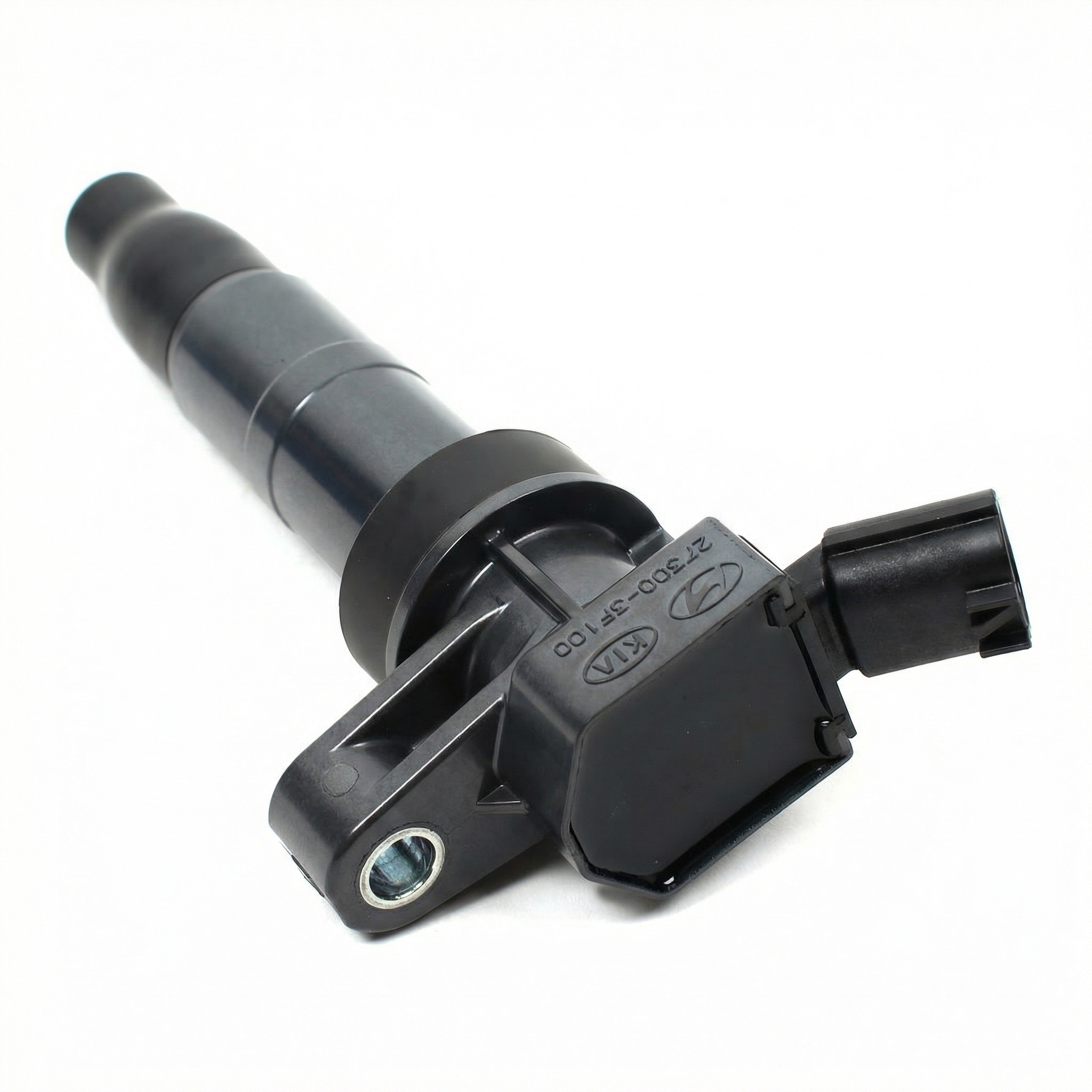
- Ignition Coil
(OEM #27301-3C000 (supersedes 27301-3C010))— This is the most common failure part for a single-cylinder misfire. It's recommended to replace all three on the rear bank at once.
Trusted brands: Hyundai (OEM), NGK, Denso, Delphi
OEM price range: $60-$90
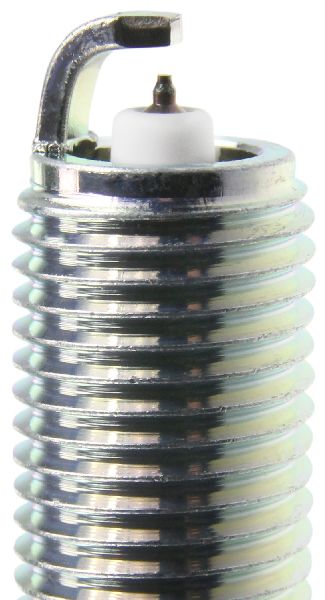
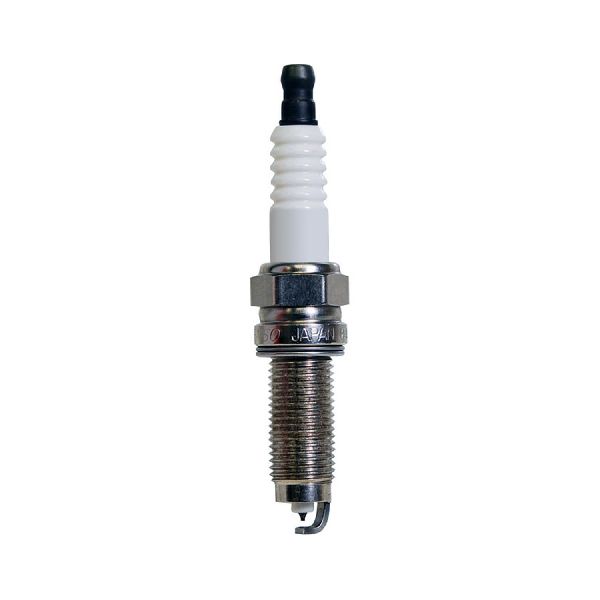
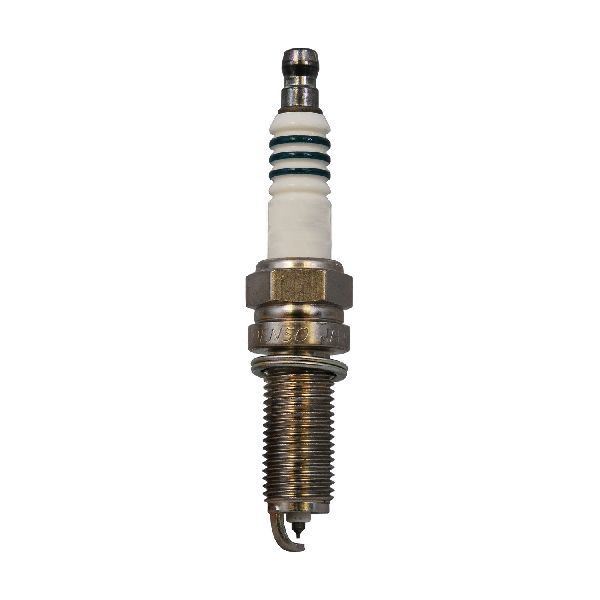
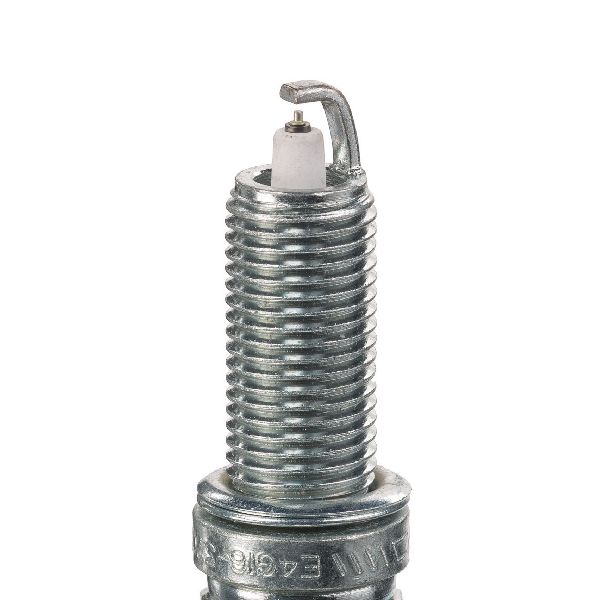
Aftermarket price range: $35-$75 - Iridium Spark Plug
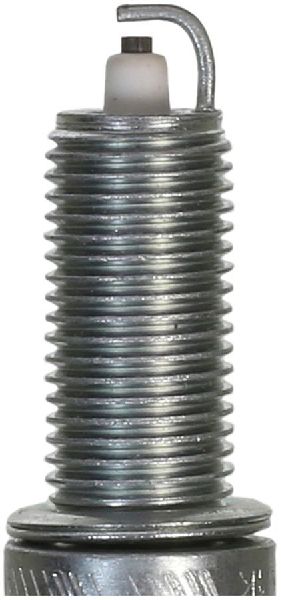
(OEM #18846-11070)— A worn or fouled spark plug is the second most likely cause. It is a standard maintenance item that should be replaced as a full set of six.
Trusted brands: NGK (Laser Iridium), Denso (Iridium Long-Life)
OEM price range: $15-$25
Aftermarket price range: $10-$20 - Upper Intake Manifold Gasket Set
Related Codes That Often Appear With This One
- P0300 — If the underlying cause, such as a vacuum leak, carbon buildup, or a fuel delivery issue, affects multiple cylinders, a P0300 (Random/Multiple Cylinder Misfire) may be stored along with P0301.
- P0303, P0305 — These codes indicate misfires in the other rear-bank cylinders. It's common for the ignition coils or spark plugs on the same bank to fail around the same time due to similar age and operating conditions.
- P1326 — This code is specific to Hyundai/Kia and is triggered by the Knock Sensor Detection System (KSDS). It indicates vibrations consistent with rod bearing wear. If you see P1326 with any misfire code, it strongly suggests the beginning of serious internal engine failure.
Technical Service Bulletins (TSBs) & Recalls
- TSB 25-EM-008H: Describes the inspection and repair procedure for abnormal engine noise related to connecting rod bearing wear and details the extended warranty coverage of 15 years / 150,000 miles.
- TSB 09-FL-004: Addresses MIL illumination with misfire DTCs P0300-P0306 for earlier 3.3L/3.8L Lambda engines, providing updated diagnostic procedures.
Platform-Specific Known Issues
- A misfire code can be an early symptom of catastrophic rod bearing failure in the Lambda II 3.3L V6 engine. This issue has led to class-action lawsuits and a warranty extension from Hyundai for some 2013-2019 Santa Fe models. Owners should check with a Hyundai dealer to see if their vehicle's VIN is covered.
Mechanic-Grade Diagnostic Values
- Ignition Coil Primary Resistance — expected: 0.5 - 2.0 Ohms. Failure: A reading of infinity (Open Loop) or zero indicates a failed coil.
- Ignition Coil Secondary Resistance — expected: 5,000 - 15,000 Ohms (5kΩ - 15kΩ). Failure: A reading significantly outside this range points to a failure in the coil's secondary windings.
- Fuel Injector Resistance — expected: 12.0 - 15.2 Ohms. Failure: An open circuit (infinity), zero resistance, or a reading significantly outside this range indicates a failed injector. All injectors should measure within 0.5 Ohms of each other.
Hidden / Shadow Codes Worth Checking
- Mode $06, TID $A2-$AC, CID $01-$06: This is not a hidden code but rather raw data. It stores the misfire counts for each cylinder for the current and last 10 driving cycles. This allows a technician to see if cylinder 1 has a high count of intermittent misfires even if other cylinders haven't logged enough to trigger their own codes (e.g., P0302, P0303). (see via Advanced OBD-II scanner (e.g., Autel, Foxwell, BlueDriver) or dealer-level tool like Hyundai GDS.)
Scan Tool Commands That Help
- Hyundai GDS (or advanced Autel/Snap-on): Power Balance Test / Injector Kill — This function allows a technician to individually disable each fuel injector to see the corresponding RPM drop. If disabling cylinder 1's injector causes little or no change in RPM, it confirms that cylinder was not contributing power, helping to isolate the fault without swapping parts.
- Hyundai GDS (or advanced Autel/Snap-on): Reset Adaptive Values — After a major repair like replacing fuel injectors or performing a carbon cleaning service, resetting the engine's long-term fuel trims and other learned values is crucial. This allows the ECU to relearn parameters with the new/clean components, ensuring smooth operation and preventing the old adaptations from causing issues.
Wiring & Ground Locations
- Engine Block Grounds — There are several main ground straps on the engine block and cylinder head. One key ground is often located near the thermostat housing or on the driver's side of the cylinder head.. A loose or corroded main engine ground can cause weak spark across multiple cylinders. While it might not isolate to just cylinder 1, it can be a root cause of intermittent or multiple misfire codes and should be checked for tightness and corrosion.
Real Owner Repair Stories
- YouTube user 'Fix It Rich' (2015 Hyundai Santa Fe 3.3L V6) — Rough idle, P0300 (random misfire), and misfire codes for cylinders 2, 4, and 6, along with camshaft and crankshaft sensor codes.
❌ Tried (didn't work) Initial diagnosis pointed towards common ignition or fuel issues.
✅ What actually fixed it The root cause was a combination of a failed VVT Phaser where the dowel pin had sheared off, and a stuck timing chain tensioner on the left bank. The final repair involved replacing the camshaft, all VVT phasers and solenoids, timing chains, guides, and tensioners.
OEM Part Supersession History
27301-3C010→27301-3C000— Standard part revision and consolidation by the manufacturer for improved reliability or manufacturing efficiency.
Model Year Variations Within This Range
- 2019: For the 2019 model year, the three-row Santa Fe was renamed the 'Santa Fe XL' to distinguish it from the all-new, smaller two-row Santa Fe. The Santa Fe XL retained the 3.3L V6 engine and is mechanically part of the third generation (2013-2018).
Diagnostic Flowchart
Other Known Issues on This Vehicle
Issues unrelated to this code that are worth knowing about as an owner of this generation:
- Catastrophic Rod Bearing Failure 🔴 High — Occurs frequently enough to trigger class-action lawsuits and a warranty extension. Failures can happen suddenly, often between 60,000 and 120,000 miles. (Ref: Warranty Extension TXX8 (TSB 25-EM-008H) extends coverage to 15 years / 150,000 miles.)
- Leaking Oil Pressure Switch 🟠 Medium — The switch is known to fail and leak oil into the engine valley. While the part is inexpensive, its location under the upper and lower intake manifolds makes replacement a 3-5 hour labor job.
- Intake Valve Carbon Buildup 🟠 Medium — An inherent problem for all GDI engines. Performance issues like rough idle and misfires can begin to appear around 60,000-80,000 miles. Requires periodic professional cleaning (walnut blasting).
- Vehicle Theft Vulnerability (Turn-Key Ignition Models) 🔴 High — Models with a traditional key ignition (not push-button start) lack an engine immobilizer, making them extremely easy to steal. This has led to a nationwide issue and a class-action settlement. (Ref: Software Upgrade Service Campaign 993; Class-Action Lawsuit Settlement.)
Used vs. New Parts: Buying Guide for This Vehicle
When a used part is the smart pick: Used parts are generally not recommended for this repair due to the high labor cost. The risk of a used ignition coil or fuel injector failing shortly after installation outweighs the small cost savings. The only exception might be a major engine component like an intake manifold if it were cracked, but this is a very rare failure.
Donor-vehicle mileage cap: roughly under 40000 miles for the part to have meaningful remaining life.
What to inspect on the donor part:
- Verify the donor vehicle was not in a front-end collision.
- Check for signs of oil leaks around the valve covers on the donor engine.
- If possible, get the service history to ensure regular oil changes.
OEM-only on this vehicle (don't cheap out):
- Fuel Injectors (GDI)
- Upper Intake Manifold Gaskets
Aftermarket brands forum-validated for this vehicle:
- Ignition Coils: Denso, NGK, Delphi
- Spark Plugs: NGK (Laser Iridium), Denso (Iridium Long-Life)
Brands owners have reported issues with on this vehicle:
- Unbranded, 'white-box' ignition coils and sensors from online marketplaces. These often have a high failure rate and may not meet OEM specifications for voltage output and durability.
Real Owner Stories
Aggregated from forums and TSBs cited above. Mileages and costs reflect what owners reported in those sources.
2017 Hyundai Santa Fe 3.3L V6 — 103000 miles
Symptoms: Catastrophic engine failure due to rod bearing wear; occurred without prior warning lights.
What fixed it: The source describes a total engine failure scenario related to the rod bearing issues addressed in TSB 25-EM-008H.
Source hint: Reddit - r/Hyundai thread titled '2017 Hyundai Santa Fe 3.3L engine failure'
2013-2020 Hyundai Santa Fe 3.3L V6 — ~70000 miles
Symptoms: Rough idle and misfires, especially at cold start, caused by carbon deposits on intake valves.
What fixed it: Walnut blasting to clean the intake valves.
Cost: $400-$800
Source hint: BobIsTheOilGuy.com thread titled '3.3 V-6 in 2017-18 Santa Fe engine concerns?'
Documented NHTSA Reports
Hyundai Platform Owner Report — NHTSA ODI #11628840
Symptoms: Persistent failure codes even after being cleared. A dealer retrieved DTC P0301.
What fixed it: The dealer diagnosed that cylinder #1 had a misfire due to the valve cover gasket leaking oil into the cylinder.
Hyundai Platform Owner Report — NHTSA ODI #11568524
Symptoms: Vehicle stopped accelerating while driving at 30 mph. Error codes P2178, P0301, and P0087F0 were retrieved.
What fixed it: The dealership performed repairs on the fuel injector for cylinder #1.
Hyundai Platform Owner Report — NHTSA ODI #11489522
Symptoms: Sudden loss of power, vehicle shuddering, and difficulty steering. Diagnostic codes P0300 and P0301 were present.
What fixed it: An independent mechanic diagnosed a misfire in cylinder 3 and total compression loss in the cylinder.
Hyundai Platform Owner Report — NHTSA ODI #11682651
Symptoms: P0301 code accompanied by a knocking sound and no oil in the car despite no visible leaks.
What fixed it: The report identifies the cause as piston ring failure, rendering the vehicle unable to drive.
Hyundai Platform Owner Report — NHTSA ODI #11445249
Symptoms: P0301 misfire code with no other obvious warning indicators.
What fixed it: A technician found an ignition coil cylinder 1 fault and replaced the ignition coil pack.
Related OBD-II Codes
Frequently Asked Questions
Is the P0301 misfire on my 2017 Santa Fe covered under a warranty extension?
Why is the labor cost so high to fix a cylinder 1 misfire on the 3.3L V6?
Should I replace all the ignition coils if only P0301 is showing?
Can carbon buildup cause a P0301 code on my Santa Fe?
What does it mean if I hear a ticking sound along with the P0301 code?
How often should I clean the intake valves to prevent misfires?
Helpful Videos

Used OEM Parts in Stock
New Aftermarket Parts Available

The information in this article is provided for general reference and educational purposes only. Vehicle specifications, procedures, and part compatibility can vary by production date, trim level, and region. Always consult your vehicle's factory service manual and verify part numbers before purchasing or performing repairs. Safety-critical components such as airbags, seat belts, and braking systems should be installed by a qualified professional.
- Hyundai Santa Fe:
- 🧭 Diagnostic Flowchart
- 🎬 Helpful Videos
- 🛍️ Shop This Part
- What's Unique About the 2013-2019 Hyundai Santa Fe
- Symptoms You May Notice
- Most Likely Causes
- Rare But Worth Checking
- Diagnosis Steps
- Parts You'll Likely Need
- Related Codes That Often Appear With This One
- Technical Service Bulletins (TSBs) & Recalls
- Platform-Specific Known Issues
- Mechanic-Grade Diagnostic Values
- Hidden / Shadow Codes Worth Checking
- Scan Tool Commands That Help
- Wiring & Ground Locations
- Real Owner Repair Stories
- OEM Part Supersession History
- Model Year Variations Within This Range
- Other Known Issues on This Vehicle
- Used vs. New Parts: Buying Guide for This Vehicle
- Real Owner Stories
- 2017 Hyundai Santa Fe 3.3L V6 — 103000 miles
- 2013-2020 Hyundai Santa Fe 3.3L V6 — ~70000 miles
- Documented NHTSA Reports
- Hyundai Platform Owner Report — NHTSA ODI #11628840
- Hyundai Platform Owner Report — NHTSA ODI #11568524
- Hyundai Platform Owner Report — NHTSA ODI #11489522
- Hyundai Platform Owner Report — NHTSA ODI #11682651
- Hyundai Platform Owner Report — NHTSA ODI #11445249
- Related OBD-II Codes
- Frequently Asked Questions
- 🎟️ Get 5% Off