

P0301 on 2010-2014 Jaguar XK: Cylinder 1 Misfire Causes and Fixes
P0301 on a 2010-2014 Jaguar XK indicates a misfire in cylinder 1. The most common causes are a faulty ignition coil or a worn spark plug. A failing fuel injector is also a frequent culprit on the 5.0L V8 engine. Swapping the coil is a simple first diagnostic step. If coils and plugs are good, the fuel injector is the next likely cause.
- P0301 is a misfire on cylinder 1, located at the front of the engine on the passenger side.
- Start your diagnosis with the easiest and cheapest parts: swap the ignition coil with another cylinder to see if the fault code follows it.
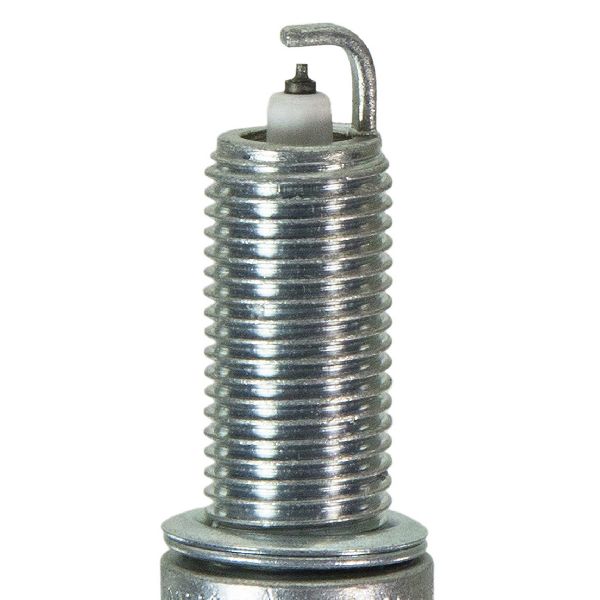
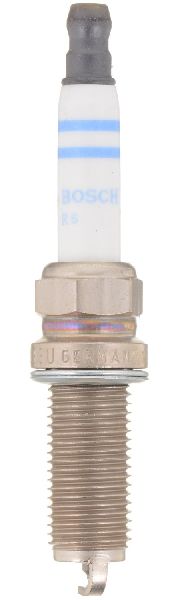
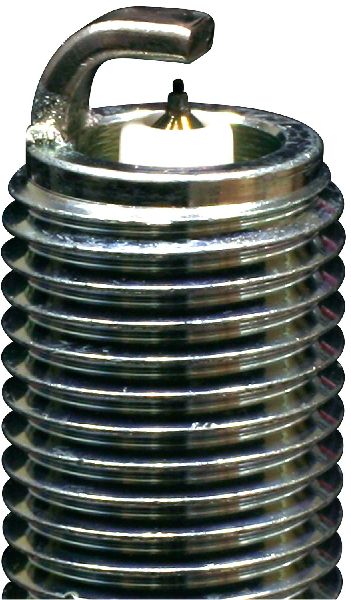
- If the coil is good, inspect and likely replace the spark plugs, especially if they are old. Use high-quality Iridium plugs.
- Be aware that faulty fuel injectors are a known issue on the 5.0L V8 and are a likely culprit if new coils and plugs don't fix the problem.
- Do not drive with a flashing check engine light, as this indicates a severe misfire that can quickly destroy your catalytic converter, leading to a much more expensive repair.
What's Unique About the 2010-2014 Jaguar XK
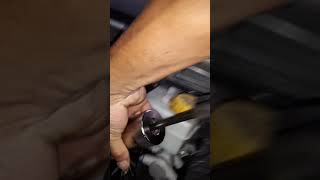
The 2010-2014 Jaguar XK uses the sophisticated 5.0L AJ133 direct-injection V8 engine. While ignition components are common failure points, these engines are well-documented in owner forums and TSBs for fuel injector issues that can cause a persistent P0301 code. Jaguar has issued Technical Service Bulletins (SSM-63697 and JTB00241NAS1) specifically mentioning that poor fuel quality can lead to injector clogging and misfire codes on these models. Replacing these direct-injection injectors is significantly more complex than on port-injected engines and may require a special slide-hammer tool 🎬 See this walkthrough on how to remove seized 5.0L fuel injectors. (part 310-197) for removal due to carbon buildup.
Diagnostic Flowchart
Tap your situation to follow the diagnostic path that matches what you're seeing on this vehicle.
Symptoms You May Notice
- Rough or vibrating idle
- Hesitation or stumbling during acceleration
- Reduced engine power and performance, may enter 'Restricted Performance' mode
- Flashing or solid Check Engine Light
- Smell of unburnt gasoline from the exhaust
- Decreased fuel economy
- Engine is hard to start
- Replacing only the spark plug when the ignition coil is the actual cause.
- Replacing ignition and fuel parts when the issue is a vacuum leak from a cracked PCV diaphragm or bad intake gasket.
- Assuming the issue is resolved after clearing the code, without performing a proper drive cycle to confirm the fix.
- Replacing a fuel injector without also replacing its Teflon seal, leading to a fuel or compression leak.
Most Likely Causes
- Faulty Ignition Coil 🔴 High Probability → Shop Ignition Coil Ignition coils are a common failure item on many modern engines, including the Jaguar 5.0L V8, due to constant heat and high voltage stress. Oil leaks from the valve cover gaskets can also pool in the spark plug wells and short out the coil.
How to confirm: Swap the ignition coil from cylinder 1 with the coil from another cylinder (e.g., cylinder 3). Clear the codes and drive. If the code changes to P0303, the coil is the faulty part.
Typical fix: Replace the faulty ignition coil. Many owners choose to replace all eight coils if they are original and have high mileage to prevent future failures.
Est. part cost: $40-$120 - Worn or Fouled Spark Plug 🔴 High Probability → Shop Spark Plug Spark plugs are a regular maintenance item with a finite lifespan. On high-performance, direct-injection engines, they can be more susceptible to fouling or wear, leading to a weak or inconsistent spark.
How to confirm: After confirming the coil is good, remove the spark plug from cylinder 1. Inspect it for a worn electrode, heavy carbon deposits, oil or fuel fouling, and compare it to a new plug.
Typical fix: Replace the spark plug in cylinder 1. It is best practice to replace all eight spark plugs at the same time for consistent performance and to avoid repeated labor.
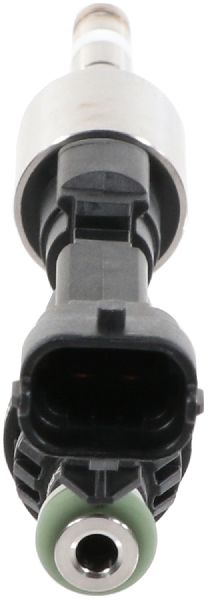
Est. part cost: $15-$35 per plug - Clogged or Faulty Fuel Injector 🟡 Medium Probability → Shop Fuel Injector The 5.0L direct-injection V8 is known to have issues with fuel injectors, which can become clogged from fuel contaminants or carbon deposits, or fail electronically. TSBs SSM-63697 and JTB00241NAS1 directly link fuel quality to injector issues and misfires. Forum discussions are filled with owners who fixed a P0301 by replacing an injector.
How to confirm: If swapping the coil and plug does not resolve the P0301 code, the injector is the next likely cause. Diagnosis can involve checking the injector's resistance (a good one is around 14 ohms, while a bad one might read much higher) or listening to it with a mechanic's stethoscope. A definitive but labor-intensive test is swapping the injector with another cylinder.
Typical fix: Replace the faulty fuel injector. This is an advanced job due to the high-pressure fuel system and the tendency for injectors to seize in the cylinder head. It is often recommended to replace all four injectors on the same bank at once.
Est. part cost: $150-$400 - Poor Fuel Quality ⚪ Low Probability Jaguar issued TSB SSM-63697 which explicitly states that poor fuel quality can cause misfire codes (P0301-P0308) on these engines by restricting injector flow.
How to confirm: This is difficult to confirm directly but should be considered if the misfire appeared shortly after refueling. The issue may resolve after running a tank of high-quality fuel with a cleaner.
Typical fix: Use a bottle of high-quality fuel system cleaner with Polyetheramine (PEA), such as BG 44K or Redline SI-1, and fill the tank with Top Tier premium (91+ octane) gasoline.
Est. part cost: $15-$30 for cleaner
Rare But Worth Checking
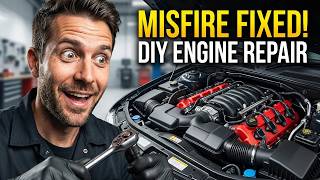
- Intake Manifold or Gasket Leak: → Shop Engine Intake Manifold A vacuum leak near cylinder 1 can lean out the air-fuel mixture and cause a misfire. Common leak points on the AJ133 include PCV diaphragms on the valve covers. 🎬 Watch: Step-by-step guide for replacing spark plugs, coils, and PCV valves. A smoke test is the most effective way to diagnose this.
- Low Cylinder Compression: A mechanical engine problem, such as a worn piston ring, a poorly sealing valve, or jumped timing can cause a loss of compression. Early AJ133 engines were known for timing chain tensioner and guide rail wear, which could lead to timing issues and misfires. A compression test is required to confirm.
- Carbon Buildup on Intake Valves: As a direct-injection engine, the 5.0L V8 is prone to carbon buildup on the back of the intake valves, as fuel does not wash over them. This can disrupt airflow into the cylinder and cause misfires, especially on cold starts. This issue is widely discussed in owner forums.
Diagnosis Steps
- Read the code with an OBD-II scanner and confirm P0301 is present. Note any other codes, like P0300 or P0316.
- Identify cylinder 1: It is the front-most cylinder on the right (passenger side in the US) bank.
- Swap the ignition coil from cylinder 1 with the coil from cylinder 3 (the next one back on the same bank).
- Clear the codes, start the engine, and drive until the check engine light returns.
- Scan for codes again. If the code is now P0303, the ignition coil is bad and needs to be replaced.
- If the code remains P0301, swap the spark plug from cylinder 1 with cylinder 3 and repeat the test.
- If the code changes to P0303, the spark plug was the issue. Replace all eight spark plugs as a set.
- If the code remains P0301, inspect the wiring and connector for the ignition coil and fuel injector on cylinder 1 for damage or looseness.
- If wiring is okay, the problem is likely the fuel injector or a mechanical issue. Further diagnosis of the fuel injector (e.g., resistance check, listening for operation) is the next logical step.
- If other misfire codes are present on the same bank, consider a system-wide issue like a vacuum leak (perform a smoke test) or fuel pressure problem.
Parts You'll Likely Need
- Ignition Coil
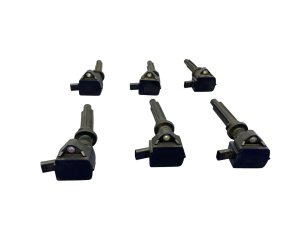
(OEM #C2Z18619)— This is one of the most common failure points for a single-cylinder misfire on the Jaguar XK.
Trusted brands: Bosch, Bremi, Delphi, Standard Motor Products
OEM price range: $100-$120
Aftermarket price range: $40-$80 - Iridium Spark Plug
(OEM #C2P23089)— Spark plugs are a routine maintenance item and a frequent cause of misfires as they wear out.
Trusted brands: NGK (ILKAR7C10), Bosch, Denso
OEM price range: $20-$35
Aftermarket price range: $15-$25 - Fuel Injector
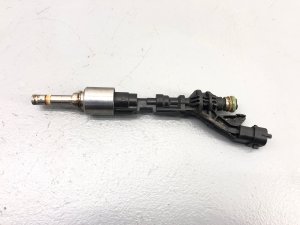
(OEM #C2D55183)— A known issue on the 5.0L V8 engine, a faulty fuel injector is a common cause of P0301 after coils and plugs have been ruled out. This part number supersedes previous versions like C2P16489, C2D24386, and C2D45732.
Trusted brands: Bosch (OEM supplier)
OEM price range: $250-$400
Aftermarket price range: $150-$250 - Fuel Injector Seal Kit
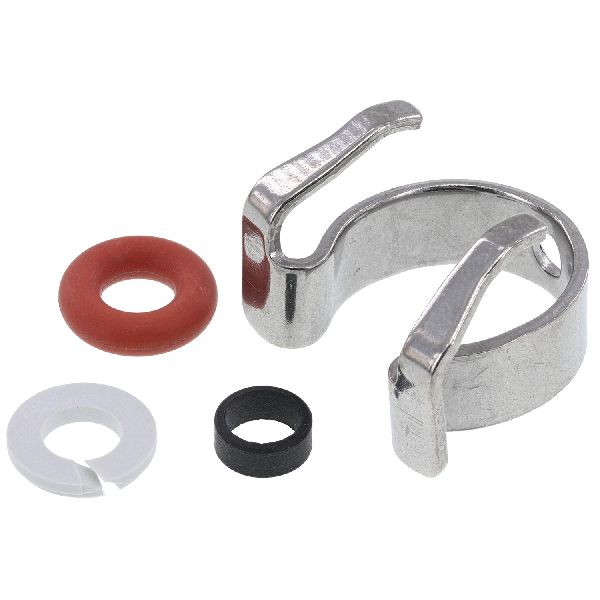
(OEM #Included with OEM injector C2D55183)— When a fuel injector is removed, the Teflon seal at its tip must be replaced to ensure a proper seal against high combustion pressures. Reusing the old seal will cause leaks.
Related Codes That Often Appear With This One
- P0300 — If the misfire is intermittent or begins to affect other cylinders, a P0300 (Random/Multiple Cylinder Misfire) may be stored alongside P0301.
- P0316 — This code indicates a misfire was detected within the first 1000 engine revolutions at startup. It frequently accompanies a specific cylinder misfire code like P0301 and is mentioned in TSBs for this engine.
- P0302, P0303, etc. — Seeing other specific cylinder misfire codes suggests a more systemic problem, such as poor fuel quality, a vacuum leak affecting one bank, or low fuel pressure.
Technical Service Bulletins (TSBs) & Recalls
- Addresses misfire codes (P0301-P0308) and other running issues caused by poor fuel quality or contaminants restricting fuel injector flow. It instructs technicians to collect and label faulty injectors for investigation.
- Similar to SSM-63697, this TSB outlines a procedure for addressing misfires potentially caused by clogged injectors. It recommends performing a fuel induction system cleaning using specific BG products (BG Air Intake System Cleaner 206 and BG 44K® Power Enhancer® 208) after basic ignition and fuel system checks are completed.
Platform-Specific Known Issues
- TSB SSM-63697 and JTB00241NAS1 note that poor fuel quality can be a direct cause of misfire codes by clogging injectors.
- The 5.0L V8 engines are known for fuel injector failures, which can cause persistent single-cylinder misfires that are not resolved by replacing coils or plugs.
- Injector replacement is considered an advanced DIY job (4/5 difficulty) due to the high-pressure fuel system and the injectors' tendency to seize in the cylinder head, often requiring a special puller tool.
Mechanic-Grade Diagnostic Values
- Fuel Injector Resistance — expected: 12 to 15 Ohms. Failure: A reading over 100 Ohms or an open circuit (OL).
- Ignition Coil Resistance — expected: Primary: ~0.4-2.0 Ohms. Secondary: ~6,000-10,000 Ohms.. Failure: While a reading of 'open' indicates a definite failure, technicians report that a simple resistance test on these 4-wire coils is often inconclusive. A coil can have acceptable resistance when cold but still fail under load. The 'swap test' is more reliable.
- High-Pressure Fuel System Pressure (GDI) — expected: Can exceed 2,500 PSI under load. Idle pressure should be between 800 and 3000 kPa.. Failure: A P0087 code indicates fuel pressure is too low. A failing pump may provide enough pressure to idle but not accelerate. Diagnosis requires Jaguar's proprietary SDD software.
Hidden / Shadow Codes Worth Checking
- P1315: A Jaguar-specific code for 'Persistent Misfire'. It indicates the PCM has detected a misfire that could cause catalyst damage and often accompanies a specific cylinder code like P0301. (see via Standard OBD-II scanner.)
Scan Tool Commands That Help
- Jaguar SDD (Symptom Driven Diagnostics): High Pressure Fuel Pump (HPFP) Test — To verify the functionality of the high-pressure fuel pumps when a P0087 (Low Fuel Rail Pressure) code is present or suspected, as a simple pressure gauge cannot test the GDI system.
- Jaguar SDD (Symptom Driven Diagnostics): Fuel Injector Coding/Adaptation — After replacing a fuel injector. While not always explicitly required on this model, it is best practice with GDI systems to reset adaptations or code the new injector to the PCM to ensure correct fuel delivery.
Wiring & Ground Locations
- Main Engine Ground Strap — A braided steel strap that runs from the transmission bellhousing area to a stud on the chassis subframe (X-Member), located near the right-front lower control arm on the US passenger's side.. This is the primary ground path for the entire powertrain. Corrosion or looseness at its connection points can cause unstable sensor readings and intermittent electrical issues, including difficult-to-diagnose misfires that don't point to a specific component.
Real Owner Repair Stories
- JaguarForums.com user (2010 Jaguar XF Supercharged (5.0L V8)) — Rough idle, Check Engine Light with codes P0171 and P0174 (Lean on Bank 1 and 2).
❌ Tried (didn't work) Initial visual inspection showed nothing amiss.
✅ What actually fixed it The user sprayed throttle body cleaner near the PCV valves and watched fuel trims on a scanner. A vacuum leak was confirmed at the rear (aft) PCV valve on the passenger-side valve cover. Replacing the small, round PCV diaphragm (which had torn) resolved the lean codes and rough idle. - JaguarForums.com user (Jaguar XK8 (4.0L V8, older model but demonstrates diagnostic logic)) — Lumpy idle with codes P0301 and P1319.
❌ Tried (didn't work) Replacing the ignition coil on cylinder 1 had no effect.
✅ What actually fixed it The cause was a failing fuel injector on cylinder 1. Replacing the injector resolved both codes and the rough idle. The user noted the repair took about 40 minutes.
"I Checked Everything" — The Actual Cause
- A very common cause for misfires or lean codes (P0171/P0174) on the 5.0L V8 is a torn PCV valve diaphragm, located on the passenger-side valve cover. A smoke test may not reveal this leak as the tear may only open under specific crankcase pressure conditions. The symptom is often a hissing noise or a rough idle. The diaphragm can be replaced with an aftermarket kit without replacing the entire valve cover.
OEM Part Supersession History
C2P16489, C2D24386, C2D45732, C2D45736→C2D55183— Revisions by the manufacturer to improve reliability and performance.
Heads up: While older part numbers may be found, C2D55183 is the latest revision and should be used for replacement.
Model Year Variations Within This Range
- 2010-2012: Early production 5.0L AJ133 engines were fitted with timing chain guides where the tensioner plunger acted directly on an aluminum surface. This design was prone to premature wear, causing the tensioner to bore into the guide, creating slack in the chain. Around 2012, the design was updated to include a steel insert on the guide for the tensioner to press against, significantly improving durability. Early models are therefore more susceptible to timing-related issues causing misfires.
- 2011-2014: For the 2012 model year (starting in 2011), the XK received a minor facelift with revised front bumper styling and headlights. This is primarily cosmetic and does not affect the diagnosis of P0301.
Helpful Videos
Used OEM Parts in Stock
New Aftermarket Parts Available

The information in this article is provided for general reference and educational purposes only. Vehicle specifications, procedures, and part compatibility can vary by production date, trim level, and region. Always consult your vehicle's factory service manual and verify part numbers before purchasing or performing repairs. Safety-critical components such as airbags, seat belts, and braking systems should be installed by a qualified professional.
- Jaguar XK:
- 🧭 Diagnostic Flowchart
- 🎬 Helpful Videos
- 🛍️ Shop This Part
- What's Unique About the 2010-2014 Jaguar XK
- Symptoms You May Notice
- Most Likely Causes
- Rare But Worth Checking
- Diagnosis Steps
- Parts You'll Likely Need
- Related Codes That Often Appear With This One
- Technical Service Bulletins (TSBs) & Recalls
- Platform-Specific Known Issues
- Mechanic-Grade Diagnostic Values
- Hidden / Shadow Codes Worth Checking
- Scan Tool Commands That Help
- Wiring & Ground Locations
- Real Owner Repair Stories
- "I Checked Everything" — The Actual Cause
- OEM Part Supersession History
- Model Year Variations Within This Range
- 🎟️ Get 5% Off