

P0301 on 2018-2025 Jeep Wrangler: Cylinder 1 Misfire Causes and Fixes
P0301 indicates a misfire in cylinder #1. On the Jeep Wrangler JL, this is most often caused by a faulty ignition coil or a worn spark plug. Swapping the coil and plug from cylinder 1 to another cylinder is the fastest way to diagnose the issue. A DIY fix is under $100. However, be aware that this code can also be an early symptom of a more serious rocker arm failure in the 3.6L engine.
- P0301 means cylinder 1 is misfiring.
- The most likely causes are a bad ignition coil or spark plug, which are easy to diagnose by swapping parts with an adjacent cylinder.
- Check for oil leaking from the passenger side valve cover onto the oxygen sensor, as this is a known issue on this platform.
- If the check engine light is flashing, stop driving to prevent expensive catalytic converter damage.
- Note any other codes present, as they can point to a root cause like a fuel pressure problem. [1805223, 18-158-22]
What's Unique About the 2018-2025 Jeep WRANGLER

The 2018-2025 Wrangler (JL) primarily uses two gasoline engines: the 3.6L Pentastar V6 and the 2.0L Turbo I4. While the root causes of a P0301 are similar (spark, fuel, compression), the 3.6L Pentastar engine has a well-documented history of rocker arm and camshaft failures that can present as a single-cylinder misfire. Several Technical Service Bulletins (TSBs) also link misfire codes to underlying fuel pressure problems [1805223, 18-158-22] or faulty spark plugs from the factory in specific production batches [09-013-20 REV. A]. Another TSB notes that misfires can specifically occur when operating in 4WD-LO, suggesting a potential software or load-related issue. [18-003-23, 9] Additionally, owner forums frequently report that oil leaks from the valve cover gasket can drip onto and damage the oxygen sensor, leading to misfire codes.
Diagnostic Flowchart

Tap your situation to follow the diagnostic path that matches what you're seeing on this vehicle.
Generation note: The 2018 model year was a transition period. Both the older JK generation and the new JL generation were sold as 2018 models. This guide primarily focuses on the 2018-2025 JL generation, which features different engines and electronics than the JK. Be sure to verify which generation you have before purchasing parts.
Symptoms You May Notice
- Flashing or solid Check Engine Light
- Rough or shaking idle
- Engine hesitation or stumbling during acceleration
- Noticeable loss of power
- Reduced fuel economy
- Smell of unburned gasoline from the exhaust
- Replacing oxygen sensors without checking for an external oil leak that is fouling them.
- Replacing only the spark plug when the ignition coil is the actual point of failure.
- Repeatedly replacing coils and plugs when the underlying issue is a mechanical failure like a worn rocker arm.
Most Likely Causes

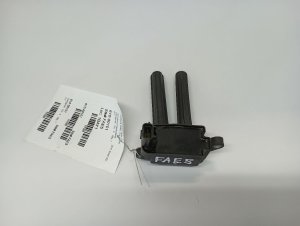
- Faulty Ignition Coil 🔴 High Probability → Shop Ignition Coil Coil-on-plug systems are common failure points on most modern engines due to constant exposure to heat and vibration. This is the most likely cause for a single-cylinder misfire.
How to confirm: Swap the ignition coil from cylinder 1 with another cylinder (e.g., cylinder 3 on the V6 or cylinder 2 on the I4). Clear the codes and drive. If the code changes to P0303 or P0302, the coil is bad. Cylinder 1 is on the passenger side and easily accessible.
Typical fix: Replace the faulty ignition coil. It's often recommended to replace all coils if they are original and the vehicle has high mileage.
Est. part cost: $40-$80 per coil - Worn or Fouled Spark Plug 🔴 High Probability → Shop Spark Plug TSB 09-013-20 REV. A was issued for some 2021 models built in September 2020 due to a manufacturing issue causing internal cracks in the spark plugs, leading to misfires.
How to confirm: After confirming the coil is good, remove the spark plug from cylinder 1. Inspect it for wear (electrode erosion), carbon buildup, or oil/coolant fouling. You can also swap the plug with another cylinder to see if the misfire follows.
Typical fix: Replace the spark plug. It is best practice to replace all spark plugs at the same time, especially if they are near the end of their service life.
Est. part cost: $10-$25 per plug - Faulty Fuel Injector 🟡 Medium Probability → Shop Fuel Injector
How to confirm: If the spark plug and coil are good, the fuel injector is the next likely cause. An advanced DIYer can swap the injector with another cylinder to see if the misfire code follows. A professional can perform a fuel injector balance test to confirm flow rates.
Typical fix: Replace the faulty fuel injector.
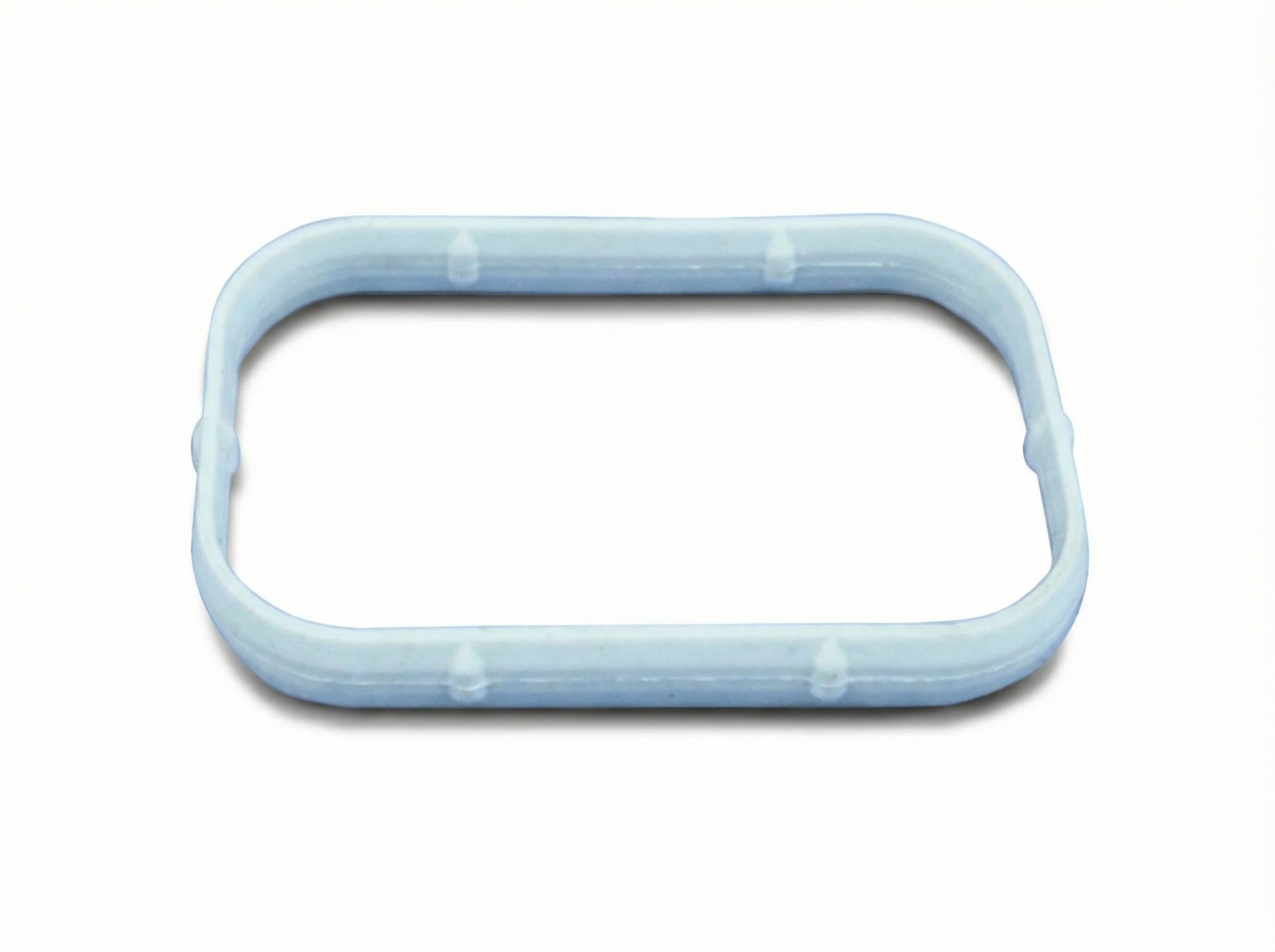
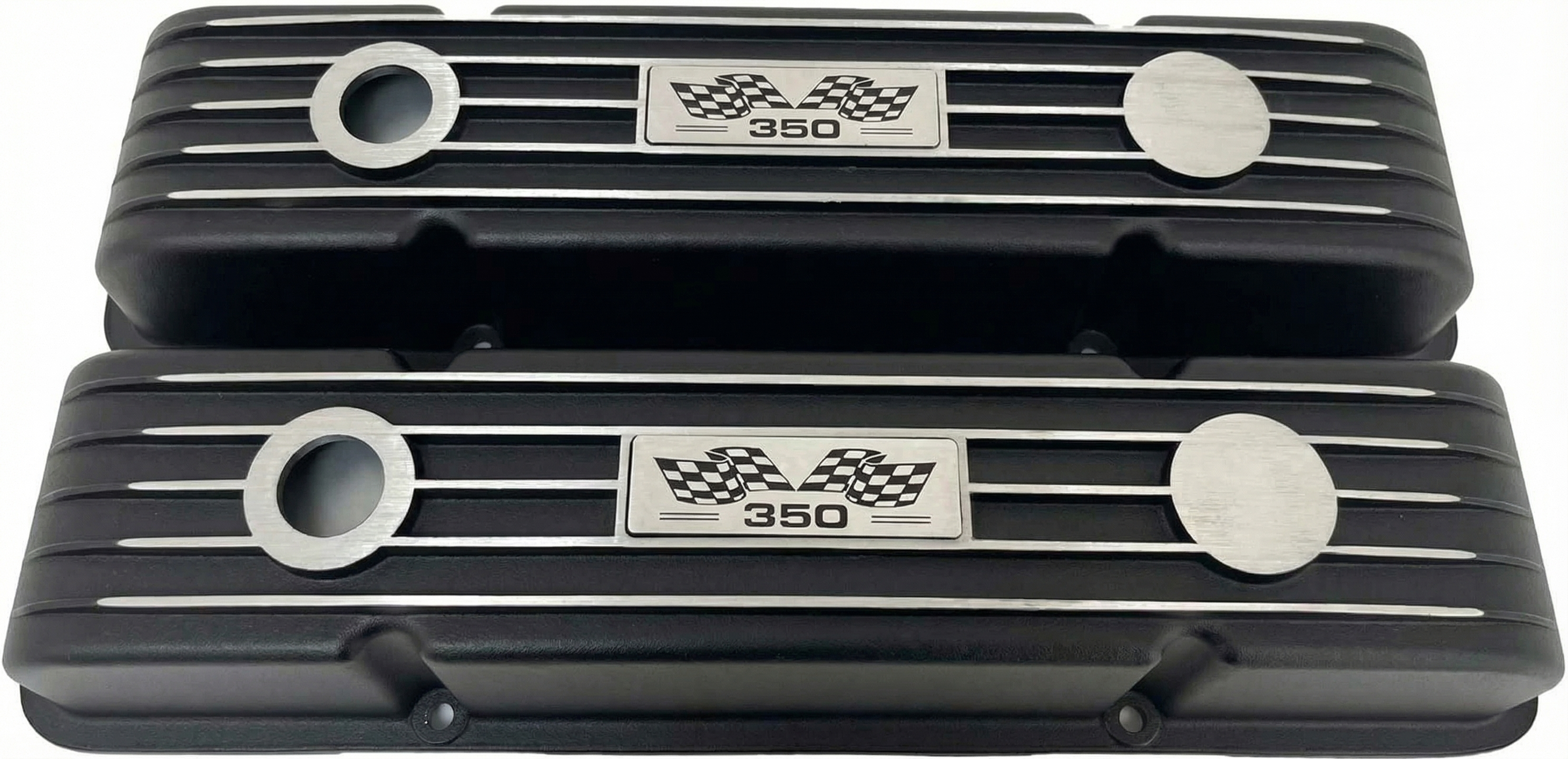
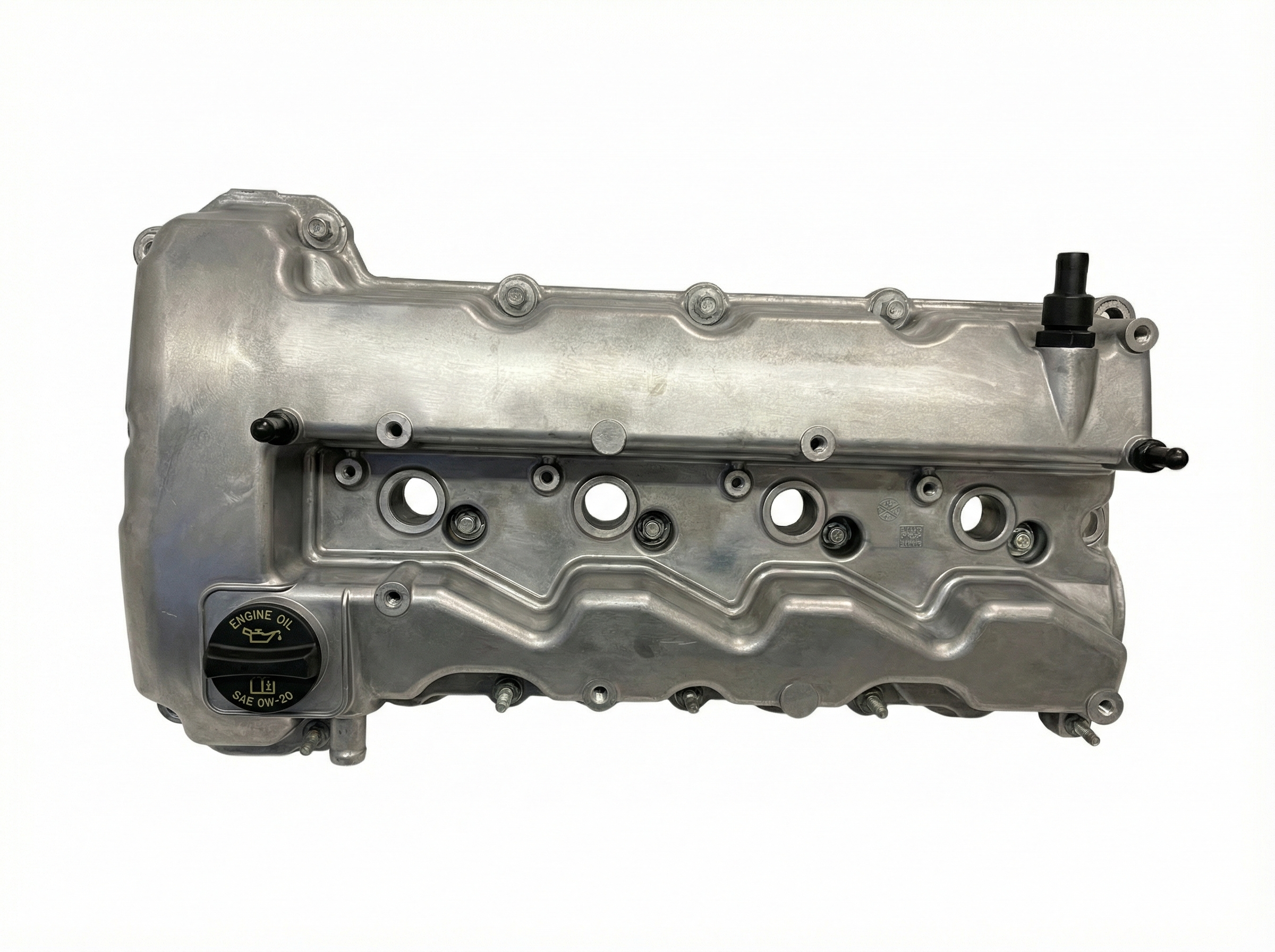
Est. part cost: $70-$150 - Leaking Valve Cover Gasket 🟡 Medium Probability → Shop Engine Valve Cover This is a commonly reported issue on Jeep forums for the JL platform. A user on JLWranglerForums confirmed their P0301 was resolved after a mechanic found oil leaking onto the O2 sensor.
How to confirm: Visually inspect the area around the valve cover and the oxygen sensor on the passenger side of the engine. If there is evidence of an oil leak dripping onto the O2 sensor 🎬 Watch: How an oil leak fouls the passenger side oxygen sensor. or its wiring, this is a likely cause of the misfire.
Typical fix: Replace the valve cover gasket and the oil-fouled oxygen sensor.
Est. part cost: $50-$100 for gaskets, $50-$120 for an O2 sensor
Rare But Worth Checking
- Camshaft / Rocker Arm Failure: → Shop Engine Rocker Arm A known and serious issue with the 3.6L Pentastar engine. Failing rocker arm bearings can cause the arm to seize or come apart, leading to a loss of valve lift, low compression, and a persistent misfire. This often starts as a 'tick' noise from the top of the engine. NHTSA Owner Complaint #11688993 for a 2018 model explicitly mentions camshaft/rocker wear causing P0301–P0306 codes. Forum users have documented needing engine-out repairs for this issue after simple fixes failed. This is a major repair requiring replacement of camshafts, lifters, and rocker arms.
- Leaking Head Gasket / Internal Coolant Leak: While less common, some owners have reported head gasket failures leading to coolant entering the cylinder, causing a P0301. A dealership technician diagnosed this by pressure testing the cooling system and using a borescope to see coolant in the cylinder. This is a major repair.
- Low Fuel Pressure: TSBs #1805223 and #18-158-22 link misfire codes with low fuel pressure codes (P008B, P025C). If you have these other codes present, the issue may be with the fuel pump or its control module, not an individual cylinder component.
Diagnosis Steps
- Read the codes with an OBD-II scanner and note any other codes present, especially fuel pressure or camshaft position codes.
- Visually inspect the engine bay for obvious issues like disconnected hoses, damaged wiring, or oil leaks around the valve covers.
- Locate Cylinder 1: On the 3.6L V6, it is the front-most cylinder on the passenger side.
- Swap the ignition coil from cylinder 1 to another cylinder (e.g., cylinder 3). Clear codes, run the engine, and re-scan. If the misfire code moves to the new cylinder (e.g., P0303), the coil is faulty.
- If the misfire remains on cylinder 1, swap the spark plug from cylinder 1 to another cylinder. Clear codes, run the engine, and re-scan. If the code moves, the spark plug is faulty.
- If the misfire still remains on cylinder 1, inspect the fuel injector wiring. Consider swapping the fuel injector with another cylinder if you have the mechanical ability.
- Inspect the valve cover for oil leaks, particularly onto the oxygen sensor on the passenger side.
- Listen for a distinct 'ticking' sound from the upper engine, which could indicate a rocker arm/lifter issue.
- If the simple component swaps do not identify the issue, perform a compression test on cylinder 1 to check for mechanical engine problems like bad rings, valves, or a leaking head gasket. Low compression on one cylinder strongly suggests a mechanical fault like a failed rocker arm.
- If you have other fuel-related codes, check fuel pressure to rule out a weak fuel pump.
Parts You'll Likely Need
- Ignition Coil
(OEM #3.6L V6: 68242285AA (Note: Search results for this part number are inconsistent, verify with dealer); 2.0L I4: 68322974AA)— This is one of the most common failure items for a single-cylinder misfire. Heat and vibration cause the internal windings to fail over time.
Trusted brands: Mopar, NGK, Delphi
OEM price range: $60-$90
Aftermarket price range: $40-$70 - Spark Plug
(OEM #3.6L V6: Mopar SP07053AA (NGK 94832 / ILFR6J11); 2.0L I4: Mopar 68362242AA (Champion), NGK 93310 (ILKR7E6))— Spark plugs are a routine maintenance item. The electrode wears down over time, leading to a weak spark and misfires. A specific batch was known to be faulty from the factory.
Trusted brands: NGK, Champion
OEM price range: $15-$25
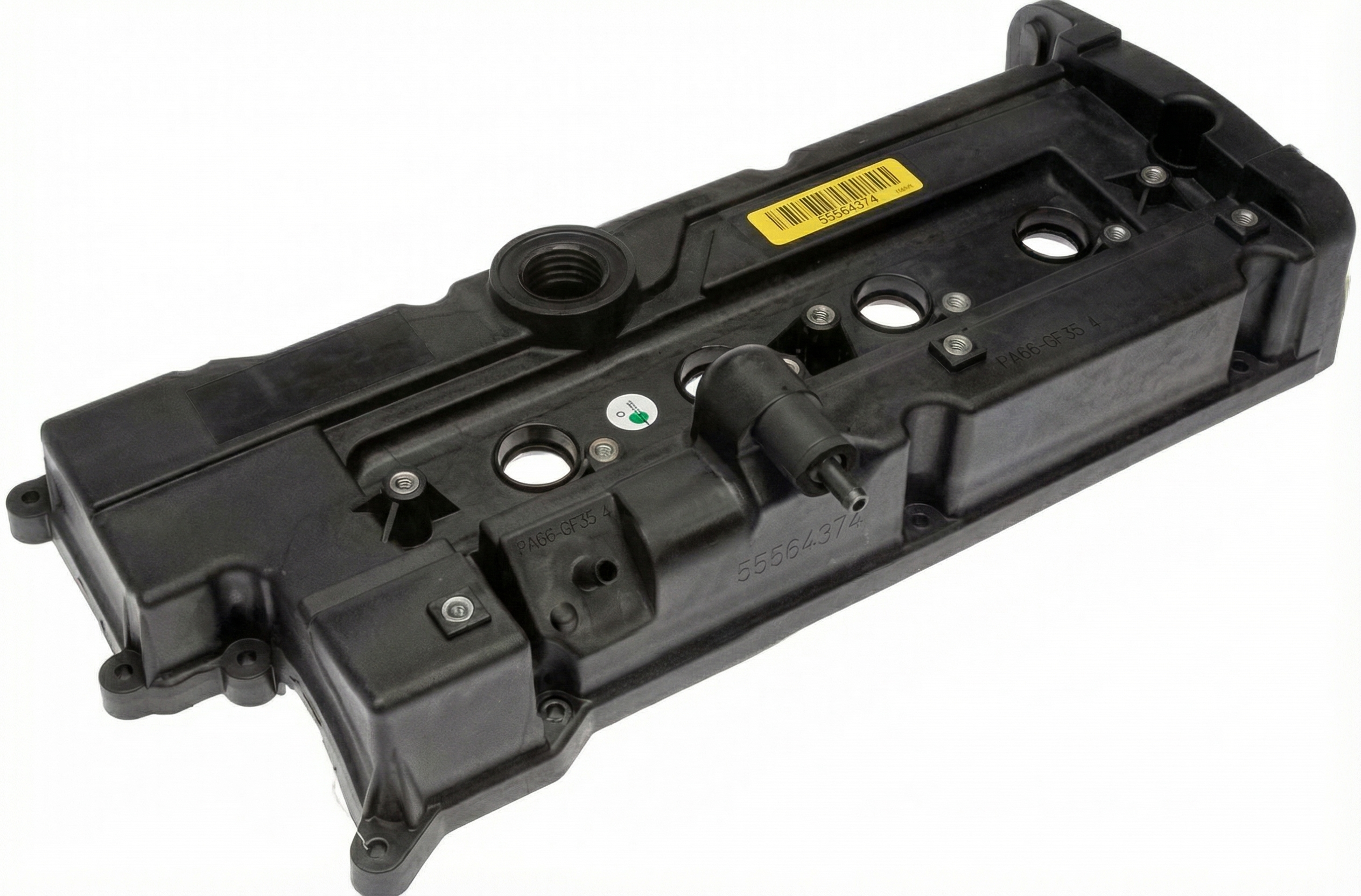
Aftermarket price range: $10-$20 - Valve Cover Gasket Kit — A common source of oil leaks on the 3.6L engine, which can foul other components like O2 sensors and cause misfires.
Related Codes That Often Appear With This One
- P0300 — P0300 indicates a random or multiple cylinder misfire. It often appears with P0301 if the misfire is intermittent or beginning to affect other cylinders, which can happen with systemic issues like rocker arm failure.
- P0302, P0303, P0304, etc. — If other cylinder-specific misfire codes are present, it points towards a systemic issue like low fuel pressure, a major vacuum leak, or a timing problem, rather than a single component failure.
- P008B, P025C — As noted in TSBs #1805223 and #18-158-22, these fuel pressure codes can be the root cause of the misfire.
- P000A — This code for '"A" Camshaft Position Slow Response' can appear alongside misfire codes when the root cause is a failing rocker arm or camshaft phaser, a known issue on the 3.6L engine.
Technical Service Bulletins (TSBs) & Recalls

- 1805223: Notes P0301 can be set along with low fuel pressure codes P008B and P025C, pointing to a fuel delivery issue.
- 18-158-22: Similar to the above, links misfire codes to low fuel pressure conditions.
- 18-003-23: Describes a situation where misfire codes like P0301 only appear when operating in 4WD-LO, potentially requiring a PCM software update.
- 09-013-20 REV. A: Details a manufacturing defect in spark plugs for some 2021 models that can cause misfires, including P0301, and recommends replacing all six plugs.
- NHTSA ODI #11688993: An owner complaint directly linking P0301-P0306 codes on a 2018 model to intake camshaft/rocker arm wear.
Platform-Specific Known Issues

- Rocker Arm / Camshaft Failure (3.6L V6): This is the most significant vehicle-specific issue. A persistent P0301 after replacing the coil and plug is a strong indicator of this mechanical problem. It often presents with a ticking noise and can lead to major engine damage if ignored.
- Misfire in 4WD-LO: TSB #18-003-23 notes that P0301 (and other misfire codes) may illuminate the check engine light only when the vehicle is operated in 4WD-LO. This may require a software update from a Jeep dealer.
- Faulty Factory Spark Plugs: TSB #09-013-20 REV. A applies to some 2021 models and warns of a batch of spark plugs that can develop internal cracks, causing misfires. The fix is to replace all six plugs.
- Oil Leak Fouling O2 Sensor: A widely discussed issue in owner forums is the valve cover gasket leaking oil onto the passenger-side oxygen sensor, causing it to fail and trigger misfire codes.
Mechanic-Grade Diagnostic Values
- 3.6L V6 Fuel Injector Resistance — expected: 12-16 Ohms (High-Impedance). Failure: A reading significantly outside this range indicates a faulty injector coil.
- 3.6L V6 Ignition Coil Secondary Resistance (Aftermarket Example) — expected: 15.70 kOhms. Failure: A significant deviation suggests internal coil failure. Note: OEM specs may vary.
- 3.6L V6 Fuel Pressure (at rail) — expected: Rated at 3 Bar (43.5 PSI). Failure: Low fuel pressure can cause lean misfires across multiple cylinders, but can start with one.
Scan Tool Commands That Help
- wiTECH: Relative Compression Test — To quickly check for a mechanical issue (like a failed rocker arm) on one cylinder without a manual compression gauge. It compares the cranking speed contribution of each cylinder.
- wiTECH: Relative Injector Flow Test — To identify a clogged or failing fuel injector by measuring the drop in fuel rail pressure when each injector is fired.
- wiTECH: Reset Zero Fuel Quantity Calibration — As specified in TSB 18-003-23 for the 3.0L Diesel (but relevant as a function), this is performed after a PCM flash that addresses fuel and misfire DTCs.
- wiTECH: Coil-On-Plug (COP) stress test — To test the ignition coil's performance under load, which can reveal failures that don't appear at idle.
Wiring & Ground Locations
- Cylinder 1 Ignition Coil Connector — Front-most ignition coil on the passenger side of the engine.. The connector itself or its wiring can become brittle from heat, causing a poor connection and a P0301 code. The plastic locking tab is known to break.
- Cylinder 1 Fuel Injector Connector — Under the intake manifold, connected to the front-most fuel injector on the passenger side fuel rail.. Damage to this connector or its wiring will cut fuel to cylinder 1, causing a guaranteed misfire.
- Engine Ground Strap — Multiple key grounds exist. A critical but flimsy-looking strap often runs from the chassis to the engine block near the passenger side. On some models, grounds are located near the battery and forward towards the airbox.. A corroded or loose main engine ground can cause a host of electrical issues, including erratic sensor readings and weak spark, which can manifest as a misfire code.
- G905A / G906A — These are dash harness grounds, located in the passenger footwell area.. While not directly on the engine, these grounds are part of the circuit for components inside the cabin that communicate with the PCM. A wiring diagram shows them as part of the overall harness.
Real Owner Repair Stories
- jlwranglerforums.com user (2019 Jeep Wrangler Unlimited Rubicon) — Start/stop warning, loss of power steering, battery warning, and significant engine hesitation, especially uphill. Felt like a fuel or air issue.
❌ Tried (didn't work) Initial diagnosis was difficult and took the dealer a month to pinpoint the root cause.
✅ What actually fixed it Replacement of a faulty main engine ground strap. The owner described the original part as 'pathetic'. - jlwranglerforums.com user (Jeep Wrangler JL (year not specified)) — P0301 - Cylinder 1 Misfire code.
❌ Tried (didn't work) Dealer swapped spark plugs between cylinders, but the P0301 code remained. Dealer claimed no leaks were visible.
✅ What actually fixed it A second opinion from an independent mechanic found that oil was leaking from the valve cover gasket onto the O2 sensor. Replacing the gasket and sensor resolved the issue. The user noted this is a common repair and should be covered under warranty if applicable.
OEM Part Supersession History
5184296AD, 5184296AE, 5184296AF, 5184296AG→5184296AH— This is the part number for the rocker arms in the 3.6L Pentastar engine. The part has been revised multiple times, likely to improve the durability of the needle bearings that are a common failure point leading to misfires.
Heads up: The latest part number (5184296AH) should be used for repairs. It is often sold in kits with the valve lifters (tappets), part number 5184332AA.0280158233 / 5184085AC→5184085AD— These are part numbers for the 3.6L V6 fuel injector. Part numbers are often superseded for manufacturing process changes or minor updates.
Heads up: When replacing, ensure the new injector has the same flow rate (approx. 285-315 cc/min @ 3 Bar) and impedance (approx. 12.5 Ohms).
Model Year Variations Within This Range
- 2016+: The 3.6L Pentastar ignition coils use a 3-wire connector for 2016+ models, while earlier versions used a 2-wire connector. Ensure you purchase the correct coil for your model year.
Helpful Videos
![How to Fix JEEP P0301 Engine Code in 3 Minutes [2 DIY Methods / Only $4.22]](https://img.youtube.com/vi/2Yu6asIF83c/mqdefault.jpg)
We Have This Part in Stock

The information in this article is provided for general reference and educational purposes only. Vehicle specifications, procedures, and part compatibility can vary by production date, trim level, and region. Always consult your vehicle's factory service manual and verify part numbers before purchasing or performing repairs. Safety-critical components such as airbags, seat belts, and braking systems should be installed by a qualified professional.
- Jeep WRANGLER:
- 🧭 Diagnostic Flowchart
- 🎬 Helpful Videos
- 🛍️ Shop This Part
- What's Unique About the 2018-2025 Jeep WRANGLER
- Symptoms You May Notice
- Most Likely Causes
- Rare But Worth Checking
- Diagnosis Steps
- Parts You'll Likely Need
- Related Codes That Often Appear With This One
- Technical Service Bulletins (TSBs) & Recalls
- Platform-Specific Known Issues
- Mechanic-Grade Diagnostic Values
- Scan Tool Commands That Help
- Wiring & Ground Locations
- Real Owner Repair Stories
- OEM Part Supersession History
- Model Year Variations Within This Range
- 🎟️ Get 5% Off