

P0301 on 2008-2012 Land Rover LR2 3.2L: Cylinder 1 Misfire Causes and Fixes
P0301 means cylinder 1 is misfiring. On this LR2, the most common causes are a bad ignition coil or spark plug. However, a known weak point is the fuel injector, documented in Land Rover Special Service Message (SSM) 71894 for causing cold-start misfires. Always start diagnosis by swapping the coil and plug from cylinder 1 to another cylinder before suspecting a faulty injector.
- P0301 on a 2008-2012 LR2 is a misfire on cylinder 1 (passenger side).
- Always diagnose by first swapping the ignition coil to another cylinder to see if the misfire code follows.
- If the coil and spark plug are good, the fuel injector is a highly probable cause, as documented in Land Rover TSB SSM71894.
- Do not drive if the Check Engine Light is flashing, as this indicates a severe misfire that can destroy the catalytic converter.
- When replacing ignition coils, it is best practice to also replace all six spark plugs to prevent premature failure of the new coils.
What's Unique About the 2008-2012 Land Rover LR2
The 2008-2012 LR2 uses a Volvo-designed 3.2L SI6 engine, shared with models like the XC90 and S80. While ignition coils and spark plugs are common culprits for a P0301 code on any vehicle, this specific engine has a documented history of fuel injector failures. Land Rover issued Special Service Message (SSM) 71894 to address a pattern of injector issues leading to cold start misfires and rough running. This makes the fuel injector a higher-probability cause on this platform compared to others, a fact corroborated by numerous owner experiences on both Land Rover and Volvo forums.
Symptoms You May Notice
- Rough idle or shaking while stopped, especially when cold
- Engine hesitation or stumbling during acceleration
- Flashing or solid Check Engine Light
- Reduced fuel economy
- Difficulty starting the engine, particularly on cold mornings
- Uneven exhaust note at tailpipe
- Replacing oxygen sensors when they are correctly reporting a rich or lean condition caused by the misfire.
- Assuming the problem is only a spark plug without testing the ignition coil first, which is a more common failure point and easy to diagnose via the 'swap test'.
- Replacing the Mass Airflow (MAF) sensor, as a MAF issue would typically cause random misfires (P0300) or affect an entire engine bank, not just a single cylinder.
Most Likely Causes
- Failing Ignition Coil 🔴 High Probability → Shop Ignition Coil The coil-on-plug ignition system is exposed to constant heat and vibration, making coil failure a common wear-and-tear item on the 3.2L I6 engine. Aftermarket coils have been reported to fail prematurely.
How to confirm: Swap the ignition coil from cylinder 1 with the coil from another cylinder (e.g., cylinder 2). Clear the codes and drive the vehicle. If the code changes to P0302, the ignition coil is faulty. This is the definitive diagnostic step.
Typical fix: Replace the faulty ignition coil. It is often recommended to replace all six coils and spark plugs at the same time for preventative maintenance, especially if they are original or high-mileage.
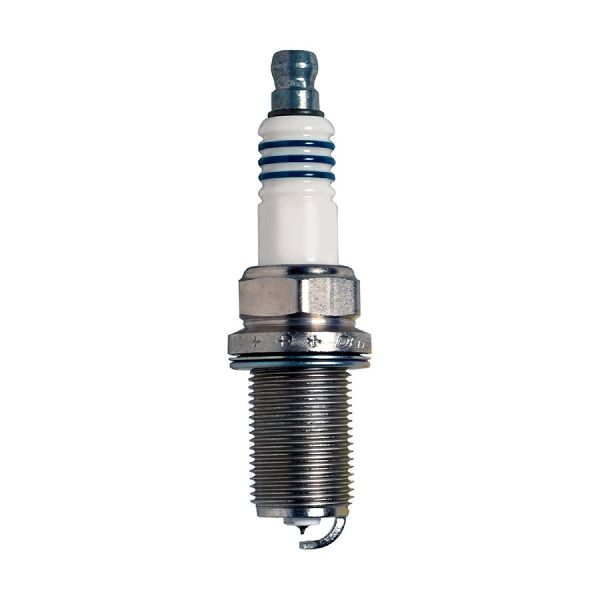
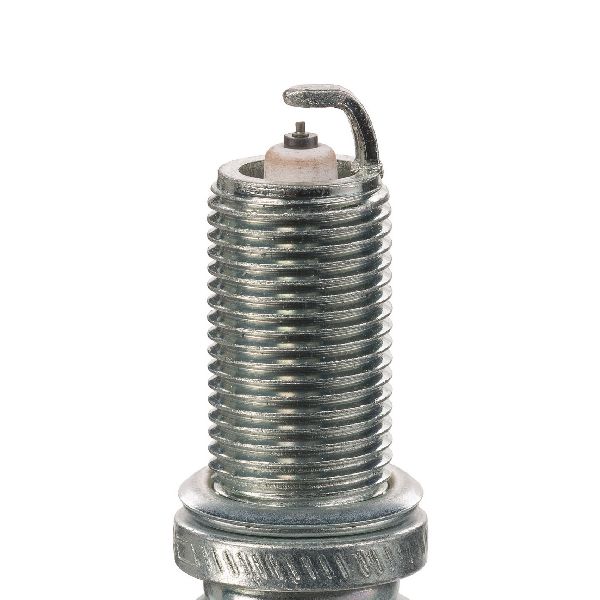
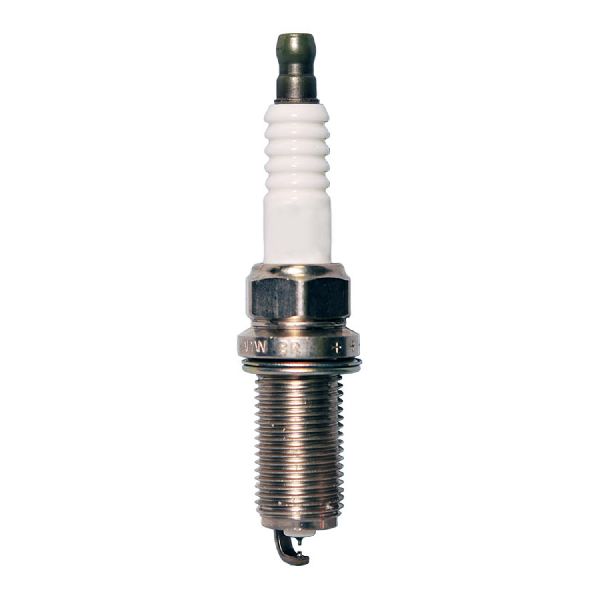
Est. part cost: $70-$140 for one OEM coil - Worn Spark Plug 🔴 High Probability → Shop Spark Plug Spark plugs are a standard maintenance item with a recommended service interval of 75,000 miles on this engine. Worn or fouled plugs can cause a weak spark and can also strain the ignition coils, leading to their premature failure.
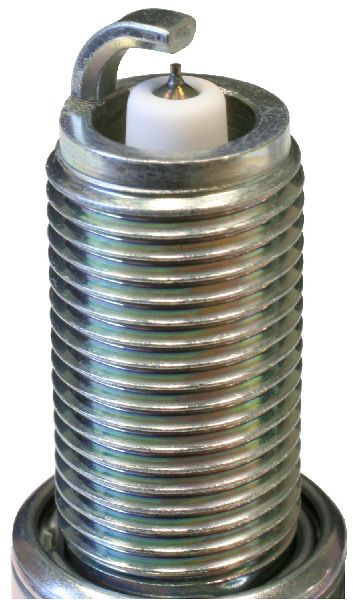
How to confirm: After ruling out the ignition coil, remove the spark plug from cylinder 1. Inspect it for wear (worn electrode), carbon buildup, or oil/fuel fouling. If its age is unknown or it appears worn, it should be replaced.
Typical fix: Replace the spark plug in cylinder 1. For best results and to ensure even performance, replace all six spark plugs as a set. 🎬 Watch: Step-by-step guide to changing spark plugs on an LR2.
Est. part cost: $15-$25 per plug - Faulty or Clogged Fuel Injector 🟡 Medium Probability → Shop Fuel Injector Land Rover issued TSB SSM71894 due to a high number of reported fuel injector failures on this platform, which cause cold start misfires and rough running. The injectors can become clogged or fail electrically.
How to confirm: If swapping the coil and plug does not resolve the P0301 code, the fuel injector is the next likely cause. A professional can perform a fuel injector balance test. A DIY test involves checking the injector's resistance with a multimeter (should be 11.8-12.3 ohms). The most definitive DIY test is to swap the injector with another cylinder, but this is labor-intensive.
Typical fix: Replace the fuel injector for cylinder 1. This requires removing the intake manifold to access the fuel rail. 🎬 Watch: How to remove the intake manifold on this engine. Some owners opt to replace all six injectors at once to prevent future failures.
Est. part cost: $50-$300
Rare But Worth Checking
- Failed PCV System (Oil Trap): The diaphragm in the PCV breather box, a known issue on the Volvo SI6 engine, can tear. This creates a significant vacuum leak that leads to misfires, often random (P0300) but can isolate to one cylinder. Key symptoms are a loud whistling or howling noise from the engine at idle, and very strong suction when trying to remove the oil filler cap while the engine is running. 🎬 See how to easily replace the PCV valve yourself.
- Low Engine Compression: If ignition and fuel system components are confirmed to be good, a mechanical issue like a burnt valve, worn piston rings, or a damaged cylinder wall could be the cause. A compression test on cylinder 1 is needed to diagnose this. A user on landroverforums.com with a persistent P0301 confirmed compression was good at 150 PSI, matching other cylinders, which ruled out mechanical issues for them.
Diagnosis Steps
- Read the trouble codes with an OBD-II scanner and confirm P0301 is present. Note any other codes, especially P0300, P0316, or P0201.
- Swap the ignition coil from cylinder 1 (passenger side) to cylinder 2. Clear the codes.
- Drive the vehicle until the check engine light returns. Re-scan the codes.
- If the code is now P0302, the ignition coil is bad and must be replaced.
- If the code remains P0301, swap the spark plug from cylinder 1 to cylinder 2. Clear codes and repeat the test drive.
- If the code is now P0302, the spark plug is faulty.
- If the code remains P0301, listen for a loud whistling noise at idle. Try to remove the oil filler cap; if there is strong suction and the noise changes, suspect a failed PCV system diaphragm.
- If ignition and PCV seem okay, the issue is likely the fuel injector. Listen to the cylinder 1 fuel injector with a mechanic's stethoscope; it should have a steady, rhythmic clicking sound.
- If the injector is silent or irregular, or if other tests have been exhausted, the fuel injector is the primary suspect per TSB SSM71894. Consider replacement.
- If all else fails, perform an engine compression test on cylinder 1 to check for mechanical engine health.
Parts You'll Likely Need
- Ignition Coil
(OEM #LR002954)— This is the most common cause of a single-cylinder misfire and is a simple part to replace during diagnosis.
Trusted brands: Denso (OEM supplier), Bosch, NGK, Genuine Land Rover/Volvo
OEM price range: $70-$140
Aftermarket price range: $30-$80 - Spark Plug
(OEM #LR005483)— A standard maintenance item that is the second most likely cause of a misfire. Should be replaced with coils.
Trusted brands: Champion, NGK, Bosch, Genuine Land Rover/Volvo
OEM price range: $15-$25
Aftermarket price range: $8-$15 - Fuel Injector
(OEM #LR001982)— A known weak point on this specific vehicle, as documented by Land Rover TSB SSM71894, making it a likely culprit if ignition parts are good.
Trusted brands: Bosch (OEM supplier), Standard Motor Products, GB Remanufacturing
OEM price range: $250-$400
Aftermarket price range: $50-$150
Related Codes That Often Appear With This One
- P0300 — If the root cause, like a vacuum leak from the PCV system or a fuel delivery issue, starts to affect other cylinders, a P0300 (Random Misfire) code may appear alongside the P0301.
- P1315 — This is a Land Rover-specific code for a 'Persistent Misfire' that is severe enough to damage the catalytic converter. It is often stored alongside P030x codes when the check engine light is flashing.
- P0316 — Indicates a misfire was detected within the first 1,000 engine revolutions after startup, often related to cold-start issues like a faulty fuel injector as described in TSB SSM71894.
- P0201 — This code specifically indicates a fault in the cylinder 1 injector circuit. If you see P0201 along with P0301, the fuel injector or its wiring is almost certainly the culprit.
Technical Service Bulletins (TSBs) & Recalls
- Bulletin #SSM71894: This is a Special Service Message, not a full TSB. It alerts technicians to a known pattern of customer complaints about misfires at cold start and intermittent rough running at normal operating temperature, with DTCs like P0301-00 stored. The bulletin notes that engineering is investigating the cause of these fuel injector failures.
Platform-Specific Known Issues
- Special Service Message (SSM) 71894 was issued by Land Rover to guide technicians on a high number of fuel injector failures causing cold start misfires and rough running on this engine. This makes injectors a more probable cause than on a typical vehicle.
- The Volvo-sourced PCV system (oil trap) is prone to diaphragm failure, causing a distinct whistling sound and vacuum leaks that can lead to misfires.
Mechanic-Grade Diagnostic Values
- Fuel Rail Pressure (at idle, engine warm) — expected: Approx. 55 PSI (3.8 bar).. Failure: Pressure consistently below 50 PSI may trigger fuel system codes and contribute to misfires. Pressure should not drop rapidly to zero after shutdown, as this indicates a leak or bad check valve.
- Fuel Injector Resistance — expected: 11.8 - 12.3 ohms.. Failure: A reading outside this range, or a variance of more than 0.5 ohms between any of the six injectors, points to a faulty injector.
- Injector Pulse Width (at idle, engine warm) — expected: 1.5 ms - 2.9 ms.. Failure: A consistently higher pulse width (e.g., 3.0 - 5.5 ms) on a single cylinder can indicate the ECU is trying to compensate for a clogged or failing injector. If all cylinders show high pulse width, it may indicate a vacuum leak.
- Short-Term or Long-Term Fuel Trims (STFT/LTFT) — expected: Within +/- 10%.. Failure: A sustained positive fuel trim value greater than 10% indicates the ECU is adding significant fuel to compensate for a lean condition (e.g., vacuum leak, weak fuel delivery), which can be a clue to the root cause of the misfire.
Hidden / Shadow Codes Worth Checking
- P0301-XX (e.g., P0301-00): While not strictly 'shadow codes,' Land Rover's SDD software can show more detailed sub-types for generic OBD-II codes. For example, similar fuel system codes have variants like -21, -22, and -23 that provide more specific information about the fault type (e.g., signal amplitude, frequency) than a generic scanner can. (see via Land Rover Symptom Driven Diagnostics (SDD) or a compatible high-end diagnostic tool that can read manufacturer-specific codes.)
Scan Tool Commands That Help
- Land Rover SDD (Symptom Driven Diagnostics): Power Balance Test — This function graphically displays the power contribution of each cylinder, allowing a technician to confirm that cylinder 1 is the source of the misfire without swapping parts. It's a definitive way to verify the misfire location.
- Land Rover SDD (Symptom Driven Diagnostics): Relative Injector Flow Test — After confirming the misfire is on cylinder 1 and ruling out ignition components, this test can help determine if the fuel injector is flowing differently compared to the others, pointing to a clog or failure.
- Land Rover SDD (Symptom Driven Diagnostics): Live Data Logger — To monitor critical real-time values like Fuel Rail Pressure, Injector Pulse Width for cylinder 1 vs others, and both short and long-term fuel trims. This helps diagnose whether the issue is fuel delivery, electrical, or a vacuum leak.
Wiring & Ground Locations
- Main Engine Ground Strap — Runs from the chassis rail, located under the battery tray, to the gearbox/transmission housing.. A corroded or loose main ground strap is a known issue that can cause a wide range of electrical faults, including incorrect sensor readings and poor fuel pump performance, leading to drivability issues and misfires. A bad ground connection for the fuel pump control module was found to cause fuel pressure problems on the related Volvo S80 3.2L. This should be one of the first things to check when diagnosing any electrical or fuel-related code on this platform.
- Cylinder 1 Injector Wiring — On the shared Volvo SI6 platform, the cylinder 1 injector wire is typically a Green/Brown wire leading to a specific pin on the ECM (e.g., Pin A:63). The ECM itself is located at the top center of the firewall in the engine compartment.. If the injector itself tests good (resistance check) but is still suspected, checking for voltage pulse at this connector with a noid light or testing continuity from the connector back to the ECM pin can identify a break or short in the wiring harness.
OEM Part Supersession History
LR001982→N/A— No supersession history found. LR001982 appears to be the original and current part number for this application.
Model Year Variations Within This Range
- 2008-2011: Engines built before 2012 had a piston ring design that could lead to higher oil consumption. While not a direct cause of P0301, this makes spark plug fouling from oil a more likely root cause on earlier models in this range compared to the 2012 model year.
Diagnostic Flowchart
Real Owner Stories
Aggregated from forums and TSBs cited above. Mileages and costs reflect what owners reported in those sources.
2008 LR2 3.2 — ~120000 miles
Symptoms: Multiple misfire codes (P0300, P0301, P0302, P0305, P0306), starts a bit rough from time to time, stumbles every now and then, CEL, random driving impairments.
What fixed it: Replaced the spark plugs due to the multiple, random nature of the misfires on a higher mileage engine, after replacing the air filter and cleaning the MAF sensor failed to resolve the issue.
Source hint: landroverforums.com thread titled '2008 LR2 Multiple Misfire - Please Help - Land Rover Forums'
Land Rover LR2 3.2L
Symptoms: Persistent P0301 code that remained even after replacing spark plugs and ignition coils.
What fixed it: Traced the issue back to a faulty fuel injector and replaced it, aligning with TSB SSM71894, after replacing nearly every other related component.
Source hint: landroverforums.com thread titled 'P0301 Nightmare'
Freelander 2 3.2L petrol
Symptoms: Cylinder 1 misfire symptoms.
What fixed it: Followed the standard diagnostic path for this engine, ultimately replacing the ignition coil, then the spark plug, and finally the fuel injector to resolve the misfire.
Source hint: freel2.com (UK-based forum for the LR2/Freelander 2)
Related OBD-II Codes
Frequently Asked Questions
Does TSB SSM71894 apply to my 2008-2012 LR2 3.2L for code P0301?
I have a P0301 code and hear a loud whistling noise from the engine. What does this mean?
What is the recommended replacement interval for spark plugs on the LR2 3.2L I6?
How can I test if the cylinder 1 fuel injector is causing my P0301 code?
How do I definitively test the cylinder 1 ignition coil on my LR2?
Are there other vehicles that share this exact engine and P0301 misfire issues?
Helpful Videos


We Have This Part in Stock


The information in this article is provided for general reference and educational purposes only. Vehicle specifications, procedures, and part compatibility can vary by production date, trim level, and region. Always consult your vehicle's factory service manual and verify part numbers before purchasing or performing repairs. Safety-critical components such as airbags, seat belts, and braking systems should be installed by a qualified professional.
- Land Rover LR2:
- 🧭 Diagnostic Flowchart
- 🎬 Helpful Videos
- 🛍️ Shop This Part
- What's Unique About the 2008-2012 Land Rover LR2
- Symptoms You May Notice
- Most Likely Causes
- Rare But Worth Checking
- Diagnosis Steps
- Parts You'll Likely Need
- Related Codes That Often Appear With This One
- Technical Service Bulletins (TSBs) & Recalls
- Platform-Specific Known Issues
- Mechanic-Grade Diagnostic Values
- Hidden / Shadow Codes Worth Checking
- Scan Tool Commands That Help
- Wiring & Ground Locations
- OEM Part Supersession History
- Model Year Variations Within This Range
- Real Owner Stories
- 2008 LR2 3.2 — ~120000 miles
- Land Rover LR2 3.2L
- Freelander 2 3.2L petrol
- Related OBD-II Codes
- Frequently Asked Questions
- 🎟️ Get 5% Off