

P0301 on 2017-2020 Lincoln Continental: Cylinder 1 Misfire Causes and Fixes
P0301 means a misfire on cylinder 1. The most likely causes are a bad ignition coil or a worn spark plug. However, on 2017 models with engines built between April 1, 2016, and January 1, 2017, this code is a critical warning for a serious engine defect (TSB 19-2243) causing high oil consumption, requiring cylinder head replacement.
- P0301 is a misfire in cylinder 1, the rear-most cylinder on the passenger side.
- For 2017 models, immediately check for high oil consumption or blue/white exhaust smoke, as this could indicate a major engine defect covered by TSB 19-2243.
- If no signs of the TSB issue are present, the most likely fix is a new ignition coil or spark plug for cylinder 1.
- Do not ignore a flashing check engine light, as this can cause rapid and expensive damage to your catalytic converters.
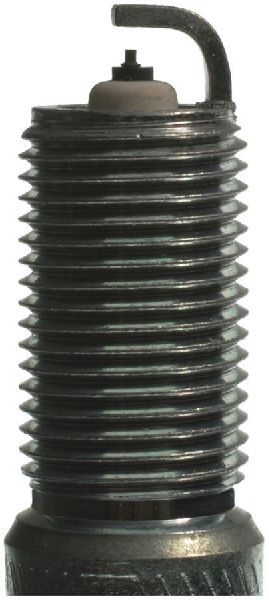
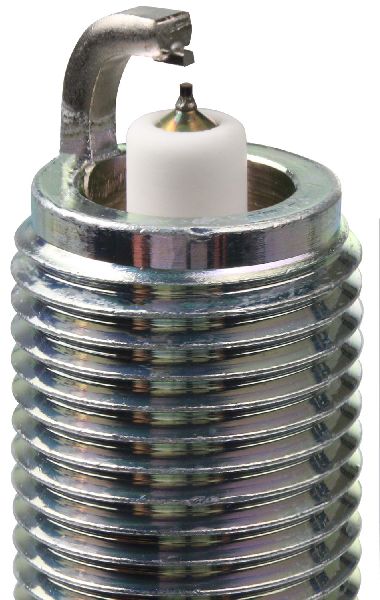
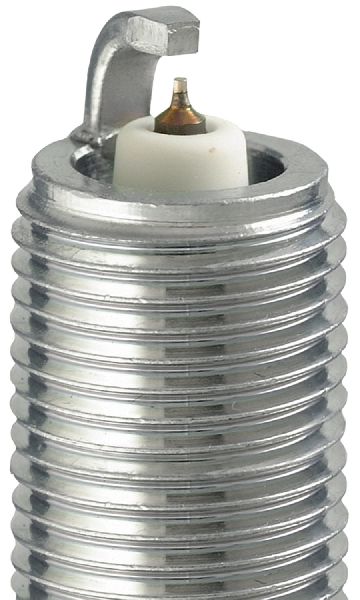
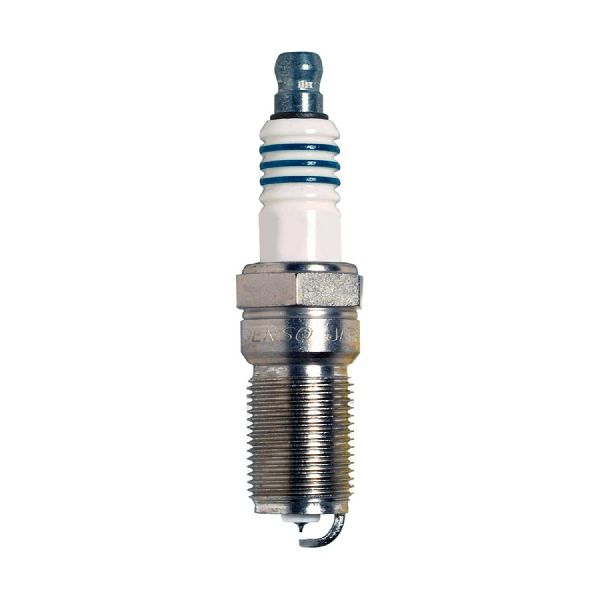
- Always use high-quality Iridium spark plugs (like Motorcraft SP-594) and ensure they are gapped correctly to 0.028–0.031 inches.
What's Unique About the 2017-2020 Lincoln Continental
For the 2017 Lincoln Continental with the 2.7L or 3.0L EcoBoost engine, a P0301 code must be treated with extreme caution. While a simple ignition part failure is possible, Ford/Lincoln issued Technical Service Bulletin (TSB) 19-2243, which supersedes TSB 17-2235. This TSB applies to engines built between April 1, 2016, and January 1, 2017. It links misfire codes directly to faulty valve guides that cause excessive oil consumption (1 quart in under 3,000 miles) and can lead to catastrophic engine damage. The official repair is a complete replacement of both cylinder heads. Therefore, diagnosing a P0301 on a 2017 model requires immediately checking for signs of oil consumption or blue/white exhaust smoke, especially after a hot restart.
Symptoms You May Notice
- Rough or shaking idle
- Hesitation or stumbling during acceleration
- Flashing or solid Check Engine Light
- Loss of engine power
- Reduced fuel economy
- Blue or white smoke from the exhaust, especially after a hot restart (a key indicator of the TSB issue)
- Strong fuel smell from the exhaust
- Excessive oil consumption, defined in the TSB as 1 quart in less than 3,000 miles
- Replacing only the spark plug when it has been fouled by oil from the underlying cylinder head issue. The new plug will quickly foul again until the root cause (valve guides) is addressed.
Most Likely Causes
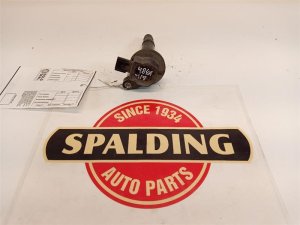
- Faulty Ignition Coil 🔴 High Probability → Shop Ignition Coil Coil-on-plug systems are a common failure point on modern engines due to constant exposure to high heat and vibration. Failures can lead to misfires and poor engine performance.
How to confirm: Swap the ignition coil from cylinder 1 with another cylinder (e.g., cylinder 2). Clear the codes and drive. If the misfire code changes to P0302, the coil is faulty. Cylinder 1 is on the rear bank, passenger side.
Typical fix: Replace the faulty ignition coil. It is often recommended to replace all six as a preventative measure if they are original and high-mileage.
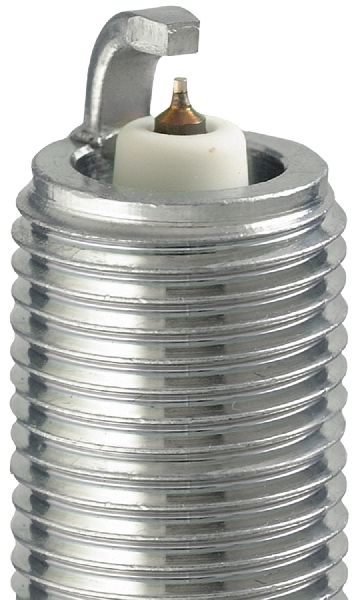
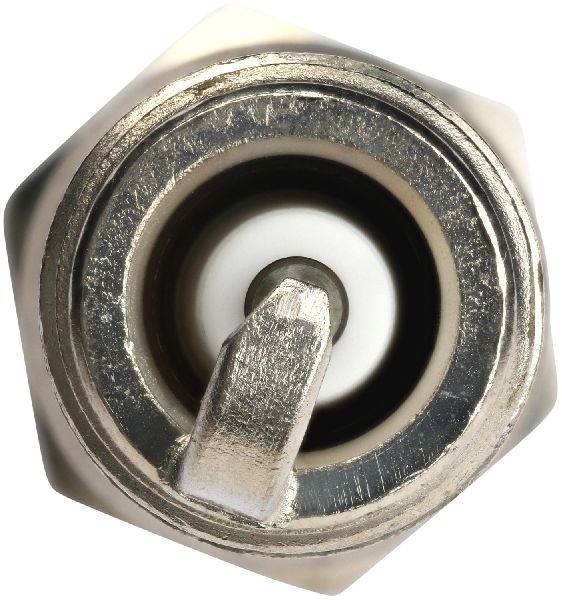
Est. part cost: $50-$100 - Worn or Fouled Spark Plug 🔴 High Probability → Shop Spark Plug Turbocharged EcoBoost engines are demanding on spark plugs, requiring high-quality iridium plugs for proper function. Oil fouling from the known valve guide issue is a very common reason for a plug to fail on these specific engines.
How to confirm: After ruling out the coil, remove the spark plug from cylinder 1. Inspect it for wear, carbon buildup, oil fouling, or an incorrect gap. The correct gap is 0.028–0.031 inches. Note that iridium plugs are sensitive and the gap should not be adjusted with a standard coin-style tool.
Typical fix: Replace the spark plug. It is best practice to replace all six plugs as a set with high-quality Iridium plugs (e.g., Motorcraft SP-594) gapped to specification.
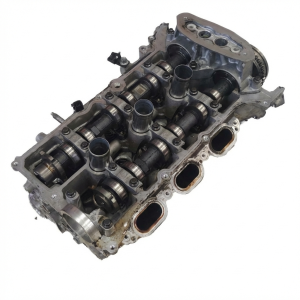
Est. part cost: $60-$120 for a set of six - Cylinder Head Failure (per TSB 19-2243) 🟡 Medium Probability → Shop Engine Cylinder Head Applies specifically to 2017 models with engines built between April 1, 2016, and January 1, 2017, due to defective valve guides from the factory that wear prematurely. This allows oil to leak into the combustion chamber.
How to confirm: This is diagnosed after ruling out ignition and fuel issues. Key symptoms are excessive oil consumption (1 quart in <3,000 miles), blue/white exhaust smoke after hot restarts, and the potential presence of oil pressure codes like P0524 or P06DD. A compression and cylinder leak-down test provide definitive proof.
Typical fix: Replace both cylinder heads per the TSB procedure. This is a major, expensive repair, with Ford allocating 24.5-25.5 labor hours for the job on a Continental.
Est. part cost: $2000-$4000+ - Clogged or Faulty Fuel Injector ⚪ Low Probability → Shop Fuel Injector Direct injection (DI) fuel injectors operate under high pressure and can be susceptible to carbon buildup or failure over time, though it is less common than ignition system faults.
How to confirm: After ruling out spark, this is the next likely cause. A professional can test the injector's flow rate and spray pattern. Swapping the injector with another cylinder is possible but is significantly more labor-intensive than a coil swap.
Typical fix: Replace the faulty fuel injector. It's often recommended to replace all injectors on the same bank at once.
Est. part cost: $100-$250 per injector
Rare But Worth Checking
- Low Engine Compression: This is a serious mechanical issue caused by worn piston rings or damaged valves. A compression test is required for diagnosis. This is the ultimate result of the issue described in TSB 19-2243.
- Vacuum Leak: A vacuum leak is more likely to cause random misfires (P0300), but a leak isolated to the intake manifold runner for cylinder 1 could theoretically cause P0301.
Diagnosis Steps
- Read all stored DTCs with an OBD-II scanner. Note any codes accompanying P0301, especially P0300, P0524, or P06DD.
- Check your vehicle's build date (on the driver's door jamb sticker). If it's a 2017 model with an engine built between April 1, 2016, and January 1, 2017, immediately suspect the TSB 19-2243 issue.
- Check engine oil level and look for signs of excessive consumption (1 quart in <3,000 miles) or blue/white exhaust smoke, particularly after a hot restart.
- If the TSB is not suspected or you want to rule out simple causes first, begin diagnosis by swapping the ignition coil from cylinder 1 to cylinder 2. Cylinder 1 is on the rear bank (firewall side), passenger side. Clear codes, drive, and see if the misfire code moves to P0302. If it does, the coil is bad.
- If the code remains P0301, inspect the spark plug from cylinder 1. If it is wet with oil or heavily fouled, this strongly points toward the TSB issue. You can swap the plug with cylinder 3 to see if the code moves to P0303, but oil fouling is a major clue.
- If the misfire still stays on cylinder 1 after confirming the coil and plug are good, the problem is likely a fuel injector or a mechanical engine issue.
- At this point, especially if the vehicle falls within the TSB build dates, a professional should perform an engine compression test and a cylinder leak-down test to confirm the health of the cylinder before replacing other parts like a fuel injector.
Parts You'll Likely Need
- Ignition Coil
(OEM #FT4Z-12029-A)— A failed ignition coil is one of the most common causes of a single-cylinder misfire.
Trusted brands: Motorcraft
OEM price range: $65-$105
Aftermarket price range: $40-$70 - Iridium Spark Plug
(OEM #SP-594 (Motorcraft))— Worn or fouled spark plugs are a routine maintenance item and a frequent cause of misfires. EcoBoost engines require high-quality iridium plugs for proper performance.
Trusted brands: Motorcraft, NGK, Denso
OEM price range: $12-$20 per plug
Aftermarket price range: $8-$15 per plug - Cylinder Head Assembly
(OEM #FL3Z-6049-J (Left), FL3Z-6049-K (Right) - Note: These are for the 2.7L F-150 but are indicative of the parts needed.)— This is the required part to fix the known valve guide defect described in TSB 19-2243 for affected 2017 models.
Trusted brands: Motorcraft
OEM price range: $1500-$2500+
Aftermarket price range: N/A
Related Codes That Often Appear With This One
- P0300 — If the underlying cause, like the TSB valve guide issue, affects multiple cylinders, a random misfire code may appear alongside the specific cylinder code.
- P0302, P0303, P0304, P0305, P0306 — The presence of other specific cylinder misfire codes indicates a widespread problem, strengthening the diagnosis of the TSB-related cylinder head failure.
- P0524, P06DD — These codes indicate low engine oil pressure. According to TSB 19-2243, their presence with a misfire code on an affected 2017 model is a strong confirmation of the severe internal engine problem.
- P0316 — Misfire detected on startup (first 1000 revolutions). This code is often seen with other misfire codes and is specifically mentioned in TSB 19-2243.
Technical Service Bulletins (TSBs) & Recalls
- TSB 19-2243: Supersedes previous bulletins. Addresses excessive oil consumption, rough idle, misfire codes (P0301-P0306), and exhaust smoke on 2.7L/3.0L engines due to faulty valve guides.
- SSM 46364: An earlier bulletin that first linked misfire codes and oil consumption to potential cylinder head failure on these engines.
Platform-Specific Known Issues
- TSB 19-2243: Affects some 2017 Continentals with 2.7L/3.0L engines built from April 1, 2016, to Jan 1, 2017. It details a manufacturing defect in the cylinder head valve guides that leads to excessive oil consumption, exhaust smoke, and engine misfires.
Mechanic-Grade Diagnostic Values
- Low-Pressure Fuel System (KOER - Key On, Engine Running) — expected: > 275 kPa (40 psi). Failure: Pressure dropping below 275 kPa (40 psi) can indicate a weak fuel pump, causing lean conditions and misfires.
- High-Pressure Fuel System (Direct Injection) — expected: Up to 248 bar / 3600 psi under load. Varies significantly with engine RPM and load.. Failure: Significantly lower than commanded pressure on a scan tool, indicating a failing High-Pressure Fuel Pump (HPFP).
- Ignition Coil Connector Voltage (Pin 1, Power Feed) — expected: Battery Voltage (approx. 12V) with Key On, Engine Off.. Failure: No voltage indicates a wiring or fuse issue upstream of the coil.
- Mode $06 Misfire Count (Cylinder 1) — expected: TID $A2, CID $01 (Test ID $A2, Component ID $01). Value should be 0 or very low.. Failure: A high or incrementing count on this specific component ID confirms the PCM is detecting misfires on cylinder 1, even if a CEL is not yet triggered.
Scan Tool Commands That Help
- Ford IDS, FORScan, high-end aftermarket scanners (Autel, Snap-on): Power Balance Test — This is a primary diagnostic step. The test graphically displays the RPM drop from each cylinder as its fuel injector is momentarily shut off. A cylinder with little to no RPM drop when disabled is not contributing power, confirming the misfire location without swapping parts.
- Ford IDS, FORScan: Misfire Monitor Neutral Profile Correction — Use this after major engine or transmission repairs, or if an intermittent misfire persists with no clear cause. It relearns the crankshaft position sensor's profile of natural vibrations, preventing false misfire detection.
Wiring & Ground Locations
- C1758B (PCM Connector) — The Powertrain Control Module (PCM) is located in the engine bay. C1758B is one of the main connectors.. Pin 40 (varies by specific wiring diagram, but is an example) on this connector is the control wire for the cylinder 1 ignition coil (COP1). A continuity test from this pin to the coil connector's signal wire can rule out a wiring break.
- Ignition Coil Connector (Cylinder 1) — On the ignition coil for cylinder 1 (rear bank, passenger side).. This 2-pin connector provides power and the trigger signal. Pin 1 (Varies by diagram) should have 12V+ with the key on. Pin 2 is the ground-side trigger from the PCM. Checking for 12V power here is a critical first step in electrical diagnosis.
Real Owner Repair Stories
- Ford F150 Forum user 'hilfiger' (2015 F-150 EcoBoost (engine is a direct relative with same GDI design)) — Intermittent shuddering under load in higher gears at low RPM. Scan tool showed P0301.
❌ Tried (didn't work) Replaced spark plug in cylinder 1., Replaced ignition coil on cylinder 1.
✅ What actually fixed it The final diagnosis from another user, and a common resolution for these symptoms on GDI engines, was carbon buildup on the intake valve for cylinder 1, which disrupts airflow and causes a misfire on startup or under load. The fix is physical cleaning (walnut blasting) of the intake valves.
OEM Part Supersession History
Motorcraft SP-578→Motorcraft SP-594— Updated design/material for spark plugs used in 2.7L/3.5L EcoBoost engines to improve durability and performance.
Model Year Variations Within This Range
- 2017: Engines built between April 1, 2016, and January 1, 2017, are subject to TSB 19-2243 for defective cylinder head valve guides. This is the primary cause to investigate for any 2017 model with a P0301 and signs of oil consumption.
Diagnostic Flowchart
Real Owner Stories
Aggregated from forums and TSBs cited above. Mileages and costs reflect what owners reported in those sources.
2016 Ford F-150 2.7L EcoBoost
Symptoms: Experienced excessive oil consumption and received a low oil pressure warning during wide-open throttle acceleration.
What fixed it: The dealer acknowledged the relevant TSB (17-0007 at the time, which parallels the Continental's TSB 19-2243) and replaced the cylinder heads.
Source hint: F-150 Forum: PSA on 2.7L Ecoboost Engine Failure
Lincoln (Model Unspecified)
Symptoms: Noticed significant engine oil consumption, particularly when the vehicle was primarily used for short trips.
What fixed it: Experimented with different oil weights and adjusted driving patterns to monitor and mitigate the consumption issue.
Source hint: Bob Is The Oil Guy: Very odd consumption issue
Related OBD-II Codes
Frequently Asked Questions
Does TSB 19-2243 for the cylinder head issue apply to my 2019 Lincoln Continental?
Why is my 2.7L Continental blowing blue or white smoke after a hot restart?
What spark plugs should I use for the 2.7L/3.0L EcoBoost, and what is the correct gap?
How do I know if my P0301 code is caused by a bad ignition coil or the known cylinder head defect?
How much oil consumption is considered 'excessive' under the Ford/Lincoln TSB?
What other codes should I look for if I suspect the cylinder head failure on my Continental?
Used OEM Parts in Stock
New Aftermarket Parts Available

The information in this article is provided for general reference and educational purposes only. Vehicle specifications, procedures, and part compatibility can vary by production date, trim level, and region. Always consult your vehicle's factory service manual and verify part numbers before purchasing or performing repairs. Safety-critical components such as airbags, seat belts, and braking systems should be installed by a qualified professional.
- Lincoln Continental:
- 🧭 Diagnostic Flowchart
- 🛍️ Shop This Part
- What's Unique About the 2017-2020 Lincoln Continental
- Symptoms You May Notice
- Most Likely Causes
- Rare But Worth Checking
- Diagnosis Steps
- Parts You'll Likely Need
- Related Codes That Often Appear With This One
- Technical Service Bulletins (TSBs) & Recalls
- Platform-Specific Known Issues
- Mechanic-Grade Diagnostic Values
- Scan Tool Commands That Help
- Wiring & Ground Locations
- Real Owner Repair Stories
- OEM Part Supersession History
- Model Year Variations Within This Range
- Real Owner Stories
- 2016 Ford F-150 2.7L EcoBoost
- Lincoln (Model Unspecified)
- Related OBD-II Codes
- Frequently Asked Questions
- 🎟️ Get 5% Off