

P0301 on 2015-2019 Lincoln MKC: Cylinder 1 Misfire Causes and Critical Engine Warnings
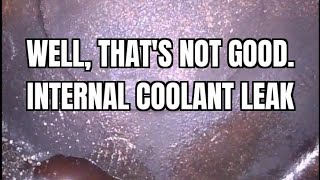
P0301 indicates a cylinder 1 misfire. While it can be a simple fix like a spark plug or ignition coil, on the 2.0L EcoBoost engine, this code is a critical warning for potential coolant intrusion into the cylinder, a known issue that requires engine replacement. Always check for coolant loss first, as this is a primary indicator of the defect.
- P0301 means cylinder 1 is misfiring.
- On the 2.0L EcoBoost MKC, the first and most critical step is to check for unexplained coolant loss, which points to a serious, known engine defect.
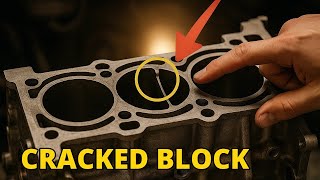
- The defect is a flaw in the engine block casting between cylinders, not a simple head gasket leak.
- Simple causes like a bad ignition coil or spark plug should be diagnosed first by swapping components, but do not assume this is the final fix if coolant is also low.
- Ignoring a P0301 code, especially if accompanied by coolant loss or white exhaust smoke, can lead to catastrophic engine failure requiring a multi-thousand dollar repair.
- Due to the severity of the potential underlying cause, professional diagnosis using a borescope and pressure test is strongly recommended if a simple coil or plug swap does not resolve the issue.
What's Unique About the 2015-2019 Lincoln MKC
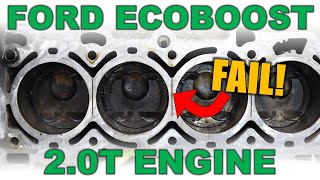
For the 2015-2019 Lincoln MKC, particularly models with the 2.0L EcoBoost engine, a P0301 code carries a unique and severe risk. The root cause is a design flaw in the engine block's open-deck design, which features 🎬 Watch: See a teardown of why these EcoBoost engines fail. a narrow slit between the cylinders for cooling. This area has inadequate surface for the head gasket to seal properly, allowing coolant to leak directly into the combustion chamber over time. Ford and Lincoln have issued multiple Technical Service Bulletins (TSBs) acknowledging this 'coolant intrusion' issue, which often first appears as a misfire code like P0301 before leading to catastrophic engine failure. Therefore, unlike on many other vehicles where P0301 suggests a routine tune-up, on a 2.0L MKC, it demands an immediate and specific diagnostic approach focused on verifying the health of the engine block itself.
Diagnostic Flowchart
Tap your situation to follow the diagnostic path that matches what you're seeing on this vehicle.
Symptoms You May Notice
- Engine running rough or shaking, especially at idle
- Flashing or solid Check Engine Light
- Hesitation or stumbling during acceleration
- Loss of power
- Unexplained coolant loss with no visible external leaks
- White smoke from the exhaust, especially on startup, which may have a sweet smell
- Engine overheating or temperature gauge running high
- A 'steam-cleaned' appearance on one or more spark plugs
- Repeatedly replacing only the spark plug and/or ignition coil without checking for coolant loss. This fixes the symptom temporarily but allows the underlying engine damage from coolant intrusion to worsen, leading to eventual catastrophic failure.
- Mistaking the issue for a simple head gasket failure when the root cause is the engine block design.
Most Likely Causes
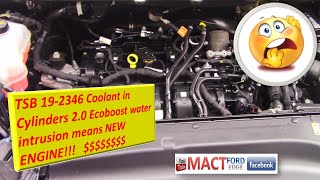
- Coolant Intrusion into Cylinder (2.0L EcoBoost Engine) 🔴 High Probability A known defect in the open-deck engine block design allows coolant to seep between cylinders. This is not a typical head gasket failure but a flaw in the block itself, documented in manufacturer TSBs 🎬 Watch: A detailed look at TSB 19-2346 and coolant intrusion. 22-2229, 19-2346, and SSM 47204. The issue is widespread enough to have prompted class-action lawsuits.
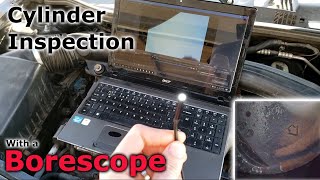
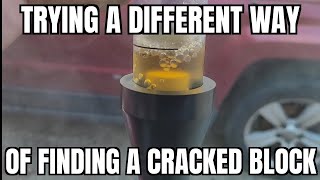
How to confirm: Check for gradual coolant loss in the reservoir with no visible leaks. A mechanic can perform a cooling system pressure test (TSB 19-2346 specifies checking for a drop of more than 4 psi over 5 hours) and use a borescope to inspect inside the 🎬 See how to use a borescope for a cylinder inspection. cylinder for coolant or an unusually clean, 'steam-cleaned' piston top.
Typical fix: According to TSB 22-2229, the only permanent fix is to replace the long block engine assembly with a redesigned version. Engines manufactured after mid-2019 are believed to have the updated block design.
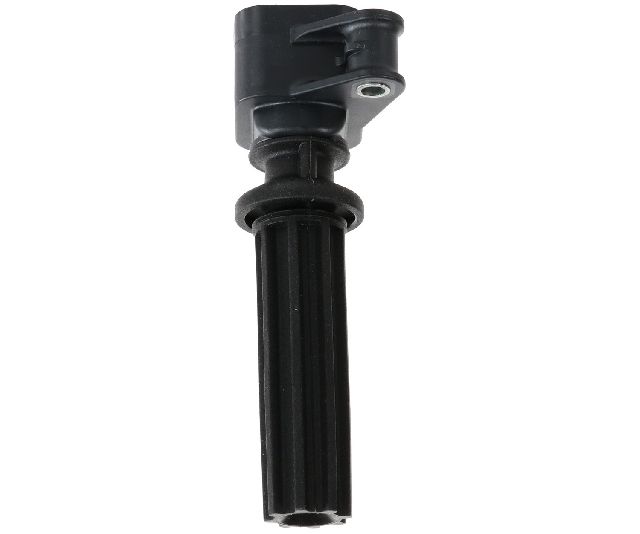
Est. part cost: $4000-$7000+ - Faulty Ignition Coil 🟡 Medium Probability → Shop Ignition Coil
How to confirm: Swap the ignition coil from cylinder 1 with another cylinder (e.g., cylinder 2). Clear the codes and run the engine. If the misfire code changes to P0302, the coil is bad.
Typical fix: Replace the faulty ignition coil. It's good practice to replace the spark plug at the same time. The OEM part is Motorcraft DG-562, which supersedes CM5Z-12029-A.
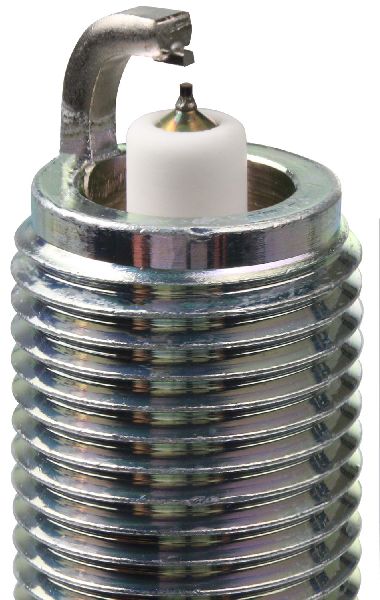
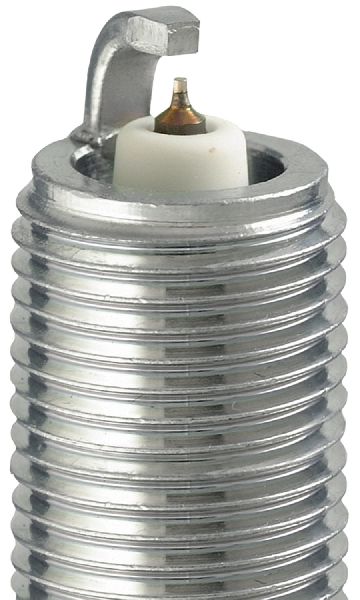
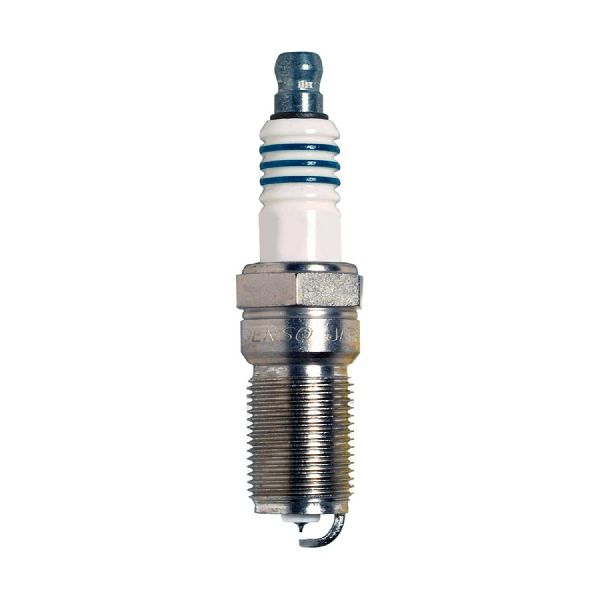
Est. part cost: $40-$100 - Worn or Fouled Spark Plug 🟡 Medium Probability → Shop Spark Plug
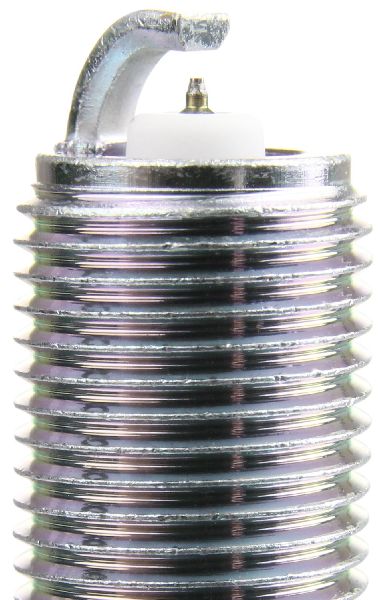
How to confirm: Remove the spark plug from cylinder 1. Inspect for wear, damage, or fouling from oil or coolant. A 'steam-cleaned' appearance is a strong indicator of coolant intrusion. The OEM plug is often an Iridium or Platinum type.
Typical fix: Replace the spark plug. If other plugs are old, replace all of them. The Motorcraft OEM part number is SP-550-X, with an equivalent NGK part being LTR6IX-11 or 94374.
Est. part cost: $10-$25 - Faulty Fuel Injector ⚪ Low Probability → Shop Fuel Injector
How to confirm: After ruling out spark issues, a professional can test the fuel injector's function and wiring. Swapping the injector with another cylinder is also a valid diagnostic step, though more labor-intensive than a coil swap.
Typical fix: Replace the faulty fuel injector.
Est. part cost: $80-$200
Rare But Worth Checking
- Low fuel pressure
- Vacuum leak
- Loss of engine compression due to internal wear (unrelated to coolant intrusion)
- Clogged or failing catalytic converter
- Faulty Powertrain Control Module (PCM) injector driver circuit
Diagnosis Steps
- Check the coolant reservoir. If the level is low and you haven't seen any leaks on the ground, suspect coolant intrusion immediately. This is the most critical first step for a 2.0L EcoBoost.
- Scan for any other trouble codes. Note if P0300, P0316, or other cylinder misfires are present, as they strengthen the case for coolant intrusion.
- Swap the ignition coil from cylinder 1 to cylinder 2. Clear the codes and drive the vehicle. If the code changes to P0302, the ignition coil is the problem.
- If the code remains P0301, inspect the spark plug from cylinder 1. Look for excessive wear, fouling, or a steam-cleaned appearance (which indicates coolant). Compare it to other plugs.
- If ignition components seem okay, the next step is a professional diagnosis. This should include a cooling system pressure test and a borescope inspection of the cylinders for any signs of coolant.
- If all ignition and fuel components check out, and especially if there is coolant loss, the vehicle must be taken to a professional to diagnose for internal coolant leaks per TSB 22-2229.
Parts You'll Likely Need
- Engine Long Block Assembly
(OEM #J2GZ6006E (example of a redesigned block part number))— This is the manufacturer-specified repair for the common coolant intrusion issue on the 2.0L EcoBoost engine, as per TSB 22-2229. It replaces the faulty block with a redesigned version.
Trusted brands: Motorcraft
OEM price range: $5000-$7000
Aftermarket price range: $4000-$6000 - Ignition Coil
(OEM #CM5Z-12029-K (Motorcraft DG-562))— Ignition coils are a common failure point on most modern engines and a frequent cause of single-cylinder misfires.
Trusted brands: Motorcraft, NGK, Bosch, Denso
OEM price range: $60-$90
Aftermarket price range: $40-$70 - Spark Plug
(OEM #SP-550-X (Motorcraft))— Spark plugs are a routine maintenance item and can wear out or become fouled, leading to a misfire. A coolant-fouled plug is a key symptom of the larger engine issue.
Trusted brands: Motorcraft, NGK
OEM price range: $15-$25
Aftermarket price range: $10-$20
Related Codes That Often Appear With This One
- P0300 — Random Misfire - Often appears alongside a specific cylinder misfire as the coolant intrusion problem begins or worsens, affecting multiple cylinders.
- P0316 — Misfire Detected on Startup (First 1000 Revolutions) - This is commonly seen with coolant intrusion, as the coolant that leaked into the cylinder overnight causes an immediate misfire upon starting.
- P0302, P0303, P0304 — Misfires in other cylinders. As the engine block issue progresses, other cylinders (most commonly cylinders 2 and 3) can also be affected.
- P1299 — Cylinder Head Overtemperature Protection Active - The PCM detects an overheating condition, often caused by low coolant from the intrusion, and may shut down cylinders to prevent damage.
Technical Service Bulletins (TSBs) & Recalls
- TSB 22-2229: Supersedes previous bulletins, addresses low coolant, white smoke, and rough running on 2.0L EcoBoost engines due to coolant intrusion, and recommends long block replacement. Applies to 2017-2019 MKC.
- TSB 19-2346: An earlier version of the bulletin for the same coolant intrusion issue, also specifying long block replacement for MKCs built on or before April 18, 2019.
- SSM 47204: An earlier Special Service Message for 2.0L EcoBoost engines exhibiting rough run conditions and misfire DTCs due to coolant intrusion from corrosion on the engine block.
Platform-Specific Known Issues
- The 2.0L EcoBoost engine used in the 2015-2019 Lincoln MKC is subject to multiple Technical Service Bulletins (TSB 22-2229, 19-2346, SSM 47204) for an engine block defect. The issue is described as "coolant intrusion into the cylinder," caused by a flaw in the block casting between cylinders. This can cause a rough running condition and trigger misfire codes like P0301. The official repair is a complete engine long block replacement. This issue has also been the subject of class-action lawsuits (e.g., Miller, et al. v. Ford Motor Company).
Mechanic-Grade Diagnostic Values
- Cooling System Pressure Test — expected: Pressure drop of less than 4 PSI (27.57 kPa) over a 5-hour period.. Failure: A pressure drop greater than 4 PSI over 5 hours indicates a leak. If no external leaks are visible, coolant intrusion into a cylinder is highly likely.
- High-Pressure Fuel System (Direct Injection) — expected: 2,000+ PSI under load, with idle pressures ranging from 300-1500 PSI.. Failure: Code P0087 (Fuel Rail/System Pressure - Too Low) may accompany the misfire code. Pressure that does not increase with engine demand points to a failing High-Pressure Fuel Pump (HPFP).
- Low-Pressure Fuel System (In-tank pump) — expected: Approximately 45-65 PSI.. Failure: Pressure below this range indicates a weak in-tank fuel pump, which can cause misfires, especially under load.
- Ignition Coil Primary Resistance — expected: Approximately 0.4 to 2.0 ohms.. Failure: A reading outside this range suggests a faulty coil.
- Ignition Coil Secondary Resistance — expected: Approximately 6,000 to 15,000 ohms (6kΩ - 15kΩ).. Failure: A reading outside this range suggests a faulty coil.
Hidden / Shadow Codes Worth Checking
- Mode $06, Test IDs $A2-$A5: This is not a DTC, but raw data from the onboard misfire monitor. The test IDs correspond to misfire counts for each cylinder ($A2=Cyl 1, $A3=Cyl 2, etc.). A high count for Test ID $A2 confirms the P0301 is accurate and can show the severity of the misfire relative to other cylinders. (see via A professional scan tool capable of viewing Mode $06 data, such as Ford's IDS, Autel, or software like FORScan.)
Scan Tool Commands That Help
- Ford IDS (or advanced aftermarket scanners): Power Balance Test — This test graphically displays the power contribution of each cylinder in real-time. For a P0301, the graph for cylinder 1 will show a significant drop compared to the others, confirming it is not contributing power. This is one of the fastest ways to verify a dead misfire on a specific cylinder.
- Ford IDS (or advanced aftermarket scanners): Injector Cutout / Coil Cutout — This bidirectional command allows the technician to manually disable the fuel injector or ignition coil for a specific cylinder while the engine is running. If disabling cylinder 1 causes no change in engine idle, it confirms that cylinder was not working to begin with. If disabling another cylinder (e.g., cylinder 2) makes the rough idle worse, it confirms cylinder 2 was working properly.
Wiring & Ground Locations
- Fuse F35 (15A) — Under-hood fuse box.. This fuse provides power to all ignition coils. While a failure would likely cause a random misfire (P0300) rather than a single cylinder misfire, checking it is a basic step.
- G104 / G105 — These are common engine bay ground points. G104 is often on the left front of the core support, and G105 is on the right front.. The PCM and ignition system rely on clean, tight ground connections to function. A corroded or loose engine ground can cause erratic behavior, including misfires. While less likely to cause a single-cylinder misfire, verifying engine grounds is good practice.
- PCM Grounds — Typically located on the firewall in the engine compartment.. The Powertrain Control Module (PCM) controls both spark and fuel injection timing. A poor ground connection directly at the PCM can cause it to send faulty signals or have weak driver circuits, leading to misfires.
Real Owner Repair Stories
- Ford Edge Forum user 'Jhensley1607' (2017 Ford Edge 2.0L EcoBoost (same engine and issue)) — Rough idle when cold, codes P0301 and P0302.
❌ Tried (didn't work) Initial dealer diagnosis could not confirm the issue.
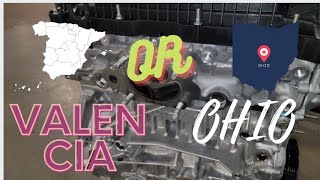
✅ What actually fixed it After being out of commission for 3 weeks at a Ford dealer, the vehicle received a new 2022 Valencia-produced long block engine, which resolved the issue. This confirms the TSB procedure of engine replacement is the ultimate fix.
OEM Part Supersession History
jj7z6006b, js7z6006a, js7z6006c→J2GZ-6006-E— This part number represents the updated long block engine assembly with the redesigned block deck to prevent coolant intrusion. The original parts are prone to the coolant leak defect.
Heads up: Using an old-design block as a replacement will lead to a repeat failure.
Model Year Variations Within This Range
- 2015-2019 (2.0L EcoBoost): These model years were built with the original 'open-deck' engine block design that is prone to the coolant intrusion flaw as described in TSB 19-2346 and subsequent bulletins.
- 2020+: Starting with the 2020 model year, the 2.0L EcoBoost engine was updated with a revised 'cross-drilled' block design that reinforces the area between cylinders, effectively fixing the coolant intrusion problem.
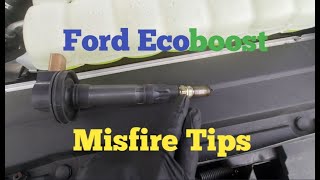
Helpful Videos
We Have This Part in Stock


The information in this article is provided for general reference and educational purposes only. Vehicle specifications, procedures, and part compatibility can vary by production date, trim level, and region. Always consult your vehicle's factory service manual and verify part numbers before purchasing or performing repairs. Safety-critical components such as airbags, seat belts, and braking systems should be installed by a qualified professional.
- Lincoln MKC:
- 🧭 Diagnostic Flowchart
- 🎬 Helpful Videos
- 🛍️ Shop This Part
- What's Unique About the 2015-2019 Lincoln MKC
- Symptoms You May Notice
- Most Likely Causes
- Rare But Worth Checking
- Diagnosis Steps
- Parts You'll Likely Need
- Related Codes That Often Appear With This One
- Technical Service Bulletins (TSBs) & Recalls
- Platform-Specific Known Issues
- Mechanic-Grade Diagnostic Values
- Hidden / Shadow Codes Worth Checking
- Scan Tool Commands That Help
- Wiring & Ground Locations
- Real Owner Repair Stories
- OEM Part Supersession History
- Model Year Variations Within This Range
- 🎟️ Get 5% Off