

P0301 on 2016-2017 Lincoln MKX: Cylinder 1 Misfire Causes and Fixes
P0301 indicates a misfire in cylinder 1. While this can be a simple fix like a bad spark plug or ignition coil, on the 2.7L EcoBoost engine it is a strong warning sign for a serious internal engine problem involving oil consumption and faulty cylinder heads, as documented in Lincoln TSB 19-2243. A simple coil swap costs under $200, but the engine repair can exceed $4,000.
- P0301 is a misfire on cylinder 1.
- Always start diagnosis with simple, inexpensive checks: inspect the spark plug and swap the ignition coil.
- If your MKX has the 2.7L EcoBoost engine, be highly aware of the documented TSBs linking this code to serious internal engine problems requiring cylinder head replacement.
- Monitor your oil level closely. Excessive consumption is a key symptom of the more severe issue.
- A flashing check engine light means stop driving immediately to prevent catalytic converter damage.
What's Unique About the 2016-2017 Lincoln MKX
For the 2016-2017 Lincoln MKX, especially those with the optional 2.7L EcoBoost V6, this code is more than a routine maintenance alert. Manufacturer Technical Service Bulletins (TSBs), specifically TSB 19-2243, directly link P0301 and other misfire codes to a significant engine issue on models built between April 1, 2016, and January 1, 2017. This problem involves excessive oil consumption and blue or white exhaust smoke, caused by faulty valve guides within the cylinder heads, requiring a major and expensive repair. While the base 3.7L V6 is less prone to this specific failure, owners of the 2.7L EcoBoost should treat P0301 with high suspicion of a deeper mechanical problem.
Diagnostic Flowchart
Tap your situation to follow the diagnostic path that matches what you're seeing on this vehicle.
Symptoms You May Notice
- Rough or shaking idle
- Hesitation or stumbling during acceleration
- Noticeable loss of engine power
- Flashing or solid Check Engine Light
- Increased fuel consumption
- Blue or white smoke from the exhaust (especially on 2.7L EcoBoost models, often after a hot restart).
- Excessive oil consumption (requiring frequent top-offs, defined in TSBs as 1 quart in less than 3,000 miles).
- Replacing only the spark plug and ignition coil without investigating signs of oil consumption. On the 2.7L engine, if oil from faulty valve guides is the root cause, the new plug and coil will soon become fouled and fail as well.
Most Likely Causes
- Faulty Cylinder Head / Valve Guides (2.7L EcoBoost Engine) 🔴 High Probability → Shop Engine Cylinder Head TSB #19-2243 confirms an issue on 2.7L EcoBoost engines built between April 1, 2016, and January 1, 2017, where faulty valve guides lead to excessive oil consumption, which fouls spark plugs and causes misfires. This TSB supersedes previous versions like 17-2235.
How to confirm: Confirm the vehicle's build date and engine type. Monitor for excessive oil consumption (1 quart in less than 3,000 miles) and blue/white exhaust smoke, particularly after a hot restart. A professional diagnosis involving a cylinder compression test, cylinder leak-down test, and a borescope inspection is necessary to confirm oil intrusion and rule out other causes.
Typical fix: Replacement of both left and right cylinder heads and associated gaskets, as prescribed by Ford/Lincoln in TSB 19-2243. This is a major engine repair.
Est. part cost: $1500-$2500 - Failed Ignition Coil 🟡 Medium Probability → Shop Ignition Coil Coil-on-plug systems are a common failure point on modern engines as they age. Heat and vibration cause the internal windings to fail over time.
How to confirm: Swap the ignition coil from cylinder 1 with another cylinder (e.g., cylinder 2). Clear the codes and drive. If the code changes to P0302, the coil is the confirmed culprit. This is a simple and effective diagnostic step.
Typical fix: Replace the faulty ignition coil. It's often recommended to replace the spark plug at the same time.
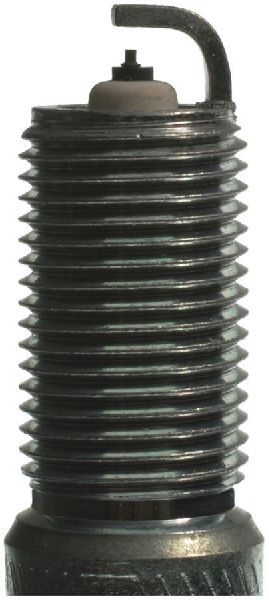
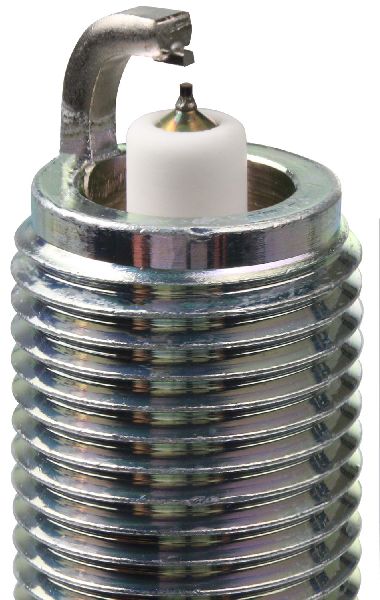
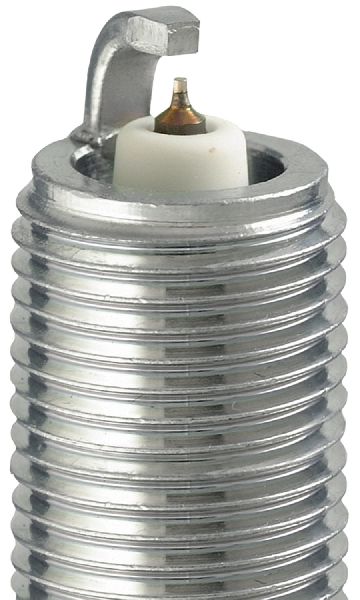
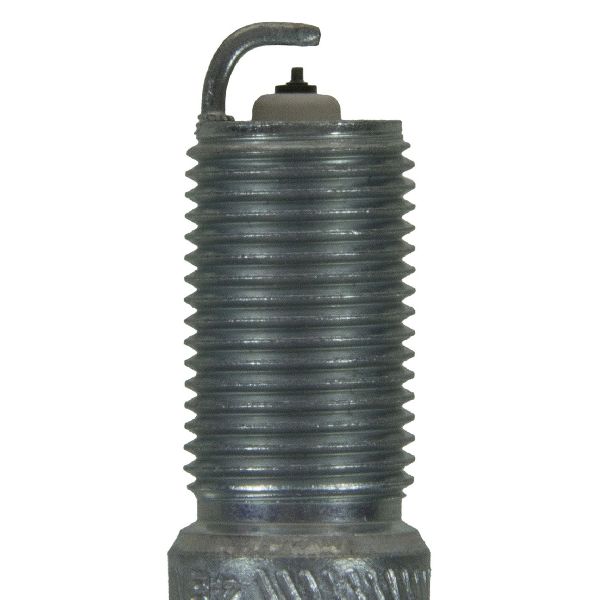
Est. part cost: $40-$90 - Worn or Fouled Spark Plug 🟡 Medium Probability → Shop Spark Plug
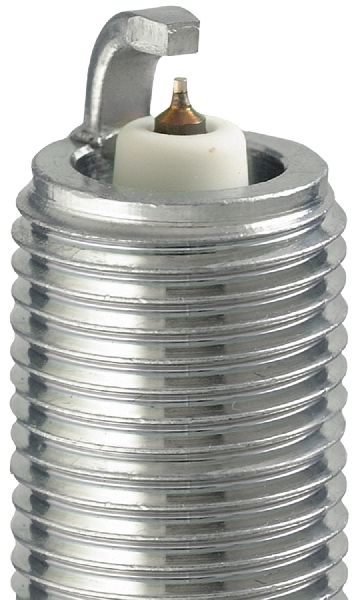
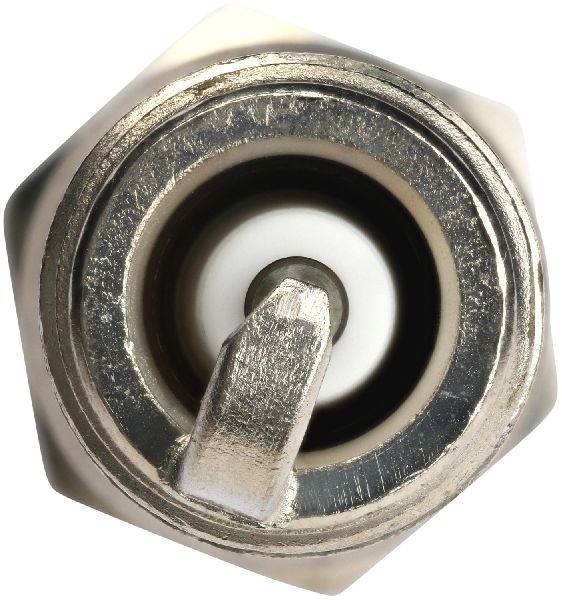
How to confirm: Remove the spark plug from cylinder 1. Inspect for a worn electrode, incorrect gap, or fouling from carbon, oil, or coolant. An oil-fouled plug on a 2.7L EcoBoost is a strong indicator of the TSB-related cylinder head issue. A plug that appears 'steam cleaned' can be a sign of a coolant leak.
Typical fix: Replace the spark plug. If all plugs are near the end of their service life (up to 100,000 miles for OEM plugs), it is best practice to replace the entire set.
Est. part cost: $10-$25 - Leaking/Faulty Fuel Injector ⚪ Low Probability → Shop Fuel Injector
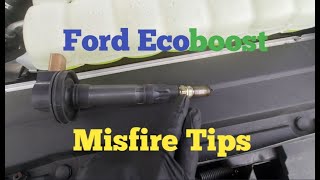
How to confirm: This is more difficult to diagnose. A professional can perform a fuel injector balance test to measure the flow rate of each injector. Swapping the injector to another cylinder (similar to a coil swap) can also isolate the problem, but this is significantly more labor-intensive. 🎬 Watch: Troubleshooting tips for EcoBoost misfire codes P0301 through P0306.
Typical fix: Replace the faulty fuel injector and its seals.
Est. part cost: $70-$150
Rare But Worth Checking
- Vacuum Leak: A vacuum leak specific to the intake runner for cylinder 1 (like a failed intake manifold gasket) could cause a lean condition and misfire on only that cylinder.
- Low Compression: Beyond the TSB-related cylinder head issue, low compression could result from worn piston rings or other internal engine damage, though this is less common on this platform without the associated oil consumption symptoms.
Diagnosis Steps
- Read the codes with an OBD-II scanner and note any other codes present, especially P0300, other misfire codes, P0316, or oil pressure codes (P0524, P06DD).
- (2.7L EcoBoost) Check the oil level and service records. Note any signs of excessive oil consumption (1 quart in <3000 miles) or blue/white exhaust smoke, particularly after a hot restart.
- Check the vehicle's build date. If it is between April 2016 and January 2017, be highly suspicious of the TSB 19-2243 cylinder head issue.
- Swap the ignition coil from cylinder 1 to an adjacent cylinder (e.g., cylinder 2).
- Clear the codes and drive the vehicle until the check engine light returns.
- If the code changes to P0302, the ignition coil is faulty and should be replaced.
- If the code remains P0301, inspect the spark plug from cylinder 1. Look for heavy oil or carbon fouling. If fouled, you can try swapping it to a different cylinder (e.g., cylinder 3) to see if the code follows, but fouling points to a deeper issue.
- If the misfire stays on cylinder 1 after swapping the coil and plug, the issue is likely with the fuel injector or a mechanical engine problem.
- At this stage, especially on a 2.7L EcoBoost within the TSB date range, a professional should perform a compression test and a cylinder leak-down test to check for internal engine health before proceeding with a fuel injector replacement.
Parts You'll Likely Need
- Ignition Coil
(OEM #FT4Z-12029-A (for 2.7L EcoBoost), 7T4Z-12029-E (for 3.7L Cyclone))— A common failure item that causes a misfire on a single cylinder. It's the second-easiest part to replace during diagnosis.
Trusted brands: Motorcraft, NGK, Delphi
OEM price range: $60-$100
Aftermarket price range: $40-$90 - Spark Plug
(OEM #Motorcraft SP-594 (for 2.7L EcoBoost), Motorcraft SP-520 (for 3.7L Cyclone))— A worn or fouled spark plug is a primary cause of weak or no spark, leading to a misfire. It's a standard maintenance item and the first part to inspect.
Trusted brands: Motorcraft, NGK, Bosch
OEM price range: $15-$30
Aftermarket price range: $10-$25 - Cylinder Head Assembly
(OEM #FT4Z-6049-E (Left), FT4Z-6049-F (Right))— For the 2.7L EcoBoost engine, TSB #19-2243 identifies this as the required fix for misfires related to oil consumption from faulty valve guides.
Trusted brands: Motorcraft
OEM price range: $1500-$2500
Related Codes That Often Appear With This One
- P0300 — If the misfire is intermittent or begins to affect other cylinders, a P0300 (Random Misfire) code may appear alongside P0301. It is explicitly listed in TSB 19-2243.
- P0302, P0303, P0304, P0305, P0306 — These codes indicate misfires in other cylinders. Their presence alongside P0301, especially on a 2.7L engine, strengthens the case for the TSB-related cylinder head issue affecting multiple cylinders.
- P0316 — Indicates a misfire was detected within the first 1,000 engine revolutions on startup. This code is also specifically mentioned in TSB 19-2243 as a related DTC.
- P0524, P06DD — These codes for low oil pressure or oil pressure control circuit performance are specifically mentioned in TSBs #19-2243 and #19-2384 along with misfire codes, indicating the problem is related to the known excessive oil consumption issue which can lead to low oil levels.
Technical Service Bulletins (TSBs) & Recalls
- SSM 54504: Mentions P0301 with other misfire and oil pressure DTCs related to excessive oil consumption.
- SSM 46363: Links P0301 and other misfire codes to exhaust smoke, oil consumption, and points to cylinder heads as the likely cause.
- 19-2243: A later TSB that supersedes others, explicitly stating the cause is valve guides and the fix is cylinder head replacement for the 2.7L EcoBoost engine exhibiting these symptoms.
Platform-Specific Known Issues
- TSB #19-2243, which supersedes earlier bulletins, details an issue on some 2016-2017 MKX models with the 2.7L EcoBoost engine (built from April 1, 2016, to January 1, 2017) where oil consumption of 1 quart in under 3,000 miles, accompanied by misfire codes (like P0301) and blue/white smoke, is due to faulty valve guides. The prescribed fix is cylinder head replacement.
- The issue is not isolated to the MKX; it also affects platform mates like the Ford Edge, F-150, and Lincoln Continental with the same 2.7L engine and build date range.
Mechanic-Grade Diagnostic Values
- GDI Fuel Injector Resistance (2.7L EcoBoost) — expected: 1 to 2 Ohms. Failure: A reading outside this range, or an open/short circuit, indicates a faulty injector.
- Variable Camshaft Timing (VCT) Solenoid Resistance — expected: 5 to 15 Ohms, more precisely 6.9 to 7.9 Ohms at 68°F (20°C).. Failure: A reading of 0 Ohms (short), OL (open), or significantly outside the expected range suggests a bad solenoid.
- High-Pressure Fuel Rail Pressure (2.7L EcoBoost) — expected: Can exceed 2,000 PSI under load. At idle, may fluctuate but should be steady.. Failure: On a 2.7L EcoBoost with a P0301, erratic pressure jumping from 800 PSI to 1600 PSI at highway speeds was observed before a High-Pressure Fuel Pump (HPFP) failure. A P0087 code (Fuel Rail/System Pressure - Too Low) is also a strong indicator.
- Cylinder Compression (2.7L EcoBoost) — expected: A healthy cylinder should be around 155 PSI or higher. The key is consistency across all cylinders.. Failure: Significantly lower pressure in cylinder 1 compared to others indicates a mechanical engine problem.
Hidden / Shadow Codes Worth Checking
- Mode $06 Misfire Counts: This is not a formal DTC but a diagnostic data function. The PCM tracks misfire events for each cylinder in Mode $06. A technician can view these counts to see if cylinder 1 is registering misfires, even if they aren't frequent enough to set a P0301 code yet. This is invaluable for diagnosing intermittent issues. (see via A professional scan tool (like Ford's IDS) or advanced DIY software like FORScan can access Mode $06 test results.)
Scan Tool Commands That Help
- Ford IDS, FORScan, high-end aftermarket scanners: Power Balance Test (or Cylinder Contribution Test) — This is a definitive test to confirm which cylinder is misfiring without swapping parts. The tool graphically displays the rotational speed contribution of each cylinder. A technician can then command the tool to disable the fuel injector for cylinder 1 and observe if the engine's running condition changes. If there's no change when cylinder 1 is disabled, it confirms that cylinder was not contributing in the first place.
Wiring & Ground Locations
- G103 / G104 — On the left front of the engine compartment. The main engine bay ground point for jump-starting is the stud on the driver's side (left) front strut tower.. Cylinder 1 is on the right bank (passenger side) of the 2.7L V6, but its ignition coil and fuel injector are controlled by the PCM, which relies on multiple chassis and engine grounds. A poor ground at G103/G104 or the main strut tower stud can cause erratic electrical behavior for any component, including the ignition system for cylinder 1.
- Ignition Coil Connector — Directly on top of the ignition coil for cylinder 1. Cylinder 1 is the front-most cylinder on the passenger-side bank.. The plastic locking tab can become brittle and break, leading to a poor connection that can cause an intermittent misfire. The connector pigtail itself can be replaced if the wiring or connector is damaged (Motorcraft P/N WPT1202).
- Engine Compartment Fuse Box — Located in the front left area of the engine bay, near the battery.. This box contains fuses and relays for the PCM and fuel pump. While a blown fuse would likely cause a no-start or multiple codes, a corroded or loose connection here could cause intermittent power issues leading to a misfire.
Real Owner Repair Stories
- Ford F150 Forum (2018 Ford F-150 2.7L EcoBoost) — Hesitation and bucking when accelerating up a hill, eventually triggering a P0301 code. Misfire occurred around 55-60 MPH and 2000 RPM.
❌ Tried (didn't work) Swapping ignition coil from cylinder 1 to 2., Replacing all spark plugs.
✅ What actually fixed it The owner noticed on a scan tool that the fuel rail pressure was erratically jumping between 800 and 1600 PSI under load. Another user with identical symptoms confirmed the final fix was replacing the High-Pressure Fuel Pump (HPFP).
"I Checked Everything" — The Actual Cause
- In cases where a misfire happens only under load at higher RPMs, a standard smoke test for vacuum leaks may come back clean. The root cause can be a failing High-Pressure Fuel Pump (HPFP) that cannot supply adequate fuel pressure as engine demand increases. This leads to a lean misfire that won't be detected by a smoke test.
OEM Part Supersession History
FT4Z-12029-A→No supersession found.— This appears to be the current and correct part number for the 2.7L EcoBoost ignition coil.
Model Year Variations Within This Range
- 2016 (early production): TSB 16-0012 was issued for some 2016 MKX vehicles built on or before January 21, 2016, for a 'Stuck in Park' condition that required a PCM software update. This indicates that early 2016 models may have different factory PCM calibrations than later 2016 and 2017 models, which could potentially affect engine diagnostic strategies.
Helpful Videos
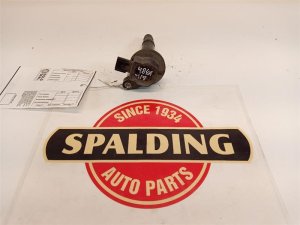
Used OEM Parts in Stock
New Aftermarket Parts Available

The information in this article is provided for general reference and educational purposes only. Vehicle specifications, procedures, and part compatibility can vary by production date, trim level, and region. Always consult your vehicle's factory service manual and verify part numbers before purchasing or performing repairs. Safety-critical components such as airbags, seat belts, and braking systems should be installed by a qualified professional.
- Lincoln MKX:
- 🧭 Diagnostic Flowchart
- 🎬 Helpful Videos
- 🛍️ Shop This Part
- What's Unique About the 2016-2017 Lincoln MKX
- Symptoms You May Notice
- Most Likely Causes
- Rare But Worth Checking
- Diagnosis Steps
- Parts You'll Likely Need
- Related Codes That Often Appear With This One
- Technical Service Bulletins (TSBs) & Recalls
- Platform-Specific Known Issues
- Mechanic-Grade Diagnostic Values
- Hidden / Shadow Codes Worth Checking
- Scan Tool Commands That Help
- Wiring & Ground Locations
- Real Owner Repair Stories
- "I Checked Everything" — The Actual Cause
- OEM Part Supersession History
- Model Year Variations Within This Range
- 🎟️ Get 5% Off