

P0301 on 2004-2009 Mazda 3: Cylinder 1 Misfire Causes and Fixes
For a 2004-2009 Mazda 3, a P0301 code almost always points to a bad ignition coil or a worn-out spark plug for cylinder 1. A simple coil swap is the easiest diagnostic. A leaking valve cover gasket that allows oil into the spark plug tube is another very common root cause. Expect to pay around $30-$75 for a new coil and $10-$20 for a quality spark plug.
- P0301 means cylinder 1 (passenger side) is misfiring.
- Start your diagnosis by swapping the ignition coil from cylinder 1 to cylinder 2.
- Check for oil in the spark plug well; if present, the valve cover gasket must be replaced.
- A flashing check engine light indicates a severe misfire; avoid driving to prevent catalytic converter damage.
- This is a very common and highly diagnosable issue for this vehicle.
What's Unique About the 2004-2009 Mazda 3
The first-generation Mazda 3 with the MZR engine is generally a reliable vehicle, but like any car, its ignition components are subject to wear. Misfires are a common issue as these cars age. A frequent, though often overlooked, cause for a persistent P0301 on this platform is a leaking valve cover gasket. Oil seeps into the spark plug tube for cylinder 1, fouling the spark plug and damaging the ignition coil boot, leading to a misfire that won't be solved by just replacing the coil.
Symptoms You May Notice
- Rough or shaking engine idle
- Hesitation or stumbling during acceleration
- Noticeable loss of engine power
- Solid or flashing Check Engine Light 🎬 Watch: A breakdown of common causes for the P0301 code
- Decreased fuel economy
- Strong smell of unburnt fuel from the exhaust
- Replacing only the spark plug when the spark plug tube is full of oil. The oil will quickly foul the new plug and ruin the ignition coil boot, causing the misfire to return.
Most Likely Causes
- Faulty Ignition Coil 🔴 High Probability → Shop Ignition Coil Ignition coils are a common failure item on most modern engines due to constant exposure to heat and vibration. On the MZR engine, they are a primary cause of misfire codes.
How to confirm: Swap the ignition coil from cylinder 1 with the coil from cylinder 2. Clear the codes with a scanner and drive the car. If the code changes to P0302 (Cylinder 2 Misfire), the ignition coil is confirmed to be faulty. When you remove the coil, also inspect the boot for a 'white & crusty' residue, which indicates high-voltage arcing often caused by oil or moisture contamination.
Typical fix: Replace the faulty ignition coil. It is wise to replace the corresponding spark plug at the same time.
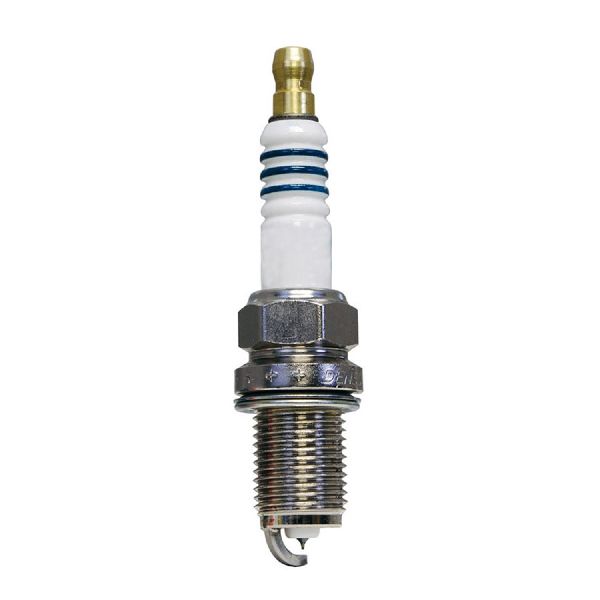
Est. part cost: $30-$75 - Worn or Fouled Spark Plug 🔴 High Probability → Shop Spark Plug
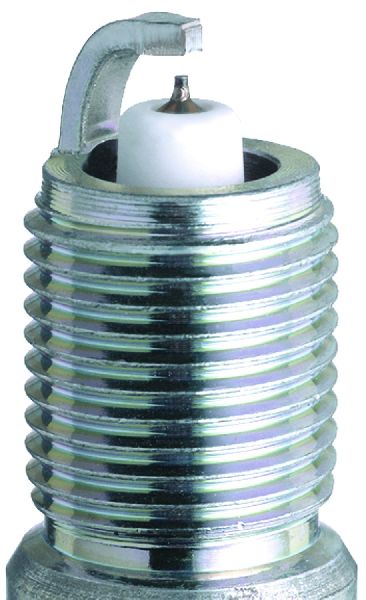
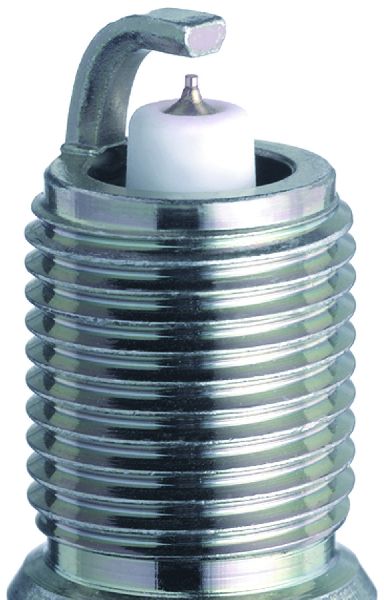
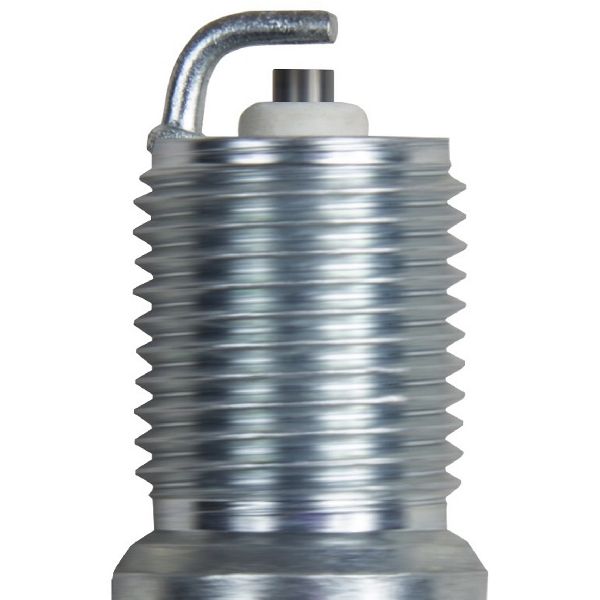
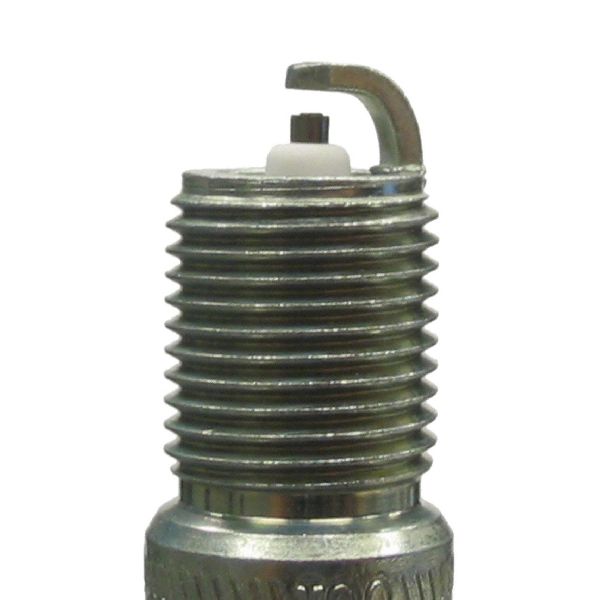
How to confirm: After confirming the ignition coil is good, remove the spark plug from cylinder 1. Inspect it for wear (worn electrode), carbon fouling (black and sooty), or oil contamination. A spark plug in good condition should have a light tan or grayish appearance.
Typical fix: Replace the spark plug. It is best practice to replace all four spark plugs at the same time to ensure even performance. Use high-quality Iridium plugs for best results.
Est. part cost: $40-$80 for a set of four - Leaking Valve Cover Gasket / Spark Plug Tube Seal 🟡 Medium Probability → Shop Engine Valve Cover As the rubber gasket ages, it becomes hard and brittle, losing its ability to seal. This allows engine oil to leak into the spark plug wells, a very common issue on this platform.
How to confirm: When you remove the ignition coil from cylinder 1, look for liquid oil in the spark plug tube or on the coil boot and spark plug. This is a definitive sign of a leaking gasket seal. 🎬 See this step-by-step guide to replacing the valve cover gasket
Typical fix: Replace the valve cover gasket and the spark plug tube seals (which often come as a set). Thoroughly clean the oil out of the spark plug tube. Replace the oil-soaked ignition coil and spark plug.
Est. part cost: $25-$60 for the gasket set - Faulty Fuel Injector ⚪ Low Probability → Shop Fuel Injector
How to confirm: Listen to the injector with a mechanic's stethoscope; it should make a consistent clicking sound. You can also swap the injector with another cylinder to see if the misfire code follows, although this is a more involved job.
Typical fix: Replace the faulty fuel injector.
Est. part cost: $50-$150
Rare But Worth Checking
- Vacuum Leak: A leak in a vacuum hose (like the PCV hose or brake booster hose) or intake manifold gasket near cylinder 1 can lean out the air/fuel mixture enough to cause a misfire.
- Low Engine Compression: This is a serious mechanical issue, such as a burnt exhaust valve, worn piston rings, or a head gasket failure. A compression test is needed to diagnose this.
- Faulty Purge Solenoid Valve: A failing EVAP purge solenoid can sometimes stick open, creating a vacuum leak that may cause a rough idle and, in some cases, contribute to a misfire code.
Diagnosis Steps
- Read the code with an OBD-II scanner to confirm P0301 and check for any other codes.
- Swap the ignition coil from cylinder 1 (passenger side) to cylinder 2. Clear the codes and drive the vehicle.
- If the code returns as P0302, the ignition coil is bad and needs replacement.
- If the code remains P0301, the coil is likely good. Put it back in cylinder 1.
- Remove the ignition coil and look for oil in the spark plug tube. If oil is present, the valve cover gasket is leaking and must be replaced.
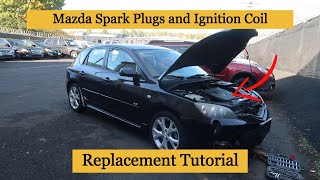
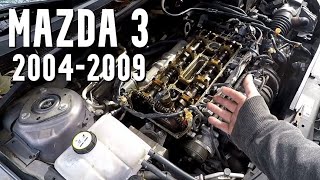
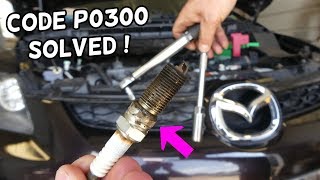
- Inspect the spark plug from cylinder 1. Look for wear, damage, or fouling (especially oil). If the plug is worn or fouled, replace it. It's recommended to replace all four plugs. 🎬 Watch: How to replace your spark plugs and ignition coils
- If the coil and plug are good, and there are no oil leaks, the next step is to check the fuel injector. Listen for a steady clicking sound.
- If the injector seems quiet or has an irregular tick, it may be the cause.
- If all ignition and fuel components seem fine, check for vacuum leaks near cylinder 1's intake runner by listening for hissing sounds or using a smoke machine.
- If no cause is found, a mechanical compression test is the final step to check for internal engine problems.
Parts You'll Likely Need
- Ignition Coil
(OEM #L3G2-18-100A (Cross-references: UF540, C1683, 6M8G-12A366))— This is the most common failure point for a single-cylinder misfire on the MZR engine.
Trusted brands: NGK, Denso, Delphi, Bosch
OEM price range: $60-$100
Aftermarket price range: $30-$75 - Iridium Spark Plug
(OEM #L3Y2-18-110 (NGK ILTR5A-13G))— Spark plugs are a routine maintenance item and a primary cause of misfires. An oil-fouled or worn plug is a very common finding.
Trusted brands: NGK, Denso
OEM price range: $15-$25 per plug
Aftermarket price range: $10-$20 per plug - Valve Cover Gasket Set
(OEM #L3K9-10-230 (for 2.3L, verify with VIN). Aftermarket: Fel-Pro VS50639R)— A leaking gasket allows oil to foul the spark plug and damage the ignition coil, causing a persistent misfire.
Trusted brands: Fel-Pro, Mahle, Beck/Arnley
OEM price range: $40-$70
Aftermarket price range: $25-$60
Related Codes That Often Appear With This One
- P0300 — If the misfire is intermittent or affects multiple cylinders, a P0300 (Random/Multiple Cylinder Misfire) may be stored alongside P0301.
- P0171 — If the misfire is caused by a vacuum leak, a P0171 (System Too Lean) code may also be present.
Technical Service Bulletins (TSBs) & Recalls
- 0100206 — ENGINE MISFIRE DIAGNOSTIC PROCEDURES - SERVICE TIP — A service tip issued by Mazda to dealerships providing updated procedures for diagnosing engine misfires on models including the 2004 Mazda 3.
- TSB Bulletin #01-012-19-3612 — A manufacturer service bulletin notes that some vehicles may experience the Check Engine Light ON with DTC P0301:00 (Cylinder No.1 misfire detected) stored in memory.
- TSB Bulletin #01-007-19-3541 — This bulletin indicates that vehicles may exhibit a rough idle and/or the check engine light on with DTC P0301 stored.
- TSB Bulletin #01-001-23a — A manufacturer bulletin for Mazda vehicles notes that customers may complain about poor acceleration and rough idling with DTC P0301:00.
Platform-Specific Known Issues
- Owner Experience: Oil in Spark Plug Well: → Shop Spark Plug A user on the Car Talk Community with a 2007 Mazda 3 at 85k miles experienced a sudden rough idle and a P0301 code. Upon removing the ignition coil from cylinder 1, it dripped oil. The bottom of the coil boot was described as 'white & crusty,' a sign of electrical arcing. The spark plug threads also had oil on them. The consensus diagnosis was a leaking valve cover tube seal, which required replacing the valve cover gasket set, the oil-fouled ignition coil, and the spark plug to fully resolve the issue.
- Forum Diagnosis: Flashing CEL and Power Loss: On Mazdas247 forums, an owner described their car sputtering with a lack of power, accompanied by a P0301 code. The Check Engine Light would flash for about 30-60 seconds before staying solid. This flashing light is a critical indicator of a severe misfire that can damage the catalytic converter by dumping unburnt fuel into it.
Mechanic-Grade Diagnostic Values
- Ignition Coil Primary Resistance — expected: 0.4 to 2.0 Ohms (general spec). Failure: A reading of 0 indicates a short, while a very high or infinite reading indicates an open circuit.
- Ignition Coil Secondary Resistance — expected: 6,000 to 15,000 Ohms (6kΩ - 15kΩ). Failure: A reading significantly outside this range indicates a faulty coil.
- Fuel Injector Resistance (High Impedance) — expected: Approximately 11 to 14 Ohms. Failure: A reading significantly lower or higher suggests a faulty injector coil.
- Fuel Pressure (Port Injected MZR) — expected: 380-440 kPa (55-64 psi) at idle. Failure: Low pressure can cause lean misfires across all cylinders, but a failing injector can cause a single-cylinder misfire even with correct pressure.
Hidden / Shadow Codes Worth Checking
- Mode $06, Test ID $A2: Misfire count data for Cylinder 1. This is not a formal trouble code but a raw data counter that tracks misfire events for the current and last 10 driving cycles. It can show misfires occurring even before they are frequent enough to trigger a P0301 code. (see via An advanced OBD-II scanner or software like FORScan that can display Mode $06 data.)
Scan Tool Commands That Help
- FORScan: Cylinder Power Balance Test — This test allows the user to disable one fuel injector at a time while monitoring the drop in engine RPM. If disabling cylinder 1 causes little or no change in RPM compared to other cylinders, it confirms that cylinder 1 is not contributing power, helping to isolate the issue after ignition components have been verified.
- FORScan / M-MDS: Fuel Pump (FP) Simulation Function — This command allows you to run the fuel pump with the engine off. It is used to safely build pressure in the fuel system to check for leaks or test the fuel pressure at the rail without starting the engine.
Wiring & Ground Locations
- G1 — Behind the left (driver's side) headlight assembly in the engine bay.. This is a primary chassis ground point. Corrosion or a loose connection here can cause a variety of electrical issues, including erratic sensor readings or weak ignition coil performance.
- G6 — At the left rear of the engine, near the transmission.. This is a key engine-to-chassis ground. A poor connection here can directly affect the PCM and ignition system, potentially causing misfires that are hard to diagnose.
- Ignition Coil Connector — The 3-pin connector on top of each ignition coil.. The pins for the cylinder 1 coil can be back-probed to test for 12V power, ground, and the trigger signal from the PCM (Pin 2BH on the 2.0L PCM). Damage to this connector or its wiring is a direct cause of P0301.
- Engine Harness Chafe Point — Where the main engine harness passes over the valve cover and near the passenger side engine mount.. The harness can rub against the valve cover bolts or engine mount bracket over time, potentially shorting the ignition coil or fuel injector wiring for cylinder 1. This can cause an intermittent P0301 that is difficult to trace.
Real Owner Repair Stories
- Car Talk Community user (2007 Mazda 3, ~85,000 miles) — Sudden rough idle and hesitation during acceleration, P0301 code stored. Symptoms would disappear when the engine was fully warmed up.
❌ Tried (didn't work) Initial thought was just a bad coil.
✅ What actually fixed it The user found oil dripping from the cylinder 1 ignition coil upon removal. The coil boot was 'white & crusty,' indicating arcing. The final fix was replacing the leaking valve cover gasket set, the oil-fouled ignition coil, and all spark plugs. - Mazdaspeeds.org forum user (Mazdaspeed 3 (2.3L Turbo MZR)) — Pronounced misfire while driving, P0301 code. Idle seemed fine.
❌ Tried (didn't work) Replaced all 4 aftermarket ignition coils., Replaced valve cover gasket and VVT seal., Replaced spark plug in cylinder 1.
✅ What actually fixed it After checking live data, the user noted low fuel pressure. The final fix was replacing the fuel pressure relief valve (PRV) on the high-pressure fuel rail. Though this story is from a Mazdaspeed 3 with direct injection, a faulty fuel pressure regulator on the standard MZR could cause similar issues. - NHTSA ODI #10695229 — An owner reported that their vehicle experienced a cylinder 1 misfire issue twice in a row, resulting in a P0301 code and the engine light staying on.
- NHTSA ODI #11675874 — An owner reported scanning their vehicle and finding code P0301, described as a generic "Cylinder 1 Misfire Detected" message, appearing alongside an IAC system code.
OEM Part Supersession History
L3G2-18-100A→L3G2-18-100B, L3G2-18-100B-9U— Standard part revision and improvement by the manufacturer.
Heads up: These part numbers are generally interchangeable for the specified application. The OEM part is also cross-referenced with Ford part number 6M8G-12A366.
Model Year Variations Within This Range
- 2004-2009: The 2.3L (L3-VE) engine is known to have a higher rate of oil consumption and potential timing chain/VVT phaser issues compared to the 2.0L (LF-VE). While these issues typically cause rattling noises or timing-related codes, severe timing problems can lead to misfires.
- 2006-2009: For the 2006 model year, the 2.0L engine received variable valve timing (VVT), increasing its power. The 2.3L engine became available with a 5-speed automatic transmission, replacing the previous 4-speed.
Diagnostic Flowchart
Other Known Issues on This Vehicle
Issues unrelated to this code that are worth knowing about as an owner of this generation:
- Passenger-Side Engine Mount Failure 🟠 Medium — Very common, especially after 60,000 miles. The original is a liquid-filled hydraulic mount that leaks and collapses.
- Body and Subframe Rust 🔴 High — Extremely common in regions that use road salt. Rear wheel arches, rocker panels (sills), and subframes are highly susceptible. Early model years (2004-2007) are often cited as being worse.
- Cracked Plastic Thermostat Housing 🟠 Medium — Common failure item as the car ages, leading to coolant leaks. The plastic becomes brittle from heat cycles and can crack.
- Transmission Control Module (TCM) Failure 🔴 High — A known issue on automatic transmission models that can cause harsh shifting, getting stuck in gear, and the 'AT' warning light. Repair is costly.
- High Oil Consumption (2.3L Engine) 🟠 Medium — More prevalent on 2004-2005 models with the 2.3L engine. Can be caused by issues with piston rings or PCV system, requiring frequent oil top-offs.
Used vs. New Parts: Buying Guide for This Vehicle
When a used part is the smart pick: For this repair, used parts like ignition coils and fuel injectors can be a cost-effective choice, especially if sourced from a reputable auto recycler with a known low-mileage donor vehicle. A complete used engine computer (PCM) is also a viable option if a rare PCM failure is diagnosed, but it may require programming to the vehicle's VIN and immobilizer system.
Donor-vehicle mileage cap: roughly under 80000 miles for the part to have meaningful remaining life.
What to inspect on the donor part:
- For ignition coils, check for cracks in the plastic housing and ensure the boot is pliable, not brittle or swollen.
- For fuel injectors, inspect the plastic connector for cracks and ensure the O-rings are intact (though they should be replaced anyway).
- Check the donor vehicle's history for any signs of front-end collision or engine fire.
- Avoid parts from vehicles that show signs of severe rust or flood damage, as corrosion can affect electrical components.
OEM-only on this vehicle (don't cheap out):
- Spark Plugs: These are a routine maintenance item and should always be purchased new.
- Valve Cover Gasket Set: The cost savings for a used gasket are negligible, and a new gasket is critical for a proper seal.
Aftermarket brands forum-validated for this vehicle:
- Ignition Coils: NGK, Denso, Delphi, Bosch
- Spark Plugs: NGK (Iridium ILTR5A-13G is the OEM plug), Denso
- Valve Cover Gasket: Fel-Pro, Mahle
Brands owners have reported issues with on this vehicle:
- Unnamed or generic 'A-Premium' style ignition coils from online marketplaces like Amazon or eBay are frequently reported by owners to be dead-on-arrival or fail shortly after installation.
Real Owner Stories
Aggregated from forums and TSBs cited above. Mileages and costs reflect what owners reported in those sources.
2007 Mazda 3 — 85000 miles
Symptoms: Sudden rough idle and a P0301 code. The ignition coil was dripping with oil and the bottom of the coil boot had a 'white & crusty' residue from electrical arcing.
What fixed it: Replacing the valve cover gasket set (tube seals), the oil-fouled ignition coil, and the spark plug.
Source hint: Car Talk Community - '2007 Mazda 3 - code P0301 - incredibly rough idle and acceleration' (community.cartalk.com)
2004-2009 Mazda 3
Symptoms: Car sputtering with a lack of power; the Check Engine Light would flash for 30-60 seconds before staying solid.
What fixed it: Standard diagnostic path of checking plugs, coils, and injectors.
Source hint: Mazdas247 - 'P0301 Cyl 1 Misfire Problem' (mazdas247.com)
2005 Mazda 3 — ~150000 miles
Symptoms: Cylinder #1 misfire on a high-mileage car.
What fixed it: Replacement of ignition components including plugs and coils.
Source hint: Mazda3Club.com - 'Cylinder #1 misfire, Code P0301' (mazda3club.com)
Related OBD-II Codes
Frequently Asked Questions
Is there a specific Mazda service tip for diagnosing misfires on my 2004 Mazda 3?
I found oil on my ignition coil boot and spark plug threads; what does this mean for my MZR engine?
My Check Engine Light is flashing while I drive my 2005 Mazda 3. Is it safe to continue driving?
Which spark plugs should I use for my 2.0L/2.3L Mazda 3 to prevent misfires?
Can I use parts from a Ford Focus to fix my P0301 code?
Could my rough idle be caused by something other than the ignition system?
Helpful Videos

Used OEM Parts in Stock
New Aftermarket Parts Available


The information in this article is provided for general reference and educational purposes only. Vehicle specifications, procedures, and part compatibility can vary by production date, trim level, and region. Always consult your vehicle's factory service manual and verify part numbers before purchasing or performing repairs. Safety-critical components such as airbags, seat belts, and braking systems should be installed by a qualified professional.
- Mazda 3:
- 🧭 Diagnostic Flowchart
- 🎬 Helpful Videos
- 🛍️ Shop This Part
- What's Unique About the 2004-2009 Mazda 3
- Symptoms You May Notice
- Most Likely Causes
- Rare But Worth Checking
- Diagnosis Steps
- Parts You'll Likely Need
- Related Codes That Often Appear With This One
- Technical Service Bulletins (TSBs) & Recalls
- Platform-Specific Known Issues
- Mechanic-Grade Diagnostic Values
- Hidden / Shadow Codes Worth Checking
- Scan Tool Commands That Help
- Wiring & Ground Locations
- Real Owner Repair Stories
- OEM Part Supersession History
- Model Year Variations Within This Range
- Other Known Issues on This Vehicle
- Used vs. New Parts: Buying Guide for This Vehicle
- Real Owner Stories
- 2007 Mazda 3 — 85000 miles
- 2004-2009 Mazda 3
- 2005 Mazda 3 — ~150000 miles
- Related OBD-II Codes
- Frequently Asked Questions
- 🎟️ Get 5% Off