

P0301 on 2012-2013 Mazda MAZDA3: Cylinder 1 Misfire Causes and Fixes
P0301 on a 2012-2013 Mazda3 indicates a misfire in cylinder 1. The most common cause is a faulty ignition coil, an issue confirmed by a manufacturer TSB. A simple DIY fix is to swap the cylinder 1 ignition coil with another cylinder to confirm the fault, then replace the bad coil and spark plug. Parts cost approximately $40-$120.
- P0301 on a 2012-2013 Mazda3 means cylinder 1 is misfiring.
- The most probable cause is a failed ignition coil, a known issue backed by a Technical Service Bulletin (TSB).
- The easiest way to confirm a bad coil is to swap it with another cylinder's coil and see if the trouble code moves to that new cylinder.
- When replacing the ignition coil, it is highly recommended to also replace the spark plug.
- For SkyActiv engines, carbon buildup on the intake valves is another documented cause of this code.
What's Unique About the 2012-2013 Mazda MAZDA3
For this generation of Mazda3, the ignition coils are a known weak point. A Technical Service Bulletin (TSB #01-014-16-3208) was issued for the 2013 model year specifically identifying internal failure of the ignition coils as a primary cause for misfire codes like P0301, especially due to large temperature fluctuations. Additionally, for models equipped with the direct-injection SkyActiv engine, carbon buildup on the intake valves can also lead to misfires, another issue addressed by Mazda in TSBs (#01-012-19-3612, #01-005/15).
Diagnostic Flowchart
Tap your situation to follow the diagnostic path that matches what you're seeing on this vehicle.
Symptoms You May Notice
- Rough or shaky idle
- Hesitation or stumbling during acceleration
- Noticeable loss of engine power
- Flashing or solid Check Engine Light
- Smell of unburnt gasoline from the exhaust
- Reduced fuel economy
- Longer crank time to start the engine
- Replacing only the spark plugs when the ignition coil is the actual point of failure. Given the TSB and numerous owner reports, the coil should be the primary suspect.
Most Likely Causes
- Faulty Ignition Coil 🔴 High Probability → Shop Ignition Coil A manufacturer TSB (#01-014-16-3208) specifically calls out internal failure of ignition coils as a cause for misfires. The TSB notes the production method was changed to fix the issue, indicating the original parts were failure-prone.
How to confirm: Swap the ignition coil from cylinder 1 with another cylinder (e.g., cylinder 2). Clear the codes and drive. If the code changes to P0302, the ignition coil is faulty. 🎬 Watch: How to swap coils to confirm a failure. This is the most common and effective diagnostic step recommended in owner forums.
Typical fix: Replace the ignition coil on cylinder 1. It is best practice to also replace the spark plug at the same time. Some owners recommend replacing all coils at once to prevent future failures. 🎬 See this walkthrough for replacing your ignition coil packs.
Est. part cost: $30-$180 - Worn or Fouled Spark Plug 🟡 Medium Probability → Shop Spark Plug Spark plugs are a standard wear item with a recommended replacement interval of 75,000 miles. A worn plug can't create a strong enough spark. A wet or fuel-fouled plug can also indicate a misfire or a related issue like a leaky injector.
How to confirm: Remove and inspect the spark plug from cylinder 1. Look for a worn electrode, heavy carbon deposits, oil, or fuel fouling. A white, crusty residue on the coil boot or plug can indicate high-voltage arcing.
Typical fix: Replace the spark plug. It's recommended to replace all spark plugs at the same time for even performance. Use OEM-quality Iridium plugs from NGK or Denso for best results.
Est. part cost: $10-$25 per plug - Carbon Buildup on Intake Valves (SkyActiv Engines) 🟡 Medium Probability Direct-injection engines like the SkyActiv are prone to carbon deposits on intake valves because fuel is injected directly into the cylinder, bypassing the valves and preventing the cleaning effect of gasoline detergents. Mazda has issued TSB #01-012-19-3612 acknowledging this can cause misfires.
How to confirm: This is difficult to confirm without a borescope to visually inspect the valves. Diagnosis is often made after ruling out ignition and fuel system issues. Short, slow trips can accelerate buildup.
Typical fix: Perform an intake valve cleaning (decarbonizing) procedure. This is typically done by a professional shop using chemical cleaners or walnut shell media blasting. 🎬 Watch: How to clean carbon buildup from intake valves. Forum users report costs ranging from $400 for an independent shop to $1700 at a dealership for extensive cleaning.
Est. part cost: $10-$30 for DIY chemical cleaners (limited effectiveness), professional service is labor-intensive. - Leaking or Clogged Fuel Injector ⚪ Low Probability → Shop Fuel Injector
How to confirm: A wet spark plug that smells strongly of gasoline can indicate a leaking or stuck-open injector. A mechanic can perform a fuel injector balance test or resistance test to confirm proper operation.
Typical fix: Clean or replace the faulty fuel injector. Replacement can be a DIY job for those comfortable working with the fuel system.
Est. part cost: $50-$200
Rare But Worth Checking
- Vacuum Leak: A leak in the intake manifold gasket or a vacuum hose near cylinder 1 can lean out the air/fuel mixture and cause a misfire.
- Low Engine Compression: This is a more serious mechanical issue, such as a worn piston ring or a problem with the cylinder head valves. A compression test is needed to diagnose this.
- Leaking Valve Cover Tube Seals: → Shop Engine Valve Cover The gasket for the valve cover includes seals for the spark plug tubes. If a seal for cylinder 1 fails, oil can leak into the tube, fouling the spark plug and damaging the ignition coil boot, leading to a misfire.
Diagnosis Steps
- Read the trouble codes with an OBD-II scanner to confirm P0301 and check for any other codes.
- Identify cylinder 1 (the one on the passenger side of the engine, closest to the belts).
- Remove the plastic engine cover.
- Inspect the spark plug well for cylinder 1. Is there any oil present? If so, you likely have a leaking valve cover gasket/tube seal which must be replaced.
- Swap the ignition coil from cylinder 1 with the coil from cylinder 2.
- Clear the codes, start the engine, and take a short drive to see if the Check Engine Light returns.
- Re-scan for codes. If the code is now P0302, the ignition coil is bad and needs to be replaced.
- If the P0301 code returns, remove and inspect the spark plug from cylinder 1. Replace it if it is worn, damaged, or fouled, especially if it's wet with fuel or covered in oil.
- If the coil and plug are good, the issue may be related to the fuel injector or, on SkyActiv models, carbon buildup.
- For SkyActiv engines, consider a professional diagnosis with a borescope to check for carbon buildup, especially if the car is primarily used for short trips.
- If the problem persists, investigate potential vacuum leaks or consider a professional diagnosis, which may include a fuel system pressure test or an engine compression test.
Parts You'll Likely Need
- Ignition Coil (Coil-on-Plug)
(OEM #PE20-18-100A (supersedes PE01-18-100, PE01-18-100A))— This is the most common failure part for a P0301 code on this vehicle, as documented by Mazda TSB #01-014-16-3208.
Trusted brands: Mazda (OEM), NGK, Denso, Delphi
OEM price range: $100-$150
Aftermarket price range: $30-$90 - Spark Plug
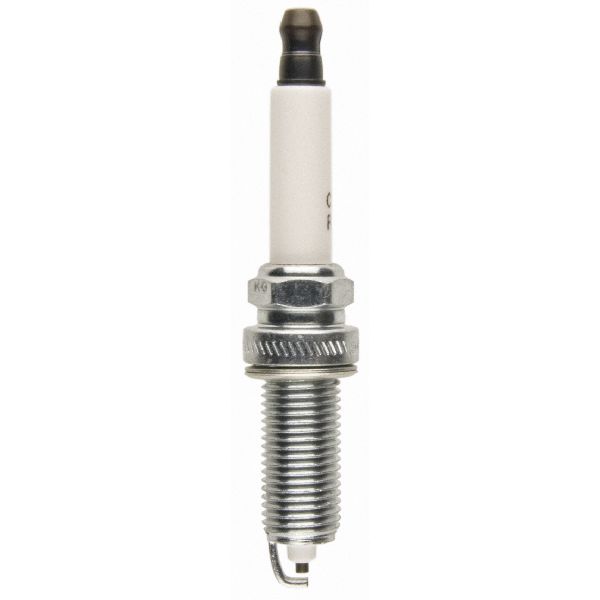
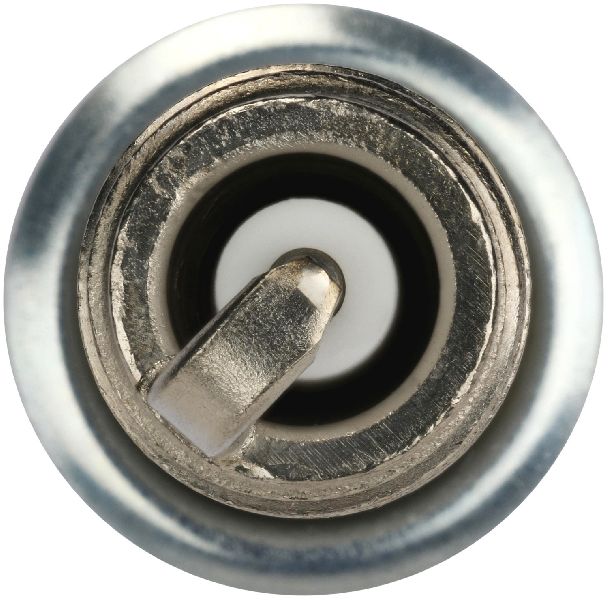
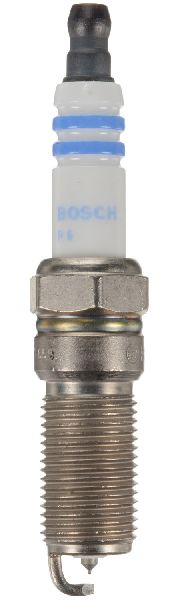
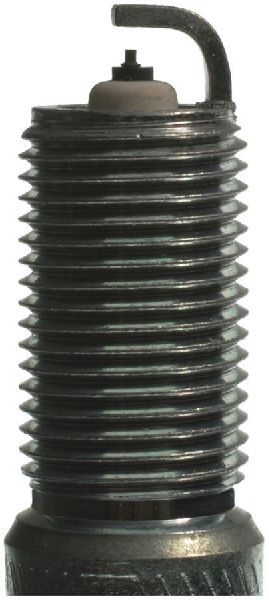
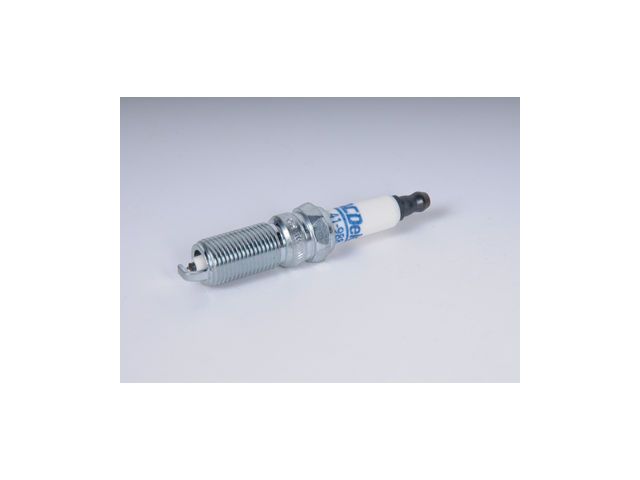
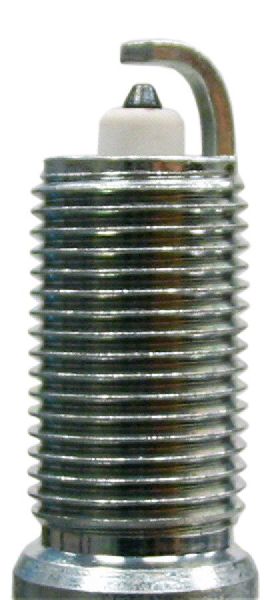
(OEM #L3Y2-18-110 (for 2.0L MZR, NGK ILTR5A-13G) or PE5R-18-110 (for 2.0L SkyActiv-G))— This is a routine maintenance item that is a frequent cause of misfires. It is always recommended to replace the spark plug when replacing an ignition coil.
Trusted brands: NGK (Laser Iridium), Denso (Iridium), Bosch (Double Iridium)
OEM price range: $15-$25
Aftermarket price range: $8-$15
Related Codes That Often Appear With This One
- P0300 — If the misfire is intermittent or starting to affect other cylinders, a P0300 (Random Misfire) code may appear alongside P0301. This is common with carbon buildup or fuel delivery issues.
- P0302, P0303, P0304 — If the root cause affects the whole engine (like a vacuum leak, low fuel pressure, or significant carbon buildup), you may see misfire codes for other cylinders as well. Some owners report sequential coil failures, getting a P0302 months after fixing a P0301.
Technical Service Bulletins (TSBs) & Recalls
- 01-014-16-3208: Lack of power/rough idle with misfire DTCs (P0300-P0304) due to internal ignition coil failure.
- 01-012-19-3612: Check Engine Light with misfire DTCs (P00-P0304) due to carbon deposits on intake valves in SkyActiv engines.
- 01-005/15: Misfire DTCs and increased engine oil level on SkyActiv engines due to improper PCM logic in cold weather.
Platform-Specific Known Issues
- TSB #01-014-16-3208 notes that 2013 models may experience misfires due to internal ignition coil failure, particularly with large ambient temperature changes. The bulletin confirms a manufacturing change was implemented to fix this.
- TSB #01-012-19-3612 states that 2012-2013 models with SkyActiv engines can develop carbon deposits on intake valves, causing misfires during the warm-up phase.
- TSB #01-005/15 (also published as #01-002/14) mentions that for 2012-2013 SkyActiv models, improper PCM logic in cold weather (<14°F / -10°C) could cause fuel to dilute the engine oil, leading to misfires and a rising oil level. The fix involves an oil change and a PCM reprogram.
Mechanic-Grade Diagnostic Values
- Ignition Coil Resistance (MZR & SkyActiv) — expected: Primary Coil: 0.49–0.57 Ω; Secondary Coil: 9.5–11.1 kΩ. Failure: Readings outside of these specific ranges indicate a faulty coil.
- Fuel Injector Resistance (MZR engines) — expected: Approximately 12.0-14.5 Ω. More importantly, all injectors should measure within 0.5 Ω of each other.. Failure: An injector with a resistance reading that is significantly different from the others is likely faulty.
- Mode 6 Misfire Counter — expected: A value of 0 or a very low number during a drive cycle.. Failure: A high or rapidly increasing count for a specific cylinder (e.g., Cylinder 1) confirms misfire events are occurring, even without a solid Check Engine Light.
Hidden / Shadow Codes Worth Checking
- Mode 6, Test ID $A2 (Cylinder 1 Misfire Data): This is not a 'code' but a diagnostic monitor value. Advanced scan tools can access Mode 6 data to view the raw misfire count for each cylinder from the last 10 driving cycles and the current driving cycle. This allows a technician to confirm which cylinder is misfiring without a formal P-code being stored. (see via An OBD-II scan tool with Mode 6 diagnostic capabilities.)
Scan Tool Commands That Help
- Advanced OBD-II Scanner: View Mode 6 Data -> Misfire Monitor (Test ID $A2-$AF) — Use this to confirm intermittent misfires or to verify that a repair has been successful by checking if the misfire count for cylinder 1 remains at zero after a test drive. It is especially useful when a misfire is felt but the Check Engine Light is not on.
Wiring & Ground Locations
- Main Engine Ground Strap — Typically runs from the engine block or transmission case to the chassis or negative battery terminal. One key ground is on the passenger side engine mount.. A poor engine ground can cause unstable voltage to the ignition coils and PCM, leading to weak spark and intermittent misfires that are difficult to diagnose.
- Ignition Coil Connector — The 3-pin or 4-pin connector plugging into the top of the ignition coil for cylinder 1.. Technicians can back-probe this connector to test for 12V power, a good ground, and the trigger signal from the PCM. A damaged connector or wire here will directly cause a P0301.
- PCM Ground — The Powertrain Control Module (PCM) has multiple ground pins in its main connectors. These are grounded to the chassis at various points.. A faulty PCM ground can cause a wide range of erratic issues, including misfires. Verifying ground integrity at the PCM connector is an advanced diagnostic step if common causes are ruled out.
Real Owner Repair Stories
- Car Talk Community forum user (2007 Mazda 3, 85k miles (similar MZR engine and issue)) — Sudden engine stuttering/hesitation, rough idle, P0301 code. Symptoms were worse when cold.
❌ Tried (didn't work) Initially just considered replacing the coil.
✅ What actually fixed it The owner found oil in the cylinder 1 spark plug tube and a white, crusty residue on the ignition coil boot, indicating an oil leak and high-voltage arcing. The final fix was replacing the faulty ignition coil, all spark plugs, and the valve cover gasket set (which includes the spark plug tube seals) to stop the oil leak. - Mazdaspeeds.org forum user (Mazdaspeed 3 (Direct Injection engine, similar concept to SkyActiv)) — Persistent P0301 misfire under high load (WOT), sputtering and popping from exhaust.
❌ Tried (didn't work) Replaced ignition coils, Replaced spark plugs (multiple brands), Checked for vacuum leaks, Used fuel injector cleaner
✅ What actually fixed it The user noted low fuel pressure via live data. After replacing the high-pressure fuel pump's pressure relief valve (PRV), pressure improved but the misfire persisted. The community concluded the high-pressure fuel pump (HPFP) itself likely needed a rebuild or replacement, as a faulty PRV is often a symptom of a failing pump.
"I Checked Everything" — The Actual Cause
- According to Mazda TSB 01-007/16, some 2013-2016 models can exhibit misfire codes (P0300-P0304) on a cold start in freezing temperatures. This can be caused by water accumulating and freezing in the main silencer (muffler), creating an exhaust restriction. This would not be found with a smoke test or by checking the ignition and fuel systems, as it's an external, weather-dependent issue. The fix is to replace the main silencer with an updated part.
OEM Part Supersession History
PE01-18-100, P51B-18-100→PE20-18-100A— To improve reliability and prevent premature internal failure, as noted in TSB 01-014-16-3208. The original coils were prone to failure, especially with large temperature changes.
Heads up: The newer part number PE20-18-100A is backward compatible with vehicles that used the older numbers.
Model Year Variations Within This Range
- 2012-2013: The 2012 model year was a transition year. The 'i' trim could be equipped with either the older 2.0L MZR port-injected engine or the new 2.0L SkyActiv-G direct-injected engine, depending on the specific trim level (e.g., i Touring got SkyActiv). By 2013, all 'i' trims used the SkyActiv engine. The 's' trims continued to use the 2.5L MZR engine. This is critical because carbon buildup is a primary concern for SkyActiv engines but not MZR engines.
- 2013: The 2013 model year introduced minor changes, primarily to infotainment and option packages, such as the availability of a touchscreen navigation system and advanced keyless entry on higher trims. These changes do not directly affect the cause of P0301, but help in vehicle identification.
Helpful Videos
We Have This Part in Stock

The information in this article is provided for general reference and educational purposes only. Vehicle specifications, procedures, and part compatibility can vary by production date, trim level, and region. Always consult your vehicle's factory service manual and verify part numbers before purchasing or performing repairs. Safety-critical components such as airbags, seat belts, and braking systems should be installed by a qualified professional.
- Mazda MAZDA3:
- 🧭 Diagnostic Flowchart
- 🎬 Helpful Videos
- 🛍️ Shop This Part
- What's Unique About the 2012-2013 Mazda MAZDA3
- Symptoms You May Notice
- Most Likely Causes
- Rare But Worth Checking
- Diagnosis Steps
- Parts You'll Likely Need
- Related Codes That Often Appear With This One
- Technical Service Bulletins (TSBs) & Recalls
- Platform-Specific Known Issues
- Mechanic-Grade Diagnostic Values
- Hidden / Shadow Codes Worth Checking
- Scan Tool Commands That Help
- Wiring & Ground Locations
- Real Owner Repair Stories
- "I Checked Everything" — The Actual Cause
- OEM Part Supersession History
- Model Year Variations Within This Range
- 🎟️ Get 5% Off