

P0301 on 2019-2021 Mazda MAZDA3: Cylinder 1 Misfire Causes and Fixes
P0301 on a 2019-2021 Mazda3 most often indicates a failed ignition coil or a worn spark plug on cylinder 1. A simple swap test between cylinders can quickly identify the bad part. Expect to pay $20-$50 for a spark plug and $50-$120 for an ignition coil. However, on 2.5L Turbo models, this code can signal a much more serious issue detailed in TSB 01-001-23a, potentially requiring cylinder head repair.
- P0301 specifically points to a misfire in cylinder 1.
- The most likely culprits are a bad ignition coil or a worn spark plug.
- Use the 'swap test' to diagnose the faulty component for free before buying parts.
- Do not ignore a flashing check engine light, as it can lead to costly catalytic converter damage.
- If your Mazda3 has the 2.5L Turbo engine, be aware of the specific TSB (01-001-23a) related to this issue.
What's Unique About the 2019-2021 Mazda MAZDA3
The 2019-2021 Mazda3 is the fourth generation (BP) of this popular compact car. While its Skyactiv engines are generally reliable, a critical Technical Service Bulletin (TSB 01-001-23a) exists for the 2.5L Turbo model. This TSB links misfire codes, including P0301, to a seized variable valve in the exhaust manifold, which can cause overheating, uneven wear on the exhaust valve seat, and ultimately, a loss of compression requiring major engine repair. For non-turbo engines, the more common failures like ignition coils and fuel injectors remain primary suspects, consistent with issues seen in older Mazda3 generations. Additionally, some 2.5L non-turbo models feature a cylinder deactivation system that was subject to a recall for a rocker arm issue that could cause misfires.
Diagnostic Flowchart
Tap your situation to follow the diagnostic path that matches what you're seeing on this vehicle.
Symptoms You May Notice
- Rough or shaky idle.
- Hesitation or stumbling during acceleration.
- Noticeable loss of engine power.
- Flashing or solid Check Engine Light.
- Reduced fuel economy.
- Smell of raw fuel from the exhaust.
- Engine knocking or pinging sounds.
- Replacing only the spark plugs when the ignition coil is the actual culprit. The swap test is crucial to avoid this.
- On 2.5T models, repeatedly replacing plugs and coils without addressing the potential underlying mechanical issue described in TSB 01-001-23a. A leak-down test is key to avoiding this.
- Assuming a major engine problem before checking the simple ignition and fuel components first (on non-turbo models).
Most Likely Causes
- Faulty Ignition Coil 🔴 High Probability → Shop Ignition Coil An older TSB for Mazda vehicles (01-014-16-3208A) points to internal ignition coil failure as a cause for misfire codes. This remains a very common failure point on many modern engines, including the Skyactiv-G.
How to confirm: Swap the ignition coil from cylinder 1 with the coil from cylinder 2. Clear the codes and drive the car. If the code changes to P0302, the ignition coil is faulty. Cylinder 1 is on the passenger side of the engine bay, and the order is 1-2-3-4 towards the driver's side.
Typical fix: Replace the faulty ignition coil. It is often recommended to replace all coils at the same time, as they tend to fail around the same age.
Est. part cost: $50 - $120 - Worn or Fouled Spark Plug 🔴 High Probability → Shop Spark Plug Spark plugs are a regular maintenance item with a recommended replacement interval of 75,000 miles. Oil leaks from a failing valve cover gasket can also foul the spark plug, causing a misfire. On some engines, a faulty PCV system can also contribute to fouling.
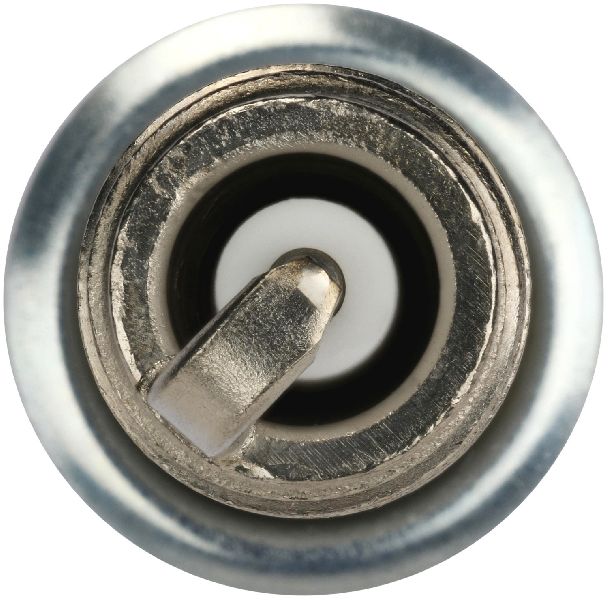
How to confirm: After confirming the coil is good, swap the spark plug from cylinder 1 with the plug from cylinder 3. Clear codes and drive. If the code changes to P0303, the spark plug is bad. Visually inspect the old plug for wear, carbon buildup, oil, or a cracked insulator.
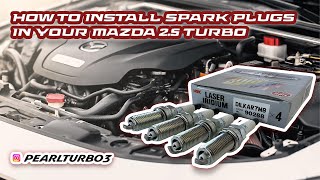
Typical fix: Replace the spark plug. It is best practice to replace all spark plugs as a set to ensure even performance. Use high-quality Iridium plugs as specified by the OEM. 🎬 Watch: Step-by-step spark plug installation for 2.5T models.
Est. part cost: $20 - $50 - Clogged or Faulty Fuel Injector 🟡 Medium Probability → Shop Fuel Injector Direct injection systems, like Mazda's Skyactiv, operate under high pressure and can be prone to injector issues or clogging. TSB 01-004-17-3317a on a previous generation linked misfire codes with fuel injector circuit problems.
How to confirm: This is more difficult for a DIYer. A professional can perform a fuel injector balance test. You can listen to the injector with a mechanic's stethoscope to check for a consistent clicking sound. An injector's resistance can be tested with a multimeter; a reading outside the 1.6-2.52 ohm range indicates a fault. Swapping injectors between cylinders is possible but much more labor-intensive than coils or plugs.
Typical fix: Replace the faulty fuel injector. Sometimes, a professional fuel system cleaning can resolve a clog, but replacement is often necessary for a failed injector.
Est. part cost: $100 - $250
Rare But Worth Checking
- Intake Valve Carbon Buildup: Skyactiv engines use direct injection, which can lead to carbon deposits on the intake valves over time because fuel doesn't wash over them. This can disrupt airflow and cause misfires, especially on cold starts. A borescope inspection can confirm this, and the fix is typically a manual cleaning or walnut shell blasting service. Some owners report this becoming an issue around 60,000-90,000 miles.
- Vacuum Leak: A leak in the intake manifold gasket or a vacuum hose near cylinder 1 can lean out the air-fuel mixture and cause a misfire. This can be diagnosed with a smoke test or by carefully spraying starter fluid near suspected leak points and listening for a change in engine RPM.
- Low Engine Compression (Turbo Models): This is a very serious mechanical issue specifically identified in TSB 01-001-23a for 2.5T engines. A seized valve in the exhaust manifold leads to a worn exhaust valve seat and loss of compression. A compression test and cylinder leak-down test are required to diagnose this. The repair involves replacing the cylinder head and the redesigned exhaust manifold.
- Cylinder Deactivation System Fault (2.5L Non-Turbo): On 2.5L non-turbo engines equipped with cylinder deactivation, a fault in the system can cause misfires. A recall was issued for some models due to a problem with the rocker arm, which could cause it to come out of position and lead to a misfire and engine damage. This system deactivates cylinders 1 and 4 under light load conditions.
Diagnosis Steps
- Read the trouble codes with an OBD-II scanner and note any other codes present. Record the freeze frame data.
- Check Mode 6 data on a capable scanner to view raw misfire counts per cylinder for the current and last 10 drive cycles, which can confirm the misfire is isolated to cylinder 1.
- Clear the codes and test drive to see if P0301 returns.
- If the code returns, swap the ignition coil from cylinder 1 to cylinder 2. Clear codes and drive again. If the code changes to P0302, replace the ignition coil.
- If the code remains P0301, move the spark plug from cylinder 1 to cylinder 3. Clear codes and drive. If the code changes to P0303, replace the spark plug.
- If the misfire persists on cylinder 1, inspect the ignition coil connector and wiring for damage or corrosion.
- Listen to the fuel injector with a stethoscope; it should have a steady, rhythmic clicking sound. Test the fuel injector's resistance. It should be between 1.6 and 2.52 ohms.
- For 2.5L TURBO MODELS: If plugs and coils are good, strongly consider professional diagnosis. Insist the technician consult TSB 01-001-23a and perform a cylinder leak-down test to check for compression loss through the exhaust valves before proceeding with other repairs.
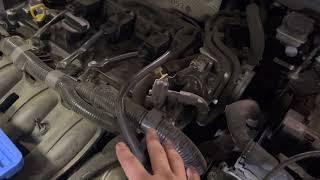
- For NON-TURBO MODELS: If the above steps don't identify the issue, consider more advanced diagnostics like checking fuel pressure (should be at least 3.0 MPa / 435 psi at idle via scan tool PID), performing a smoke test for vacuum leaks, or a compression test. 🎬 See how to diagnose and fix common Skyactiv 2.5L misfire codes.
Parts You'll Likely Need
- Ignition Coil
(OEM #PE20-18-100A (for non-cylinder deactivation) or PYFS-18-100 (for cylinder deactivation))— This is one of the most common causes for a P0301 code, supported by historical TSB data for Mazda vehicles (01-014-16-3208A). It is critical to select the correct part based on whether the engine has cylinder deactivation.
Trusted brands: Mazda (OEM), NGK, Denso, Delphi
OEM price range: $140-$180
Aftermarket price range: $50-$120 - Spark Plug
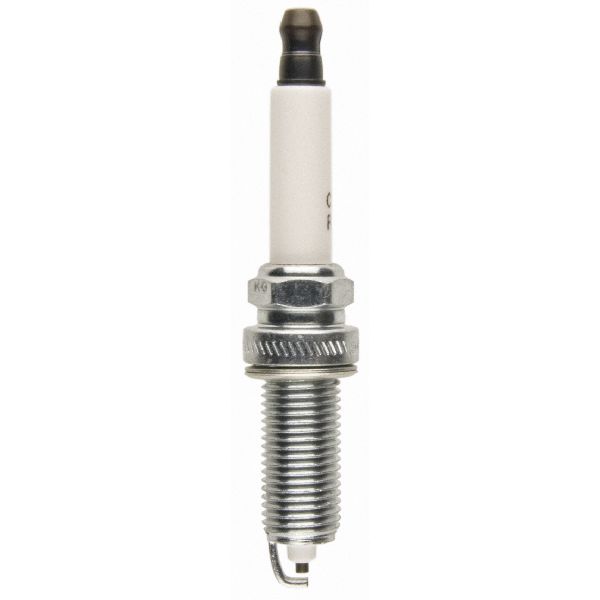
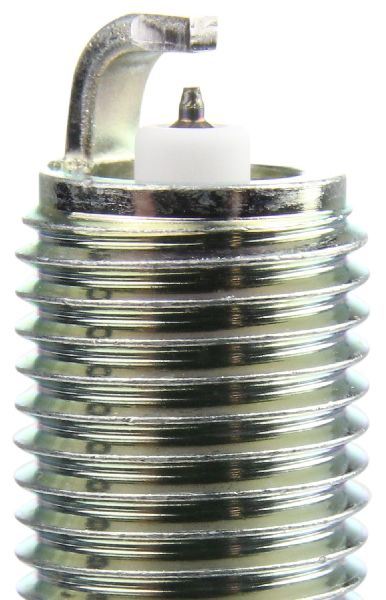
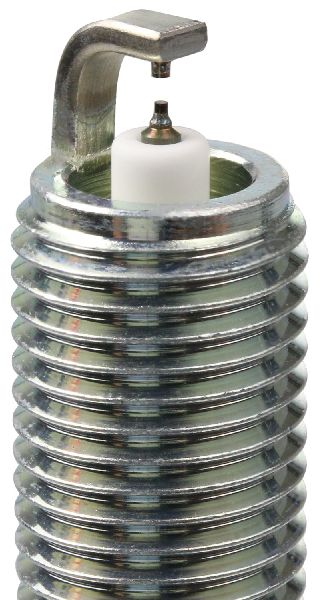
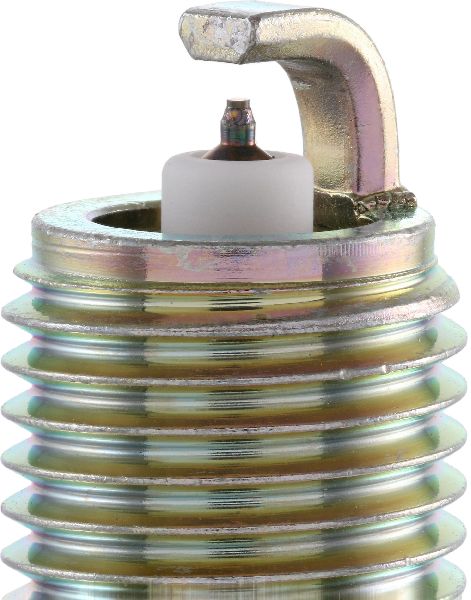
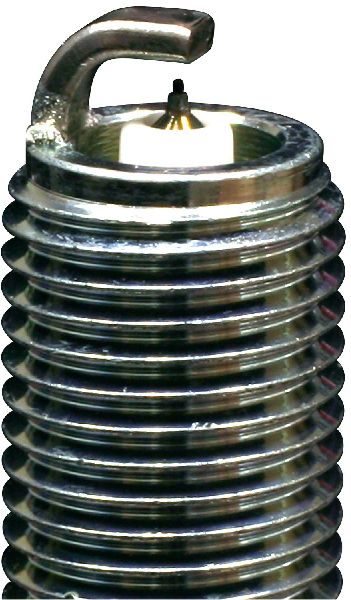
(OEM #PE5R-18-110 (corresponds to NGK ILKAR7L11))— Spark plugs are a maintenance item and a frequent cause of misfires. An oil-fouled or worn plug is a common finding during diagnosis.
Trusted brands: NGK (OEM supplier), Denso
OEM price range: $25-$40
Aftermarket price range: $15-$30 - Fuel Injector
(OEM #PY01-13-250)— A clogged or failed fuel injector is another likely cause, especially on direct-injection engines. TSB 01-004-17-3317a points to injector circuit issues on past models.
Trusted brands: Bosch, Hitachi, Mazda (OEM)
OEM price range: $200-$250
Aftermarket price range: $80-$150
Related Codes That Often Appear With This One
- P0300 — If the misfire is intermittent or affects multiple cylinders, a P0300 (Random Misfire) code may be stored alongside P0301.
- P0302, P0303, P0304 — These codes indicate misfires in other cylinders. Seeing them together can point to a common problem like a vacuum leak, bad fuel, or the serious exhaust manifold issue on turbo models described in TSB 01-001-23a.
- P0201 — This code means 'Fuel Injector Circuit/Open - Cylinder 1'. As noted in TSB 01-004-17-3317a for older models, it can appear with a P0301 if the injector or its wiring is the root cause.
Technical Service Bulletins (TSBs) & Recalls
- 01-001-23a: Details a severe failure on 2.5T engines where a seized exhaust manifold valve causes compression loss and misfires, requiring cylinder head and manifold replacement.
- 01-004-17-3317a: Linked misfire codes (P0301-P0304) with fuel injector circuit codes (P0201-P0204) on older models, establishing a diagnostic link.
- 01-014-16-3208A: Identified internal ignition coil failure as a cause for misfires on older models, highlighting coils as a common weak point.
- 01-007-19-3541: Addresses a tapping noise from a faulty switchable hydraulic lash adjuster (HLA) on engines with cylinder deactivation.
Platform-Specific Known Issues
- TSB 01-001-23a: Major Engine Failure on 2.5L Turbo Engines: For 2020-2021 Mazda3 2.5T models (and other Mazda 2.5T vehicles), TSB 01-001-23a details a severe failure mode. Symptoms include poor acceleration, rough idle, and misfire codes (P0301-P0304). The root cause is a seized variable valve in the exhaust manifold, leading to excessive heat, uneven wear on the exhaust valve seat, and a subsequent loss of compression. Diagnosis requires a compression or leak-down test. The repair is extensive, requiring replacement of the cylinder head and the updated exhaust manifold.
- Recall: Rocker Arm Issue on 2.5L Engines with Cylinder Deactivation: → Shop Engine Rocker Arm A recall was issued for some 2018-2019 Mazda vehicles equipped with the 2.5L Skyactiv-G engine with cylinder deactivation. A software problem with the hydraulic valve clearance adjuster could cause the rocker arm to come out of position and potentially interfere with other engine parts, leading to a misfire, loss of power, and possible engine damage. This system was reportedly dropped from some 2021 models.
Mechanic-Grade Diagnostic Values
- High-Pressure Fuel System Pressure (at idle) — expected: 3.0 MPa (435 psi) or more. Failure: A value below 3.0 MPa at idle suggests a failing high-pressure fuel pump.
- Fuel Injector Resistance (Skyactiv-G) — expected: 1.6 to 2.52 ohms. Failure: A reading outside this range, or one that is significantly different from the other injectors, indicates a faulty injector.
- Ignition Coil Primary Winding Resistance — expected: 0.4 to 2.0 ohms. Failure: A reading outside this range suggests a faulty coil.
- Ignition Coil Secondary Winding Resistance — expected: 6,000 to 11,100 ohms (6.0kΩ - 11.1kΩ). Failure: A reading outside this range indicates a faulty coil.
- Short Term Fuel Trim (STFT) for Bank 1 at Idle — expected: Close to 0% (+/- 10%). Failure: A strong, consistent negative value (e.g., -20%) can indicate a leaking fuel injector on one of the cylinders in that bank, as the PCM is trying to remove excess fuel.
Hidden / Shadow Codes Worth Checking
- Mode 6, Test ID $53 (or similar): This is not a DTC, but a diagnostic monitoring function. It provides raw misfire counts for each cylinder over the current and previous 10 drive cycles. This data can confirm a misfire is occurring on a specific cylinder even if it hasn't happened enough to set a P0301 code and turn on the check engine light. (see via A professional-grade OBD-II scanner or advanced DIY tool (like FORScan for Mazda) that can access Mode 6 test data.)
Scan Tool Commands That Help
- Mazda M-MDS, FORScan: Live Data PID Monitoring (e.g., 'FUEL_PRES', 'MISFIRE_COUNT_CYL1') — Use during diagnosis to monitor real-time data. Watching the high-pressure fuel reading can rule out a pump issue, while watching the dedicated misfire counter for cylinder 1 can confirm the fault is active.
- Mazda M-MDS, FORScan: Injector Cut-Off Test (Bidirectional Control) — This active test allows the user to disable one injector at a time while the engine is idling. If you cut off cylinder 1's injector and there is no change in engine RPM or smoothness, it confirms that cylinder was not contributing, pointing to a problem with its fuel, spark, or compression.
OEM Part Supersession History
PE01-18-100, PE01-18-100A, P51B-18-100→PE20-18-100A— Part revision and consolidation over model years.
Heads up: This part is for engines WITHOUT cylinder deactivation. Using it on an engine with cylinder deactivation may cause issues.PYFS-18-100→N/A— N/A
Heads up: This part is specifically for 2.5L engines WITH cylinder deactivation. It is not interchangeable with PE20-18-100A.
Model Year Variations Within This Range
- 2019-2020: The 2.5L non-turbo engine was commonly equipped with cylinder deactivation, which shuts off cylinders 1 and 4 under light load. These engines require a specific ignition coil (PYFS-18-100).
- 2021: Mazda reportedly removed the cylinder deactivation feature from some 2.5L non-turbo Mazda3 models for the 2021 model year. These vehicles would use the standard ignition coil (PE20-18-100A). It is crucial to verify with a VIN if the vehicle has this system before ordering ignition parts.
Helpful Videos
We Have This Part in Stock

The information in this article is provided for general reference and educational purposes only. Vehicle specifications, procedures, and part compatibility can vary by production date, trim level, and region. Always consult your vehicle's factory service manual and verify part numbers before purchasing or performing repairs. Safety-critical components such as airbags, seat belts, and braking systems should be installed by a qualified professional.
- Mazda MAZDA3:
- 🧭 Diagnostic Flowchart
- 🎬 Helpful Videos
- 🛍️ Shop This Part
- What's Unique About the 2019-2021 Mazda MAZDA3
- Symptoms You May Notice
- Most Likely Causes
- Rare But Worth Checking
- Diagnosis Steps
- Parts You'll Likely Need
- Related Codes That Often Appear With This One
- Technical Service Bulletins (TSBs) & Recalls
- Platform-Specific Known Issues
- Mechanic-Grade Diagnostic Values
- Hidden / Shadow Codes Worth Checking
- Scan Tool Commands That Help
- OEM Part Supersession History
- Model Year Variations Within This Range
- 🎟️ Get 5% Off