

P0301 on 1999-2003 Mazda Protege: Cylinder 1 Misfire Causes and Fixes
On a 1999-2003 Mazda Protege, P0301 is almost always caused by a worn spark plug or a faulty spark plug wire for cylinder 1. Start by replacing the spark plug and wire before suspecting the coil pack. This is a simple DIY fix, with parts costing around $25-$60.
- P0301 means cylinder 1 (passenger side) is misfiring.
- On this car, immediately suspect the spark plug and spark plug wire for cylinder 1 before the more expensive coil pack.
- The 'swap test' is your best diagnostic tool: swap the plug and then the wire with another cylinder to see if the code moves.
- Do not drive if the Check Engine Light is flashing to avoid damaging your catalytic converter.
- When replacing plugs or wires, it is best practice to replace them as a complete set.
What's Unique About the 1999-2003 Mazda Protege
The 1.6L and 2.0L engines in this generation Protege use a 'waste spark' ignition system with two coil packs and four spark plug wires. One coil fires cylinders 1 and 4, while the other fires 2 and 3. This design is significant because a completely failed coil pack would typically cause two misfire codes (e.g., P0301 and P0304). Therefore, if you only have a P0301 code, the problem is much more likely to be a bad spark plug or spark plug wire specific to cylinder 1, rather than the coil pack itself.
Symptoms You May Notice
- Rough idle or shaking engine
- Hesitation or stumbling during acceleration
- Noticeable loss of power
- Flashing or solid Check Engine Light
- Reduced fuel economy
- Smell of unburnt gasoline from the exhaust
- Replacing the ignition coil first when only a single cylinder misfire code (like P0301) is present. Due to the waste spark system, the spark plug or wire is a more probable cause.
- Confusing misfire symptoms with issues related to the intake manifold shutter valve (VTCS). 🎬 Watch: Understanding the VTCS system and how to address it Loose screws from the VTCS can cause rough running, noise, and even engine damage, mimicking a misfire.
Most Likely Causes
- Faulty Spark Plug Wire 🔴 High Probability → Shop Spark Plug The spark plug wires, especially the boots, are a very common failure point. Over time, the rubber degrades and develops micro-cracks, allowing high voltage to arc to the grounded valve cover instead of firing the plug. This is especially common under load when cylinder pressures are higher. Forum users consistently report this as the primary fix for a single-cylinder misfire.
How to confirm: With the engine running in a dark area, look or listen for a visible spark jumping from the wire/boot of cylinder 1 to the engine block. A forum user described it as a 'nice light show' when the boot was slightly lifted. You can also swap the #1 spark plug wire with another cylinder's wire (e.g., cylinder 4, which is of similar length) and see if the misfire code changes to P0304.
Typical fix: Replace the entire set of spark plug wires. It's best practice to replace them as a set. Applying a small amount of dielectric grease inside the boots can help seal them and prevent future arcing.
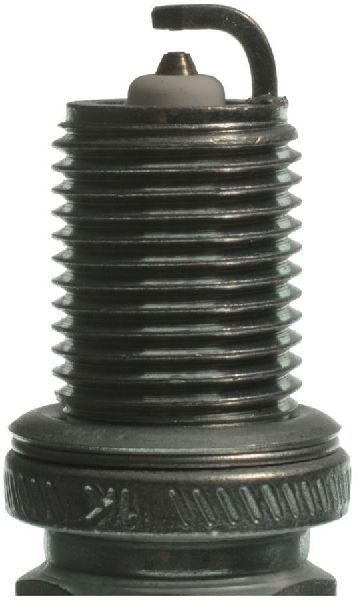
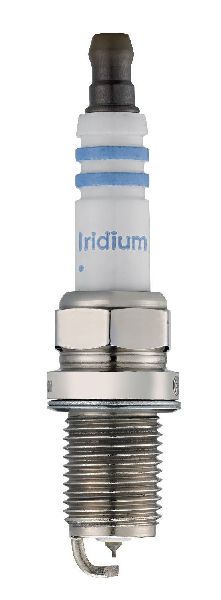
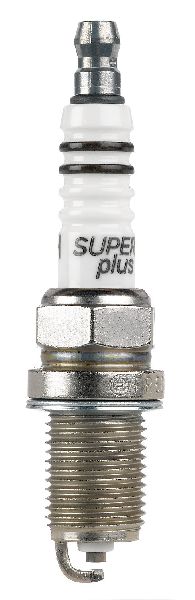
Est. part cost: $20-$50 - Worn or Fouled Spark Plug 🔴 High Probability → Shop Spark Plug Spark plugs are a standard maintenance item. An old plug with a wide gap or one fouled by oil or carbon deposits won't produce a strong enough spark to ignite the fuel mixture under compression. These engines are also known for oil consumption which can foul plugs.
How to confirm: Remove the spark plug from cylinder 1 and inspect it. Look for a worn electrode, cracks in the porcelain, or heavy carbon/oil fouling. Swap the plug with one from another cylinder (e.g., cylinder 2). If the code changes to P0302, the spark plug is the culprit.
Typical fix: Replace the spark plug. It is highly recommended to replace all four spark plugs at the same time with OEM-spec NGK or Denso plugs. 🎬 See this quick guide on changing Mazda Protege spark plugs
Est. part cost: $15-$40 (for a set of 4) - Failed Ignition Coil Pack 🟡 Medium Probability → Shop Ignition Coil Ignition coils on this platform are a known failure item, to the point that an emission recall (0702F) was issued for the 1.8L engine in 1999-2000 models. While a complete failure usually takes out two cylinders, a coil can fail intermittently or have a weak output on just one of its two towers, resulting in a single P0301 code.
How to confirm: Swap the ignition coil that fires cylinders 1 & 4 with the coil that fires cylinders 2 & 3. They are physically identical and easy to swap. Clear the codes and drive the vehicle. If the misfire code changes to P0302 or P0303, the ignition coil is faulty.
Typical fix: Replace the faulty ignition coil. Many owners choose to replace both coils and the wires 🎬 Watch: Full walkthrough on replacing plugs, wires, and coils at the same time for peace of mind.
Est. part cost: $40-$90 (per coil) - Clogged or Faulty Fuel Injector ⚪ Low Probability → Shop Fuel Injector
How to confirm: Use a mechanic's stethoscope or a long screwdriver to listen to the injector for cylinder 1. It should make a consistent, rapid clicking sound. Compare its sound to the other injectors. You can also check for a signal at the injector harness with a noid light. Swapping the injector from cylinder 1 with another cylinder is a definitive test, but more labor-intensive.
Typical fix: Replace the faulty fuel injector.
Est. part cost: $50-$120
Rare But Worth Checking
- Low Engine Compression: If all ignition and fuel components check out, a mechanical issue could be the cause. A compression test will confirm this. Standard compression for the 2.0L FS-DE is ~171 psi, with a minimum of 119 psi. For the 1.6L ZM-DE, standard is ~199 psi with a minimum of 142 psi. A significant difference of over 28 psi between cylinders indicates a problem. A cranking compression test on one 2.0L engine showed 120 PSI across all cylinders, which is very close to the minimum spec.
- Vacuum Leak: A vacuum leak from a cracked hose or a bad intake manifold gasket near the cylinder 1 runner can lean out the fuel mixture and cause a misfire. Spraying brake cleaner or starter fluid near the intake runner for cylinder 1 while the engine is idling can help identify a leak; the engine RPM will change if a leak is present.
- Faulty Powertrain Control Module (PCM): In very rare instances, the driver circuit within the PCM that controls the ignition coil or fuel injector can fail. This should be the last item to consider after all other possibilities are exhausted. One owner on a forum reported a shop diagnosing a faulty PCM as the cause of their misfire.
Diagnosis Steps
- Read the code with an OBD-II scanner and confirm P0301 is the only misfire code present.
- Visually inspect the spark plug wire for cylinder 1. Look for cracks, swelling, or signs of arcing (white or black marks) on the boot. In a dark environment, start the engine and look for any visible sparks arcing from the wire to the valve cover.
- Swap the spark plug from cylinder 1 with the plug from cylinder 2. Clear the codes and drive the car. If the code changes to P0302, you have a bad spark plug.
- If the code remains P0301, swap the spark plug wire from cylinder 1 with the wire from cylinder 4 (they are similar in length). Clear the codes and drive. If the code changes to P0304, you have a bad spark plug wire.
- If the code remains P0301, swap the two ignition coils. They are held by a few bolts and are identical. Clear the codes and drive. If the code changes to P0302 or P0303, the coil is bad.
- If the misfire is still on cylinder 1, check the fuel injector by listening for a steady clicking sound. Compare it to the other injectors.
- Check for vacuum leaks around the intake manifold, particularly near the runner for cylinder 1, using the starter fluid method.
- If all else fails, perform a compression test to rule out mechanical engine problems like worn rings, a bad valve, or a head gasket leak.
Parts You'll Likely Need
- Spark Plug Wire Set — This is the most common point of failure for a single-cylinder misfire on this engine. The boots degrade and cause spark to arc to ground.
Trusted brands: NGK, Denso
OEM price range: $40-$70
Aftermarket price range: $20-$50 - Spark Plugs (Set of 4) — A worn or fouled spark plug is a primary cause of misfires and is a routine maintenance item.
Trusted brands: NGK, Denso
OEM price range: $25-$50
Aftermarket price range: $15-$40 - Ignition Coil
(OEM #FP85-18-100C (2.0L FS-DE) / ZL01-18-100B or ZM01-18-100 (1.6L ZM-DE))— A less common cause for a single misfire, but still a frequent failure item on the platform.
Trusted brands: Delphi, Hitachi, NGK
OEM price range: $70-$120
Aftermarket price range: $40-$90
Related Codes That Often Appear With This One
- P0300 — If the misfire is intermittent or affects other cylinders, a P0300 (Random/Multiple Misfire Detected) code may appear alongside P0301.
- P0304 — Because one coil pack fires both cylinders 1 and 4, a complete failure of that coil will often trigger both P0301 and P0304 simultaneously.
Technical Service Bulletins (TSBs) & Recalls
- Emission Recall 0702F - 1999-2000 Protege 1.8L - Ignition Coil Failure
- Emission Recall 3005C - 2003 Protege 2.0L - Intake Manifold Shutter Valve Screws
- TSB Bulletin #01-001-23a - Manufacturer notes that some customers may complain about poor acceleration, rough idling, or the Check Engine light with DTC P0301.
- TSB Bulletin #01-007-19-3541 - Indicates that vehicles may exhibit a rough idle and/or the check engine light on with P0301 stored in memory.
- TSB Bulletin #01-012-19-3612 - Documents instances where vehicles experience the Check Engine Light ON with DTC P0301:00 stored in memory.
Platform-Specific Known Issues
- Emission Recall 0702F was issued for faulty ignition coils on some 1999-2000 Protege models with the 1.8L engine, indicating a history of coil issues on this platform generation. The recall involved replacing the original coil with a modified part.
- Recall Campaign 3005C for 2003 models addressed loose screws on the intake manifold shutter valve (part of the VTCS). These screws could fall out, causing rough idling, misfire-like symptoms, and in worst-case scenarios, get ingested by the engine leading to severe damage.
Mechanic-Grade Diagnostic Values
- Fuel Injector Resistance — expected: 12 to 16 Ohms for high-impedance injectors, which these are. A more specific source states 13.8 Ohms for the 1.6L and 2.0L engines.. Failure: A reading of OL (Open Loop/infinite resistance) or 0.0 Ohms indicates a dead or shorted injector. All injectors should have readings within 0.5 Ohms of each other.
- Ignition Coil Resistance (2.0L FS-DE) — expected: Primary: 0.76 - 0.92 Ohms. Secondary: 11.2k - 13.6k Ohms.. Failure: Readings outside of this range indicate a faulty coil.
- Fuel Line Pressure — expected: 39-45 psi (2.7-3.2 kg/cm2) with ignition on and F/P to GND jumped at the diagnostic connector. Another source specifies 38±2 PSI for the 2.0L engine.. Failure: Pressure that is low, high, or fluctuates wildly can indicate a failing fuel pump or fuel pressure regulator.
- Ignition Coil #2 (Cylinders 2 & 3) PCM Trigger Signal — expected: Voltage signal at Pin 52 (Red/Green wire) of the PCM connector.. Failure: Absence of a signal could point to a wiring or PCM driver issue.
Wiring & Ground Locations
- Powertrain Control Module (PCM/ECM) — Behind the passenger side of the dash, under a panel in the passenger side footwell.. The PCM sends the trigger signal to the ignition coils and fuel injectors. A faulty driver circuit in the PCM can cause a misfire on a single cylinder.
- Tachometer Signal (for diagnostics) — Purple/White wire at the diagnostic connector in the driver side rear corner of the engine compartment, or at Pin 48 of the ECM.. Verifying a stable tach signal helps rule out issues with the crankshaft position sensor, which provides the primary engine speed data for misfire detection.
- Engine/Body Ground Points — A common grounding path described by owners runs from the passenger side body near the power steering reservoir, to a motor mount stud, to a valve cover bolt, to the intake manifold, to a transmission bracket bolt, and finally to the negative battery terminal.. A poor ground for the ignition coils or PCM can cause weak spark or erratic electronic behavior, leading to misfires.
Real Owner Repair Stories
- 2CarPros Forum (2002 Mazda Protege 2.0L, 120,000 miles) — Rough running, P0301 stored. Cylinder 1 had no contribution during an RPM drop test.
❌ Tried (didn't work) Installing new spark plugs (spark was confirmed good outside the cylinder), Replacing the #1 fuel injector (noid light confirmed signal), Swapping ignition coils
✅ What actually fixed it Installing a complete new set of spark plug wires and boots. The tech theorized that the old wire had just enough continuity to fire the plug in open air, but failed under cylinder compression. - Mazda Forum (2003 Protege5) — Engine running rough like on 3 cylinders, sluggish, CEL with code P0301.
❌ Tried (didn't work) A temporary fix with electrical tape on the spark plug boot failed quickly.
✅ What actually fixed it The owner observed a 'nice light show' as spark jumped from the #1 spark plug boot to the valve cover, indicating a cracked/failed boot. Replacing the spark plug wire set was the implied permanent fix. - NHTSA ODI #10695229 — An owner reported that their engine light stayed on with a code of P0301, which is a cylinder 1 misfire issue, and the vehicle was kept for almost three weeks for diagnosis.
- NHTSA ODI #11675874 — An owner reported scanning their vehicle and finding codes P0301 and P0506, noting that P0301 is a generic "Cylinder 1 Misfire Detected" message.
OEM Part Supersession History
FP85-18-100B→FP85-18-100C, FP85-18-100C-9U— Standard part revision and updates by the manufacturer.
Model Year Variations Within This Range
- 1999-2000: The 2.0L FS-DE in these years used a Variable Inertia Charging System (VICS) intake manifold. The 2001-2003 models switched to a Variable Tumble Control System (VTCS) manifold, which is known for the issue of its butterfly valve screws coming loose and potentially falling into the engine, which can mimic or cause misfires.
- 2001-2003: The 2.0L engine in these years uses ignition coil part number FP85-18-100C. The earlier 1.8L and the 1.6L ZM-DE use different coil packs.
Diagnostic Flowchart
Other Known Issues on This Vehicle
Issues unrelated to this code that are worth knowing about as an owner of this generation:
- Premature Body and Subframe Rust 🔴 High — Very common, especially in regions that use road salt. Rust often appears first on rear wheel wells and can progress to the rear subframe, becoming a structural safety issue.
- Automatic Transmission (FN4A-EL) Failure 🔴 High — Commonly reported between 60,000 and 120,000 miles. Symptoms include harsh shifting, slipping between gears, flashing 'O/D OFF' light, and eventual complete failure to engage gears.
- Intake Manifold Shutter/Tumble Valve Screws Loosening 🔴 High → Shop Engine Intake Manifold — Most prevalent on 2003 models, but can affect other years with the FS-DE 2.0L engine. Screws for the VTCS (Variable Tumble Control System) butterflies can back out and fall into the engine, causing catastrophic damage. (Ref: Recall Campaign 3005C)
- Premature Engine Mount Failure 🟠 Medium — The rear engine mount, which is liquid-filled, is known to fail prematurely (40k-80k miles), causing a clunk when shifting and excessive vibration at idle.
- Loud Valve Train / Lifter Tick 🟡 Low — The FS-DE engine uses solid lifters that require periodic valve lash adjustments. Over time, they become noisy, producing a distinct ticking sound, especially when cold. While often benign, it can be mistaken for more serious engine knock.
Used vs. New Parts: Buying Guide for This Vehicle
When a used part is the smart pick: For this repair, used parts are generally not recommended for the primary failure items (spark plugs, wires, coils). However, if a larger component like an intake manifold or a wiring harness connector is damaged, a used part from a reputable auto recycler is a viable option.
Donor-vehicle mileage cap: roughly under 80000 miles for the part to have meaningful remaining life.
What to inspect on the donor part:
- For electrical connectors, ensure there is no corrosion on the pins and the plastic locking tabs are not broken.
- For mechanical parts like an intake manifold, check for cracks, stripped threads, and ensure all vacuum ports are intact.
- Ask about the donor car's history; avoid parts from vehicles with flood or fire damage.
OEM-only on this vehicle (don't cheap out):
- Powertrain Control Module (PCM): While refurbished units are available, they must be programmed specifically for the vehicle's VIN and options. A used PCM from another car will likely not work without reprogramming.
Aftermarket brands forum-validated for this vehicle:
- NGK and Denso for spark plugs and spark plug wires are consistently recommended as OEM-quality or better.
- Delphi and Hitachi are reputable aftermarket brands for ignition coils.
Brands owners have reported issues with on this vehicle:
- Be cautious of unbranded, 'white-box' ignition coils and wire sets from online marketplaces. While inexpensive, forum discussions often mention premature failure compared to reputable brands.
Real Owner Stories
Aggregated from forums and TSBs cited above. Mileages and costs reflect what owners reported in those sources.
2003 Mazda Protege5 2.0L FS-DE
Symptoms: The spark from the #1 wire was arcing to the valve cover, creating a 'light show'. A temporary fix with electrical tape worked briefly.
What fixed it: Replacing the spark plug wires with a new set.
Source hint: Mazdas247.com: Thread '2003 Protege5 - P0301 Code'
1999 Mazda Protege 1.6L ZM-DE — 122000 miles
Symptoms: Cylinder #1 misfire, Code P0301 with original wires still installed.
What fixed it: The owner was advised to check the ignition coil recall (0702F) and replace the aged spark plug wires.
Source hint: Mazda3Club.com: Thread 'Cylinder #1 misfire, Code P0301'
2002 Mazda Protege 2.0L FS-DE
Symptoms: Cylinder one has no contribution. The spark plug wire would fire outside the cylinder but failed under compression.
What fixed it: Replacing the #1 spark plug wire.
Source hint: 2CarPros.com: '2002 Mazda Protege Code P0301, Cylinder One Has No Contribution'
2002 Mazda Protege 2.0L FS-DE — ~150000 miles
Symptoms: Cylinder #1 misfire with compression test results around 120 PSI.
What fixed it: While the user was troubleshooting, another owner in the same thread reported their P0301 was caused by a faulty PCM.
Source hint: Reddit r/AskMechanics: 'Mazda Protege cylinder #1 misfire'
Related OBD-II Codes
Frequently Asked Questions
My 1999 Protege 1.8L has a misfire; is there a recall for the ignition coils?
Can I swap parts between cylinders to diagnose P0301 on my FS-DE engine?
My 2003 Protege is idling roughly and throwing a P0301; could it be the intake manifold?
What brand of spark plugs should I use for my ZM-DE 1.6L engine?
Is it true that the spark plug wires on these cars arc to the engine?
How can I check if my fuel injector is causing the P0301 code?
Helpful Videos
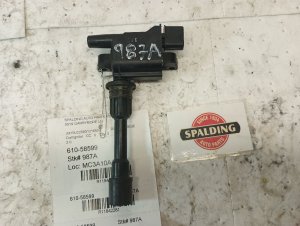
Used OEM Parts in Stock
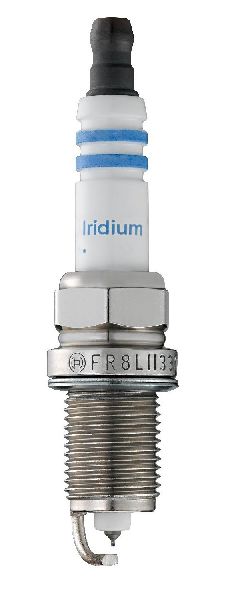
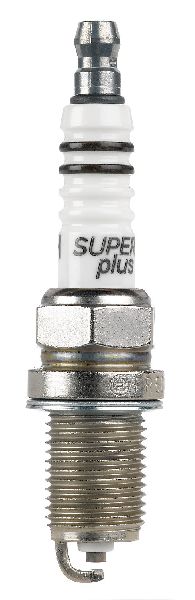
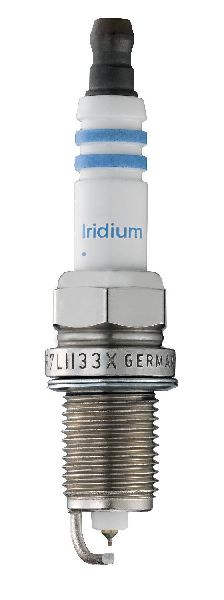
New Aftermarket Parts Available

The information in this article is provided for general reference and educational purposes only. Vehicle specifications, procedures, and part compatibility can vary by production date, trim level, and region. Always consult your vehicle's factory service manual and verify part numbers before purchasing or performing repairs. Safety-critical components such as airbags, seat belts, and braking systems should be installed by a qualified professional.
- Mazda Protege:
- 🧭 Diagnostic Flowchart
- 🎬 Helpful Videos
- 🛍️ Shop This Part
- What's Unique About the 1999-2003 Mazda Protege
- Symptoms You May Notice
- Most Likely Causes
- Rare But Worth Checking
- Diagnosis Steps
- Parts You'll Likely Need
- Related Codes That Often Appear With This One
- Technical Service Bulletins (TSBs) & Recalls
- Platform-Specific Known Issues
- Mechanic-Grade Diagnostic Values
- Wiring & Ground Locations
- Real Owner Repair Stories
- OEM Part Supersession History
- Model Year Variations Within This Range
- Other Known Issues on This Vehicle
- Used vs. New Parts: Buying Guide for This Vehicle
- Real Owner Stories
- 2003 Mazda Protege5 2.0L FS-DE
- 1999 Mazda Protege 1.6L ZM-DE — 122000 miles
- 2002 Mazda Protege 2.0L FS-DE
- 2002 Mazda Protege 2.0L FS-DE — ~150000 miles
- Related OBD-II Codes
- Frequently Asked Questions
- 🎟️ Get 5% Off