

P0301 on 2000-2005 Mitsubishi Eclipse: Cylinder 1 Misfire Causes and Fixes
On a 2000-2005 Eclipse, code P0301 is most often caused by a worn spark plug, a bad spark plug wire (V6), or a failed ignition coil on cylinder 1. For the 6G72 V6, oil leaking from the valve cover gasket into the spark plug tube is a very common root cause. Expect to spend $10-$50 for plugs and wires, or $40-$80 for a coil pack for this straightforward DIY repair.
- P0301 means cylinder 1 is misfiring; this is the cylinder closest to the belts on the driver's side.
- Start your diagnosis with the simple, high-probability parts: the spark plug, ignition coil, and (on the V6) the spark plug wire.
- A flashing Check Engine Light means stop driving as soon as safely possible to prevent expensive catalytic converter damage.
- On the 3.0L V6, check for oil in the spark plug tubes, as this is a very common cause of ignition component failure.
What's Unique About the 2000-2005 Mitsubishi Eclipse
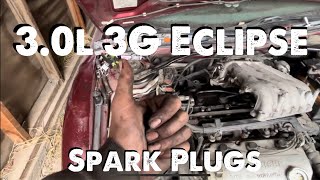
This generation of Eclipse (3G) uses two very different engines: the 4-cylinder 4G64 and the V6 6G72. While the causes of a misfire are similar, the V6 is known for valve cover gasket oil leaks that can seep into the spark plug tubes, fouling the plugs and damaging the wires. This is a very common failure pattern discussed frequently in owner forums. Additionally, the three rear cylinders on the V6 (1, 3, and 5) are notoriously difficult to access against the firewall 🎬 Watch: The easy way to access and replace V6 spark plugs., often leading to neglected spark plugs and wires which become a primary point of failure. The 4G64 uses a two-coil waste-spark system, meaning a single coil is responsible for firing cylinders 1 and 4 simultaneously.
Symptoms You May Notice
- Rough or shaky idle
- Engine hesitation or stumbling during acceleration
- Noticeable loss of power
- Flashing Check Engine Light (indicates a severe misfire that can damage the catalytic converter)
- Smell of raw fuel from the exhaust
- Decreased fuel economy
- Engine stalling, especially at idle
- Replacing the fuel pump when only a single cylinder is misfiring. A weak fuel pump usually causes random misfires on all cylinders (P0300) or lean codes.
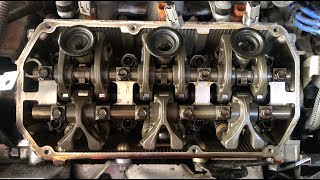
- Replacing ignition parts on the V6 without addressing the root cause of leaking valve cover gaskets 🎬 See this step-by-step guide on replacing your V6 valve cover gaskets., leading to a repeat failure of the new parts.
Most Likely Causes
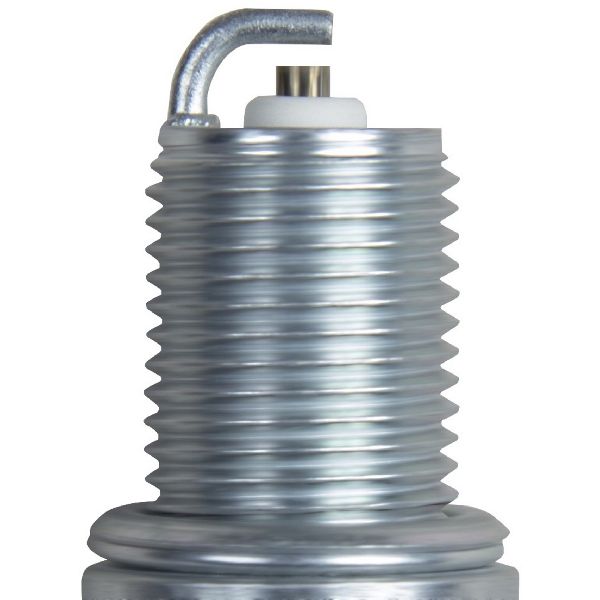
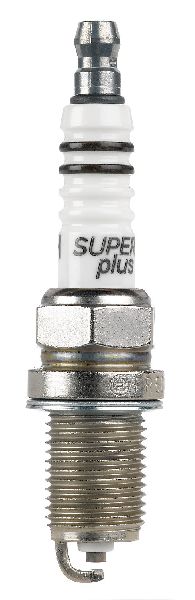
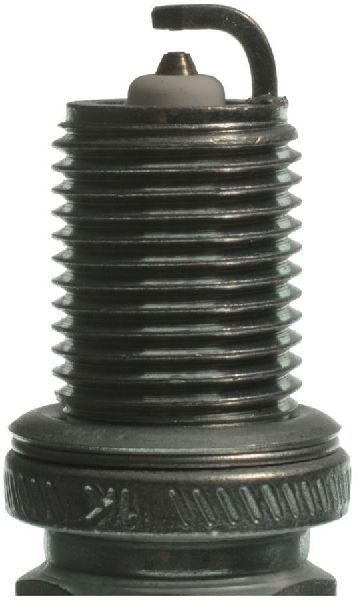
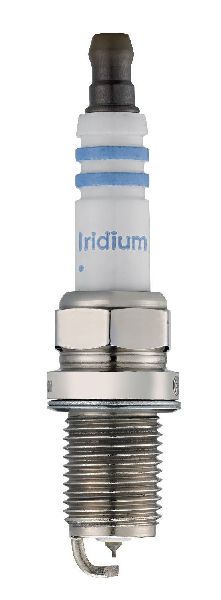
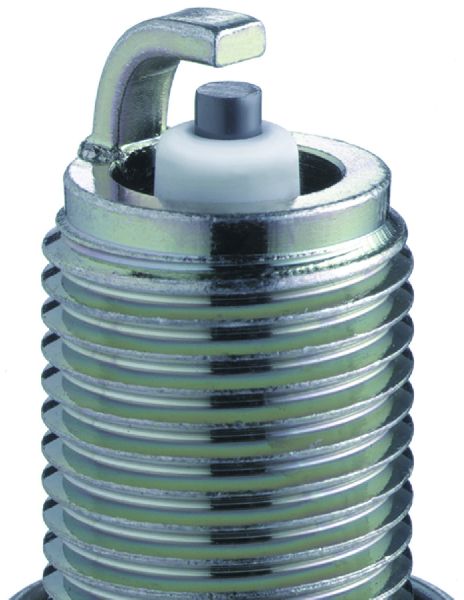
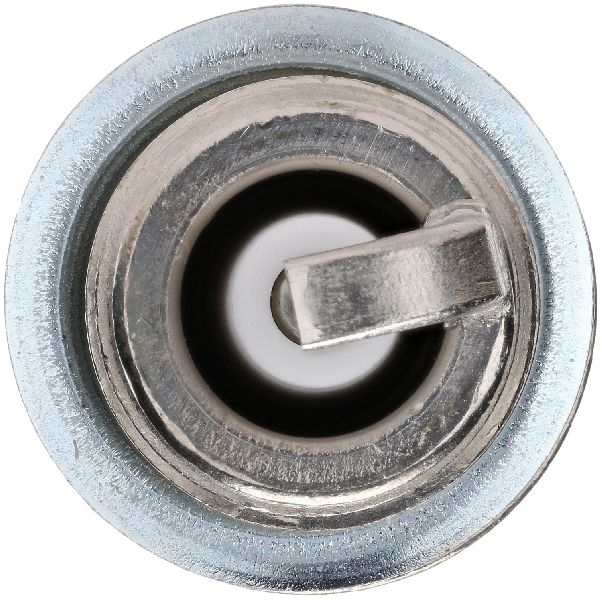
- Worn or Fouled Spark Plug 🔴 High Probability → Shop Spark Plug Spark plugs are a regular maintenance item. On the V6, the rear bank is difficult to access, so plugs may be original or very old. Oil leaks from valve cover gaskets can also foul the plugs, which is a very common issue on the 6G72 engine.
How to confirm: Remove the spark plug from cylinder 1. On the 6G72 V6, this is the rear cylinder closest to the driver's side. On the 4G64, it is the cylinder closest to the timing belts. Inspect for wear, carbon buildup, oil, or a cracked insulator. A definitive test is to swap the plug with another cylinder (e.g., cylinder 3) and see if the code changes to P0303.
Typical fix: Replace the spark plug. It is best practice to replace all 4 or 6 spark plugs at the same time using OEM-spec NGK or Denso plugs.
Est. part cost: $5-$15 per plug - Defective Spark Plug Wire (6G72 V6) 🔴 High Probability → Shop Spark Plug The V6 engine uses spark plug wires. Age, heat, and especially oil contamination from leaking valve cover gaskets cause the insulation to break down, leading to a weak or misdirected spark. The #1 plug wire is a common victim of this oil leak.
How to confirm: Inspect the wire for cylinder 1 for cracks, brittleness, or swelling. Look for oil saturation in the spark plug tube. With the engine running in the dark, you may see the spark arcing from the wire to the engine block. A definitive test is to swap the wire with another cylinder's wire (e.g., cylinder 3) and see if the misfire code changes to P0303.
Typical fix: Replace the full set of spark plug wires. If one has failed, others are likely near the end of their service life. NGK wire sets are a popular choice. If oil was present, the valve cover gaskets must also be replaced to prevent a repeat failure.
Est. part cost: $40-$90 for a set - Failed Ignition Coil / Coil Pack 🟡 Medium Probability → Shop Ignition Coil Both engines use a 'waste spark' system with coil packs that fire two cylinders at once (1&4 on the 4G64, 1&4 on the V6). Heat and age cause the internal windings to fail.
How to confirm: Swap the coil pack that fires cylinder 1 with the other coil pack (e.g., the one for cylinders 2&5 on the V6). Clear the codes and run the engine. If the code changes to the paired cylinder (e.g., P0304), the coil pack is faulty.
Typical fix: Replace the failed ignition coil pack.
Est. part cost: $40-$100 - Clogged or Faulty Fuel Injector ⚪ Low Probability → Shop Fuel Injector
How to confirm: Use a 'noid light' to confirm the injector is receiving an electrical pulse from the ECM. To definitively test the injector itself, you can swap the cylinder 1 injector with another cylinder's injector. If the misfire code moves to that cylinder, the injector is bad. This is more labor-intensive than ignition component swaps.
Typical fix: Replace the faulty fuel injector. It's often recommended to replace them as a set or have them professionally cleaned and balanced.
Est. part cost: $50-$150 per injector
Rare But Worth Checking
- Low Engine Compression: This is a more serious mechanical issue, such as a burnt valve, worn piston rings, or a leaking head gasket. A compression test is needed to diagnose this. Since these are interference engines, a past timing belt failure can cause bent valves, leading to low compression.
- Vacuum Leak: A leak in a vacuum hose or the intake manifold gasket can introduce unmetered air, leaning out the mixture and causing a misfire. This often affects more than one cylinder but can present as a single misfire initially.
- Jumped Timing Belt: If the misfire appeared after a timing belt service, it's possible the timing is off by a tooth. These are interference engines, so incorrect timing can cause severe damage and will almost certainly cause misfires.
- Failed Engine Control Module (ECM): In very rare cases, after all ignition and fuel components have been verified as working, the driver circuit within the ECM itself can fail, causing it to not send the proper signal to the coil or injector for cylinder 1.
Diagnosis Steps
- Confirm Cylinder 1 location. On the 6G72 3.0L V6, the rear bank (firewall side) cylinders are 1-3-5 from driver's side to passenger's side. Cylinder 1 is the rear cylinder closest to the driver. On the 4G64 2.4L I4, the cylinders are numbered 1-2-3-4 from the timing belt side (driver's side) to the transmission side.
- Visually inspect the spark plug wire (V6) or coil boot (4-cyl) for damage or oil contamination. On the V6, check the spark plug tube for cylinder 1 for pooled oil, a sign of a leaking valve cover gasket.
- Swap the ignition coil that fires cylinder 1 with the coil from another pair of cylinders (e.g., swap the 1/4 coil with the 2/5 coil). Clear the codes and drive the vehicle. If the misfire code changes to P0304, the coil is bad.
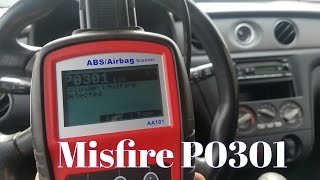
- If the misfire remains on cylinder 1, remove the spark plug. Check for wear, damage, or fouling. Swap the spark plug from cylinder 1 with one from another cylinder (e.g., cylinder 3). If the code moves to P0303, the spark plug is bad. 🎬 Watch: How to diagnose and fix a P0301 misfire code.
- On the V6, if the coil and plug are good, swap the spark plug wire from cylinder 1 with another cylinder's wire (e.g., cylinder 3). If the code moves to P0303, the wire is bad.
- If ignition components are ruled out, check the fuel injector. Use a noid light to verify it's receiving a signal. If it is, consider swapping the injector with another cylinder to see if the fault moves.
- If all else fails, perform a compression test on cylinder 1 to check for mechanical engine problems. Compare the reading to the other cylinders. A significant drop (more than 15-20%) indicates a mechanical issue like a bent valve or bad piston rings.
Parts You'll Likely Need
- Spark Plugs
(OEM #MS851357 (NGK BKR5E-11))— This is the most common failure point and a routine maintenance item. A worn or fouled plug cannot create a strong enough spark. Oil fouling is common on the V6.
Trusted brands: NGK, Denso
OEM price range: $12-$20 per plug
Aftermarket price range: $5-$15 per plug - Ignition Coil Pack
(OEM #MD362907 (for 4G64) or MD362903 (for 6G72))— The coil packs generate the high voltage for the spark. Over time, heat causes them to fail, resulting in a weak or no-spark condition.
Trusted brands: Denso, NGK, Standard Motor Products
OEM price range: $90-$150
Aftermarket price range: $40-$100 - Spark Plug Wire Set (V6 Only)
(OEM #MD334020)— On the 6G72 V6, the wires that carry voltage from the coil packs to the spark plugs degrade over time, especially when exposed to oil from leaking valve cover gaskets.
Trusted brands: NGK (e.g., RC-ME94), Denso
OEM price range: $80-$120
Aftermarket price range: $40-$90 - Valve Cover Gasket Set (V6)
(OEM #MD339286 (Rear))— The original gaskets are prone to hardening and leaking, allowing oil to fill the spark plug tubes and foul the plugs and wires. This is a primary cause of P0301 on the V6.
Trusted brands: Fel-Pro, Mahle, OEM
OEM price range: $40-$60
Aftermarket price range: $20-$40
Related Codes That Often Appear With This One
- P0300 — If the condition causing the P0301 is severe enough (like a major vacuum leak or low fuel pressure), it can start causing random misfires on other cylinders.
- P0304 — Because both the 4G64 and 6G72 engines use a waste spark ignition system where one coil fires cylinders 1 and 4, a failing coil pack often affects both cylinders. The code for the paired cylinder may appear alongside P0301.
- P0171, P0174 — If the misfire is caused by a vacuum leak, codes related to the EGR system or a lean fuel mixture on one or both banks may also be present.
Technical Service Bulletins (TSBs) & Recalls
- TSB-01-13-007 - Misfire DTC Diagnostics - This bulletin provides technicians with an updated and more detailed diagnostic procedure for tracking down the cause of misfire codes, including P0301.
- TSB-05-13-005 - False Misfire DTC Set After Using A Scan Tool - A bulletin noting that some scan tool interactions could inadvertently cause a misfire code to be stored, advising technicians to verify the fault is real.
Platform-Specific Known Issues
- On the 6G72 3.0L V6, the valve cover gaskets are prone to leaking oil directly into the spark plug tubes. This oil saturates the spark plug wires and boots, causing them to fail and leading to misfires. This is the most common underlying cause for ignition-related misfires on the V6.
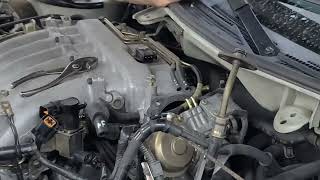
- Access to the rear bank of cylinders (1, 3, 5) on the 6G72 V6 is very tight, requiring removal of the upper intake plenum for most service, including spark plug replacement. This difficulty leads many owners to neglect maintenance on the rear bank, making it a common source of misfires.
Mechanic-Grade Diagnostic Values
- Fuel Injector Resistance (Both Engines) — expected: 11.0 to 16.0 Ohms (High Impedance). Failure: A reading significantly outside this range, or 'OL' (open circuit), indicates a failed injector coil. All injectors should have similar readings.
- Engine Compression (6G72 3.0L V6 N/A) — expected: Standard: 185 psi. Lower Limit: 139 psi.. Failure: A reading below the lower limit, or a variance of more than 14 psi between the highest and lowest cylinders, indicates a mechanical engine problem.
- Engine Compression (4G64 2.4L I4) — expected: Standard: ~185-210 psi (new). Service Limit: ~170 psi.. Failure: Readings below 170 psi or significant variation between cylinders suggest worn rings, valve issues, or head gasket failure.
- Fuel Pressure (Both Engines) — expected: Approximately 49 psi at the fuel rail.. Failure: Significantly lower pressure could cause lean misfires, but this would typically affect all cylinders (P0300), not just P0301.
Scan Tool Commands That Help
- Mitsubishi MUT-II / MUT-III: Actuator Test - Injector Drive — The dealer-level scan tool can command individual injectors to fire. This allows a technician to listen for the 'click' of the cylinder 1 injector to confirm it is mechanically responding to the ECM's command, helping to isolate a clogged or stuck injector from an electrical signal problem.
- Mitsubishi MUT-II / MUT-III: Power Balance Test — This function allows the technician to sequentially disable one cylinder at a time (by cutting fuel or spark) while monitoring the drop in engine RPM. If disabling cylinder 1 causes little or no change in RPM compared to other cylinders, it confirms cylinder 1 is not contributing power, verifying the misfire without a test drive.
Wiring & Ground Locations
- G10 (V6) / G11 (I4) — On the 6G72 V6, ground G10 is on the left side of the engine. On the 4G64 I4, ground G11 is located behind the left headlamp.. These are primary engine-to-chassis grounds. A corroded or loose ground at these points can cause intermittent and hard-to-diagnose issues with the ignition system, including weak spark, which can lead to a misfire code.
- Ignition Failure Sensor (Igniter/PTU) - V6 Only — On the 6G72 V6, this module is typically mounted on or near the ignition coil bracket.. The V6 uses an external igniter (also called a Power Transistor Unit or Ignition Control Module) to fire the coil packs. The ECM sends a low-current signal to this module, which then switches the high-current ground path for the coils. A failure in the specific driver circuit for the cylinder 1/4 coil within this module can cause a P0301/P0304 without setting a specific code for the module itself. This is a known failure point that is often misdiagnosed as a bad coil or ECM.
Real Owner Repair Stories
- 2CarPros Forum User (2001 Mitsubishi Eclipse, 6-cylinder, Manual, 104k miles) — P0301 misfire. Initially, restarting the car would make the misfire go away. Eventually, the car started stalling and would not stay running without holding the gas pedal down.
❌ Tried (didn't work) Spark plugs, Spark plug wires, Ignition coils, Distributor cap and rotor (incorrectly identified part, 3G Eclipse is distributorless), Cylinder 1 fuel injector
✅ What actually fixed it The user suspected a failing fuel pump because they could no longer hear it prime when turning the key to the 'ON' position. While not confirmed by a final post, the progression of symptoms from a single cylinder misfire to a no-start/stall condition is classic for a failing fuel pump that can no longer maintain adequate pressure. - NHTSA ODI #10759569 — An owner of a Mitsubishi Eclipse Spyder reported that after taking the vehicle to a dealer for a tune-up, failure codes P0301, P0401, and an EGR code appeared. Although the codes were initially cleared, the P0301 failure code reappeared until the vehicle was repaired.
Model Year Variations Within This Range
- 2003-2005: For the 2003 model year, Mitsubishi introduced the GTS trim for the V6, which featured a higher compression ratio (10:1 vs 9:1), a revised camshaft, and an improved variable intake manifold (MVIM). This resulted in a power increase to 210 hp from the GT's 200 hp. While the fundamental causes of P0301 are the same, the GTS engine may be slightly more sensitive to fuel quality and spark timing. The front fascia and taillights were also updated.
- 2000-2001: Early V6 GT models (2000-late 2001) were rated at 205 hp. Tightened emissions standards forced a change to California-spec emissions for all cars in late 2001, which dropped the power to 200 hp until the GTS model was introduced.
Diagnostic Flowchart
Other Known Issues on This Vehicle
Issues unrelated to this code that are worth knowing about as an owner of this generation:
- Automatic Transmission Failure (F4A51) 🔴 High — Very common, especially over 100,000 miles. A known weak point is an internal wave spring that breaks, leading to debris circulating and causing catastrophic failure.
- Clear Coat / Paint Peeling 🟡 Low — Extremely common across all colors, especially on the roof, hood, and spoiler. The clear coat fails and peels away, leaving the base color exposed and dull.
- Manual Transmission Shifting Difficulty / Clutch Rattle 🟠 Medium — Many owners report difficulty shifting or a rattling noise from the clutch area at idle. This can be due to a worn clutch pressure plate or other internal transmission components.
- Stuck or Slow Sunroof 🟡 Low — Commonly reported issue where the sunroof becomes stuck in the closed position or moves very slowly, often due to track lubrication or motor issues.
- Body Rust 🟠 Medium — The vehicle is prone to rust, particularly in the rear quarter panels, wheel wells, and subframes, especially in regions that use road salt.
Used vs. New Parts: Buying Guide for This Vehicle
When a used part is the smart pick: For expensive, durable electronic components like Ignition Coil Packs or the V6 Igniter Module, a used part from a low-mileage, documented wreck can be a cost-effective option. Structural components like intake manifolds are also excellent candidates for used purchase.
Donor-vehicle mileage cap: roughly under 100000 miles for the part to have meaningful remaining life.
What to inspect on the donor part:
- Check for the vehicle's mileage from the donor car's odometer if possible.
- For electronic parts, look for a lack of corrosion on the pins and connectors.
- Avoid parts from vehicles that show signs of flood damage (silt lines, musty smell) or major front-end collisions that could have damaged engine components.
- When buying a used coil pack, inspect the plastic housing for cracks or heat-related discoloration.
OEM-only on this vehicle (don't cheap out):
- Engine Control Module (ECM) - Due to programming and security (immobilizer) integration, a used ECM can be difficult or impossible to get working without specialized dealer tools.
- Crankshaft and Camshaft Position Sensors - The aftermarket quality for these critical sensors is notoriously inconsistent for Mitsubishi vehicles; using OEM (or OEM-supplier like Denso) is highly recommended to avoid repeat failures and chasing phantom issues.
Aftermarket brands forum-validated for this vehicle:
- NGK and Denso for all ignition components (spark plugs, wires, coils).
- Fel-Pro for gaskets, including the critical V6 valve cover and spark plug tube seals.
Brands owners have reported issues with on this vehicle:
- Unbranded, 'white box' ignition coils and sensors from online marketplaces. These frequently have high failure rates and can cause more diagnostic headaches.
Real Owner Stories
Aggregated from forums and TSBs cited above. Mileages and costs reflect what owners reported in those sources.
2001 Mitsubishi Eclipse 2.4L I4
Symptoms: The car experienced a P0301 misfire code after a timing belt failure. The owner attempted to swap coils and perform a leak-down test.
What fixed it: The issue was determined to be bent valves caused by the interference engine design during the timing failure.
Source hint: DSMtuners.com thread titled 'Misfire on cylinder 1-P0301 code'
2000-2005 Mitsubishi Eclipse 3.0L V6
Symptoms: Owner reported a P0301 code and sought advice from the community regarding the rear bank cylinders.
What fixed it: The community identified the common cause as oil in the spark plug tubes resulting from a leaking valve cover gasket, which saturates the wires.
Source hint: Club3G.com thread titled 'P0301 and a few others...'
2001 Mitsubishi Eclipse
Symptoms: The car misfired with a P0301 code and then would not start. The owner replaced all ignition components and the fuel injector but the car still failed to run.
What fixed it: The owner discovered the fuel pump was not priming, indicating a fuel delivery issue was the root cause.
Source hint: 2CarPros thread titled '2001 Mitsubishi Eclipse Car Misfired P0301, now it wont sta'
Related OBD-II Codes
Frequently Asked Questions
Where is cylinder 1 located on my 3.0L V6 Eclipse?
Why is the rear bank of my V6 more prone to P0301 misfires?
My scan tool showed a P0301 right after I used it; could this be a mistake?
What spark plugs should I use for my 2.4L or 3.0L Eclipse?
Is there a specific diagnostic procedure Mitsubishi recommends for this code?
Can a timing belt issue cause a P0301 on the 2.4L engine?
Helpful Videos
We Have This Part in Stock

The information in this article is provided for general reference and educational purposes only. Vehicle specifications, procedures, and part compatibility can vary by production date, trim level, and region. Always consult your vehicle's factory service manual and verify part numbers before purchasing or performing repairs. Safety-critical components such as airbags, seat belts, and braking systems should be installed by a qualified professional.
- Mitsubishi Eclipse:
- 🧭 Diagnostic Flowchart
- 🎬 Helpful Videos
- 🛍️ Shop This Part
- What's Unique About the 2000-2005 Mitsubishi Eclipse
- Symptoms You May Notice
- Most Likely Causes
- Rare But Worth Checking
- Diagnosis Steps
- Parts You'll Likely Need
- Related Codes That Often Appear With This One
- Technical Service Bulletins (TSBs) & Recalls
- Platform-Specific Known Issues
- Mechanic-Grade Diagnostic Values
- Scan Tool Commands That Help
- Wiring & Ground Locations
- Real Owner Repair Stories
- Model Year Variations Within This Range
- Other Known Issues on This Vehicle
- Used vs. New Parts: Buying Guide for This Vehicle
- Real Owner Stories
- 2001 Mitsubishi Eclipse 2.4L I4
- 2000-2005 Mitsubishi Eclipse 3.0L V6
- 2001 Mitsubishi Eclipse
- Related OBD-II Codes
- Frequently Asked Questions
- 🎟️ Get 5% Off