

P0301 on 1999-2004 Oldsmobile Alero 3.4L: Cylinder 1 Misfire Causes and Fixes
P0301 on an Alero 3.4L V6 indicates a misfire in cylinder 1. The most common causes are simple tune-up items like spark plugs, wires, or an ignition coil. However, this engine is notorious for leaking Lower Intake Manifold (LIM) gaskets, which can cause a coolant-induced misfire. Always check for coolant loss when diagnosing this code, as it's a primary suspect on this specific platform.
- P0301 is a misfire on cylinder 1. On the Alero 3.4L V6, this is frequently caused by a failed Lower Intake Manifold (LIM) gasket leaking coolant into the cylinder.
- Before assuming a simple tune-up will fix it, check for signs of coolant loss or coolant contamination in the oil (milky residue on the oil cap).
- Standard ignition problems are still common: inspect the spark plug, spark plug wire, and the ignition coil shared by cylinders 1 and 4.
- Do not ignore a flashing Check Engine Light. It signals a severe misfire that can quickly damage your expensive catalytic converter.
- When replacing the LIM gaskets, use an updated metal-frame design (e.g., Fel-Pro MS98003T) to prevent the problem from recurring.
What's Unique About the 1999-2004 Oldsmobile Alero
While P0301 is a generic code, on the Oldsmobile Alero's 3.4L LA1 V6, it has a very specific and common underlying cause: failed Lower Intake Manifold (LIM) gaskets. The original factory gaskets used a plastic/nylon frame that degrades over time from heat and exposure to Dex-Cool coolant, allowing coolant to leak into the intake ports or crankcase. This often leads to a persistent misfire on one or more cylinders before it causes catastrophic engine damage. While standard ignition failures are still possible, the LIM gasket issue is a notorious weak point of this specific engine platform and its relatives.
Symptoms You May Notice
- Rough or shaky idle
- Hesitation or stumbling during acceleration
- Flashing or solid Check Engine Light
- Noticeable loss of engine power
- Poor fuel economy
- Smell of raw fuel from the exhaust
- Gradual loss of coolant with no visible external leaks
- A 'milky' or 'milkshake' appearance on the oil dipstick or oil cap
- Difficulty starting the engine
- Replacing the catalytic converter when it has been damaged by a persistent misfire, without fixing the root cause of the misfire itself.
- Replacing the fuel pump when only a single cylinder is misfiring. A fuel pump issue would typically affect all cylinders and often set a P0300 code.
- Replacing only spark plugs when the LIM gasket is leaking coolant onto the plug, causing it to foul repeatedly.
Most Likely Causes
- Leaking Lower Intake Manifold (LIM) Gaskets 🔴 High Probability → Shop Engine Intake Manifold The original GM gaskets used a nylon/plastic frame that cracks and degrades from heat and Dex-Cool coolant exposure, a well-documented issue on the 3.4L V6. 🎬 Watch: A mechanic explains common 3.4L misfire causes. This allows coolant to enter the intake port for cylinder 1, fouling the spark plug and causing the misfire.
How to confirm: Check for gradual coolant loss, a 'milky' substance on the oil cap or dipstick, or white smoke from the exhaust. A cooling system pressure test can confirm an internal leak. Oil analysis can also detect coolant contamination.
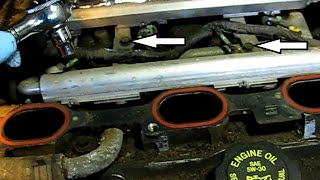
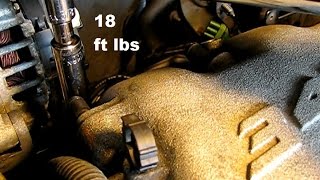
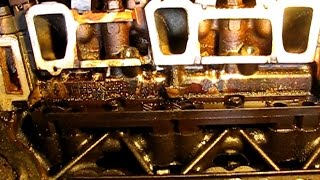
Typical fix: Replace the lower intake manifold gaskets with an updated metal-frame design, such as the Fel-Pro PermaDryPlus set (part #MS98003T). This is a labor-intensive job, often taking 6-8 hours. 🎬 Watch: How to remove the lower intake manifold.
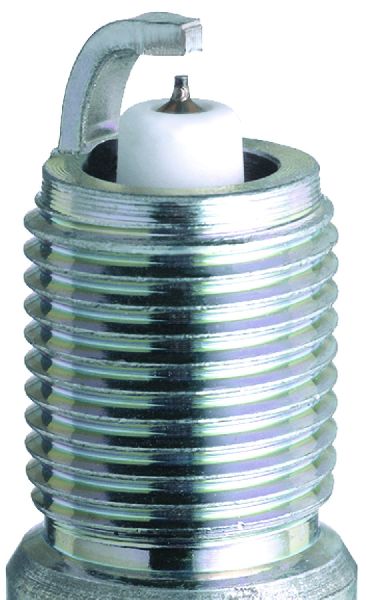
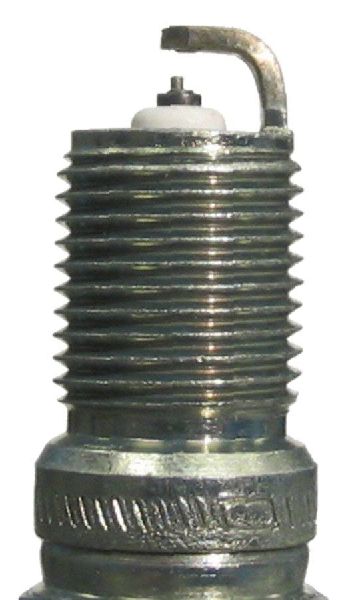
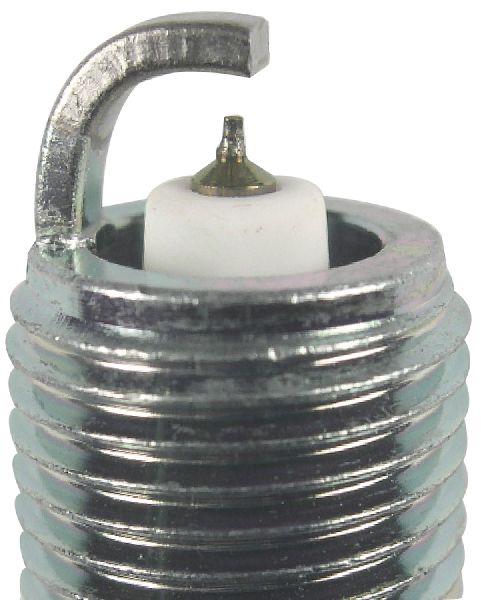
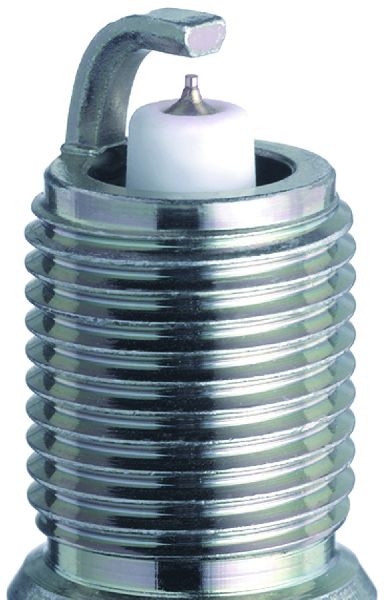
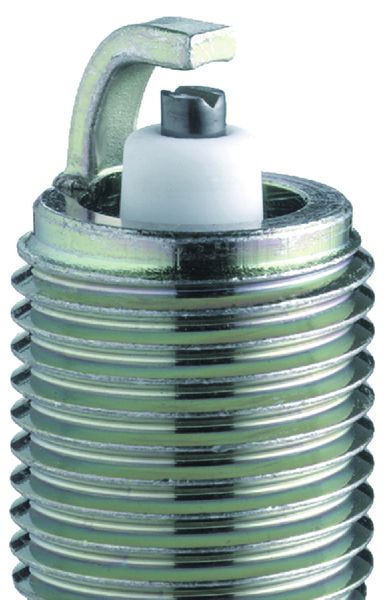
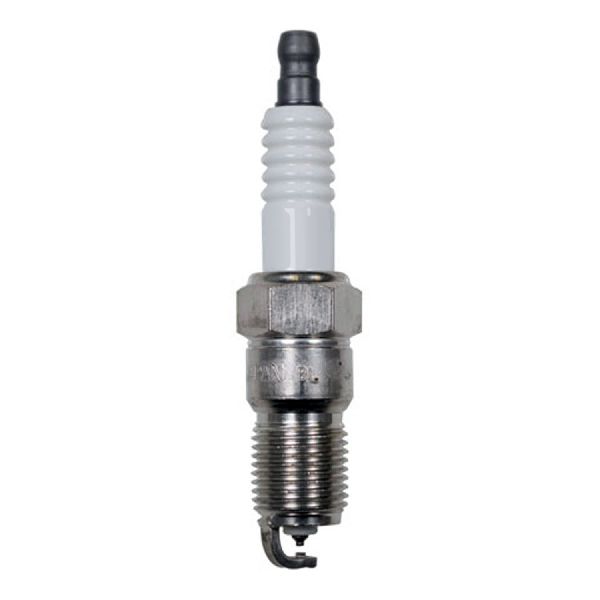
Est. part cost: $70-$120 - Worn Spark Plugs or Defective Spark Plug Wires 🔴 High Probability → Shop Spark Plug These are standard maintenance items. The 3.4L V6 uses a waste spark ignition system, which fires plugs more frequently, requiring durable double platinum or iridium plugs. Accessing the rear three plugs (cylinders 2, 4, 6) is notoriously difficult and often neglected, requiring the engine to be tilted forward for access. 🎬 See this walkthrough for changing the difficult rear plugs.
How to confirm: Visually inspect the spark plug for cylinder 1 for wear, fouling (especially coolant/green residue), or damage. Inspect the corresponding wire for cracks, corrosion, or looseness. The correct spark plug gap is 0.060 inches.
Typical fix: Replace all six spark plugs and the spark plug wire set. Due to the labor to access the rear bank, it is critical to do both at the same time. Use quality plugs like ACDelco or NGK Iridium.
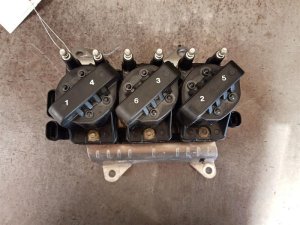
Est. part cost: $50-$120 - Failed Ignition Coil Pack 🟡 Medium Probability → Shop Ignition Coil The LA1 engine uses a waste spark system with three coil packs mounted on an Ignition Control Module (ICM). The coil responsible for cylinder 1 also fires cylinder 4. Heat and age can cause these coils to fail.
How to confirm: Swap the ignition coil for cylinders 1-4 with another coil (e.g., the one for 2-5). Clear the codes and drive. If the misfire code changes to P0302 or P0305, the coil is faulty. The coil for cylinders 1 and 4 is the middle one on the ICM.
Typical fix: Replace the single failed ignition coil pack. The OEM part is ACDelco D555.
Est. part cost: $40-$80 - Clogged or Failed Fuel Injector ⚪ Low Probability → Shop Fuel Injector
How to confirm: Listen for a consistent 'clicking' sound from the injector with a mechanic's stethoscope. You can also test the injector's resistance with a multimeter (should be around 12 ohms). Swapping the injector with another cylinder's injector to see if the misfire follows is a definitive test.
Typical fix: Replace the fuel injector for cylinder 1. The ACDelco OEM part number is 217-1602.
Est. part cost: $50-$100
Rare But Worth Checking
- Low Engine Compression: This indicates a more serious internal engine problem, such as a worn piston ring, a leaking valve, or a failed head gasket. A failed LIM gasket can lead to coolant washing out cylinder walls, causing low compression over time. A compression test is required to diagnose this.
- Vacuum Leak: A leak in a vacuum hose or the upper intake plenum (plenum can also crack) near the runner for cylinder 1 can lean out the mixture and cause a misfire. A smoke test is the most effective way to find a vacuum leak.
- Failed Ignition Control Module (ICM): The ICM is located under the three coil packs. While less common than a single coil failure, the ICM can fail from heat and age, causing misfires that may be isolated to one cylinder initially.
Diagnosis Steps
- Read all stored fault codes with an OBD-II scanner. Note if any other codes are present, especially P0300 or P0304.
- Check for signs of a Lower Intake Manifold (LIM) gasket leak. This is the highest probability cause on this engine. Look for low coolant levels, check the oil cap and dipstick for a milky, sludgy residue, and inspect the coolant reservoir for an oily film.
- Visually inspect the spark plug and spark plug wire for cylinder 1 (front bank, driver's side). Look for excessive wear, oil fouling, or greenish-white residue indicating a coolant leak.
- If no obvious LIM leak is found, test the ignition system. Swap the 1/4 ignition coil (middle coil) with another coil (e.g., 2/5) and see if the misfire code moves to a different cylinder (P0302 or P0305). If it does, the coil is bad.
- If the ignition system is good, test the fuel injector for cylinder 1. Listen for its operation with a stethoscope or swap it with another cylinder's injector to see if the misfire follows.
- If the cause is still not found, perform a cooling system pressure test to definitively check for internal coolant leaks from the LIM or head gasket.
- Perform a compression test on cylinder 1 to rule out internal mechanical engine problems like worn rings or a bad valve.
- Perform a vacuum leak test using a smoke machine to check for leaks in the intake system.
Parts You'll Likely Need
- Lower Intake Manifold Gasket Set
(OEM #12537197 (Original design, avoid))— This is the most common major failure causing misfires on the 3.4L V6. The original design is faulty. The recommended replacement is a metal-framed gasket.
Trusted brands: Fel-Pro (MS98003T), ACDelco (Updated design)
OEM price range: $80-$120
Aftermarket price range: $70-$100 - Spark Plugs
(OEM #ACDelco 41-932 (Platinum) or 41-101 (Iridium))— A standard maintenance item and a frequent cause of single-cylinder misfires. Must be double platinum or iridium due to the waste spark system.
Trusted brands: ACDelco, NGK
OEM price range: $8-$15 per plug
Aftermarket price range: $5-$12 per plug - Spark Plug Wire Set
(OEM #ACDelco 9746T)— Wires degrade over time, especially the rear bank due to heat, and can cause a weak spark. They are often replaced with the spark plugs.
Trusted brands: ACDelco, Delphi, NGK
OEM price range: $50-$80
Aftermarket price range: $30-$60 - Ignition Coil
(OEM #ACDelco D555 (Interchange: 10467067, 19353734))— A failed coil will cause a misfire on two cylinders (1 and 4). It's a common failure point in the ignition system.
Trusted brands: ACDelco, Delphi, Standard Motor Products (DR39)
OEM price range: $6
Related Codes That Often Appear With This One
- P0300 — If the misfire is intermittent or begins to affect other cylinders (e.g., due to a widespread vacuum leak or LIM gasket failure), a P0300 'Random Misfire' code may be set.
- P0304 — The ignition coil for cylinder 1 is shared with cylinder 4 in a waste spark system. If the coil is failing, it's possible for both cylinders to misfire, triggering P0301 and P0304.
- P0171 — If the misfire is caused by a significant vacuum leak, such as from the intake manifold gasket, the engine may run lean, triggering a 'System Too Lean' code.
- P0401 — A leaking intake manifold can sometimes be related to issues with the EGR system, or the passages can become clogged during the repair, leading to an EGR flow code.
Technical Service Bulletins (TSBs) & Recalls
- 03-06-01-010B / 03-06-01-010C: GM issued this TSB detailing an updated repair procedure for leaking lower intake manifold gaskets on the 3.1L and 3.4L V6 engines. It acknowledges the coolant leak issue and provides instructions for installing new, improved gaskets.
- 01-06-01-011 (series): This is a general GM bulletin regarding engine oil consumption guidelines. While not specific to the P0301 code, it can be relevant if a LIM gasket leak causes oil consumption or contamination, establishing what GM considers 'normal' vs. excessive.
Platform-Specific Known Issues
- The 3.4L LA1 V6 engine is widely known for premature failure of the Lower Intake Manifold (LIM) gaskets. The original plastic/silicone gaskets are degraded by Dex-Cool coolant, leading to coolant leaks into the intake ports or engine oil, causing misfires and potential engine damage. An updated gasket with a metal frame, like the Fel-Pro MS98003T, is the recommended permanent fix.
- Access to the rear bank of spark plugs (cylinders 2, 4, 6) is extremely limited. The common and accepted procedure for replacement involves removing the upper engine mount 'dog bones' and using a ratchet strap to tilt the engine assembly forward, creating clearance between the intake manifold and the firewall.
Mechanic-Grade Diagnostic Values
- Fuel Injector Resistance — expected: 12.6 Ohms. Failure: A reading significantly higher or lower than the specification suggests a faulty injector coil.
- Fuel Pressure (Key On, Engine Off) — expected: 52-59 PSI. Failure: Pressure below this range points to a weak fuel pump, clogged filter, or leaking regulator.
- Ignition Coil Secondary Resistance — expected: Approximately 5.7 kOhm. Failure: A reading far outside this value can indicate a failed coil winding.
- Crankshaft Position Sensor (CASE) Variation Relearn — expected: Procedure must be performed with a capable scan tool after replacing the CKP sensor.. Failure: Failure to perform the relearn can result in persistent misfire codes and rough running even with a new sensor.
Hidden / Shadow Codes Worth Checking
- Mode 6, Test ID $A2-$A7: These test IDs correspond to misfire counts for each cylinder (Cylinder 1 is $A2, Cylinder 2 is $A3, etc.). A capable scanner can view these raw counts, which can show misfires occurring even before they are frequent enough to set a P0301 code. (see via An OBD-II scanner with Mode 6 functionality. The data is typically displayed in hexadecimal and may need to be converted.)
Scan Tool Commands That Help
- GM Tech 2: Misfire Graphic — To view real-time misfire counts per cylinder as a bar graph. This is extremely useful for confirming the misfire is isolated to cylinder 1 and for seeing the immediate effect of diagnostic steps (like wiggling a wire). The path is typically Engine > Special Functions > Misfire Graphic.
- GM Tech 2: Injector Balance Test — To test for a weak or clogged fuel injector without removing it. The tool fires each injector individually and measures the corresponding drop in fuel rail pressure. An injector that causes a smaller pressure drop than the others is likely faulty.
- GM Tech 2: Crankshaft Variation Relearn (CASE Relearn) — This procedure is mandatory after replacing the crankshaft position sensor (CKP). The PCM must relearn the minor variations of the crankshaft reluctor wheel to accurately detect misfires. Failure to do this can cause false misfire codes.
Wiring & Ground Locations
- PCM Ground — A critical ground point for the Powertrain Control Module (PCM) is located on a stud on the transmission housing.. This ground connection can become corroded or loose, causing a poor ground for the PCM. This can lead to erratic behavior, including intermittent no-start conditions or misfires that are difficult to trace, as the PCM may not have a stable reference to properly control the injectors and ignition system.
- Cylinder 1 Injector Control Wire — The control wire for the cylinder 1 fuel injector is Black (BLK) and connects to pin 36 on the PCM connector.. When diagnosing a persistent P0301 that is not caused by ignition or mechanical issues, a technician would test this wire for continuity and check for shorts to ground or voltage between the PCM and the injector connector to rule out a wiring fault.
- G114 — Located on the left rear of the engine.. This is a common engine ground point. A loose or corroded connection at G114 can affect various sensors and actuators, potentially contributing to erratic signals that could be misinterpreted as a misfire.
Real Owner Repair Stories
- CarGurus / Reddit user reports (GM vehicle with 3.4L V6 engine) — Engine runs rough and sets a P0300 (Random Misfire) or single-cylinder misfire code immediately after a lower intake manifold gasket replacement.
❌ Tried (didn't work) Re-checking vacuum line connections, Testing ignition components (plugs, wires, coils)
✅ What actually fixed it A fuel injector O-ring was pinched or torn during the reinstallation of the fuel rail. This created a vacuum leak directly at the base of one injector, causing a lean misfire on that cylinder. Replacing the small O-ring on the affected injector resolved the issue. - Car Talk Community Forum (2002 Oldsmobile Alero 3.4L, 140,000 miles) — Cranks but will not start when the engine is cold. Will start if starting fluid is used. Once started, it runs and drives well and will restart fine until it cools down completely.
❌ Tried (didn't work) Having the security system (VATS) programmed out of the PCM, A repair shop gave up after 8 weeks
✅ What actually fixed it The user confirmed fuel pressure was good (58 PSI prime, 50 PSI holding), but the symptoms strongly pointed to a fuel delivery issue on cold start, likely related to leaking injectors causing a long prime time or a faulty sensor (like the Engine Coolant Temp sensor) not telling the PCM to enrich the mixture for a cold start. The final fix was not posted, but the diagnosis pointed away from spark or compression. - NHTSA ODI #11233626 — An owner reported a P0301 code along with P0011, P219A, P000A, and P0420. They noted engine knocking when the oil warms up and oil pressure drops to 30 PSI or below.
"I Checked Everything" — The Actual Cause
- A ruptured fuel pressure regulator diaphragm is a common failure on the 3.4L V6 that will not be found with a smoke test. It allows raw fuel to be sucked directly into the intake manifold through its vacuum line, causing a rich misfire that often sets a P0300 but can affect a single cylinder. The fix is to pull the vacuum line off the regulator and check for the presence of liquid fuel.
- A cracked flexplate (on automatic transmission models) can cause the crankshaft position sensor to send erratic signals to the PCM, which are then misinterpreted as misfires. This is a mechanical issue that would pass a smoke test and all ignition/fuel system checks, often presenting only as a misfire code and a faint ticking or knocking noise that changes with RPM.
OEM Part Supersession History
GM 12537197 (and similar nylon-carrier designs)→Fel-Pro MS98003T— The original GM Lower Intake Manifold gaskets used a nylon/plastic carrier that was prone to cracking and degrading from exposure to Dex-Cool antifreeze and heat cycles, causing coolant leaks.
Heads up: The Fel-Pro MS98003T is a problem-solving part that uses a rigid steel carrier, making it superior to and a direct replacement for the faulty original design. It is highly recommended over using another OEM-style plastic gasket.GM 10467067→ACDelco D555 (Interchange: 19353734)— Standard part number evolution and branding updates. The D555 is the standard GM Original Equipment service replacement ignition coil for the 3.4L V6.
Heads up: ACDelco D555 is the correct service replacement. Be aware of numerous aftermarket copies; using a reputable brand is recommended for longevity.
Model Year Variations Within This Range
- 1999-2001 vs 2002-2004: The standard 4-cylinder engine changed from a 2.4L LD9 in 1999-2001 to a 2.2L Ecotec L61 from 2002-2004. The 3.4L LA1 V6 remained consistent throughout the entire 1999-2004 run, so diagnosis for P0301 on a V6 model is not affected by this change.
- 2003-2004: For 2003, the daytime running lights were changed from high-beam to low-beam operation. This is a minor electrical change and has no bearing on the P0301 code.
Diagnostic Flowchart
Real Owner Stories
Aggregated from forums and TSBs cited above. Mileages and costs reflect what owners reported in those sources.
2001 Oldsmobile Alero 3.4L V6 — 49000 miles
Symptoms: Lower Intake Manifold gasket failure requiring repair.
What fixed it: Replaced the Lower Intake Manifold (LIM) gaskets as a DIY repair, avoiding an $840 dealer quote.
Source hint: AcuraZine forum thread titled 'GM 3.4V6-Lower Intake Manifold gasket repair' (May 15, 2008)
2002 Oldsmobile Alero 3.4L V6 — 188000 miles
Symptoms: Experienced the infamous leaky lower intake manifold gasket problem.
What fixed it: Tackled the lower intake manifold gasket replacement themselves.
Source hint: Car Talk Community thread titled 'Should I or shouldn't I' (Dec 19, 2009)
Related OBD-II Codes
Frequently Asked Questions
Why is my 3.4L V6 Alero losing coolant but I don't see any puddles under the car?
Is there a permanent fix for the recurring intake manifold gasket leaks on my 1999-2004 Alero?
How do I access the rear spark plugs on my 3.4L Alero to fix this misfire?
Which ignition coil controls cylinder 1 on the 3.4L V6?
What spark plugs should I use when replacing them on my Alero?
Does GM have a TSB for the P0301 misfire or coolant leak on the 3.4L engine?
Helpful Videos
Used OEM Parts in Stock
New Aftermarket Parts Available

The information in this article is provided for general reference and educational purposes only. Vehicle specifications, procedures, and part compatibility can vary by production date, trim level, and region. Always consult your vehicle's factory service manual and verify part numbers before purchasing or performing repairs. Safety-critical components such as airbags, seat belts, and braking systems should be installed by a qualified professional.
- Oldsmobile Alero:
- 🧭 Diagnostic Flowchart
- 🎬 Helpful Videos
- 🛍️ Shop This Part
- What's Unique About the 1999-2004 Oldsmobile Alero
- Symptoms You May Notice
- Most Likely Causes
- Rare But Worth Checking
- Diagnosis Steps
- Parts You'll Likely Need
- Related Codes That Often Appear With This One
- Technical Service Bulletins (TSBs) & Recalls
- Platform-Specific Known Issues
- Mechanic-Grade Diagnostic Values
- Hidden / Shadow Codes Worth Checking
- Scan Tool Commands That Help
- Wiring & Ground Locations
- Real Owner Repair Stories
- "I Checked Everything" — The Actual Cause
- OEM Part Supersession History
- Model Year Variations Within This Range
- Real Owner Stories
- 2001 Oldsmobile Alero 3.4L V6 — 49000 miles
- 2002 Oldsmobile Alero 3.4L V6 — 188000 miles
- Related OBD-II Codes
- Frequently Asked Questions
- 🎟️ Get 5% Off