

P0301 on 2007-2010 Pontiac G3: Cylinder 1 Misfire Causes and Fixes
P0301 on a Pontiac G3 indicates a misfire in cylinder 1. The most common causes are a worn-out spark plug or a faulty ignition coil pack. A DIY repair with new plugs and a coil pack typically costs between $70 and $150. Before replacing parts, always check for oil in the spark plug tubes, as a leaking valve cover gasket is another extremely common root cause on this platform.
- P0301 means cylinder #1 is misfiring.
- The most likely cause on your G3 is a bad ignition coil pack, followed by worn spark plugs.
- Before buying parts, check for oil in the spark plug wells, which points to a leaking valve cover gasket—another very common problem.
- Do not drive if the check engine light is flashing, as this can quickly destroy your catalytic converter.
- The Pontiac G3 is mechanically identical to the Chevrolet Aveo, so parts and guides for the Aveo are interchangeable.
What's Unique About the 2007-2010 Pontiac G3
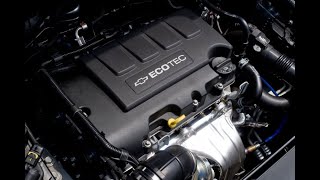
The Pontiac G3 is a rebadged version of the Chevrolet Aveo, so repair information and parts are identical for both. The 1.6L E-TEC II engine in these cars uses a single ignition coil pack to fire all four cylinders. This coil pack is a known weak point and a very common cause of misfires as the vehicle ages. Additionally, a leaking valve cover gasket can allow oil to seep into the spark plug tubes, fouling the plugs and causing misfires, which is another frequent issue on this specific platform. Owners often report finding oil pooled specifically in the center two spark plug wells, though any well can be affected. GM also issued an emissions recall (#11290) for 2009-2010 models due to a poor connection between the spark plug boots and spark plugs, which can cause rough running and misfires.
Diagnostic Flowchart
Tap your situation to follow the diagnostic path that matches what you're seeing on this vehicle.
Symptoms You May Notice
- Rough or shaky idle
- Hesitation or stumbling during acceleration
- Noticeable loss of engine power
- Flashing Check Engine Light (indicates a severe misfire)
- Poor fuel economy
- Smell of unburnt gasoline from the exhaust
- Difficulty starting the engine
- Engine stutters or jerks while driving
- Replacing only the spark plug without checking for a leaking valve cover gasket, leading to the new plug quickly becoming oil-fouled.
- Replacing an oxygen (O2) sensor, which may be triggered by the misfire but is not the root cause.
- Replacing a fuel injector when the root cause is a much more common ignition system component like the coil pack or spark plugs.
Most Likely Causes
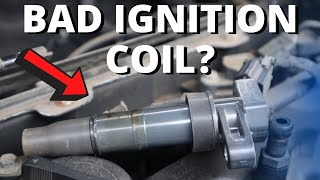
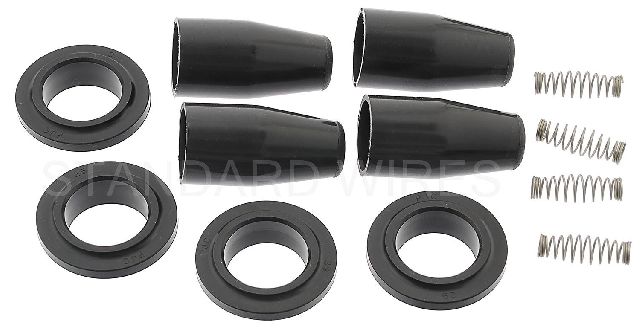
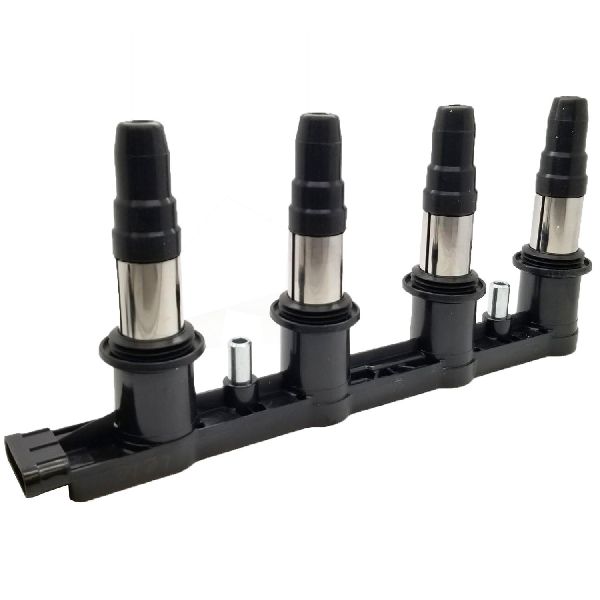
- Faulty Ignition Coil Pack 🔴 High Probability → Shop Ignition Coil The original factory coil packs on the G3/Aveo platform are a known failure point and a leading cause of misfires. The waste-spark system design means a single internal failure can affect one or more cylinders. Misfires that appear specifically under load are a strong indicator of a weak coil.
How to confirm: The easiest way to confirm is to swap the coil pack with a known good one. Since it's a single unit, visual inspection for cracks or listening for arcing sounds can also point to a failure. Given its high failure rate and the difficulty of testing, replacement is a common and often successful diagnostic step after checking plugs and for oil leaks. Be aware that new, faulty aftermarket coils are a known issue, so using a reputable brand is important.
Typical fix: Replace the entire ignition coil pack assembly. It's highly recommended to replace the spark plugs at the same time.
Est. part cost: $50-$120 - Worn or Fouled Spark Plugs 🔴 High Probability → Shop Spark Plug
How to confirm: Remove the spark plug from cylinder 1. Inspect it for a worn electrode, heavy carbon buildup, oil contamination, or cracks in the porcelain insulator. Compare it to the other plugs. The correct spark plug gap for this engine is 1.1mm or 0.043 inches.
Typical fix: Replace all four spark plugs. It is recommended to do this whenever replacing the coil pack. The NGK BKR6E-11 is a commonly cited OEM-specification plug.
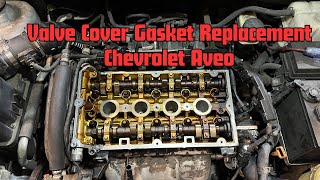
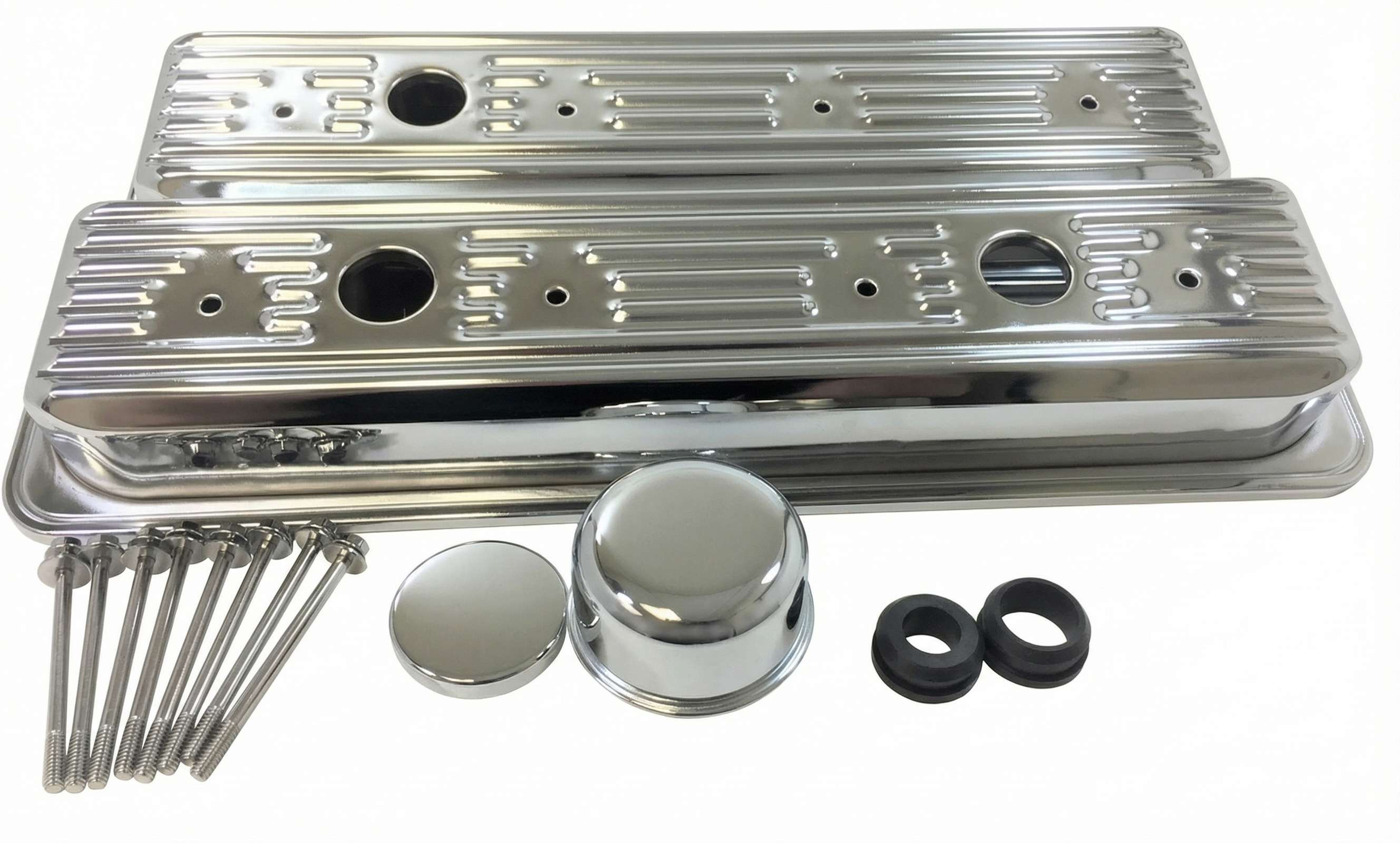
Est. part cost: $20-$50 - Leaking Valve Cover Gasket 🟡 Medium Probability → Shop Engine Valve Cover The gasket and integrated spark plug tube seals are known to degrade and become brittle over time, allowing engine oil to leak directly into the spark plug wells. This is a very common issue on this engine, with many owners and mechanics reporting oil pooling in the spark plug tubes, which shorts out the connection.
How to confirm: When you remove the ignition coil pack, look for liquid oil in the spark plug tubes or on the spark plug boots. The presence of oil is a definitive sign of a failed gasket.
Typical fix: Replace the valve cover gasket and the spark plug tube seals (they usually come as a kit). Thoroughly clean all oil out of the tubes and from the coil boots before reassembling with new spark plugs.
Est. part cost: $25-$60 - Faulty Fuel Injector ⚪ Low Probability → Shop Fuel Injector
How to confirm: Listen to the injector with a mechanic's stethoscope to ensure it's clicking. A more definitive test is to swap the cylinder 1 injector with another cylinder's injector (e.g., cylinder 2) and see if the misfire code changes to P0302.
Typical fix: Replace the faulty fuel injector.
Est. part cost: $40-$90
Rare But Worth Checking
- Low Engine Compression: Internal engine issues like a leaking valve, worn piston rings, or a damaged head gasket can cause a persistent misfire that ignition or fuel parts won't fix. A compression test is needed to diagnose this. One forum user on an identical Aveo engine traced a persistent misfire to loose camshaft caps that required re-torquing.
- Incorrect Timing: The 1.6L is an interference engine where the timing belt is critical. If the belt has stretched or jumped a tooth, it can cause misfires, rough running, and a significant loss of power. This should be investigated if the belt is old or has not been replaced at the recommended 60,000-100,000 mile interval.
- Vacuum Leak: Cracked or disconnected vacuum hoses can introduce unmetered air and cause misfires. On this engine, the PCV system is integrated into the valve cover, and a failed internal diaphragm can create a significant vacuum leak, often accompanied by a hissing sound. In this case, the entire valve cover must be replaced.
- Fuel Contamination (During Turns): TSB PIP3333C notes a rare condition where fuel contaminants in the returnless fuel rail can slosh during turns, temporarily clogging an injector. A P0301 misfire may occur during or after a sharp left turn. The fix involves cleaning the fuel system and advising the use of Top Tier gasoline.
Diagnosis Steps
- Read the trouble codes with an OBD-II scanner and confirm P0301 is present. Check for any other codes and view freeze-frame data if available.
- Visually inspect the engine bay for obvious issues like disconnected vacuum hoses or damaged wiring.
- Remove the plastic engine cover. Listen for a distinct hissing sound near the valve cover, which could indicate a failed internal PCV diaphragm, requiring valve cover replacement.
- Remove the ignition coil pack (held by T40 Torx bolts). Inspect the spark plug tubes for any signs of liquid oil. If oil is present, the valve cover gasket is leaking and must be replaced.
- Remove the spark plug from cylinder 1 (the cylinder on the far left/driver's side). Examine its condition for wear, fouling, or damage. Check the gap (spec: 1.1mm / 0.043").
- If plugs are good and no oil is present, the coil pack is the next most likely culprit. Inspect the coil boots for carbon tracking or damage. Given its high failure rate, replacement with a quality part (e.g., ACDelco, Delphi) is a reasonable next step.
- If a new coil pack and plugs do not resolve the issue, test the fuel injector. You can listen for a clicking sound or swap it with an injector from another cylinder to see if the misfire follows.
- If the misfire persists, perform an engine compression test to check for mechanical problems within cylinder 1.
- Check for vacuum leaks using a smoke machine or by carefully spraying brake cleaner around the intake manifold gaskets while listening for a change in engine idle.
- If the timing belt service history is unknown or overdue, inspect the belt's condition and verify the timing marks are correctly aligned.
Parts You'll Likely Need
- Ignition Coil Pack
(OEM #96476979)— This is the most common failure part causing a P0301 code on this engine. Alternate part numbers include 55570160 and 55585539.
Trusted brands: ACDelco, Delphi, NGK, Standard Motor Products (UF-620)
OEM price range: $90-$150
Aftermarket price range: $50-$120 - Spark Plugs
(OEM #NGK BKR6E-11 (or platinum/iridium equivalent))— Worn or fouled spark plugs are a primary cause of misfires and should be replaced as part of a tune-up. Oil fouling from a leaking valve cover is very common.
Trusted brands: NGK, ACDelco, Denso
OEM price range: $30-$60
Aftermarket price range: $20-$50 - Valve Cover Gasket Set
(OEM #55573746)— Required to fix a common oil leak into the spark plug tubes, which causes misfires. The kit should include the main gasket and spark plug tube seals. An example aftermarket kit part number is Fel-Pro VS50727R.
Trusted brands: ACDelco, Fel-Pro
OEM price range: $40-$70
Aftermarket price range: $25-$60
Related Codes That Often Appear With This One
- P0300 — If the misfire is intermittent or affects other cylinders, a P0300 (Random/Multiple Cylinder Misfire) may be stored alongside P0301.
- P0302, P0303, P0304 — If the ignition coil pack is failing, its waste-spark design can cause misfires on its paired cylinder (1&4 or 2&3), leading to other cylinder-specific codes.
Technical Service Bulletins (TSBs) & Recalls
- PIP3333C: Addresses intermittent engine misfires, sometimes related to fuel contamination during turns, which can cause P0301.
- GM Emission Recall #11290: Addresses poor spark plug boot connections causing misfires on 2009-2010 models.
Platform-Specific Known Issues
- A Technical Service Bulletin, #PIP3333C, was issued for intermittent engine misfires (including P0301) on 2007 models, instructing technicians to follow standard diagnostic procedures. A later version of this TSB specifies that misfires on cylinder 1 during left turns could be caused by fuel contamination.
- GM Emission Recall #11290 was issued for 2009-2010 models to address a poor connection between the spark plug boots and spark plugs, which could cause misfires. The fix involved installing new boots and plugs.
- The integrated PCV system within the valve cover is known to fail, creating a large vacuum leak that causes misfires and a P0300-series code. The only fix is to replace the entire valve cover assembly.
Mechanic-Grade Diagnostic Values
- Fuel Pressure (Key On, Engine Off) — expected: 380-427 kPa (55-62 psi). Failure: Pressure below this range indicates a weak fuel pump, clogged filter, or leak.
- Fuel Injector Resistance — expected: 8-16 Ohms (High Impedance). Failure: A reading outside this range, or an open/short circuit, indicates a faulty injector.
- Camshaft Cap Bolt Torque — expected: 16 Nm (12 ft-lbs). Failure: Incorrectly torqued bolts can lead to camshaft movement and persistent, hard-to-diagnose misfires.
Hidden / Shadow Codes Worth Checking
- Mode 6 Misfire Data: This is not a formal trouble code but an onboard monitoring test that counts misfire events for each cylinder. It can show which cylinder is misfiring before the count is high enough to trigger a P0301 code and illuminate the Check Engine Light. (see via A capable OBD-II scan tool that supports Mode $06 (Onboard Monitoring Tests).)
Scan Tool Commands That Help
- GDS2 / Tech2 or equivalent professional scanner: Crankshaft Position (CKP) Variation Relearn — This procedure should be performed after replacing the crankshaft position sensor, PCM, or after significant engine work. It recalibrates the PCM's interpretation of the CKP sensor signal, which is essential for accurate misfire detection. Failure to perform this can sometimes lead to false misfire codes.
Wiring & Ground Locations
- Ignition Coil Connector — On top of the valve cover, connecting to the coil pack.. Allows testing of power, ground, and signal to the coil pack. Pinout (for 2009+ models) is typically: Pin A - Ignition control Cyl 1/4, Pin B - Ignition control Cyl 2/3, Pin C - Ignition 1 Voltage, Pin D - Ground. This helps diagnose if the coil, wiring, or ECM is at fault.
- G103 — Below the Engine Control Module (ECM) on the left side of the engine compartment.. This is a primary ground point for the engine control system. A corroded or loose connection at G103 can cause erratic behavior and weak spark, leading to misfire codes.
- G104 — Next to the starter motor on the transmission housing.. This ground is critical for the starter and other engine components. A poor connection can cause various electrical issues, including problems with the ignition system.
Real Owner Repair Stories
- AveoForum user (Chevrolet Aveo (mechanically identical to G3)) — Persistent P0300, P0301, P0304 codes and rough running.
❌ Tried (didn't work) Replacing spark plugs, Replacing ignition coil pack
✅ What actually fixed it The integrated PCV valve diaphragm inside the valve cover had failed, creating a large vacuum leak. Replacing the entire valve cover assembly resolved the misfires. - AveoForum user (Chevrolet Aveo with 1.6L engine) — Chronic P0301 misfire that would not go away.
❌ Tried (didn't work) New spark plugs, New ignition coil, New fuel injector for cylinder 1
✅ What actually fixed it A compression test revealed low compression in cylinder 1. Teardown of the engine showed a burnt exhaust valve, which required a cylinder head valve job to repair. - AveoForum user (Chevrolet Aveo with persistent misfire) — P0301 and other misfire codes, rough idle, loss of power.
❌ Tried (didn't work) Ignition system component replacement, Fuel system component replacement
✅ What actually fixed it After extensive diagnosis, the camshaft bearing caps were found to be loose. The bolts were re-torqued to the factory specification of 12 ft-lbs (16 Nm), which secured the camshafts and resolved the misfire.
"I Checked Everything" — The Actual Cause
- A failed internal PCV diaphragm within the valve cover can cause a massive, unmetered vacuum leak. This may not be easily found with a smoke test if the leak is internal to the crankcase ventilation system, but it will cause lean running conditions and misfires. The fix is to replace the entire valve cover.
OEM Part Supersession History
96476979→55570160, 55585539— Part has been updated by the manufacturer over time.
Heads up: These part numbers are generally interchangeable for the specified vehicle range. However, using cheap, unbranded aftermarket coils is a common cause of repeat failures; sticking with OEM (ACDelco) or reputable OE-supplier brands (Delphi) is highly recommended.
Model Year Variations Within This Range
- 2009-2010: The engine was updated to the 'GEN II' 1.6L Ecotec, which includes Variable Valve Timing (VVT). This introduces new potential causes for misfire-like symptoms, such as failing VVT solenoids (Phasers), which are not present on the 2007-2008 models. Common codes associated with VVT failure are P0010, P0011, P0013, and P0014.
Helpful Videos

Used OEM Parts in Stock
New Aftermarket Parts Available


The information in this article is provided for general reference and educational purposes only. Vehicle specifications, procedures, and part compatibility can vary by production date, trim level, and region. Always consult your vehicle's factory service manual and verify part numbers before purchasing or performing repairs. Safety-critical components such as airbags, seat belts, and braking systems should be installed by a qualified professional.
- Pontiac G3:
- 🧭 Diagnostic Flowchart
- 🎬 Helpful Videos
- 🛍️ Shop This Part
- What's Unique About the 2007-2010 Pontiac G3
- Symptoms You May Notice
- Most Likely Causes
- Rare But Worth Checking
- Diagnosis Steps
- Parts You'll Likely Need
- Related Codes That Often Appear With This One
- Technical Service Bulletins (TSBs) & Recalls
- Platform-Specific Known Issues
- Mechanic-Grade Diagnostic Values
- Hidden / Shadow Codes Worth Checking
- Scan Tool Commands That Help
- Wiring & Ground Locations
- Real Owner Repair Stories
- "I Checked Everything" — The Actual Cause
- OEM Part Supersession History
- Model Year Variations Within This Range
- 🎟️ Get 5% Off