

P0301 on 2007-2010 Pontiac G5: Cylinder 1 Misfire Causes and Fixes
P0301 on a Pontiac G5 means cylinder 1 is misfiring. This is most often caused by a bad ignition coil cassette or a worn spark plug. On these Ecotec engines, the entire ignition coil assembly (cassette) is a very common failure point. Replacing the cassette and all four spark plugs is a common, effective, and DIY-friendly repair.
- P0301 on a 2007-2010 Pontiac G5 indicates a misfire in cylinder 1.
- The most likely cause is a faulty ignition system component, specifically the all-in-one ignition coil cassette or worn spark plugs.
- For a complete and lasting repair, it is highly recommended to replace the ignition coil cassette and all four spark plugs at the same time.
- This repair is very accessible and can be performed by a DIYer with basic tools in under an hour.
- If the check engine light is flashing, stop driving immediately to prevent expensive damage to the catalytic converter.
What's Unique About the 2007-2010 Pontiac G5
The 2007-2010 Pontiac G5 uses GM's Ecotec engine family (2.2L and 2.4L), which is shared with the Chevrolet Cobalt, HHR, and Saturn Ion. A key feature of these engines is the use of a single ignition coil cassette (or module) that houses all four coils, rather than individual coil-on-plug units. This entire cassette sits on top of the valve cover. While a P0301 points to cylinder 1, a failure inside this single cassette is a very common cause for the misfire and a known weak point on these vehicles.
Diagnostic Flowchart
Tap your situation to follow the diagnostic path that matches what you're seeing on this vehicle.
Symptoms You May Notice
- Flashing or steady Check Engine Light
- Rough or shaking idle
- Engine stumbling or hesitating during acceleration
- Noticeable loss of power
- Poor fuel economy
- Smell of unburned gasoline from the exhaust
- Engine vibration or 'hiccuping' while driving
- Replacing only the spark plug when the ignition coil cassette is the actual point of failure.
- Replacing a fuel injector before performing a swap test to confirm it is the cause.
- Assuming a mechanical failure before thoroughly checking the ignition and fuel systems, which are far more common culprits.
Most Likely Causes
- Failed Ignition Coil Cassette 🔴 High Probability → Shop Ignition Coil The Ecotec engines in this platform use a single coil cassette that is subject to constant heat soak, which can cause internal electronics to fail over time, leading to a misfire in one or more cylinders. This is a widely documented failure point on G5s and their platform-mates.
How to confirm: Because it's a single unit, the easiest diagnostic is to replace the entire cassette, especially if the spark plugs are known to be good. A swap test with another cylinder isn't possible like with individual coils. On some models, the Ignition Control Module (ICM) is a separate part attached to the cassette and is also a common failure point.
Typical fix: Replace the entire ignition coil cassette and the spark plugs at the same time. Using dielectric grease on the plug boots is recommended.
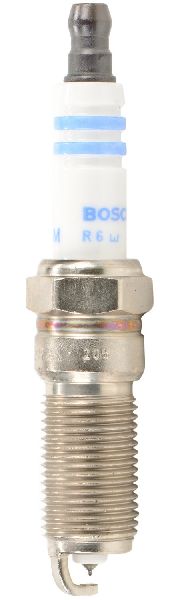
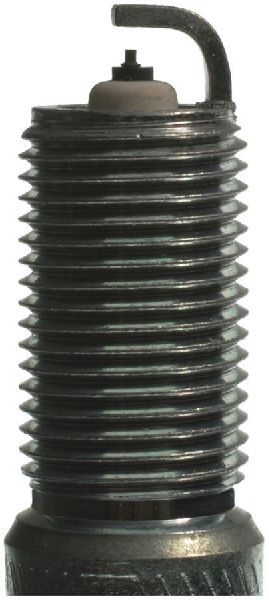
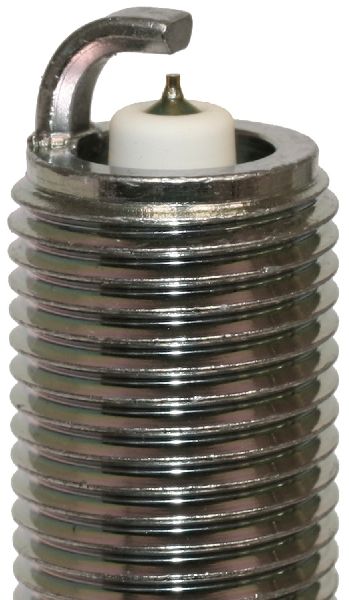
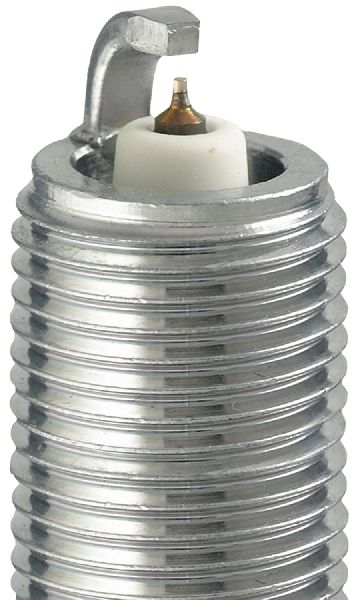
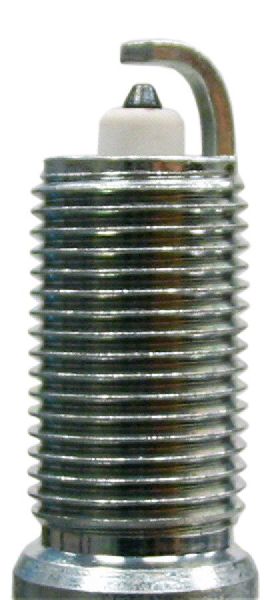
Est. part cost: $70-$150 - Worn or Fouled Spark Plug 🔴 High Probability → Shop Spark Plug Spark plugs are a standard wear item with a 100,000-mile replacement interval. Worn electrodes, carbon fouling, or an incorrect gap can prevent a strong spark, causing a misfire. It's highly recommended to replace them when replacing the coil cassette.
How to confirm: Remove the spark plug from cylinder 1 and inspect it for wear, damage, or deposits. The correct gap is typically 0.040 inches. You can swap it with the plug from cylinder 2. If the code changes to P0302, the spark plug is the issue.
Typical fix: Replace all four spark plugs. Iridium plugs are the recommended original equipment type and often come pre-gapped.
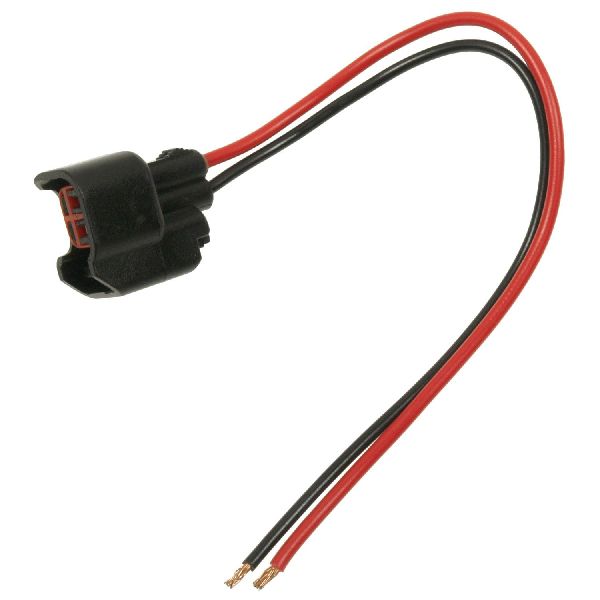
Est. part cost: $20-$50 - Clogged or Faulty Fuel Injector 🟡 Medium Probability → Shop Fuel Injector Injectors can become clogged with deposits over time, preventing the correct amount of fuel from reaching cylinder 1. This can lead to a lean condition and misfire. Several forum discussions for Cobalts and HHRs document injector failure as the cause of P0301 after ignition components were replaced.
How to confirm: Swap the fuel injector from cylinder 1 with another cylinder (e.g., cylinder 2). If the misfire code moves to P0302, the injector is faulty. You can also listen for a 'ticking' sound from the injector with an engine stethoscope to confirm it's operating. A user on the Chevy HHR Network forum successfully diagnosed a P0301 by swapping injectors between cylinders 1 and 4 after new plugs and a coil swap didn't solve the issue.
Typical fix: Replace the faulty fuel injector. It's often recommended to replace them as a set to ensure balanced fuel delivery, though many owners replace just the single failed unit.
Est. part cost: $40-$90 per injector - Low Engine Compression ⚪ Low Probability While less common, internal mechanical issues like a burnt or sticking valve, worn piston rings, or a bad head gasket can cause a loss of compression specifically in cylinder 1. Ecotec engines are generally robust, but high mileage can lead to these issues.
How to confirm: Perform a compression test on all cylinders. A healthy Ecotec engine should show around 150-180 PSI or higher, with no more than 15-20% variation between cylinders. A leak-down test can further pinpoint the source of the leak (intake valve, exhaust valve, or piston rings).
Typical fix: This requires significant engine repair, such as rebuilding the cylinder head (for valve issues) or addressing piston/ring issues, which is costly.
Est. part cost: $500+
Rare But Worth Checking
- Damaged Injector Wiring Harness: A user on a repair forum discovered that the wiring harness for the fuel injectors had melted against a hot A/C tube, causing a short that disabled the injector for one cylinder. Visually inspecting the harness routing is a quick and worthwhile check. The plastic looming can become brittle and fall apart over time, exposing the wires. A specific GM Preliminary Information bulletin also notes that the wiring for injector #1 can chafe near the alternator and upper radiator hose.
- Intake Manifold Gasket Leak: → Shop Engine Intake Manifold A vacuum leak from a failed intake manifold gasket near the cylinder 1 runner can lean out the air/fuel mixture enough to cause a misfire. This can sometimes be diagnosed by spraying carb cleaner near the gasket with the engine running and listening for a change in idle speed.
- Fuel Contamination: TSB #PIP3333C specifically mentions that on vehicles with returnless fuel systems like the G5, contaminants can get trapped in the fuel rail. During a sharp turn, this debris can slosh and temporarily clog the injector for cylinder 1 (left turns) or cylinder 4 (right turns), causing a brief misfire.
Diagnosis Steps
- Read the code with an OBD-II scanner to confirm P0301 and check for any other codes like P0300 or P1174.
- Note if the Check Engine Light is flashing. If so, avoid driving the vehicle to prevent catalytic converter damage.
- Inspect the spark plug for cylinder 1. Look for wear, fouling, or damage. Ensure the gap is correct (approx. 0.040"). If its condition is questionable or it's near its 100k-mile service life, replace all four plugs with Iridium-type plugs.
- If plugs are new or look good, suspect the ignition coil cassette. This is the most common failure point. Replacement is often the most straightforward diagnostic step. Note: Some later 2.2L models may have individual coil-on-plug units; visually confirm your engine's setup.
- If the misfire persists, swap the fuel injector from cylinder 1 with cylinder 2. Clear the codes and drive the car. If the code changes to P0302, you have a bad fuel injector.
- Visually inspect the wiring harness leading to the cylinder 1 fuel injector for any signs of melting, chafing, or damage, especially where it might contact the alternator or upper radiator hose, as noted in a GM service bulletin.
- Check for vacuum leaks around the intake manifold gasket, particularly near the runner for cylinder 1.
- If all ignition and fuel components check out, perform an engine compression test to look for a mechanical issue in cylinder 1. Expect readings of 150-180 PSI or more on a healthy engine.
Parts You'll Likely Need
- Ignition Coil Cassette
(OEM #12590990)— This is the most common cause of misfires on the 2.2L and 2.4L Ecotec engines used in the G5. The single-unit design is prone to failure from heat.
Trusted brands: ACDelco, Delphi (GN10193), NGK
OEM price range: $100-$150
Aftermarket price range: $70-$120 - Iridium Spark Plugs (Set of 4)
(OEM #41-103 (superseded by 12681663))— Worn spark plugs are a primary cause of misfires and should always be replaced with the ignition coil as a set to ensure longevity of the new coil.
Trusted brands: ACDelco, NGK
OEM price range: $30-$50
Aftermarket price range: $20-$40 - Fuel Injector
(OEM #12582219)— If ignition components are not at fault, a clogged or failed fuel injector is the next most likely cause.
Trusted brands: ACDelco, Delphi, Bosch
OEM price range: $70-$100
Aftermarket price range: $40-$70
Related Codes That Often Appear With This One
- P0300 — If the misfire is intermittent or begins to affect other cylinders, a P0300 (Random/Multiple Cylinder Misfire) may be stored alongside P0301. This often happens when the ignition control module (ICM) or the entire coil cassette is failing.
- P0302, P0303, P0304 — If the ignition coil cassette or another shared component is failing, misfires may eventually occur on other cylinders, triggering their respective codes.
- P1174 — This code, for Fuel Trim Cylinder Imbalance, is sometimes seen with a P0301 on these engines when a fuel injector is the root cause of the misfire.
- P0201 — This code for 'Injector Circuit/Open - Cylinder 1' may appear with P0301 if the cause is electrical, such as a chafed wiring harness to the fuel injector.
Technical Service Bulletins (TSBs) & Recalls
- PIP3333C: Addresses intermittent engine misfires (P0300, P0301, P0304) that can occur during turns. It points to fuel contamination sloshing in the returnless fuel rail as a possible, though rare, cause.
Platform-Specific Known Issues
- The provided Technical Service Bulletin (TSB) #PIP3333C mentions intermittent misfires with codes P0300, P0301, and/or P0304. It suggests that fuel contamination in the fuel rail could cause a temporary misfire on cylinder 1 during a hard left turn.
- The integrated ignition coil cassette design means you cannot swap a single coil to another cylinder for diagnosis. If a coil fails, the entire cassette is typically replaced.
Mechanic-Grade Diagnostic Values
- Fuel Injector Resistance — expected: 11 to 14 Ohms. Failure: A reading below 5 Ohms (short circuit) or in the K-Ohm range (open circuit). All injectors should have similar readings.
- Ignition Coil Primary Resistance — expected: 0.4 to 2.0 Ohms. Failure: A reading of zero indicates a short, while a significantly high or infinite reading indicates an open circuit.
- Ignition Coil Secondary Resistance — expected: 6,000 to 15,000 Ohms (6k-15k Ω). Failure: A reading outside the manufacturer's specified range indicates a faulty coil.
Scan Tool Commands That Help
- Tech2 / GDS2 (or equivalent professional scanner): Cylinder Power Balance Test — To confirm a misfire on a specific cylinder without swapping parts. The tool deactivates one cylinder at a time, and the technician observes the drop in engine RPM. A cylinder with a misfire will show little to no RPM drop when deactivated.
- Tech2 / GDS2 (or equivalent professional scanner): View Misfire Counters — To see live or historical misfire data for each individual cylinder. This helps confirm that cylinder 1 is the primary or only cylinder misfiring, which is crucial for an accurate diagnosis.
Wiring & Ground Locations
- G107 — On the right side of the engine. For 2008 models, it's on the upper front side near the exhaust. For 2009 models, it's on the right rear of the cylinder head.. This is a primary engine ground. A poor connection here can cause erratic behavior in sensors and actuators, including the ignition system and fuel injectors, potentially leading to misfires.
- G105 — Lower left front of the transmission case.. This is another crucial ground point for the powertrain. A loose or corroded G105 can cause a variety of electrical issues that may manifest as a misfire code.
- Injector #1 Wiring Harness — The harness section running near the alternator and the upper radiator hose at the engine.. A GM service bulletin identifies a specific issue where this part of the harness can chafe, exposing the wire and causing a short or open in the cylinder 1 injector circuit. This will set a P0301 and possibly a P0201, but the root cause is wiring, not the injector itself.
- ECM (Engine Control Module) — Located in the engine compartment on the left side, in front of the underhood fuse block.. Knowing the ECM location is essential for advanced diagnostics, such as checking for proper ground at the ECM pins or testing the injector driver circuit directly from the module.
Real Owner Repair Stories
- Chevy HHR Network forum user (2007 Chevrolet HHR 2.2L (shared Ecotec platform)) — Intermittent P0301 code, especially on cold start-up.
❌ Tried (didn't work) Performed a compression test (all cylinders were good at 195 PSI)., Replaced spark plugs., Swapped ignition coil from cylinder #1 to cylinder #4 (code remained P0301).
✅ What actually fixed it Swapped the fuel injector from cylinder #1 with the injector from cylinder #4. The P0301 code did not return for over a month after the swap, indicating the issue was with the fuel injector.
"I Checked Everything" — The Actual Cause
- A common diagnostic dead-end for P0301 involves checking for vacuum leaks with a smoke test and finding none. In this scenario, a frequently overlooked cause on this platform is electrical. A GM service bulletin highlights that the wiring for the #1 fuel injector can chafe against the alternator or radiator hose, causing an intermittent short or open circuit that perfectly mimics a faulty injector but will not be found by a smoke test.
OEM Part Supersession History
12590990→12632479— Internal design and material improvements to increase durability and resistance to heat-related failure.
Heads up: The new part number is a direct replacement for the old one.41-103 (ACDelco Iridium Spark Plug)→12681663— Minor updates to materials and manufacturing process. It also cross-references to part number 12625058.
Model Year Variations Within This Range
- 2009-2010: The base 2.2L engine was changed from the L61 to the LAP engine. The LAP engine added Variable Valve Timing (VVT) and used a different ECU (E37). While many service procedures are similar, VVT components (solenoids, phasers) add another layer of potential complexity if misfire codes are accompanied by timing codes.
- 2007-2010 (2.2L): While the ignition cassette is the most cited ignition system, some documentation suggests that starting in 2007, the 2.2L L61 engine may have been updated to use individual coil-on-plug units, similar to the 2.4L LE5. Owners should visually inspect their engine to confirm if they have a single large cassette or four individual coils before ordering parts.
- 2008 vs 2009: The location of the main engine ground G107 shifted slightly. On 2008 models, it is at the upper front, right side of the engine, while on 2009 models it is at the right rear of the cylinder head.
We Have This Part in Stock

The information in this article is provided for general reference and educational purposes only. Vehicle specifications, procedures, and part compatibility can vary by production date, trim level, and region. Always consult your vehicle's factory service manual and verify part numbers before purchasing or performing repairs. Safety-critical components such as airbags, seat belts, and braking systems should be installed by a qualified professional.
- Pontiac G5:
- 🧭 Diagnostic Flowchart
- 🛍️ Shop This Part
- What's Unique About the 2007-2010 Pontiac G5
- Symptoms You May Notice
- Most Likely Causes
- Rare But Worth Checking
- Diagnosis Steps
- Parts You'll Likely Need
- Related Codes That Often Appear With This One
- Technical Service Bulletins (TSBs) & Recalls
- Platform-Specific Known Issues
- Mechanic-Grade Diagnostic Values
- Scan Tool Commands That Help
- Wiring & Ground Locations
- Real Owner Repair Stories
- "I Checked Everything" — The Actual Cause
- OEM Part Supersession History
- Model Year Variations Within This Range
- 🎟️ Get 5% Off