

P0301 on 2006-2009 Saab 9-3 2.8L V6: Cylinder 1 Misfire Causes and Fixes
P0301 on the Saab 9-3 2.8L V6 almost always means the ignition coil for cylinder 1 has failed due to high engine bay temperatures. The fix is a new coil, but cylinder 1 is on the difficult-to-access rear bank (firewall side), making replacement a 2-3 hour job that requires removing the ECU.
- P0301 on your Saab 9-3 2.8L V6 is very likely a failed ignition coil on cylinder 1.
- The failure is caused by the engine's high operating temperature in a tight engine bay.
- The easiest way to confirm a bad coil is to swap it with one from an accessible front cylinder and see if the misfire code follows the coil.
- Cylinder 1 is on the rear bank against the firewall, making this a difficult DIY job that requires removing other components for access.
- When replacing one coil, it is strongly recommended to replace all six, along with all six spark plugs, to prevent future misfires.
What's Unique About the 2006-2009 Saab 9-3
The Saab 9-3's B284 V6 engine is transversely mounted, which places one bank of cylinders directly against the firewall. The cylinder numbering is 2-4-6 for the front (radiator side) bank and 1-3-5 for the rear (firewall side) bank. This layout, combined with the tight engine bay, leads to significant heat buildup around the rear cylinders. This intense heat is notorious for 'cooking' and prematurely failing ignition components, especially the ignition coils on cylinders 1, 3, and 5. While a misfire can have many causes, on this specific platform, a heat-damaged ignition coil is the most probable culprit for a P0301 code. The problem is compounded by the fact that Cylinder 1 is located on the rear bank, making it significantly harder to access and replace than the front three cylinders.
Symptoms You May Notice
- Rough or shaky idle
- Engine hesitation or stumbling during acceleration
- Noticeable loss of power
- Flashing Check Engine Light (if the misfire is severe)
- Reduced fuel economy
- A smell of unburned gasoline from the exhaust
- Engine jerking when stopped at a light.
- Replacing only the spark plug without testing the ignition coil. The coil is the more likely failure point on this engine.
- Assuming a fuel issue before confirming the ignition system is healthy.
Most Likely Causes
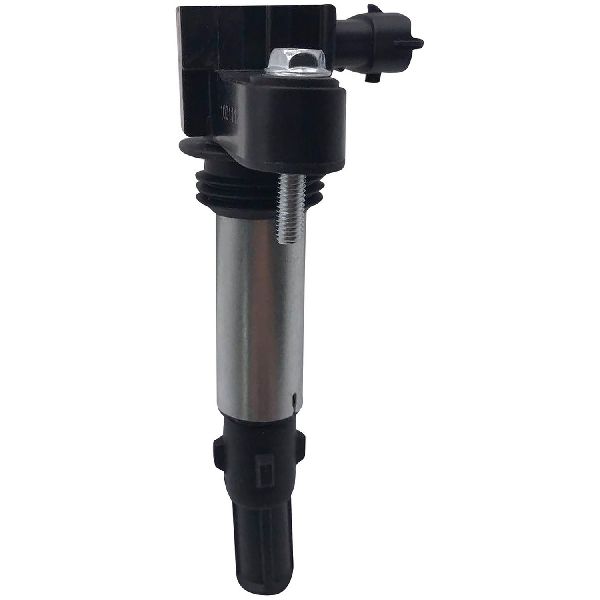
- Failed Ignition Coil 🔴 High Probability → Shop Ignition Coil The B284 V6 engine generates extreme heat in the 9-3's compact engine bay, which degrades the ignition coil's internal components over time, leading to failure. This is the most common failure point for misfires on this engine, especially for the rear bank (cylinders 1, 3, 5).
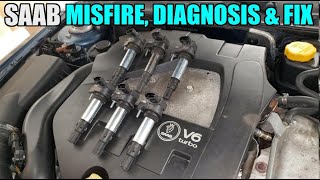
How to confirm: Swap the ignition coil from cylinder 1 with one from an easily accessible front cylinder (e.g., cylinder 2). Clear the codes and drive the car. If the code changes to P0302, the coil is faulty. This is the definitive diagnostic step. 🎬 Watch: A professional guide to diagnosing Saab misfire issues.
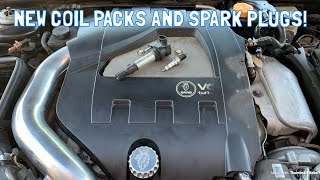
Typical fix: Replace the failed ignition coil. It is best practice to replace all six coils and spark plugs 🎬 Watch: Full spark plug and coil replacement on the V6. at the same time, especially on high-mileage vehicles, to ensure reliability and balanced performance. Many owners report that when one coil fails, others are soon to follow.
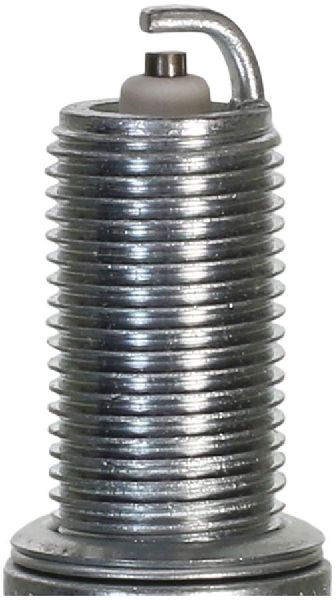
Est. part cost: $40-$90 per coil - Worn or Incorrect Spark Plug 🟡 Medium Probability → Shop Spark Plug These engines are sensitive to the type and condition of the spark plugs. Using non-OEM plugs or plugs with an incorrect gap can cause misfires, particularly under boost. While less likely to fail than the coils, they are a critical maintenance item.
How to confirm: Remove the spark plug from cylinder 1 and inspect it. Look for a worn electrode, carbon fouling, oil deposits, or a cracked insulator. Check the gap against the specification (typically 0.8mm - 0.85mm).
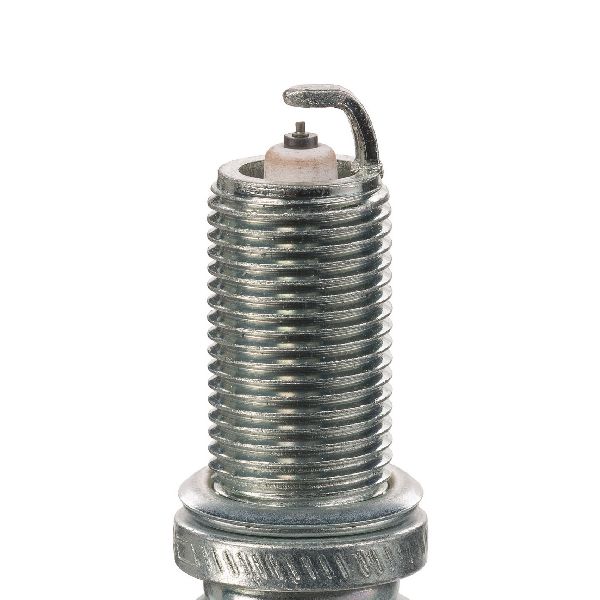
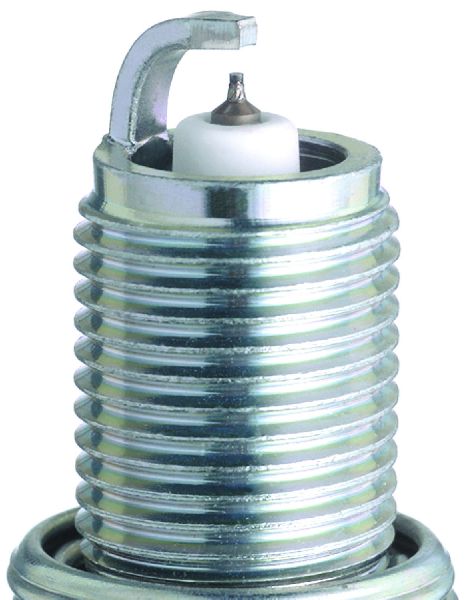
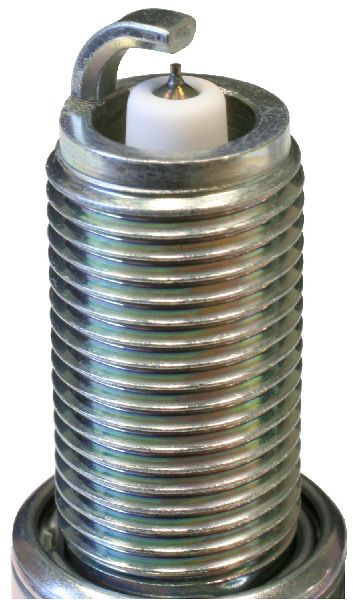
Typical fix: Replace the spark plug with a new, correctly gapped OEM-spec plug (NGK is the preferred brand). It is highly recommended to replace all six plugs when doing the coils.
Est. part cost: $10-$20 per plug - Faulty Fuel Injector ⚪ Low Probability → Shop Fuel Injector
How to confirm: Listen to the injector with a mechanic's stethoscope; it should make a consistent clicking sound. You can also swap the injector with another cylinder, similar to the coil test, but this is a much more involved job requiring fuel rail removal.
Typical fix: Replace the faulty fuel injector. This may require removing the fuel rail.
Est. part cost: $50-$150 per injector
Rare But Worth Checking
- Vacuum Leak: A vacuum leak near the intake runner for cylinder 1 could lean out the mixture and cause a misfire. This would usually be accompanied by a high idle or other lean codes (e.g., P2187).
- Low Cylinder Compression: In rare cases, especially on engines with poor maintenance history, a burnt exhaust valve could cause low compression. This is a major mechanical failure and requires a compression test to diagnose.
- Stretched Timing Chain: The B284 engine can be prone to timing chain stretch over 100,000 miles. While this typically presents as a P0016/P0017/P0018 code, severe stretch could potentially contribute to misfires on one or more cylinders. This is a very rare cause for a single cylinder misfire but a known issue for the engine.
Diagnosis Steps
- Confirm the code is P0301 using an OBD-II scanner.
- Understand the cylinder layout: The front bank (near radiator) is cylinders 2, 4, 6. The rear bank (near firewall) is cylinders 1, 3, 5. Cylinder 1 is on the rear bank, passenger side.
- Due to the high failure rate, the most effective first step is to test the ignition coil. This requires accessing the rear bank by removing the ECU and its mounting bracket.
- To do this, disconnect the negative battery terminal. Unplug the ECU connectors. Remove the three 10mm bolts holding the ECU bracket and move it aside.
- Swap the ignition coil from cylinder 1 with the coil from cylinder 2 (front bank, passenger side).
- Reassemble enough to run the engine, clear the codes, and drive until the check engine light returns.
- If the new code is P0302, you have confirmed the ignition coil is the problem. Replace the bad coil (part #12629037 or Bosch 0221604112).
- If the code remains P0301, the issue is likely the spark plug, fuel injector, or a wiring issue for that cylinder.
- While the coil is out, it is wise to inspect and replace the spark plug for cylinder 1. Ensure it is the correct NGK plug and gapped to 0.8mm-0.85mm.
- If the problem persists, further diagnosis of the fuel injector and wiring harness is needed. A compression test may be warranted if all else fails.
Parts You'll Likely Need
- Ignition Coil
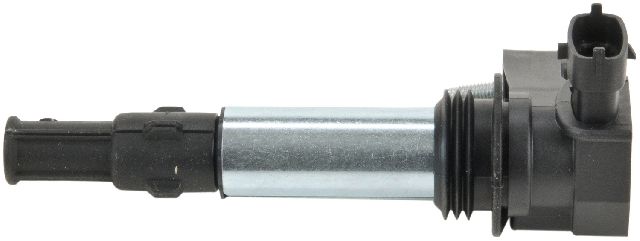
(OEM #12629037)— This is the most common cause of a P0301 misfire on the B284 engine due to failure from excessive heat.
Trusted brands: Bosch (0221604112), NGK, Standard Motor Products (UF-375)
OEM price range: $60-$90
Aftermarket price range: $35-$60 - Spark Plug
(OEM #55564748)— These engines are sensitive to spark plug type and wear. It's best practice to replace them when replacing coils. The recommended plug is often NGK LFR6AIX or a colder LFR7AIX for tuned cars.
Trusted brands: NGK
OEM price range: $15-$25
Aftermarket price range: $10-$18
Related Codes That Often Appear With This One
- P0300 — If the misfire is intermittent or starting to affect other cylinders, a P0300 (Random Misfire) code may appear alongside P0301.
- P0303, P0305 — Misfires on other rear-bank cylinders (3 and 5) often occur for the same heat-related reasons. When one rear coil fails, the others may not be far behind.
Technical Service Bulletins (TSBs) & Recalls
- While no TSB is issued specifically for P0301 on this model, Saab TSB 240-2635 details the official diagnostic procedure for misfire detection, which involves checking fuel, compression, and spark, aligning with standard diagnostic practice.
Platform-Specific Known Issues
- The B284 V6 is transversely mounted, placing cylinders 1, 3, and 5 against the firewall. Accessing these components requires removing the ECU, its mounting bracket, and various hoses, making the job significantly more difficult 🎬 See this walkthrough for removing the rear coils and plugs. and time-consuming than for the front cylinders.
- The intense heat in the engine bay not only kills ignition coils but also shortens the life of the battery and can cause the plastic coolant expansion tank to crack.
Mechanic-Grade Diagnostic Values
- Ignition Coil Primary Resistance — expected: 0.3 to 3.0 ohms (general specification). Failure: A reading significantly outside this range, especially an open circuit (infinite resistance).
- Ignition Coil Secondary Resistance — expected: 5,000 to 20,000 ohms (general specification). Failure: A reading significantly outside this range.
- Fuel Rail Pressure (Low Pressure System) — expected: Idle: ~50-60 PSI (3.5-4.1 Bar). This is a general value for port-injected cars; specific Saab values are hard to document.. Failure: Pressure that drops significantly under load can indicate a weak fuel pump, causing misfires that may not be ignition-related.
Scan Tool Commands That Help
- Saab Tech 2: Live Data > Misfire Counters — This is the most valuable function for diagnosing intermittent misfires that don't immediately set a CEL. It shows a running count of misfire events for each individual cylinder, allowing a technician to confirm which cylinder is problematic even during a test drive.
- Saab Tech 2: Live Data > Knock Counter — Viewed alongside the misfire counter, this can help differentiate between pre-ignition/detonation issues and a pure ignition/fuel misfire. A high knock count on a specific cylinder might point towards issues other than a simple bad coil, such as carbon buildup or fuel quality problems.
Wiring & Ground Locations
- G2 — On the side of the left-hand structural member (driver's side in LHD cars) near the connector console/bracket. The negative battery cable runs to this point.. This is a primary chassis ground for the engine bay. Corrosion or a loose connection here can cause a weak spark, erratic sensor readings, and phantom misfires that are difficult to diagnose.
- V6 Inter-Bank Ground Cable — An extra ground cable that runs between the two cylinder banks on the B284 V6 engine.. This strap ensures both cylinder banks have a solid ground reference. If it's broken or corroded, the rear bank (cylinders 1, 3, 5) may have a weaker ground path, leading to ignition problems specifically on that bank.
- ECU Ground (G7) — On the engine control module's top right attachment lug.. A poor ground directly at the ECU can cause a host of problems, including miscalculating ignition timing or misinterpreting sensor data, potentially leading to misfire codes.
Real Owner Repair Stories
- Reddit user Dalipi54321 (2006 Saab 9-3 2.8 V6) — Misfiring, especially in high gears at low RPM under full throttle. Got worse after fixing a low boost code.
❌ Tried (didn't work) Replacing spark plugs (worked temporarily), Using engine/fuel cleaner, Replacing fuel pressure sensor
✅ What actually fixed it Borrowed a Saab Tech 2 scanner, which identified a misfire on cylinder 3. Replacing the ignition coil for cylinder 3 resolved the issue. - YourMechanic Q&A (Vehicle with 106,000 miles (model not specified but symptoms match)) — P0301 code, rough idle when cold that smooths out after 30-45 seconds.
❌ Tried (didn't work) New spark plugs, New ignition coil, New fuel injector for cylinder 1, New fuel filter
✅ What actually fixed it The final recommendation from the mechanic, after seeing heavy residue inside the intake manifold, was to perform a chemical intake valve cleaning procedure to remove carbon buildup. Carbon on cold valves can absorb fuel, leaning out the mixture and causing a cold misfire. - NHTSA ODI #11073052 — An owner reported a hard or no start condition when cold, accompanied by engine misfires and codes P0300, P0301, P0302, P0303, and P0304. The report noted that the vehicle would start and run normally once hot.
OEM Part Supersession History
12787707→N/A - Incorrect Part— This part number is for the 4-cylinder B207 engine.
Heads up: This is a common point of confusion for owners and parts suppliers. The coil for the 4-cylinder engine (12787707) is physically different and will not work correctly on the B284 V6. The correct OEM part for the V6 is 12629037.
Model Year Variations Within This Range
- 2006-2007 vs 2008-2009: The B284 engine received minor updates. Power on the standard Aero model increased from 250hp to 255hp in 2008. The timing chain design and cam phasers were also reportedly changed for the 2008 model year. Additionally, 2008 marked a significant exterior and interior facelift for the entire 9-3 line.
- 2008-2009: The high-performance Turbo X and Aero XWD models were introduced, featuring a 280hp version of the B284 engine and an all-wheel-drive system. While the fundamental causes of P0301 are the same, these models generate even more heat in the engine bay.
Diagnostic Flowchart
Real Owner Stories
Aggregated from forums and TSBs cited above. Mileages and costs reflect what owners reported in those sources.
2008 Saab 9-3 (NHTSA ODI #11073052)
Symptoms: A technician noted hard or no starting when cold, along with engine misfires and DTCs P0300, P0301, P0302, P0303, or P0304. The vehicle reportedly started and ran normally when hot.
What fixed it: The record serves as a diagnostic reference for cold-start misfire symptoms on this platform.
Source hint: NHTSA ODI #11073052
2006 Saab 9-3 Aero 2.8L V6 Turbocharged
Symptoms: From a cold start, getting misfires on multiple cylinders (P0301-P0306) and P0300. Idles rough until warm, but if restarted once warm, it runs smoothly 99% of the drive. Also saw a P0456 (small evap leak) and a persistent P0089 (fuel pump).
What fixed it: The owner had not found a fix at the time of the post, but ruled out bad gas by draining the tank, adding octane boost, and using a valve cleaner in the tank. A commenter suggested addressing the P0456 code first by replacing the gas cap and vapor canister purge valve.
Source hint: reddit.com - Help Request: 06 93 aero engine issues
Saab 9-3 2.8T
Symptoms: Owner performed the job as preventative maintenance due to the known high failure rate of ignition coils on this engine.
What fixed it: Replaced all six ignition coils. The owner confirmed the difficulty of accessing the rear bank and demonstrated the need to remove the ECU to complete the job.
Source hint: YouTube video 'CHANGING IT UP! - Saab 2.8t ignition coil replacement DIY'
Saab 9-3 2.8T
Symptoms: Misfires (P0300 series codes) caused by extreme under-hood heat degrading the ignition coils.
What fixed it: Replaced the ignition coils and spark plugs. The video explicitly calls out heat as the primary cause of coil failure and shows the steps to access the rear bank.
Source hint: YouTube video 'SAAB 2.8T Misfires P0300 Coils and Plugs | AnotherSAABChannel'
Related OBD-II Codes
Frequently Asked Questions
Is there a specific TSB for the P0301 code on my 2006-2009 Saab 9-3 2.8L V6?
Where exactly is cylinder 1 located on the B284 2.8L V6 engine?
Why is it so difficult to access the ignition coil for cylinder 1 on this car?
What spark plugs should I use to fix a P0301 misfire on my 9-3 Aero?
What is the exact part number for the replacement ignition coil on the 2.8T?
Why do the ignition coils fail so frequently on the Saab 9-3 2.8L V6?
Helpful Videos
We Have This Part in Stock

The information in this article is provided for general reference and educational purposes only. Vehicle specifications, procedures, and part compatibility can vary by production date, trim level, and region. Always consult your vehicle's factory service manual and verify part numbers before purchasing or performing repairs. Safety-critical components such as airbags, seat belts, and braking systems should be installed by a qualified professional.
- Saab 9-3:
- 🧭 Diagnostic Flowchart
- 🎬 Helpful Videos
- 🛍️ Shop This Part
- What's Unique About the 2006-2009 Saab 9-3
- Symptoms You May Notice
- Most Likely Causes
- Rare But Worth Checking
- Diagnosis Steps
- Parts You'll Likely Need
- Related Codes That Often Appear With This One
- Technical Service Bulletins (TSBs) & Recalls
- Platform-Specific Known Issues
- Mechanic-Grade Diagnostic Values
- Scan Tool Commands That Help
- Wiring & Ground Locations
- Real Owner Repair Stories
- OEM Part Supersession History
- Model Year Variations Within This Range
- Real Owner Stories
- 2008 Saab 9-3 (NHTSA ODI #11073052)
- 2006 Saab 9-3 Aero 2.8L V6 Turbocharged
- Saab 9-3 2.8T
- Saab 9-3 2.8T
- Related OBD-II Codes
- Frequently Asked Questions
- 🎟️ Get 5% Off