

P0301 on 2007-2010 Saturn Outlook: Cylinder 1 Misfire Causes and Fixes
P0301 indicates a misfire on cylinder #1. On the Saturn Outlook's 3.6L V6, this is most often caused by a failed ignition coil or a worn spark plug. Since cylinder #1 is on the rear bank under the intake manifold, it's highly recommended to replace all three rear coils and plugs at the same time to avoid repeat labor costs. Expect to pay around $50-$120 for a quality ignition coil.
- P0301 is a misfire on cylinder #1, which is on the difficult-to-access rear bank of the engine.
- The most likely cause is a bad ignition coil or a worn spark plug.
- Due to the labor involved in removing the intake manifold, it is highly recommended to replace all three rear ignition coils and all six spark plugs at the same time.
- If basic ignition and fuel system checks don't solve the problem, investigate the possibility of a stretched timing chain, a known major issue with this engine.
- Do not continue to drive if the check engine light is flashing, as this can quickly destroy the catalytic converter.
What's Unique About the 2007-2010 Saturn Outlook
The GM 3.6L V6 engine used in the Saturn Outlook and its siblings (GMC Acadia, Buick Enclave, Chevrolet Traverse) is well-known for two specific issues that can cause misfires. The most common cause is a failing ignition coil, which is a frequent wear item due to high heat in the engine bay, especially for the rear bank. More seriously, these engines, particularly the 2007-2009 models, are infamous for premature timing chain stretching. This was so prevalent that GM issued a special coverage program (#11340C, later updated by TSB #12-06-01-009F) to address the timing chain issue, though it has since expired. A stretched chain can lead to misfires and catastrophic engine damage if ignored.
Symptoms You May Notice
- Rough or shaking idle
- Hesitation or stumbling during acceleration
- Solid or flashing Check Engine Light
- Reduced engine power
- Decreased fuel economy
- Noticeable smell of gasoline from the exhaust
- Stabilitrak/Traction Control warning message on the dash
- Replacing camshaft or crankshaft position sensors. These sensors will typically set their own specific trouble codes (like P0016/P0017) if they fail, though they can be related to a timing chain issue.
- Replacing the catalytic converter. A misfire can damage the converter, but it is the symptom, not the cause. The misfire must be fixed first.
Most Likely Causes
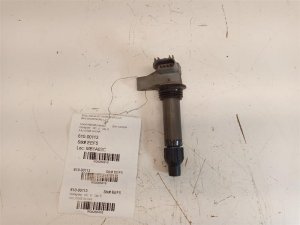
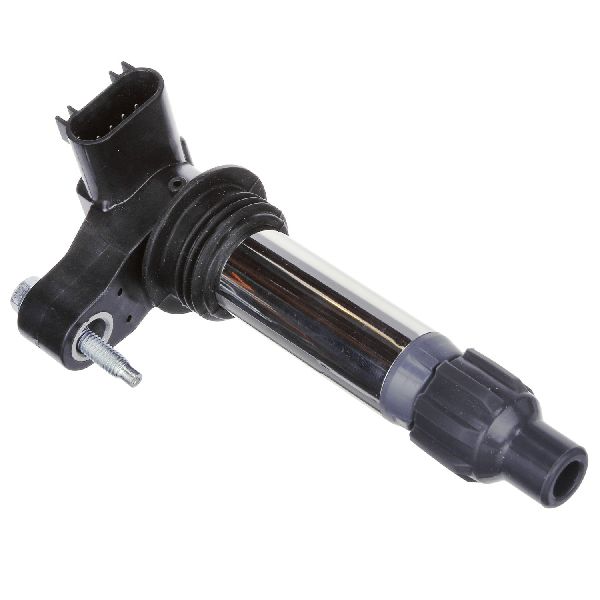
- Failed Ignition Coil 🔴 High Probability → Shop Ignition Coil Ignition coils are a very common failure point on the GM 3.6L V6 engine. The rear bank (cylinders 1, 3, 5) is especially prone to failure due to higher heat exposure against the firewall.
How to confirm: Swap the ignition coil from cylinder #1 with another cylinder (e.g., cylinder #3, also on the rear bank, or cylinder #2 on the front bank if access is easier). Clear the codes and drive the vehicle. If the code changes to P0303 or P0302, the ignition coil is confirmed to be faulty.
Typical fix: Replace the faulty ignition coil. Since cylinder #1 is under the intake manifold, it is strongly recommended to replace all three rear ignition coils (cylinders 1, 3, 5) and all six spark plugs at the same time to avoid duplicate labor costs in the near future. 🎬 Watch: Detailed walkthrough for replacing rear coils and spark plugs.
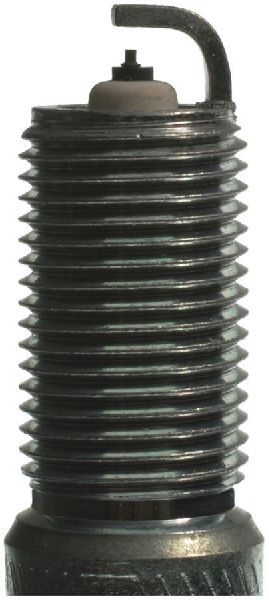
Est. part cost: $45-$120 - Worn or Fouled Spark Plug 🔴 High Probability → Shop Spark Plug Spark plugs are a standard maintenance item with a typical 100,000-mile service interval. However, leaking valve cover gaskets, a common issue on this platform, can foul the plugs with oil, causing a misfire long before the service interval is reached.
How to confirm: After removing the ignition coil, remove the spark plug from cylinder #1. Inspect it for wear (worn electrode), carbon tracking (black lines on the ceramic), oil, or fuel fouling. A plug wet with oil is a clear sign of a leaking valve cover or tube seal.
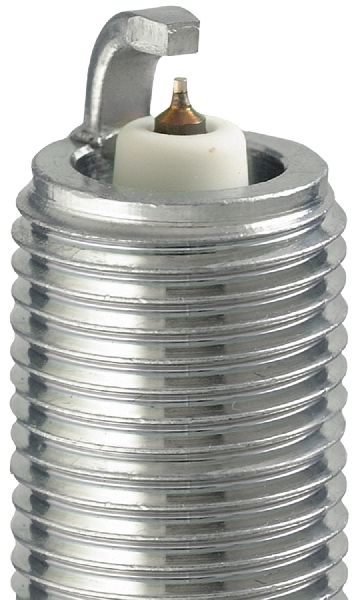
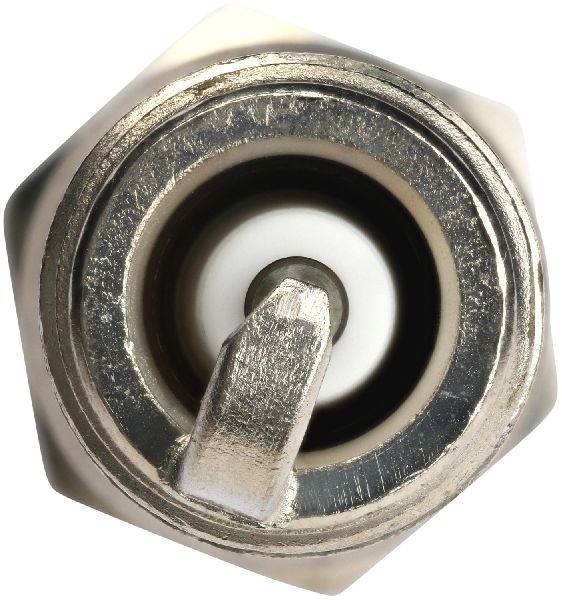
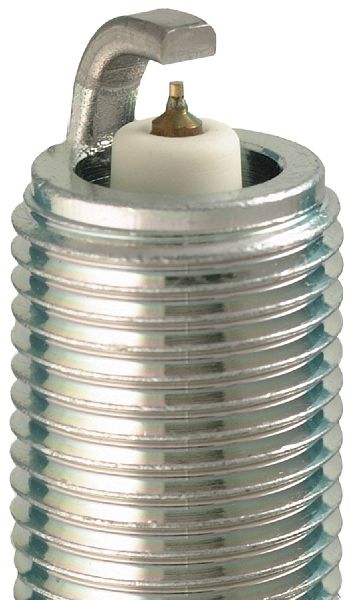
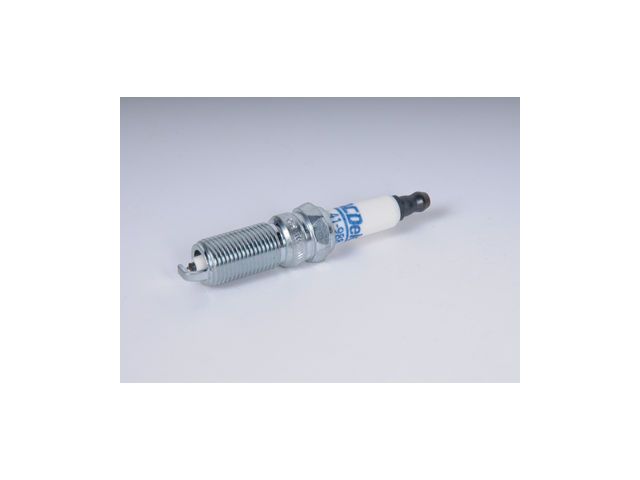
Typical fix: Replace the spark plug. The recommended service interval is typically around 100,000 miles, but they can fail sooner. Always use high-quality Iridium plugs from brands like ACDelco or NGK. The specified gap for the ACDelco 41-107 is typically pre-set, but should be verified. If oil was present, the valve cover gasket and tube seals must also be replaced to fix the root cause.
Est. part cost: $8-$20 per plug - Clogged or Faulty Fuel Injector 🟡 Medium Probability → Shop Fuel Injector
How to confirm: A mechanic can perform a fuel injector balance test to measure the flow rate of each injector. A simpler DIY method is to listen to the injector with a mechanic's stethoscope; it should have a consistent, audible clicking sound. You can also check the resistance of the injector with a multimeter. For the LLT (2009-2010) direct injection engine, the expected resistance is low, between 1.2-1.8 Ohms.
Typical fix: Replace the faulty fuel injector. Like the ignition coils, the rear bank injectors are under the intake manifold, so consider replacing all three on that bank if one fails. In some cases, professional ultrasonic cleaning can restore function.
Est. part cost: $50-$150 - Intake Valve Carbon Buildup 🟡 Medium Probability This is specific to the 2009-2010 LLT direct-injection engine. Since fuel is injected directly into the cylinder, there is no fuel washing over the intake valves to keep them clean. Over time, oil vapor from the PCV system bakes onto the valves, restricting airflow and causing misfires, particularly at idle or on a cold start. GM acknowledged this issue in TSB #PIP5029C and later revisions.
How to confirm: This requires a borescope inspection of the intake ports and valves, which usually involves removing the intake manifold. This is often diagnosed after ignition and fuel system faults have been ruled out.
Typical fix: The intake valves need to be manually cleaned, most often through walnut shell blasting. This is a labor-intensive professional service that can cost $350 or more.
Est. part cost: $0 (service cost is labor)
Rare But Worth Checking
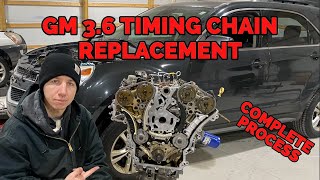
- Stretched Timing Chain: This is a very serious and well-known issue on the 3.6L V6. While it often presents with multiple misfire codes (P0300) and specific timing codes (P0008, P0016, P0017), it can begin as a single cylinder misfire. If basic ignition and fuel fixes don't work, this should be investigated immediately, especially if you hear a rattling noise on startup. 🎬 See how to diagnose a stretched timing chain on this engine.
- Low Engine Compression: This indicates a mechanical problem inside the engine, such as a worn piston ring, a bad valve, or a leaking head gasket. A compression test is required to diagnose this. A running compression test can also help identify issues like a weak valve spring.
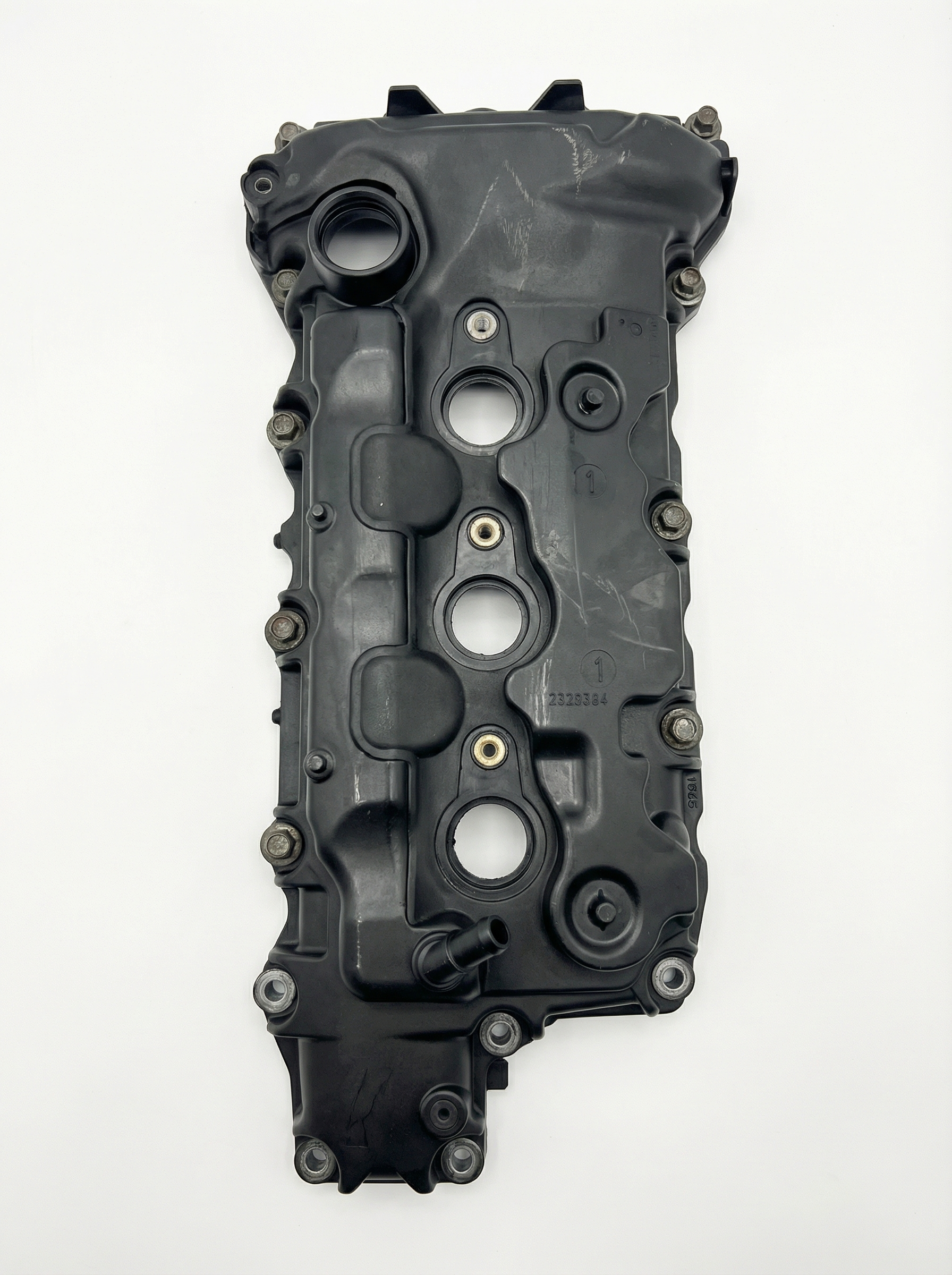
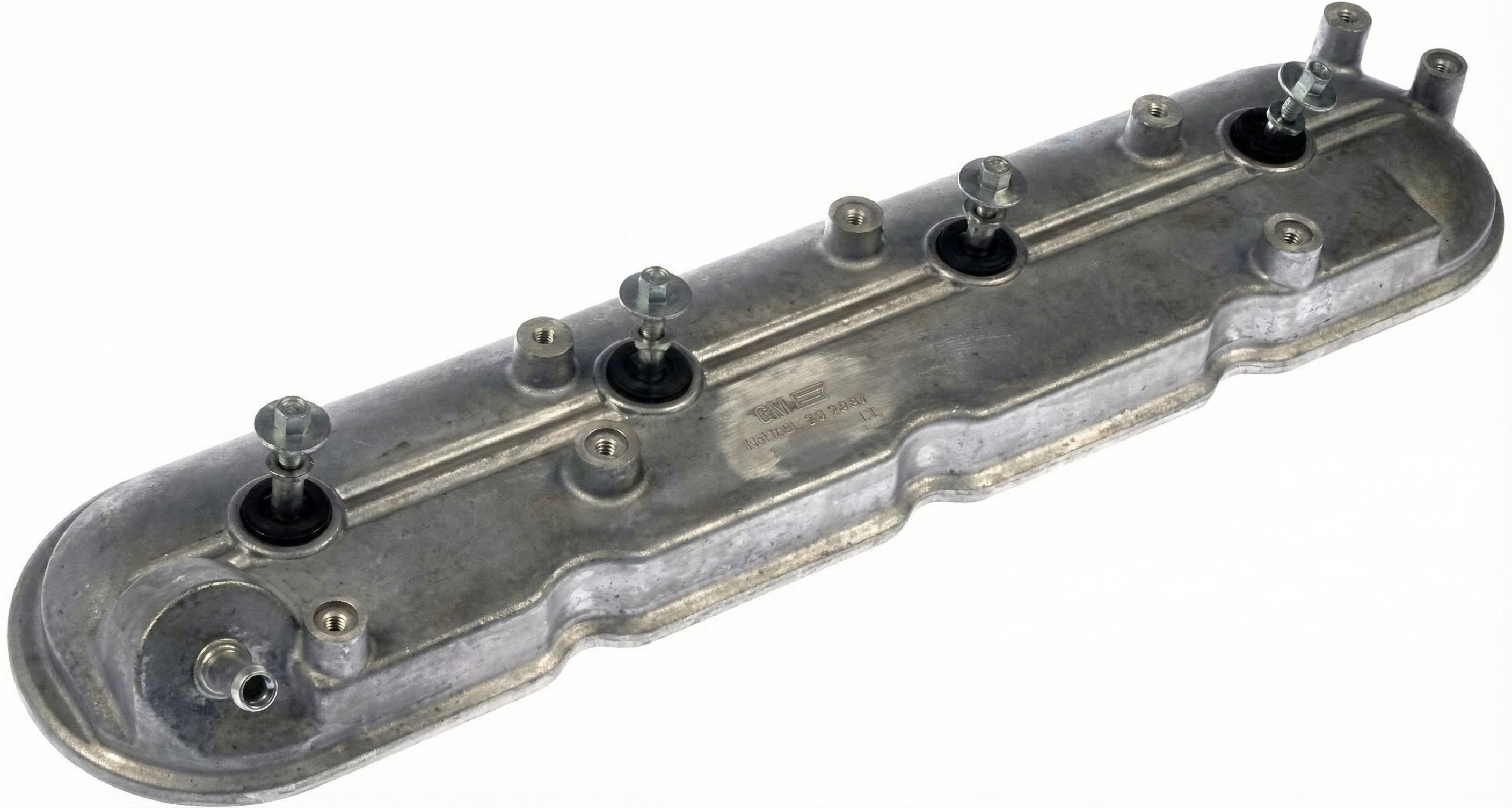
- Leaking Valve Cover Gasket: → Shop Engine Valve Cover While not a direct cause, the valve cover gaskets on this engine can leak oil into the spark plug tubes. This oil will saturate and destroy the ignition coil boot and foul the spark plug, leading to a misfire. If you find oil when changing the plug or coil, you must also replace the valve cover gasket and spark plug tube seals to fix the root problem.
- Loose Engine Ground Strap: A YouTube video on a platform-mate GMC Acadia with intermittent misfires traced the issue to a loose engine ground strap. Before extensive repairs, ensure all engine and chassis grounds are clean and tight.
Diagnosis Steps
- Confirm the P0301 code with an OBD-II scanner. 🎬 Watch: Step-by-step guide to troubleshooting a Cylinder 1 misfire. Note if the Check Engine Light is flashing, which indicates a severe, catalyst-damaging misfire.
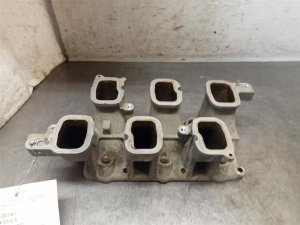
- Locate cylinder #1 (rear bank, passenger side). Access requires removing the engine cover. Full access to the coil requires removing the upper intake manifold.
- Swap the ignition coil from cylinder #1 with the coil from cylinder #3 (middle cylinder, rear bank). This is difficult due to intake manifold removal.
- Clear the codes with the scanner and start the engine. Let it run and/or take a short drive.
- Re-scan for codes. If the code has moved to P0303, the ignition coil is the faulty part.
- If the code remains P0301, the coil is likely good. Proceed to inspect the spark plug. Remove it and check for wear, damage, or fouling from oil or fuel. If oil is present, the valve cover gasket is leaking.
- If the spark plug looks worn or fouled, replace it. It is best practice to replace all six at once, along with all three rear coils, given the labor to remove the intake manifold.
- If the coil and plug are good, the issue may be with the fuel injector or a wiring issue. Listen to the injector with a stethoscope for a steady clicking sound. Inspect the wiring harness for breaks or corrosion.
- For 2009-2010 LLT engines, if other causes are ruled out, suspect carbon buildup on the intake valves and inspect with a borescope.
- If ignition and fuel components seem okay, perform a compression test on cylinder #1 to rule out internal engine damage.
- Check for any pending or stored timing-related codes like P0008 or P0017, which would point towards a stretched timing chain.
Parts You'll Likely Need
- Ignition Coil
(OEM #12632479 (ACDelco D501C))— This is the most common failure part causing a single-cylinder misfire on the 3.6L V6 engine.
Trusted brands: ACDelco, Delphi, NGK, Bosch
OEM price range: $80-$120
Aftermarket price range: $45-$90 - Iridium Spark Plug
(OEM #41-107 (ACDelco Professional Iridium))— Spark plugs are a maintenance item and can become fouled by oil from leaking valve cover gaskets, a common issue.
Trusted brands: ACDelco, NGK
OEM price range: $10-$20 per plug
Aftermarket price range: $8-$15 per plug - Valve Cover Gasket Set (with Tube Seals)
(OEM #12637683 (Rear), 12637684 (Front))— Frequently required to fix the root cause of oil fouling on spark plugs and ignition coils.
Trusted brands: ACDelco, Victor Reinz, Fel-Pro
OEM price range: $40-$60 per set
Aftermarket price range: $25-$45 per set - Intake Manifold Gasket Set
(OEM #12673300 (Upper))— Required for any job that involves accessing the rear bank of cylinders, such as replacing coils, plugs, injectors, or the valve cover. These are typically single-use gaskets.
Trusted brands: ACDelco, Fel-Pro
OEM price range: $30-$50
Aftermarket price range: $15-$30
Related Codes That Often Appear With This One
- P0300 — If the misfire is intermittent or affects multiple cylinders, a P0300 (Random/Multiple Cylinder Misfire) code may be stored alongside P0301. It's also a common companion code if the root cause is a timing chain or vacuum leak.
- P0303, P0305 — Since accessing the rear bank is difficult, issues affecting one cylinder (like a vacuum leak or wiring problem) might affect the others on the same bank. It's also the code you'd expect to see after swapping a bad coil from cylinder #1 to #3 or #5.
- P0008, P0017 — These codes indicate a problem with camshaft and crankshaft correlation, and on this engine, they are a strong sign of a stretched timing chain, which is a potential root cause of the misfire.
Technical Service Bulletins (TSBs) & Recalls
- #11340C: Special Coverage Adjustment for premature timing chain wear. (Expired)
- #12-06-01-009F: Updated service information regarding timing chain wear diagnosis and repair.
- #PIP5029C: Addresses diagnosis and cleaning procedures for carbon buildup on intake valves for LLT engines.
- #PIP5038B: Notes that on some 2009 models, internal ECM issues could damage coils, requiring replacement of the ECM, all coils, and plugs.
- PIP5486H: Service bulletin related to engine rattle, tick, or knock noises which may be accompanied by misfire codes P0301-P0306.
Platform-Specific Known Issues
- Premature Timing Chain Wear: Widespread on 2007-2009 models, this can cause misfires and will eventually lead to catastrophic engine failure. GM issued Special Coverage Adjustment #11340 to extend the warranty for this repair to 10 years/120,000 miles, but this has now expired.
- Ignition Coil Ground Issues: TSB #PIP5038B notes that for 2009 models, misfires can be caused by dirty or loose ignition coil ground connections. It recommends cleaning and properly torquing the ground points during any ignition service.
Mechanic-Grade Diagnostic Values
- Fuel Injector Resistance (2009-2010 LLT 3.6L GDI) — expected: 1.2 - 1.8 Ohms. Failure: A reading outside this range, or Open Loop (OL) / near 0 Ohms, indicates a failed injector.
- Fuel Injector Resistance (2007-2008 LY7 3.6L Port Injection) — expected: ~12 Ohms. Failure: A significant deviation from 12 Ohms suggests a faulty injector. This is a high-impedance injector, do not confuse with the LLT's low-impedance spec.
- Mode $06 Misfire Counts — expected: Counts should be at or near zero for all cylinders on a healthy engine.. Failure: A high number of misfire counts logged for cylinder 1, even before the P0301 code becomes active, confirms it as the source of the problem.
Scan Tool Commands That Help
- GDS2 / Tech2: Injector Balance Test — Use this after confirming spark and compression are good. The tool disables each injector one by one and measures the fuel pressure drop. If the pressure drop for cylinder #1 is significantly different from the others, it confirms a flow issue with that injector (clogged or leaking).
- Professional Scan Tool (e.g., Autel): Crankshaft Position (CKP) System Variation Learn — This procedure is required after replacing a crankshaft position sensor, the ECM, or after major engine work. It compensates for minor variations in the crankshaft reluctor wheel to ensure accurate misfire detection. Failure to perform this can lead to false misfire codes.
Wiring & Ground Locations
- G110 — Right front of the engine, mounted to the cylinder head.. This is a primary ground for the front bank of the engine. While cylinder #1 is on the rear bank, poor grounding at any major engine point can introduce electrical noise and cause intermittent issues that are hard to diagnose.
- G113 — Left side of the engine, at an engine-to-transmission stud.. This ground is critical for the ECM and transmission control module. A loose or corroded G113 can cause a host of issues, including erratic sensor readings and misfire detection faults.
- ECM Harness Chafe Points — Inspect the engine wiring harness where it routes between the ECM and the back of the engine, near the firewall. Also check where the harness may rub on the ECM bracket itself.. GM has issued bulletins (e.g., PI1067, PIT5424) for other platforms with this engine family regarding the harness chafing on brackets or engine components, causing shorts or opens in the injector and coil circuits. This can lead to a persistent P0301 that isn't fixed by replacing parts.
Real Owner Repair Stories
- acadiaforum.net user (2008 GMC Acadia (Saturn Outlook platform-mate) with LY7 3.6L V6) — P0301, P0303, P0305 (misfires on all rear bank cylinders), rough idle, and stalling.
❌ Tried (didn't work) Replaced all 6 spark plugs and ignition coils., Cleaned the throttle body.
✅ What actually fixed it The owner took the vehicle to a dealer who diagnosed and replaced all three fuel injectors on the rear bank (Bank 1). This resolved all misfire codes and restored normal engine operation. - acadiaforum.net user (2008 GMC Acadia with 144,000 miles) — Check engine light with P0301, P0300, P0017 codes.
❌ Tried (didn't work) Initial diagnosis pointed to common coil/plug issues.
✅ What actually fixed it The combination of misfire codes (P0301/P0300) with a timing correlation code (P0017) was a classic sign of a stretched timing chain. The owner had the timing chains replaced, which resolved all the codes.
OEM Part Supersession History
12618542, 12590990→12632479 (ACDelco D515C)— Design and material improvements to increase durability and resistance to heat-related failure.
Heads up: While physically interchangeable, some owners report that mixing old and new design coils can sometimes cause subtle performance differences. It is best practice to replace coils in sets (e.g., all three on the rear bank) to ensure consistent performance.
Model Year Variations Within This Range
- 2007-2008 (LY7 Engine): Uses high-impedance port fuel injectors with a resistance of approximately 12 Ohms. Carbon buildup on valves is less of a concern due to the fuel-washing effect of port injection.
- 2009-2010 (LLT Engine): Uses low-impedance direct fuel injectors (GDI) with a resistance of 1.2-1.8 Ohms. These engines are highly susceptible to misfires caused by carbon buildup on the intake valves, as fuel is injected directly into the cylinder and does not clean the valves.
- 2007-2009: These model years were most affected by the premature timing chain stretching issue, leading to GM Special Coverage #11340C. While the 2010 model can still suffer from chain wear, the earlier models are more notorious for it.
Diagnostic Flowchart
Real Owner Stories
Aggregated from forums and TSBs cited above. Mileages and costs reflect what owners reported in those sources.
GM 3.6L V6
Symptoms: Experienced codes P0300 and P0301. Upon inspection, found significant oil pooling in the spark plug tubes for cylinders #2, #3, and #4.
What fixed it: Confirmed a leaking valve cover gasket was the root cause of the misfire and required replacement.
Source hint: GMTNation Forum - 'Possible Valve cover gasket replacement needed?'
2011 Chevrolet Traverse 3.6L V6 — 123000 miles
Symptoms: Triggered a P0301 misfire code on cylinder 1.
What fixed it: Swapped the ignition coil to another cylinder to see if the misfire code moved, confirming the coil was the faulty component before replacing it.
Source hint: CarKiller Forum - '2011 Chevrolet Traverse, 123k miles, code P0301'
Saturn
Symptoms: Had a persistent P0301 misfire specifically at idle even after replacing standard ignition parts.
What fixed it: Diagnosed by checking for vacuum leaks and performing a running compression test to check for weak valve springs.
Source hint: Saturn Forum - 'P0301 Trouble shooting help'
Related OBD-II Codes
Frequently Asked Questions
Is the premature timing chain wear on my 2007-2009 Saturn Outlook covered by a GM recall or warranty?
Why does my 2009-2010 Outlook with the LLT engine have a P0301 code specifically on cold starts or at idle?
I have a 2009 Saturn Outlook with a P0301. Could it be an electrical or ground issue?
If I need to replace the ignition coil for cylinder 1, should I replace the others?
Why is there oil on my cylinder 1 spark plug when I pulled it out?
What does the Stabilitrak/Traction Control warning message have to do with my P0301 code?
Helpful Videos

Used OEM Parts in Stock
New Aftermarket Parts Available

The information in this article is provided for general reference and educational purposes only. Vehicle specifications, procedures, and part compatibility can vary by production date, trim level, and region. Always consult your vehicle's factory service manual and verify part numbers before purchasing or performing repairs. Safety-critical components such as airbags, seat belts, and braking systems should be installed by a qualified professional.
- Saturn Outlook:
- 🧭 Diagnostic Flowchart
- 🎬 Helpful Videos
- 🛍️ Shop This Part
- What's Unique About the 2007-2010 Saturn Outlook
- Symptoms You May Notice
- Most Likely Causes
- Rare But Worth Checking
- Diagnosis Steps
- Parts You'll Likely Need
- Related Codes That Often Appear With This One
- Technical Service Bulletins (TSBs) & Recalls
- Platform-Specific Known Issues
- Mechanic-Grade Diagnostic Values
- Scan Tool Commands That Help
- Wiring & Ground Locations
- Real Owner Repair Stories
- OEM Part Supersession History
- Model Year Variations Within This Range
- Real Owner Stories
- GM 3.6L V6
- 2011 Chevrolet Traverse 3.6L V6 — 123000 miles
- Saturn
- Related OBD-II Codes
- Frequently Asked Questions
- 🎟️ Get 5% Off