

P0301 on 2013 Scion FR-S: Cylinder 1 Misfire Causes and Fixes
P0301 on a 2013 Scion FR-S indicates a misfire in cylinder 1. The most common fixes are replacing the spark plug or ignition coil. However, this specific model has known issues with camshaft sensor clearances (per TSB S-SB-0013-14) and a high number of reported engine problems following a valve spring recall, often attributed to improper sealant application by technicians, which should be a primary concern if the service was recently performed.
- P0301 on a 2013 FR-S is a Cylinder 1 Misfire.
- Start your diagnosis with the simple and common causes: the ignition coil and spark plug for cylinder 1.
- Be aware of the platform-specific TSB (S-SB-0013-14) regarding camshaft position sensor clearance, which can cause this code.
- If the vehicle recently had the valve spring recall service performed, the misfire could be a symptom of a more serious mechanical problem resulting from the repair.
- Do not ignore a flashing check engine light; pull over and shut off the engine to prevent expensive catalytic converter damage.
What's Unique About the 2013-2013 Scion FR-S
The 2013 Scion FR-S uses a Subaru-designed FA20 2.0L boxer engine, shared with the Subaru BRZ and Toyota 86. While standard ignition issues are common, this platform is uniquely affected by two significant issues. First, a Technical Service Bulletin (S-SB-0013-14, later revised as S-SB-0033-13) was issued for misfire codes, including P0301, caused by incorrect camshaft position sensor clearance from the factory. Second, and more critically, many of these vehicles were subject to a valve spring recall. A large number of owners on forums like ft86club.com and Reddit have reported severe engine problems, including misfires and catastrophic engine failure, immediately following the recall service. The prevailing theory, supported by owner photos, is that technicians improperly applied excessive sealant during reassembly, which then clogged critical oil passages, leading to oil starvation.
Diagnostic Flowchart
Tap your situation to follow the diagnostic path that matches what you're seeing on this vehicle.
Symptoms You May Notice
- Rough or shaking idle
- Engine hesitation or stumbling during acceleration
- Noticeable loss of power
- Flashing or solid Check Engine Light
- Smell of gasoline from the exhaust
- Car jerks or sputters intermittently
- Replacing oxygen sensors. While a faulty O2 sensor can cause fuel trim issues, it typically affects all cylinders on a bank and would likely set other codes, not just a single cylinder misfire like P0301.
Most Likely Causes
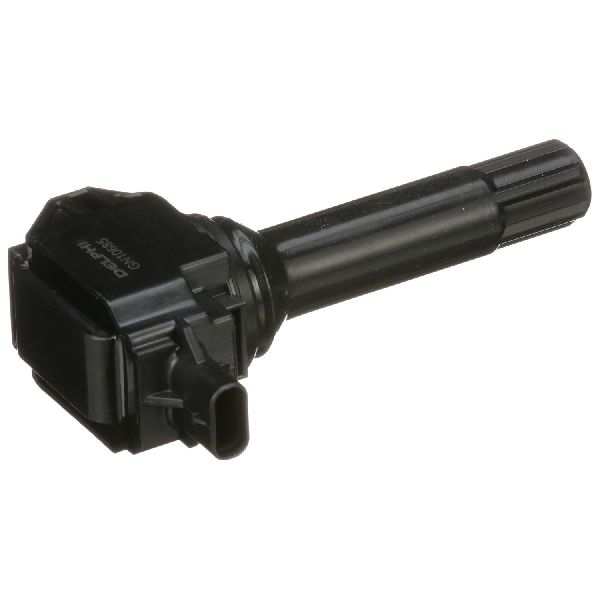
- Faulty Ignition Coil 🔴 High Probability → Shop Ignition Coil Coil-on-plug systems are a common failure point. On the FT86 platform, forum users frequently report ignition coil failure as the cause for a single-cylinder misfire like P0301, sometimes specifically on cylinder 1. Coils from the 2013 model year are also known to have potential OEM defects that were addressed in later revisions.
How to confirm: Swap the ignition coil from cylinder 1 with another cylinder (e.g., cylinder 3, which is also on the passenger side). Clear the codes and run the engine. If the misfire code changes to P0303, the coil is bad.
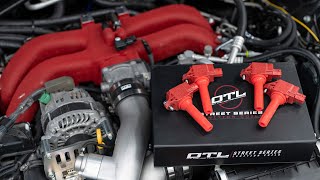
Typical fix: Replace the faulty ignition coil. It is often recommended to replace all four if they are original and high-mileage, preferably with post-2017 OEM parts 🎬 See how to properly install new ignition coil packs. to get the revised design.
Est. part cost: $50-$100 per coil - Worn or Fouled Spark Plug 🔴 High Probability → Shop Spark Plug Spark plugs are a regular maintenance item with a 60,000-mile service interval. Access is notoriously difficult on the boxer engine, leading some owners to delay replacement. An incorrect gap, oil fouling, or simple wear can easily cause a misfire.
How to confirm: Remove the spark plug from cylinder 1 and inspect it for wear, damage, or fouling. One owner on ft86club.com found a P0301 was caused by a plug with an incorrect model and gap in just that cylinder. Compare it to a new plug or one from a working cylinder.
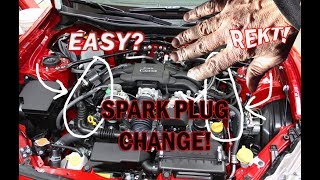
Typical fix: Replace the spark plug. It is best practice to replace all four spark plugs at the same time. This job is difficult due to tight clearances and can take 2-4 hours for a first-time DIYer. 🎬 Watch this step-by-step guide to changing these difficult spark plugs.
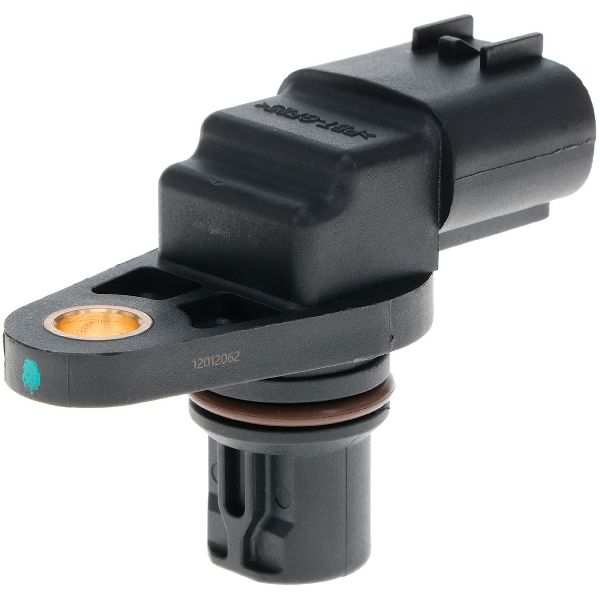
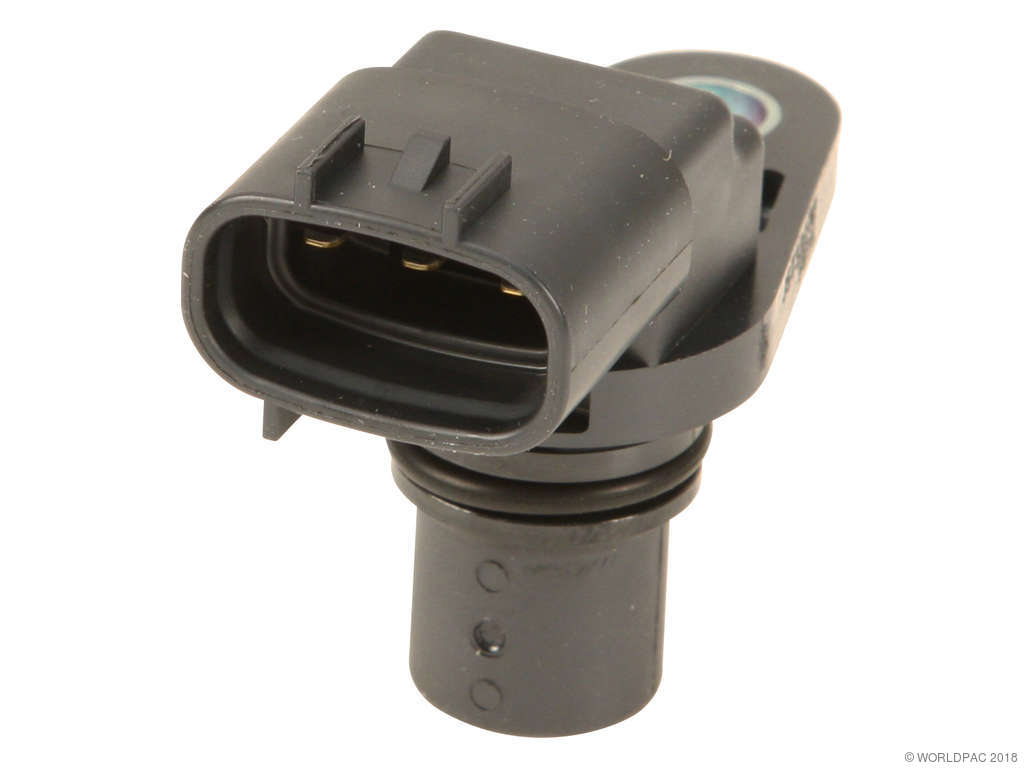
Est. part cost: $15-$30 per plug - Incorrect Camshaft Position Sensor Clearance 🟡 Medium Probability → Shop Engine Camshaft Position Sensor Scion issued TSB S-SB-0033-13 specifically for 2013 models exhibiting misfire DTCs (P0301-P0304) and other sensor codes due to this manufacturing defect.
How to confirm: This is an advanced diagnosis. It requires measuring the clearance between the sensor and the camshaft reluctor as detailed in the TSB. The specified clearance is 1.25 to 1.35 mm. If the clearance is out of specification, a shim is added.
Typical fix: Install the correct thickness shim under the camshaft position sensor to bring the clearance into specification. The TSB provides the full inspection and repair procedure.
Est. part cost: $5-$15 for a shim kit - Clogged or Faulty Port Fuel Injector ⚪ Low Probability → Shop Fuel Injector
How to confirm: After ruling out ignition issues, you can swap the port fuel injector from cylinder 1 with another cylinder. A user on Reddit solved their P0301 that only occurred at full throttle by replacing a broken injector. The FA20 has both port and direct injectors; port injectors are easier to access and more commonly implicated in single-cylinder misfire threads.
Typical fix: Replace the faulty fuel injector. Some owners opt to have all injectors professionally cleaned and flow-tested at the same time.
Est. part cost: $100-$200 per injector
Rare But Worth Checking
- Engine Damage After Valve Spring Recall: Numerous owner complaints and media reports describe engine knocking, misfires, and catastrophic failure shortly after the J02/WVW-46 valve spring recall service. The widely accepted cause is excessive RTV sealant applied by technicians during engine reassembly, which breaks off and clogs oil pickup tubes and passages, starving the engine of oil. If the P0301 code appeared shortly after this service, the engine should be immediately inspected for mechanical damage and low oil pressure.
- Low Engine Compression: A mechanical issue like a burnt valve, damaged piston, or leaking head gasket can cause a persistent misfire. This is less common but should be investigated with a compression test if all ignition and fuel system checks pass.
- Faulty Direct Fuel Injector or Seal: → Shop Fuel Injector The FA20 engine uses a direct injection (DI) system in addition to port injectors. While less commonly reported for P0301, a failing DI injector or its Teflon seal can cause misfires, compression loss, and popping noises. This is a more complex and expensive repair than the port injector, requiring removal of the intake manifold.
Diagnosis Steps
- Read all stored fault codes with an OBD-II scanner. Note any other codes present besides P0301 and check for pending codes.
- If the check engine light is flashing, do not drive the vehicle to avoid catalytic converter damage.
- Locate cylinder 1. On the FA20 boxer engine, the cylinders are numbered with 1 and 3 on the passenger side (right side of vehicle, front to back) and 2 and 4 on the driver's side (left side, front to back). The firing order is 1-3-2-4. Cylinder 1 is the front-most cylinder on the passenger side.
- Swap the ignition coil from cylinder 1 with the coil from cylinder 3 (rear cylinder on the passenger's side). This is the easiest diagnostic swap. Clear the codes, run the engine, and see if the code changes to P0303. If it does, the ignition coil is faulty.
- If the code remains P0301, perform the same swap with the spark plugs (cylinder 1 to 3). This is more difficult due to poor access. If the code moves to P0303, the spark plug was the issue.
- While accessing the coil and plug, inspect the wiring and connector for any signs of damage, corrosion, or loose connections.
- If ignition components are confirmed good, the next logical step is to investigate the fuel system. Swapping port injectors is possible for an advanced DIYer but may require professional help.
- If the vehicle is a 2013 model and the history is unknown, check if it falls within the VIN range of TSB S-SB-0033-13. If so, have a dealer or qualified shop inspect the camshaft position sensor clearance.
- If the P0301 code appeared within a few thousand miles of the valve spring recall service being performed, stop diagnosis and have the engine professionally inspected for low oil pressure and mechanical damage immediately.
- As a final step for a persistent misfire, perform an engine compression test to rule out mechanical issues like bad rings, valves, or head gasket.
Parts You'll Likely Need
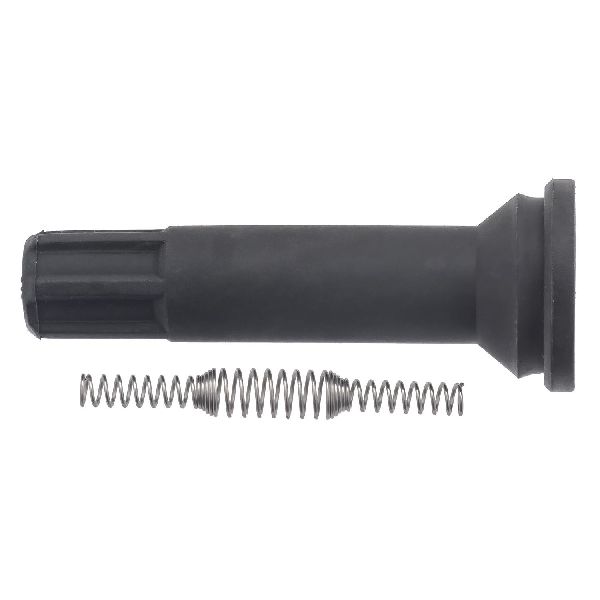
- Ignition Coil
(OEM #SU003-05322 (Superseded by SU003-04713))— This is one of the most common failure points for a single-cylinder misfire.
Trusted brands: Denso (OEM supplier), NGK, Hitachi
OEM price range: $90-$120
Aftermarket price range: $50-$90 - Spark Plug
(OEM #SU003-04931 (Denso ZXE27HBR8))— Spark plugs are a routine wear item and a frequent cause of misfires. The OEM plugs are Iridium-tipped.
Trusted brands: Denso ZXE27HBR8 (OEM), NGK DILKAR7B8
OEM price range: $20-$30
Aftermarket price range: $15-$25 - Camshaft Position Sensor Shim Kit
(OEM #Varies by thickness, e.g., 10130-AA230 (0.2mm))— Required to fix the specific manufacturing defect outlined in TSB S-SB-0033-13 for early 2013 models.
Trusted brands: Toyota/Subaru (OEM)
OEM price range: $5-$15
Aftermarket price range: N/A
Related Codes That Often Appear With This One
- P0300 — If the misfire is intermittent or begins to affect other cylinders, a P0300 (Random/Multiple Cylinder Misfire) may be stored alongside P0301, indicating a more systemic problem.
- P0302, P0303, P0304 — If other cylinders are also misfiring, their respective codes will appear. This points towards a systemic issue like a vacuum leak, widespread fuel delivery problem, or issues stemming from the valve spring recall.
- P219A — This code indicates an Air-Fuel Ratio Imbalance for Bank 1. A misfire in cylinder 1 can cause this code to appear as unburnt oxygen enters the exhaust, confusing the O2 sensor. The NHTSA complaint #11235071 also shows this code appearing with P0301 after the recall service.
- P034x, P036x, P039x — As noted in TSB S-SB-0033-13, various camshaft position sensor codes can appear along with misfire codes when the sensor clearance is out of specification on 2013 models.
Technical Service Bulletins (TSBs) & Recalls
- S-SB-0013-14: Some 2013 FR-S vehicles may exhibit engine misfire DTCs (P0301-P0304) due to camshaft position sensor clearance being out of specification. This TSB was superseded by S-SB-0033-13.
- S-SB-0033-13 Rev1: A revised bulletin for 2013 FR-S models that may exhibit hard start, rough idle, and misfire or camshaft sensor DTCs. It provides detailed procedures for inspecting the sensor clearance and installing a shim if necessary. It applies to vehicles built before VIN JF1ZAA1#D#721474.
Platform-Specific Known Issues
- TSB S-SB-0033-13: Addresses misfire DTCs (including P0301) caused by incorrect camshaft position sensor clearance on some 2013 models produced before VIN JF1ZAA1#D#721474. The fix involves measuring the gap and adding a specific shim if needed.
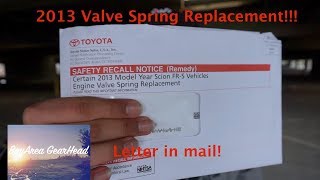
- Valve Spring Recall (Subaru Recall WVW-46 / Toyota J02): This major recall was for valve springs that could fracture. Numerous owners have reported severe engine issues, including misfires and total failure, after the recall work was performed. The issue is widely believed to be caused by technician error, specifically the over-application of sealant, leading to oil starvation.
- Difficult Spark Plug Access: Due to the boxer engine's design, the spark plugs are located on the sides of the engine with very little clearance to the frame rails. Replacement is time-consuming and requires either special tools and techniques or lifting the engine slightly off its mounts for access.
Mechanic-Grade Diagnostic Values
- Ignition Coil Resistance (Aftermarket Spec) — expected: Primary: ~0.70 ohms; Secondary: ~3.7 kilohms. Failure: Significant deviation from these values or an open circuit (infinite resistance).
- Port Fuel Injector Resistance — expected: Approximately 8.5 to 16.5 ohms. More importantly, all four injectors should have readings within 0.5 ohms of each other.. Failure: An injector with a resistance reading that is an outlier compared to the others, or is open/shorted.
- High-Pressure Fuel System Pressure — expected: 2,000 to 2,800 PSI, delivered by the direct injection pump.. Failure: Inability to reach or maintain pressure under load, which would likely set other fuel pressure-related codes.
- Low-Pressure Fuel System Pressure — expected: Should be stable around 3 bar (43.5 PSI).. Failure: Low or fluctuating pressure from the in-tank pump can starve the high-pressure pump, leading to misfires.
- Camshaft Position Sensor Clearance (2013 Models) — expected: 1.25 mm to 1.35 mm (0.049 to 0.053 in).. Failure: Any measurement outside this range requires a specific shim to correct, as per TSB S-SB-0033-13.
Hidden / Shadow Codes Worth Checking
- Mode $06 Misfire Counts: While not a hidden code, Mode $06 data on a capable scan tool can display raw misfire counts for each cylinder. This allows a technician to see if cylinder 1 is accumulating misfires, even if the count is not yet high enough to trigger a solid P0301 and illuminate the check engine light. This is useful for diagnosing intermittent issues. (see via An advanced OBD-II scan tool with Mode $06 functionality.)
Scan Tool Commands That Help
- Toyota Techstream / eSCAN Elite: Active Test: Control Variable Valve Timing Bank 1 — This bidirectional command allows the technician to command the intake cam phaser to advance or retard. By observing the actual cam position change on live data, a technician can verify if the VVT system is responding correctly or sticking, which is relevant for diagnosing codes P0016 or if cam timing is suspected as the root cause of the misfire.
Wiring & Ground Locations
- Engine Ground Straps (3 total) — 1. Bottom front of the engine (driver's side) to the frame rail. 2. Bottom front of the engine (passenger's side) to the frame rail. 3. Top rear of the engine/transmission (passenger side) to the transmission tunnel/firewall.. A loose or corroded ground strap, particularly the one often forgotten during clutch jobs, can cause a host of electrical issues, including weak spark or erratic sensor readings that can lead to misfire codes.
- Engine Control Module (ECM) — Located at the right end of the dash, accessible from the passenger side.. This is the termination point for the ignition coil and injector control wires. Physical inspection of the connectors here is a last resort if a wiring issue is suspected between the component and the computer.
Real Owner Repair Stories
- ft86club.com user 'Sportsguy83' (2013 Subaru BRZ (same FA20 engine)) — Flashing CEL, code P0301. Smooth idle.
❌ Tried (didn't work) Initial diagnosis pointed towards standard causes like coil packs or DI seals.
✅ What actually fixed it The user was running a custom E85 tune that was extremely rich (9:1 AFR) during the transition from closed to open loop. Having the tuner lean out this specific part of the map to ~10.2:1 AFR resolved the misfire completely. - Reddit user on r/ft86 (Scion FR-S with a turbo kit) — Sudden cylinder 1 misfires (P0301) accompanied by popping, clanging, and knocking noises from the engine.
❌ Tried (didn't work) Initial inspection.
✅ What actually fixed it The direct injector (DI) seal on cylinder 1 was found to be completely destroyed. This failure also caused collateral damage to the ignition coil for that cylinder. Replacing all DI seals and the damaged coil pack fixed the issue. The repair shop noted this is a risk on boosted engines.
"I Checked Everything" — The Actual Cause
- A common diagnostic step for misfires is a smoke test to find intake vacuum leaks. However, a smoke test will NOT identify a failed direct injector (DI) seal. The DI seal sits at the tip of the injector inside the combustion chamber. If this seal fails, it causes a compression leak from the cylinder, not an intake vacuum leak. Symptoms include misfires (P0301), rough idle, and sometimes a distinct 'popping' sound. This is a known failure point on the FA20 engine and is often missed by technicians who rely solely on a smoke test after checking ignition components.
OEM Part Supersession History
SU003-00417, SU003-04670→SU003-04713— Standard part revision and consolidation.
Heads up: A Reddit user noted that OEM coils for 2017+ models have internal improvements over the early 2013 coils, and it is advisable to purchase new OEM parts to avoid getting old, potentially defective stock from third-party sellers.Ignition coil for 2013-2014 models→SU003-05259 (for later models)— Part update for newer model years.
Heads up: The part numbers for early (2013-2014) and later model years are different, suggesting a potential incompatibility. Care should be taken to order the correct part for the vehicle's specific model year.
Model Year Variations Within This Range
- Early 2013: Vehicles produced before VIN JF1ZNAA1#D#008792 may have incorrect camshaft position sensor clearance from the factory, leading to various cam and misfire codes, including P0301. This is addressed by TSB S-SB-0033-13, which details an inspection and shim installation procedure.
- 2013: The Engine Control Module (ECM) for manual transmission models has two different part numbers, with a change occurring in January 2013. This is critical information if the ECM is suspected to be faulty and requires replacement.
Helpful Videos

We Have This Part in Stock


The information in this article is provided for general reference and educational purposes only. Vehicle specifications, procedures, and part compatibility can vary by production date, trim level, and region. Always consult your vehicle's factory service manual and verify part numbers before purchasing or performing repairs. Safety-critical components such as airbags, seat belts, and braking systems should be installed by a qualified professional.
- Scion FR-S:
- 🧭 Diagnostic Flowchart
- 🎬 Helpful Videos
- 🛍️ Shop This Part
- What's Unique About the 2013-2013 Scion FR-S
- Symptoms You May Notice
- Most Likely Causes
- Rare But Worth Checking
- Diagnosis Steps
- Parts You'll Likely Need
- Related Codes That Often Appear With This One
- Technical Service Bulletins (TSBs) & Recalls
- Platform-Specific Known Issues
- Mechanic-Grade Diagnostic Values
- Hidden / Shadow Codes Worth Checking
- Scan Tool Commands That Help
- Wiring & Ground Locations
- Real Owner Repair Stories
- "I Checked Everything" — The Actual Cause
- OEM Part Supersession History
- Model Year Variations Within This Range
- 🎟️ Get 5% Off