

P0301 on 2007-2010 Scion tC: Cylinder 1 Misfire Causes and Fixes
On a 2007-2010 Scion tC, a P0301 code is most often caused by a failed ignition coil or a worn/oil-fouled spark plug in cylinder 1. This is a common DIY fix, with parts costing between $25 for a single coil and plug to around $100 for a full set. It is critical to distinguish between oil on top of the spark plug (from a leaking valve cover gasket) and oil on the electrode tip (from internal oil consumption), as the latter points to a more serious, known engine flaw.
- P0301 on a 2007-2010 Scion tC means cylinder 1 is misfiring.
- The most likely cause is a bad ignition coil or a worn/fouled spark plug.
- Always check the spark plug for black, oily residue, as this is a strong indicator of the engine's known oil consumption problem, which could be the true root cause.
- Diagnosing the issue is straightforward for a DIYer: swap the cylinder 1 ignition coil with another cylinder's coil and see if the misfire code follows.
- Ignoring a persistent misfire can lead to costly damage to the catalytic converter.
What's Unique About the 2007-2010 Scion tC
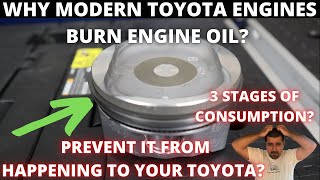
The 2AZ-FE engine in this generation of Scion tC is known for a specific issue that can directly lead to misfire codes like P0301. Many of these engines suffer from excessive oil consumption due to a piston ring design flaw. This burning oil can foul the spark plugs with carbon and oil deposits, causing a weak or nonexistent spark and leading to a misfire. While ignition coils are a common failure point on many cars, on the 2AZ-FE, it's critical to inspect the spark plug for signs of oil fouling, as this points to the larger, well-documented oil consumption problem which was subject to a warranty enhancement program and multiple Technical Service Bulletins (TSBs). Another common issue is a leaking valve cover gasket, which can fill the spark plug tubes with oil, damaging the ignition coil boot and causing a misfire.
Symptoms You May Notice
- Rough or shaking idle, especially when in drive or with A/C on.
- Hesitation or stumbling during acceleration.
- Flashing or solid Check Engine Light.
- Noticeable loss of power.
- Decreased fuel economy.
- Smell of unburned fuel from the exhaust.
- For intake manifold leaks, a distinct whistling or hissing sound from the engine bay may be heard.
- Replacing only the spark plug without checking for the root cause of fouling (like oil consumption). The new plug will just foul again.
- Replacing the fuel injector before confirming the ignition coil and spark plug are good, as ignition components are far more likely to fail and easier to test.
- Confusing an external oil leak onto the spark plug (from a valve cover gasket) with internal oil burning (from piston rings). Both can cause P0301, but the latter is a much more serious repair.
Most Likely Causes
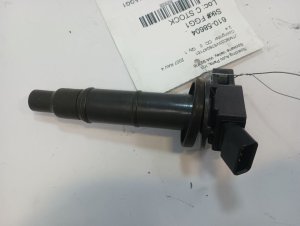
- Failed Ignition Coil 🔴 High Probability → Shop Ignition Coil Coil-on-plug ignition coils are a common wear item and fail with age and heat cycles. Oil leaking from a faulty valve cover gasket can also pool in the spark plug tube and damage the coil boot, leading to failure. Aftermarket coils are also known to have a higher failure rate, with many owners recommending sticking to OEM (Denso).
How to confirm: The easiest way is to swap the ignition coil from cylinder 1 with another cylinder (e.g., cylinder 2). Cylinder 1 is the first cylinder on the passenger side of the engine. Clear the codes and drive the car. If the code changes to P0302, the ignition coil is faulty. 🎬 Watch: How to diagnose and fix a misfire with basic tools Some owners report failing coils may only cause misfires at low RPMs.
Typical fix: Replace the faulty ignition coil. It is often recommended to replace all four coils at the same time, especially on a high-mileage vehicle.
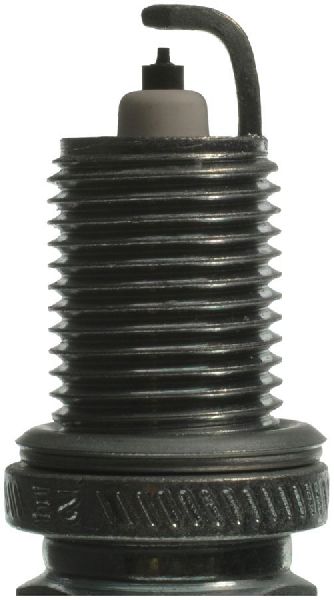
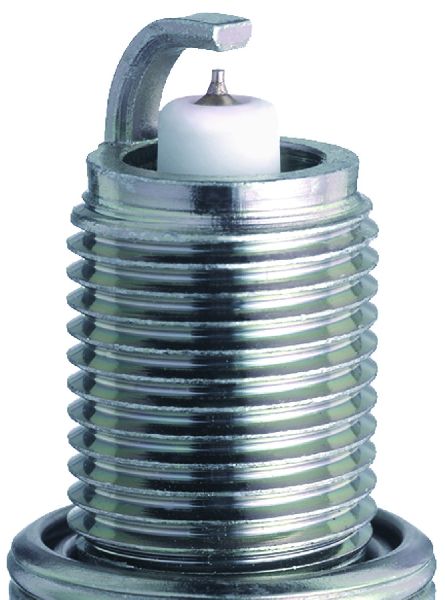
Est. part cost: $20-$50 per coil (aftermarket), $70-$90 per coil (OEM) - Worn or Fouled Spark Plug 🔴 High Probability → Shop Spark Plug Excessive oil consumption, a known issue with the 2AZ-FE engine, can foul the spark plugs with black, oily deposits, causing a misfire. Normal wear can also cause the electrode gap to widen, leading to a weak spark. Using non-OEM spec plugs can also lead to premature failure.
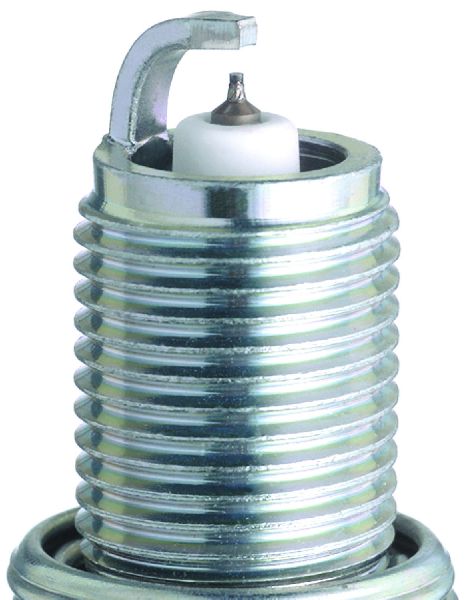
How to confirm: Remove the spark plug from cylinder 1 and inspect it. Look for a wet, black, oily deposit (indicating oil consumption), heavy carbon buildup, a worn-down electrode, or a cracked porcelain insulator. A very white-looking plug can indicate a lean condition, possibly from a vacuum leak or injector issue.
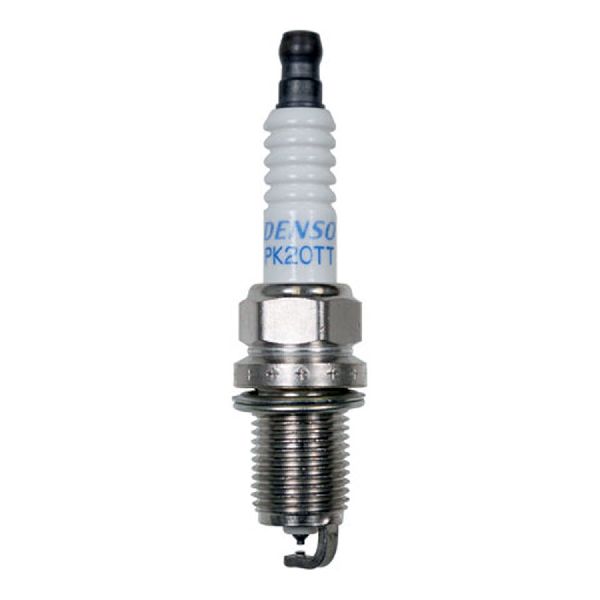
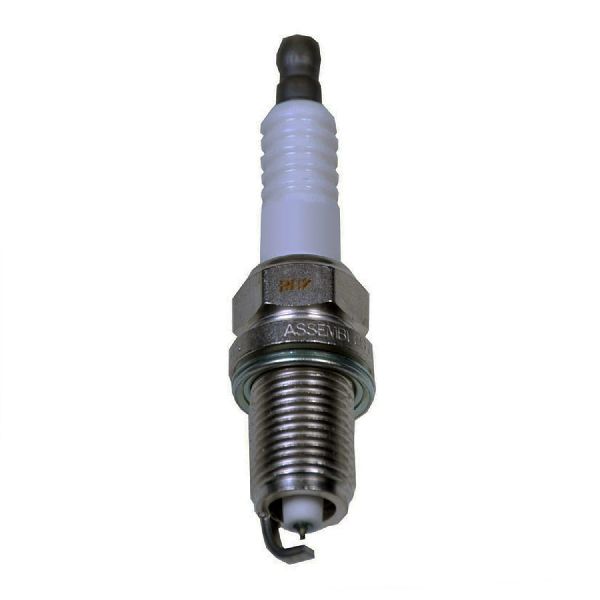
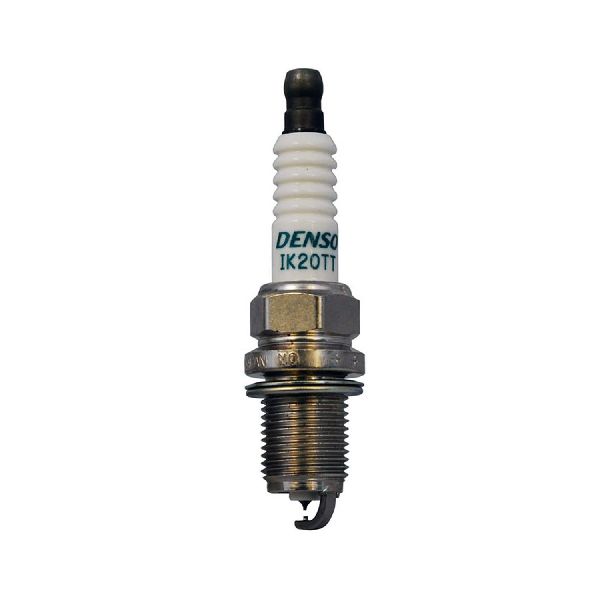
Typical fix: Replace the spark plug. It is best practice to replace all four spark plugs at the same time with OEM-spec (Denso or NGK) iridium plugs. 🎬 See this quick walkthrough for changing your Scion tC spark plugs
Est. part cost: $8-$20 per plug - Leaking Valve Cover Gasket / Spark Plug Tube Seals 🟡 Medium Probability → Shop Engine Valve Cover The rubber gaskets and seals become hard and brittle with age, allowing oil to leak from the valve cover into the spark plug tubes.
How to confirm: When you remove the ignition coil for cylinder 1, inspect the coil boot and the spark plug tube. If they are submerged or coated in oil, the valve cover gasket and/or the integrated spark plug tube seals are leaking.
Typical fix: Replace the valve cover gasket and the spark plug tube seals. Clean all oil from the spark plug tubes and ignition coil boots before reassembly. The ignition coil may also need replacement if it was damaged by the oil.
Est. part cost: $20-$50 for gasket set - Clogged or Faulty Fuel Injector 🟡 Medium Probability → Shop Fuel Injector
How to confirm: After ruling out the coil and plug, you can swap the fuel injector from cylinder 1 with another cylinder. If the misfire code follows the injector (e.g., moves to P0302), the injector is the problem. This is more involved than a coil swap. Another diagnostic method is to use a laser thermometer on the exhaust manifold runners; the runner for the misfiring cylinder will be significantly cooler.
Typical fix: Replace the faulty fuel injector. It may be beneficial to have all injectors professionally cleaned and tested at the same time.
Est. part cost: $50-$150 per injector
Rare But Worth Checking
- Low Cylinder Compression: This is a serious mechanical issue. On the 2AZ-FE, it can be a consequence of the oil consumption problem leading to damaged piston rings and cylinder walls. In one extreme case on ScionLife, a P0301 code preceded a catastrophic engine failure where a hole was blown in the block under cylinder 1, though this was later revealed to be complicated by water ingestion. A compression test is needed to confirm. If compression is low, it often requires an engine rebuild or replacement.
- Intake Manifold Gasket Leak: → Shop Engine Intake Manifold A vacuum leak near the intake runner for cylinder 1 can lean out the air/fuel mixture and cause a misfire. Symptoms include a hissing noise, rough idle, and poor engine performance. This can be diagnosed with a smoke test or by spraying brake cleaner near the gasket mating surface and listening for a change in engine idle.
- Faulty Engine Control Module (ECM): In very rare cases, the driver circuit within the ECM that controls the fuel injector or ignition coil for cylinder 1 can fail. One owner on ScionLife traced their P0301 issue to a visibly burned chip on the ECU circuit board after returning the car to stock from a turbo setup.
Diagnosis Steps
- Read the code with an OBD-II scanner to confirm P0301 is present.
- Check for a flashing check engine light, which indicates a severe misfire that could damage the catalytic converter. Avoid driving if flashing.
- Swap the ignition coil from cylinder 1 (passenger side) to cylinder 2.
- Clear the codes and drive the vehicle until the check engine light returns.
- Scan the codes again. If P0302 is now present, the ignition coil is bad.
- If the code remains P0301, remove the ignition coil from cylinder 1 again and inspect the spark plug tube for oil. Oil in the tube indicates a leaking valve cover gasket/tube seal.
- Remove the spark plug from cylinder 1. Inspect it for wear, damage, or fouling (especially black, oily deposits on the electrode, which points to the internal oil consumption issue). Replace if it's in poor condition.
- If the coil and plug are good, the next likely culprit is the fuel injector. This can be tested by swapping it with another cylinder, similar to the coil test, but is a more complex job.
- If the misfire persists on cylinder 1 after testing the coil, plug, and injector, check for vacuum leaks around the intake manifold for cylinder 1.
- Perform a compression test on all cylinders to check for mechanical engine problems like bad piston rings or valves. A healthy 2AZ-FE should have compression over 150 PSI. Low compression on cylinder 1 points to a serious internal engine issue.
Parts You'll Likely Need
- Ignition Coil
(OEM #90919-02248 (superseded by 90919-A2001, 90919-02260))— This is the most common failure part for a single-cylinder misfire. They are exposed to high heat and fail electronically over time. Oil saturation from a leaky valve cover gasket is also a common killer of these coils.
Trusted brands: Denso (OEM), NGK, Bosch
OEM price range: $70-$90
Aftermarket price range: $20-$50 - Iridium Spark Plug
(OEM #Denso SK20R11 or NGK IFR6A11)— Spark plugs are a routine maintenance item and can become worn or fouled, especially on 2AZ-FE engines known for oil consumption.
Trusted brands: Denso (OEM), NGK (OEM)
OEM price range: $10-$20 per plug
Aftermarket price range: $8-$15 per plug
Related Codes That Often Appear With This One
- P0300 — If the misfire is intermittent or begins to affect other cylinders, a P0300 (Random/Multiple Misfire) code may appear alongside P0301.
- P0302, P0303, P0304 — If the root cause, such as low fuel pressure or a large vacuum leak, affects the whole engine, you may see misfire codes for other cylinders as well. Also may appear if you are swapping components for diagnosis.
- P0420 — If the misfire is ignored for too long, unburned fuel will enter the exhaust and damage the catalytic converter, eventually triggering a P0420 (Catalyst System Efficiency Below Threshold) code.
Technical Service Bulletins (TSBs) & Recalls
- S-SB-0031-14 (Toyota T-SB-0158-14): 2AZ-FE Engine Oil Consumption Inspection Procedure. This TSB outlines how to perform a monitored 1,100-1,300 mile oil consumption test and notes that P030# codes can be a direct result of the oil burning.
- S-SB-0024-11 (Toyota T-SB-0030-15): 2AZ-FE Engine Oil Consumption Repair Procedure. This TSB details the extensive repair of replacing the pistons and piston rings required if the vehicle fails the test from S-SB-0031-14.
- TSB Bulletin #S-SB-0013-14: While issued for the FR-S model, this Scion bulletin notes that P0301 can occur due to camshaft position sensor clearance being out of specification.
Platform-Specific Known Issues
- Toyota issued a Technical Service Bulletin (S-SB-0031-14, which supersedes T-SB-0094-11) for some 2007-2009 Scion tC models with the 2AZ-FE engine regarding excessive oil consumption. The bulletin explicitly states that a P030# misfire code can be a symptom of this condition. The fix involves an oil consumption test and, if failed, replacement of the pistons and piston rings with updated parts. While the warranty enhancement program (ZE7) for this has expired, the underlying issue is a key piece of context for diagnosing a P0301 code on these vehicles.
Mechanic-Grade Diagnostic Values
- Fuel Injector Resistance — expected: 11.6 to 12.4 Ω at 20°C (68°F). Failure: A reading outside this range indicates a faulty injector coil winding.
- Fuel Pressure at Idle — expected: 304 to 343 kPa (44 to 50 psi). Failure: Pressure significantly below this range can cause lean misfires across all cylinders, but a failing pump can sometimes manifest on one cylinder first.
- Long Term Fuel Trim (LTFT) and Short Term Fuel Trim (STFT) — expected: Total fuel trim (LTFT + STFT) should ideally be within +/- 10%.. Failure: A consistently high positive total trim (e.g., > +15%) on Bank 1 suggests the ECM is adding excessive fuel to compensate for a lean condition, such as a vacuum leak near cylinder 1's intake runner.
- ECM Ignition Switch Voltage (IGSW) — expected: 9 to 14 V at Pin E4-9 when ignition is ON. Failure: Low or no voltage indicates a problem in the ignition switch circuit supplying power to the ECM.
Hidden / Shadow Codes Worth Checking
- Mode $06 / Misfire Monitor Data: The ECM tracks misfire counts per cylinder that may not be high enough to set a P030x code. Using a professional scan tool like Techstream, a technician can view the misfire 'rate' (current misfires) and 'EWMA' (historical misfires). This can confirm which cylinder is the problem before a code is even stored. (see via Toyota Techstream software under the 'Engine and ECT' -> 'Utility' -> 'Misfire' menu.)
Scan Tool Commands That Help
- Toyota Techstream: Control the Select Cylinder Fuel Cut — This active test is used to perform a power balance test. By shutting off the fuel injector to cylinder 1, you should notice a distinct drop in engine RPM and a rougher idle. If you cut fuel to cylinder 1 and there is *no change* in how the engine runs, it confirms that cylinder was not contributing power in the first place.
- Toyota Techstream: Check the Cylinder Compression — This active test cranks the engine and measures the rotational speed of each cylinder. A cylinder with low compression will have less resistance and may show a faster rotational speed than the others, indicating a potential mechanical issue without needing a manual compression gauge initially.
Wiring & Ground Locations
- EG / EH — On the 2AZ-FE, primary engine grounds are typically found on the left side of the cylinder head (EG) and the intake side of the cylinder block (EH).. A poor ground connection for the engine block or cylinder head can cause erratic behavior in sensors and ignition components, leading to misfires. The ignition coils ground through the cylinder head to the main engine ground.
- Cylinder 1 Ignition Coil Connector (C11) — The 4-pin connector on top of the ignition coil for the passenger-most cylinder.. For manual testing: Pin 3 should have a Green wire (IGT signal from ECM) and Pin 4 should have a Brown wire (Ground). Verifying the ground and checking for the IGT pulse with an oscilloscope on the green wire can diagnose a wiring or ECM driver issue.
Real Owner Repair Stories
- ScionLife.com user (Scion xB with 2AZ-FE engine) — Sudden CEL / Trac off / VSC lights, shuddering and hesitation between 2000-3000 RPM, P0301 code.
❌ Tried (didn't work) Initial diagnosis pointed to common causes.
✅ What actually fixed it The owner pulled the spark plug from cylinder 1 and found it was a faulty aftermarket OBX Iridium plug with visible brown burn/corrosion marks on the porcelain. Replacing it with a standard OEM-spec NGK plug immediately solved the problem. - NHTSA ODI #11235071 — An owner of a related Scion model reported a P0301 code alongside P0011 and P0420, noting that engine knocking occurred when the oil warmed up and oil pressure dropped to about 30psi and below.
OEM Part Supersession History
90919-02248→90919-A2001, 90919-02260— Standard part revision and supplier changes over time.
Model Year Variations Within This Range
- 2008-2010: In 2008, the 2AZ-FE engine was updated. The compression ratio was increased from 9.6:1 to 9.8:1, new camshaft profiles were introduced, the redline was raised to 6500 RPM, and piston oil squirters were added to improve piston cooling. This change was, in part, a response to the oil consumption issues found in earlier engines.
- 2007-2009 (Pre-update): Engines produced before the mid-cycle refresh are more susceptible to the excessive oil consumption issue caused by the original low-tension piston ring design. A misfire in these years, especially when the spark plug is oil-fouled, is highly indicative of this underlying problem.
Diagnostic Flowchart
Real Owner Stories
Aggregated from forums and TSBs cited above. Mileages and costs reflect what owners reported in those sources.
Scion tC (1st Gen)
Symptoms: Experienced a P0301 misfire on cylinder 1.
What fixed it: Found and replaced a cracked spark plug and repaired a stripped coil pack bolt.
Source hint: ScionLife.com thread titled 'P0301(misfire cylinder 1)'
Scion tC (1st Gen)
Symptoms: P0301 code appeared, followed shortly by catastrophic engine failure resulting in a hole in the engine block after driving through deep water.
What fixed it: Engine replacement required due to catastrophic block damage from water ingestion.
Source hint: ScionLife.com thread titled 'P0301(misfire cylinder 1)'
2011 Scion tC 2AR — ~150000 miles
Symptoms: Cylinder 1 misfiring (P0301) and severe oil consumption. Ignition coils, spark plugs, and fuel injectors all tested fine.
What fixed it: Replaced the engine with a used unit due to internal engine problems (piston rings/carbon fouling) and high mileage.
Source hint: Reddit r/SciontC thread titled 'Cylinder 1 Misfiring'
Scion tC (1st Gen)
Symptoms: Persistent P0301 check engine code after removing an aftermarket turbo kit. Compression was good and parts were swapped without success.
What fixed it: Discovered and repaired a burned-out injector driver chip on the main ECU board.
Source hint: ScionLife.com thread titled 'Check Engine P0301 Code - Help'
2007 Scion tC
Symptoms: Found oil coating the ignition coils and pooled inside the spark plug tubes.
What fixed it: Replaced the valve cover gasket to stop external oil leaks into the spark plug tubes.
Source hint: Reddit r/MechanicAdvice thread titled '2007 Scion tC - Oil in Spark Plugs'
Related OBD-II Codes
Frequently Asked Questions
Does TSB S-SB-0031-14 apply to my 2007-2010 Scion tC for code P0301?
Is the warranty enhancement program (ZE7) for the 2AZ-FE oil consumption issue still active?
What spark plugs and ignition coils should I use when fixing a P0301 on my Scion tC?
I found oil in the spark plug tube for cylinder 1. What does this mean for my 2AZ-FE engine?
What should the compression be on a healthy 2AZ-FE engine when diagnosing a misfire?
Helpful Videos

Used OEM Parts in Stock
New Aftermarket Parts Available

The information in this article is provided for general reference and educational purposes only. Vehicle specifications, procedures, and part compatibility can vary by production date, trim level, and region. Always consult your vehicle's factory service manual and verify part numbers before purchasing or performing repairs. Safety-critical components such as airbags, seat belts, and braking systems should be installed by a qualified professional.
- Scion tC:
- 🧭 Diagnostic Flowchart
- 🎬 Helpful Videos
- 🛍️ Shop This Part
- What's Unique About the 2007-2010 Scion tC
- Symptoms You May Notice
- Most Likely Causes
- Rare But Worth Checking
- Diagnosis Steps
- Parts You'll Likely Need
- Related Codes That Often Appear With This One
- Technical Service Bulletins (TSBs) & Recalls
- Platform-Specific Known Issues
- Mechanic-Grade Diagnostic Values
- Hidden / Shadow Codes Worth Checking
- Scan Tool Commands That Help
- Wiring & Ground Locations
- Real Owner Repair Stories
- OEM Part Supersession History
- Model Year Variations Within This Range
- Real Owner Stories
- Scion tC (1st Gen)
- Scion tC (1st Gen)
- 2011 Scion tC 2AR — ~150000 miles
- Scion tC (1st Gen)
- 2007 Scion tC
- Related OBD-II Codes
- Frequently Asked Questions
- 🎟️ Get 5% Off