

P0301 on 2009-2010 Subaru Forester: Cylinder 1 Misfire Causes and Fixes
P0301 on a 2009-2010 Forester with the 2.5L EJ253 engine most commonly points to a failed spark plug or spark plug wire. These are routine wear items, and a replacement set of plugs and wires often resolves the issue for under $100. However, this engine is also known for head gasket issues, which can be a more serious cause of misfires. Using high-quality NGK plugs and wires is critical for a lasting repair.
- P0301 is a misfire on cylinder 1, which is the front cylinder on the passenger side.
- The most common fix is replacing the spark plugs and spark plug wires. It is critical to use high-quality OEM or NGK parts.
- A flashing Check Engine Light is a serious condition that requires you to stop driving to prevent catalytic converter damage.
- The diagnostic 'swap test' is the most effective, no-cost way to determine if a spark plug, wire, or coil is bad.
- If new ignition parts do not fix the code, a compression test should be performed to check for the possibility of a failing head gasket, a known issue on this engine.
What's Unique About the 2009-2010 Subaru Forester
The 2009-2010 Forester uses the EJ253 boxer engine. This design has two key characteristics relevant to a P0301 code. First, the spark plugs and wires can be difficult to access due to limited space between the engine and the frame rails, which can lead to deferred maintenance. Second, this engine series is also known for being particularly sensitive to the quality of spark plug wires, with many owners and technicians reporting that only OEM or high-quality NGK wires will reliably fix misfires. Lastly, EJ-series engines have a well-documented history of head gasket failures, which can allow coolant to leak into a cylinder and cause a persistent misfire that new ignition parts will not solve.
Symptoms You May Notice
- Rough or shaky idle
- Hesitation or stumbling during acceleration
- Flashing Check Engine Light (especially under load)
- Solid Check Engine Light
- Reduced fuel economy
- Vehicle Dynamics Control (VDC) and Cruise Control lights illuminating along with the Check Engine Light
- Replacing only the spark plug without inspecting the wire, when the wire's failure is what caused the plug to foul.
- Using cheap, aftermarket spark plug wires, which are a known point of failure on this engine.
- Replacing the oxygen sensor or catalytic converter (P0420) before addressing the root cause of the misfire.
Most Likely Causes
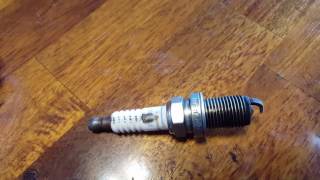
- Worn or Fouled Spark Plug 🔴 High Probability → Shop Spark Plug Spark plugs are a standard maintenance item with a 30,000-mile replacement interval on this engine. Due to the boxer engine's design, they can be difficult to change, leading some owners to delay replacement. An excessively worn plug increases the electrical resistance, which can cause the spark to find an easier path to ground, resulting in a misfire.
How to confirm: Remove the spark plug from cylinder 1. Inspect for a worn-down electrode, wide gap, oil fouling, or carbon tracking (a black line down the ceramic). A normal gap is around 0.043 inches; worn plugs can have gaps double that size. A definitive test is to swap the plug with cylinder 3 and see if the code changes to P0303.
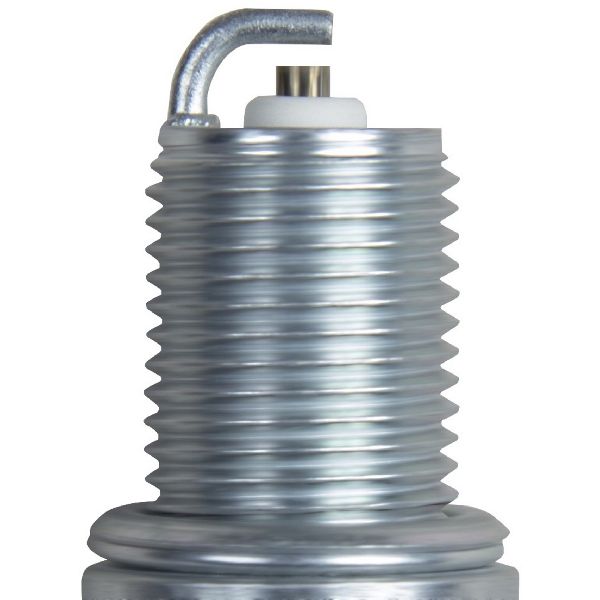
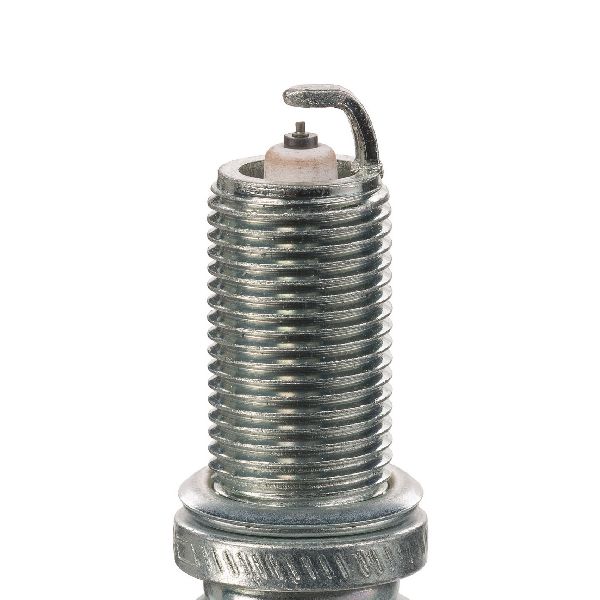
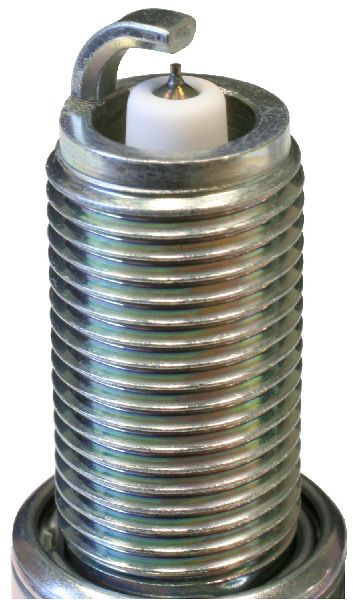
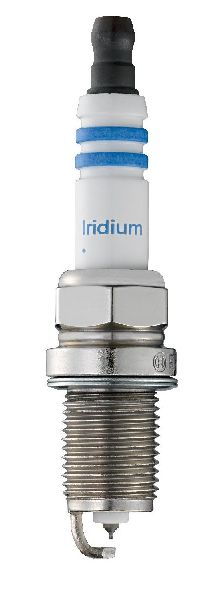
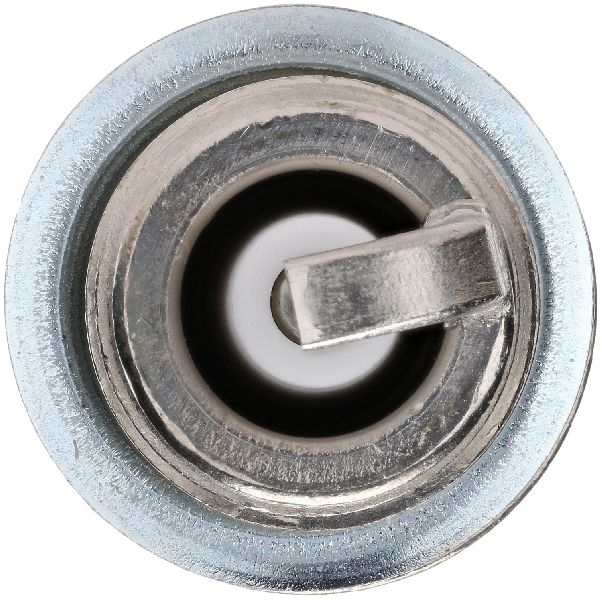
Typical fix: Replace all four spark plugs as a set. Using the OEM-recommended NGK plugs is highly advised. The NGK Laser Iridium 🎬 Watch: Step-by-step guide to replacing spark plugs on this Forester. (Part: SILFR6A / 7913) or NGK G-Power (Part: BKR5EGP / 7090) are common choices.
Est. part cost: $25-$60 - Faulty Spark Plug Wire 🔴 High Probability → Shop Spark Plug The EJ253 engine is known to be sensitive to spark plug wire quality. Over time, the wire's insulation can break down. An overly large spark plug gap increases the voltage required to fire, which can cause the spark to burn through the wire's boot and arc to the cylinder head, causing a misfire.
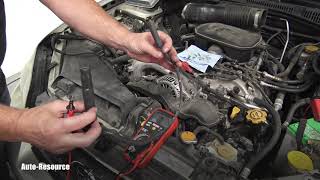
How to confirm: Inspect the spark plug wire for cylinder 1. Look for white or gray ash-like residue or black carbon tracks on the inside of the boot. You can also test the wire's resistance with a multimeter; it should be around 9-10 kOhms, while a bad wire will show an open circuit (infinite resistance). A definitive test is to swap the wire from cylinder 1 with the wire from cylinder 3 (same side, rear). If the code changes to P0303, the wire is faulty.
Typical fix: Replace the full set of spark plug wires. It is strongly recommended to use genuine Subaru (Part: SOA430Q124) or NGK (Part: 55004 / RC-FX101) wire sets to avoid recurring issues. 🎬 See this walkthrough for replacing both spark plugs and wires.
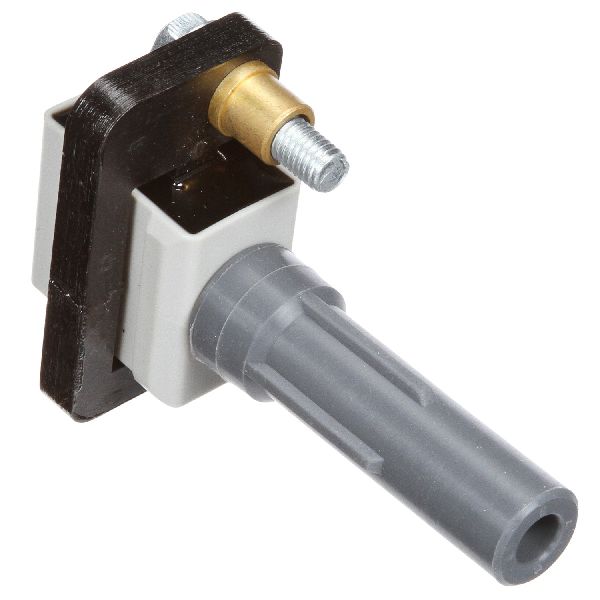
Est. part cost: $40-$80 - Defective Ignition Coil Pack 🟡 Medium Probability → Shop Ignition Coil The single coil pack provides spark for all four cylinders. Over time, the tower corresponding to cylinder 1 can develop micro-cracks, allowing spark to arc to a ground source instead of traveling down the plug wire. This is especially common in high humidity or wet conditions, a symptom frequently reported by owners.
How to confirm: Visually inspect the coil pack tower for cylinder 1 for cracks or carbon tracks. A multimeter test across the two terminals for cylinders 1 and 2 should show a resistance of roughly 11-12k ohms. The diagnostic swap method is also effective: swap the spark plug wires for cylinder 1 and cylinder 3 at the coil pack. If the misfire code moves to P0303, the coil pack is the likely culprit.
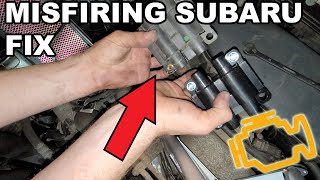
Typical fix: Replace the ignition coil pack. OEM part is recommended to avoid issues like longer crank times reported with some aftermarket units. 🎬 Watch: How to quickly replace the ignition coil pack.
Est. part cost: $70-$150 - Leaking Head Gasket 🟡 Medium Probability The EJ253 engine has a known history of head gasket failures. A common failure mode is an internal leak allowing coolant to enter the combustion chamber, which will foul the spark plug and cause a misfire that ignition parts won't fix.
How to confirm: Perform a cylinder leak-down test or a chemical block test (which checks for exhaust gases in the coolant). Other symptoms include unexplained coolant loss, white smoke from the exhaust, a sweet smell from the exhaust, or a milky appearance in the engine oil.
Typical fix: This is a major repair that involves removing the cylinder heads and replacing the head gaskets. It's recommended to have the cylinder heads resurfaced at a machine shop during this process.
Est. part cost: $200-$500 for a full gasket kit and bolts - Clogged or Failing Fuel Injector ⚪ Low Probability → Shop Fuel Injector
How to confirm: Use a mechanic's stethoscope to listen to the injector for cylinder 1; it should have a consistent, audible clicking sound. Compare its sound to the other injectors. You can also measure the injector's resistance, which should be between 11 and 13 ohms.
Typical fix: Replace the faulty fuel injector.
Est. part cost: $60-$120
Rare But Worth Checking
- Vacuum Leak: A leak in a vacuum hose or intake manifold gasket can introduce unmetered air, leaning out the air-fuel mixture and causing a misfire. A smoke test is the most effective way to find a leak.
- Low Compression: Beyond a head gasket, low compression can be caused by worn piston rings or a burnt/bent valve. A compression test is required to diagnose this.
- Jumped Timing Belt: If the timing belt jumps a tooth, it can throw off the valve timing for an entire bank of cylinders, often causing misfires on cylinders 1 and 3 simultaneously (P0301 and P0303). This can be caused by a failed tensioner or a broken piece of the plastic timing cover falling into the belt path.
- Camshaft Position Issues: → Shop Engine Camshaft Manufacturer TSB Bulletin #11-130-13R notes that misfire codes like P0301 can be related to intake and exhaust camshaft position-related issues, which may also cause difficulty starting or a rough idle.
Diagnosis Steps
- Read the code with an OBD-II scanner and confirm it is P0301. Note if the Check Engine Light is solid or flashing.
- Inspect the spark plug and wire for cylinder 1 (passenger side, front). Look for obvious wear, damage, or carbon tracking.
- Swap the spark plug wire from cylinder 1 with the wire from cylinder 3 (passenger side, rear). Clear the codes and drive the vehicle. If the code changes to P0303, the spark plug wire is bad.
- If the code remains P0301, swap the spark plugs between cylinder 1 and 3. Clear codes and drive. If the code changes to P0303, the spark plug is bad.
- If the code remains P0301, the issue is likely not a simple ignition component. The next most likely causes are the ignition coil or a mechanical/fuel issue.
- Inspect the ignition coil tower for cylinder 1 for cracks or damage. Swap the #1 and #3 wires at the coil pack to see if the misfire moves.
- Listen to the fuel injector for cylinder 1 with a stethoscope to ensure it is clicking. Compare the sound to other injectors.
- If ignition and fuel seem okay, perform a compression test and a cylinder leak-down test to check for mechanical engine problems like a bad head gasket, valves, or piston rings.
Parts You'll Likely Need
- Spark Plug Wire Set
- Spark Plugs (Set of 4)
- Ignition Coil
Related Codes That Often Appear With This One
- P0300 — If the misfire becomes more widespread due to a failing coil pack or major vacuum leak, a random misfire code may appear.
- P0303 — Cylinder 3 is on the same bank (passenger side) as cylinder 1. If a problem affects the entire bank, such as a jumped timing belt or a shared ignition issue, both codes may appear together.
- P0420 — This 'Catalyst System Efficiency Below Threshold' code is a common consequence of a long-term misfire. Unburned fuel from the misfiring cylinder overheats and damages the catalytic converter.
- P050A — Manufacturer TSB Bulletin #11-116-12R indicates that this code can appear alongside P0301-P0304, sometimes requiring ECM reprogramming even when no actual drivability concern is present.
Platform-Specific Known Issues
- Owner Repair Story: Deferred Maintenance on Plugs/Wires: A detailed YouTube video on a 2009 Forester with 114k miles shows a P0301 caused by original, never-changed plugs and wires. The excessive gap on the old spark plug (~0.095" vs spec of ~0.043") increased voltage demand, causing the spark to burn through the wire boot and arc to the cylinder head, creating visible carbon tracks. Replacing both plugs and wires resolved the issue.
Mechanic-Grade Diagnostic Values
- Fuel Injector Resistance — expected: 11 - 13 Ohms. Failure: A reading significantly outside this range, or showing an open/short circuit, indicates a failed injector.
- Ignition Coil Primary Resistance (Cyl 1 & 2 Pair) — expected: Approximately 11-12 kOhms. Failure: A reading of infinity (open circuit) or significantly lower than spec indicates a faulty coil winding.
- Fuel Pressure (at idle, vacuum hose connected) — expected: 26 - 32 PSI. Failure: Pressure significantly below this range could cause a lean condition and misfires.
- Fuel Pressure (at idle, vacuum hose disconnected) — expected: 32 - 40 PSI. Failure: This tests the regulator's response. A failure to rise to this pressure when vacuum is removed points to a weak pump or faulty regulator.
Hidden / Shadow Codes Worth Checking
- Mode $06 Misfire Count (e.g., TID $53): This is not a trouble code but a raw data counter accessible via Mode $06 on advanced scan tools. It shows the exact number of misfire events the ECU has logged for each cylinder, even before they are frequent enough to trigger a P0301 code. It is invaluable for confirming a misfire is happening on cylinder 1 and checking if other cylinders have low-level misfires. (see via An advanced scan tool like a ScanGauge with custom X-Gauge commands or the official Subaru Select Monitor (SSM).)
Scan Tool Commands That Help
- Subaru Select Monitor (SSM) or equivalent professional scanner: Roughness Monitor — This function provides a real-time count of misfire events per cylinder. It is the most direct way to confirm which cylinder is misfiring and to verify if a repair has been successful without waiting for the generic P0301 code to reappear.
- Subaru Select Monitor (SSM) or equivalent professional scanner: Fuel Injector Balance Test — This function allows the technician to individually disable one injector at a time to observe the corresponding drop in engine RPM. If disabling the cylinder 1 injector causes little or no change in RPM, it confirms that the injector was not contributing properly, pointing to a fuel delivery issue for that cylinder.
- ECM Reprogramming: Per TSB Bulletin #11-116-12R, updated ECM reprogramming files are available to address P0301-P0304 codes when they are present without actual drivability issues.
Wiring & Ground Locations
- Engine Block Ground — There is a primary ground strap from the engine block to the chassis, typically located on the passenger side (RH) below the battery tray, connecting to the frame rail.. A corroded or loose main engine ground can cause a weak spark across all cylinders, but it can manifest as a single cylinder misfire under certain load conditions. Ensuring this connection is clean and tight is a crucial step in diagnosing persistent or intermittent ignition issues.
- Ignition Coil Connector — The main connector for the ignition coil is located on the coil pack itself, which is mounted on top of the intake manifold.. The terminals for cylinder 1 can become corroded or the wiring can become brittle from heat, leading to poor connectivity and a misfire. The wiring harness for the coil is part of the main Engine Wiring Harness.
- GB-1 Ground — Located at the right front of the engine compartment.. This is a shared ground point for several engine components. Corrosion here can cause unpredictable electrical issues, including problems with sensor readings that the ECU uses to manage ignition timing.
Real Owner Repair Stories
- subaruforester.org forum user (2010 Subaru Forester X, mileage not specified) — P0301, P0303, and P0300 codes appearing together. Rough idle and hesitation.
❌ Tried (didn't work) Replaced spark plugs, Replaced spark plug wires, Replaced ignition coil
✅ What actually fixed it The cause was a broken plastic timing belt guide. A piece had fallen into the timing assembly, causing the belt to jump one tooth on the passenger side bank, throwing off the timing for cylinders 1 and 3 and causing them to misfire simultaneously. - YouTube video by 'Pine Hollow Auto Diagnostics' (2009 Subaru Forester 2.5L with 114k miles) — P0301, shuddering under load, VDC and Cruise lights on.
❌ Tried (didn't work) Initial diagnosis focused on just one component.
✅ What actually fixed it The original spark plugs and wires were still on the car. The cylinder 1 spark plug gap had worn to an extreme 0.095 inches (spec is ~0.043"). This high resistance caused the spark to burn through the insulation of the spark plug wire boot, arcing to the cylinder head. Replacing both the full set of spark plugs and the spark plug wires fixed the issue completely. - NHTSA TSB Reference — Manufacturer TSB Bulletin #11-100-11R notes that difficulty starting and rough idle associated with P0301 can be linked to broader electrical system issues.
"I Checked Everything" — The Actual Cause
- In some Subarus of this era, a P0301 can be accompanied by EVAP codes (like P0442) caused by a cracked or rusted fuel filler neck. While this is technically a vacuum leak, it's part of the EVAP system and may not be found with a traditional intake smoke test. If the gas cap area is visibly rusted, it's a likely culprit that can contribute to overall air-fuel mixture problems.
OEM Part Supersession History
22433AA540→22433AA541, then 22433AA542, then 22433AA640— Standard revisions for improved reliability and manufacturing updates.
Heads up: All superseded part numbers are interchangeable for this application.22670AA251→22670AA252— Revision to the fuel pressure regulator.
Heads up: Parts are interchangeable.
Model Year Variations Within This Range
- 2009-2010: The 2009 and 2010 non-turbo models both use the EJ253 engine with a timing belt. There are no significant mechanical differences between these two model years regarding the causes of a P0301 code. The major change occurred in 2011 when Subaru switched to the new FB25B engine, which uses a timing chain and has different common failure points.
Diagnostic Flowchart
Other Known Issues on This Vehicle
Issues unrelated to this code that are worth knowing about as an owner of this generation:
- Head Gasket Failure 🔴 High — Common on EJ-series engines, particularly around 100,000 miles. The 2009-2010 models are noted as being prone to this issue.
- Excessive Oil Consumption 🟠 Medium — While more associated with the later FB-series engine, some EJ253s can consume oil. This became the subject of a class-action lawsuit for later models. (Ref: 02-157-14R (Applies to later models but highlights Subaru's history with oil consumption issues))
- Faulty Oxygen Sensor 🟡 Low — A common cause for a Check Engine Light on many Subaru models of this era, sometimes leading to misdiagnosis of other issues. (Ref: Subaru acknowledged defective front O2 sensors and issued recalls/extensions for various models, including some from 2009-2014.)
- Ruptured Engine Oil Pipe 🔴 High — A noted issue for the 2009 model year, which can lead to rapid oil loss and engine failure.
- Takata Airbag Inflator Recall 🔴 High — Widespread issue affecting most Foresters from 2009-2013. Faulty inflators could rupture and deploy metal fragments. (Ref: NHTSA Recalls)
Used vs. New Parts: Buying Guide for This Vehicle
When a used part is the smart pick: For this repair, a used ignition coil from a reputable salvage yard can be a cost-effective option, provided it comes from a low-mileage, accident-damaged vehicle rather than one scrapped for engine failure. A used fuel injector can also be considered if tested for resistance before purchase.
Donor-vehicle mileage cap: roughly under 60000 miles for the part to have meaningful remaining life.
What to inspect on the donor part:
- For an ignition coil, check the plastic housing for any hairline cracks or signs of arcing (white or black residue) around the towers.
- Ask for the VIN of the donor vehicle to verify its mileage and confirm it did not have a history of engine trouble.
- For any used electronic part, inspect the connector pins for corrosion or damage.
OEM-only on this vehicle (don't cheap out):
- Spark Plugs (Use new NGK)
- Spark Plug Wires (Use new OEM or NGK)
- Head Gaskets (Always use new, high-quality multi-layer steel gaskets)
Aftermarket brands forum-validated for this vehicle:
- NGK for spark plugs and wires.
- Denso for ignition coils (often the OEM supplier).
- GB Remanufacturing for fuel injectors, as they are tested to OE specs.
Brands owners have reported issues with on this vehicle:
- Unbranded, no-name ignition coils and spark plug wires from online marketplaces. These are frequently cited on forums as failing quickly and causing recurring misfires on EJ-series engines.
Real Owner Stories
Aggregated from forums and TSBs cited above. Mileages and costs reflect what owners reported in those sources.
2009 Subaru Forester 2.5L — 114000 miles
Symptoms: P0301 code caused by original, never-changed plugs and wires. The spark plug gap had grown to ~0.095" (spec is ~0.043"), causing the spark to burn through the wire boot and arc to the cylinder head with visible carbon tracks.
What fixed it: Replacing both spark plugs and spark plug wires.
Source hint: Owner Repair Story: Deferred Maintenance on Plugs/Wires (YouTube video)
2009 Subaru Forester XT
Symptoms: Misfires P0301 and P0304; owner changed plugs, coils, and O2 sensor but the issue persisted.
What fixed it: Suggestions included checking for vacuum leaks, fuel delivery issues, or compression issues as standard ignition parts did not resolve it.
Source hint: subaruforester.org - '2009 Forester XT - misfires P0301 and P0304 - changed plugs, coils and O2 sensor - no fix. Whats next?'
2009-2010 Subaru Forester 2.5L
Symptoms: The vehicle threw a P0301 (Misfire cylinder 1) twice, about two months apart, specifically after making a left turn.
What fixed it: Discussion of coincidence vs. underlying intermittent issues.
Source hint: reddit.com/r/AskMechanics - 'Subaru Forester has thrown a P0301 (Misfire cylinder 1) twice, about two months apart.'
Related OBD-II Codes
Frequently Asked Questions
What specific spark plugs should I use for my 2009-2010 Subaru Forester 2.5L to fix a P0301?
Why are my VDC and Cruise Control lights on along with the P0301 Check Engine Light?
Can I just replace the spark plug wires with any aftermarket brand?
Is there a way to test if my P0301 is caused by the ignition coil without buying a new one?
My Forester misfires more often when it is raining or humid; is this a known issue?
How often should I be changing the spark plugs on this 2.5L engine to prevent misfires?
Helpful Videos
We Have This Part in Stock

The information in this article is provided for general reference and educational purposes only. Vehicle specifications, procedures, and part compatibility can vary by production date, trim level, and region. Always consult your vehicle's factory service manual and verify part numbers before purchasing or performing repairs. Safety-critical components such as airbags, seat belts, and braking systems should be installed by a qualified professional.
- Subaru Forester:
- 🧭 Diagnostic Flowchart
- 🎬 Helpful Videos
- 🛍️ Shop This Part
- What's Unique About the 2009-2010 Subaru Forester
- Symptoms You May Notice
- Most Likely Causes
- Rare But Worth Checking
- Diagnosis Steps
- Parts You'll Likely Need
- Related Codes That Often Appear With This One
- Platform-Specific Known Issues
- Mechanic-Grade Diagnostic Values
- Hidden / Shadow Codes Worth Checking
- Scan Tool Commands That Help
- Wiring & Ground Locations
- Real Owner Repair Stories
- "I Checked Everything" — The Actual Cause
- OEM Part Supersession History
- Model Year Variations Within This Range
- Other Known Issues on This Vehicle
- Used vs. New Parts: Buying Guide for This Vehicle
- Real Owner Stories
- 2009 Subaru Forester 2.5L — 114000 miles
- 2009 Subaru Forester XT
- 2009-2010 Subaru Forester 2.5L
- Related OBD-II Codes
- Frequently Asked Questions
- 🎟️ Get 5% Off