

P0301 on 2011-2013 Subaru Forester: Cylinder 1 Misfire Causes and Fixes
P0301 on a 2011-2013 Forester means the front passenger-side cylinder is misfiring. The most common causes are a failed ignition coil or a worn/oil-fouled spark plug. A simple DIY diagnosis is to swap the cylinder 1 ignition coil with another cylinder (like cylinder 3) and see if the code follows. In some cases, the fix is a dealer-installed software update, not new parts.
- P0301 means cylinder 1 (front, passenger side) is misfiring.
- The most likely cause is a bad ignition coil or a worn/oil-fouled spark plug.
- A simple DIY test is to swap the cylinder 1 coil with the cylinder 3 coil to see if the misfire code follows the coil.
- If the Check Engine Light is flashing, stop driving immediately to avoid expensive catalytic converter damage.
- Be aware that a 'phantom' code is possible on 2011-2012 models, potentially requiring a dealer software update (TSB 11-116-12R).
What's Unique About the 2011-2013 Subaru Forester
The 2011-2013 Forester uses the FB25B engine, which replaced the older EJ-series. This specific engine generation has a few unique quirks related to misfires. Early FB25B engines were known for potential oil consumption issues due to piston ring design, which can lead to spark plugs becoming fouled with oil and causing a misfire. Additionally, Subaru issued a technical service bulletin (TSB 11-116-12R) because the original engine computer software was sometimes too sensitive and could log a P0301 code even when no real drivability issue was present.
Symptoms You May Notice
- Rough or shaky idle
- Hesitation or stumbling during acceleration
- Noticeable loss of engine power
- Flashing Check Engine Light (in severe cases)
- Solid (non-flashing) Check Engine Light
- On Subarus, the cruise control and Vehicle Dynamics Control (VDC) lights may also illuminate alongside the Check Engine Light
- Reduced fuel economy
- Engine takes longer to crank/start 🎬 See a breakdown of P0301 symptoms and common solutions.
- Replacing the oxygen (O2) sensor. A faulty O2 sensor will typically set its own specific trouble codes and is not a primary cause of a single-cylinder misfire, though a misfire can eventually damage an O2 sensor.
- Replacing the catalytic converter. A misfire can damage a catalytic converter, but a bad converter does not cause a misfire. A clogged converter would typically cause a loss of power and other codes.
- Assuming any new part is good. There are reports of new-out-of-the-box faulty ignition coils or spark plugs. If a P0301 persists after replacing parts, it's worth re-testing the new components.
Most Likely Causes
- Faulty Ignition Coil 🔴 High Probability → Shop Ignition Coil The FB25B uses a coil-on-plug design. Over time, engine heat and vibration can cause the internal windings of a coil to fail, resulting in a weak or non-existent spark. This is one of the most common failure points for a single-cylinder misfire.
How to confirm: Swap the ignition coil from cylinder 1 (front, passenger side) with the coil from cylinder 3 (rear, passenger side). Clear the codes and drive. If the code changes to P0303, the ignition coil is confirmed to be faulty. This is a standard DIY diagnostic step recommended on many forums.
Typical fix: Replace the faulty ignition coil. It is generally recommended to use OEM or a reputable brand like Denso for longevity. The OEM part number is 22433AA642, which superseded earlier numbers like 22433AA630.
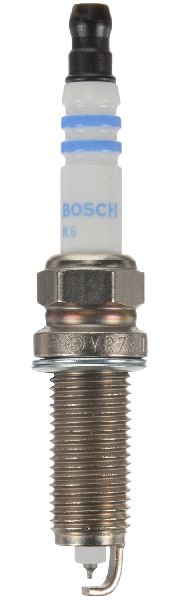
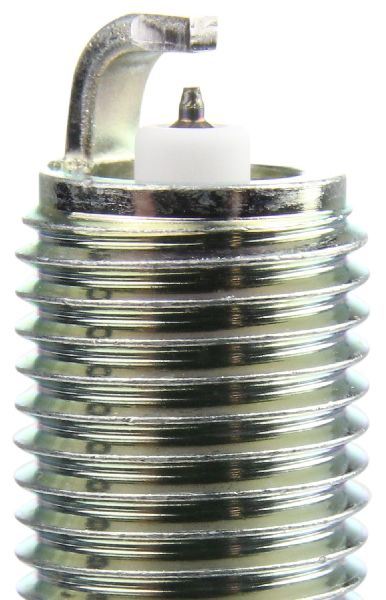
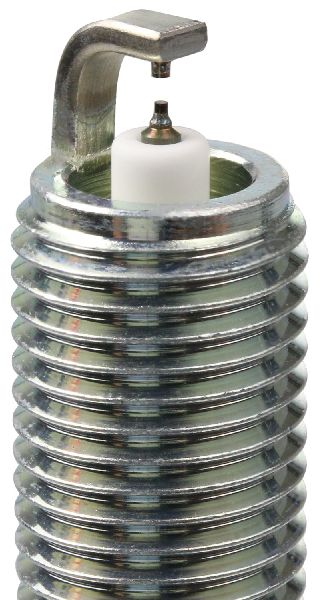
Est. part cost: $50-$120 - Worn or Fouled Spark Plug 🔴 High Probability → Shop Spark Plug Early FB25B engines can consume oil due to piston ring issues, which fouls spark plugs and prevents them from firing correctly. Even without oil issues, spark plugs are a normal wear item and can cause misfires when the electrode is worn or the gap is incorrect. Accessing the plugs on the boxer engine can be more difficult, leading some owners to neglect this maintenance.
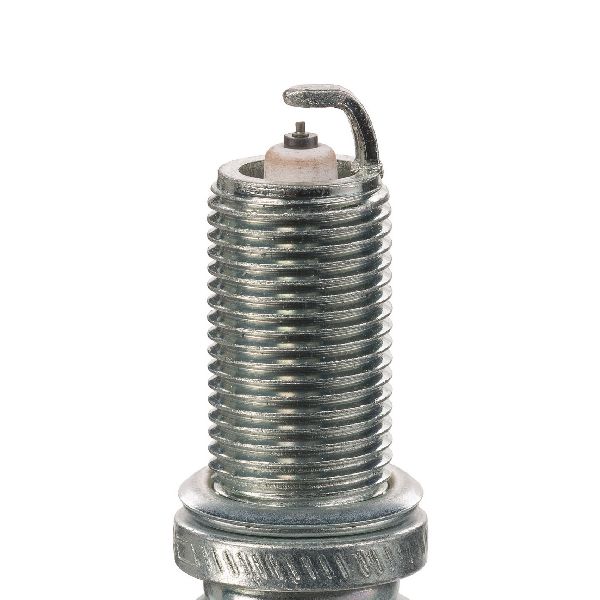
How to confirm: Remove the spark plug from cylinder 1. Inspect it for heavy black carbon buildup, wet oil contamination on the electrode, or a very wide gap. A healthy spark plug should be light tan or grayish. Oil on the threads may indicate a leaking spark plug tube seal, another common issue.
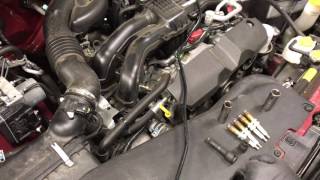
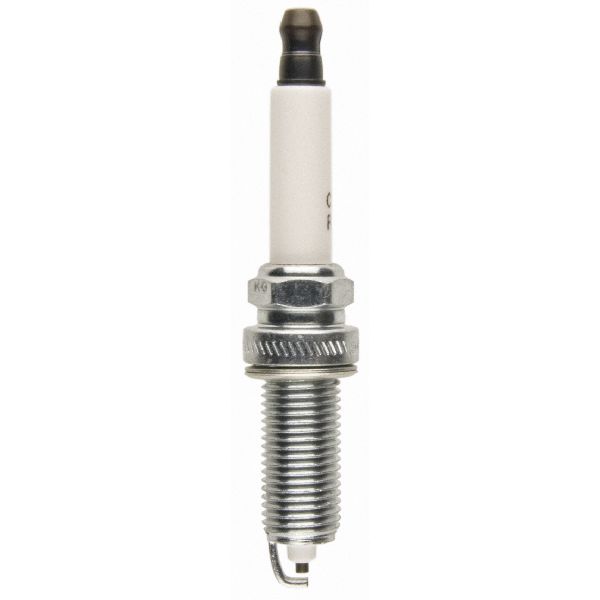
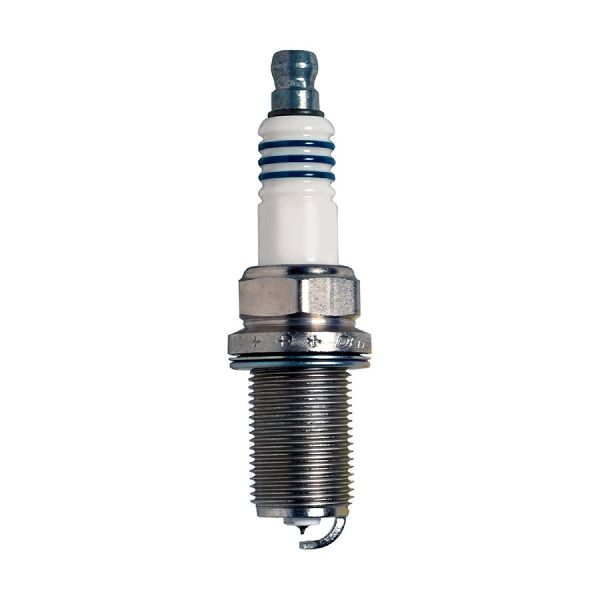
Typical fix: Replace all four spark plugs as a set to ensure balanced performance. Use the correct OEM-spec plugs, which are NGK SILZKAR7B11 iridium plugs 🎬 Watch this helpful walkthrough for installing spark plugs on the FB25. for this engine. It's also wise to inspect the spark plug tube seals for leaks at the same time.
Est. part cost: $40-$80 for a set of four - ECM Software Update Needed 🟡 Medium Probability Subaru released TSB #11-116-12R for 2011-2012 Foresters because the original ECM logic was overly sensitive and could trigger misfire codes (P0301-P0304) without any actual drivability issue or mechanical fault.
How to confirm: If new plugs and coils do not fix the issue and there are no noticeable symptoms (like rough idle), contact a Subaru dealer with your VIN. They can check their service records to see if this software update has been performed on your vehicle. This should be considered before more expensive part replacements.
Typical fix: A Subaru dealer or a qualified independent shop with a Subaru-compatible scan tool (like the SSMIII) must reprogram the ECM with the updated software file. This is purely a software change.
Est. part cost: $0-$250, depending on dealer labor rates - Clogged or Faulty Fuel Injector ⚪ Low Probability → Shop Fuel Injector
How to confirm: After ruling out ignition issues, you can swap the fuel injector from cylinder 1 with another cylinder (e.g., cylinder 3). This is more labor-intensive than a coil swap. Alternatively, a mechanic can use a stethoscope to listen to the injector for a consistent clicking sound, or perform a fuel injector balance test.
Typical fix: Replace the faulty fuel injector and its seals. It is good practice to replace the O-rings and seals anytime an injector is removed.
Est. part cost: $70-$150
Rare But Worth Checking
- Low Engine Compression: This is a serious internal engine issue. On the FB25B, it could be caused by worn piston rings (related to the oil consumption issue), a burnt valve, or a valve train problem like a broken valve spring. A compression test is required to diagnose this. If compression is low, a cylinder leak-down test can pinpoint the cause.
- Vacuum Leak: A leak in a vacuum hose, PCV hose, or intake manifold gasket can introduce unmetered air, leaning out the air/fuel mixture and causing a misfire. While this often causes multiple/random misfires (P0300), a leak localized near the cylinder 1 intake runner can present as a single cylinder misfire initially. A smoke test is the most effective way to find a vacuum leak.
- Incorrect Camshaft Sensor Air Gap: → Shop Engine Camshaft Subaru TSB #11-130-13R notes that an incorrect air gap on the camshaft position sensor can cause signal issues that may lead to misfire codes or starting problems. The fix involves measuring the gap and installing a specific shim behind the sensor to bring it into specification. This is usually diagnosed after all other common causes are ruled out.
- Stuck or Clogged PCV Valve: → Shop PCV Valve The Positive Crankcase Ventilation (PCV) valve can become clogged with oil sludge over time. If it sticks open or closed, it can disrupt the crankcase pressure and air-fuel mixture, potentially leading to oil consumption, oil leaks, and misfires. It's an inexpensive part that is often overlooked during maintenance.
Diagnosis Steps
- Check if the Check Engine Light is flashing. If it is, stop driving to prevent catalytic converter damage.
- Read the trouble codes with an OBD-II scanner to confirm P0301 is the primary code. Note any other codes present.
- Check the engine oil level and condition. Low or dirty oil can cause issues with the variable valve timing system, which can indirectly contribute to misfires on this engine.
- Perform an ignition coil swap. Move the coil from cylinder 1 (front passenger side) to cylinder 3 (rear passenger side). Clear the codes and drive the vehicle. If the code changes to P0303, you have a bad ignition coil. This is the most definitive and cost-effective first step.
- If the code remains P0301, inspect the spark plug. Remove the plug from cylinder 1. Look for excessive wear, a wide gap, or fouling from oil or carbon. If it's in poor condition, replace all four spark plugs with NGK SILZKAR7B11 plugs.
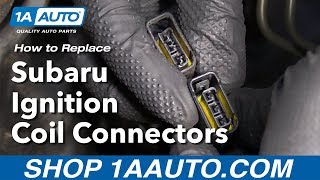
- Inspect the ignition coil connector and wiring for any visible damage, corrosion, or loose connections. Ensure the connector clicks securely into place. 🎬 Watch how to properly replace and install ignition coil connectors.
- If ignition parts are good and the code persists, especially with no drivability symptoms, contact a Subaru dealer to check if TSB 11-116-12R (ECM update) applies to your vehicle and has been performed.
- If all of the above steps fail to resolve the issue, more advanced diagnostics are needed. This includes checking the fuel injector, testing for vacuum leaks (a smoke test is best), inspecting the PCV valve, or performing an engine compression and leak-down test to check for mechanical issues.
Parts You'll Likely Need
- Ignition Coil
(OEM #22433AA642)— This is one of the most common failure points for a single-cylinder misfire on the FB25B engine. Heat and vibration cause them to fail electrically.
Trusted brands: Denso (OEM supplier), Subaru (OEM), NGK
OEM price range: $80-$120
Aftermarket price range: $50-$90 - Spark Plugs (Set of 4)
(OEM #NGK SILZKAR7B11)— Spark plugs are a routine maintenance item. Misfires can also be caused by oil fouling, a known issue on this engine, making plug replacement a common fix.
Trusted brands: NGK (OEM)
OEM price range: $50-$80
Aftermarket price range: $40-$60
Related Codes That Often Appear With This One
- P0300 — If the condition causing the misfire in cylinder 1 (like a vacuum leak or fuel pressure issue) begins to affect other cylinders, a P0300 (Random/Multiple Cylinder Misfire) code may also be stored.
- P0303 — This code for a cylinder 3 misfire may appear after swapping ignition components from cylinder 1 for diagnostic purposes, confirming the swapped part is faulty.
- P0171 — If the misfire is caused by a vacuum leak or a faulty fuel injector delivering too little fuel, the system may run lean, triggering a 'System Too Lean (Bank 1)' code.
Technical Service Bulletins (TSBs) & Recalls
- 11-116-12R: Addresses 'phantom' misfire codes (P0301-P0304) being set due to overly sensitive ECM logic, requiring a software update.
- 11-130-13R: Addresses incorrect camshaft position sensor air gap on FB engines, which can cause various running issues, including misfires.
- 02-157-14R: Pertains to the warranty extension for excessive engine oil consumption, a condition that can lead to fouled spark plugs and misfires.
Platform-Specific Known Issues
- Excessive Oil Consumption: Early FB25 engines had issues with oil control rings on the pistons, leading to high oil consumption, which in turn fouls spark plugs and can cause a P0301 misfire. This was subject to a class-action lawsuit.
- Overly Sensitive Misfire Detection: As per TSB 11-116-12R, the original ECM software on 2011-2012 models was prone to setting false misfire codes without any actual engine problem. An ECM reflash is the only fix.
- Cam Carrier / Timing Cover Oil Leaks: The FB25 is known for developing oil leaks from the cam carriers and front timing chain cover. While not a direct cause of P0301, leaking oil can contaminate sensors or drip onto hot exhaust components, creating a burning smell.
Mechanic-Grade Diagnostic Values
- Ignition Coil Primary Resistance — expected: 0.49—0.57 ohms at 68°F (20°C). Failure: A reading outside of this range indicates a faulty coil.
- Fuel Pressure — expected: Approximately 49 to 50 psi. Failure: Significantly lower or higher pressure can indicate a problem with the fuel pump or pressure regulator, affecting fuel delivery.
- Spark Plug Gap (NGK SILZKAR7B11) — expected: 0.039 - 0.043 inches (1.0 - 1.1 mm). Failure: An incorrect gap, either too wide from wear or too narrow, can cause a weak or inconsistent spark.
Scan Tool Commands That Help
- Subaru Select Monitor (SSMIII or SSM4): Misfire Monitoring Data — The SSM can display detailed misfire counts per cylinder in real-time, which is far more sensitive than a standard OBD-II scanner. This helps confirm if the misfire is constant or intermittent and if small, non-CEL-triggering misfires are occurring on other cylinders.
- Subaru Select Monitor (SSMIII or SSM4): Clear Memory Mode — After a repair, using the 'Clear Memory Mode' function in the SSM is the official procedure to erase DTCs and reset the engine's learned values.
Wiring & Ground Locations
- Engine to Chassis Ground Straps — Braided ground straps are located on both the driver's and passenger's side of the engine bay, connecting the engine/subframe to the main chassis/unibody.. These main grounds are critical for the entire engine management system, including the ignition coils and injectors. They are exposed to the elements and can corrode, especially in salt-belt regions. A corroded or loose ground can cause a weak spark or erratic injector behavior, leading to intermittent and hard-to-diagnose misfires that may appear to be a component failure.
- Ignition Coil Connector — The plastic connector that plugs directly into the top of the ignition coil for cylinder 1 (front, passenger side).. The locking tab on the connector can become brittle from heat cycles and break, leading to a poor connection that can cause an intermittent misfire. The wiring right at the connector can also chafe or break from engine vibration. It's crucial to inspect the connector for cracks and ensure it 'clicks' securely into place.
Real Owner Repair Stories
- LegacyGT.com forum user (2012 Subaru Legacy 2.5L (FB25 engine)) — Recurring P0301 code for Cylinder 1 Misfire.
❌ Tried (didn't work) Erasing the code (it would return within a day or two)., Swapping the ignition coil from cylinder 1 to cylinder 3 (the P0301 code returned, and did not move to P0303).
✅ What actually fixed it The owner recalled replacing the spark plugs a year prior and not tightening them enough for fear of over-tightening. The P0301 code appeared several days after that job. The root cause was a spark plug that was not fully seated/torqued, causing a poor seal or connection that eventually led to a persistent misfire code. - YouTube video by 'newbie an' (Subaru Forester (older EJ engine, but relevant principle)) — P0301 and P0303 misfire codes, car felt like it had no power.
❌ Tried (didn't work) Replacing spark plugs and ignition wires (a 'complete tune up'). The car drove better but the codes returned after 10 miles.
✅ What actually fixed it A piece of the plastic timing cover had broken off and fallen into the timing assembly, causing the timing belt to jump a tooth. This put the camshaft timing off, leading to low compression on cylinders 1 and 3. The fix was to remove the debris, install a new timing belt, and correctly set the cam timing.
OEM Part Supersession History
22433AA630, 22433AA631→22433AA642— Revisions by the manufacturer for improved performance, reliability, or to address a known issue. Specific reasons are not typically published by Subaru.
Model Year Variations Within This Range
- 2011-2013 vs 2014+: The 2011-2013 models with the FB25 use a hydraulic power steering system with a belt-driven pump. Starting in 2014, the Forester switched to an electric power steering (EPS) system. This is a critical difference when sourcing a used engine, as a later model FB25 will lack the mounting points on the front engine cover for the power steering pump and associated idler pulley.
- 2011-2012: The 2011 and 2012 model years were specifically called out in TSB 11-116-12R for having overly sensitive misfire detection logic in the ECM. While a 2013 model could still have a misfire, it is less likely to be caused by this specific software sensitivity issue.
Diagnostic Flowchart
Other Known Issues on This Vehicle
Issues unrelated to this code that are worth knowing about as an owner of this generation:
- Excessive Oil Consumption 🔴 High — Common on early (2011-2014) FB engines. Caused by faulty piston oil control rings. Onset can be as early as 30k-60k miles. (Ref: Subject of class-action lawsuit (Yaegar v. Subaru) and warranty extension program to 8 years/100,000 miles.)
- Cam Carrier / Timing Cover Oil Leak 🟠 Medium — A very common leak point for the FB engine family. Often appears after 60,000 miles. The sealant (FIPG) between the cam carrier and cylinder head fails. (Ref: Subaru has issued TSBs for similar leaks, e.g., TSB 02-157-14R.)
- PCV Valve Clogging 🟡 Low → Shop PCV Valve — Can become clogged with sludge, especially on engines with oil consumption. Often overlooked as a maintenance item. Can contribute to increased oil consumption and leaks if not serviced.
- CVT Transmission Issues 🟠 Medium — While not as prevalent as the engine issues, some owners have reported issues with the Continuously Variable Transmission (CVT), including hesitation, surging, or outright failure. (Ref: Subaru extended the CVT warranty on many models, though specific years vary.)
Used vs. New Parts: Buying Guide for This Vehicle
When a used part is the smart pick: A used OEM ignition coil from a reputable auto recycler can be a cost-effective choice, especially if it's from a low-mileage, rear-end collision vehicle. This ensures the part is original and likely has significant life left.
Donor-vehicle mileage cap: roughly under 75000 miles for the part to have meaningful remaining life.
What to inspect on the donor part:
- Check for a VIN or stock number on the donor vehicle to verify mileage.
- Inspect the plastic housing of the used coil for any cracks, melting, or signs of heat stress.
- Look at the electrical connector port for corrosion or damage.
- Ensure the rubber boot is pliable and not cracked, dry-rotted, or swollen from oil exposure.
OEM-only on this vehicle (don't cheap out):
- PCV Valve: While inexpensive, aftermarket PCV valves can have incorrect flow rates. Given the low cost of the OEM part, it's the recommended choice.
- Camshaft/Crankshaft Sensors: These are critical for engine timing. Forum consensus strongly favors using genuine Subaru sensors to avoid compatibility and performance issues.
Aftermarket brands forum-validated for this vehicle:
- Denso (for ignition coils and sensors - often the OEM supplier)
- NGK (for spark plugs - the specified OEM brand is NGK)
Brands owners have reported issues with on this vehicle:
- Unnamed or 'white box' ignition coils from online marketplaces. While cheap, users report higher failure rates and issues like increased engine cranking time, suggesting lower quality internal components.
Real Owner Stories
Aggregated from forums and TSBs cited above. Mileages and costs reflect what owners reported in those sources.
2011 Subaru Forester FB25
Symptoms: P0301 code appeared shortly after replacing the spark plugs.
What fixed it: Swapping the ignition coil pack to see if the code followed it; the original coil was likely disturbed or failed during the plug change.
Source hint: Reddit r/subaru
2012 Subaru Forester FB25B — ~45000 miles
Symptoms: Misfire code P0301 triggered by excessive oil consumption fouling the plugs.
What fixed it: Repairs related to the warranty extension for faulty piston oil control rings.
Source hint: TSB 02-157-14R
2011-2013 Subaru Forester 2.5L
Symptoms: Code P0301. Owner swapped the coil from cylinder #1 to #3, and the code followed it to P0303.
What fixed it: Replacing the faulty ignition coil with a new one.
Source hint: subaruforester.org
Related OBD-II Codes
Frequently Asked Questions
My 2011 Forester has a P0301 code but drives fine. Could it be a computer error?
Which spark plugs should I use for my FB25B engine to prevent misfires?
Can high oil consumption cause a P0301 misfire on my 2012 Forester?
Where is cylinder 1 located on my Subaru Forester 2.5L?
Is there a specific ignition coil part number I should look for?
Why are my Cruise Control and VDC lights on along with the Check Engine Light?
Helpful Videos

We Have This Part in Stock

The information in this article is provided for general reference and educational purposes only. Vehicle specifications, procedures, and part compatibility can vary by production date, trim level, and region. Always consult your vehicle's factory service manual and verify part numbers before purchasing or performing repairs. Safety-critical components such as airbags, seat belts, and braking systems should be installed by a qualified professional.
- Subaru Forester:
- 🧭 Diagnostic Flowchart
- 🎬 Helpful Videos
- 🛍️ Shop This Part
- What's Unique About the 2011-2013 Subaru Forester
- Symptoms You May Notice
- Most Likely Causes
- Rare But Worth Checking
- Diagnosis Steps
- Parts You'll Likely Need
- Related Codes That Often Appear With This One
- Technical Service Bulletins (TSBs) & Recalls
- Platform-Specific Known Issues
- Mechanic-Grade Diagnostic Values
- Scan Tool Commands That Help
- Wiring & Ground Locations
- Real Owner Repair Stories
- OEM Part Supersession History
- Model Year Variations Within This Range
- Other Known Issues on This Vehicle
- Used vs. New Parts: Buying Guide for This Vehicle
- Real Owner Stories
- 2011 Subaru Forester FB25
- 2012 Subaru Forester FB25B — ~45000 miles
- 2011-2013 Subaru Forester 2.5L
- Related OBD-II Codes
- Frequently Asked Questions
- 🎟️ Get 5% Off