

P0301 on 2012-2013 Subaru Impreza: Cylinder 1 Misfire Causes and Fixes
P0301 on a 2012-2013 Impreza is a misfire on cylinder 1. The most common fixes are a bad ignition coil or a worn spark plug. A simple test is to swap the coil from cylinder 1 with cylinder 3 to see if the code follows. However, on this specific engine, camshaft position sensor issues and even internal engine problems like broken valve springs are known causes that should not be overlooked.
- P0301 means cylinder 1 (front passenger side) is misfiring.
- Start your diagnosis by swapping the ignition coil from cylinder 1 to cylinder 3. This is a free and effective test.
- If the coil isn't the problem, inspect the spark plug for wear or oil fouling.
- Pay close attention to any other trouble codes, especially those related to camshaft sensors, as this is a known issue on this car.
- Do not ignore a flashing check engine light, as it signals a severe misfire that can cause expensive catalytic converter damage.
What's Unique About the 2012-2013 Subaru IMPREZA
While P0301 is a generic code, the 2012-2013 Impreza with the 2.0L FB20 engine has a documented history of this misfire code being linked to issues beyond simple ignition parts. Manufacturer Technical Service Bulletins (TSBs) repeatedly associate P0301 with various camshaft position sensor trouble codes, often caused by an incorrect sensor air gap that requires shimming. Additionally, this specific vehicle was subject to a major recall for defective engine valve springs which could fracture and cause misfires or catastrophic engine failure. These platform-specific issues mean a P0301 code warrants a deeper investigation than on a typical vehicle.
Diagnostic Flowchart
Tap your situation to follow the diagnostic path that matches what you're seeing on this vehicle.
Symptoms You May Notice
- Rough or shaky idle
- Engine hesitation or stumbling during acceleration
- Flashing or solid Check Engine Light
- Reduced fuel economy
- Noticeable loss of power
- A smell of unburnt fuel from the exhaust
- Engine stalling and being unable to restart
- Replacing fuel injectors before thoroughly testing the ignition system (coils and plugs).
- Ignoring associated camshaft position sensor codes and focusing only on the misfire.
- Failing to check the vehicle's VIN for the outstanding WTY-84 valve spring recall, which is a known and serious cause of misfires on this engine.
Most Likely Causes
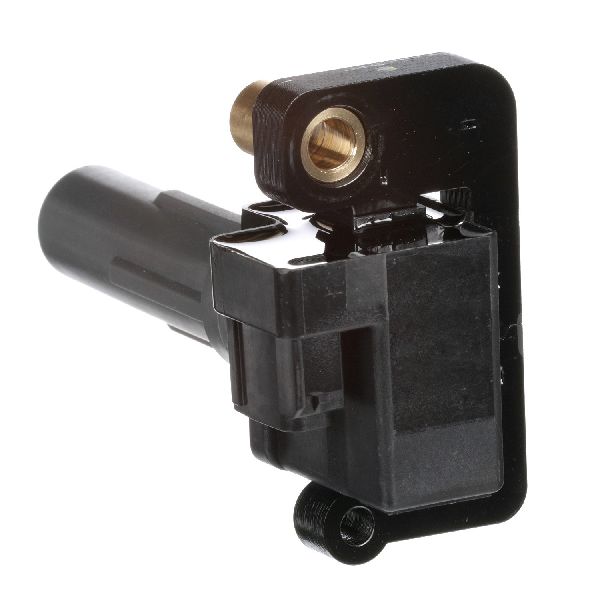
- Faulty Ignition Coil 🔴 High Probability → Shop Ignition Coil Coil-on-plug systems are a common failure point on many modern engines as they age. On the FB20, cylinder 1 is relatively easy to access after removing the airbox.
How to confirm: Swap the ignition coil from cylinder 1 with the coil from cylinder 3 (rear passenger side). Clear the codes and drive. If the code changes to P0303, the coil is the culprit. Before replacing, inspect the connector for damage or corrosion.
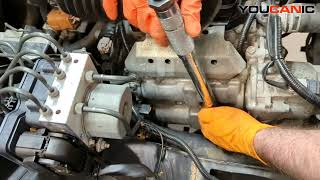
Typical fix: Replace the faulty ignition coil. It's held on by a single 10mm bolt.
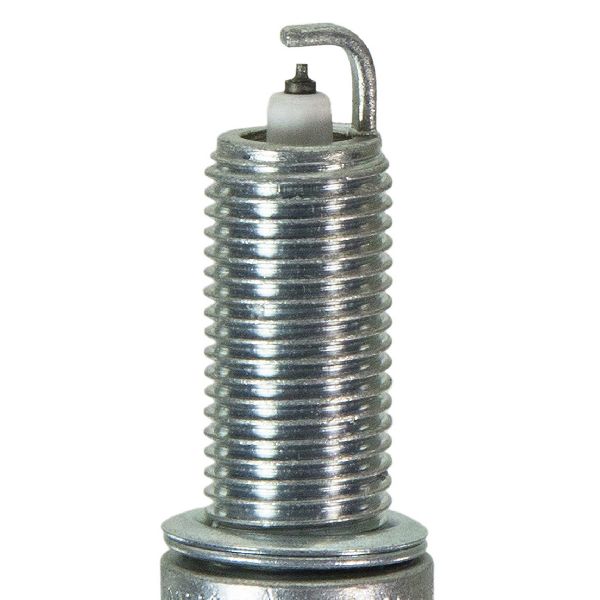
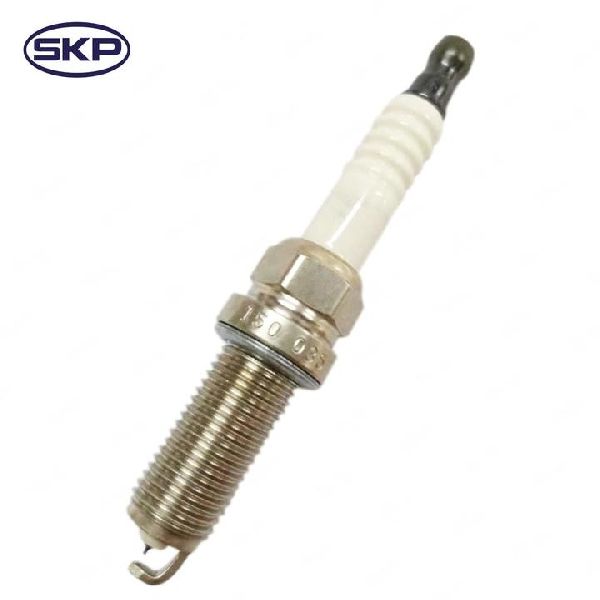
Est. part cost: $50-$100 - Worn or Fouled Spark Plug 🔴 High Probability → Shop Spark Plug Spark plugs are a regular maintenance item. The FB20 engine was also known for potential oil consumption issues which can foul plugs. A leaking valve cover gasket can also cause oil to foul the plug in the tube.
How to confirm: After ruling out the coil, remove the spark plug from cylinder 1. Inspect it for heavy carbon buildup, oil contamination, a worn electrode, or incorrect gap.
Typical fix: Replace the spark plug. Many owners choose to replace all four at the same time as a set. Ensure the new plug is gapped correctly.
Est. part cost: $10-$25 per plug - Camshaft Position Sensor or Circuit Issue 🟡 Medium Probability → Shop Engine Camshaft Position Sensor Multiple official Subaru TSBs link misfire codes (P0301-P0304) directly with camshaft position sensor codes (P034x, P036x, P039x) for this specific model and year range. The root cause is often an incorrect air gap between the sensor and the camshaft reluctor, which must be corrected by adding a specific shim.
How to confirm: Scan for other pending or stored trouble codes. If any camshaft-related codes are present, this becomes a primary suspect. Diagnosis involves checking sensor wiring and following the TSB procedure to measure the sensor gap with a feeler gauge or caliper and select the correct shim.
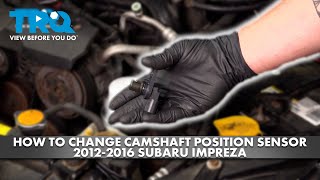
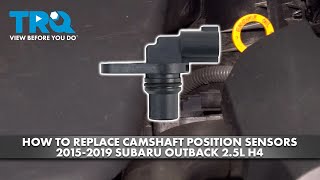
Typical fix: Inspect wiring and connectors for the cam sensors on the passenger-side bank (Bank 1). If no wiring issues are found, measure the sensor clearance and install the correct thickness shim from a shim kit (OEM P/N 10130AA060). Replace the sensor o-ring (P/N 13099AA050) 🎬 Watch: How to replace the camshaft position sensor on this model. at the same time.
Est. part cost: $40-$80 for a sensor, $20-$30 for a shim kit. - Clogged or Defective Fuel Injector ⚪ Low Probability → Shop Fuel Injector
How to confirm: If the ignition system checks out, a mechanic can perform a fuel injector balance test to check its flow rate. A DIY method is to listen to the injector with a mechanic's stethoscope to ensure it's clicking. You can also try swapping the injector with another cylinder, but this is more labor-intensive than swapping a coil.
Typical fix: Replace the faulty fuel injector.
Est. part cost: $70-$150
Rare But Worth Checking
- Fractured Engine Valve Spring: Subaru issued a recall (NHTSA #18V-772, Subaru #WTY-84) for 2012-2014 Imprezas due to valve springs that could fracture. A fractured spring can cause a persistent misfire, unusual engine noise, stalling, and potentially catastrophic engine damage. 🎬 See this breakdown of the serious WTY-84 valve spring recall. If you have a misfire, it is critical to check if your vehicle has had this recall service performed.
- Internal Mechanical Issue: This could include low compression from a worn piston ring or a problem with a valve. The FB20 engine had known oil consumption issues related to piston rings in early models, which could lead to compression loss over time. A compression test is needed to diagnose this.
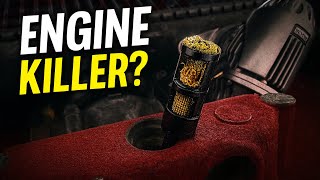
- Clogged AVCS Banjo Bolt Filter: The oil control solenoids for the Active Valve Control System (AVCS) have small filter screens in the banjo bolts that supply them with oil. If the screen for Bank 1 (passenger side) breaks apart or clogs, it can starve the system of oil pressure, leading to incorrect cam timing and misfires on cylinders 1 and 3. An owner on a forum reported this exact issue causing a P0301 and P0303.
- Vacuum Leak: A leak in a vacuum hose or intake manifold gasket near cylinder 1 could lean out the air/fuel mixture, but this would typically affect more than one cylinder and might throw other codes.
Diagnosis Steps
- Read the code with an OBD-II scanner. Note any other codes present, especially camshaft (P034x, P036x) or AVCS (P00xx) codes.
- Check your vehicle's VIN on the NHTSA or Subaru website to see if the WTY-84 valve spring recall is open or was completed.
- If the check engine light is flashing, minimize driving to prevent catalytic converter damage.
- Identify cylinder 1 (front, passenger side). You will likely need to remove the engine airbox for access.
- Swap the ignition coil from cylinder 1 with the coil from cylinder 3 (rear, passenger side).
- Clear the codes and drive the vehicle to see if the misfire code returns as P0303. If it does, the ignition coil is bad.
- If the code returns as P0301, remove and inspect the spark plug from cylinder 1. Check for wear, damage, or oil fouling. Replace if needed.
- If the plug and coil are good, inspect the ignition coil connector and wiring for any damage.
- If camshaft sensor codes are present, follow the diagnostic procedures in TSB 11-130-13R to check the sensor air gap and install the correct shim if necessary.
- If no other codes are present and the misfire persists, consider less common causes. Investigate the AVCS system by checking the banjo bolt filter for Bank 1.
- As a final step for persistent issues, perform a compression test to check for internal mechanical problems like bad rings or a valve issue.
Parts You'll Likely Need
- Ignition Coil
(OEM #22433AA642)— This is one of the most common failure points for a single-cylinder misfire.
Trusted brands: Denso, NGK, Hitachi
OEM price range: $80-$120
Aftermarket price range: $40-$70 - Spark Plug
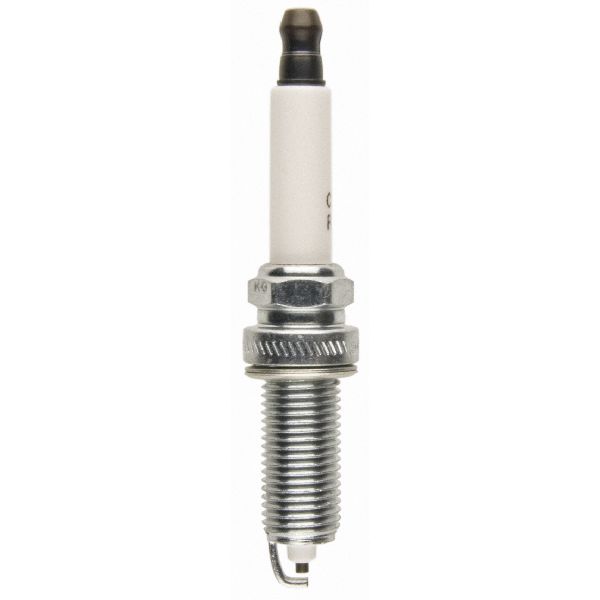
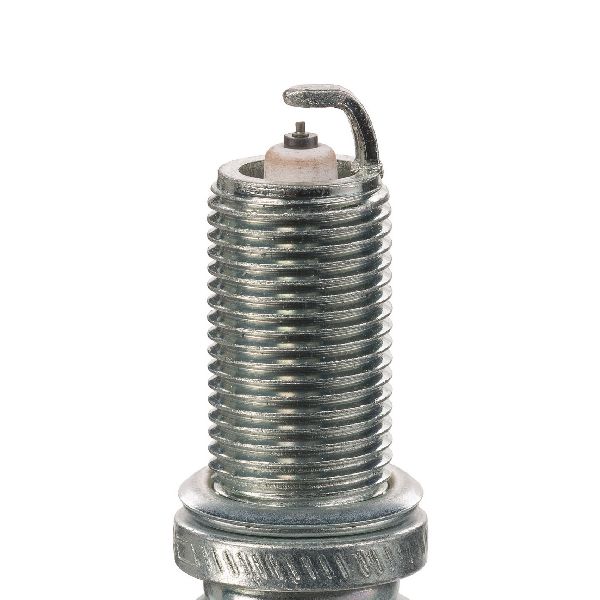
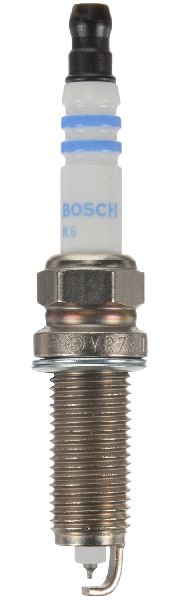
(OEM #22401AA781)— A worn or fouled spark plug is unable to create a strong enough spark for proper combustion.
Trusted brands: NGK (SILZKAR7B11), Denso
OEM price range: $15-$25
Aftermarket price range: $8-$15 - Camshaft Position Sensor
(OEM #22056AA250 (Bank 1 Intake))— Official Subaru TSBs indicate a high correlation between this sensor's air gap being out of spec and causing misfire codes on the 2012-2013 Impreza.
Trusted brands: Denso, NTK, Beck/Arnley
OEM price range: $70-$100
Aftermarket price range: $30-$60 - Camshaft Position Sensor Shim Kit
(OEM #10130AA060)— Required to fix the root cause of many camshaft-related misfires per TSB #11-130-13R.
Related Codes That Often Appear With This One
- P0300 — If the misfire is intermittent or affects other cylinders, a 'Random/Multiple Cylinder Misfire' code may appear alongside P0301.
- P0303 — If there's a systemic issue on the passenger side bank (like a bad cam sensor, clogged catalytic converter, or AVCS issue), you may also get a misfire code for cylinder 3.
- P0340, P0341, P0365, P0366 — As per Subaru TSBs 11-130-13R, 11-125-12, and 11-124-12R, these camshaft position sensor codes are directly related and point to a likely cause for the misfire on this vehicle, often requiring a sensor gap adjustment.
- P000A, P000B, P0011 — These are AVCS (Active Valve Control System) codes for Bank 1. A problem with the oil control valve or a clogged banjo bolt filter can cause these codes along with misfires on cylinders 1 and 3.
Technical Service Bulletins (TSBs) & Recalls
- 11-130-13R: Links misfire DTCs P0301-P0304 with various cam position sensor DTCs and provides repair procedures involving shimming the sensor.
- 11-125-12: Associates misfire DTCs P0301-P0304 with cam position sensor DTCs P0365, P0366, P0390, and P0391. (Superseded by 11-130-13R)
- 11-124-12R: Connects misfire DTCs P0301-P0304 with cam position sensor DTCs P0340, P0341, P0345, or P0346. (Superseded by 11-130-13R)
- 02-163-16R: Provides inspection and repair procedures for AVCS-related DTCs which can occur alongside misfire codes.
Platform-Specific Known Issues
- Technical Service Bulletin #11-130-13R explicitly connects P0301 with camshaft position sensor issues, providing specific inspection and repair procedures involving measuring the air gap and installing shims.
- Recall WTY-84 / NHTSA 18V-772: A critical recall was issued for fractured engine valve springs on 2012-2014 Imprezas. This defect can directly cause a P0301 code and lead to engine failure.
- Oil Consumption: Early FB20 engines were known for excessive oil consumption due to piston ring design, which can lead to fouled spark plugs and misfires.
- AVCS Banjo Bolt Filters: The small filters in the oil supply banjo bolts for the variable valve timing system can break and clog oil passages, causing timing issues and misfires on an entire engine bank (P0301 and P0303).
Mechanic-Grade Diagnostic Values
- Long Term and Short Term Fuel Trims (LTFT + STFT) — expected: Combined value should not exceed ±10% at idle or steady RPM.. Failure: A sustained value greater than +10% indicates the engine is compensating for a lean condition (e.g., vacuum leak). A sustained value less than -10% indicates a rich condition (e.g., leaking injector). Subaru's maximum adjustment is reportedly around 27.5% before maxing out.
- Camshaft Position Sensor Voltage (3-wire Hall Effect type) — expected: With key on, engine off: one wire should have ~5V reference from the ECU, one should have a good ground (<0.1V), and the signal wire should also show ~5V.. Failure: When a ferrous metal object (like a wrench) is passed over the sensor tip, the signal wire voltage should drop to near 0V. If the voltage doesn't switch, the sensor is likely faulty.
- Low-Pressure Fuel System Pressure (at idle) — expected: Approximately 40-60 PSI. Note: This is a general specification for port-injected vehicles, as a specific value for the 2012 Impreza was not found in service manuals.. Failure: Significantly lower pressure indicates a weak fuel pump or clogged filter. Pressure that does not hold after the pump primes may indicate a bad check valve or leak.
Hidden / Shadow Codes Worth Checking
- Mode $06 Misfire Counters: This is not a DTC, but a function within the OBD-II standard that allows viewing of onboard monitor test results. For misfires, it can display the raw count of misfire events per cylinder, even if the count is below the threshold required to set a P0301 code and illuminate the check engine light. (see via A professional scan tool or an advanced DIY scanner with Mode $06 capabilities. The Subaru Select Monitor (SSM) also provides this data, often labeled as 'IGN Counter'.)
Scan Tool Commands That Help
- Subaru Select Monitor (SSMIII/SSM4) or equivalent advanced scanner: Current Data Display -> Misfire Counter for Cylinders 1-4 — This is used to confirm in real-time which cylinder is actively misfiring, especially in cases of intermittent misfires or when a P0300 (random misfire) is present. Watching the counters while performing actions like a 'power brake' test can help identify misfires that only occur under load.
Wiring & Ground Locations
- Main Engine Ground — The primary engine-to-chassis ground strap attaches to the engine block via the top starter motor mounting bolt.. A poor main ground can cause unstable voltage for the entire ignition and fuel system, leading to weak spark or erratic sensor readings that can cause misfires.
- ECU Ground Plane — The Engine Control Unit (ECU) receives its primary ground reference from mounting points on the intake manifold.. If the intake manifold has a poor ground connection to the engine block (sometimes caused by non-conductive spacers or corrosion), the ECU's sensor readings can be skewed, leading to incorrect ignition timing or fuel calculations and causing misfires.
- Alternator Ground — The alternator is grounded through its mounting bracket to the engine block.. A poor alternator ground can introduce electrical noise (AC ripple) into the vehicle's DC system, which can interfere with the sensitive electronics in the ignition coils and ECU, potentially causing misfires.
Real Owner Repair Stories
- ScannerDanner Forum user (2004 Subaru Outback H6 3.0 (different engine, but illustrates a valuable diagnostic trap)) — Persistent P0301 misfire, rough idle, high positive fuel trims on Bank 1 (+32%).
❌ Tried (didn't work) Swapped ignition coils between cylinders, Swapped spark plugs between cylinders, Replaced ignition coil connector, Verified spark by grounding plug, Verified fuel injector signal with noid light/scope
✅ What actually fixed it The misfire temporarily vanished after the technician lifted the engine to retrieve a broken tool from a spark plug tube. When the engine was lowered back into place, the misfire returned. This strongly indicated the root cause was a chafed or broken wire in the engine harness that would short or open only when the engine was resting in its normal position. The fix required locating and repairing the damaged section of the wiring loom.
OEM Part Supersession History
22433AA630→22433AA642— Unknown, likely a minor revision or change in supplier for the ignition coil.
Heads up: Both part numbers are generally considered interchangeable for this application, but using the latest revision (22433AA642) is recommended.
Model Year Variations Within This Range
- 2012-2013: No significant variations affecting the diagnosis of P0301 are known to exist between the 2012 and 2013 model year Imprezas equipped with the 2.0L FB20B engine. Both are subject to the same TSBs and the WTY-84 valve spring recall.
Helpful Videos

We Have This Part in Stock

The information in this article is provided for general reference and educational purposes only. Vehicle specifications, procedures, and part compatibility can vary by production date, trim level, and region. Always consult your vehicle's factory service manual and verify part numbers before purchasing or performing repairs. Safety-critical components such as airbags, seat belts, and braking systems should be installed by a qualified professional.
- Subaru IMPREZA:
- 🧭 Diagnostic Flowchart
- 🎬 Helpful Videos
- 🛍️ Shop This Part
- What's Unique About the 2012-2013 Subaru IMPREZA
- Symptoms You May Notice
- Most Likely Causes
- Rare But Worth Checking
- Diagnosis Steps
- Parts You'll Likely Need
- Related Codes That Often Appear With This One
- Technical Service Bulletins (TSBs) & Recalls
- Platform-Specific Known Issues
- Mechanic-Grade Diagnostic Values
- Hidden / Shadow Codes Worth Checking
- Scan Tool Commands That Help
- Wiring & Ground Locations
- Real Owner Repair Stories
- OEM Part Supersession History
- Model Year Variations Within This Range
- 🎟️ Get 5% Off