

P0301 on 2010-2012 Subaru Outback 2.5L: Cylinder 1 Misfire Causes and Fixes
P0301 on a 2010-2012 Subaru Outback most often indicates a problem with the ignition system, specifically a worn spark plug, a bad spark plug wire, or a faulty ignition coil pack. Start by inspecting and replacing the spark plug and wire for cylinder 1. This is a low-cost repair, typically under $50. Due to the engine design, owners strongly recommend using only Subaru OEM or NGK ignition components to avoid persistent issues.
- P0301 means cylinder 1 (front, passenger side) is misfiring.
- Start your diagnosis with the cheapest and most common wear items: the spark plug and spark plug wire for cylinder 1.
- A simple and effective diagnostic is to swap the spark plug wire from cylinder 1 to cylinder 3. If the code changes to P0303, you've confirmed a bad wire.
- Do not ignore a flashing check engine light, as this can cause expensive damage to your catalytic converter.
- When replacing spark plugs or wires, it is best practice to replace them as a full set to ensure longevity and balanced engine performance.
What's Unique About the 2010-2012 Subaru Outback
The 2010-2012 Outback with the EJ253 engine uses a single ignition coil pack with long spark plug wires, rather than the coil-on-plug systems found in many newer vehicles. This design makes the spark plug wires a common failure point that can cause a single-cylinder misfire like P0301. While these engines are generally reliable, they are notoriously sensitive to the condition and brand of their ignition components. Owners and mechanics on forums consistently report that using aftermarket spark plug wires other than NGK often fails to resolve misfire issues or causes them to return quickly.
Symptoms You May Notice
- Rough idle or engine shaking
- Hesitation or stumbling during acceleration
- A sensation like driving over a rumble strip during acceleration.
- Loss of engine power
- Solid or flashing Check Engine Light
- Decreased fuel economy
- A noticeable smell of unburnt fuel from the exhaust
- Replacing the O2 sensor. While a faulty O2 sensor can cause performance issues, it will typically set its own code and is unlikely to cause a consistent misfire on only one cylinder.
- Replacing the catalytic converter. A misfire will damage a catalytic converter over time (and may trigger a P0420 code), but the converter itself is not the cause of the misfire.
Most Likely Causes
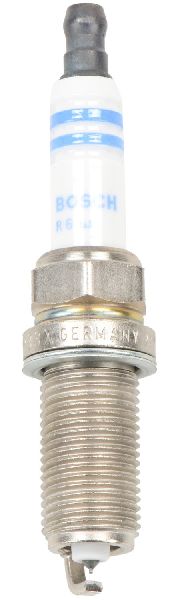
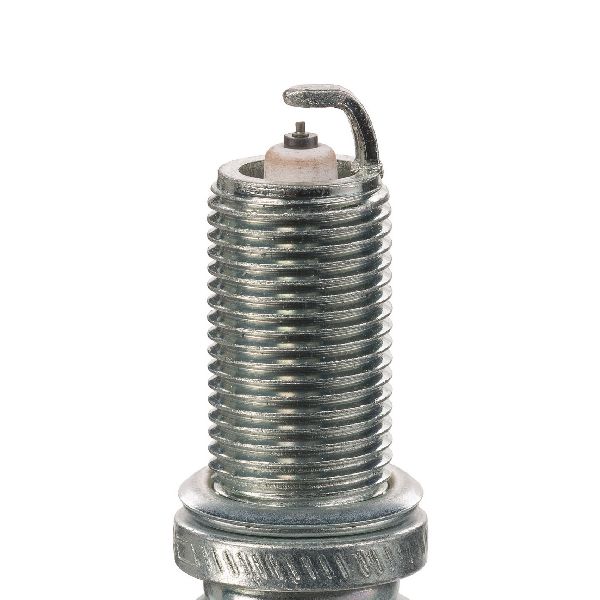
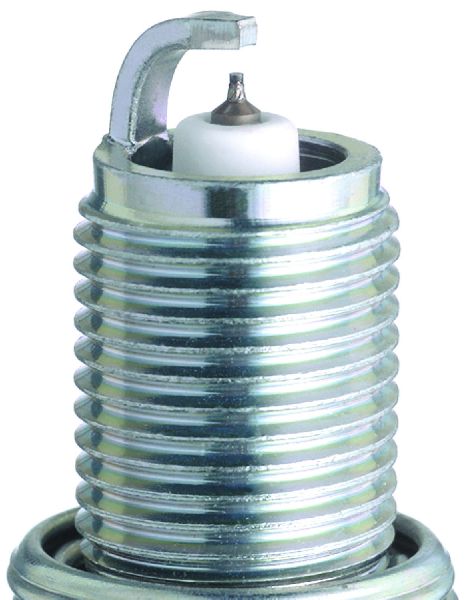
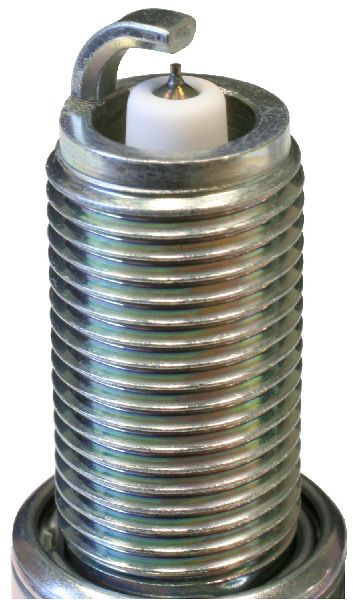
- Worn or Fouled Spark Plug 🔴 High Probability → Shop Spark Plug The boxer engine design can make spark plug changes more time-consuming, leading some owners to delay this critical maintenance. Normal wear over many miles is the primary reason for failure. Oil leaking from a failing valve cover gasket or spark plug tube seal can also foul the plug, causing a misfire.
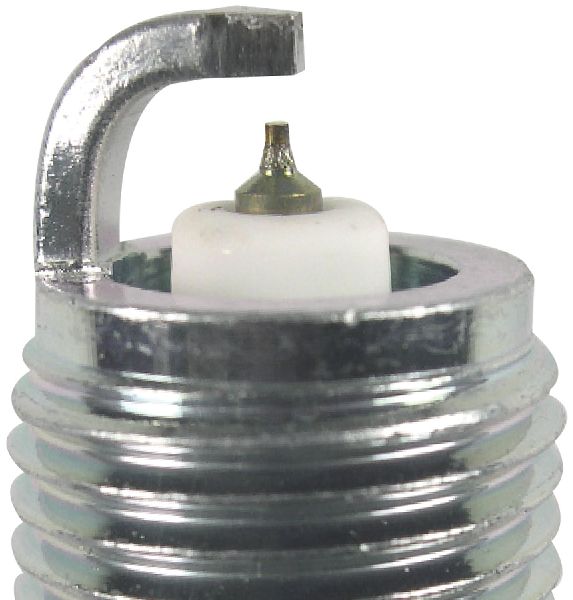
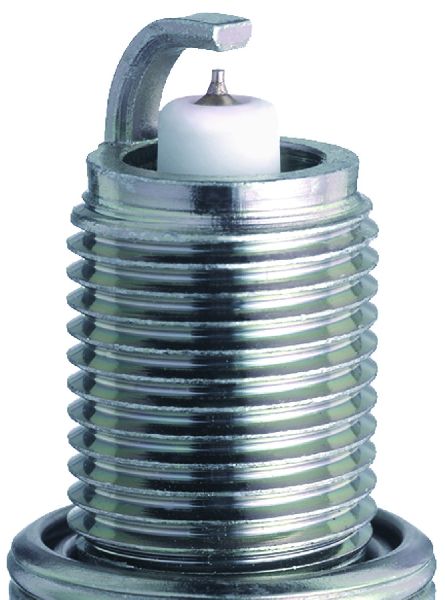
How to confirm: Remove the spark plug from cylinder 1 (front, passenger side). Inspect it for a worn electrode, carbon buildup, oil fouling, or a cracked insulator. The correct plug is often an NGK Iridium type.
Typical fix: Replace the spark plug. 🎬 Watch this step-by-step guide on replacing Subaru spark plugs. It is best practice to replace all four spark plugs at the same time to ensure even performance. If oil is present, the valve cover and spark plug tube seals should be replaced.
Est. part cost: $10-$20 per plug - Faulty Spark Plug Wire 🔴 High Probability → Shop Spark Plug The EJ253 uses a single coil pack with four spark plug wires. These wires degrade over time from heat and vibration, causing the electrical resistance to increase or the insulation to fail, leading to a weak or non-existent spark. Many owners report that only OEM or NGK brand wires will work reliably.
How to confirm: Test the resistance of the cylinder 1 spark plug wire with a multimeter; it should be within the manufacturer's specified range (typically under 25k ohms, but compare to a known good wire). A simpler method is to swap the wire for cylinder 1 with the wire for cylinder 3 (rear, passenger side). If the code changes to P0303, the wire is bad.
Typical fix: Replace the faulty spark plug wire. It is highly recommended to replace the entire set of four wires at the same time with an OEM or NGK set.
Est. part cost: $40-$80 for a set - Defective Ignition Coil Pack 🟡 Medium Probability → Shop Ignition Coil The single coil pack is responsible for generating spark for all four cylinders. The tower for cylinder 1 can develop hairline cracks or carbon tracks, causing the spark to arc to the engine block instead of traveling down the wire. This issue is sometimes more prevalent in wet or humid weather.
How to confirm: Visually inspect the coil pack tower for cylinder 1 for any cracks, burn marks, or white residue (arcing). With the engine running in the dark, you can sometimes see the spark arcing from the coil tower to a ground source. If plugs and wires are confirmed good, the coil is the next likely suspect.
Typical fix: Replace the entire ignition coil pack assembly. This is a straightforward repair that involves removing the air intake snorkel for access. 🎬 See how to replace the ignition coil pack yourself.
Est. part cost: $70-$150 - Clogged or Failing Fuel Injector ⚪ Low Probability → Shop Fuel Injector
How to confirm: Use a mechanic's stethoscope or a long screwdriver to listen to the injector on cylinder 1. It should have a consistent, audible clicking sound. A more definitive test is to swap the fuel injector from cylinder 1 with another cylinder (e.g., cylinder 3). If the misfire code moves to P0303, the injector is faulty.
Typical fix: Replace the faulty fuel injector. It's sometimes recommended to have all injectors professionally cleaned and tested at the same time. Subaru has also issued TSB 09-79-21 for other models which recommends a carbon deposit cleaning procedure for misfires.
Est. part cost: $80-$200
Rare But Worth Checking
- Low Cylinder Compression: This indicates a more serious mechanical engine problem. It's worth checking if all ignition and fuel-related causes have been ruled out. Causes can include a burnt or stuck valve, worn piston rings, or a failing head gasket. In some cases, a jumped timing belt can cause low compression on one bank of cylinders, triggering codes like P0301 and P0303 simultaneously.
- Vacuum Leak: A leak in the intake manifold gasket near cylinder 1 can lean out the fuel mixture enough to cause a misfire. This is less common for a single-cylinder misfire but still possible.
- Leaking Valve Cover / Spark Plug Tube Gasket: → Shop Engine Valve Cover A common issue on boxer engines is for the valve cover gaskets and spark plug tube seals to leak oil over time. This oil can pool in the spark plug well, saturating the spark plug and wire boot, causing a misfire. If you find oil on the spark plug when you remove it, this is the likely cause. 🎬 Follow this complete guide to replacing your valve cover gaskets.
Diagnosis Steps
- Read the trouble codes with an OBD-II scanner to confirm P0301 is present. Note if the check engine light is flashing and check for any other codes.
- Locate cylinder 1, which is the front cylinder on the passenger side of the engine. The coil pack is typically marked with the cylinder numbers.
- Inspect the spark plug wire for cylinder 1 for any visible damage, cracks, or loose connections at both the coil and the plug.
- Remove and inspect the spark plug from cylinder 1. Look for signs of wear, fouling (black, oily, or white deposits), or damage. Note if there is oil in the spark plug tube, which indicates a leaking gasket.
- To test the spark plug wire, swap it with the wire from cylinder 3 (the rear cylinder on the same side). Clear the codes and drive the vehicle. If the code changes to P0303, the wire is faulty.
- If the misfire remains on cylinder 1, inspect the ignition coil pack tower for cylinder 1. Look for fine cracks or evidence of arcing. In a dark environment, misting the coil with water from a spray bottle can sometimes reveal a visible spark leak.
- If ignition components seem okay, listen to the fuel injector for cylinder 1 with the engine running. It should make a steady clicking noise. Compare the sound to the other injectors.
- For a more advanced diagnosis, swap the fuel injector from cylinder 1 with another cylinder. If the misfire code follows the injector, the injector is the problem.
- If the misfire persists after these steps, perform a compression test on cylinder 1 to rule out mechanical engine issues like a burnt valve or bad rings.
- Check the timing belt and sprockets to ensure the timing has not jumped, especially if you also have a P0303 code.
Parts You'll Likely Need
- Spark Plug Wire Set
(OEM #22451AA811)— Spark plug wires are a common wear item on the EJ253 engine and a frequent cause of isolated cylinder misfires. Owners strongly recommend OEM or NGK brand for reliability.
Trusted brands: Subaru OE, NGK (e.g., part number FX101)
OEM price range: $60-$90
Aftermarket price range: $40-$70 - Spark Plugs (Set of 4)
(OEM #22401AA720)— Worn spark plugs are the most common cause of misfires. They are a routine maintenance item and should be replaced if their history is unknown.
Trusted brands: NGK (SILFR6A11 or equivalent Iridium), Denso
OEM price range: $40-$60
Aftermarket price range: $25-$45 - Ignition Coil Pack
(OEM #22433AA541 (superseded by 22433AA542, 22433AA641))— If the spark plug and wire are confirmed to be good, the ignition coil pack is the next most likely cause. Cracks in the coil tower for cylinder 1 can cause the spark to arc to ground.
Related Codes That Often Appear With This One
- P0300 — If the misfire becomes more frequent or other cylinders begin to misfire, a P0300 (Random/Multiple Cylinder Misfire) may appear alongside P0301.
- P0420 — If the vehicle is driven for an extended period with a misfire, unburnt fuel will enter the exhaust and overheat the catalytic converter, reducing its efficiency and triggering a P0420 code.
- P0303 — Since cylinders 1 and 3 are on the same bank (passenger side), a problem affecting that entire side, such as a jumped timing belt on that cam or a shared vacuum leak, could cause both codes to appear together.
Technical Service Bulletins (TSBs) & Recalls
- Subaru TSB WRE-20: While this recall (WRE-20) applies to 2020 Outback models, it highlights a known issue where incorrect ignition coils were installed from the factory, leading to misfires. This reinforces the ignition coil as a known failure point for Subaru misfire codes.
- Subaru TSB 09-101-23: This TSB for later model Subarus (2020-22) announces a software update to the ECM to provide 'enhanced logic to improve engine misfire(s) detection.' While not directly applicable as a fix for the 2010-2012 models, it shows that Subaru actively works on refining misfire detection logic.
- Subaru TSB 09-79-21: This bulletin provides a procedure for carbon deposit removal from injectors and internal engine components to address misfire DTCs, among other issues. This is relevant for the 'Clogged Fuel Injector' cause.
- Subaru TSB #11-130-13R: This bulletin provides inspection and repair procedures for engine misfire DTCs including P0301 through P0304, specifically relating to intake and exhaust camshaft position issues.
- Subaru TSB #11-122-12: A manufacturer service bulletin notes that P0301 can be associated with difficulty starting, rough idle, and cam position sensor issues.
- Subaru TSB #11-116-12R: This bulletin announces the availability of updated ECM reprogramming files to address P0301-P0304 codes, specifically for conditions where DTCs are present but no actual drivability symptoms are felt.
Platform-Specific Known Issues
- Misfire in Wet/Humid Conditions: A user on YouTube with an EJ25 engine documented a misfire issue that would only occur in wet and humid conditions. The problem was resolved by replacing the ignition coil pack, which likely had hairline cracks allowing moisture to cause an electrical arc.
- Importance of OEM/NGK Ignition Wires: Multiple threads on the Ultimate Subaru Message Board emphasize that the EJ-series engines are very sensitive to spark plug wire quality. Users report that using generic aftermarket wires often fails to fix misfire codes or leads to a quick recurrence of the problem. They strongly recommend using only genuine Subaru or NGK wire sets.
- Jumped Timing Belt Causing Misfires on One Bank: A technician on YouTube diagnosed a Forester with P0301 and P0303 codes. After replacing plugs and wires didn't help, they found low compression on both cylinders. The root cause was a jumped timing belt, caused by a broken piece of the plastic timing cover falling into the works. After re-timing the engine and replacing the belt, the issue was resolved.
Mechanic-Grade Diagnostic Values
- Ignition Coil Secondary Resistance — expected: 9.5 - 12.9 kΩ. Failure: A reading outside of this range indicates a faulty coil.
- Spark Plug Wire Resistance (Cylinder 1) — expected: 5.0 - 12.1 kΩ. Failure: Significantly higher resistance or an open circuit (infinite resistance) indicates a bad wire.
- Spark Plug Wire Resistance (Cylinder 3) — expected: 5.0 - 13.0 kΩ. Failure: Used as a comparison when swapping wires with cylinder 1 for diagnosis.
- Fuel Pressure — expected: 47.8 - 53.6 PSI. Failure: Low fuel pressure would typically cause multiple or random misfires (P0300) rather than a single cylinder misfire, but it's a key health indicator.
- Mode $06 Misfire Count for Cylinder 1 — expected: Close to zero during a drive cycle.. Failure: A count significantly higher than other cylinders, even without setting a P0301 code, indicates an intermittent or developing misfire issue.
Hidden / Shadow Codes Worth Checking
- Mode $06 Misfire Data (TID $A2, CID $01): This is not a 'code' in the traditional sense, but a monitor within the ECU that tracks the misfire count for each cylinder. For cylinder 1, a technician can view the raw misfire count before it reaches the threshold to set a P0301. This is invaluable for diagnosing intermittent misfires. (see via A professional scan tool or an advanced consumer OBD-II scanner with Mode $06 capability (e.g., Subaru Select Monitor, some BlueDriver or TOPDON models).)
Scan Tool Commands That Help
- Subaru Select Monitor (or equivalent pro-level scanner): Cylinder Power Balance Test / Roughness Monitor — This function allows a technician to observe the contribution of each cylinder in real-time. The 'Roughness Monitor' data for cylinder #1 should be observed. A high or erratic number compared to other cylinders points to a problem with cylinder 1. This can help confirm the misfire is real and isolated to that cylinder before tearing parts off.
Wiring & Ground Locations
- Engine Ground Straps — There are key grounding points on the engine block itself, often near the intake manifold, that provide the ground path for the ignition and fuel injection systems. One specific ground point to check for corrosion is located on the top of the engine, under the intake manifold area. Another critical ground strap runs from the frame to the engine block.. A corroded or loose engine ground can cause intermittent and hard-to-diagnose electrical issues, including weak spark or erratic injector behavior, which can lead to a misfire code. Cleaning these grounds is a wise, low-cost step if the primary ignition components appear to be in good condition.
- ECM (Engine Control Module) Location — The ECM is located on the floor under the front passenger seat.. While not a common failure point, in cases of water intrusion or extreme electrical issues, knowing the ECM's location is critical for checking its connectors and ground points for corrosion or damage.
Real Owner Repair Stories
- Reddit user Barlas98 (2008 Subaru Impreza 2.0 NA (similar EJ engine architecture)) — Rough idle, difficult start, P0301 and P0303 codes.
❌ Tried (didn't work) Compression test (showed 175psi on cyl 1, 200psi on cyl 3), Confirmed spark plugs were firing, Confirmed injectors were delivering fuel
✅ What actually fixed it The banjo bolt filter for the passenger side (cylinders 1 & 3) AVCS (Active Valve Control System) solenoid was broken and clogged the VVT solenoid. Removing the broken filter restored normal operation. This prevented the variable valve timing from operating correctly on that bank, causing misfires on both cylinders. - NHTSA ODI #10546323: An owner reported that their check engine light came on accompanied by rough idling; upon having the code read, P0301 for a cylinder 1 misfire was identified.
- NHTSA ODI #10082304: A vehicle owner was informed by a dealership that a P0301 code was a "false code" for a 1st cylinder misfire, which eventually led to the dealership removing the ECM for further inspection.
OEM Part Supersession History
22433AA541→22433AA542, then 22433AA641— Standard part evolution for improved reliability or manufacturing changes.
Heads up: While the part numbers listed in Pass 2 are correct for the waste-spark system on the EJ253, it's crucial to note that part number 22433AA641 is for a coil-on-plug system found on other EJ25 engines (like WRX/STI) and is NOT compatible with the 2010-2012 Outback's EJ253 which uses a coil pack with wires. The correct part remains 22433AA541 or its direct supersession. This is a common point of confusion.
Model Year Variations Within This Range
- 2010-2012: Some vehicles in this range were sold as PZEV (Partial Zero Emission Vehicle) models, primarily for states with stricter emissions standards. These models may have a slightly different catalytic converter, fuel injectors, and engine control module programming to meet SULEV standards. While the fundamental causes of a P0301 misfire are the same, replacement parts (especially injectors and the catalytic converter) may have different part numbers.
- 2010-2012 vs 2013+: The 2010-2012 Outback with the 2.5L engine uses the EJ253 engine which has a timing BELT. The updated 2013 model year introduced the FB25 engine, which uses a timing CHAIN. This is a critical distinction for any diagnosis involving timing.
Diagnostic Flowchart
Real Owner Stories
Aggregated from forums and TSBs cited above. Mileages and costs reflect what owners reported in those sources.
Subaru EJ25 Engine
Symptoms: Misfire issue that would only occur in wet and humid conditions.
What fixed it: Replaced the ignition coil pack, which had hairline cracks allowing moisture to cause an electrical arc.
Source hint: YouTube user documenting EJ25 engine issues
Subaru EJ-series Engine
Symptoms: Persistent misfire codes P0301 and P0302 that were not resolved by standard replacement parts.
What fixed it: Replaced generic aftermarket spark plug wires with Subaru OEM wires. A master technician noted the engine is 'not forgiving of aftermarket wires.'
Source hint: Ultimate Subaru Message Board thread titled 'Mis-fire Codes P0301 & P0302'
Subaru Forester
Symptoms: P0301 and P0303 codes with low compression on both cylinders. Replacing plugs and wires did not help.
What fixed it: Re-timed the engine and replaced the timing belt. A broken piece of the plastic timing cover had fallen into the works, causing the belt to jump.
Source hint: Technician on YouTube diagnosing a Forester
2010 Subaru Forester
Symptoms: Intermittent P0301 misfire code.
What fixed it: Diagnosed by swapping ignition components, which is the go-to diagnostic step for P030x codes on the EJ253.
Source hint: Reddit (r/MechanicAdvice) user experience
Related OBD-II Codes
Frequently Asked Questions
Do I need to use a specific brand of spark plug wires for my EJ253 engine to fix P0301?
My Outback only misfires and shows P0301 when it's raining or humid. What causes this?
I found oil on the spark plug when I pulled it from cylinder 1. What does this mean?
Does TSB 09-79-21 apply to my 2010-2012 Outback for this code?
Does the WRE-20 recall for ignition coils cover my 2010-2012 Outback?
I have both P0301 and P0303 codes. Could this be a timing issue?
What does Subaru TSB #11-116-12R say about P0301?
Can camshaft position issues cause a P0301 code?
Helpful Videos
We Have This Part in Stock

The information in this article is provided for general reference and educational purposes only. Vehicle specifications, procedures, and part compatibility can vary by production date, trim level, and region. Always consult your vehicle's factory service manual and verify part numbers before purchasing or performing repairs. Safety-critical components such as airbags, seat belts, and braking systems should be installed by a qualified professional.
- Subaru Outback:
- 🧭 Diagnostic Flowchart
- 🎬 Helpful Videos
- 🛍️ Shop This Part
- What's Unique About the 2010-2012 Subaru Outback
- Symptoms You May Notice
- Most Likely Causes
- Rare But Worth Checking
- Diagnosis Steps
- Parts You'll Likely Need
- Related Codes That Often Appear With This One
- Technical Service Bulletins (TSBs) & Recalls
- Platform-Specific Known Issues
- Mechanic-Grade Diagnostic Values
- Hidden / Shadow Codes Worth Checking
- Scan Tool Commands That Help
- Wiring & Ground Locations
- Real Owner Repair Stories
- OEM Part Supersession History
- Model Year Variations Within This Range
- Real Owner Stories
- Subaru EJ25 Engine
- Subaru EJ-series Engine
- Subaru Forester
- 2010 Subaru Forester
- Related OBD-II Codes
- Frequently Asked Questions
- 🎟️ Get 5% Off