

P0301 on 2003-2008 Toyota Corolla 1.8L: Cylinder 1 Misfire Causes and Fixes
P0301 on a 2003-2008 Corolla most often means a bad ignition coil on cylinder 1. A simple coil swap to another cylinder is the easiest diagnostic test. If the code changes (e.g., to P0302), the coil is faulty. Expect to pay $40-$80 for a quality aftermarket coil. If the code is accompanied by P0171, a leaking intake manifold gasket is a very common cause on this platform.
- P0301 means cylinder 1 (passenger side) is misfiring.
- The most likely cause is a bad ignition coil, followed by a worn spark plug.
- Diagnose a bad coil for free by swapping it with cylinder 2 and seeing if the code changes to P0302.
- If you also have a P0171 code, a leaking intake manifold gasket is a very strong possibility.
- Avoid driving if the Check Engine Light is flashing to prevent expensive catalytic converter damage.
- Always replace spark plugs as a full set with quality Iridium plugs for best performance and longevity.
What's Unique About the 2003-2008 Toyota Corolla
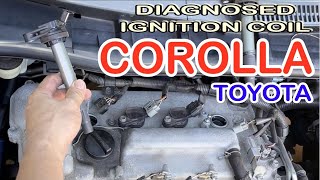
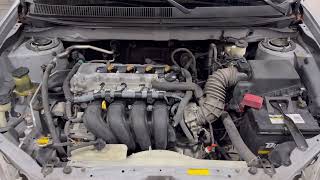
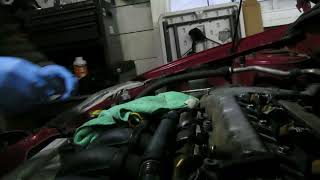
The 1ZZ-FE engine in the 9th generation Corolla is generally very reliable, but its ignition components are a common wear item. The coil-on-plug ignition system is a frequent cause for P0301. While the coils themselves are known to fail with age and heat cycles, the fix is straightforward for DIYers. 🎬 Watch: What P0301 means and how to replace your coils. A notable issue for this platform is the intake manifold gasket, which can degrade and cause a vacuum leak leading to P0301, often accompanied by a P0171 lean code. 🎬 See this walkthrough on fixing the common intake manifold leak. Unlike some platforms with complex misfire patterns, diagnosis on the 1ZZ-FE is typically very direct.
Symptoms You May Notice
- Rough or shaky idle
- Hesitation or stumbling during acceleration
- Flashing or solid Check Engine Light
- Noticeable loss of power
- Reduced fuel economy
- Smell of gasoline from the exhaust
- Engine stalling, especially after a hot restart
- Replacing only the spark plug when the ignition coil is the actual cause. The coil swap test is crucial to avoid this.
- Replacing ignition components repeatedly when the actual cause is a vacuum leak from the intake manifold gasket, especially if a P0171 code is also present.
Most Likely Causes
- Faulty Ignition Coil 🔴 High Probability → Shop Ignition Coil Ignition coils are a common failure item on many modern engines due to constant exposure to heat and vibration. The coil-on-plug design of the 1ZZ-FE makes them a frequent culprit for single-cylinder misfires, with some mechanics estimating it as the cause 80% of the time.
How to confirm: Swap the ignition coil from cylinder 1 with another cylinder (e.g., cylinder 2 or 4). Clear the codes and drive the vehicle. If the code changes to P0302 or P0304, the ignition coil is confirmed to be faulty.
Typical fix: Replace the faulty ignition coil. It is often recommended to replace all four if they are original and high-mileage, but replacing only the failed one is also acceptable 🎬 Watch: A quick guide to replacing coil packs and plugs. and common practice if on a budget.
Est. part cost: $40-$80 - Worn or Fouled Spark Plug 🟡 Medium Probability → Shop Spark Plug Spark plugs are a regular maintenance item. If they are past their service life, the electrode can be worn, or they can become fouled with carbon or oil, leading to a weak or non-existent spark. Oil fouling can be a symptom of the 1ZZ-FE's known oil consumption issues, particularly in 2003-2004 models.
How to confirm: Remove the spark plug from cylinder 1. Inspect it for wear, damage, or deposits (black, oily, or white). Compare it to a new plug. You can also swap it with another cylinder's plug to see if the misfire follows.
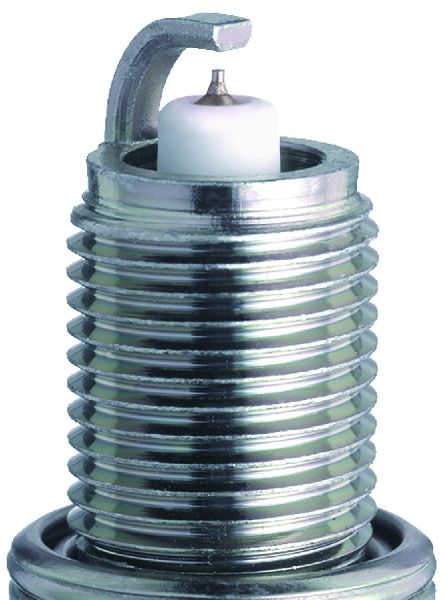
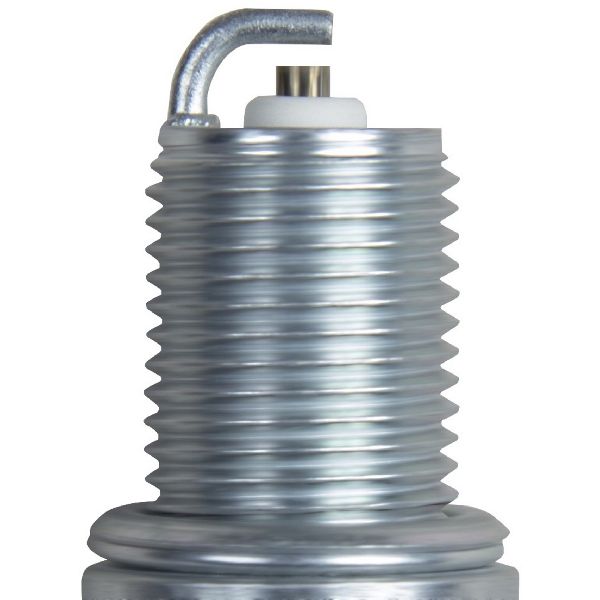
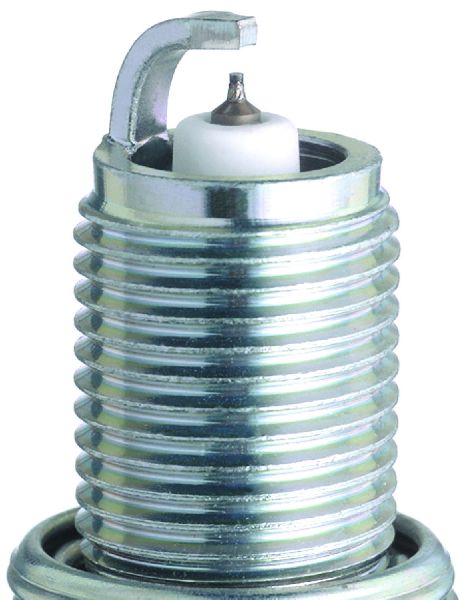
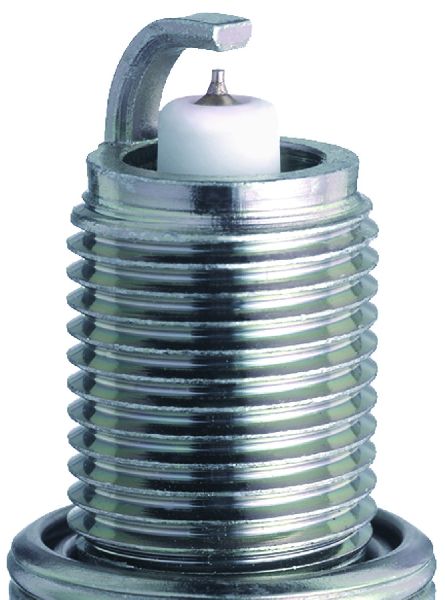
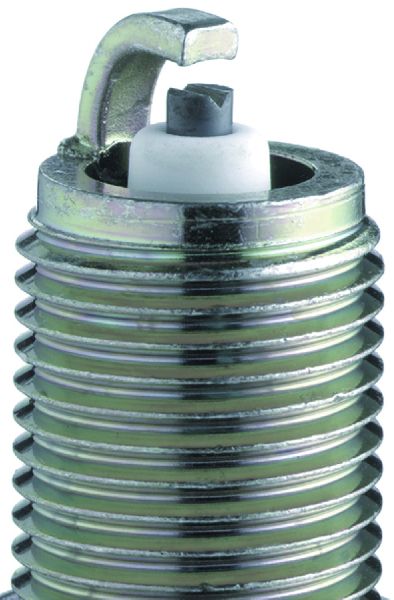
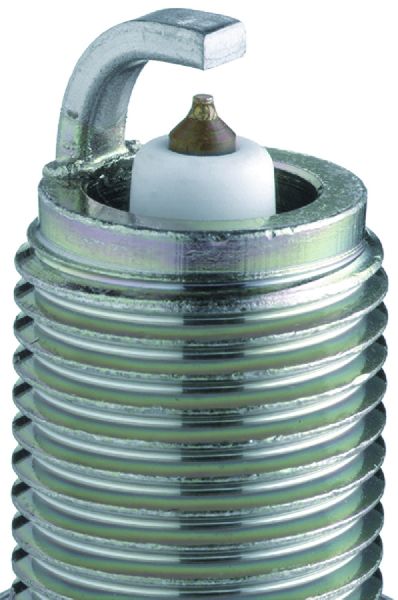
Typical fix: Replace the spark plug. It is best practice to replace all four spark plugs at the same time with high-quality Iridium plugs from brands like Denso or NGK.
Est. part cost: $25-$50 for a set of four - Intake Manifold Gasket Leak 🟡 Medium Probability → Shop Engine Intake Manifold The original intake manifold gasket on the 1ZZ-FE engine is known to become brittle and fail, causing a vacuum leak. A leak isolated near the runner for cylinder 1 can lean out the air/fuel mixture enough to cause a misfire on just that cylinder. This issue is very common and often presents with a P0171 (System Too Lean) code alongside the P0301.
How to confirm: With the engine running, spray brake cleaner or a propane torch (unlit) around the intake manifold runner for cylinder 1. If the engine RPM changes, a leak is present. A smoke test is a more definitive and safer method.
Typical fix: Replace the intake manifold gasket. The replacement part is an improved design.
Est. part cost: $15-$30 - Clogged or Faulty Fuel Injector ⚪ Low Probability → Shop Fuel Injector Fuel injectors can become clogged with carbon deposits or fail electrically over time, preventing them from delivering the correct amount of fuel to the cylinder.
How to confirm: After ruling out the ignition system, swap the fuel injector from cylinder 1 with another cylinder. If the misfire code follows the injector (e.g., changes to P0302), the injector is the problem. This is more labor-intensive than swapping a coil. A professional can also test injector flow and spray patterns.
Typical fix: Replace the faulty fuel injector. Sometimes professional ultrasonic cleaning can restore function, but replacement is often necessary.
Est. part cost: $50-$150
Rare But Worth Checking
- Low Engine Compression: If ignition and fuel systems check out, a mechanical issue could be the cause. This can be due to a burnt valve, worn piston rings, or a head gasket issue. A compression test is needed to diagnose this. Burnt valves are a known, albeit uncommon, issue on this engine, sometimes requiring cylinder head removal and rebuilding.
- Faulty ECM/PCM: It is extremely rare for the Engine Control Module to fail in a way that causes a single-cylinder misfire. However, on 2005-2008 models, a known issue with cracking circuit boards in the ECM can cause stalling or harsh shifting, which could potentially be misdiagnosed. This is a remote possibility if all other causes have been exhausted.
- Wiring Harness Issue: A damaged wire or loose pin in the connector for the ignition coil or fuel injector on cylinder 1 can cause an intermittent misfire. This can be difficult to track down and may require checking for continuity and voltage at the connector.
Diagnosis Steps
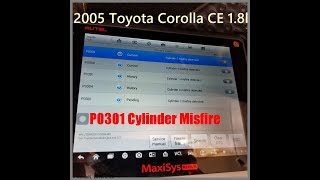
- Read the code with an OBD-II scanner to confirm P0301 and check for any other codes like P0171.
- Check for a flashing Check Engine Light. If flashing, avoid driving to prevent catalytic converter damage.
- Swap the ignition coil from cylinder 1 (passenger side) to cylinder 2.
- Clear the fault codes using the scanner.
- Start the engine and let it run or drive it for a few minutes until the Check Engine Light returns.
- Re-scan for codes. If the code is now P0302, the ignition coil is bad. Replace it.
- If the code remains P0301, inspect the spark plug in cylinder 1. Look for excessive wear, fouling (oil or carbon), or damage. Check for oil in the spark plug tube, which indicates a leaking valve cover gasket. Replace plugs if necessary, preferably as a set of four.
- If P0171 is also present, inspect for a vacuum leak at the intake manifold gasket. A smoke test is the most reliable method, but spraying carb cleaner near the cylinder 1 intake runner and listening for an RPM change can also work.
- If the problem persists, check for a faulty fuel injector by swapping it with another cylinder (more advanced).
- If all else fails, perform an engine compression test to check for mechanical engine problems like a burnt valve or bad piston rings.
Parts You'll Likely Need
- Ignition Coil
(OEM #90919-02239 (Superseded by 90919-02262))— This is the most common failure part for a P0301 code on the 1ZZ-FE engine.
Trusted brands: Denso, NGK
OEM price range: $90-$120
Aftermarket price range: $40-$80 - Iridium Spark Plug
(OEM #90919-01217)— Worn spark plugs are the second most likely cause. They are a standard maintenance item that should be replaced as a set.
Trusted brands: Denso (SK16R11), NGK (BKR5EIX-11)
OEM price range: $10-$15 per plug
Aftermarket price range: $6-$10 per plug - Intake Manifold Gasket
(OEM #17171-22060)— A very common failure point on the 1ZZ-FE engine leading to vacuum leaks, misfires, and P0171 codes. The replacement part is an improved design.
Trusted brands: Fel-Pro, Mahle, Toyota (OEM)
OEM price range: $20-$30
Aftermarket price range: $10-$20
Related Codes That Often Appear With This One
- P0300 — If multiple cylinders are misfiring randomly, P0300 (Random/Multiple Cylinder Misfire) may appear alongside P0301. This could point to a larger issue like a major vacuum leak or fuel delivery problem.
- P0171 — If the misfire is caused by a vacuum leak, a P0171 (System Too Lean) code may also be present, as unmetered air is entering the engine. On this specific Corolla, seeing P0301 and P0171 together strongly points towards a failed intake manifold gasket.
- P0302, P0303, P0304 — These codes will appear if the misfire moves to a different cylinder after swapping components like ignition coils or fuel injectors. For example, if P0301 changes to P0302 after swapping the coil from cylinder 1 to 2, the coil is confirmed as the faulty part.
Technical Service Bulletins (TSBs) & Recalls
- TSB EG017-06: Addresses MIL ON with P0171, P030#, and/or P0133 in sub-freezing temperatures, pointing to potential ECM logic issues or vacuum leaks exacerbated by cold.
- TSB-0134-08: While not directly for P0301, this TSB is important for 1ZZ-FE owners. It updates the engine oil capacity and dipstick for 2003-2005 models to combat oil consumption, increasing the spec from 3.9 to 4.4 quarts. Low oil levels can contribute to engine wear and problems that may eventually lead to misfires.
Platform-Specific Known Issues
- Owner Experience: The Parts Cannon Misfire: A user on Reddit with a 2006 Corolla with 190k miles reported a stubborn P0301. They replaced spark plugs, ignition coils, and the valve cover gasket. The car drove perfectly for a short time, but the code would return, especially in the morning. This highlights that even after replacing common parts, an underlying issue like a sticky injector or intermittent wiring problem can persist.
Mechanic-Grade Diagnostic Values
- Fuel Pressure at Idle — expected: 304 to 343 kPa (44 to 50 psi). Failure: Pressure below this range can indicate a weak fuel pump or clogged filter; pressure above can indicate a faulty regulator.
- Fuel Pressure Hold — expected: 147 kPa (21 psi) or more after 5 minutes. Failure: A rapid drop in pressure indicates a leaking injector, check valve in the pump, or fuel pressure regulator.
- Engine Compression (Standard) — expected: 1300 kPa (189 psi). Failure: Significantly lower pressure in one cylinder points to mechanical issues like rings, valves, or head gasket. Minimum pressure is 981 kPa (142 psi).
- Engine Compression (Max Difference) — expected: 100 kPa (15 psi) between cylinders. Failure: A larger variance between the misfiring cylinder and others confirms a mechanical sealing problem.
- Fuel Injector Resistance — expected: 13.4 to 14.2 Ohms at 20°C (68°F). Failure: A reading outside this range indicates a faulty injector coil. An open circuit (infinite resistance) or short (zero resistance) confirms failure.
- Ignition Coil Connector Voltage (Pin 4 to Ground) — expected: Battery voltage with key on, engine off. Failure: No voltage indicates a problem with the power supply fuse or wiring to the coil.
Hidden / Shadow Codes Worth Checking
- Mode $06, Test ID $53: Misfire counts for each individual cylinder. The ECU tracks misfires even if they aren't frequent enough to set a P030x code. (see via A capable OBD-II scan tool that can access Mode $06 data. Look for misfire counts per cylinder; this can confirm an intermittent misfire on cylinder 1 before the CEL is triggered.)
Scan Tool Commands That Help
- Toyota Techstream: Active Test: Fuel Pump — This allows you to turn the fuel pump on without the engine running, which is essential for safely and accurately testing fuel pressure and checking for leaks in the system.
- Toyota Techstream: Datalist: Misfire Counter — While driving under conditions that produce the misfire, you can watch the live misfire count for each cylinder to confirm the fault is isolated to cylinder 1. This is more dynamic than static Mode $06 data.
Wiring & Ground Locations
- Ignition Coil Connector (4-pin) — On top of the ignition coil for cylinder 1.. Pin 1: Ground. Pin 2: IGT (Ignition Timing signal from ECU). Pin 3: IGF (Ignition Confirmation signal to ECU). Pin 4: +12V Ignition Power. A poor connection, corrosion, or broken wire at any of these pins will cause a misfire.
- Engine Ground (Harness to Block) — On the engine block, often near the VVT-i solenoid or above the alternator.. The ECU, injectors, and ignition coils rely on a solid engine ground. A loose or corroded ground strap can cause erratic behavior, including misfires that are difficult to diagnose.
- Ground Point EA1 — On the right-hand side of the intake manifold.. This is a key grounding point for engine wiring. Ensuring it is clean and tight is a critical step if electrical issues are suspected.
Real Owner Repair Stories
- Reddit user in /r/MechanicAdvice (2007 Toyota Corolla CE, 210k miles) — Misfire in cylinder one and running lean (P0301 and P0171).
❌ Tried (didn't work) Replaced throttle body gasket., Replaced intake manifold gasket., Replaced spark plugs (which seemed to fix it temporarily)., Replaced valve cover gasket, PCV valve, and ignition coil boots after code returned.
✅ What actually fixed it The user's final update indicated the issue was ultimately traced to a failing fuel injector on cylinder 1. The temporary fix from the spark plug change was likely a coincidence or due to disturbing the wiring. - ToyotaNation Forums (2005 Toyota Corolla, mileage not specified) — P0301 and P0171, rough idle when cold.
❌ Tried (didn't work) Cleaned Mass Airflow (MAF) sensor., Replaced spark plugs., Swapped ignition coils (misfire did not move).
✅ What actually fixed it The problem was solved by replacing the intake manifold gasket. The owner noted the old gasket was visibly flattened and hard, preventing a proper seal, especially when the engine was cold.
OEM Part Supersession History
90919-02239→90919-02262— Standard part revision and supplier changes over time.
Heads up: The newer part number (90919-02262) is a direct, backward-compatible replacement for the original. No incompatibility issues are known.
Model Year Variations Within This Range
- 2003-2004: These earlier models are more prone to the infamous 1ZZ-FE oil consumption issue due to a piston ring design that was later revised. A P0301 on these years accompanied by oily/fouled spark plugs is more likely to be related to this underlying oil burning problem.
- 2003-2004 vs 2005-2008: The intake manifold was changed from aluminum to a plastic composite design starting in the 2003 model year for the Corolla. While both can have gasket leaks, the failure mode and repair process are slightly different. The plastic manifolds are what the TSB for P0171 primarily addresses.
- 2005-2008: These models switched from a cable-operated throttle to an electronic Drive-By-Wire system. This doesn't directly affect P0301 causes but is a key difference. More importantly, these years were subject to a potential ECM failure (TSB EG048-07) that could cause harsh shifting or stalling, which could be confused with severe misfires.
Diagnostic Flowchart
Other Known Issues on This Vehicle
Issues unrelated to this code that are worth knowing about as an owner of this generation:
- Excessive Oil Consumption 🔴 High — More common in pre-2005 models. Caused by piston ring design that allows oil to burn. Can be 1qt+ per 1,000 miles. (Ref: TSB-0134-08 (updated dipstick/oil capacity) was a countermeasure. Some early engines received redesigned pistons under warranty.)
- Automatic Transmission Failure (2003 model year) 🔴 High — Primarily affects the 2003 model year, the first of the generation. Owners report rough shifting, slipping, and complete failure at relatively low mileage.
- Intake Manifold Gasket Failure 🟠 Medium → Shop Engine Intake Manifold — Very common across the entire 2003-2008 range. The original gasket material becomes brittle, causing vacuum leaks. Typically triggers P0171 and/or misfire codes. (Ref: TSB EG017-06 mentions lean codes which can be caused by this.)
- Stripped Cylinder Head Bolt Threads 🔴 High → Shop Engine Cylinder Head — Uncommon but catastrophic. The 1ZZ-FE's aluminum block can have head bolt threads pull out during head gasket replacement or from overheating, often requiring expensive timesert/heli-coil repairs.
- Water Pump Failure 🟠 Medium — Fairly common at higher mileage (100k+ miles). Symptoms include coolant leaks (visible as pink crust), overheating, or a grinding noise from the belt area.
- Cracked ECM Circuit Board (2005-2008) 🟠 Medium — Affects some 2005-2008 models. Can cause harsh shifting, stalling, or a no-start condition. Toyota issued a warranty extension/recall for this issue. (Ref: Safety Recall (NHTSA #10V384000))
Used vs. New Parts: Buying Guide for This Vehicle
When a used part is the smart pick: For parts like ignition coils and fuel injectors, a used part from a reputable auto recycler can be a cost-effective option. It is critical to test the part (e.g., check resistance) before installation or ensure the seller offers a warranty.
Donor-vehicle mileage cap: roughly under 120000 miles for the part to have meaningful remaining life.
What to inspect on the donor part:
- For ignition coils, check for cracks in the plastic housing or signs of arcing (white or black marks).
- For fuel injectors, inspect the o-rings for cracks and ensure the plastic connector isn't brittle or broken.
- Look for a donor vehicle that appears well-maintained and is from a dry climate to minimize corrosion issues.
OEM-only on this vehicle (don't cheap out):
- Intake Manifold Gasket
- Valve Cover Gasket (with spark plug tube seals)
Aftermarket brands forum-validated for this vehicle:
- Denso (often the OEM supplier)
- NGK (for ignition coils and spark plugs)
- Fel-Pro (for gaskets)
Brands owners have reported issues with on this vehicle:
- Unbranded, no-name ignition coils and injectors from online marketplaces often have high failure rates and should be avoided.
Real Owner Stories
Aggregated from forums and TSBs cited above. Mileages and costs reflect what owners reported in those sources.
2006 Toyota Corolla 1.8L 1ZZ-FE — 190000 miles
Symptoms: Stubborn P0301 code that would return especially in the morning, even after replacing spark plugs, ignition coils, and the valve cover gasket.
What fixed it: The source notes that despite common part replacement, underlying issues like a sticky injector or intermittent wiring can persist (the 'Parts Cannon' approach failed to provide a permanent fix).
Source hint: Owner Experience: The Parts Cannon Misfire
2000 Toyota Corolla 1.8L 1ZZ-FE
Symptoms: Cylinder 1 misfire (P0301) that persisted after spark plug and ignition coil swaps failed to resolve the issue.
What fixed it: Replacement of the fuel injector on cylinder 1.
Source hint: YouTube - 'Toyota Corolla Replacing Fuel Injector Code P0301' by Average Guys Garage
2003-2008 Pontiac Vibe (1ZZ-FE)
Symptoms: P0301 code with potential coolant loss.
What fixed it: The forum discussion suggests checking for a head gasket leak if coolant loss is present alongside the misfire.
Source hint: GenVibe.com - 'P0301 Code - Cylinder #1 Misfire'
Related OBD-II Codes
Frequently Asked Questions
Is there a TSB for the 2003-2005 Corolla regarding oil issues that might lead to misfires?
My 2003 Corolla has a P0301 and a P0171 code; are they related?
Does the cold weather affect P0301 codes on this vehicle?
Which cylinder is cylinder 1 on my 1.8L Corolla engine?
What brand of spark plugs should I use for my 2003-2008 Corolla?
Can I just swap parts to test if my ignition coil is bad?
Helpful Videos


We Have This Part in Stock

The information in this article is provided for general reference and educational purposes only. Vehicle specifications, procedures, and part compatibility can vary by production date, trim level, and region. Always consult your vehicle's factory service manual and verify part numbers before purchasing or performing repairs. Safety-critical components such as airbags, seat belts, and braking systems should be installed by a qualified professional.
- Toyota Corolla:
- 🧭 Diagnostic Flowchart
- 🎬 Helpful Videos
- 🛍️ Shop This Part
- What's Unique About the 2003-2008 Toyota Corolla
- Symptoms You May Notice
- Most Likely Causes
- Rare But Worth Checking
- Diagnosis Steps
- Parts You'll Likely Need
- Related Codes That Often Appear With This One
- Technical Service Bulletins (TSBs) & Recalls
- Platform-Specific Known Issues
- Mechanic-Grade Diagnostic Values
- Hidden / Shadow Codes Worth Checking
- Scan Tool Commands That Help
- Wiring & Ground Locations
- Real Owner Repair Stories
- OEM Part Supersession History
- Model Year Variations Within This Range
- Other Known Issues on This Vehicle
- Used vs. New Parts: Buying Guide for This Vehicle
- Real Owner Stories
- 2006 Toyota Corolla 1.8L 1ZZ-FE — 190000 miles
- 2000 Toyota Corolla 1.8L 1ZZ-FE
- 2003-2008 Pontiac Vibe (1ZZ-FE)
- Related OBD-II Codes
- Frequently Asked Questions
- 🎟️ Get 5% Off