

P0301 on 2009-2013 Toyota Corolla: Cylinder 1 Misfire Causes and Fixes
P0301 on a 2009-2013 Corolla most often means a bad ignition coil on cylinder 1. A simple 'swap test' can confirm this. Expect to pay around $30-$60 for a quality aftermarket coil (like Denso) and it's a very easy 1/5 difficulty DIY fix.
- P0301 means cylinder 1 is misfiring.
- The most likely cause on your Corolla is a bad ignition coil.
- Perform a 'coil swap test' to confirm the bad coil before buying parts. This is a simple and free diagnostic step requiring only a 10mm socket.
- If the check engine light is flashing, avoid driving to prevent expensive catalytic converter damage.
- If it's not the coil, check the spark plug next. Only then should you investigate less common causes like a fuel injector.
What's Unique About the 2009-2013 Toyota Corolla
The 2ZR-FE engine in the 10th generation Corolla is known for its reliability. However, like many modern engines with a coil-on-plug ignition system, the ignition coils are a common wear item. Owners report that these coils are often the first part to fail when a misfire code appears, with some mechanics estimating an 80% probability. The diagnostic process is straightforward and usually doesn't require special tools beyond a basic 10mm socket and an OBD-II scanner, making this a very common DIY repair for Corolla owners.
Symptoms You May Notice
- Engine shaking or vibrating, especially at idle. The car may feel like it's 'running on three cylinders'.
- Rough acceleration or hesitation.
- Solid or flashing Check Engine Light.
- Reduced engine power and sluggish performance.
- Decreased fuel economy.
- Engine may stall, especially when coming to a stop.
- The Vehicle Stability Control (VSC) light may also illuminate alongside the Check Engine Light.
- Replacing spark plugs when the ignition coil is the actual problem. The coil swap test should always be performed first as it is free and definitive.
- Replacing other parts before checking for simple wiring issues, like a loose connector on the ignition coil or fuel injector.
Most Likely Causes
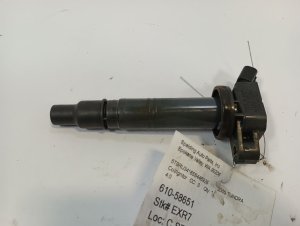
- Faulty Ignition Coil 🔴 High Probability → Shop Ignition Coil Coil-on-plug ignition systems are highly effective, but the individual coils are a frequent failure point over time and with high mileage. It's the most cited cause by owners and mechanics for this specific vehicle, with many forum users and video creators confirming it as the fix.
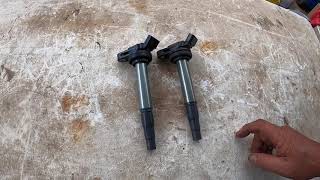
How to confirm: Perform an 'ignition coil swap test'. Swap the ignition coil from cylinder 1 with the coil from another cylinder (e.g., cylinder 2). This requires a 10mm socket to remove the single bolt holding each coil. Clear the codes and drive the vehicle. If the code changes to P0302 (Cylinder 2 Misfire), the coil is faulty.
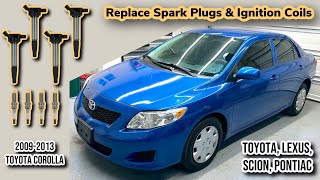
Typical fix: Replace the faulty ignition coil. Many technicians recommend replacing all four coils if they are original and the vehicle has high mileage, but replacing just the failed one is also a common practice, 🎬 See this walkthrough for replacing all coils and spark plugs. especially for DIYers on a budget. Using a quality brand like Denso (the OEM supplier) is highly recommended over cheaper alternatives which are known to fail quickly.
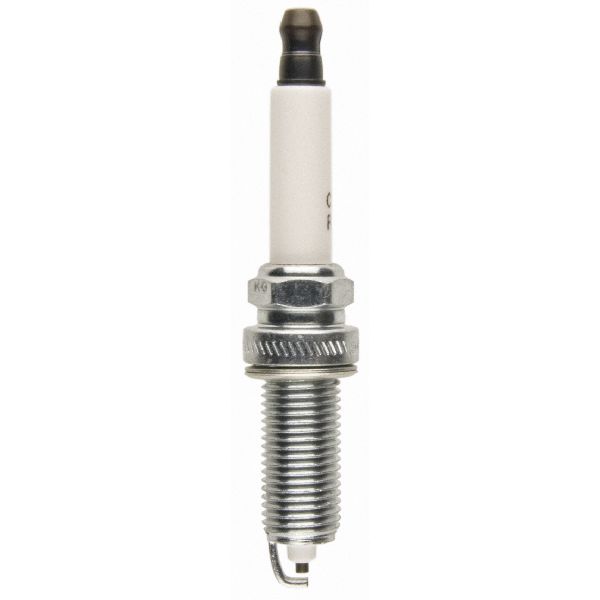
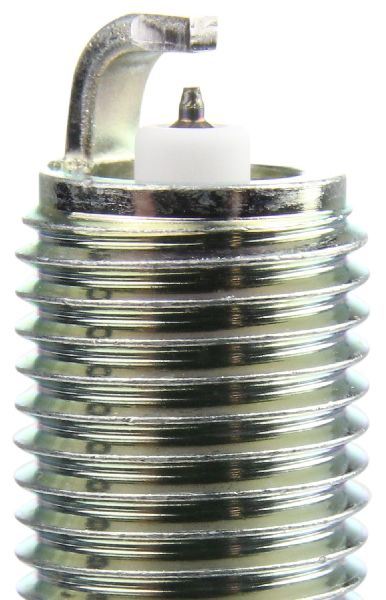
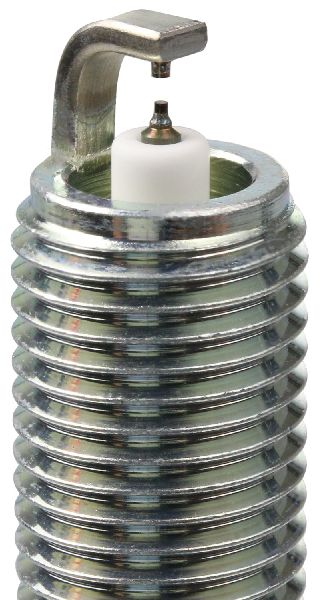
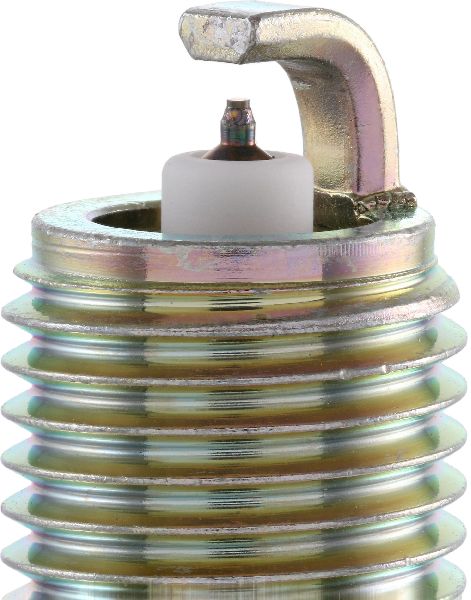
Est. part cost: $30-$80 - Worn or Fouled Spark Plug 🟡 Medium Probability → Shop Spark Plug Spark plugs are a regular maintenance item. The original iridium plugs have a long service life (up to 120,000 miles), but if they are neglected, they can wear out and cause a misfire. Additionally, some 2ZR-FE engines can consume oil, which can foul the spark plugs and lead to misfires.
How to confirm: After ruling out the ignition coil, inspect the spark plug in cylinder 1. Look for a worn electrode, carbon fouling, oil contamination, or a cracked insulator. The standard gap should be 1.0 to 1.1 mm (0.0394 to 0.0433 in.). You can also swap the spark plug with another cylinder to see if the misfire follows.
Typical fix: Replace the spark plug. It is best practice to replace all four spark plugs at the same time to ensure even performance. If oil fouling is observed, the underlying oil consumption issue may need to be addressed.
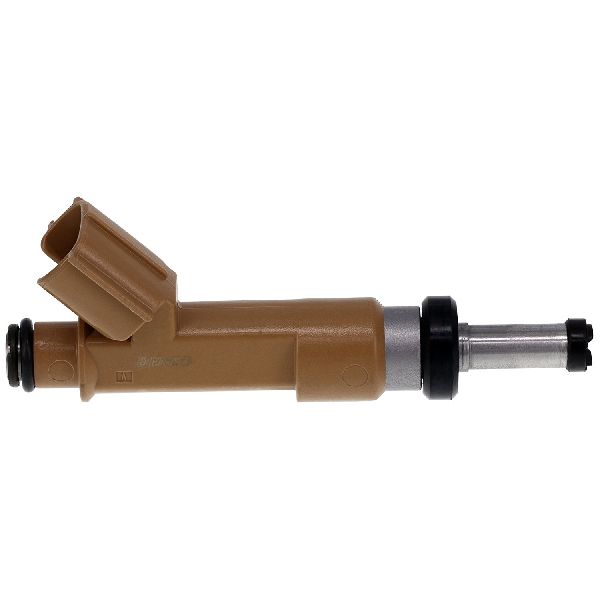
Est. part cost: $8-$15 per plug - Clogged or Faulty Fuel Injector ⚪ Low Probability → Shop Fuel Injector While less common than ignition issues, fuel injectors can become clogged with deposits or fail electronically over time, preventing the correct amount of fuel from reaching the cylinder.
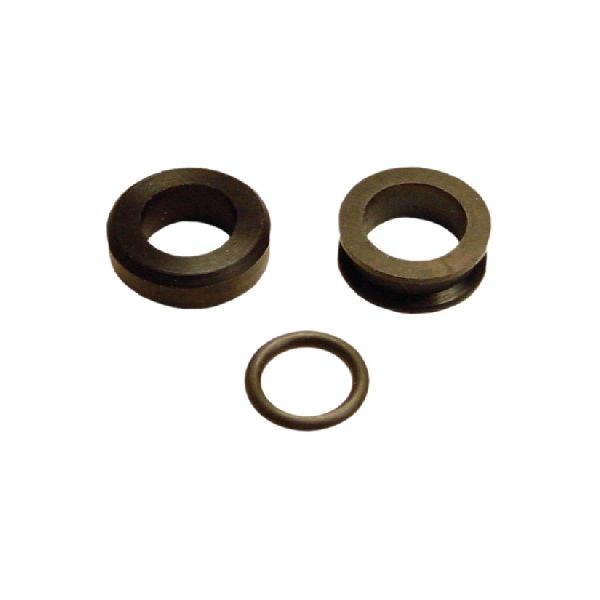
How to confirm: Listen to the injector with a mechanic's stethoscope; you should hear a consistent clicking sound. You can also swap the injector from cylinder 1 with another cylinder to see if the misfire code follows. This is more labor-intensive than swapping coils or plugs and may require new seals. A more definitive test is to measure the injector's resistance, which should be between 11.6 and 12.4 Ω at 20°C (68°F).
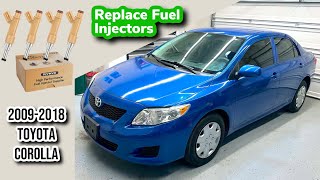
Typical fix: Replace the faulty fuel injector. The OEM part number for the 2ZR-FE is typically 23209-39145 or a superseding number like 23209-09140. 🎬 Watch: Step-by-step guide to replacing a fuel injector for P0301. It's also a good idea to replace the injector O-rings and seals at the same time.
Est. part cost: $50-$150
Rare But Worth Checking
- Intake Manifold Gasket Leak: → Shop Engine Intake Manifold A vacuum leak from a failed intake manifold gasket near the cylinder 1 intake runner can lean out the air/fuel mixture and cause a misfire specific to that cylinder. These gaskets are typically made of rubber and can become hard and brittle over time.
- Low Engine Compression: This indicates a more serious mechanical engine problem, such as a worn piston ring, a burnt valve, or a leaking head gasket. A compression test is needed to diagnose this. While the 2ZR-FE is generally robust, this can happen at very high mileage.
- Wiring Harness Issue: A damaged wire or loose/corroded pin in the connector for the ignition coil or fuel injector on cylinder 1 can cause an intermittent misfire. This can sometimes be caused by rodent damage.
Diagnosis Steps
- Read the trouble codes with an OBD-II scanner to confirm P0301 and check for any other codes. Note the freeze frame data.
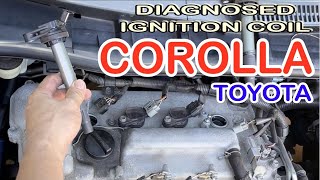
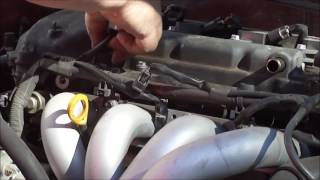
- Locate cylinder 1 (closest to the accessory belts on the passenger/right side of the engine). 🎬 Watch: How to replace the first ignition coil and spark plug.
- Swap the ignition coil from cylinder 1 with the coil from cylinder 2. This requires a 10mm socket or wrench.
- Clear the codes using the scanner, start the engine, and let it run or drive it briefly until the check engine light returns.
- Re-scan for codes. If the code is now P0302, the ignition coil is the problem. Replace the bad coil (originally from cylinder 1).
- If the code remains P0301, the coil is likely good. Proceed to the next step.
- Inspect the wiring and connector for the cylinder 1 ignition coil for any damage, corrosion, or loose pins.
- Swap the spark plug from cylinder 1 with the spark plug from cylinder 2. A spark plug socket will be required.
- Clear the codes and re-test. If the code moves to P0302, the spark plug is faulty. Replace all four plugs for best results.
- If the code remains P0301, the issue is likely a fuel injector, vacuum leak, or a mechanical engine problem.
- With the engine running, carefully spray brake cleaner or starting fluid around the intake manifold gasket near cylinder 1. If the engine RPM changes, you have found a vacuum leak.
- If no other cause is found, consider testing the fuel injector (swap test or resistance check) and performing an engine compression test to check for mechanical issues.
Parts You'll Likely Need
- Ignition Coil
(OEM #90919-02258 (or superseding part 90919-A2007))— This is the most common cause of a P0301 misfire on the 2ZR-FE engine. Denso is the original equipment manufacturer.
Trusted brands: Denso (OEM), NGK, Delphi
OEM price range: $90-$120
Aftermarket price range: $30-$60 - Iridium Spark Plug
(OEM #90919-01253)— Worn spark plugs are the second most common cause. They are a maintenance item and should be replaced as a set, typically every 120,000 miles.
Trusted brands: Denso (SC20HR11), NGK (ILKAR7B11)
OEM price range: $15-$25
Aftermarket price range: $8-$15 - Fuel Injector
(OEM #23209-39145 or 23209-39146)— A less common but possible cause. Required if the injector is confirmed to be clogged or failed electronically.
Trusted brands: Toyota (OEM), Beck/Arnley
OEM price range: $150
Aftermarket price range: $50-$100
Related Codes That Often Appear With This One
- P0300 — If misfires are detected on multiple random cylinders, P0300 (Random/Multiple Cylinder Misfire Detected) will be stored along with the specific cylinder codes. This points away from a single component like one coil and towards a systemic issue.
- P0302, P0303, P0304 — If other cylinders are also misfiring, their respective codes will be present. This could point to a more systemic issue like a vacuum leak, low fuel pressure, or poor fuel quality.
- P219A — This code (Air-Fuel Ratio Cylinder Imbalance) is sometimes seen with a misfire code, as the misfire directly affects the air-fuel mixture measurement in the exhaust.
Technical Service Bulletins (TSBs) & Recalls
- T-SB-0087-09: Describes a brief knocking/rattling noise from the 2ZR-FE engine on cold starts due to a faulty VVT gear. While not a direct cause of a persistent P0301, severe timing issues can lead to misfires.
Platform-Specific Known Issues
- While not a direct cause of P0301, some 2009 model year Corollas with the 2AZ-FE engine (a 2.4L option, not the 1.8L 2ZR-FE) were subject to TSB T-SB-0094-11 for excessive oil consumption. Some 1.8L 2ZR-FE engines can also consume oil at higher mileage, which can lead to oil-fouled spark plugs, potentially causing a misfire code like P0301. If you find an oil-soaked spark plug, this may be the underlying context for the failure.
Mechanic-Grade Diagnostic Values
- Fuel Injector Resistance — expected: 11.6 to 12.4 Ω at 20°C (68°F). Failure: A reading outside this range, or a reading that deviates significantly from the other injectors, indicates a faulty injector.
- Fuel Pressure (at fuel rail) — expected: 44 to 50 psi. Failure: Pressure that is significantly lower or does not hold steady when revving the engine can indicate a weak fuel pump.
- Ignition Coil Connector Voltage (Key On, Engine Off) — expected: Battery voltage (approx. 12V) at the power supply pin of the 4-pin connector.. Failure: Low or no voltage indicates a problem in the wiring or power supply circuit, not necessarily the coil itself.
Hidden / Shadow Codes Worth Checking
- Mode $06 Misfire Counters: The ECM tracks the number of misfire events per cylinder over specific drive cycles (e.g., last 10 cycles, current cycle). This data is more granular than a simple P-code and can reveal intermittent or low-frequency misfires that haven't yet met the threshold to trigger the check engine light. (see via Use a professional scan tool or Toyota's Techstream software. Navigate to the engine control module's live data or Mode 6 data list and look for PIDs like 'Cylinder #1 Misfire Count'.)
Scan Tool Commands That Help
- Toyota Techstream: Misfire Count Data (Cylinder #1-#4) — Use this to confirm which cylinder is misfiring and to check if other cylinders are experiencing minor misfires not yet severe enough to set their own codes (like P0302, etc.). This is crucial for diagnosing intermittent issues.
- Toyota Techstream / Professional Scan Tool: Fuel Injector Active Test — After ruling out spark, this test allows you to command a specific injector to pulse while monitoring fuel pressure. A consistent pressure drop should be observed for each injector. If cylinder 1's injector causes a smaller drop than others, it indicates it is clogged or failing.
Wiring & Ground Locations
- Ground Points AA, AB — Located on the left-hand (driver's side) fender apron in the engine bay. These are common grounding points for various engine sensors and components.. A corroded or loose ground at these locations can cause erratic behavior in the ignition or fuel systems, leading to intermittent misfires that are difficult to diagnose.
- Ground Points BA, BB — Located on the engine block and cylinder head, typically near the intake manifold or on the side of the head.. These are the primary grounds for the engine control system, including the ignition coils and injectors. A poor connection here can directly cause a weak spark or faulty injector signal.
- Ignition Coil Connector — 4-pin connector directly on top of the ignition coil for cylinder 1.. The pins for power (12V), ground, IGT (Ignition Timing signal from ECM), and IGF (Ignition Confirmation signal to ECM) can be tested here. A damaged wire or corroded pin in this connector is a common point of failure.
Real Owner Repair Stories
- Reddit user on r/MechanicAdvice (Scion xD with 2ZR-FE engine, 107k miles) — Blinking check engine light, heavy vibrations at idle, low power. Codes P0301, P0300, P0302.
❌ Tried (didn't work) Replacing spark plugs.
✅ What actually fixed it Replacing all four ignition coils resolved the misfires and the engine ran perfectly. This confirms that even with multiple codes, a single bad coil can be the root cause, and sometimes other original coils are near failure as well. - YouTube video by 'HOW TO FIXED P0301 CODE TOYOTA COROLLA' (2013 Toyota Corolla ZRE152R (2ZR-FE)) — Rough running, check engine light and VSC light on. Code P0301.
❌ Tried (didn't work) Clearing the code (it returned immediately on a road test).
✅ What actually fixed it The mechanic performed a coil swap test, moving the cylinder 1 coil to cylinder 4. After a short drive, the code changed to P0304. Replacing the original cylinder 1 coil with a new one fixed the problem. - Reddit user on r/AutoMechanics (2014 Toyota Corolla S, 175k miles) — Persistent P0301 code that would return a day after being cleared.
❌ Tried (didn't work) Replacing ignition coils., Replacing spark plugs., Two different mechanics performed compression tests and leak checks, finding nothing wrong.
✅ What actually fixed it The final diagnosis pointed towards a faulty fuel injector. A user suggested swapping the injector from cylinder 1 to another cylinder to see if the misfire code followed, which is the definitive test when spark components have been ruled out.
"I Checked Everything" — The Actual Cause
- In cases where P0301 persists after replacing the coil and spark plug, and a smoke test reveals no vacuum leaks, the cause is often not air-related but fuel or electrical. A common finding in this scenario is a partially clogged or electronically failing fuel injector on cylinder 1. A smoke test cannot detect a bad injector, which will not leak externally but will fail to deliver the correct fuel spray. Another possibility is an intermittent open/short in the wiring harness to the coil or injector, which would also not be found with a smoke test.
When the Usual Fixes Don't Work
- While the overwhelming majority of P0301 cases on this Corolla are a simple ignition coil, there are documented instances where owners replaced both coils and plugs with no resolution. In several of these cases, the problem was ultimately traced to a failing fuel injector on cylinder 1. This highlights the importance of not stopping the diagnosis at the ignition system if the problem persists. Performing a fuel injector resistance test or swap is a critical next step before assuming a more serious mechanical issue.
OEM Part Supersession History
90919-02252→90919-02258— Standard part revision for improved reliability or manufacturing process change.
Heads up: The parts are interchangeable. If you have the older part number, replacing it with the newer 90919-02258 is the correct procedure.23209-39145→23209-09140— Standard part revision.
Heads up: The parts are reported to be interchangeable. When ordering, providing the vehicle's VIN is the best way to ensure the latest correct part is supplied.
Diagnostic Flowchart
Other Known Issues on This Vehicle
Issues unrelated to this code that are worth knowing about as an owner of this generation:
- Excessive Oil Consumption 🟠 Medium — More common on earlier models of this generation, particularly the 2.4L 2AZ-FE engine, but some 1.8L 2ZR-FE engines can also consume oil at higher mileage (>100,000 miles). (Ref: T-SB-0094-11 (Primarily for 2AZ-FE engine))
- Water Pump Failure 🟠 Medium — The water pump is a known wear item and can fail, leading to coolant leaks and potential overheating. Failures are reported at various mileages, often over 80,000 miles.
- Starter Motor Failure / Cold Start Grind 🟡 Low — Owners report a grinding noise on startup, especially in cold weather, or an eventual no-start condition. It is a common replacement item.
- VVT Camshaft Gear Rattle on Cold Start 🟡 Low → Shop Engine Camshaft — A brief rattle for a few seconds upon a cold start can indicate a problem with the VVT camshaft timing gear assembly. (Ref: T-SB-0087-09)
- Sticky/Melting Interior Dash Panels 🟡 Low — In hot climates, the dashboard material can become sticky or melt over time. This was part of a warranty enhancement program by Toyota. (Ref: Warranty Enhancement Program ZE6)
Used vs. New Parts: Buying Guide for This Vehicle
When a used part is the smart pick: For parts like ignition coils and fuel injectors, a used part from a reputable auto recycler can be a cost-effective option. These components are not typically high-wear items in the same way as brakes or tires, and a part from a low-mileage donor vehicle can offer significant savings over a new OEM part.
Donor-vehicle mileage cap: roughly under 80000 miles for the part to have meaningful remaining life.
What to inspect on the donor part:
- Check for the absence of corrosion on electrical pins.
- For ignition coils, ensure the plastic housing is free of cracks and the boot is pliable, not brittle.
- For fuel injectors, look for clean nozzles and intact O-rings (though new O-rings should always be installed).
- Ask the recycler for the VIN or mileage of the donor car to verify it's a low-mileage vehicle.
OEM-only on this vehicle (don't cheap out):
- Engine Control Module (ECM) - Aftermarket or used ECMs often have programming and compatibility issues.
Aftermarket brands forum-validated for this vehicle:
- Denso (for ignition coils, spark plugs - OEM supplier)
- NGK (for ignition coils, spark plugs)
- Delphi (for ignition coils)
Brands owners have reported issues with on this vehicle:
- Unbranded, no-name ignition coils from online marketplaces are frequently reported to have very short service lives, sometimes failing within weeks or months.
Real Owner Stories
Aggregated from forums and TSBs cited above. Mileages and costs reflect what owners reported in those sources.
2009 Toyota Corolla LE 1.8L — 230000 miles
Symptoms: Got a p0301 code.
What fixed it: Replacing the spark plugs.
Source hint: Reddit r/MechanicAdvice - Thread 'Got a p0301 code. Toyota Corolla 2009 LE ~230,000 miles'
Related OBD-II Codes
Frequently Asked Questions
Which ignition coil brand should I use for my 2009-2013 Toyota Corolla 1.8L?
Does T-SB-0094-11 regarding excessive oil consumption apply to my 1.8L 2ZR-FE engine?
Why is my VSC (Vehicle Stability Control) light on at the same time as my P0301 Check Engine Light?
What is the correct spark plug gap for the 2ZR-FE engine?
My Corolla makes a rattling noise for a few seconds on cold starts; is this related to my P0301 code?
How can I tell if my fuel injector is bad without expensive tools?
Helpful Videos
Used OEM Parts in Stock
New Aftermarket Parts Available

The information in this article is provided for general reference and educational purposes only. Vehicle specifications, procedures, and part compatibility can vary by production date, trim level, and region. Always consult your vehicle's factory service manual and verify part numbers before purchasing or performing repairs. Safety-critical components such as airbags, seat belts, and braking systems should be installed by a qualified professional.
- Toyota Corolla:
- 🧭 Diagnostic Flowchart
- 🎬 Helpful Videos
- 🛍️ Shop This Part
- What's Unique About the 2009-2013 Toyota Corolla
- Symptoms You May Notice
- Most Likely Causes
- Rare But Worth Checking
- Diagnosis Steps
- Parts You'll Likely Need
- Related Codes That Often Appear With This One
- Technical Service Bulletins (TSBs) & Recalls
- Platform-Specific Known Issues
- Mechanic-Grade Diagnostic Values
- Hidden / Shadow Codes Worth Checking
- Scan Tool Commands That Help
- Wiring & Ground Locations
- Real Owner Repair Stories
- "I Checked Everything" — The Actual Cause
- When the Usual Fixes Don't Work
- OEM Part Supersession History
- Other Known Issues on This Vehicle
- Used vs. New Parts: Buying Guide for This Vehicle
- Real Owner Stories
- 2009 Toyota Corolla LE 1.8L — 230000 miles
- Related OBD-II Codes
- Frequently Asked Questions
- 🎟️ Get 5% Off