

P0301 on 2010-2015 Toyota Prius: Cylinder 1 Misfire Causes and Fixes
On a 2010-2015 Prius, P0301 is very often a symptom of a clogged EGR system and intake manifold. If not that, it's likely a failing head gasket, especially if the engine shakes violently on cold starts. Simpler causes like ignition coils and spark plugs should be checked first, but are less likely to be the root cause on this specific vehicle.
- For a 2010-2015 Prius, P0301 is not a simple 'bad coil' code; it's a strong pointer towards a clogged EGR system or a failing head gasket.
- The easiest first diagnostic step is to swap the ignition coil and spark plug from cylinder 1 to another cylinder to rule them out.
- A violent engine shake only on cold starts is a classic symptom of a failing head gasket on this car.
- Proactively cleaning the EGR cooler and intake manifold every 60,000-80,000 miles is a key preventative maintenance step to avoid this code and related head gasket issues.
- Ignoring a persistent misfire can lead to very expensive catalytic converter damage.
What's Unique About the 2010-2015 Toyota Prius
The third-generation Prius (2010-2015) is uniquely susceptible to P0301 due to two well-documented, and often linked, issues. The first is a design flaw in the Exhaust Gas Recirculation (EGR) system that causes heavy carbon buildup. This buildup, a mixture of exhaust soot and oil vapor from the PCV system, clogs the EGR cooler, valve, and small passages in the intake manifold, with cylinder 1's passage often being the first to become restricted. Secondly, these engines are known for head gasket failures, which are frequently a direct consequence of the clogged EGR system causing higher combustion temperatures. The failure typically begins as a small leak of coolant into cylinder 1 overnight, causing a violent engine shake and a P0301 code on a cold start 🎬 Watch: Diagnosing a cylinder 1 misfire and engine knock until the coolant is burned off.
Symptoms You May Notice
- Engine shaking, rattling, or vibrating, especially a violent 'death rattle' on a cold start that lasts for 5-15 seconds.
- Rough or uneven idle.
- Check Engine Light is on or flashing.
- Reduced power and sluggish acceleration.
- Decreased fuel economy.
- A gurgling or sloshing sound from behind the dashboard, indicating air pockets in the cooling system from a head gasket leak.
- Unexplained, gradual loss of engine coolant with no visible external leaks.
- White smoke from the exhaust, particularly on startup.
- Immediately replacing the ignition coil or spark plug and assuming the problem is fixed when the light stays off for a short period. On this vehicle, this often masks the underlying EGR or head gasket issue, which will cause the code to return.
- Replacing the head gasket without thoroughly cleaning the entire EGR circuit (cooler, valve, pipe, and intake manifold passages). The continued high temperatures from the clogged EGR will cause the new head gasket to fail prematurely.
Most Likely Causes
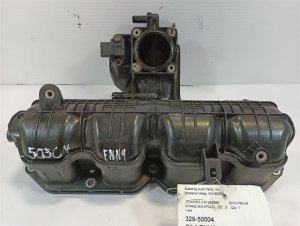
- Clogged EGR System & Intake Manifold 🔴 High Probability → Shop Engine Intake Manifold The 2ZR-FXE engine's EGR circuit design allows excessive carbon to build up, clogging the EGR cooler, valve, and the small passages in the intake manifold. This restricts airflow and EGR distribution, often affecting cylinder 1 the most. This is a well-documented issue in owner forums and is addressed by Toyota TSBs.
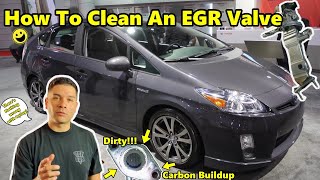
How to confirm: Visually inspect the EGR valve, EGR cooler, and the passages inside the intake manifold for thick, black carbon deposits. The passages for cylinder 1 are often the most restricted. Many DIY videos on YouTube show this process. 🎬 See this walkthrough for cleaning the EGR and intake manifold
Typical fix: A thorough cleaning of the entire EGR circuit is required. This includes the EGR valve, EGR cooler, PCV valve, and all passages in the intake manifold. Some owners purchase an oil catch can to reduce future buildup. Toyota later released an updated, less restrictive intake manifold design.
Est. part cost: $50-$150 - Failing Head Gasket 🟡 Medium Probability This is a widely documented failure on high-mileage Gen 3 Priuses, often caused by long-term EGR system clogging which leads to engine overheating and stress on the gasket. A small leak allows coolant to seep into a cylinder (often #1) overnight, causing a rough, shaky startup and a misfire code until the coolant is burned off.
How to confirm: The classic symptom is a violent engine shake or 'death rattle' that only occurs on the first cold start of the day and then subsides. Other signs include gradual coolant loss with no visible external leaks, and bubbles in the coolant reservoir when the engine is running. A block tester (chemical test for exhaust gases in coolant) or a cylinder leak-down test can provide definitive proof.
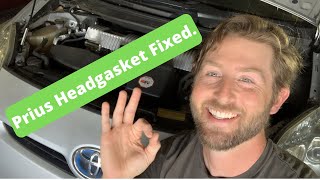
Typical fix: Requires replacing the head gasket, which is a labor-intensive engine repair. 🎬 Watch: Step-by-step guide to fixing a Prius head gasket The cylinder head must be checked for warpage and resurfaced. It is critical to also clean the entire EGR circuit during this repair to address the root cause.
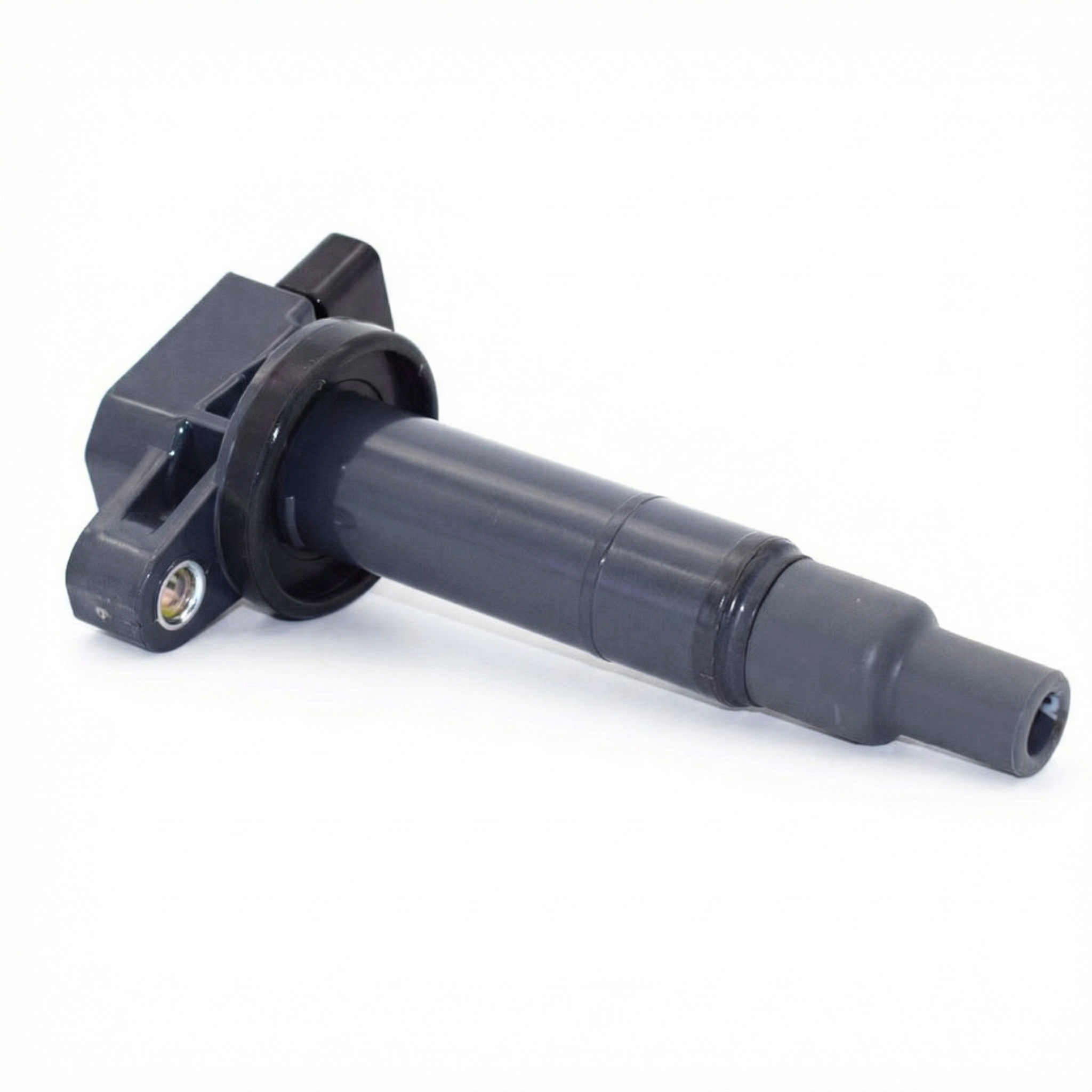
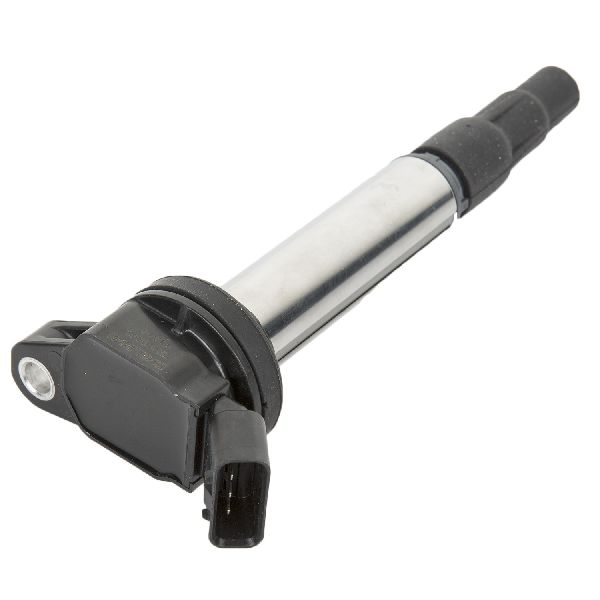
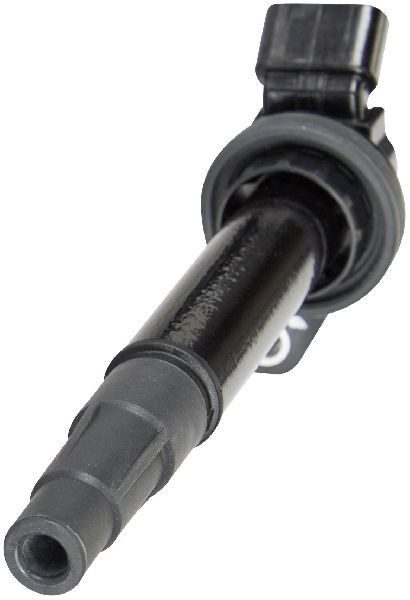
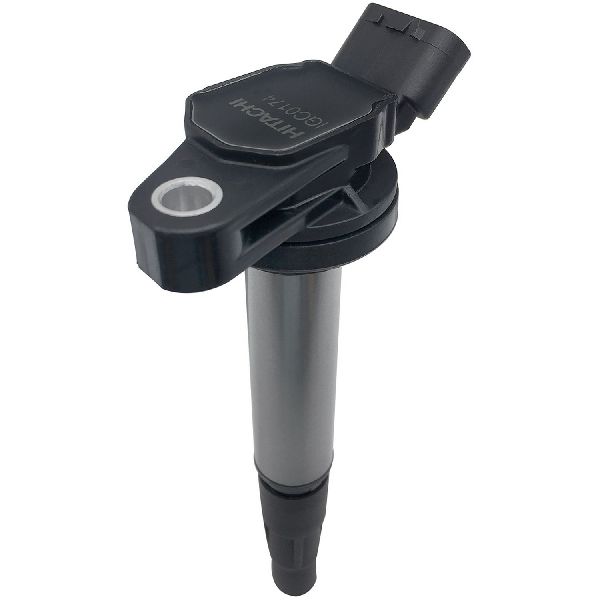
Est. part cost: $200-$500 - Failed Ignition Coil 🟡 Medium Probability → Shop Ignition Coil
How to confirm: Swap the ignition coil from cylinder 1 with the coil from another cylinder (e.g., cylinder 2). Clear the codes and drive the vehicle. If the code changes to P0302, the ignition coil is faulty. This is a standard diagnostic step for any misfire.
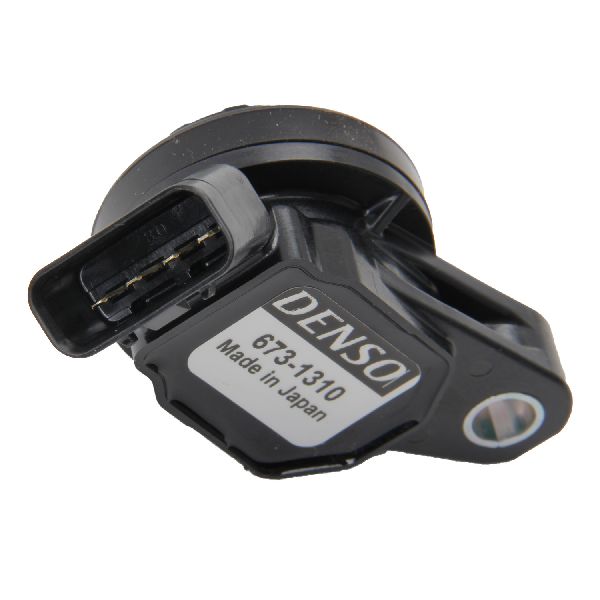
Typical fix: Replace the failed ignition coil. It is often recommended to replace all four if they are original and high-mileage. Use a reputable brand like OEM Denso, as counterfeit parts are common online.
Est. part cost: $40-$90 - Worn or Fouled Spark Plug ⚪ Low Probability → Shop Spark Plug
How to confirm: After confirming the ignition coil is good, inspect the spark plug in cylinder 1. Look for wear, carbon fouling, or oil/coolant contamination. A wet, sweet-smelling, or unusually 'steam-cleaned' plug points to a coolant leak from the head gasket.
Typical fix: Replace the spark plug. Toyota specifies iridium long-life plugs. If the plug is fouled by coolant, the root cause is the head gasket, not the plug itself.
Est. part cost: $10-$25 - Clogged or Faulty Fuel Injector ⚪ Low Probability → Shop Fuel Injector
How to confirm: If the coil and plug are good, the injector is a less common suspect. You can swap the injector from cylinder 1 to another cylinder to see if the misfire follows, similar to the coil test. This is more labor-intensive. A resistance test can also be performed; see specific_diagnostic_values.
Typical fix: Replace the faulty fuel injector. Sometimes running a high-quality fuel system cleaner with Polyetheramine (PEA) can resolve minor clogging, but it is unlikely to fix a persistent P0301 on this vehicle.
Est. part cost: $70-$150
Rare But Worth Checking
- Low Engine Compression: While less common than the top causes, internal engine wear (piston rings, valves) can cause a persistent misfire. This can be related to the excessive oil consumption issue known on these engines. A compression test is needed to confirm.
Diagnosis Steps
- Read the code with an OBD-II scanner to confirm P0301 and check for any other pending or active codes, especially P0401 or other misfire codes.
- Listen for a violent engine rattle on a cold start. If present, and if you are losing coolant, a head gasket failure is highly likely. Proceed to head gasket-specific tests.
- Swap the ignition coil from cylinder 1 to cylinder 2. Clear the codes and run the engine. If the code changes to P0302, the coil is bad.
- If the code remains P0301, swap the spark plug from cylinder 1 to cylinder 3. If the code changes to P0303, the spark plug is bad.
- If the misfire remains on cylinder 1, carefully inspect the spark plug for signs of coolant (unusually clean, sweet smell) or oil. This is a strong indicator of a head gasket leak or piston ring issue.
- If the plug looks normal (or just has carbon fouling), the next most likely cause is a clogged EGR system. This should be inspected regardless. Remove the intake manifold and inspect the EGR passages for heavy carbon buildup.
- While the intake is off, clean the EGR cooler, EGR valve, and all intake passages thoroughly. This is a labor-intensive but critical maintenance item for preventing head gasket failure.
- If the EGR system is clean and the misfire persists, especially with a cold-start rattle, confirm a head gasket failure. Perform a block test (checks for exhaust gas in coolant) or a cylinder leak-down test.
- If all else fails, test the fuel injector by swapping it to another cylinder or checking its resistance.
Parts You'll Likely Need
- Intake Manifold Gasket
(OEM #17171-37020)— Required when removing the intake manifold to clean the EGR passages, which is a primary cause of P0301 on this vehicle.
Trusted brands: Toyota OE, Fel-Pro
OEM price range: $15-$25
Aftermarket price range: $5-$15 - Ignition Coil
(OEM #90919-02258)— A common failure item for any misfire code. Easy to diagnose by swapping cylinders. OEM Denso is highly recommended.
Related Codes That Often Appear With This One
- P0300 — If the condition causing the misfire (like a clogged EGR or failing head gasket) worsens, it can start to affect other cylinders, leading to a 'Random/Multiple Cylinder Misfire' code.
- P0302, P0303, P0304 — As with P0300, these codes indicate the misfire is spreading to cylinders 2, 3, or 4, pointing towards a systemic issue like a clogged intake or head gasket problem rather than a single bad coil.
- P0A0F — This code, 'Engine Failed to Start', can sometimes accompany severe head gasket leaks where coolant intrusion is significant enough to prevent the engine from starting properly.
- P0401 — This code for 'Insufficient EGR Flow' is a direct confirmation that the EGR system is clogged. It often appears before or alongside the misfire codes and is a strong indicator of the root cause.
Technical Service Bulletins (TSBs) & Recalls
- Misfire While Driving With EGR Active: Though not directly found in searches, its existence is referenced by other sources. A similar Lexus TSB (L-SB-0019-16) confirms the issue: misfire DTCs (P0300-P0304) can be caused by clogged EGR ports in the intake manifold, with the recommended fix being the replacement of the intake manifold assembly.
- 2ZR-FXE Engine Oil Consumption Repair Procedure: Outlines the repair for excessive oil consumption, which involves replacing the pistons and piston ring assembly with updated parts. This is a separate issue from the P0301 misfire but a known problem for the 2ZR-FXE engine.
- 2ZR-FXE Engine Oil Consumption Inspection Procedure: Details the official procedure for a dealership to confirm if a vehicle qualifies for the oil consumption repair under warranty, requiring consumption of one US quart per 1100-1300 miles.
Platform-Specific Known Issues
- EGR System Clogging: The EGR cooler, valve, and intake manifold passages are highly prone to clogging with carbon, causing uneven air/exhaust distribution and leading to misfires, often starting with cylinder 1. Toyota released a Technical Service Bulletin (T-SB-0116-15 REV) related to this issue.
- Head Gasket Failure: A widely reported problem on 2010-2015 models, typically occurring after 150,000 miles. It often starts with a cold-start misfire and progresses to coolant loss and potential engine damage.
Mechanic-Grade Diagnostic Values
- Fuel Injector Resistance — expected: 11.6 to 12.4 Ω at 20°C (68°F). Failure: A resistance reading outside of this range indicates a faulty injector coil.
- Mode $06 Misfire Counts — expected: Near zero for all cylinders on a healthy engine.. Failure: A high count on Test ID $0A, Component ID $01 (for Cylinder 1) confirms the misfire is actively being detected by the ECU, even if the Check Engine Light is not flashing.
Scan Tool Commands That Help
- Toyota Techstream: Misfire Count (Live Data) — Use this to view live misfire counts for each cylinder while the engine is running. It is extremely useful for confirming the misfire is happening in real-time on cylinder 1 and seeing if it's affected by engine load, RPM, or temperature changes.
- Toyota Techstream: Active Test: Control the EGR Valve Step Position — This functionally tests the EGR valve and can help identify blockages. With the engine warm at idle, a technician can command the valve to open in steps. On a clean system, the engine should stumble or stall as the valve opens, introducing exhaust gas. If there is no change in idle quality, the EGR passages are likely clogged.
- Toyota Techstream: Active Test: Control the Injection Volume — This allows a technician to command specific changes to fuel injection per cylinder. By observing the effect on engine performance (or misfire counts), it helps isolate whether a misfire is fuel-related without physically swapping injectors.
Wiring & Ground Locations
- EA1, EB1 — These are major ground point clusters for the engine harness located on the driver's side of the engine bay, near the inverter and fuse box.. A corroded or loose ground at these points can cause erratic behavior in the ignition system, including weak spark or intermittent coil function, leading to misfires. While not a primary cause on the Prius, it's a critical check if electrical issues are suspected.
- Engine to Chassis Ground Strap — A primary ground strap connects the engine block/transmission case to the vehicle's chassis, typically located underneath the coolant reservoir.. This is the main ground path for the entire engine. Degradation of this connection can lead to a host of electrical problems, including persistent, hard-to-diagnose misfires. It should be checked for corrosion and tightness.
Real Owner Repair Stories
- PriusChat forum user (2013 Prius V, ~4000 miles since last repair attempt) — CEL with P0301, occasional serious knocking sound on cold start-up.
❌ Tried (didn't work) The owner had previously performed a full EGR system cleaning (cooler, pipe, valve), cleaned the intake manifold, replaced the PCV valve, installed an oil catch can, and swapped ignition coils. The fix lasted for about 4,000 miles before the P0301 code and symptoms returned.
✅ What actually fixed it The problem was ultimately diagnosed as a failed head gasket. A chemical test found hydrocarbons in the coolant, confirming a breach between the combustion chamber and coolant passages. The dealer recommended a full engine replacement. - Reddit user on r/prius (2010 Toyota Prius, 225,000+ miles) — 'Death rattle' on startup, misfires across all cylinders, eventually narrowed to just P0301.
❌ Tried (didn't work) Thoroughly cleaned EGR cooler, valve, pipe, and air intake manifold., Replaced PCV valve., Replaced all fuel injectors., Replaced all spark plugs., Replaced valve cover gaskets due to oil on plugs., Swapped ignition coils and spark plugs between cylinders to see if the misfire moved (it did not).
✅ What actually fixed it The user's post is a request for help after all common fixes failed to resolve the persistent P0301 on cylinder 1, with the next logical step being a head gasket inspection, despite no other classic symptoms like coolant loss or white smoke being present. This highlights a scenario where the head gasket is the last remaining possibility after exhausting all other causes.
OEM Part Supersession History
90919-02252→90919-02258— Standard part revision/update.
Heads up: The parts are interchangeable, with 90919-02258 being the current replacement for many Toyota models including the 2010-2015 Prius.17120-37050, 17120-37051, 17120-37052, 17120-37053→17120-37054 (and later 17120-37091 for certain TSBs)— Revisions to the intake manifold design were made to improve EGR distribution and potentially reduce carbon buildup, which disproportionately affects cylinder 1.
Heads up: While all versions are physically interchangeable, the latest revision (17120-37054) is recommended when replacing a manifold to help mitigate the root cause of EGR clogging. Some forum users note the internal passage design changes are subtle.
Model Year Variations Within This Range
- 2010-2014: Models produced before VIN JTDKN3DU#E0358779 are particularly prone to excessive oil consumption due to a piston and piston ring design. Toyota released TSB-0169-16 with an updated piston (13101-37240) and ring set (13011-37260) to address this. This issue can lead to spark plug fouling and a P0301 code.
- 2015: The 2015 model year vehicles were factory-equipped with the improved piston rings, making them less susceptible to the oil consumption issue that can cause P0301. However, they still use the same EGR system design and remain prone to clogging and potential head gasket failure as a result.
Diagnostic Flowchart
Other Known Issues on This Vehicle
Issues unrelated to this code that are worth knowing about as an owner of this generation:
- Excessive Oil Consumption 🔴 High — Common in higher-mileage (100k+) engines due to defective piston ring design. Can begin earlier. (Ref: T-SB-0169-16 (Repair) and T-SB-0168-16 (Inspection) address this by replacing pistons and rings.)
- Brake Actuator Assembly Failure 🔴 High — Common failure around 100,000-150,000 miles, leading to a loss of braking assistance, loud pump noises, and multiple dashboard warning lights. (Ref: A Warranty Enhancement Program (ZE3/ZG1) was issued, extending coverage, but many owners report failures occurring just outside the 10-year/150,000-mile window.)
- Hybrid Inverter Failure 🔴 High — Can occur at various mileages, causing the vehicle to stall or enter a low-power 'limp-home' mode. (Ref: Multiple recalls (e.g., 18V684000) and a warranty extension program (to 15 or 20 years, unlimited mileage) were issued to address the issue by updating software or replacing the inverter.)
- Center Multi-Function Display Failure 🟡 Low — The main screen can go blank or become unresponsive due to poorly soldered internal connections.
Used vs. New Parts: Buying Guide for This Vehicle
When a used part is the smart pick: A complete, low-mileage JDM or used engine assembly can be a cost-effective solution if a head gasket has failed, often costing less than the labor for a head gasket repair at a dealership. Used ignition coils and intake manifolds from a low-mileage donor car are also viable, low-risk options.
Donor-vehicle mileage cap: roughly under 80000 miles for the part to have meaningful remaining life.
What to inspect on the donor part:
- For an engine, ask for compression test results if available.
- Check for milky residue under the oil cap (sign of coolant/oil mix).
- Inspect the intake manifold's EGR ports for excessive carbon buildup before purchase.
- Look for external signs of overheating, such as melted plastic components or discolored metal on the cylinder head.
OEM-only on this vehicle (don't cheap out):
- Head Gasket: The cost of labor is too high to risk using a non-OEM gasket. Use a genuine Toyota or OEM-supplier (e.g., Ishino) gasket set.
- PCV Valve: Aftermarket PCV valves for this engine are known to fail or not perform correctly, leading to oil consumption. Use a genuine Toyota part.
Aftermarket brands forum-validated for this vehicle:
- Denso for ignition coils and spark plugs (Denso is the OEM supplier).
- Fel-Pro for intake and other miscellaneous gaskets.
Brands owners have reported issues with on this vehicle:
- Unbranded ignition coils from online marketplaces like eBay or Amazon are frequently reported as failing prematurely.
Real Owner Stories
Aggregated from forums and TSBs cited above. Mileages and costs reflect what owners reported in those sources.
2010-2015 Toyota Prius 1.8L — ~150000 miles
Symptoms: Violent engine shake or 'death rattle' that only occurs on the first cold start of the day and then subsides; gradual coolant loss with no visible external leaks.
What fixed it: Replacing the head gasket, checking the cylinder head for warpage/resurfacing, and cleaning the entire EGR circuit to address the root cause.
Source hint: vehicle_specific_issues
2010 Toyota Prius 1.8L
Symptoms: P0301 code returned even after replacing the ignition coil and spark plug.
What fixed it: The community recommended cleaning the clogged EGR system (cooler, valve, and intake manifold passages) or checking for a failing head gasket.
Source hint: PriusChat: P0301. Replaced coil & spark plug, now it's returned.
Related OBD-II Codes
Frequently Asked Questions
What is the 'death rattle' I hear on my 2010 Prius during cold starts?
Does Toyota have a TSB for misfires caused by the EGR system on the 2ZR-FXE?
Is there a specific TSB for the high oil consumption I'm seeing alongside my P0301 code?
Why is cylinder 1 specifically mentioned in my P0301 code so often on this model?
Can I just replace the spark plugs to fix the P0301 misfire?
What is the 'gurgling' sound I hear behind my dashboard?
Helpful Videos
Used OEM Parts in Stock
New Aftermarket Parts Available


The information in this article is provided for general reference and educational purposes only. Vehicle specifications, procedures, and part compatibility can vary by production date, trim level, and region. Always consult your vehicle's factory service manual and verify part numbers before purchasing or performing repairs. Safety-critical components such as airbags, seat belts, and braking systems should be installed by a qualified professional.
- Toyota Prius:
- 🧭 Diagnostic Flowchart
- 🎬 Helpful Videos
- 🛍️ Shop This Part
- What's Unique About the 2010-2015 Toyota Prius
- Symptoms You May Notice
- Most Likely Causes
- Rare But Worth Checking
- Diagnosis Steps
- Parts You'll Likely Need
- Related Codes That Often Appear With This One
- Technical Service Bulletins (TSBs) & Recalls
- Platform-Specific Known Issues
- Mechanic-Grade Diagnostic Values
- Scan Tool Commands That Help
- Wiring & Ground Locations
- Real Owner Repair Stories
- OEM Part Supersession History
- Model Year Variations Within This Range
- Other Known Issues on This Vehicle
- Used vs. New Parts: Buying Guide for This Vehicle
- Real Owner Stories
- 2010-2015 Toyota Prius 1.8L — ~150000 miles
- 2010 Toyota Prius 1.8L
- Related OBD-II Codes
- Frequently Asked Questions
- 🎟️ Get 5% Off