

P0301 on 2012-2015 Toyota Prius Plug-in: Cylinder 1 Misfire Causes and Fixes
On the 2012-2015 Prius Plug-in, P0301 is most often caused by a clogged EGR system and intake manifold. If not that, it could be a simple spark plug or ignition coil. In more serious cases, especially with a rough cold start, it can be a failing head gasket, a known issue for this platform.
- P0301 on a 2012-2015 Prius Plug-in is not a simple 'replace the spark plug' issue. The most probable cause is a clogged EGR system.
- Always perform the easy checks first: swap the ignition coil from cylinder 1 to another cylinder to see if the misfire code follows.
- A rough, rattling engine shake that only happens on a cold start is a classic, and very common, symptom of a failing head gasket on this car.
- If you decide to clean the EGR system, the entire circuit must be cleaned for a lasting repair: the EGR valve, cooler, pipe, and especially the small passages inside the intake manifold.
- Ignoring a persistent misfire will lead to damage to the catalytic converter, a very expensive repair.
What's Unique About the 2012-2015 Toyota Prius Plug-in
The 1.8L 2ZR-FXE engine in the third-generation Prius family (which includes the Plug-in) is uniquely prone to issues with its Exhaust Gas Recirculation (EGR) system. Over time, carbon deposits clog the EGR cooler, valve, and small passages within the intake manifold, leading to an uneven air-fuel mixture that often causes a misfire specifically in cylinder 1 due to the manifold's design. This issue is so common that Toyota issued a Technical Service Bulletin (TSB L-SB-0019-16 for the Lexus CT200h, which shares the engine, and T-SB-0116-15 REV for the Prius) acknowledging that clogged EGR ports cause misfires. This EGR clogging is a major contributing factor to the platform's other notorious problem: head gasket failure. The blockage can lead to higher combustion temperatures, which in turn causes the head gasket to fail. This often first appears as a cold-start misfire with a P0301 code as coolant seeps into the cylinder overnight.
Symptoms You May Notice
- Check Engine Light is on or flashing
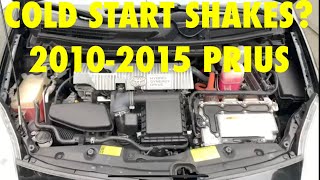
- Rough, shaking, or rattling engine, especially on a cold start. This is often described by owners as a 'death rattle' and is a classic sign of a potential head gasket leak. 🎬 Watch: How to diagnose and fix the Gen 3 death rattle.
- Hesitation or stumbling during light acceleration
- Noticeable loss of power
- Reduced fuel economy
- Unexplained coolant loss in the reservoir, even if no external leaks are visible
- Replacing only the spark plug and ignition coil without inspecting the EGR system. The code often returns because the root cause is a clogged intake manifold.
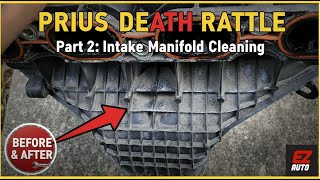
- Cleaning only the EGR valve or pipe, but not the entire circuit. The intake manifold passages 🎬 See this walkthrough for cleaning the intake and PCV valve. and EGR cooler are critical points of failure and must also be cleaned for a lasting repair.
- Using head gasket sealer additives. While some owners report temporary success, this is not a permanent fix and can potentially cause blockages in the cooling system. The misfire almost always returns.
Most Likely Causes
- Clogged EGR System (Cooler, Valve, and Intake Manifold) 🔴 High Probability The design of the 2ZR-FXE engine's EGR system is highly susceptible to heavy carbon buildup over time, which clogs passages. The intake manifold design tends to starve cylinder 1 of air and EGR flow first, causing a misfire. This is a well-documented issue in owner forums and is addressed by Toyota/Lexus TSBs like L-SB-0019-16 and T-SB-0116-15 REV.
How to confirm: Remove the intake manifold and visually inspect the EGR passages for heavy, black carbon deposits. The ports for cylinders 1 and 2 are often the most restricted. The presence of code P0401 (EGR Flow Insufficient) is also a strong indicator.
Typical fix: A thorough cleaning of the EGR cooler, EGR valve, EGR pipe, and all passages within the intake manifold. Some owners install an oil catch can to reduce future buildup. Due to the difficulty of cleaning, some shops and TSBs recommend replacing the intake manifold entirely (OEM P/N 17120-37054).
Est. part cost: $20-$50 for gaskets and cleaning supplies, or $300-$400 for a new OEM intake manifold. - Leaking Head Gasket 🟡 Medium Probability This is a well-documented, common failure on high-mileage 2010-2015 Priuses, often triggered by a clogged EGR system increasing engine temperatures. A leak between a coolant passage and a cylinder causes coolant to enter the combustion chamber, resulting in a misfire (often P0301) and a violent engine shake on cold starts.
How to confirm: Symptoms include a rough, rattling cold start that smooths out, and gradual coolant loss with no visible external leaks. Bubbles in the coolant reservoir when the engine is cold are a strong sign. A chemical block test (checking for hydrocarbons in the coolant) 🎬 Watch: How to check for head gasket leaks without special tools. or a cylinder leak-down test can confirm a failed head gasket.
Typical fix: This is a major repair that involves removing the cylinder head to replace the head gasket. The cylinder head should also be checked for warpage and resurfaced. It is critical to also clean the entire EGR circuit during this repair to prevent a repeat failure.
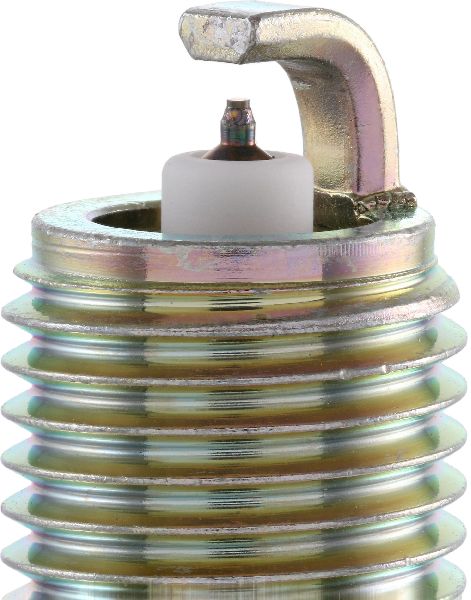
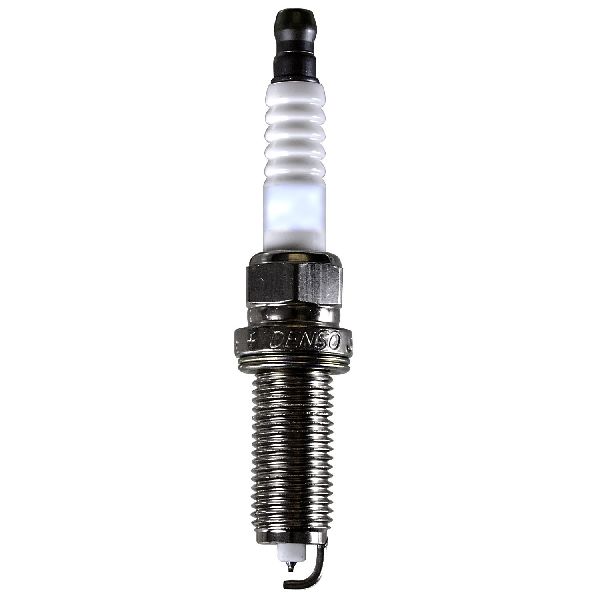
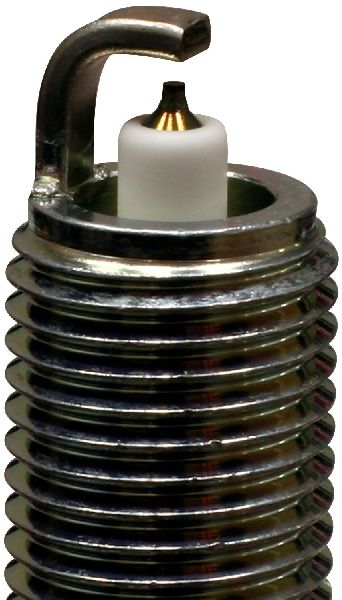
Est. part cost: $150-$400 for a head gasket set, new head bolts, and associated gaskets. - Worn Spark Plugs 🟡 Medium Probability → Shop Spark Plug Spark plugs are a standard wear item. While the OEM iridium plugs have a long life (up to 120,000 miles), they can still fail or become fouled, especially if other issues like oil consumption (another known 2ZR-FXE issue) or coolant leaks are present.
How to confirm: Remove the spark plug from cylinder 1 and inspect it for wear, fouling (black, oily, or white deposits), or damage. A wet, sweet-smelling, or unusually clean, steam-cleaned plug indicates a coolant leak (head gasket).
Typical fix: Replace all four spark plugs as a set. Use high-quality OEM-spec plugs (e.g., Denso SC16HR11 or NGK) to avoid issues.
Est. part cost: $40-$80 for a set of four iridium plugs - Failed Ignition Coil 🟡 Medium Probability → Shop Ignition Coil Coil-on-plug ignition coils can fail from heat and age. It's a common failure on many modern engines and an easy first step in diagnosis.
How to confirm: Swap the ignition coil from cylinder 1 with another cylinder (e.g., cylinder 2). Clear the codes and drive the car. If the code changes to P0302, the ignition coil is faulty.
Typical fix: Replace the single failed ignition coil. It is recommended to use a quality brand like Denso.
Est. part cost: $50-$100 for one OEM-quality coil
Rare But Worth Checking
- Dirty or Clogged Fuel Injector: → Shop Fuel Injector While less common than EGR or ignition issues, a clogged injector can restrict fuel flow to cylinder 1, causing a lean misfire. This can be checked if all other common causes are ruled out. Some owners on PriusChat have noted this as a possibility after cleaning the EGR system.
- Low Engine Compression: Internal engine wear, such as on piston rings or valves, can lead to a loss of compression and a misfire. This engine is known for potential oil consumption due to piston ring design, which can lead to compression loss over time. A compression test should be performed if ignition, fuel, and EGR systems check out.
Diagnosis Steps
- Read the code with an OBD-II scanner to confirm P0301 and check for any other pending codes like P0401 or other misfire codes.
- Check for the classic symptom of a head gasket issue: a violent engine shake or rattle that occurs only for the first few seconds of a cold start. Also, check the coolant reservoir level for any unexplained loss.
- Perform the simplest diagnostic test: Swap the ignition coil from cylinder 1 with another cylinder (e.g., cylinder 2). Clear the codes, drive the vehicle, and see if the misfire code moves to P0302. If it does, the coil is bad.
- If the code remains P0301, inspect the spark plug in cylinder 1. Look for wear, damage, or fouling. A very clean, steam-cleaned appearance suggests a coolant leak from a bad head gasket.
- If the coil and plug are good, the next most likely cause is the EGR system. This requires removing the intake manifold to inspect the EGR passages for heavy carbon buildup.
- While the intake manifold is off, thoroughly clean it along with the EGR cooler, EGR valve, and EGR pipe. Replace the PCV valve at the same time, as it is inexpensive and easy to access. Replace the intake manifold gasket (P/N 17171-37020).
- If the EGR system is clean and the problem persists, suspect a head gasket leak. Confirm with a chemical block tester (checks for combustion gases in the coolant) or a cylinder leak-down test.
- If all of the above steps fail to resolve the misfire, more advanced diagnostics are needed, such as a fuel injector test or a compression test to check for internal engine problems.
Parts You'll Likely Need
- Ignition Coil
(OEM #90919-02258)— A common failure point for misfires. Easy to diagnose by swapping cylinders.
Trusted brands: Denso, NGK
OEM price range: $90-$120
Aftermarket price range: $40-$70 - Iridium Spark Plug
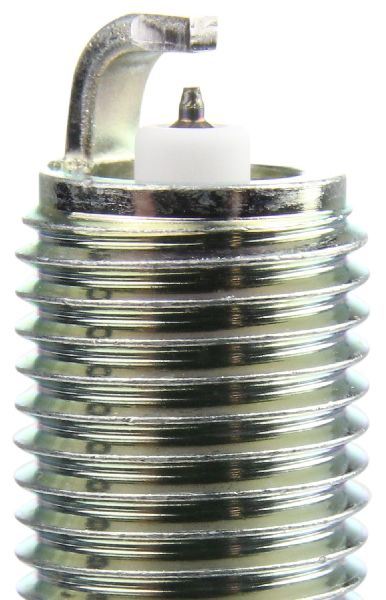
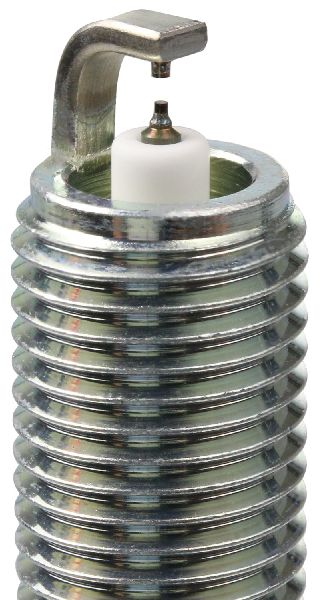
(OEM #90919-01253)— A standard maintenance item that can cause misfires when worn or fouled.
Trusted brands: Denso (SC16HR11), NGK (ILKAR7B11)
OEM price range: $20-$30
Aftermarket price range: $10-$20 - Intake Manifold
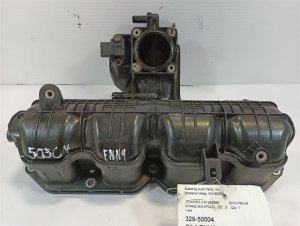
(OEM #17120-37054)— The original manifold design is prone to carbon buildup in the EGR passages, causing misfires. Often replaced instead of cleaned due to labor involved.
Trusted brands: Toyota (Genuine)
OEM price range: $300-$400
Aftermarket price range: $150-$250 - Head Gasket Set
(OEM #04111-37312)— Required for a head gasket replacement, a common major failure on this engine that presents with a P0301 code.
Trusted brands: Toyota (Genuine), Fel-Pro
OEM price range: $250-$350
Aftermarket price range: $150-$250 - Intake Manifold Gasket
(OEM #17171-37020)— Must be replaced anytime the intake manifold is removed for cleaning or replacement.
Trusted brands: Toyota (Genuine), Fel-Pro
OEM price range: $10-$20
Aftermarket price range: $5-$10
Related Codes That Often Appear With This One
- P0300 — Indicates a random or multiple cylinder misfire. This can occur with P0301 if the underlying issue, like a clogged EGR system or failing head gasket, begins to affect other cylinders.
- P0302, P0303, P0304 — Misfire codes for other cylinders. They often appear alongside P0301 when the cause is systemic, such as a severely clogged intake manifold or a significant head gasket leak.
- P0401 — Indicates 'EGR Flow Insufficient.' This code is a strong clue that the EGR system is clogged and is the likely root cause of the P0301 misfire.
- P219A — Bank 1 Air-Fuel Ratio Imbalance. This code can appear with misfire codes when the EGR clogging causes uneven air distribution among the cylinders.
Technical Service Bulletins (TSBs) & Recalls
- L-SB-0019-16 (for Lexus CT200h): Acknowledges that misfire codes (P0300-P0304) can be caused by clogged EGR ports in the intake manifold and recommends replacement of the manifold.
- T-SB-0116-15 REV (for Prius): Also addresses misfires caused by clogged EGR and recommends intake manifold replacement.
- T-SB-0168-16 & T-SB-0169-16: Detail the inspection and repair procedure for excessive oil consumption, which can lead to fouled plugs and misfires. The repair involves replacing pistons and piston rings.
Platform-Specific Known Issues
- EGR System Clogging: The 2ZR-FXE engine is notorious for carbon buildup in the EGR cooler and intake manifold, leading to misfires, often starting with cylinder 1. Toyota issued a Technical Service Bulletin (T-SB-0116-15 REV) for a related issue, recommending replacement of the intake manifold.
- Head Gasket Failure: The 2010-2015 Prius models are known for a high incidence of head gasket failure, typically occurring after 100,000 miles. The failure often presents first as a cold-start rattle and a misfire code like P0301.
Mechanic-Grade Diagnostic Values
- Fuel Injector Resistance — expected: 11.6 to 12.4 Ω at 20°C (68°F). Failure: A reading outside of this range, or a reading that is a significant outlier compared to the other three injectors.
- Ignition Coil Primary/Secondary Resistance — expected: Not specified by Toyota.. Failure: Toyota does not provide official resistance specs for these coil-on-plug units. The primary diagnostic method is to swap the coil to another cylinder and see if the misfire code follows.
Hidden / Shadow Codes Worth Checking
- Mode 6 Misfire Data (TID $53, CID $01-$0C): Before a P030x code is officially set, the ECU tracks misfire counts for each cylinder in a non-continuous monitor known as Mode 6. A technician can view these raw counts to identify intermittent misfires that haven't yet triggered the check engine light. For example, you might see 12 misfires on cylinder 1 but zero on others. (see via Using an advanced scan tool or Toyota's Techstream software, navigate to the 'Misfire Monitor' or 'Mode 6' data display.)
Scan Tool Commands That Help
- Toyota Techstream: Active Test: Control the Injection Volume for All Cylinder / Cylinder Cut Test — This bidirectional test allows a technician to manually stop fuel injection to a specific cylinder (e.g., cylinder 1). If the engine's running condition does not change when cylinder 1 is cut, it confirms that cylinder is not contributing, verifying the misfire. If the engine runs worse, it suggests the cylinder was working to some degree. This helps isolate the issue to a specific cylinder.
- Toyota Techstream: Utility: Misfire Count — This utility provides a more accurate, real-time view of misfire counts than the standard OBD-II data list, which can be unreliable under load. It's the preferred way to see which cylinder is actively misfiring during a test drive.
- Toyota Techstream: Active Test: Check the Cylinder Compression — This function cranks the engine with fuel and spark disabled and measures the rotational speed of each cylinder to provide a relative compression value. A cylinder with significantly lower RPM during this test indicates a potential compression issue (e.g., bad rings, valves, or head gasket leak).
Real Owner Repair Stories
- PriusChat Forum User (2013 Prius V, ~4000 miles after major service) — P0301 CEL returned after a full EGR system cleaning. Noticed a slow drop in coolant level in the reservoir (from 'F' line to just below the seam).
❌ Tried (didn't work) Complete EGR system cleaning (cooler, pipe, valve), Intake manifold cleaning, Spark plug replacement, Ignition coil swap, PCV valve replacement, Fuel injector cleaning
✅ What actually fixed it The root cause was a failed head gasket. A chemical test performed by a dealer found hydrocarbons in the coolant, confirming a leak between the combustion chamber and coolant passages. The user was quoted for a full engine replacement. - PriusChat Forum User (2012 Prius Two) — Persistent P0301 code even after a head gasket replacement.
❌ Tried (didn't work) Head gasket replacement, Spark plug replacement, Ignition coil replacement, Fuel injector cleaning, PCV valve replacement
✅ What actually fixed it The final diagnosis was a bent connecting rod in cylinder 1, likely caused by hydrolocking from the initial coolant leak before the head gasket was replaced. A compression test confirmed the issue. The owner opted to sell the car rather than replace the engine. - YouTube Creator (NutzAboutBoltz referenced) (2012 Prius) — P0301 code with severe engine knocking/shaking, especially on cold start.
❌ Tried (didn't work) Initial thought was head gasket, but decided to try cleaning first.
✅ What actually fixed it A complete cleaning of the EGR cooler, EGR pipe, and intake manifold resolved the code and symptoms. The EGR cooler was noted as being 90% blocked and the EGR pipe was 80% blocked with carbon. This confirms the EGR system as a primary cause before suspecting the head gasket.
When the Usual Fixes Don't Work
- While a clogged EGR system is the most common cause, many owners have performed a full, meticulous cleaning of the EGR cooler, pipe, and intake manifold only to have the P0301 code return within a few thousand miles. In these cases, the underlying issue was almost always a head gasket that had already begun to fail. The initial EGR clog likely caused the overheating that damaged the gasket, but by the time the code appeared, cleaning the EGR was no longer sufficient to solve the problem. A key indicator is the combination of a P0301 code and any amount of unexplained coolant loss.
OEM Part Supersession History
17120-37050, 17120-37051, 17120-37052, 17120-37053→17120-37054— Updated intake manifold design intended to reduce condensation buildup and potentially mitigate the EGR clogging issue that leads to misfires.
Heads up: There is a further supersession to 17120-37091 mentioned in some bulletins for a no-start condition, but 17120-37054 is the commonly referenced replacement for the P0301 misfire/rattle issue.90919-02252→90919-02258— Standard part revision by the manufacturer.
Model Year Variations Within This Range
- 2010-2013 vs 2014-2015: There is anecdotal evidence and forum discussion suggesting that the 2014-2015 models of the 2ZR-FXE engine received updated piston rings to reduce oil consumption issues that were more prevalent in earlier years. While not directly tied to the P0301 EGR issue, excessive oil consumption can foul spark plugs and contribute to misfires.
Diagnostic Flowchart
Other Known Issues on This Vehicle
Issues unrelated to this code that are worth knowing about as an owner of this generation:
- Excessive Oil Consumption 🟠 Medium — Common in higher-mileage (100k+) engines. Caused by piston ring design. (Ref: T-SB-0168-16 and T-SB-0169-16 detail the diagnosis and repair (piston replacement).)
- Hybrid Inverter Failure 🔴 High — Affects 2013-2015 models. Can cause sudden loss of power while driving. (Ref: Safety Recall 20TA10 / 20TB10. Involves a software update and, if failed, inverter replacement.)
- Brake Booster / Accumulator Failure 🔴 High — Common on the broader Prius platform (Gen 2 & Gen 3). Symptoms include frequent pump cycling, buzzing noises, and a hard brake pedal. (Ref: No recall for this specific model, but a known expensive repair ($2,100-$4,500).)
- Engine Water Pump Failure 🟠 Medium — The electric water pump can fail, leading to overheating which can accelerate head gasket failure. Often fails without warning codes. (Ref: No recall, but a common maintenance item to watch for, especially with any signs of overheating or coolant loss.)
- EV Fuse Malfunction (Plug-in Specific) 🟠 Medium — Affects 2012-2015 Prius Plug-in models under repeated high-load EV driving. (Ref: Safety Recall H0R. The EV fuse can fracture, causing loss of power. The fix is a fuse replacement.)
Used vs. New Parts: Buying Guide for This Vehicle
When a used part is the smart pick: Used parts can be a cost-effective option for ignition coils. A used intake manifold can also be considered, but only if you can verify it has been thoroughly cleaned of all carbon deposits, as buying a used clogged manifold saves no time or money.
Donor-vehicle mileage cap: roughly under 100000 miles for the part to have meaningful remaining life.
What to inspect on the donor part:
- For an intake manifold, visually inspect the EGR ports inside. They should be free of thick, black carbon buildup.
- For ignition coils, check for any cracks in the plastic housing or corrosion on the electrical connector pins.
- Ask for the donor vehicle's VIN to check its service history if possible, avoiding parts from vehicles with known overheating or head gasket issues.
OEM-only on this vehicle (don't cheap out):
- Head Gasket: This is a critical, high-labor repair. Using a genuine Toyota head gasket set (P/N 04111-37312 or similar) is strongly recommended by experienced mechanics to ensure a long-lasting seal and prevent repeat failures.
- PCV Valve: This part is inexpensive, and a genuine Toyota part ensures correct crankcase ventilation, which is crucial for preventing oil consumption and carbon buildup.
Aftermarket brands forum-validated for this vehicle:
- Ignition Coils: Denso (the OEM supplier) and NGK are highly reputable.
- Spark Plugs: Denso (SC16HR11) and NGK are the OEM-spec plugs and are recommended.
- Head Gasket Set: While OEM is preferred, Fel-Pro is a well-regarded aftermarket brand if OEM is unavailable.
Brands owners have reported issues with on this vehicle:
- Avoid unbranded, 'white-box' ignition coils and sensors from online marketplaces. While cheap, they have a high failure rate and can cause persistent diagnostic headaches.
Real Owner Stories
Aggregated from forums and TSBs cited above. Mileages and costs reflect what owners reported in those sources.
2012 Toyota Prius 2ZR-FXE 1.8L
Symptoms: CEL P0301 Cylinder 1 misfire and engine knocking.
What fixed it: A detailed diagnostic path involving EGR cleaning.
Source hint: PriusChat - '2012 Prius - CEL P0301 Cylinder 1 misfire/Engine knocking - FIXED'
2010-2015 Lexus CT200h (2ZR-FXE 1.8L) — ~125000 miles
Symptoms: Classic progression: P0301 followed by coil and plug replacement, but the code returned. Eventually noticed coolant loss.
What fixed it: The issue ultimately pointed to a head gasket failure after EGR cleaning failed to resolve the returning code.
Source hint: 2CarPros.com - 'Code P0301: My Car Is Actually a Lexus Ct200h...'
2013 Lexus CT 200h
Symptoms: Violent shaking and P0301 code.
What fixed it: Discovery of coolant loss pointing to head gasket failure after initial EGR cleaning attempts.
Source hint: CarComplaints.com - '2013 Lexus CT 200h Engine Problems'
2010-2015 Toyota Prius 2ZR-FXE 1.8L — ~100000 miles
Symptoms: Misfire in Cylinder 1; owner warned that driving with the misfire could destroy the expensive catalytic converter.
What fixed it: Not specified, but identified as a common failure occurring after 100,000 miles.
Source hint: PriusChat - 'PO301... Misfire in Cylinder 1'
Related OBD-II Codes
Frequently Asked Questions
My 2012 Prius Plug-in has a violent 'death rattle' on cold starts. Is this a known issue?
Is there a Technical Service Bulletin for misfires caused by the intake manifold on my Prius?
Could my P0301 code be related to the oil consumption issues I've heard about?
If I have a Lexus CT200h with the same engine, does the same TSB apply?
What is the recommended spark plug for the 2012-2015 Prius 1.8L engine?
How can I tell if my P0301 is a simple ignition coil or a more serious head gasket?
Helpful Videos
Used OEM Parts in Stock
New Aftermarket Parts Available


The information in this article is provided for general reference and educational purposes only. Vehicle specifications, procedures, and part compatibility can vary by production date, trim level, and region. Always consult your vehicle's factory service manual and verify part numbers before purchasing or performing repairs. Safety-critical components such as airbags, seat belts, and braking systems should be installed by a qualified professional.
- Toyota Prius Plug-in:
- 🧭 Diagnostic Flowchart
- 🎬 Helpful Videos
- 🛍️ Shop This Part
- What's Unique About the 2012-2015 Toyota Prius Plug-in
- Symptoms You May Notice
- Most Likely Causes
- Rare But Worth Checking
- Diagnosis Steps
- Parts You'll Likely Need
- Related Codes That Often Appear With This One
- Technical Service Bulletins (TSBs) & Recalls
- Platform-Specific Known Issues
- Mechanic-Grade Diagnostic Values
- Hidden / Shadow Codes Worth Checking
- Scan Tool Commands That Help
- Real Owner Repair Stories
- When the Usual Fixes Don't Work
- OEM Part Supersession History
- Model Year Variations Within This Range
- Other Known Issues on This Vehicle
- Used vs. New Parts: Buying Guide for This Vehicle
- Real Owner Stories
- 2012 Toyota Prius 2ZR-FXE 1.8L
- 2010-2015 Lexus CT200h (2ZR-FXE 1.8L) — ~125000 miles
- 2013 Lexus CT 200h
- 2010-2015 Toyota Prius 2ZR-FXE 1.8L — ~100000 miles
- Related OBD-II Codes
- Frequently Asked Questions
- 🎟️ Get 5% Off