

P0301 on 2006-2012 Toyota RAV4 3.5L V6: Cylinder 1 Misfire Causes and Fixes
P0301 on a V6 RAV4 means cylinder 1 is misfiring, almost always due to a bad ignition coil or a worn spark plug. The main challenge is that cylinder 1 is on the rear bank against the firewall, making access difficult and labor-intensive. Expect to pay $250-$700 for a shop repair.
- P0301 signifies a misfire in cylinder 1, which is located on the difficult-to-access rear bank of the engine against the firewall.
- The most likely cause is a bad ignition coil, which can be easily diagnosed by swapping it with a coil from the front bank.
- Due to the high labor involved (requiring removal of the intake plenum), it is standard practice to replace all three rear ignition coils, all six spark plugs, and the intake gaskets at the same time.
- Do not drive if the check engine light is flashing, as this can quickly destroy your catalytic converter, leading to a much more expensive repair.
- Always use high-quality Denso or NGK ignition coils and iridium spark plugs to avoid repeating this labor-intensive job.
What's Unique About the 2006-2012 Toyota RAV4
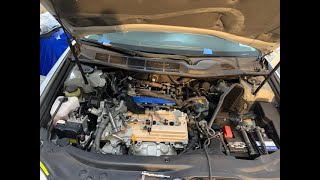
The primary issue with a P0301 code on this specific RAV4 is the location of cylinder 1. The 2GR-FE V6 engine is mounted transversely (sideways), and cylinder 1 is part of the rear bank of cylinders (Bank 1) tucked up against the firewall. This makes accessing the ignition coil and spark plug significantly more difficult and time-consuming than for the front three cylinders (Bank 2). Many repairs require removing the upper intake plenum, which adds labor time and requires replacing gaskets.
Symptoms You May Notice
- Rough or vibrating idle
- Hesitation or stumbling during acceleration
- Noticeable loss of engine power
- Flashing or solid Check Engine Light
- Decreased fuel economy
- Smell of unburned fuel from the exhaust
- Replacing only the spark plug without testing the ignition coil first. The coil is a more common failure point and easier to diagnose via swapping.
- Replacing front bank ignition coils or spark plugs when the misfire is on the rear bank.
- Assuming a vacuum leak is the cause before checking the primary ignition components (coil and plug).
Most Likely Causes
- Faulty Ignition Coil 🔴 High Probability → Shop Ignition Coil Ignition coils are a common wear item that fail over time due to constant heat cycles and vibration. They are a frequent point of failure on many Toyota models of this era.
How to confirm: Swap the ignition coil from cylinder 1 with one from an easily accessible front cylinder (e.g., cylinder 2, 4, or 6). Cylinder 2 is the front-most cylinder on the passenger side. Clear the codes and drive. If the code changes to P0302, P0304, or P0306, the coil is faulty.
Typical fix: Replace the failed ignition coil. It is highly recommended to replace all three rear coils (cylinders 1, 3, 5) and all six spark plugs at the same time due to the difficult access.
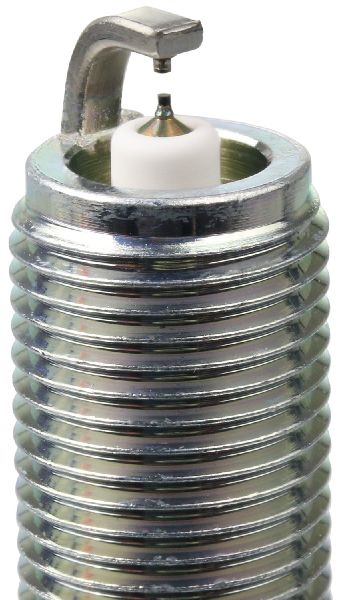
Est. part cost: $40-$120 per coil - Worn or Fouled Spark Plug 🔴 High Probability → Shop Spark Plug The 2GR-FE engine specifies long-life iridium spark plugs, but they have a finite service life of around 100,000-120,000 miles and will eventually wear out, causing a weak spark.
How to confirm: After ruling out the ignition coil, the spark plug must be physically removed and inspected. Look for a worn-down electrode, excessive carbon buildup, or oil/coolant fouling.
Typical fix: Replace the spark plug. Given the labor required to access the rear bank, it is best practice to replace all six spark plugs at the same time using the specified Denso or NGK iridium plugs.
Est. part cost: $10-$25 per plug - Clogged or Faulty Fuel Injector 🟡 Medium Probability → Shop Fuel Injector Injectors can become clogged with deposits over time, leading to a poor spray pattern and an improper air-fuel mixture.
How to confirm: This is more difficult to diagnose. A professional can perform a fuel injector balance test. A DIY method is to listen to the injector with a mechanic's stethoscope to ensure it is clicking. Swapping injectors between cylinders is possible but is a very labor-intensive job that also requires plenum removal.
Typical fix: Clean or replace the faulty fuel injector. This also requires removing the intake plenum and fuel rail.
Est. part cost: $50-$150 per injector
Rare But Worth Checking
- Intake Manifold Gasket Leak: → Shop Engine Intake Manifold The intake plenum must be removed to service the rear spark plugs or coils. If the gaskets are old and not replaced, or are installed incorrectly, a vacuum leak can occur near the cylinder 1 intake runner, causing a lean misfire.
- Low Engine Compression: This indicates a serious internal engine problem like a bad valve, worn piston rings, or a head gasket failure. A compression test is required to diagnose this and should be performed if ignition and fuel system faults are ruled out. One owner reported a P0301 was ultimately caused by a broken piston compression ring at 253k miles.
- Ruptured VVT-i Oil Line: On 2006-2009 models, a rubber section of the VVT-i oil line for the rear bank (Bank 1) was prone to rupturing, causing a sudden and massive oil leak. While this typically causes more widespread issues, an initial oil pressure drop to the valvetrain on Bank 1 could potentially trigger misfires on cylinders 1, 3, or 5 before catastrophic failure.
- Faulty Engine Control Module (ECM): In very rare cases, the driver circuit within the ECM that controls the ignition coil or fuel injector for cylinder 1 can fail. This should be the last consideration after all other possibilities have been eliminated.
Diagnosis Steps
- Check if the Check Engine Light is solid or flashing. A flashing light indicates a severe misfire that can damage the catalytic converter; avoid driving.
- Use an OBD-II scanner to confirm the P0301 code and check for any other pending or stored codes.
- Perform the easiest diagnostic test first: Swap the ignition coil from cylinder 1 (rear bank, passenger side) with the coil from cylinder 2 (front bank, passenger side).
- Clear the codes with the scanner and drive the vehicle to see if the misfire returns.
- If the code changes to P0302, the ignition coil is the confirmed faulty part.
- If the code remains P0301, the issue is likely the spark plug, fuel injector, or a mechanical problem with cylinder 1.
- Plan for the labor-intensive job of removing the upper intake plenum to access the rear bank. This involves disconnecting the throttle body, various hoses, and wiring.
- Once you have access, remove and inspect the spark plug from cylinder 1. Replace it if it is worn or fouled. It is highly recommended to replace all six spark plugs at this time.
- While the plenum is off, it is also wise to replace the other two rear ignition coils (cylinders 3 and 5) as a preventative measure due to the high labor cost to access them again.
- Always use a new intake plenum gasket set upon reassembly to prevent vacuum leaks.
- If the new coil and plug do not resolve the P0301, further diagnosis of the fuel injector (swapping is an option) and engine compression is needed.
Parts You'll Likely Need
- Ignition Coil (Coil-on-Plug)
(OEM #90919-A2007 (Supersedes 90919-A2002, 90919-02255))— This is the most common failure part for a single-cylinder misfire on the 2GR-FE engine.
Trusted brands: Denso, NGK
OEM price range: $90-$120
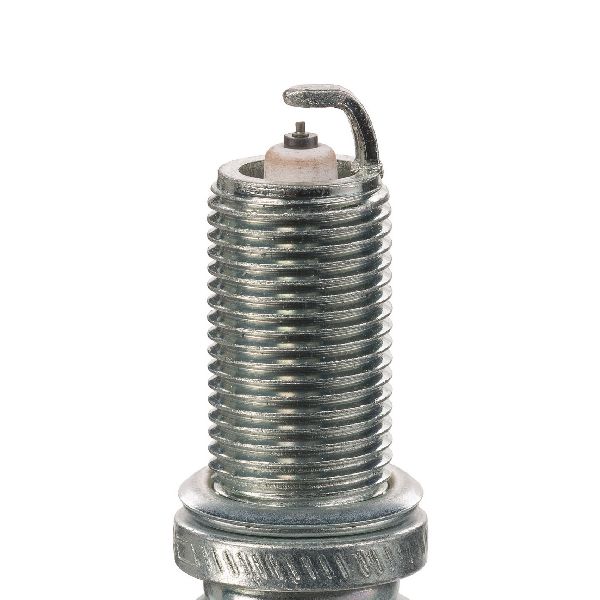
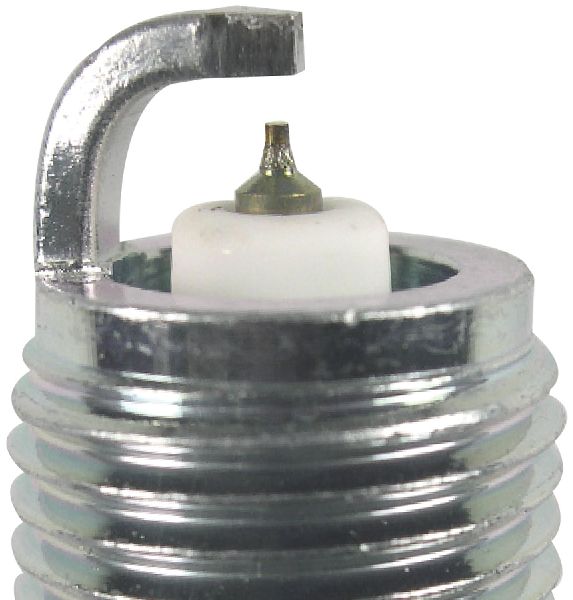
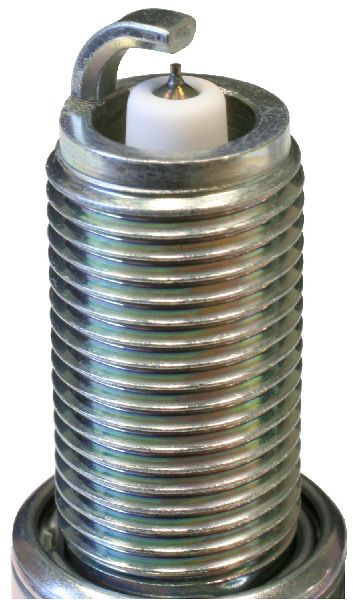
Aftermarket price range: $40-$80 - Iridium Spark Plug
(OEM #90919-01247 (Denso FK20HR11))— Spark plugs are a maintenance item that wear out. Since accessing the rear bank is labor-intensive, they should always be replaced when servicing a rear coil.
Trusted brands: Denso (FK20HR11), NGK (ILFKB6)
OEM price range: $15-$25
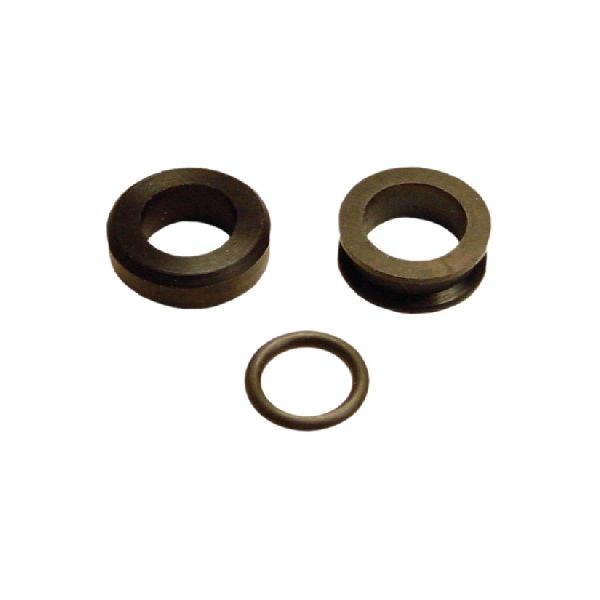
Aftermarket price range: $10-$18 - Intake Plenum Gasket Set
(OEM #17176-0P021)— This is required when removing the upper intake manifold (plenum) to access the rear bank of cylinders. Reusing old gaskets is a primary cause of post-repair vacuum leaks.
Trusted brands: Toyota OEM, Fel-Pro, Mahle
OEM price range: $20-$30
Aftermarket price range: $10-$20 - Fuel Injector
(OEM #23209-31050 (or 23209-0P040))— Needed if the fuel injector for cylinder 1 is diagnosed as clogged or failed.
Trusted brands: Toyota OEM, Denso
OEM price range: $100-$180
Aftermarket price range: $50-$100
Related Codes That Often Appear With This One
- P0300 — If the misfire is intermittent or affects other cylinders, a P0300 (Random/Multiple Cylinder Misfire) may be stored alongside P0301.
- P0303, P0305 — If the cause is related to a component that affects the entire rear bank (like a bad ground or a vacuum leak from the intake gasket), you may see misfire codes for other rear cylinders (3 and 5) as well.
Technical Service Bulletins (TSBs) & Recalls
- LSC 90K: Limited Service Campaign for the VVT-i oil line on 2006-2009 models. The original rubber hose could degrade and rupture, causing rapid oil loss. The fix was to replace it with an all-metal line.
Mechanic-Grade Diagnostic Values
- Fuel Injector Resistance — expected: 11.6 to 12.4 Ω at 20°C (68°F). Failure: Resistance outside of this range indicates a faulty injector coil.
- Fuel Pressure (at idle) — expected: 304 to 343 kPa (44 to 50 psi). Failure: Pressure below this range can indicate a weak fuel pump or clogged filter. Pressure above can indicate a faulty pressure regulator.
- Ignition Coil Primary Resistance — expected: ~0.5 Ω ± 0.1Ω. Failure: A reading significantly higher or lower suggests a failing primary winding in the coil.
- Ignition Coil Secondary Resistance — expected: ~9.5 to 12 kΩ. Failure: An open circuit (infinite resistance) or a value far outside this range indicates a failed secondary winding.
Hidden / Shadow Codes Worth Checking
- Mode $06, Test ID $80-$83: Provides raw misfire counts for each cylinder during the current and last 10 driving cycles. This can show intermittent misfires on cylinder 1 that haven't yet met the threshold to set a P0301 code. (see via Advanced OBD-II scanner with Mode $06 capability or Toyota Techstream software.)
Scan Tool Commands That Help
- Toyota Techstream: Misfire Monitor (under Engine and ECT -> Monitor) — To view a more accurate, real-time snapshot of misfire counts per cylinder, including historical data (EWMA) and the current misfire rate. This is more effective than the standard live data list, especially for diagnosing misfires under load.
- Toyota Techstream: Active Test: Check the Cylinder Compression — To perform a relative compression test without removing spark plugs. The software cranks the engine with fuel and spark disabled and identifies cylinders with lower rotational speed, indicating a potential compression issue.
Wiring & Ground Locations
- Engine Harness Grounds (Bank 1) — There is a primary engine harness ground attachment point on the side of the rear cylinder head (Bank 1), located underneath the throttle body area.. A poor ground connection at this point can cause erratic behavior for sensors and actuators on Bank 1, which includes the ignition coil and fuel injector for cylinder 1, potentially leading to a misfire.
- Valve Cover to Chassis Grounds — The 2GR-FE uses ground straps that connect from bolts on top of each valve cover directly to the chassis, often near the strut towers.. These are critical for proper grounding of the entire engine assembly. Corrosion or a loose connection on the Bank 1 (rear) valve cover ground could contribute to ignition system issues.
Real Owner Repair Stories
- RAV4World Forum User (2007 Toyota RAV4 V6 Limited, ~160,000 miles) — Rough idle, flashing check engine light, P0301, P0303, P0305 codes (misfires on all rear cylinders).
❌ Tried (didn't work) Initially thought it might be a vacuum leak or fuel issue.
✅ What actually fixed it The owner replaced all three ignition coils on the rear bank and all six spark plugs. This resolved the misfire codes completely, highlighting the common advice to replace all rear bank ignition components at once due to the difficult access. - Toyota Nation Forum User (2006 Toyota RAV4 V6) — Persistent P0301 misfire code.
❌ Tried (didn't work) Replaced spark plug for cylinder 1, Replaced ignition coil for cylinder 1, Swapped fuel injectors between cylinders
✅ What actually fixed it A compression test revealed low compression in cylinder 1. A subsequent leak-down test confirmed the issue. The ultimate cause was a failing head gasket leaking compression. Replacing the head gasket resolved the P0301 code.
OEM Part Supersession History
90919-02255, 90919-A2002→90919-A2007— Standard part revision and supplier updates by Toyota/Denso over the years to improve reliability and manufacturing.
Heads up: All listed part numbers for the ignition coil are generally interchangeable for this vehicle range. However, it is best practice to use the latest revision (90919-A2007) or a quality aftermarket equivalent from Denso or NGK.
Model Year Variations Within This Range
- 2006-2009: These earlier models were equipped with a VVT-i oil supply line for Bank 1 (the rear bank) that contained a rubber hose section. This hose was prone to rupturing, causing a catastrophic oil leak. Toyota issued a Limited Service Campaign (LSC 90K) to replace it with an all-metal line. A sudden oil pressure drop from this failure could potentially trigger misfires on Bank 1 before more severe engine damage occurs.
Diagnostic Flowchart
Other Known Issues on This Vehicle
Issues unrelated to this code that are worth knowing about as an owner of this generation:
- Ruptured VVT-i Oil Line 🔴 High — Common on early models (2006-2009) that did not have the recall/LSC performed. Can lead to catastrophic engine failure from rapid oil loss. (Ref: Limited Service Campaign (LSC) 90K)
- Clunking Intermediate Steering Shaft 🟠 Medium — Very common across the 2006-2012 model years. A clunk or pop is heard/felt in the steering wheel at low speeds. (Ref: T-SB-0318-08 / T-SB-0033-11)
- Water Pump Failure 🟠 Medium — More common on earlier models (2006-2009). Can cause coolant leaks and overheating. It is a labor-intensive repair.
Used vs. New Parts: Buying Guide for This Vehicle
When a used part is the smart pick: For expensive components like a fuel injector or an ignition coil, a used part from a reputable salvage yard with a known low-mileage donor vehicle can be a cost-effective option. Given the high labor cost to access the rear bank, this is a calculated risk.
Donor-vehicle mileage cap: roughly under 80000 miles for the part to have meaningful remaining life.
What to inspect on the donor part:
- Verify the donor vehicle's mileage.
- Inspect ignition coil housings for cracks or signs of heat damage.
- For fuel injectors, ensure the electrical connector pins are clean and straight.
- Ask for a short warranty period (e.g., 30 days) from the salvage yard.
OEM-only on this vehicle (don't cheap out):
- Intake Plenum Gaskets: Always use new gaskets to prevent vacuum leaks. The cost is low compared to the labor of re-doing the job.
Aftermarket brands forum-validated for this vehicle:
- Ignition Coils: Denso, NGK
- Spark Plugs: Denso (FK20HR11), NGK (ILFKB6)
- Gaskets: Fel-Pro, Mahle
Brands owners have reported issues with on this vehicle:
- Unbranded, 'white-box' ignition coils and sensors from online marketplaces. Failure rates are high, and repeating the labor for a rear-bank cylinder is very costly.
Real Owner Stories
Aggregated from forums and TSBs cited above. Mileages and costs reflect what owners reported in those sources.
2011 Toyota RAV4 3.5L V6 — 253000 miles
Symptoms: Misfires with the check engine light on.
What fixed it: A teardown revealed a broken compression ring in cylinder 1, requiring an engine pull and consideration of a full rebuild including rings and bearings.
Source hint: CarKiller - '2011 Toyota Rav4 P0301 code'
2006-2012 Toyota RAV4 3.5L V6
Symptoms: Misfire codes appearing for the entire rear bank (P0301, P0303, P0305).
What fixed it: Replacing all three rear ignition coils and all six spark plugs.
Source hint: RAV4World - 'P0301, P0303, P0305 Misfire Codes on V6'
Related OBD-II Codes
Frequently Asked Questions
Where is cylinder 1 located on the 2GR-FE 3.5L V6 engine in my RAV4?
Is there a TSB for oil loss that could affect my 2006-2009 RAV4 V6?
Can I swap ignition coils to diagnose P0301 without removing the intake plenum?
Why is it recommended to replace all three rear coils if only P0301 is present?
What spark plugs should I use for my 2006-2012 RAV4 3.5L V6?
My Check Engine Light is flashing while driving with code P0301; is it safe to continue?
Helpful Videos
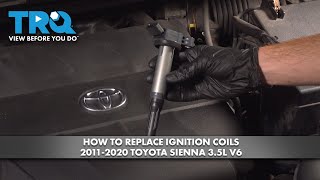
Used OEM Parts in Stock
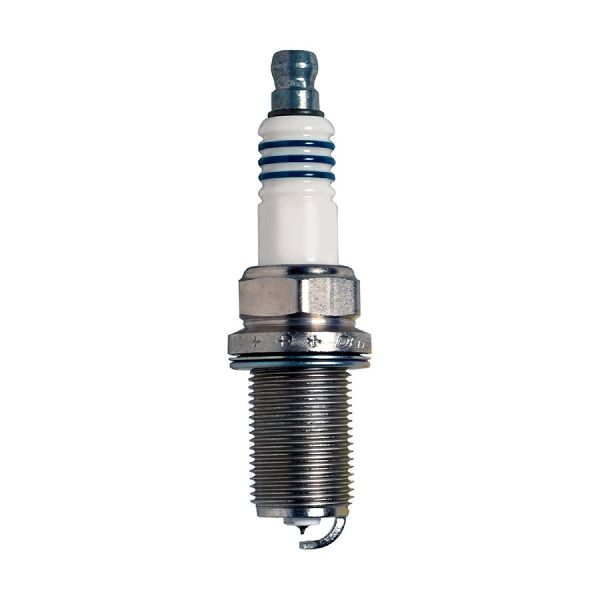
New Aftermarket Parts Available

The information in this article is provided for general reference and educational purposes only. Vehicle specifications, procedures, and part compatibility can vary by production date, trim level, and region. Always consult your vehicle's factory service manual and verify part numbers before purchasing or performing repairs. Safety-critical components such as airbags, seat belts, and braking systems should be installed by a qualified professional.
- Toyota RAV4:
- 🧭 Diagnostic Flowchart
- 🎬 Helpful Videos
- 🛍️ Shop This Part
- What's Unique About the 2006-2012 Toyota RAV4
- Symptoms You May Notice
- Most Likely Causes
- Rare But Worth Checking
- Diagnosis Steps
- Parts You'll Likely Need
- Related Codes That Often Appear With This One
- Technical Service Bulletins (TSBs) & Recalls
- Mechanic-Grade Diagnostic Values
- Hidden / Shadow Codes Worth Checking
- Scan Tool Commands That Help
- Wiring & Ground Locations
- Real Owner Repair Stories
- OEM Part Supersession History
- Model Year Variations Within This Range
- Other Known Issues on This Vehicle
- Used vs. New Parts: Buying Guide for This Vehicle
- Real Owner Stories
- 2011 Toyota RAV4 3.5L V6 — 253000 miles
- 2006-2012 Toyota RAV4 3.5L V6
- Related OBD-II Codes
- Frequently Asked Questions
- 🎟️ Get 5% Off