

P0301 on 2005-2015 Toyota Tacoma 4.0L V6: Cylinder 1 Misfire Causes and Fixes
P0301 on a 2nd Gen Tacoma 4.0L V6 means cylinder 1 is misfiring. The most common cause is a faulty ignition coil, followed by a worn spark plug. A quick diagnosis is to swap the coil from cylinder 1 with another cylinder (like #3) and see if the code changes to P0303.
- P0301 means Cylinder 1 (front, passenger side) is misfiring.
- The most likely cause is a bad ignition coil. Diagnose this first by swapping the coil with another cylinder.
- If the check engine light is flashing, stop driving immediately to prevent catalytic converter damage.
- If a coil swap doesn't identify the problem, inspect or replace the spark plug.
- For persistent misfires, especially on a cold start in an early model (2005-2006), a leaking head gasket is a possibility.
What's Unique About the 2005-2015 Toyota Tacoma
The 1GR-FE engine in the 2nd generation Tacoma is generally very reliable, but like any engine, ignition components are a common wear item. The coil-on-plug ignition system is robust, but individual coils can fail with age and heat cycles, often after 100,000 miles. Owners on forums like Tacoma World frequently report that swapping the ignition coil is the first and most effective diagnostic step for a single-cylinder misfire code like P0301. While less common, some early 1GR-FE engines (especially 2005-2006 models) had head gasket issues that could manifest as a misfire, particularly on a cold start. This issue was also noted in platform mates like the 4Runner with the same engine.
Symptoms You May Notice
- Rough or shaky idle
- Hesitation or stumbling during acceleration
- Noticeable loss of power
- Flashing or solid Check Engine Light
- Decreased fuel economy
- Smell of unburned fuel from the exhaust
- Engine jerking or bucking, sometimes intermittently
- Gurgling or whooshing noise from behind the dashboard on cold starts (if related to head gasket issue)
- Replacing all fuel injectors when only one is bad.
- Replacing the mass airflow (MAF) sensor without evidence it's faulty.
- Assuming a major engine problem before performing the simple ignition coil swap test.
- Replacing the catalytic converter when it was damaged as a *result* of the misfire, not the cause.
Most Likely Causes
- Faulty Ignition Coil 🔴 High Probability → Shop Ignition Coil Ignition coils are subjected to high heat and voltage and are a common failure item on most modern engines as they age, often failing one by one after 100k-150k miles. The coil-on-plug design makes diagnosis straightforward. Sometimes a coil can fail only when under heavy load, like accelerating uphill.
How to confirm: Swap the ignition coil from cylinder #1 (front, passenger side) with the coil from cylinder #3 (middle, passenger side). Clear the codes with a scanner. Drive the truck until the check engine light returns. If the code changes to P0303 (Cylinder 3 Misfire), the ignition coil is the culprit. Many owners recommend using only OEM Denso coils for replacement, as aftermarket coils can cause issues.
Typical fix: Replace the faulty ignition coil. It's often recommended to use a quality OEM brand like Denso to avoid premature failure.
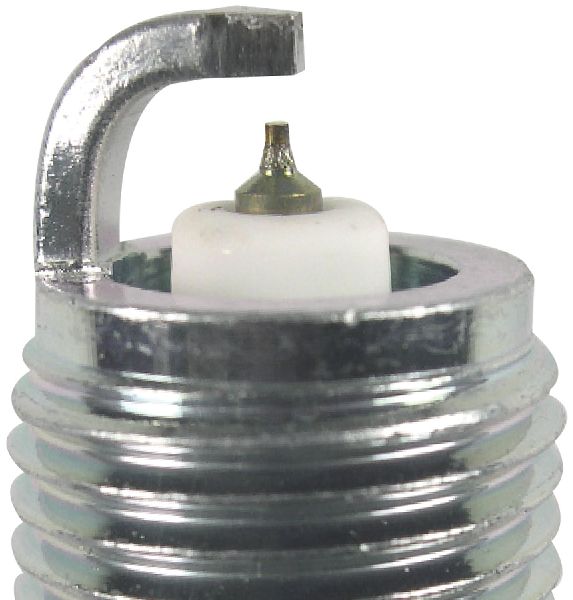
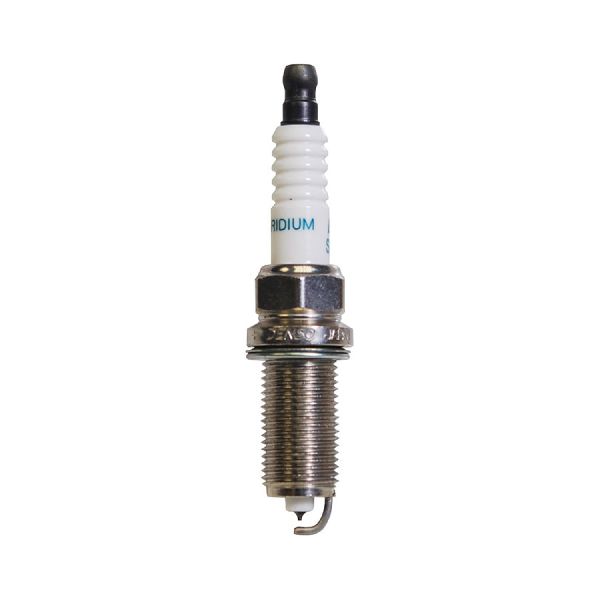
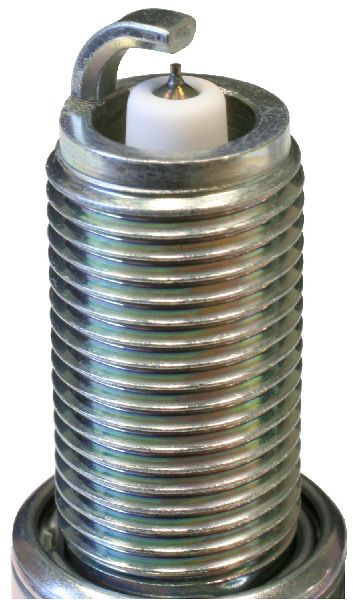
Est. part cost: $50-$90 - Worn or Fouled Spark Plug 🟡 Medium Probability → Shop Spark Plug Spark plugs are a regular maintenance item. The recommended interval for the 1GR-FE's iridium plugs is typically 30,000 miles, though they can last longer. A cracked porcelain insulator or an incorrect gap (spec is 1.0mm - 1.1mm or 0.039" - 0.043") can cause a misfire.
How to confirm: After ruling out the ignition coil, remove the spark plug from cylinder #1. Inspect it for heavy carbon buildup, oil fouling, coolant contamination (a sign of a head gasket leak), or a cracked ceramic insulator. You can swap the plug with another cylinder to see if the misfire code follows, but given their low cost, replacement is often the best course of action.
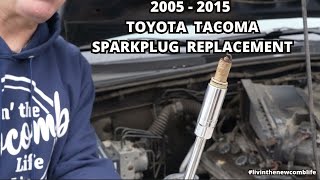
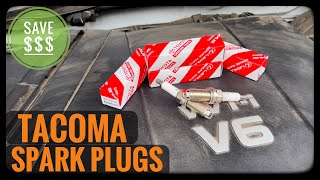
Typical fix: Replace the spark plug. It is best practice to replace all six spark plugs at 🎬 See this walkthrough for replacing your spark plugs and ignition coils. the same time to ensure even performance. Use high-quality Iridium plugs from brands like Denso or NGK.
Est. part cost: $8-$20 per plug - Clogged or Faulty Fuel Injector ⚪ Low Probability → Shop Fuel Injector While less common than ignition issues, fuel injectors can become clogged with deposits or fail electrically over time, preventing them from delivering the proper amount of fuel to the cylinder. This can sometimes manifest as a misfire only when the engine is warm.
How to confirm: This is a more involved diagnosis. After ruling out the coil and plug, you can swap the fuel injector from cylinder #1 with another cylinder (e.g., cylinder #3). This requires removing the upper intake manifold. If the misfire code follows the injector (e.g., changes to P0303), it needs to be cleaned or replaced.
Typical fix: Replace the faulty fuel injector. This is a more labor-intensive job than a coil or plug replacement. Some owners send all injectors out for professional cleaning and flow-testing as a set.
Est. part cost: $70-$150 per injector
Rare But Worth Checking
- Leaking Head Gasket: Some early 2nd Gen Tacomas (approx. 2005-2006) and other 1GR-FE powered vehicles like the 4Runner had known issues with head gaskets. A small leak allows coolant into the cylinder, causing a misfire, especially on a cold start that may smooth out when warm. Other symptoms include coolant loss without visible external leaks, gurgling from the heater core, and white, sweet-smelling smoke from the exhaust. Cylinders 5 and 6 are commonly cited, but it can happen on any cylinder.
- Low Engine Compression: Internal engine issues like a burnt valve, worn piston rings, or a worn camshaft lobe can cause a loss of compression, leading to a persistent misfire that won't be fixed by ignition or fuel parts. A compression test and cylinder leak-down test are needed to diagnose this. A healthy 1GR-FE should have compression well above 100 PSI per cylinder.
- Water or Oil Intrusion in Spark Plug Well: → Shop Spark Plug Water from engine washing or a leak can pool in the spark plug tube, shorting out the ignition coil and causing a misfire. More commonly, a leaking valve cover gasket or spark plug tube seal can allow oil to fill the well, which can also damage the coil and cause a misfire.
- Vacuum Leak: A leak in a vacuum hose or a faulty intake manifold gasket can introduce unmetered air into the engine, leaning out the air-fuel mixture and causing misfires. This may be accompanied by a hissing sound at idle.
Diagnosis Steps
- Read the trouble code with an OBD-II scanner to confirm P0301. Note any other codes present.
- Note if the Check Engine Light is flashing. If so, avoid driving the vehicle to prevent catalytic converter damage.
- Locate Cylinder 1: It is the 🎬 Watch: See the firing order and cylinder locations for this engine. front-most cylinder on the passenger side. The passenger bank is Bank 1 (cylinders 1, 3, 5) and the driver's side is Bank 2 (cylinders 2, 4, 6).
- Swap the ignition coil from Cylinder 1 with the coil from Cylinder 3 (the next one back on the same side). This is the most common fix.
- Clear the codes using the scanner and drive the vehicle, trying to replicate the conditions when the misfire occurs (e.g., uphill acceleration).
- Re-scan for codes. If the code is now P0303, the ignition coil is bad and must be replaced.
- If the code remains P0301, the coil is likely good. Proceed to inspect the spark plug.
- Remove the spark plug from Cylinder 1. Inspect for wear, damage, or fouling (black and sooty, white and ashy, or wet with fuel/oil/coolant). Check the gap against the spec (1.0-1.1mm). Replace if it appears worn, fouled, or if it's due for replacement.
- If the coil and plug are confirmed good and the P0301 code persists, the next likely cause is the fuel injector. This is a more complex job that involves removing the intake manifold to swap the injector with another cylinder.
- If the misfire happens on cold starts and goes away when warm, and you notice coolant loss, investigate a potential head gasket leak. A cooling system pressure test or a chemical block test can help 🎬 Watch: How to diagnose a blown head gasket and pressure test. confirm this.
- If all else fails, a compression test and cylinder leak-down test should be performed to check for mechanical engine problems like bad valves or piston rings.
Parts You'll Likely Need
- Ignition Coil
(OEM #90919-02248 (supersedes 90919-A2004))— This is the most frequent cause of a single-cylinder misfire on the 1GR-FE engine due to age and heat cycles.
Trusted brands: Denso (OEM), NGK
OEM price range: $70-$90
Aftermarket price range: $40-$60 - Spark Plug
(OEM #90919-01235)— Spark plugs are a routine wear item and a common cause of misfires if neglected. The OEM plugs are Iridium type.
Trusted brands: Denso (SK20HR11), NGK (ILFR6T11)
OEM price range: $8-$20 per plug
Related Codes That Often Appear With This One
- P0300 — If multiple cylinders are misfiring intermittently, a P0300 (Random/Multiple Cylinder Misfire) may be stored alongside P0301. This can happen if the root cause affects multiple cylinders, like a large vacuum leak or a failing fuel pump.
- P0303, P0305 — If you have misfires on other cylinders on the same bank (Bank 1: cylinders 1, 3, 5), it could point to a more systemic issue like a clogged catalytic converter on that bank, a problem with the Bank 1 oxygen sensor, or a vacuum leak isolated to that side of the intake.
- P0171, P0174 — These codes indicate the engine is running lean on Bank 1 (P0171) or Bank 2 (P0174). A vacuum leak or a fuel delivery problem causing the misfire can also trigger these codes.
Technical Service Bulletins (TSBs) & Recalls
- T-SB-0044-14: Addresses a spark knock (detonation) issue on 2012-2014 Tacomas under acceleration in hot weather via an ECM reprogram. While not directly for a P0301 misfire, it relates to combustion events.
- EG011-07: Describes an ECM calibration update to fix an intermittent no-start condition on some 2005-2007 Tacomas, related to engine control logic.
Platform-Specific Known Issues
- Early production 1GR-FE engines (2005-2006) have a higher incidence of head gasket failures, which can present as a misfire code. This often manifests as a rough idle on a cold start that smooths out as the engine warms.
Mechanic-Grade Diagnostic Values
- Ignition Coil Primary Resistance — expected: 0.36 - 0.55 Ohms. Failure: A reading of 0 or infinite resistance indicates a bad coil.
- Fuel Injector Resistance — expected: 11.6 to 12.4 Ω at 20°C (68°F). Failure: Resistance outside of this range indicates a faulty injector.
- Fuel Pressure (at fuel rail) — expected: 38-44 psi. Failure: Significantly lower pressure (e.g., under 20 psi) indicates a weak fuel pump or clogged filter; significantly higher pressure (e.g., over 60 psi) can indicate a faulty fuel pressure regulator.
- Long-Term Fuel Trim (LTFT) via Scan Tool — expected: Ideally within +/- 5%. Values between +/- 10% are generally acceptable.. Failure: Consistently high positive values (e.g., +10% to +20% or more) indicate the engine is compensating for a lean condition (too much air/not enough fuel), which can be caused by a vacuum leak or a weak fuel injector.
- Crankshaft Position Sensor Resistance — expected: Cold: 1,630 to 2,740 Ω. Hot: 2,065 to 3,225 Ω.. Failure: Readings outside these ranges suggest sensor failure.
Hidden / Shadow Codes Worth Checking
- Mode 6 Data: Mode 6 is not a specific code but a diagnostic mode that provides test results for non-continuously monitored systems. For P0301, a technician can view misfire counts for each specific cylinder (e.g., Test ID $A2, Component ID $01 for Cylinder 1). This is extremely valuable because it can show a cylinder is misfiring occasionally even before the count is high enough to trigger a P030x code and illuminate the Check Engine Light. (see via A professional-grade scan tool or software like Toyota's Techstream is required to access and interpret Mode 6 data.)
Scan Tool Commands That Help
- Toyota Techstream: Active Test: Cylinder Cut Test / Control the Injector — This function allows a technician to electronically disable one injector at a time. When diagnosing a P0301, you can cut cylinder 1. If the engine's idle quality does *not* change, it confirms that cylinder 1 was not contributing in the first place, verifying the misfire. If you cut a healthy cylinder (e.g., cylinder 2) and the idle gets worse, it proves that cylinder was working correctly. This is a fast and definitive way to confirm a dead cylinder without any physical part swapping.
Wiring & Ground Locations
- Cylinder 1 Ignition Coil Connector — On the ignition coil for the front-most cylinder on the passenger side of the engine.. This connector provides power and the trigger signal (IGT1) from the ECM. A visual inspection for corrosion, damage, or a loose connection is a critical early step. A technician can back-probe the IGT wire (typically a specific color identified in the wiring diagram) to see if the trigger signal from the ECM is present, helping to differentiate between a bad coil and a wiring/ECM issue.
- Cylinder 1 Fuel Injector Connector — On the fuel injector for the front-most cylinder on the passenger side, located under the intake manifold.. Similar to the coil, this connector provides the signal to fire the injector. A damaged wire or corroded pin can cause the injector to fail to fire, leading to a P0301. Testing for a pulse signal with a noid light is a common diagnostic step once the connector is accessible.
- Engine Ground Points (e.g., 'EA', 'EB') — The 1GR-FE has several key ground points. Important ones are typically located on the cylinder heads and on the engine block, bolting directly to the chassis or firewall.. The ignition coils and injectors rely on a solid ground connection to function correctly. A loose or corroded main engine ground strap can cause a host of electrical issues, including weak spark or erratic injector performance that can lead to misfires. While less likely to affect only one cylinder, it's a possibility and should be checked if multiple, random electrical issues are present.
Real Owner Repair Stories
- Tacoma World user 'Zatara1848' (2007 Tacoma 2.7L 4-cyl with 93k miles (Note: 4-cylinder, but P0301 diagnosis is similar)) — P0301 code, truck felt fine.
❌ Tried (didn't work) Swapping spark plug from cylinder 4 to 1., Swapping ignition coil from cylinder 3 to 1.
✅ What actually fixed it Upon removing the fuel rail to swap injectors, the owner discovered the fuel injector spacer for cylinder 1 was very loose and had popped out with the injector. Re-seating it properly and reassembling fixed the issue, implying it was causing a vacuum leak or improper injector seating specific to that cylinder. - Tacoma World user 'Kmart6' (2005-2015 Tacoma 4.0L V6 (year not specified)) — P0301 code. Truck starts and runs great on a cold start, but misfires intermittently on a warm restart (e.g., after a short trip to the store).
❌ Tried (didn't work) Swapping the spark plug from cylinder 1 to another cylinder., Swapping the ignition coil from cylinder 1 to another cylinder.
✅ What actually fixed it The user was advised that the next logical step was to swap the fuel injector from cylinder 1 with another cylinder to see if the warm misfire code followed the injector. The thread implies this is the next step, a common resolution for heat-soaked injector failures.
OEM Part Supersession History
90919-A2004→90919-02248— Standard part revision and update by the manufacturer. The newer part number is the current replacement for the original ignition coil.
Model Year Variations Within This Range
- 2005-2006: Early 1GR-FE engines had a higher incidence of head gasket failure. While the failure could occur on any cylinder, it often presented as a cold-start misfire due to coolant leaking into the cylinder overnight. Toyota is believed to have made slight revisions to the engine block and head gasket design in later years to address this.
- Post-2009 (in other models, relevant to engine swaps): Later versions of the 1GR-FE engine (used in the FJ Cruiser and 150-series Prado) were updated to Dual VVT-i, affecting both intake and exhaust camshafts. The Tacoma in this generation range (2005-2015) retained the single VVT-i (intake only) system. This is a critical difference when considering engine swaps from other Toyota models, as the heads, sensors, and ECU are not directly compatible without significant modification.
Diagnostic Flowchart
Other Known Issues on This Vehicle
Issues unrelated to this code that are worth knowing about as an owner of this generation:
- Frame Rust/Corrosion 🔴 High — Very common, especially for vehicles in the 'Rust Belt' states. Led to a class-action lawsuit and a massive frame replacement/buyback program from Toyota. (Ref: Warranty Enhancement Program ZH6 (2005-2010 models) and Limited Service Campaign K0D (2011-2017 models).)
- Secondary Air Injection System Failure 🟠 Medium — Common failure, typically occurring after 80,000 miles. The air pumps and/or switching valves fail, forcing the truck into 'limp mode'.
- Weak Rear Leaf Springs 🟠 Medium — Very common on 2005-2011 models. The original 3-leaf packs were prone to flattening, cracking, or breaking, especially under load. (Ref: A recall was issued for some models due to the risk of a broken leaf spring puncturing the gas tank.)
- Timing Chain Cover Oil Leak 🟡 Low — A slow oil seep from the timing chain cover is a frequently noted issue. It is often monitored rather than repaired due to the high labor cost (engine may need to be pulled).
- Headlight Lens Bubbling/Cracking 🟡 Low — Common on earlier 2nd Gen models (approx. 2005-2011). The daytime running light lens can bubble, melt, or crack from heat.
Used vs. New Parts: Buying Guide for This Vehicle
When a used part is the smart pick: For this repair, used parts are generally not recommended for the most common failure items (coils, plugs). A used ECU (Engine Control Unit) could be a cost-effective option if the original is diagnosed as faulty, but it must be from an identical vehicle (year, model, transmission, 4x4/2WD) to ensure compatibility.
Donor-vehicle mileage cap: roughly under 100000 miles for the part to have meaningful remaining life.
What to inspect on the donor part:
- For an ECU, ensure the donor vehicle was not in a flood or had major electrical fire damage.
- Verify the part number on the used component exactly matches the original.
- Ask for the VIN of the donor vehicle to cross-reference its specifications.
OEM-only on this vehicle (don't cheap out):
- Ignition Coils: Forum and mechanic consensus is overwhelmingly in favor of using OEM Denso coils. Aftermarket coils, even from reputable brands like Bosch, are frequently reported to fail prematurely on the 1GR-FE engine.
- Spark Plugs: Use the specified Denso or NGK Iridium plugs. Other plug types can cause performance issues.
- Head Gasket: If performing this repair, always use an OEM Toyota or OEM-supplier (e.g., Ishino, Stone) gasket kit.
Aftermarket brands forum-validated for this vehicle:
- Denso (OEM supplier for coils, plugs, injectors)
- NGK (Excellent alternative for spark plugs)
Brands owners have reported issues with on this vehicle:
- Generic 'no-name' ignition coils from online marketplaces (eBay, Amazon) are frequently cited as failing within weeks or months.
- Store-brand or value-line coils have a poor reputation for longevity in this specific engine.
Real Owner Stories
Aggregated from forums and TSBs cited above. Mileages and costs reflect what owners reported in those sources.
2005-2015 Toyota Tacoma 4.0L V6 — ~125000 miles
Symptoms: Engine jerking or bucking, sometimes intermittently; misfire occurred under heavy load, such as accelerating uphill.
What fixed it: Swapping the ignition coil from cylinder #1 to cylinder #3 confirmed the coil was bad; replaced with a new Denso ignition coil.
Source hint: Tacoma World - Thread 'SOLVED/REPAIRED - Misfire Mayhem - P0301, P0302, P0300'
2007 Toyota Tacoma 4.0L V6
Symptoms: Rough idle on a cold start and finding coolant in the cylinder.
What fixed it: DIY head gasket replacement.
Source hint: Tacoma World - Thread 'V6 1GR-FE Head Gasket Failure'
Related OBD-II Codes
Frequently Asked Questions
Where is Cylinder 1 located on my 4.0L V6 Tacoma?
Should I use aftermarket ignition coils to fix my P0301 code?
My 2006 Tacoma has a rough idle on cold starts that goes away when warm; is this just a spark plug?
What is the correct spark plug gap for the 1GR-FE engine?
Does TSB-0044-14 apply to my misfire issue?
How often should I replace the iridium spark plugs in my Tacoma?
Helpful Videos

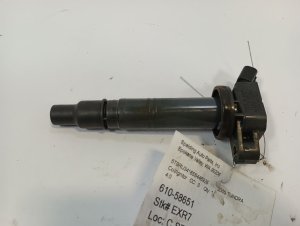
Used OEM Parts in Stock
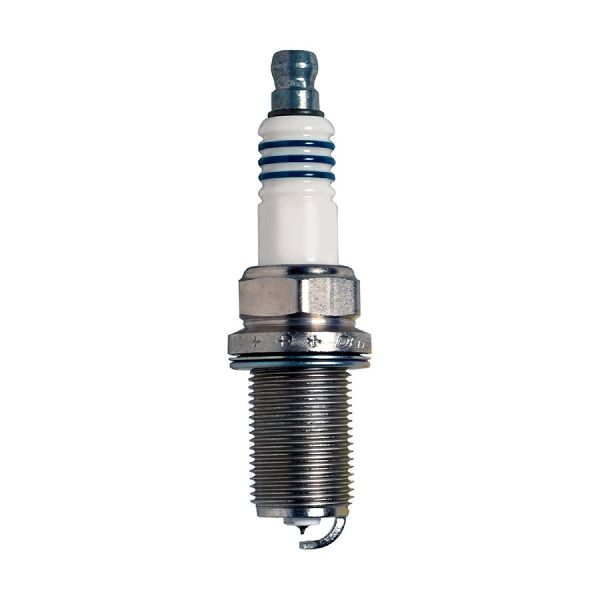
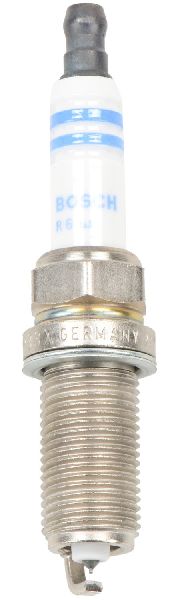
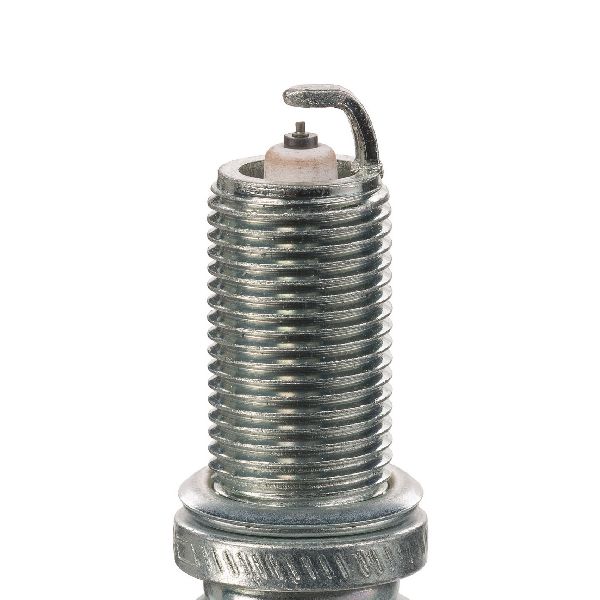
New Aftermarket Parts Available

The information in this article is provided for general reference and educational purposes only. Vehicle specifications, procedures, and part compatibility can vary by production date, trim level, and region. Always consult your vehicle's factory service manual and verify part numbers before purchasing or performing repairs. Safety-critical components such as airbags, seat belts, and braking systems should be installed by a qualified professional.
- Toyota Tacoma:
- 🧭 Diagnostic Flowchart
- 🎬 Helpful Videos
- 🛍️ Shop This Part
- What's Unique About the 2005-2015 Toyota Tacoma
- Symptoms You May Notice
- Most Likely Causes
- Rare But Worth Checking
- Diagnosis Steps
- Parts You'll Likely Need
- Related Codes That Often Appear With This One
- Technical Service Bulletins (TSBs) & Recalls
- Platform-Specific Known Issues
- Mechanic-Grade Diagnostic Values
- Hidden / Shadow Codes Worth Checking
- Scan Tool Commands That Help
- Wiring & Ground Locations
- Real Owner Repair Stories
- OEM Part Supersession History
- Model Year Variations Within This Range
- Other Known Issues on This Vehicle
- Used vs. New Parts: Buying Guide for This Vehicle
- Real Owner Stories
- 2005-2015 Toyota Tacoma 4.0L V6 — ~125000 miles
- 2007 Toyota Tacoma 4.0L V6
- Related OBD-II Codes
- Frequently Asked Questions
- 🎟️ Get 5% Off