

P0301 on 2012-2014 Volkswagen Beetle: Cylinder 1 Misfire Causes and Fixes
P0301 on a 2012-2014 VW Beetle is a misfire on cylinder 1, most often caused by a bad ignition coil or spark plug. Swapping the coil from cylinder 1 to another is the fastest way to diagnose. Expect to pay $30-$75 for a new coil. On TSI engines, carbon buildup on intake valves is also a very common cause.
- P0301 means cylinder 1 is misfiring.
- The most likely cause is a bad ignition coil, followed by a bad spark plug. Start your diagnosis by swapping the coil from cylinder 1 to another cylinder.
- If you have a 1.8T or 2.0T engine, carbon buildup on the intake valves is a very common cause of misfires, especially from a cold start.
- Do not ignore a flashing check engine light, as it signals a severe misfire that can quickly destroy your catalytic converter, leading to a much more expensive repair.
What's Unique About the 2012-2014 Volkswagen BEETLE
The 2012-2014 Beetle was offered with several engines, including the 2.5L 5-cylinder (engine code 07K) and the direct-injection 1.8T and 2.0T TSI engines (part of the EA888 family). While ignition coil failure is common across all of them, the TSI (Turbocharged Stratified Injection) engines are particularly known for carbon buildup on the intake valves. This buildup can disrupt airflow and cause misfires, especially on cold starts, a problem not typically seen on the port-injected 2.5L engine. Additionally, the TSI engines have known issues with PCV valve failure and timing chain tensioners, which can also lead to misfire codes.
Diagnostic Flowchart
Tap your situation to follow the diagnostic path that matches what you're seeing on this vehicle.
Symptoms You May Notice
- Flashing or solid Check Engine Light
- Rough or shaky idle
- Engine hesitation or stumbling during acceleration
- Noticeable loss of power
- Increased fuel consumption
- Smell of gasoline from the exhaust
- Hard starting
- Engine stalling at stops
- Replacing the fuel pump when the issue is a single ignition coil or injector.
- Replacing oxygen sensors, which are unlikely to cause a single-cylinder misfire.
- On TSI engines, repeatedly replacing coils and plugs when the root cause is carbon buildup.
Most Likely Causes
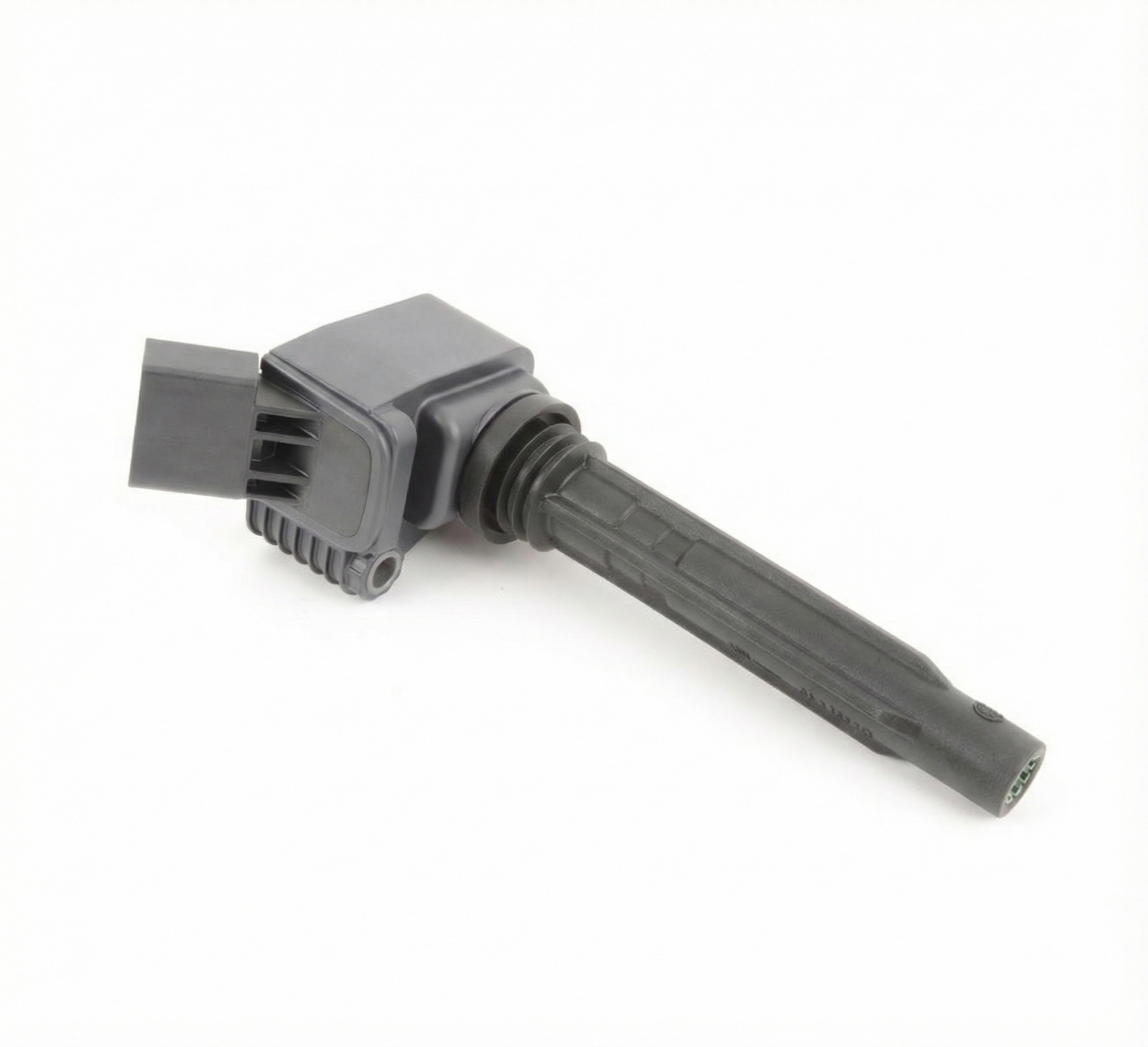
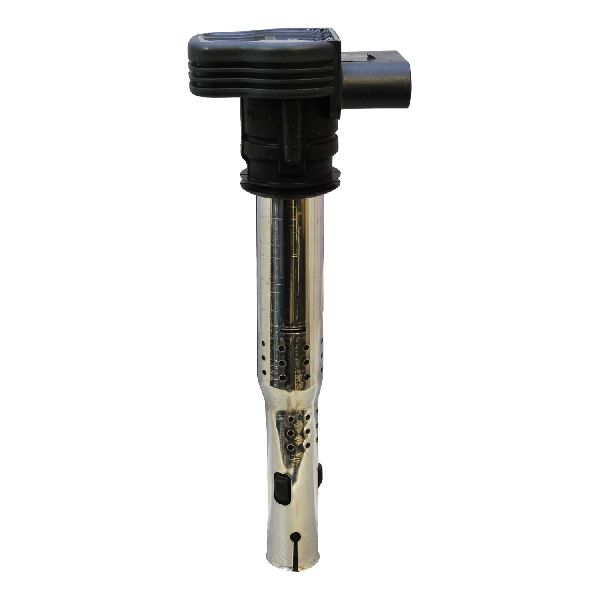
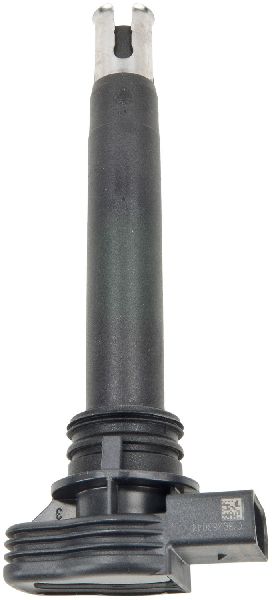
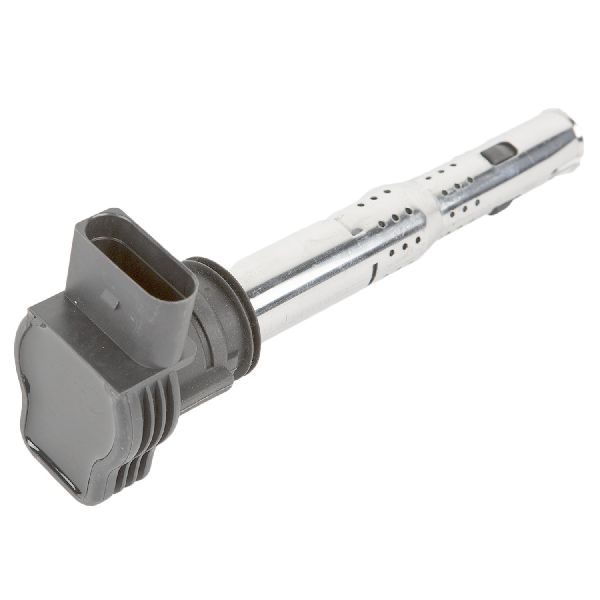
- Faulty Ignition Coil 🔴 High Probability → Shop Ignition Coil Ignition coils are a very common failure item on this generation of Volkswagen engines, for both the 2.5L and TSI variants. They are subjected to high heat and can crack or fail internally.
How to confirm: Swap the ignition coil from cylinder 1 with the coil from another cylinder (e.g., cylinder 2). Clear the codes and drive. If the code changes to P0302, the ignition coil is confirmed to be the faulty part. This is the most common and effective first diagnostic step.
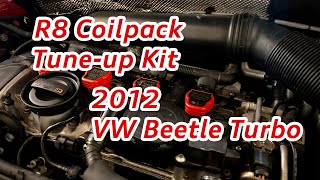
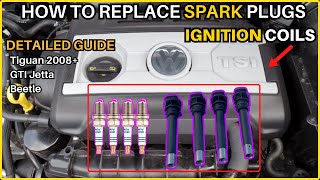
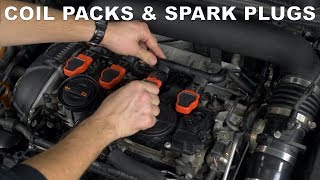
Typical fix: Replace the faulty ignition coil. 🎬 Watch: Step-by-step guide to replacing your coils and spark plugs. It is recommended to replace all coils if they are original and have high mileage, as the others may fail soon.
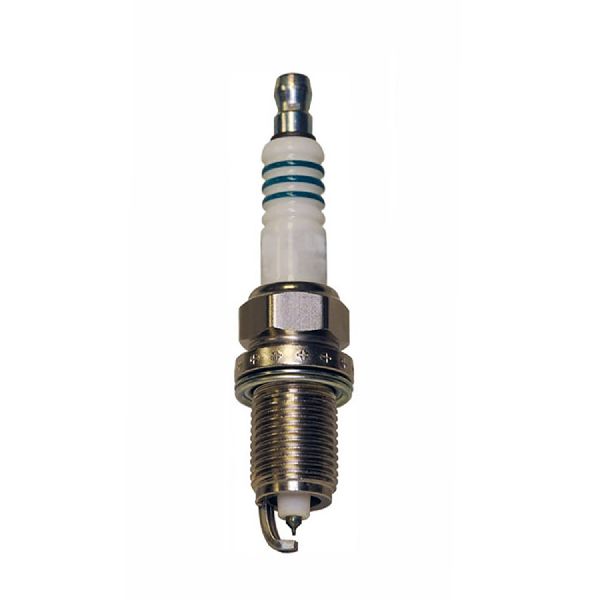
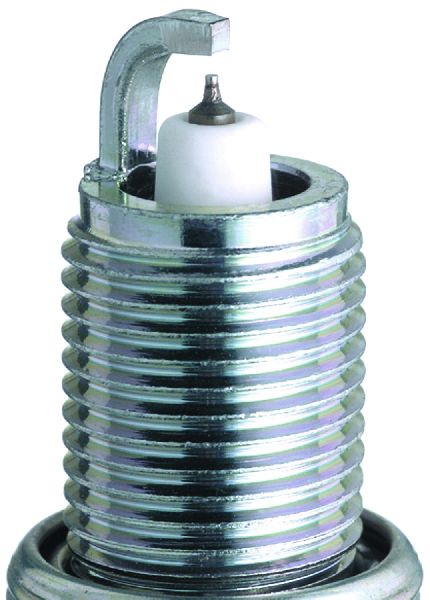
Est. part cost: $30-$75 - Worn or Fouled Spark Plug 🟡 Medium Probability → Shop Spark Plug Spark plugs are a regular maintenance item with a typical life of 40,000-60,000 miles. Worn electrodes or fouling from carbon or oil can prevent a strong spark, causing a misfire. Turbocharged TSI engines are more sensitive to spark plug condition.
How to confirm: After ruling out the ignition coil, remove the spark plug from cylinder 1. Inspect it for wear (worn electrode), damage (cracked porcelain), or fouling (black, sooty, or oily deposits). Compare it to a new plug. The gap should be checked, but modern iridium and platinum plugs are pre-gapped and should not be adjusted.
Typical fix: Replace the spark plug. It is best practice to replace all spark plugs at the same time to ensure even performance.
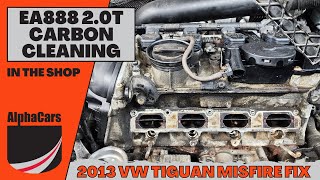
Est. part cost: $15-$30 per plug - Carbon Buildup on Intake Valves (TSI Engines) 🟡 Medium Probability The 1.8T and 2.0T TSI engines use direct injection, which sprays fuel directly into the cylinder. This means no fuel washes over the intake valves, allowing oil vapors from the PCV system to bake onto the valves, forming hard carbon deposits that restrict airflow and cause misfires, especially on cold starts.
How to confirm: This requires visual inspection by removing the intake manifold or using a borescope. It often manifests as cold-start misfires that may improve as the engine warms up. This is a well-documented issue in owner forums.
Typical fix: The intake valves need to be physically cleaned. This is commonly done by 'walnut blasting,' a process where crushed walnut shells are blasted at the valves to remove deposits without damaging the metal. This is a labor-intensive job with shop costs ranging from $600 to $1200.
Est. part cost: $20-$50 for gaskets, but labor is high - Faulty Fuel Injector ⚪ Low Probability → Shop Fuel Injector
How to confirm: When a fuel injector fails on a TSI engine, it often gets stuck open, causing misfires and white smoke from the exhaust. Diagnosis can be tricky but a mechanic can perform a fuel injector balance test or check fuel trim data. Swapping injectors between cylinders is possible but is much more labor-intensive than swapping coils.
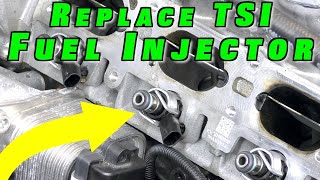
Typical fix: Replace the faulty fuel injector. On TSI engines, this requires removing the intake manifold.
Est. part cost: $50-$150
Rare But Worth Checking
- PCV Valve Failure (TSI Engines): → Shop PCV Valve The Positive Crankcase Ventilation (PCV) valve is a known failure point on 2.0T TSI engines. A failed diaphragm can create a massive vacuum leak, causing a whistling noise, lean codes (P0171), and random or single-cylinder misfires.
- Failing Timing Chain Tensioner (TSI Engines): Early versions of the EA888 engine's timing chain tensioner can fail, allowing the chain to jump time. This is a catastrophic failure, but early symptoms can include rattling noises on startup and misfire codes as the cam timing becomes unstable. This was subject to a class-action lawsuit.
- Vacuum Leak: A leak in a vacuum hose, intake manifold gasket, or PCV valve can introduce unmetered air, leaning out the air/fuel mixture and causing misfires.
- Low Cylinder Compression: This indicates a mechanical engine problem, such as worn piston rings, a bad valve, or a blown head gasket. A compression test is needed to confirm.
Diagnosis Steps
- Read the code with an OBD-II scanner to confirm P0301 and check for any other codes. A tool like VCDS or OBDeleven can provide more detailed, VW-specific data, including a misfire counter for each cylinder.
- Check if the Check Engine Light is flashing. A flashing light indicates a severe misfire that could damage the catalytic converter; driving should be minimized.
- Swap the ignition coil from cylinder 1 to cylinder 2. Clear the codes, run the engine, and see if the code returns as P0302. If it does, the ignition coil is faulty.
- If the code remains P0301, inspect and swap the spark plug from cylinder 1 to cylinder 3. If the code moves to P0303, the spark plug is the issue.
- If the code still remains P0301, the problem is likely with the fuel injector, carbon buildup (on TSI engines), or a mechanical issue.
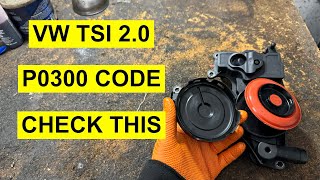
- On TSI engines, inspect the PCV valve for signs of failure. 🎬 Watch: How a failed PCV valve causes these misfire codes. A loud whistling noise from the engine bay or very strong suction when trying to remove the oil cap while the engine is running are common indicators.
- Inspect for vacuum leaks by checking hoses for cracks and listening for hissing sounds around the intake manifold.
- If you have a TSI engine and experience cold start misfires, suspect carbon buildup. This requires professional diagnosis, often with a borescope, and cleaning.
- Perform a cylinder compression test to rule out mechanical engine problems. This should be done if all other steps fail to identify the issue.
Parts You'll Likely Need
- Ignition Coil
(OEM #07K905715F (2.5L), 06H905115B (2.0T), 06L905110K (1.8T))— This is the most frequent cause of a P0301 misfire on these engines.
Trusted brands: Bosch, NGK, Eldor, Genuine Volkswagen
OEM price range: $50-$75
Aftermarket price range: $30-$50 - Spark Plug
(OEM #NGK PFR7S8EG / 06H905601A (2.0T), NGK 94833 (1.8T))— A worn or fouled spark plug is the second most common cause and is a standard maintenance item.
Trusted brands: NGK, Bosch, Denso
OEM price range: $20-$30
Aftermarket price range: $15-$25 - PCV Valve / Oil Separator (TSI)
(OEM #06H103495AH (or later revision))— A common failure on TSI engines that leads to vacuum leaks and misfires.
Trusted brands: Genuine VW/Audi, Hengst, Febi
OEM price range: $150-$200
Aftermarket price range: $80-$120 - Intake Manifold Gasket — Required when replacing a fuel injector or cleaning carbon buildup from the intake valves.
Related Codes That Often Appear With This One
- P0300 — If multiple cylinders are misfiring due to a common problem like a vacuum leak or carbon buildup, you may see P0300 (Random Misfire) along with P0301.
- P0302, P0303, P0304 — Often, the root cause (like carbon buildup or a vacuum leak) affects multiple cylinders, not just one. It's also common to see these when swapping parts for diagnosis.
- P0171 — A 'System Too Lean' code can appear with a misfire if the cause is a vacuum leak (like a failed PCV valve), which affects the air-fuel ratio for all cylinders.
- P0087 — As noted in VW's own service bulletins, misfire codes can be accompanied by P0087 'Fuel Rail/System Pressure Too Low', pointing towards a fuel delivery issue like a failing high-pressure fuel pump (HPFP), which is a known issue on some TSI engines.
Technical Service Bulletins (TSBs) & Recalls
- VIN4APIN20220118: Notes customer complaints of MIL-on with a combination of codes including P0301, P0300, and others, related to the electrical system. It specifically links misfire codes to P0087 (Fuel Pressure Too Low).
- VIN4APIN20211026: Similar to the above, lists P0301 in a group of potential misfire codes that may be stored in the ECM, also in conjunction with fuel pressure and other faults.
- General VW Misfire TSB: VW has issued general bulletins advising technicians to check for other codes (like P1250 for low fuel level) and review fuel quality before replacing components for sporadic misfires.
Platform-Specific Known Issues
- The direct-injection 1.8T and 2.0T TSI engines are highly susceptible to carbon buildup on intake valves, which is a well-documented cause of misfires. This is not an issue on the 2.5L port-injected engine. Owners on forums report needing this service between 60,000 and 100,000 miles.
- The provided NHTSA Technical Service Bulletins (TSB) VIN4APIN20220118 and VIN4APIN20211026 note that misfire codes including P0301 can appear in conjunction with other fault codes like P0087 (Fuel Rail/System Pressure Too Low), indicating a potential link between fuel pressure issues and misfires on these vehicles. This could point to a failing High Pressure Fuel Pump (HPFP), another known TSI issue.
- The 2.0T TSI EA888 engine used in this period had a known issue with the timing chain tensioner. Failure can be catastrophic, but early signs can include misfire codes. A class-action lawsuit was filed regarding this issue (TimingChainLitigation.com).
Mechanic-Grade Diagnostic Values
- High-Pressure Fuel Pump (HPFP) Pressure (TSI Engines) — expected: Can reach up to 175 bar (2500+ PSI) under load. At idle, it should be significantly lower but stable.. Failure: A reading below specification, especially under load, or erratic pressure readings can indicate a failing HPFP. Codes like P0087 often accompany this.
- Low-Pressure Fuel System (2.5L Engine) — expected: Typically around 4 bar (approx. 58 PSI) at the fuel rail. Some aftermarket systems are rated up to 10 bar (145 PSI).. Failure: Significantly high pressure (e.g., 90 PSI) can indicate a faulty fuel pressure regulator, causing a rich condition and fouling plugs. Low pressure indicates a weak fuel pump.
- Ignition Coil Primary Resistance — expected: Approximately 0.5 to 2.5 ohms.. Failure: A reading outside of this range (open circuit or high resistance) indicates a faulty primary winding. However, a coil can still be bad even with correct resistance due to internal insulation breakdown under load.
- Live Misfire Count (VCDS/OBDeleven) — expected: Ideally 0 at idle and under load. A few sporadic counts may occur, but a rapidly increasing number on a single cylinder is a clear indicator.. Failure: A counter that consistently increments for cylinder 1 in Measuring Blocks 015 (non-UDS) or Advanced Measuring Values (UDS) confirms the misfire in real-time.
Hidden / Shadow Codes Worth Checking
- Mode $06, TID $A2-$AC, CID $01: Mode $06 data can reveal misfire counts for each cylinder even if a P0301 code has not been set yet. The Component ID (CID) $01 corresponds to Cylinder 1. Different Test IDs (TID) track misfire counts over different driving cycles (e.g., last 10 cycles). (see via Advanced OBD-II scanners that support Mode $06 data.)
Scan Tool Commands That Help
- VCDS (VAG-COM): Measuring Value Blocks (MVB) 014, 015, 016 — Use these blocks on non-UDS controllers to view live misfire counters for each cylinder. Watching these counters after swapping a coil or plug is the fastest way to see if the misfire has moved to another cylinder.
- VCDS or OBDeleven: Advanced Measuring Values (Search for 'misfire') — On newer UDS controllers, this function replaces the older measuring blocks. You can search for and graph the misfire sum for each cylinder to diagnose intermittent issues under specific load or temperature conditions.
Wiring & Ground Locations
- Engine Block to Chassis Ground Strap — Typically located on the driver's side of the engine bay, connecting the engine block or transmission to the chassis frame rail, often below the battery tray.. A corroded or loose main engine ground can cause erratic behavior in the ignition system. The ignition coils rely on a solid ground path to function correctly; a poor ground can lead to a weak spark and misfires that are difficult to diagnose.
- ECU Connector Pins — The Engine Control Unit (ECU) is located in the engine bay, often near the battery and fuse panel.. When diagnosing a persistent misfire with no apparent cause, a technician may need to test for continuity or voltage at the ECU connector pins that control the ignition coil and fuel injector for cylinder 1. A wiring diagram is essential for this.
Real Owner Repair Stories
- Reddit user @all_about_the_pickle (2012 VW GTI 6-speed, 56k miles) — Flashing check engine light, engine misfiring.
❌ Tried (didn't work) Replaced all four coil packs with OEM parts., Replaced all four spark plugs.
✅ What actually fixed it The #1 cylinder fuel injector was faulty and stuck open. This was confirmed by noticing white smoke from the tailpipes. The fix required removing the intake manifold and replacing the injector, at which point a carbon cleaning was also performed.
"I Checked Everything" — The Actual Cause
- In some TSI engines, a persistent misfire with lean codes (P0171) may occur even with a clean smoke test. The cause can be a failed PCV valve diaphragm, which acts as an internal vacuum leak that a smoke test cannot detect. The definitive test is checking crankcase vacuum with a manometer or observing extreme suction at the oil cap when the engine is running.
When the Usual Fixes Don't Work
- While the most common fix for P0301 is an ignition coil or spark plug, a significant number of owners of TSI models have found that these replacements did not solve the problem. In a documented case for a 2012 GTI, after replacing all coils and plugs, the persistent P0301 was ultimately traced to a failed fuel injector that was stuck open. This highlights that if the basic ignition component swap doesn't work, the fuel system, particularly the injector for cylinder 1, should be the next primary suspect on direct-injection engines.
OEM Part Supersession History
06H103495A, 06H103495E→06H103495AC, 06H103495AH— The original PCV valve diaphragms were prone to tearing, causing major vacuum leaks. Later revisions used more durable materials to improve longevity.
Heads up: Part number 06H103495AH is a common and reliable replacement for many earlier versions like A, B, and E.
Model Year Variations Within This Range
- 2012-2014: The 2.0T TSI engines in this range are part of the EA888 family, but can be either Gen 1 or Gen 2 depending on production date and specific model. While many parts are similar, there were internal changes to pistons, rings, and the timing chain system between generations. Gen 2 engines (starting around 2012/2013) had a revised timing chain tensioner, though early versions were still problematic.
- 2014: In 2014, the 1.8T TSI engine began to replace the 2.5L 5-cylinder in the Beetle lineup. While both can experience P0301, the causes are often different (e.g., carbon buildup is a major concern on the 1.8T, while it is not on the port-injected 2.5L).
Helpful Videos

Used OEM Parts in Stock
New Aftermarket Parts Available


The information in this article is provided for general reference and educational purposes only. Vehicle specifications, procedures, and part compatibility can vary by production date, trim level, and region. Always consult your vehicle's factory service manual and verify part numbers before purchasing or performing repairs. Safety-critical components such as airbags, seat belts, and braking systems should be installed by a qualified professional.
- Volkswagen BEETLE:
- 🧭 Diagnostic Flowchart
- 🎬 Helpful Videos
- 🛍️ Shop This Part
- What's Unique About the 2012-2014 Volkswagen BEETLE
- Symptoms You May Notice
- Most Likely Causes
- Rare But Worth Checking
- Diagnosis Steps
- Parts You'll Likely Need
- Related Codes That Often Appear With This One
- Technical Service Bulletins (TSBs) & Recalls
- Platform-Specific Known Issues
- Mechanic-Grade Diagnostic Values
- Hidden / Shadow Codes Worth Checking
- Scan Tool Commands That Help
- Wiring & Ground Locations
- Real Owner Repair Stories
- "I Checked Everything" — The Actual Cause
- When the Usual Fixes Don't Work
- OEM Part Supersession History
- Model Year Variations Within This Range
- 🎟️ Get 5% Off