

P0302 on 2009-2016 Audi A4: Cylinder 2 Misfire Causes and Fixes
P0302 means your Audi A4's cylinder 2 is misfiring. The most common cause is a failed ignition coil, a simple DIY fix costing $30-$60. The second most likely cause is a worn or fouled spark plug. Swap the coil from cylinder 2 with another cylinder to see if the code changes (e.g., to P0301); if it does, you've found the bad coil. If coils and plugs are good, suspect a failed PCV valve or carbon buildup on the intake valves.
- P0302 on your A4 is a misfire on cylinder 2. Do not drive if the Check Engine Light is flashing.
- Start your diagnosis with the easiest and most likely fix: swap the ignition coil from cylinder 2 to another cylinder. If the code follows the coil, you've found the problem.
- If the coil isn't the issue, check the spark plug next. These are routine maintenance items.
- If new coils and plugs don't fix the misfire, the next most likely causes are a failed PCV valve (check for a vacuum leak) or carbon buildup on the intake valves (requires more extensive diagnosis).
- Always use high-quality replacement parts, especially for ignition coils and the PCV valve, to ensure reliability.
What's Unique About the 2009-2016 Audi A4
On the EA888 2.0T engine, P0302 misfires are extremely common and usually point to a few well-known issues. While ignition coils and spark plugs are the top suspects on any car, this direct-injection engine is also highly susceptible to carbon buildup on the intake valves, which can disrupt airflow and cause misfires that ignition parts won't fix. Additionally, the PCV (crankcase ventilation) system is a known weak point; the internal diaphragm can tear, creating a vacuum leak that leads to misfires and other lean-related codes like P0171. Early B8 models (2009-2012) were also prone to excessive oil consumption due to piston ring design, which can foul spark plugs and trigger this code.
Generation note: This guide covers the B8 (2009-2012) and B8.5 (2013-2016) generations of the Audi A4. Both use the EA888 2.0T engine (Gen 2). However, the earlier B8 models are more known for significant oil consumption issues due to piston ring design, which can lead to oil-fouled spark plugs causing a P0302 code. Audi issued a Technical Service Bulletin (TSB 2027731/5) acknowledging this issue and outlining a repair process involving a new PCV, crank seal, and potentially new pistons/rings. This issue was largely corrected for the B8.5 generation starting in 2013.
Symptoms You May Notice
- Rough or vibrating idle
- Engine stumbling or hesitating on acceleration
- Noticeable loss of power
- Flashing Check Engine Light (severe misfire)
- Solid Check Engine Light
- Reduced fuel economy
- Smell of gasoline from the exhaust
- Engine shaking or stuttering
- High-pitched whistling or honking noise from the engine bay (indicates PCV failure)
- Replacing only the spark plug when the underlying issue is a bad ignition coil or severe oil fouling from a piston ring or PCV issue.
- Replacing fuel injectors before confirming they are faulty, as ignition components and carbon buildup are far more common culprits.
- Assuming a rough idle is always an ignition problem, when a torn PCV diaphragm is a very frequent cause of idle issues and misfires on the EA888.
Most Likely Causes
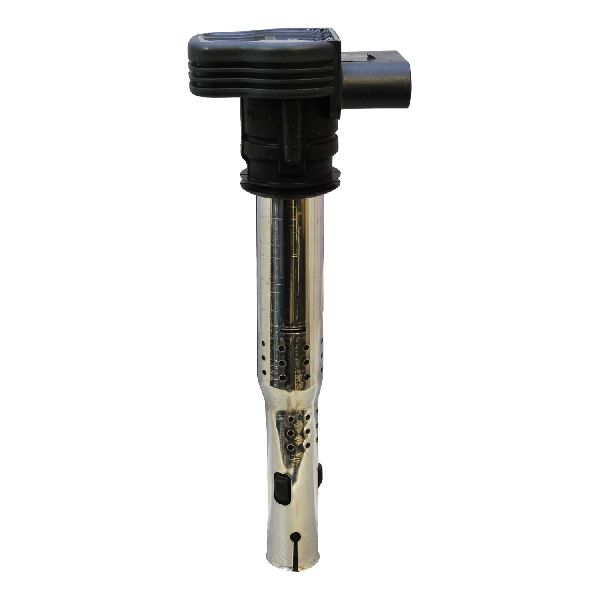
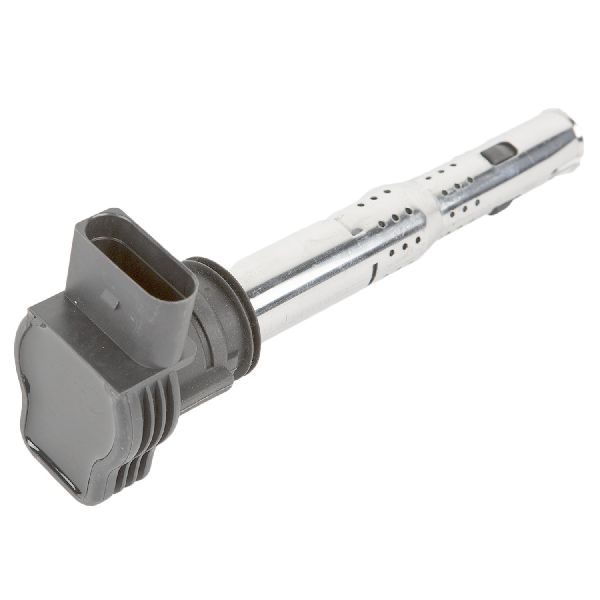
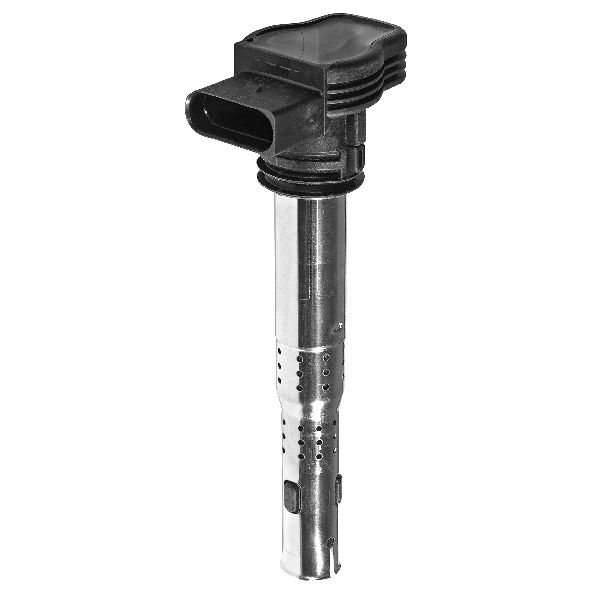
- Faulty Ignition Coil 🔴 High Probability → Shop Ignition Coil Ignition coils are a very common failure item on the EA888 engine. Heat and vibration cause the internal electronics to fail over time. It is highly recommended to replace them with the latest OEM revision part.
How to confirm: Swap the ignition coil from cylinder 2 with another cylinder (e.g., cylinder 3). Clear the codes and drive the car. If the code changes to P0303, the coil is faulty.
Typical fix: Replace the faulty ignition coil. It is often recommended to replace all four coils at the same time with the latest revision part (e.g., Bosch part number 06H905115B or equivalent) to prevent future failures.
Est. part cost: $30 - $60 per coil - Worn or Fouled Spark Plug 🔴 High Probability → Shop Spark Plug The manufacturer recommends a specific service interval (typically 35k-40k miles). On early B8 models, oil consumption can foul the plugs, while on all models, a rich fuel mixture or simply high mileage can cause wear. Visual inspection may reveal oil-soaked or carbon-fouled electrodes.
How to confirm: After ruling out the coil, move the spark plug from cylinder 2 to another cylinder (e.g., cylinder 1). If the code changes to P0301, the spark plug is the issue. Visually inspect the plug for wear, carbon tracking, or oil fouling.
Typical fix: Replace the spark plug. It is best practice to replace all four spark plugs as a set to maintain consistent performance. Recommended plugs include NGK PFR7S8EG or Bosch FR7KPP332.
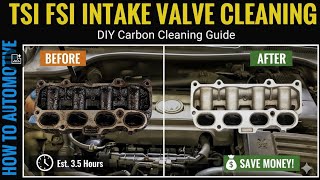
Est. part cost: $15 - $25 per plug - Carbon Buildup on Intake Valves 🟡 Medium Probability The EA888 is a direct-injection (TFSI) engine. Fuel is injected directly into the cylinder, so it never washes over the back of the intake valves. Oil vapor from the PCV system bakes onto the hot valves, forming hard carbon deposits that restrict airflow and cause misfires, especially when the engine is cold. This becomes a significant issue typically after 60,000-80,000 miles.
How to confirm: This requires visual inspection using a borescope inserted into the intake ports, which usually means removing the intake manifold.
Typical fix: The intake valves must be manually cleaned. The most effective method is walnut shell blasting, though chemical cleaning or manual scraping are also options. This is a labor-intensive job.
Est. part cost: $500-$1000 for professional service - Failed PCV Valve (Oil Separator) 🟡 Medium Probability → Shop PCV Valve The diaphragm inside the PCV valve (also called an oil separator) is known to tear, creating a significant unmetered air leak (vacuum leak). This is a very common failure on the EA888 engine.
How to confirm: A high-pitched whistle from the engine bay at idle is a common sign. With the engine running, try to remove the oil filler cap. If there is very strong suction holding it down, or the engine stumbles badly when it's removed, the PCV has likely failed. This is often accompanied by a P0171 (System Too Lean) code.
Typical fix: Replace the entire PCV valve assembly. Use a genuine or high-quality OEM part, as cheaper aftermarket versions are known to fail quickly. The latest revision part is 06H103495AH (or newer).
Est. part cost: $130 - $180 - Faulty Fuel Injector ⚪ Low Probability → Shop Fuel Injector Injectors can become clogged with fuel deposits or fail electronically, preventing them from delivering the correct amount of fuel. While less common than ignition or PCV issues, it is a possible cause.
How to confirm: This is more difficult for a DIYer. A professional can use a scan tool to monitor fuel trims or perform an injector balance test. Swapping injectors between cylinders is the definitive test but is a much more involved job than swapping coils or plugs.
Typical fix: Replace the faulty fuel injector and its single-use Teflon seals. It's often recommended to replace all four injectors, especially on higher-mileage vehicles.
Est. part cost: $50 - $150 per injector
Rare But Worth Checking
- Low Compression: Can be caused by worn piston rings (especially on early B8 models with oil consumption issues), a burnt valve, or a damaged cylinder head. A compression test is needed to confirm. This is a serious mechanical issue requiring significant engine work.
- Intake Manifold Failure: → Shop Engine Intake Manifold The plastic intake manifold can develop cracks or the runner flaps can break, causing vacuum leaks or airflow issues. Often sets other codes like P2015 ('Intake Manifold Runner Position Sensor/Switch Circuit Range/Performance').
Diagnosis Steps
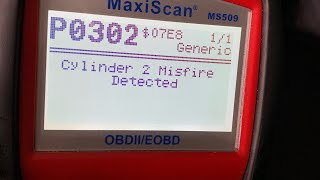
- Read the code with an OBD-II scanner to confirm P0302 and check for any other codes like P0171 or P130A.
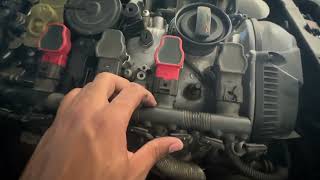
- Ignition Coil Test: Swap the ignition coil from cylinder 2 with cylinder 3. Clear the codes and test drive. If the misfire moves and you now have a P0303 code, the ignition coil is bad. This is the most common first step.
- Spark Plug Test: If the misfire remained on cylinder 2, put the original coil back and swap the spark plug from cylinder 2 with cylinder 1. Clear codes and test drive. If the code changes to P0301, the spark plug is bad. Inspect the old plug for oil or carbon fouling.
- PCV System Check: With the engine running, listen for a whistling sound. Carefully try to remove the oil cap. If extreme suction holds it on or the engine idle worsens dramatically, the PCV valve is likely bad and causing a vacuum leak.
- Fuel Injector Check: If ignition parts and the PCV are good, the issue may be the fuel injector. This is harder to diagnose at home and may require a professional to check fuel trims or perform a balance test.
- Carbon Buildup Inspection: If all else fails, especially on cars with over 60,000 miles, suspect carbon buildup. The intake manifold must be removed to inspect the intake valves. A borescope is the best tool for this.
- Compression Test: As a final step to rule out internal engine damage, perform a compression test on all cylinders. A significant loss of compression in cylinder 2 points to a mechanical problem like rings or valves.
Parts You'll Likely Need
- Ignition Coil
Related Codes That Often Appear With This One
- P0300 — If the misfire is intermittent or affects multiple cylinders, a P0300 (Random/Multiple Cylinder Misfire) may be logged alongside P0302.
- P0301, P0303, P0304 — If a systemic issue like a bad PCV valve, massive vacuum leak, or severe carbon buildup exists, other cylinders may also misfire and log their respective codes. These codes also appear during diagnosis when swapping components between cylinders.
- P0171 — This 'System Too Lean' code often appears with a P0302 if the root cause is a failed PCV valve or another major vacuum leak.
- P130A — This code for 'Cylinder Disabling' may be stored when the ECU detects a persistent, severe misfire. The ECU intentionally shuts off the fuel injector to the misfiring cylinder (in this case, cylinder 2) to protect the catalytic converter from raw fuel.
Technical Service Bulletins (TSBs) & Recalls
- TSB 2027731/5 - Engine oil consumption too high: Addresses excessive oil consumption on 2009-2011 2.0T engines. The first stage of the fix involves replacing the crankcase pressure regulating valve (PCV) and the front crankshaft seal. If consumption is still high, the second stage involves replacing pistons and connecting rods.
- TSB Bulletin #A0124212069038_5: A manufacturer service bulletin notes that the MIL may illuminate with cylinder misfire codes including P0300, P0301, P0302, P0303, and P0304.
- TSB Bulletin #A0123912069038_5: Provides technical information regarding illuminated MIL and DTCs P0300 through P0306.
Platform-Specific Known Issues
- Carbon Buildup: As a direct-injection engine, the EA888 suffers from carbon accumulation on intake valves, which is a common cause of misfires that can be misdiagnosed as an ignition or fuel problem. Cleaning is typically required every 60,000-80,000 miles.
- PCV Valve Failure: The PCV valve is prone to failure, leading to a loud whistle, high oil consumption, and lean/misfire codes.
- Oil Consumption (B8 2009-2012): Early models often had issues with piston rings causing excessive oil consumption. This can foul spark plugs, leading directly to misfire codes.
Mechanic-Grade Diagnostic Values
- Live Misfire Count per Cylinder — expected: 0 at idle and under load.. Failure: Any count greater than 0 on cylinder 2 indicates a misfire event. A rapidly increasing count confirms a persistent problem.
- Engine-to-Chassis Ground Voltage Drop — expected: Less than 0.15 volts at idle.. Failure: A reading higher than 0.15V indicates a degraded engine ground strap, which can cause weak spark and misfires.
- Short-Term and Long-Term Fuel Trims (STFT/LTFT) — expected: Within +/- 5% at idle. Can go up to +/- 10% under normal operation.. Failure: Consistently high positive trims (e.g., > +15%) on one bank can indicate a vacuum leak (like a failed PCV) causing a lean misfire. Consistently high negative trims can indicate a leaking injector causing a rich misfire.
Hidden / Shadow Codes Worth Checking
- Live Misfire Counters (Not a code, but live data): VAG-specific scan tools like VCDS can display a live counter of misfire events for each cylinder, even before a P0302 code is formally logged. This is invaluable for diagnosing intermittent misfires. (see via Using VCDS or OBDeleven, go to Engine (01) -> Measuring Blocks -> Groups 014, 015, and 016. For newer UDS modules, use Advanced Measuring Values and search for 'misfire'.)
Scan Tool Commands That Help
- VCDS (VAG-COM) / OBDeleven: Misfire Counter in Measuring Blocks/Advanced Measuring Values — Use this to confirm which cylinder is misfiring in real-time. It's more precise than waiting for a generic P030X code and can catch intermittent issues that don't always trigger the check engine light.
- VCDS (VAG-COM) / OBDeleven: Output Test Mode (DTM) for Fuel Injectors — After ruling out ignition issues, you can use this function to individually cycle each fuel injector. Listening for an audible 'click' from the cylinder 2 injector can help confirm it is activating electronically. This does not, however, confirm it is spraying fuel correctly.
Wiring & Ground Locations
- G105 (or similar firewall ground) — Primary engine-to-firewall ground point, located on the firewall in the engine bay.. The ignition coils are grounded through the engine harness back to the chassis. A corroded or loose firewall ground can create high resistance, weakening spark energy and causing misfires that are difficult to diagnose. A voltage drop test across this ground is a key diagnostic step.
- G104 (Transmission-to-Chassis Ground) — Primary ground strap located on the transmission bellhousing, connecting to the chassis.. This is a main ground path for the entire engine block. Degradation from heat and vibration is common and can lead to a host of electrical issues, including intermittent misfires that mimic coil or plug failure.
- Ignition Coil Connector — 4-pin connector on top of the ignition coil for cylinder 2.. The plastic locking tabs on these connectors become brittle with age and can break, leading to a poor connection that can cause a misfire. The wiring itself can also become frayed or damaged right at the connector from engine heat and vibration.
Real Owner Repair Stories
- YouTube Commenter on 'Causes and Fixes P0302 Code' (Unspecified vehicle with P0302) — Bad rough idle, engine shaking, and stalling.
❌ Tried (didn't work) Replacing ignition coils, Replacing spark plugs
✅ What actually fixed it The owner suspected a clogged fuel injector and added Redline fuel injection cleaner to the fuel tank. After running the car for a while, the misfire code went away and the symptoms were resolved. - Reddit user r/AskMechanics (2012 Audi A4 Avant 2.0T, 168k miles, APR Stage 1 tune) — P0302 code, rough on idle but fine once warmed up.
✅ What actually fixed it The user noted they were overdue for a spark plug change. Upon inspection, the plugs were very worn, and the plug from cylinder 4 had wet oil on it. The implied fix was replacing the overdue spark plugs, though the oil fouling pointed to the known oil consumption issue (which the owner had previously addressed with new pistons/rings at 100k miles). - NHTSA ODI #11402605: An owner reported that while driving, the engine light began blinking and a code reader showed P0300, P0301, and P0302, indicating multiple cylinder misfires.
OEM Part Supersession History
06H905115A→06H905115B, 06H905115C, etc.— Revisions to improve reliability and prevent premature failure, which was common on early coils.
Heads up: While newer revisions are backward compatible and recommended, using an old revision part is not advised. The popular red-top 'R8 coils' are often cited as an upgrade, but for a stock or lightly tuned EA888.2, a quality OEM-style coil like the Bosch 06H905115B is sufficient.Various, e.g., 06H103495E/AC/AD→06H103495AH (and newer)— The internal diaphragm of the PCV valve was prone to tearing. Later revisions use improved materials to increase longevity.
Heads up: Always install the latest available revision. Cheaper aftermarket PCV valves are known to fail very quickly; using a Genuine or high-quality OEM (e.g., Vaico, Hengst) part is critical for this repair.
Model Year Variations Within This Range
- 2009-2012 (B8): These earlier models are significantly more prone to excessive oil consumption due to a faulty piston ring design. This can cause a P0302 by persistently fouling the cylinder 2 spark plug with oil, which is a separate issue from ignition or fuel problems.
- 2013-2016 (B8.5): The B8.5 facelift models received an updated EA888 Gen 2 engine with revised piston rings that largely corrected the oil consumption issue. While still susceptible to coil, PCV, and carbon buildup issues, oil-fouled plugs are a less likely primary cause for P0302 on these later models. The B8.5 also features different headlight/taillight designs and an updated MMI system, but the core causes of P0302 remain the same.
Diagnostic Flowchart
Other Known Issues on This Vehicle
Issues unrelated to this code that are worth knowing about as an owner of this generation:
- Excessive Oil Consumption 🔴 High — Very common on 2009-2012 (B8) models. Caused by faulty piston ring design. Less common on 2013+ (B8.5) models. (Ref: TSB 2027731/5)
- Timing Chain Tensioner Failure 🔴 High — A critical issue for the EA888 Gen 2 engine. The original tensioner can fail, allowing the chain to jump teeth, causing catastrophic engine damage. Warning sign is a 1-3 second rattle on cold start.
- Water Pump Failure 🟠 Medium — The plastic housing of the water pump assembly is prone to cracking and leaking coolant. Failures can occur as early as 25,000 miles but are common around 60,000-80,000 miles.
- Intake Manifold Runner Flap Failure 🟠 Medium → Shop Engine Intake Manifold — The plastic actuator linkage on the intake manifold can break, causing the runner flaps to malfunction. This typically triggers a P2015 fault code and results in poor performance.
Used vs. New Parts: Buying Guide for This Vehicle
When a used part is the smart pick: For this specific repair, used parts are generally not recommended. The primary failure components (ignition coils, spark plugs, PCV valve) are wear items and relatively inexpensive to buy new. Sourcing from a junkyard offers minimal cost savings and a high risk of receiving a part that is near the end of its service life.
Donor-vehicle mileage cap: roughly under 40000 miles for the part to have meaningful remaining life.
What to inspect on the donor part:
- For an ignition coil, check for cracks in the plastic housing and ensure the rubber boot is pliable and not dry-rotted.
- For a PCV valve, there is no reliable way to inspect a used one. It is not recommended.
- If sourcing a larger component like an intake manifold, check for any cracks, especially around the mounting points and seams.
OEM-only on this vehicle (don't cheap out):
- PCV Valve (Oil Separator): Aftermarket PCV diaphragms are notoriously unreliable and often fail within months. Stick with a Genuine Audi/VW part or a top-tier OEM supplier like Hengst to avoid repeat failures.
Aftermarket brands forum-validated for this vehicle:
- Ignition Coils: Bosch, NGK, Eldor, APR (for performance).
- Spark Plugs: NGK (PFR7S8EG), Bosch (FR7KPP332).
- PCV Valve: Vaico, Hengst (OEM suppliers).
Brands owners have reported issues with on this vehicle:
- Unbranded, low-cost ignition coils and PCV valves from online marketplaces. These frequently have high failure rates and can cause more diagnostic headaches than they solve.
Real Owner Stories
Aggregated from forums and TSBs cited above. Mileages and costs reflect what owners reported in those sources.
2009-2011 Audi A4 2.0T
Symptoms: Excessive engine oil consumption leading to fouled spark plugs and misfire codes.
What fixed it: Following TSB 2027731/5, which involves replacing the crankcase pressure regulating valve (PCV) and front crankshaft seal, or replacing pistons and connecting rods in severe cases.
Source hint: TSB 2027731/5 - Engine oil consumption too high
2009-2016 Audi A4 2.0T TFSI — ~70000 miles
Symptoms: Misfires occurring especially when the engine is cold; restricted airflow due to deposits on intake valves.
What fixed it: Manual cleaning of the intake valves, specifically using walnut shell blasting after removing the intake manifold.
Cost: $500-$1000
Source hint: vehicle_specific_issues: Carbon Buildup
Audi A4 B8 2.0T
Symptoms: Rough idle, engine shakes, EPC light, and Check Engine Light.
What fixed it: Replacing faulty ignition coils with the latest revision parts.
Source hint: https://www.audiworld.com/forums/a4-b8-platform-discussion-127/rough-idle-engine-shakes-epc-light-check-engine-light-2940982/
Related OBD-II Codes
Frequently Asked Questions
My 2010 Audi A4 is burning a lot of oil and now has a P0302 code. Is there a TSB for this?
What specific spark plugs should I use for my EA888 2.0T to fix a cylinder 2 misfire?
I hear a high-pitched whistling noise from the engine bay of my A4 along with the P0302 code. What is it?
Is there a specific ignition coil part number I should look for to prevent future P0302 codes?
My Audi A4 has 80,000 miles and is misfiring when cold. Could this be carbon buildup?
How can I tell if my PCV valve is causing the P0302 misfire without tools?
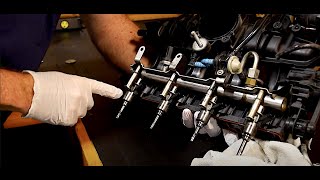
Helpful Videos
We Have This Part in Stock


The information in this article is provided for general reference and educational purposes only. Vehicle specifications, procedures, and part compatibility can vary by production date, trim level, and region. Always consult your vehicle's factory service manual and verify part numbers before purchasing or performing repairs. Safety-critical components such as airbags, seat belts, and braking systems should be installed by a qualified professional.
- Audi A4:
- 🧭 Diagnostic Flowchart
- 🎬 Helpful Videos
- 🛍️ Shop This Part
- What's Unique About the 2009-2016 Audi A4
- Symptoms You May Notice
- Most Likely Causes
- Rare But Worth Checking
- Diagnosis Steps
- Parts You'll Likely Need
- Related Codes That Often Appear With This One
- Technical Service Bulletins (TSBs) & Recalls
- Platform-Specific Known Issues
- Mechanic-Grade Diagnostic Values
- Hidden / Shadow Codes Worth Checking
- Scan Tool Commands That Help
- Wiring & Ground Locations
- Real Owner Repair Stories
- OEM Part Supersession History
- Model Year Variations Within This Range
- Other Known Issues on This Vehicle
- Used vs. New Parts: Buying Guide for This Vehicle
- Real Owner Stories
- 2009-2011 Audi A4 2.0T
- 2009-2016 Audi A4 2.0T TFSI — ~70000 miles
- Audi A4 B8 2.0T
- Related OBD-II Codes
- Frequently Asked Questions
- 🎟️ Get 5% Off