

P0302 on 2011-2018 Audi A6 3.0T: Cylinder 2 Misfire Causes and Fixes
P0302 on a C7 Audi A6 3.0T is a misfire on cylinder 2, most often caused by a bad ignition coil or a worn spark plug. A simple DIY diagnosis involves swapping the coil from cylinder 2 with another cylinder to see if the code follows. Other common causes on this specific engine include a failed PCV valve and carbon buildup on the intake valves. Expect to pay $40-$80 for a quality replacement coil.
- Start with the simplest fix: swap the cylinder 2 ignition coil with another cylinder to see if the P0302 code moves.
- If the coil is good, suspect the spark plug. They are a maintenance item and should be replaced every 40-60k miles.
- Do not ignore a flashing check engine light, as this can cause rapid and expensive damage to your catalytic converter.
- If simple ignition parts don't solve the problem, the issue is likely a platform-specific problem like the PCV valve, carbon buildup, or a leaking intercooler.
- On the 3.0T V6, cylinder 2 is the middle cylinder on the passenger side.
What's Unique About the 2011-2018 Audi A6
While ignition components are the primary suspects for a P0302 code on any car, the Audi 3.0T Supercharged engine has specific vulnerabilities. A failed PCV valve (crankcase vent valve) is a very common source of vacuum leaks that lead to misfires and lean codes. Additionally, as a direct-injection engine, these are prone to heavy carbon buildup on intake valves which can restrict airflow and cause misfires, especially on cold starts or under load. This issue is well-documented to start causing problems after 60,000 miles. Finally, leaking supercharger intercoolers, while less common, are a known issue that can introduce coolant into the cylinders and cause persistent misfires. Unexplained coolant loss is a key symptom of this failure.
Symptoms You May Notice
- Rough or vibrating idle
- Hesitation or stumbling during acceleration
- Reduced engine power
- Flashing or solid Check Engine Light
- Decreased fuel economy
- A whistling or squealing noise from the engine bay (if caused by PCV failure).
- Smell of unburnt gasoline from the exhaust.
- Replacing a fuel injector before thoroughly testing the ignition coil and spark plug.
- Performing an expensive carbon cleaning service before ruling out a simpler, faulty PCV valve.
- Assuming major engine damage before performing the simple coil and plug swap diagnostic steps.
- Replacing O2 sensors. A misfire will cause poor exhaust readings and may trigger O2 sensor codes, but the sensor itself is rarely the root cause of a single-cylinder misfire.
Most Likely Causes
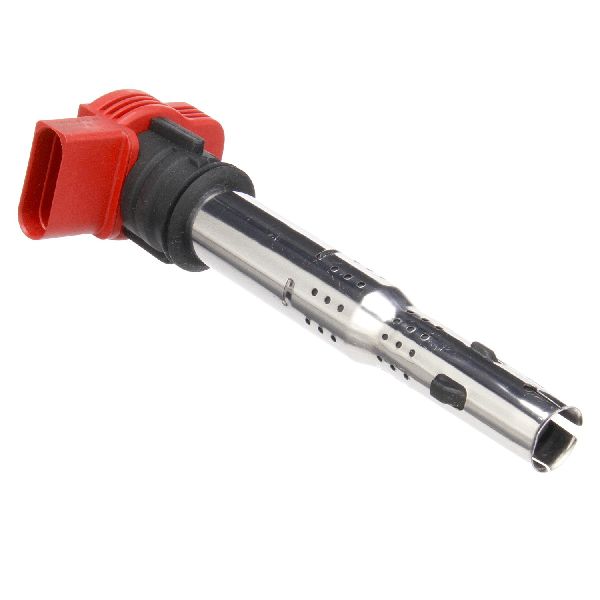
- Faulty Ignition Coil 🔴 High Probability → Shop Ignition Coil Ignition coils on modern Audis operate under high heat and electrical stress, making them a common failure item, though some sources note they are more reliable on the 3.0T than the 2.0T. They are a frequent cause of single-cylinder misfires.
How to confirm: Swap the ignition coil from cylinder 2 with the coil from cylinder 1 (front-most, passenger side). Clear the codes and drive. If the code returns as P0301, the ignition coil is confirmed as the faulty part.
Typical fix: Replace the faulty ignition coil. It is often recommended to replace all six coils if they are original and high-mileage to prevent future failures, but replacing only the failed one is acceptable.
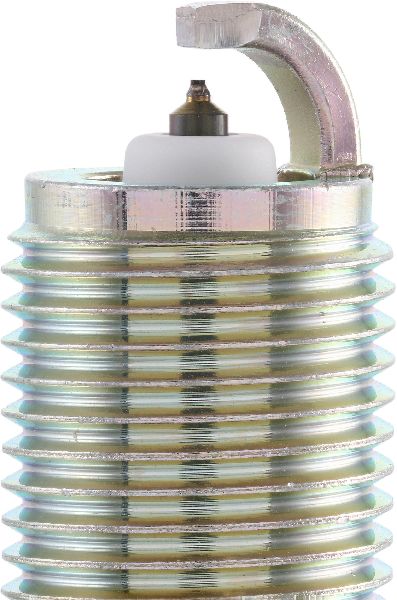
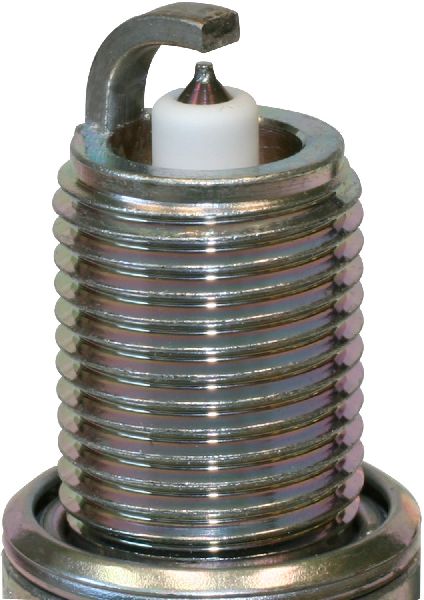
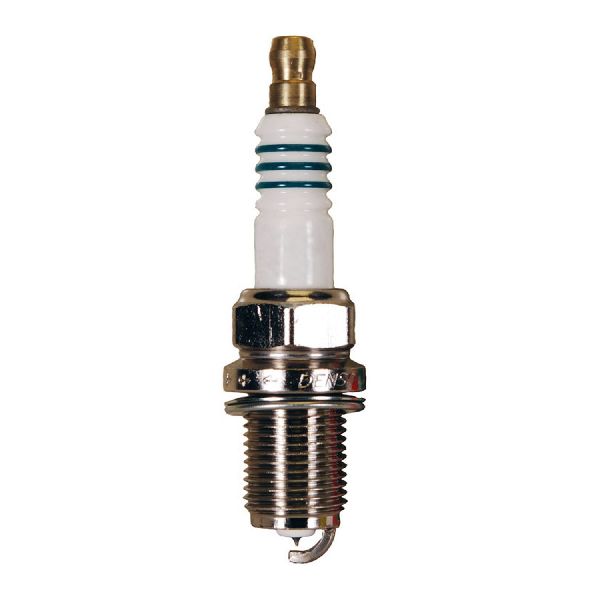
Est. part cost: $40-$80 - Worn or Fouled Spark Plug 🔴 High Probability → Shop Spark Plug Spark plugs are a regular maintenance item. The service interval is typically between 40,000 and 55,000 miles. An overdue plug or one fouled by oil, fuel, or coolant can easily cause a misfire.
How to confirm: After ruling out the coil, remove the spark plug from cylinder 2. Inspect it for wear, carbon fouling, oil deposits, or white/pink residue (indicating a coolant leak). You can also swap it with the plug from cylinder 1. If the code moves to P0301, the spark plug is bad.
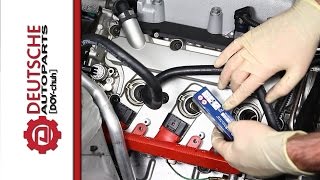
Typical fix: Replace the spark plug in cylinder 2. Best practice is to replace all six spark plugs as a set to ensure even performance and avoid future misfires. A special 12-point thin-wall socket is required. 🎬 Watch: Step-by-step guide to replacing your 3.0T spark plugs.
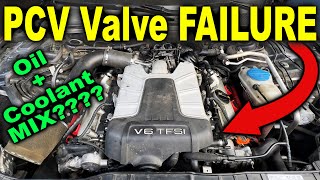
Est. part cost: $15-$30 per plug - Failed PCV Valve / Crankcase Vent Valve 🟡 Medium Probability → Shop PCV Valve The diaphragm inside the PCV valve is known to tear on the 3.0T engine, creating a massive unmetered vacuum leak. This leans out the air-fuel mixture and can cause single or multiple cylinder misfires. On older plastic versions, micro-cracks can also form, leading to coolant mixing with oil.
How to confirm: With the engine running at idle, try to remove the oil filler cap. If there is extremely strong vacuum holding the cap on, or if you hear a loud whistling/squealing sound from the engine, the PCV valve has likely failed. This will often be accompanied by lean codes (P2187, P2189).
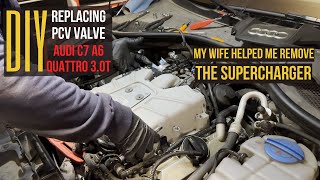
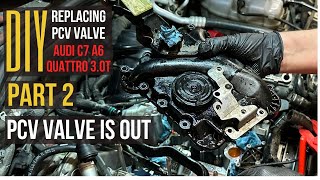
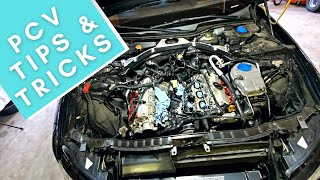
Typical fix: Replace the PCV valve assembly (also called an air-oil separator). This part is located underneath the supercharger, so the repair is labor-intensive and requires removing the supercharger. 🎬 See these essential tips and tricks for PCV replacement.
Est. part cost: $150-$300 - Carbon Buildup on Intake Valves 🟡 Medium Probability As a direct-injection (TFSI) engine, fuel is sprayed directly into the cylinders, not over the intake valves. Oil vapor from the PCV system bakes onto the hot valves, forming carbon deposits that restrict airflow and cause misfires, especially at idle, on cold starts, or under load. This is a very common issue on 3.0T engines with over 60,000-80,000 miles.
How to confirm: This requires visual inspection with a borescope or by removing the supercharger and intake manifold. It is often diagnosed after ignition and fuel system faults are ruled out. Audi has a TSB (2033768) related to misfires under load caused by carbon buildup.
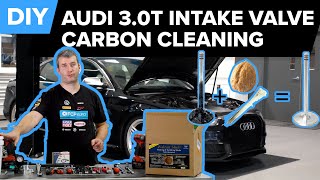
Typical fix: The intake valves must be manually or mechanically cleaned. The most effective method is walnut shell blasting. 🎬 Watch: How to scrape and walnut blast your intake valves. This is a labor-intensive job that requires supercharger removal.
Est. part cost: $70 in gaskets/seals for DIY, professional service is $800-$1500.
Rare But Worth Checking
- Clogged or Faulty Fuel Injector: → Shop Fuel Injector While less common than ignition issues, a fuel injector can fail electronically or become clogged, preventing proper fuel delivery to cylinder 2. In some cases, refurbished injectors are used as a fix after ruling out plugs and coils. Diagnosis is more involved and replacement requires removing the supercharger.
- Leaking Supercharger Intercooler: The 3.0T engine has two air-to-water intercooler cores located within the supercharger housing. They are known to develop internal leaks from heat cycles, dripping coolant directly into the intake ports. This can cause misfires on any cylinder, but cylinders 1, 2, and 3 have been cited in forums. Unexplained coolant loss accompanying a misfire is a strong indicator.
- Leaking Valve Cover Gasket: → Shop Engine Valve Cover The gasket for the spark plug tube can fail, allowing engine oil to fill the tube. This will foul the spark plug and can damage the ignition coil boot, leading to a misfire.
- Low Cylinder Compression: Though rare, mechanical engine damage such as a scored cylinder wall, damaged piston ring, or a burnt valve can cause a loss of compression and a persistent misfire in cylinder 2. A compression test can confirm this after all other causes are eliminated. One owner on AudiWorld reported a P0302 misfire that was ultimately caused by low compression from a leaking supercharger intercooler washing out the cylinder.
Diagnosis Steps
- Read the code with an OBD-II scanner (VCDS/VAG-COM is preferred) to confirm P0302 and check for any other codes like lean codes or codes for other cylinders.
- Identify Cylinder 2: It is the middle cylinder on the passenger side of the engine (Bank 1).
- Ignition Coil Test: Swap the ignition coil from cylinder 2 with the coil from cylinder 1 (front-most on passenger side). Clear the codes.
- Drive the vehicle until the check engine light reappears. Re-scan the codes.
- If the code is now P0301, the ignition coil is faulty and must be replaced.
- Spark Plug Test: If the code remains P0302, swap the spark plug from cylinder 2 with the plug from cylinder 1. While the plug is out, inspect it for fouling. Clear codes and re-test. If the code moves to P0301, the spark plug is faulty.
- PCV Valve Test: If the code remains P0302, check for a failed PCV valve. With the engine idling, listen for a loud whistle and check for strong vacuum at the oil filler cap.
- Check for Coolant Loss: If you are also experiencing unexplained coolant loss, suspect a leaking supercharger intercooler. This is a serious issue requiring professional diagnosis.
- Further Diagnosis: If the above steps do not identify the issue, the problem is likely more complex. At this point, suspect a faulty fuel injector, heavy carbon buildup, or low compression. Professional diagnosis with a smoke machine (for vacuum leaks), borescope (for carbon buildup), or compression tester is recommended.
Parts You'll Likely Need
- Ignition Coil
(OEM #06E905115G (or F, H). Supersedes 06E905115E.)— This is the most frequent cause of a single-cylinder misfire on the 3.0T engine.
Trusted brands: Bosch, NGK, Genuine VW/Audi
OEM price range: $50-$80
Aftermarket price range: $35-$60 - Spark Plug
(OEM #NGK PFR8S8EG (94460))— A worn or fouled spark plug is the second most likely cause and is a standard maintenance item.
Trusted brands: NGK, Bosch
OEM price range: $20-$30
Aftermarket price range: $15-$25 - PCV Valve / Oil Separator (for CREC engine)
(OEM #06E103547AF)— A common failure point on the 3.0T leading to vacuum leaks and misfires. Replacement is labor-intensive as it's under the supercharger.
Trusted brands: Genuine VW/Audi, Hengst, Vaico
OEM price range: $250-$350
Aftermarket price range: $150-$220
Related Codes That Often Appear With This One
- P0300 — If the misfire is intermittent or affects multiple cylinders, a P0300 (Random/Multiple Cylinder Misfire) may be stored alongside P0302.
- P0301, P0303 — Misfires on other cylinders in the same bank (Bank 1) could indicate a problem affecting the entire bank, such as a vacuum leak, a leaking intercooler on that side, or a fuel delivery issue.
- P2187, P2189 — These 'System Too Lean at Idle' codes for Bank 1 and Bank 2 often accompany misfire codes when the root cause is a significant vacuum leak, such as a failed PCV valve.
- P130A — This 'Cylinder Disabling' code can be stored alongside misfire codes (P0301-P0306) when a misfire is severe enough for the ECU to shut off the fuel injector to that cylinder to protect the catalytic converter. It is often associated with heavy carbon buildup.
Technical Service Bulletins (TSBs) & Recalls
- TSB 2040058/3 - Mentioned as addressing PCV failure on some 3.0T engines.
- TSB 2058038 / 01-23-85 - Mentions misfires due to software calibration with winter blend fuel, though primarily for newer models.
- TSB 2069038 - Mentions software updates to correct misfire detection on 2019+ models.
- Bulletin #A0124212069038_5 - Provides information for instances where the MIL is illuminated with cylinder misfires including P0302.
- Bulletin #A0123912069038_5 - Provides diagnostic information for when the MIL is illuminated with DTCs P0300 through P0306.
- Bulletin #A0123802069038_4 - Addresses cylinder misfires and MIL illumination involving DTC P0302.
- Bulletin #A0123352069038_2 - Provides instructions for when the MIL is illuminated and one or more DTCs such as P0302 may be stored.
- Bulletin #A0122312069038_1 - Notes that a software update is available for instances where the MIL is illuminated with DTC P0302.
Platform-Specific Known Issues
- PCV Valve Failure: The crankcase ventilation valve is notoriously failure-prone, leading to strong vacuum leaks, lean codes, and misfires.
- Carbon Buildup: Like many direct-injection engines, the 3.0T suffers from carbon accumulation on the intake valves, requiring periodic cleaning to prevent misfires and performance loss.
- Leaking Supercharger Intercoolers: The internal intercoolers can leak coolant into the intake, causing misfires, often without external signs of a leak. This is a complex and expensive repair.
Mechanic-Grade Diagnostic Values
- VCDS Misfire Counter (Live Data) — expected: Using VCDS, Measuring Block Groups 015 and 016 should show a count at or near 0 for all cylinders at idle and under load.. Failure: A steadily increasing count for cylinder 2 confirms an active misfire, which is useful for diagnosing intermittent faults.
- High-Pressure Fuel Rail Pressure — expected: Approximately 100-110 bar (1500 PSI) at idle, increasing to over 200 bar (2900+ PSI) under load.. Failure: Pressure that is significantly below the expected value at idle or fails to rise under acceleration can indicate a failing High-Pressure Fuel Pump (HPFP) or a leak.
- Low-Pressure Fuel Pump (LPFP) Feed Pressure — expected: 4.0 to 6.0 bar (58 to 87 PSI).. Failure: Pressure dropping below this range will starve the HPFP, potentially causing misfires under high load.
- Mode $06 Misfire Data — expected: Near-zero counts for Test IDs $A2-$AC (each corresponds to a cylinder).. Failure: Elevated counts for the test ID corresponding to cylinder 2 (e.g., $A3) can identify misfires occurring before they are severe enough to set a permanent trouble code.
Hidden / Shadow Codes Worth Checking
- P130A: Audi-specific code for 'Cylinder Disabling' or 'Hide Cylinder'. The ECM sets this as a protective measure when a persistent, catalyst-damaging misfire is detected. It shuts off the fuel injector to the misfiring cylinder (in this case, cylinder 2). (see via VCDS or other advanced VW/Audi specific scan tools. It will often be stored alongside the P0302 code.)
Scan Tool Commands That Help
- VCDS (VAG-COM): Measuring Value Blocks (MVB) - Groups 014, 015, 016 — This is the primary method for viewing live misfire counts for each individual cylinder. It allows a technician to see if the misfire on cylinder 2 is happening at idle, under load, or only when cold/hot, which helps narrow down the cause.
- VCDS (VAG-COM): Advanced Measuring Values - Fuel Pressure — Use this function to log both 'Fuel pressure' (high pressure) and the low-pressure feed to diagnose potential fuel delivery issues that could cause misfires, especially under high engine load.
Wiring & Ground Locations
- Engine Control Unit (ECU/ECM) — Located in the water plenum (cowl area) under the plastic cover, beneath the windshield washer fluid reservoir on the driver's side.. The ECU controls ignition and fuel. This area is prone to water collection if the plenum drains become clogged with leaves, which can lead to water damage, corrosion, and bizarre electrical faults, including misfires. Ensuring this area is dry and the ECU connectors are clean is a valid, though uncommon, diagnostic step.
- Engine Block Ground Point — There is a primary engine ground point on the right (passenger) side of the engine compartment, on the engine block near the alternator.. The ignition coils require a solid ground to function correctly. A corroded or loose engine ground can cause a weak spark, leading to intermittent and hard-to-diagnose misfires on one or more cylinders. Verifying this ground is clean and tight is a crucial step if ignition problems are suspected but coils and plugs test good.
Real Owner Repair Stories
- YouTube user 'Garage Taught' (Audi S4 3.0T (same engine and common issues)) — Misfire on cylinder 3 under acceleration, triggering EPC light.
❌ Tried (didn't work) Swapping ignition coils (misfire did not move)., Swapping spark plugs (misfire did not move).
✅ What actually fixed it The user concluded the cause was a leaking supercharger intercooler core. He verified this by observing a drop in coolant level in his separated intercooler reservoir, confirming coolant was leaking into the intake manifold and fouling the spark in that cylinder. The required fix is to remove the supercharger and replace the intercooler core.
"I Checked Everything" — The Actual Cause
- A leaking supercharger intercooler is the classic example for this engine. A smoke test for vacuum leaks will show no issues because the leak is internal—coolant from the intercooler brick seeps directly into the intake air path. This fouls the spark plug and causes a misfire that is often accompanied by unexplained coolant loss but no visible external leaks. It commonly affects cylinders 3 and 6 due to their location relative to the intercoolers.
OEM Part Supersession History
06E905115A, B, C, D, E, F→06E905115G (or later revision)— Internal revisions by Audi/Bosch to improve reliability, heat resistance, and prevent premature failure.
Heads up: While older revisions will physically fit, it is strongly recommended to use only the latest available part number for all coils to ensure consistent performance and longevity. Do not mix old and new revisions if possible.06E103547F, 06E103547Q (for early C7 models)→06E103547AC— Improved diaphragm material and construction to reduce the likelihood of tearing, which is the primary failure mode causing a large vacuum leak.
Heads up: A video guide notes that if you update from a very old PCV revision to the newest version, an ECU software update from Audi may be required for the system to operate correctly. Check with your tuner if the vehicle is modified.
Model Year Variations Within This Range
- 2016-2018 (CREC engine): The CREC engine features a dual-injection system with both direct (FSI) and port (MPI) injectors. The port injectors spray fuel onto the intake valves, which serves to clean them and significantly reduce the rate of carbon buildup compared to earlier direct-injection-only engines. While carbon buildup is still possible, it is a less probable cause for a P0302 on a well-maintained, higher-mileage CREC engine than on a 2011-2015 model.
- 2011-2012: Early versions of the 3.0T used a PCV valve made of a plastic that was more susceptible to developing micro-cracks over time from heat cycles. This could lead to coolant and oil mixing internally within the PCV assembly, in addition to the more common diaphragm tear failure.
Diagnostic Flowchart
Other Known Issues on This Vehicle
Issues unrelated to this code that are worth knowing about as an owner of this generation:
- Water Pump & Thermostat Failure 🔴 High — Very common, especially on pre-2013 models. The plastic components become brittle and crack, leading to coolant leaks and potential overheating. Often fails between 50k-80k miles. (Ref: A service action was issued for some early models to replace thermostats.)
- Failing Engine Mounts 🟠 Medium — The fluid-filled, electronically controlled engine mounts are known to leak and collapse, causing excessive engine vibration at idle and during gear changes. Failure can occur prematurely, sometimes under 50k miles, but is more common around 80k-100k miles.
- Timing Chain Tensioner Wear 🔴 High — While the 3.0T is more robust than other VAG engines, high-mileage examples (>100k miles) can develop a rattle on cold starts, indicating wear in the timing chain tensioners. This is an engine-out service to repair.
- Excessive Oil Consumption 🟠 Medium — Primarily linked to a failing PCV valve which is the most common cause. Less commonly, it can be due to piston ring issues, particularly on earlier models. (Ref: Audi updated the PCV valve design to help address this issue.)
Used vs. New Parts: Buying Guide for This Vehicle
When a used part is the smart pick: For this repair, used parts are generally not recommended due to the high-labor nature of the most common causes (PCV, carbon cleaning, intercoolers). However, if sourcing a major component, a used supercharger assembly (housing and rotors) or a wiring harness from a low-mileage, non-crashed donor vehicle can be a cost-effective option.
Donor-vehicle mileage cap: roughly under 80000 miles for the part to have meaningful remaining life.
What to inspect on the donor part:
- For a supercharger, check for zero play in the main shaft and smooth rotation.
- Inspect intercooler cores (if visible) for any signs of coolant residue or damage.
- For wiring, ensure no connectors are cracked and no insulation is brittle or cut.
OEM-only on this vehicle (don't cheap out):
- PCV Valve / Oil Separator: The cost of labor to access this part is extremely high. Aftermarket diaphragms are known to fail prematurely. Using a Genuine VW/Audi part is critical to avoid a repeat repair.
Aftermarket brands forum-validated for this vehicle:
- Ignition Coils: Bosch and NGK are OEM suppliers and are highly reliable. APR and 034Motorsport are popular, forum-validated performance upgrades.
- PCV Valve: If not buying Genuine Audi, Hengst is a known OES (Original Equipment Supplier) and is considered a safe alternative.
Brands owners have reported issues with on this vehicle:
- Unbranded 'no-name' ignition coils and PCV valves from online marketplaces. The initial cost savings are not worth the high risk of premature failure and repeat labor costs.
Real Owner Stories
Aggregated from forums and TSBs cited above. Mileages and costs reflect what owners reported in those sources.
2014 Audi A6 3.0T
Symptoms: P0302 misfire code that persisted despite standard troubleshooting.
What fixed it: The issue was traced to a leaking supercharger intercooler which eventually led to low compression in the cylinder.
Source hint: AudiWorld forum thread 'Low compression and misfire'
2011-2018 Audi A6 3.0T — ~70000 miles
Symptoms: Misfires occurring specifically under load or during cold starts; restricted airflow.
What fixed it: Manual cleaning of the intake valves using walnut shell blasting to remove heavy carbon deposits.
Cost: $800-$1500
Source hint: Context regarding TSB 2033768/1 and common 3.0T carbon buildup issues
2011-2018 Audi A6 3.0T
Symptoms: Persistent P0302 code; owner performed systematic swapping of coils, plugs, and eventually checked injectors.
What fixed it: The owner resolved the persistent P0302 through a detailed diagnostic process involving coils, plugs, and fuel injectors.
Source hint: AudiWorld forum thread 'P0302 misfire code wont go away'
Related OBD-II Codes
Frequently Asked Questions
Is there a TSB for the PCV valve failure on my 3.0T engine?
I have a P0302 and a whistling noise from the engine; what is the likely cause?
Does Audi have a TSB for misfires caused by carbon buildup?
How often should I change the spark plugs on my 2011-2018 A6 3.0T to avoid P0302?
Can a software update fix my misfire code?
Why is the PCV valve repair so expensive on the A6 3.0T?
Helpful Videos
We Have This Part in Stock


The information in this article is provided for general reference and educational purposes only. Vehicle specifications, procedures, and part compatibility can vary by production date, trim level, and region. Always consult your vehicle's factory service manual and verify part numbers before purchasing or performing repairs. Safety-critical components such as airbags, seat belts, and braking systems should be installed by a qualified professional.
- Audi A6:
- 🧭 Diagnostic Flowchart
- 🎬 Helpful Videos
- 🛍️ Shop This Part
- What's Unique About the 2011-2018 Audi A6
- Symptoms You May Notice
- Most Likely Causes
- Rare But Worth Checking
- Diagnosis Steps
- Parts You'll Likely Need
- Related Codes That Often Appear With This One
- Technical Service Bulletins (TSBs) & Recalls
- Platform-Specific Known Issues
- Mechanic-Grade Diagnostic Values
- Hidden / Shadow Codes Worth Checking
- Scan Tool Commands That Help
- Wiring & Ground Locations
- Real Owner Repair Stories
- "I Checked Everything" — The Actual Cause
- OEM Part Supersession History
- Model Year Variations Within This Range
- Other Known Issues on This Vehicle
- Used vs. New Parts: Buying Guide for This Vehicle
- Real Owner Stories
- 2014 Audi A6 3.0T
- 2011-2018 Audi A6 3.0T — ~70000 miles
- 2011-2018 Audi A6 3.0T
- Related OBD-II Codes
- Frequently Asked Questions
- 🎟️ Get 5% Off