

P0302 on 2012-2018 Audi A6 3.0T: Cylinder 2 Misfire Causes and Fixes
P0302 on a C7 Audi A6 3.0T is a misfire in cylinder 2. The most likely cause is a failed ignition coil, a simple DIY fix costing about $40-$80. If not the coil, a worn spark plug is the next suspect. Swapping the coil from cylinder 2 to another cylinder is the fastest way to confirm the problem. If basics don't fix it, suspect carbon buildup or platform-specific issues like a leaking PCV valve or internal supercharger intercooler leak.
- P0302 is a misfire on cylinder 2 (middle cylinder, passenger side).
- Start your diagnosis by swapping the ignition coil from cylinder 2 to another cylinder. This is the most common failure and a free test.
- If the check engine light is flashing, stop driving immediately to prevent damage to the catalytic converter.
- Be aware of platform-specific issues: if you have unexplained coolant loss, suspect a leaking supercharger intercooler. If the car has over 60,000 miles and a persistent misfire, suspect carbon buildup.
- Always use high-quality OEM or equivalent brand parts (Bosch, NGK) for ignition components, as this engine is sensitive to part quality.
What's Unique About the 2012-2018 Audi A6
The 3.0T supercharged V6 (engine code EA837) is a robust and widely-used engine in the Audi lineup, known for its reliability and performance. However, it has specific vulnerabilities that can lead to a P0302 code. While ignition coils and spark plugs are the most frequent culprits, this direct-injection engine is also highly susceptible to carbon buildup on the intake valves, which can restrict airflow and cause misfires, particularly on cold starts. A more unique and serious issue is the potential for the supercharger's internal intercoolers to leak coolant directly into the intake ports, causing persistent misfires that can be difficult to diagnose without disassembly. A failed PCV valve, located under the supercharger, is another common source of vacuum leaks and misfires on this specific engine.
Symptoms You May Notice
- Rough or vibrating idle
- Hesitation or stumbling during acceleration
- Noticeable loss of engine power
- Solid or flashing Check Engine Light
- Increased fuel consumption
- A smell of raw fuel from the exhaust
- High-pitched whistling or sucking noise from the engine bay at idle (indicative of PCV failure)
- Replacing only the spark plug without testing the ignition coil first.
- Replacing fuel injectors before confirming they are the cause, as this is a labor-intensive job.
- Assuming a misfire is always an ignition or fuel issue, and not considering platform-specific problems like carbon buildup or leaking intercoolers, which are common on the 3.0T.
Most Likely Causes
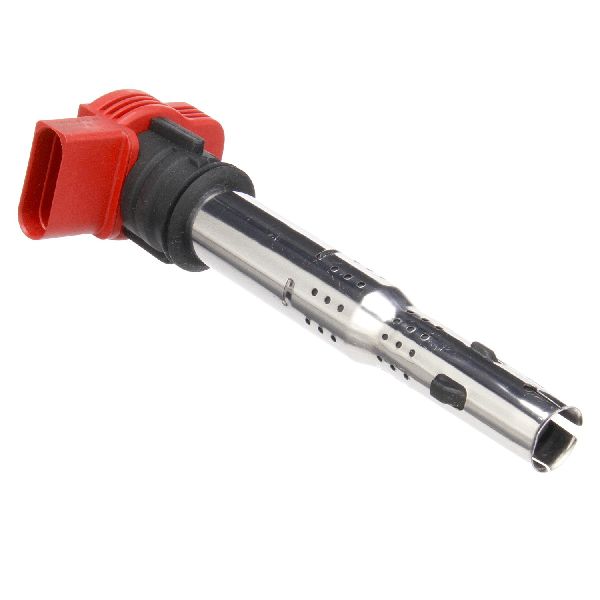
- Faulty Ignition Coil 🔴 High Probability → Shop Ignition Coil Ignition coils are a very common failure point on modern Audi engines due to high heat cycles and electrical stress. Oil leaks from the valve cover gasket can also seep into the spark plug tubes and damage the coil boot.
How to confirm: Swap the ignition coil from cylinder 2 (middle, passenger side) with another cylinder (e.g., cylinder 1, front passenger side). Clear the codes and drive. If the misfire code changes to P0301, the ignition coil is faulty.
Typical fix: Replace the faulty ignition coil. It is highly recommended to replace all six coils at the same time if they are original and have high mileage, as they have all been subjected to the same conditions.
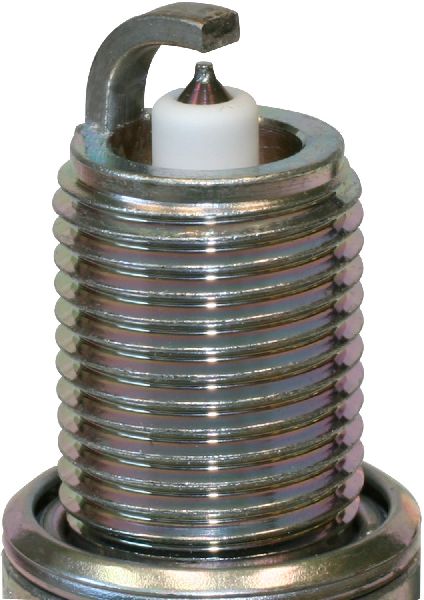
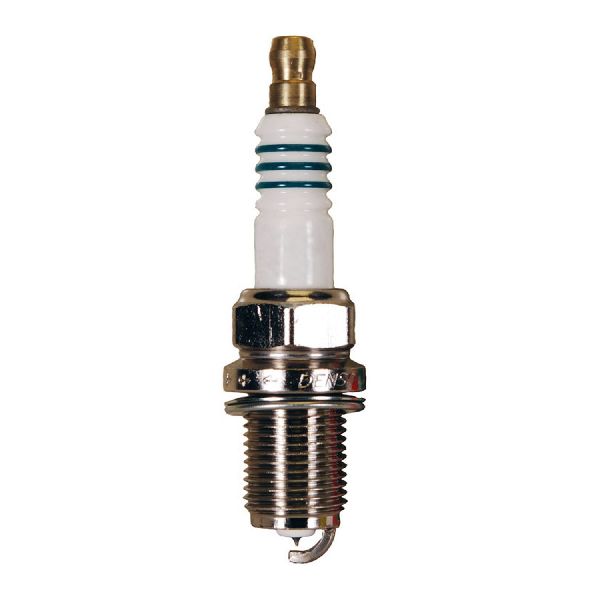
Est. part cost: $40 - $90 per coil - Worn or Fouled Spark Plug 🔴 High Probability → Shop Spark Plug Supercharged engines are harder on spark plugs, and the service interval is typically between 35,000 and 55,000 miles. A worn electrode or carbon/oil fouling can prevent a strong spark.
How to confirm: After ruling out the ignition coil, remove the spark plug from cylinder 2. Inspect it for a worn/rounded electrode, heavy carbon deposits, or oil/fuel fouling. A key sign of a leaking intercooler is a white or pinkish ash-like residue on the plug. You can also swap the plug with another cylinder to see if the code follows.
Typical fix: Replace the spark plug. It is best practice to replace all six spark plugs as a set to ensure even performance and wear. A special 12-point thin-wall socket is required.
Est. part cost: $90 - $180 for a set of six - Carbon Buildup on Intake Valves 🟡 Medium Probability As a direct-injection (TFSI) engine, fuel is sprayed directly into the cylinder, not over the intake valves. This means there is no fuel to clean the valves, so oil vapors from the PCV system bake onto them, restricting airflow and causing misfires, especially on cold starts. This is common on engines with over 60,000 miles.
How to confirm: This requires visual inspection of the intake ports, which involves removing the supercharger. A borescope can be used to look inside the intake runners for thick, black deposits.
Typical fix: The intake valves must be physically cleaned. The most effective method is walnut shell blasting, which is a professional service that can cost $800-$1500.
Est. part cost: $50 - $100 for required gaskets - Clogged or Faulty Fuel Injector ⚪ Low Probability → Shop Fuel Injector Direct injection fuel injectors operate under very high pressure and can become clogged or fail electronically over time, leading to poor fuel atomization. This is less common than ignition or air-related issues.
How to confirm: This is a more advanced diagnostic step. A technician can perform a fuel injector balance test. Swapping injectors between cylinders is possible but is much more labor-intensive than swapping coils as it requires removing the fuel rail.
Typical fix: Replace the faulty fuel injector. It's often recommended to replace them as a bank or full set on high-mileage vehicles.
Est. part cost: $100 - $250 per injector
Rare But Worth Checking
- Leaking Supercharger Intercooler Core: This is a well-documented but less common failure specific to the 3.0T engine. The two intercoolers are located under the supercharger and can leak coolant internally into the engine's intake path. A key symptom is mysterious coolant loss with no visible external leaks. A visual inspection after removing the supercharger may reveal coolant or a pink/white crusty residue in the intake ports. 🎬 Watch: How to replace leaking internal supercharger intercooler cores.
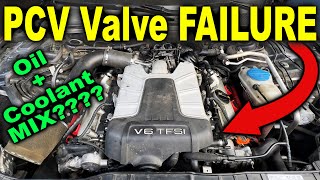
- Failed PCV Valve (Crankcase Vent Valve): → Shop PCV Valve The PCV valve is located under the supercharger and is a known weak point. A failed diaphragm creates a significant vacuum leak, often causing a loud, high-pitched whistling noise at idle and can trigger lean codes. A definitive test is to check for a very strong vacuum holding the oil cap down while the engine is running.
- Low Cylinder Compression: This indicates a serious mechanical issue like a burnt valve, damaged piston ring, or scored cylinder wall. A YouTuber with a P0302 on a Q7 found the cause to be only 25 PSI of compression in the cylinder after coils and plugs did not fix it. This requires a compression and/or leak-down test to confirm.
Diagnosis Steps
- Read the fault codes using an OBD-II scanner to confirm P0302 and check for any other codes.
- Locate cylinder 2, which is the middle cylinder on the US passenger side (Bank 1).
- Swap the ignition coil from cylinder 2 with the coil from cylinder 1 (the front-most cylinder on the same bank).
- Clear the fault codes, start the engine, and drive until the check engine light reappears.
- Re-scan the codes. If the code has moved to P0301, the ignition coil is bad and must be replaced.
- If the code remains P0302, the coil is likely good. Proceed to swap the spark plug from cylinder 2 with the one from cylinder 1.
- While the plug is out, inspect it for heavy fouling, wear, or a white/pink ash deposit that indicates a coolant leak.
- Clear codes and re-test. If the code moves to P0301, the spark plug is bad.
- If the code still remains P0302, listen for a loud, high-pitched whistle at idle. With the engine running, carefully try to lift the oil filler cap. If a very strong vacuum holds it down, the PCV valve has likely failed.
- If the above steps do not identify the issue, the problem is more complex. Check for mysterious coolant loss (pointing to intercooler leak) or seek professional diagnosis for carbon buildup, fuel injector issues, or a compression test.
Parts You'll Likely Need
- Ignition Coil
(OEM #06E905115G (or F))— This is the most common cause of a single-cylinder misfire on the 3.0T engine. Part number has been revised; 'F' and 'G' are common replacements.
Trusted brands: Bosch, NGK, Eldor, Beru
OEM price range: $60-$90
Aftermarket price range: $40-$70 - Spark Plug
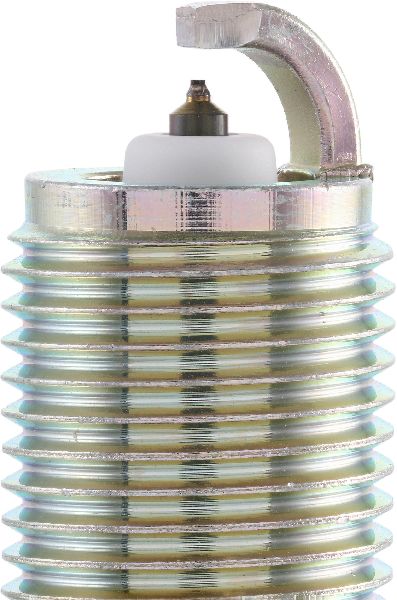
(OEM #NGK PFR8S8EG)— This is a standard maintenance item and the second most likely cause of a P0302 code after the ignition coil. This NGK part is a common OEM-spec plug.
Trusted brands: NGK, Bosch
Related Codes That Often Appear With This One
- P0300 — If the cause of the misfire is systemic (e.g., major vacuum leak from a failed PCV, widespread carbon buildup, bad fuel), multiple cylinders may misfire, triggering a 'Random Misfire' code.
- P0301, P0303, P0304, P0305, P0306 — Other specific cylinder misfire codes may appear if the problem affects more than one cylinder, or if a part (like a coil) is swapped during diagnosis.
- P130A — This is an Audi-specific code that means 'Cylinder Disabling'. The ECM intentionally shuts down the cylinder to protect the catalytic converter from damage due to excessive misfires. Fixing the root cause of P0302 will resolve this code.
- P2177 — System Too Lean Off Idle, Bank 1. This code can appear alongside a misfire if the cause is a vacuum leak, such as a failed PCV valve, which allows unmetered air into the engine.
Technical Service Bulletins (TSBs) & Recalls
- TSB 2033768/1 / 01138920337681: References misfire faults (P0301-P0306) appearing with P130A (Cylinder Disabling), often due to carbon buildup restricting airflow under heavy load.
- TSB Bulletin #A0124212069038_5: Provides information for instances where the MIL is illuminated due to cylinder misfires, specifically citing DTCs P0300 through P0306.
- TSB Bulletin #A0123802069038_4: Notes that a MIL and cylinder misfires (P0300-P0306) may be present, specifically relating to engine and engine cooling systems.
- TSB Bulletin #A0122312069038_1: States that a software update is available for certain instances where the MIL is illuminated with misfire codes P0300 through P0306.
- TSB Bulletin #A0123352069038_2: Provides instructions for diagnostic procedures when the MIL is illuminated and one or more DTCs such as P0302 are stored.
- TSB Bulletin #A0123912069038_5: Offers technical information regarding the illumination of the MIL and the storage of misfire codes P0300-P0306.
Platform-Specific Known Issues
- Leaking Supercharger Intercoolers: The two air-to-water intercoolers located under the supercharger are known to fail, leaking coolant into the intake tract and causing misfires. This often presents as coolant loss with no visible external leaks.
- Carbon Buildup: The direct-injection design leads to carbon deposits on the intake valves, which do not get cleaned by fuel. This restricts airflow and is a common cause of misfires, typically after 60,000-80,000 miles.
- PCV Valve Failure: The crankcase ventilation valve, located under the supercharger, is a common failure point that can cause vacuum leaks and rough running.
Mechanic-Grade Diagnostic Values
- High Pressure Fuel Pump (HPFP) Rail Pressure — expected: Stock pump operates up to 200 bar (2,900 psi).. Failure: Significantly lower than expected rail pressure under load can indicate a failing HPFP, contributing to lean misfires.
- Misfire Counter per Cylinder (VCDS) — expected: Ideally 0 at all times. A few sporadic counts may be normal, but rapidly increasing numbers on one cylinder indicate a problem.. Failure: A steadily climbing counter for cylinder 2 while the counters for other cylinders remain stable.
- Misfire Detection Status (VCDS) — expected: Should show 'Enabled' at idle after the engine is warm.. Failure: If the status remains 'Disabled' under normal idle conditions, the ECU is not actively monitoring for misfires, potentially because another fault is present that needs to be addressed first.
Hidden / Shadow Codes Worth Checking
- Mode $06 Misfire Data: Generic OBD-II scanners can access Mode $06, which shows raw data from the ECU's self-tests. This includes misfire counts for each cylinder from the last drive cycle, often identifying a misfire before it's frequent enough to set a P-code and turn on the CEL. (see via An OBD-II scan tool that supports Mode $06 functionality.)
- VCDS Measuring Blocks 015 & 016: These blocks in VCDS (VAG-COM) software show a live counter of misfires for each cylinder. Block 015 typically shows cylinders 1-3. This allows a technician to see which cylinder is misfiring in real-time, even if the misfires are not severe enough to trigger a persistent CEL. (see via Ross-Tech VCDS software and cable.)
Scan Tool Commands That Help
- VCDS (VAG-COM): View Measuring Blocks 015/016 — This is the primary function for live misfire diagnosis. It allows you to confirm that cylinder 2 is the source of the misfire and to see if the misfire moves to a different cylinder after swapping components like ignition coils or spark plugs.
- VCDS (VAG-COM) or similar professional scanner: Clear ECU Adaptations — After replacing major ignition or fuel components like coils or injectors, it can be beneficial to clear the ECU's learned fuel trim and ignition timing adaptations to force it to re-learn with the new parts, ensuring optimal performance.
Wiring & Ground Locations
- Engine Ground Strap — Main ground strap runs from the engine block to the vehicle body/chassis, often near the alternator on the right (passenger) side of the engine compartment.. A corroded or loose main engine ground can cause a weak or inconsistent spark across all cylinders, leading to random misfires. While less likely to cause a single cylinder misfire, it's a foundational check for any electrical or ignition issue.
- Earth Point 13 — A primary earth connection point located in the right side of the engine compartment.. Wiring harnesses for components on Bank 1 (including the ignition coil for cylinder 2) rely on this ground point. Corrosion or a loose connection here can create high resistance and directly impact the performance of the cylinder 2 ignition coil.
- Ignition Coil Connector — The 4-pin electrical connector on top of the ignition coil for cylinder 2.. The pins and wiring at the connector itself can become damaged from heat and vibration, leading to a poor connection and a misfire isolated to that cylinder. The wiring harness should be inspected for any signs of cracking, brittleness, or damage.
Real Owner Repair Stories
- AudiWorld Forums (2002 Audi Allroad 2.7T (Note: Different engine, but identical diagnostic principle for this part)) — Sudden rough running and a persistent P0302 code.
❌ Tried (didn't work) Swapped coil packs between cylinders - code stayed P0302., Replaced all 6 spark plugs - code stayed P0302., Performed a compression test - all cylinders were good at 150 +/- 5psi., Replaced all 6 fuel injectors - engine ran smoother, but P0302 returned on every restart.
✅ What actually fixed it The owner swapped the two Ignition Control Modules (ICMs or 'power output stages') between banks. The misfire code then moved to cylinder #5 (P0305), proving the ICM responsible for Bank 1 was faulty. Replacing the bad ICM resolved the issue. - YouTube Creator 'Gears and Gadgets' (Audi C7 S4 3.0T) — Misfire on cylinder 3 (P0303) under acceleration, EPC light.
❌ Tried (didn't work) Swapping the ignition coil did not move the misfire., Swapping the spark plug did not move the misfire.
✅ What actually fixed it The cause was diagnosed as a leaking supercharger intercooler core. The owner confirmed this by noting a drop in coolant level in his separated intercooler reservoir, indicating coolant was leaking from the core into the engine's intake path for that cylinder. The fix required replacing the internal intercooler core.
"I Checked Everything" — The Actual Cause
- A failed PCV valve on the 3.0T engine can leak internally, allowing coolant to mix with oil, or cause unmetered air to enter the crankcase in ways a smoke test might not reveal. One technician noted that diagnosing an internal coolant leak from the PCV is nearly impossible with external tests like smoke or pressure testing; it often requires disassembly to confirm. Another owner had a suspected boost leak; a smoke test revealed nothing, but they replaced the PCV valve anyway due to it being a known failure point, which is a common preventative measure during supercharger-off service.
OEM Part Supersession History
06E905115A through 06E905115F→06E905115G— Revisions were made to improve reliability and resistance to heat-related failure and electrical breakdown.
Heads up: All revisions from A to G are generally interchangeable, but it is highly recommended to use the latest available revision (G or newer) for replacement. It is also critical to replace coils in a full set or at least ensure all coils on the engine are of the same type and revision to prevent inconsistent ignition performance.
Model Year Variations Within This Range
- 2012-2015 (C7 Pre-Facelift): These models use the original 3.0T supercharged engine, producing 310 hp. They feature a press-on supercharger pulley and standard direct injection.
- 2016-2018 (C7.5 Facelift): These models feature the updated 'CREC' version of the 3.0T engine. Horsepower was increased to 333 hp (340 hp in 2018). Key changes include a dual-injection system (port and direct), which helps mitigate carbon buildup on intake valves, and a 4-bolt supercharger pulley, making pulley upgrades easier. These differences mean carbon buildup is less likely to be the cause of a misfire on a C7.5 compared to a C7.
Diagnostic Flowchart
Other Known Issues on This Vehicle
Issues unrelated to this code that are worth knowing about as an owner of this generation:
- Water Pump & Thermostat Failure 🔴 High — Very common, especially on models over 60,000-70,000 miles. Early C7 models (2012) are more prone. Failure can cause rapid overheating. (Ref: Multiple service actions and part updates have been issued over the years.)
- PCV Valve (Oil Separator) Failure 🟠 Medium → Shop PCV Valve — Common failure item located under the supercharger. Often fails after 50,000 miles, causing vacuum leaks (whistling noise), high oil consumption, and lean codes.
- Engine Mount Failure 🟠 Medium — The fluid-filled engine mounts are known to leak and fail, causing a noticeable 'clunk' during acceleration, braking, or shifting.
- Timing Chain Tensioner Wear 🔴 High — Less common than other issues, but can occur on higher-mileage engines (100k+ miles). Presents as a brief rattling noise from the back of the engine on cold starts. Repair is very labor-intensive.
- Upper Timing Chain Cover Oil Leaks 🟡 Low — The seals for the upper timing covers, located at the rear of the engine, can degrade and leak oil. It's often a slow seep rather than a major leak.
Used vs. New Parts: Buying Guide for This Vehicle
When a used part is the smart pick: For this repair, used parts are generally not recommended for the primary failure items. However, if a larger component like the supercharger assembly needs to be replaced to fix a leaking intercooler, a tested, low-mileage used unit from a reputable salvage yard can be a cost-effective option compared to a new assembly from Audi.
Donor-vehicle mileage cap: roughly under 60000 miles for the part to have meaningful remaining life.
What to inspect on the donor part:
- For a supercharger assembly: Ask for photos of the intake ports underneath; they should be dry and free of coolant residue. Check for minimal shaft play on the supercharger pulley.
- For any used electronic module: Ensure the part number matches exactly and check for any signs of water damage or corrosion on the pins.
- Verify the donor vehicle's VIN to confirm it wasn't involved in a flood or had a fire.
OEM-only on this vehicle (don't cheap out):
- PCV Valve (Crankcase Vent Valve): Aftermarket versions are available, but given the critical function and labor-intensive replacement (supercharger removal), using a Genuine Audi part of the latest revision is strongly advised to prevent premature failure.
- Fuel Injectors: While remanufactured injectors exist, the quality can be inconsistent. For direct injectors operating at high pressure, OEM or OEM-supplier (e.g., Bosch) new parts are the safest bet to ensure proper flow and atomization.
- Supercharger Intercooler Cores: There are few, if any, aftermarket options. If replacing just the cores, OEM is the only reliable choice.
Aftermarket brands forum-validated for this vehicle:
- Ignition Coils: Bosch, NGK, Eldor, and APR are well-regarded brands in the Audi community.
- Spark Plugs: NGK (specifically the PFR8S8EG) is the OEM-spec plug and is highly recommended.
Brands owners have reported issues with on this vehicle:
- Unbranded, 'no-name' ignition coils and sensors from online marketplaces. These often have a high failure rate and can cause more diagnostic headaches than they solve. Stick to reputable brands, even if they cost slightly more.
Real Owner Stories
Aggregated from forums and TSBs cited above. Mileages and costs reflect what owners reported in those sources.
2012 Audi S4 3.0T (EA837)
Symptoms: Misfire on cylinder 5 (P0305) after changing plugs and coils.
What fixed it: The cause was a leaking supercharger intercooler, confirmed by pressurizing the system and seeing coolant mist.
Source hint: AudiWorld Forums: S4 TFSI 3.0 Supercharger/intercooler problem
Audi Q7 3.0T
Symptoms: P0302 cylinder 2 misfire that persisted after swapping the coil and spark plug.
What fixed it: A compression test revealed the engine had extremely low compression of only 25 PSI in cylinder 2, indicating a serious mechanical engine problem.
Source hint: YouTube: Audi Q7 po302 cylinder 2 misfire
2009 Audi A6 3.0T
Symptoms: Persistent misfire on cylinder 2 (P0302) that sometimes moved to cylinder 1.
What fixed it: The issue persisted even after replacing injectors, highlighting a complex problem where common parts replacement did not resolve the misfire.
Source hint: Ross-Tech Forums: 2009 Audi A6 3.0T misfire quirk
Related OBD-II Codes
Frequently Asked Questions
My 3.0T A6 has a P0302 and a P130A code; is there a technical service bulletin for this?
I hear a high-pitched whistling noise from the engine bay of my 2014 A6 at idle. Could this be related to my cylinder 2 misfire?
How can I tell if my P0302 code is caused by a leaking intercooler instead of a bad coil?
Is there a specific tool I need to change the spark plugs on my 2012-2018 Audi A6 3.0L?
Where is cylinder 2 located on the Audi 3.0L Supercharged V6?
How often should I be changing the spark plugs on my supercharged A6 to avoid misfires?
Helpful Videos

We Have This Part in Stock


The information in this article is provided for general reference and educational purposes only. Vehicle specifications, procedures, and part compatibility can vary by production date, trim level, and region. Always consult your vehicle's factory service manual and verify part numbers before purchasing or performing repairs. Safety-critical components such as airbags, seat belts, and braking systems should be installed by a qualified professional.
- Audi A6:
- 🧭 Diagnostic Flowchart
- 🎬 Helpful Videos
- 🛍️ Shop This Part
- What's Unique About the 2012-2018 Audi A6
- Symptoms You May Notice
- Most Likely Causes
- Rare But Worth Checking
- Diagnosis Steps
- Parts You'll Likely Need
- Related Codes That Often Appear With This One
- Technical Service Bulletins (TSBs) & Recalls
- Platform-Specific Known Issues
- Mechanic-Grade Diagnostic Values
- Hidden / Shadow Codes Worth Checking
- Scan Tool Commands That Help
- Wiring & Ground Locations
- Real Owner Repair Stories
- "I Checked Everything" — The Actual Cause
- OEM Part Supersession History
- Model Year Variations Within This Range
- Other Known Issues on This Vehicle
- Used vs. New Parts: Buying Guide for This Vehicle
- Real Owner Stories
- 2012 Audi S4 3.0T (EA837)
- Audi Q7 3.0T
- 2009 Audi A6 3.0T
- Related OBD-II Codes
- Frequently Asked Questions
- 🎟️ Get 5% Off